Guangdong Yingtai High Precision Technology Co., Ltd. | Dongguan, China | Export Director: Miss Zhang OEM silicone rubber injection molding has cemented itself as a cornerstone in industries demanding precision, durability, and flexibility. As
Guangdong Yingtai High Precision Technology Co., Ltd. | Dongguan, China | Export Director: Miss Zhang
Introduction & Industry Context
OEM silicone rubber injection molding has cemented itself as a cornerstone in industries demanding precision, durability, and flexibility. As procurement managers and engineers well know, the choice of silicone injection molding supplier significantly impacts not only product quality but also time-to-market and total cost of ownership.
Guangdong Yingtai High Precision Technology Co., Ltd., situated in Dongguan's manufacturing hub Changan Town, has evolved over two decades into an industry benchmark in silicone and plastic injection molding. With a sprawling 35,000 square meter facility, Yingtai leverages a holistic manufacturing approach — from customized mold development through to finishes — ensuring clients benefit from an intellectualized and integrated production line.
The accelerated expansion of the global liquid silicone rubber (LSR) market further underscores the strategic importance of advanced injection molding. Industry reports forecast the LSR market will soar beyond USD 7 billion by 2035 with a compounded annual growth rate (CAGR) of 7-9% (sources: Grand View Research, Research Nester). This surge is fuelled by demands for medical devices, automotive components, consumer electronics, and intricate industrial sealing parts where biocompatibility, thermal stability, and mechanical resilience cannot be compromised.
For the astute buyer, understanding the nuances behind LSR injection molding helps avoid costly pitfalls. This process involves liquid silicone rubber dispensed under heat and pressure into specialized molds, hardened by curing. Variations in curing kinetics, mold design, and material grade affect precision, cycle time, and overall part performance.
Investment in well-engineered tooling is critical — as discussed in academic and industry research, rapid tooling innovations shorten lead times for product launch and improve defect control.
Operational experience shows that even with top-quality materials and equipment, overlooked factors like mold venting, thermal control, and rheological characterization can lead to costly defects such as flash, warpage, or poor demolding. According to studies (MDPI Polymers), simulation accuracy hinges on high-fidelity material datasets, which major manufacturers must prioritize for process optimization and risk reduction.
With this in mind, our article walks through the essential facets of OEM silicone rubber injection molding. Whether you’re sourcing medical-grade LSR components or tailor-made seals for automotive or wearable tech, understanding these technical, commercial, and logistical details will empower your procurement decisions.
Common Industry Challenges
Lead time unpredictability: Custom tooling for LSR molds demands precise engineering, often extending tool development to 6-12 weeks. Underestimating this delays product launch and strains supply chains.
Material inconsistency: Not all silicones are equal. Differences in viscosity, cure behavior, and additives profoundly influence product performance — errors here affect part lifespan and compliance.
Defect management: Flash, short shots, and bubble entrapment arise from mold design flaws or poor venting. These issues translate to rework costs and material waste, impacting unit economics.
Quality control in multi-component molding: Achieving strong adhesion between LSR and substrate plastics like ABS requires process parameter optimization, often overlooked by inexperienced vendors.
Logistics complexities: Silicone parts’ sensitivity demands careful packaging and handling. Delays or improper transport can damage delicate seals or microstructures, causing supply shortages.
Supplier assessment hurdles: Transparency around certifications such as ISO 9001, CE, and material compliance (FDA, RoHS) must be verified to avoid regulatory pitfalls.
Technical Deep Dive: Injection Molding Process & Material Science
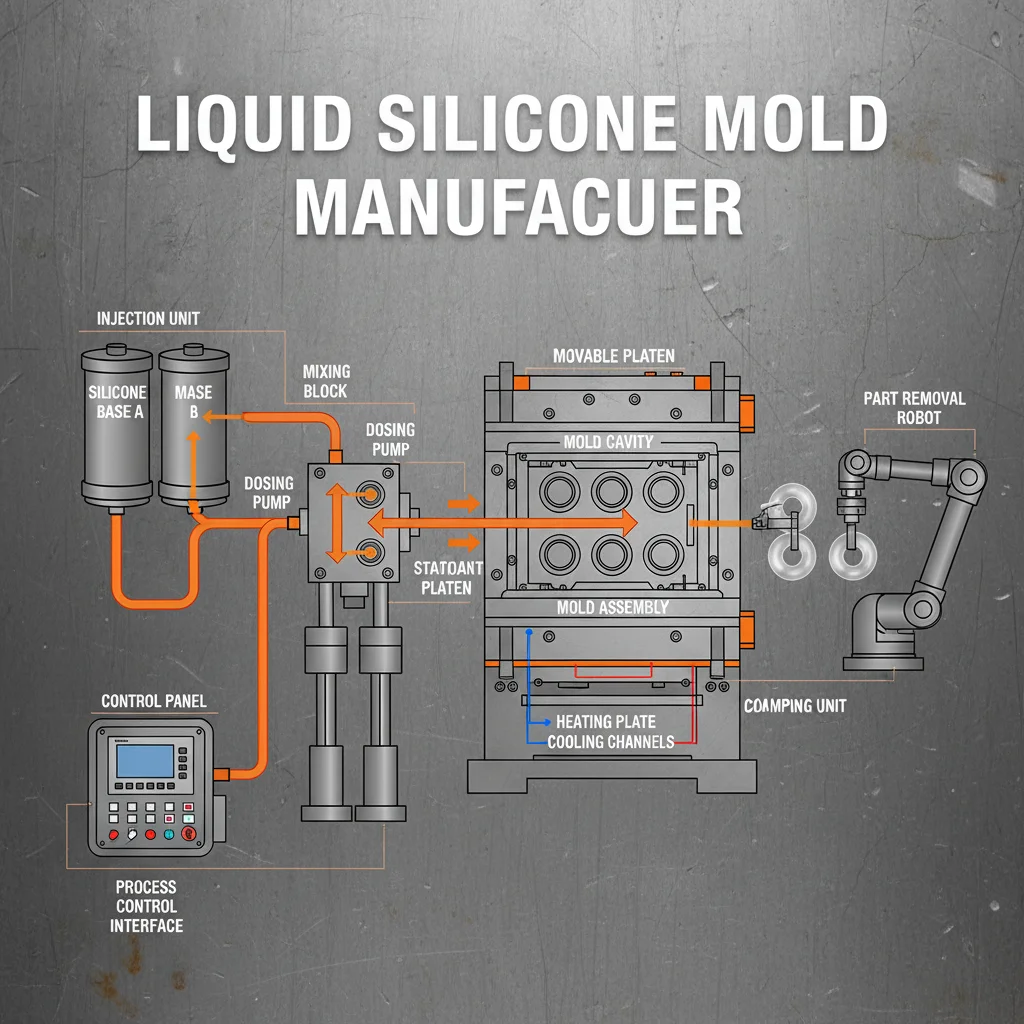
Liquid silicone rubber injection molding is a sophisticated manufacturing technique involving several interdependent variables. The general process starts by metering two-part LSR components into heated mixers, then injecting the homogeneous mixture into molds where curing occurs under controlled temperature and pressure.
Material characteristics – Viscosity and cure kinetics define flow behavior and cycle time. As shown in recent rheological studies, accurate simulation of these parameters leads to better mold design and fewer defects.
Mold design for LSR differs from plastic injection molding due to the material’s low viscosity and fast curing profile. Typical molds use stainless steel or hard aluminum with intricate cavity venting to avoid trapped air pockets. Modern tooling integrates cooling channels and must withstand repeated high-pressure cycles without losing dimensional stability.
Process parameters like injection speed, temperature, and curing time require tight control. Manufacturers increasingly adopt AI-driven tools for real-time optimization to reduce scrap rates and energy use (see AI injection molding optimization research).
Technical Specifications of Typical OEM Silicone Rubber Injection Molded Parts
Silicone rubber produces distinct benefits over traditional elastomers and plastics, elevating it as the material of choice for OEMs requiring both form and function in one package. Our operational teams note several decisive strengths:
Heat resistance: Stable performance in extended temperature ranges, making parts reliable in automotive engine compartments or medical sterilizers.
Biocompatibility: Medical-grade LSR offers excellent skin compatibility, meeting FDA and ISO 10993 certifications — essential for wearable devices and implants.
Chemical stability: Resistance to detergents, oils, UV radiation, and ozone outperforms traditional rubbers in industrial and outdoor applications.
Precision molding capability: Fine features below 0.1 mm and complex geometries can be realized with high repeatability via LSR injection molding.
Longevity: Silicone parts maintain elasticity and functionality for years despite mechanical stress, reducing total cost of ownership.
Environmental tolerance: Outstanding cold flexibility (-50°C) and resistance to extreme weather extend lifecycle in harsh climates.
From a material perspective, OEM silicone rubber injection molding encompasses a broad spectrum of LSR formulations — from translucent grades used in optics to carbon-black-filled variants optimized for conductivity and EMI shielding. Such diversity allows Yingtai to tailor products for specific client requirements rather than adopting “one-size-fits-all” approaches.
Application Scenarios: Industry-Driven Use Cases
Silicone injection molded parts find their way into an array of sectors demanding precision and durability. Below are practical examples illustrating the material’s versatility:
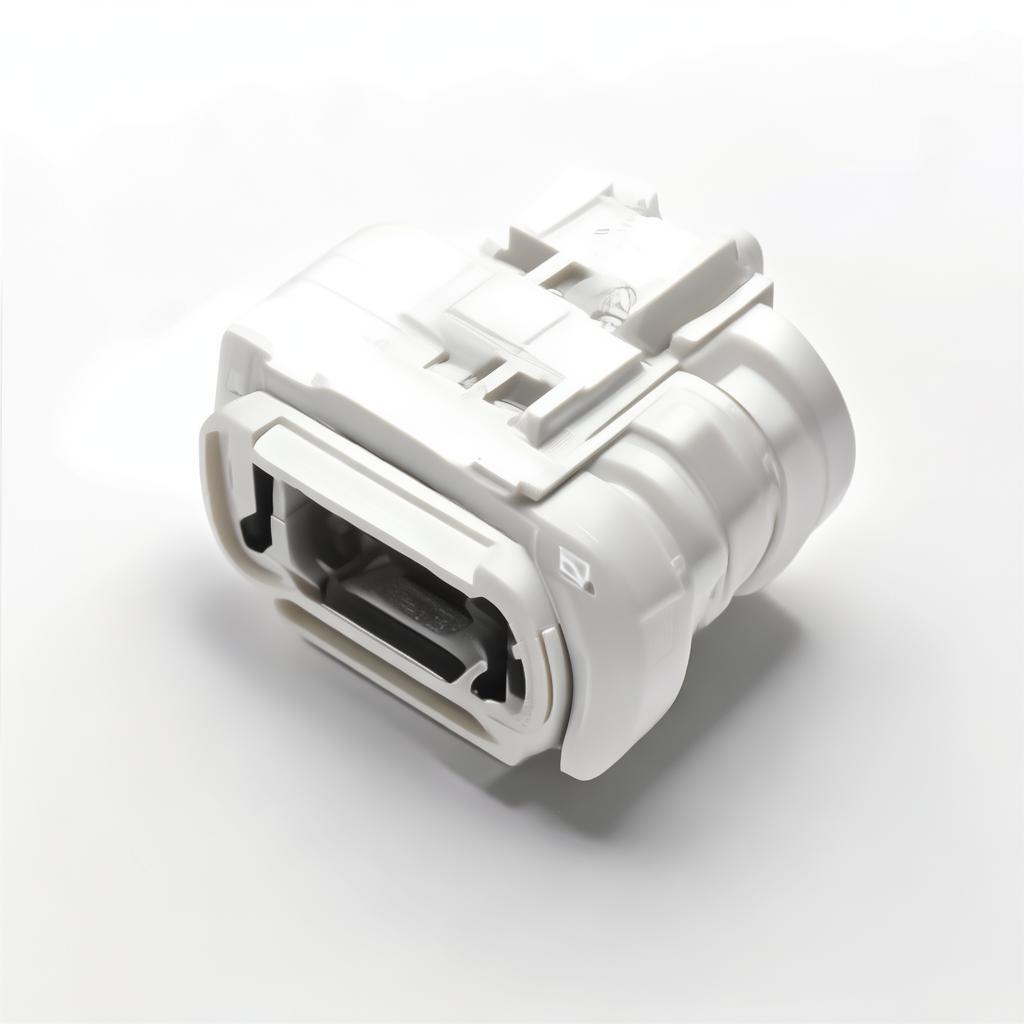
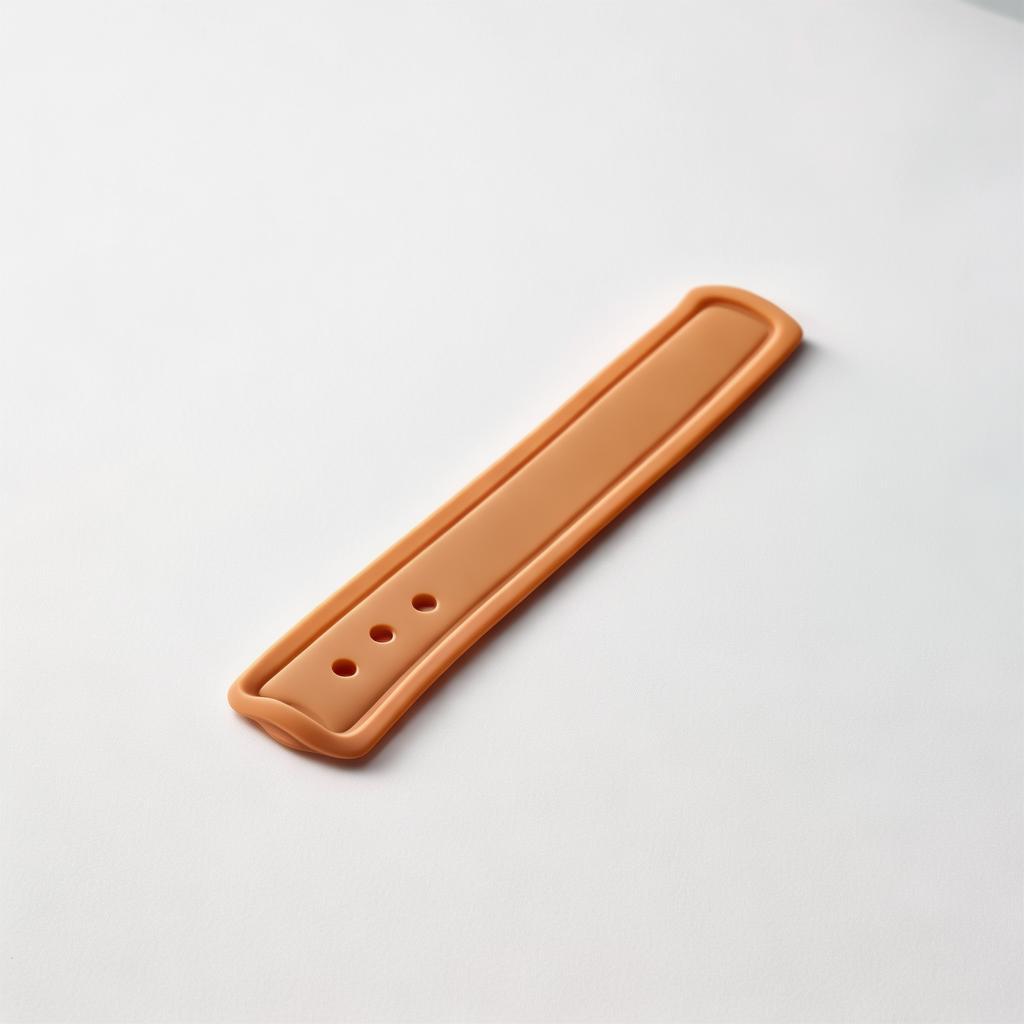
Automotive Seals and Gaskets: Resisting high temperatures and oils, LSR components provide tight seals for engines, transmissions, and EV battery packs.
Medical Devices: Catheters, respiratory masks, and valve membranes benefit from silicone’s biocompatibility and easy sterilization.
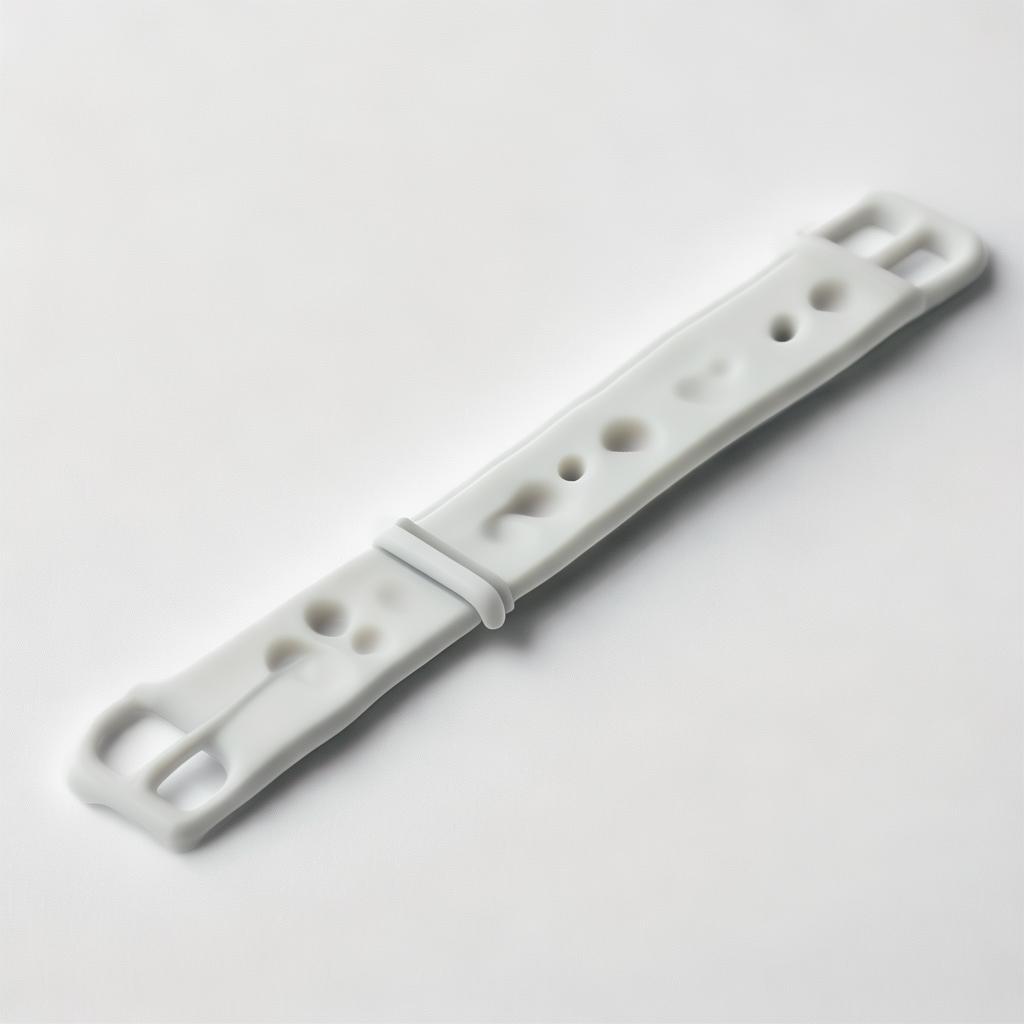
Consumer Electronics: Keypads, buttons, and waterproof seals in wearables depend on flexibility and long-lasting aesthetics.
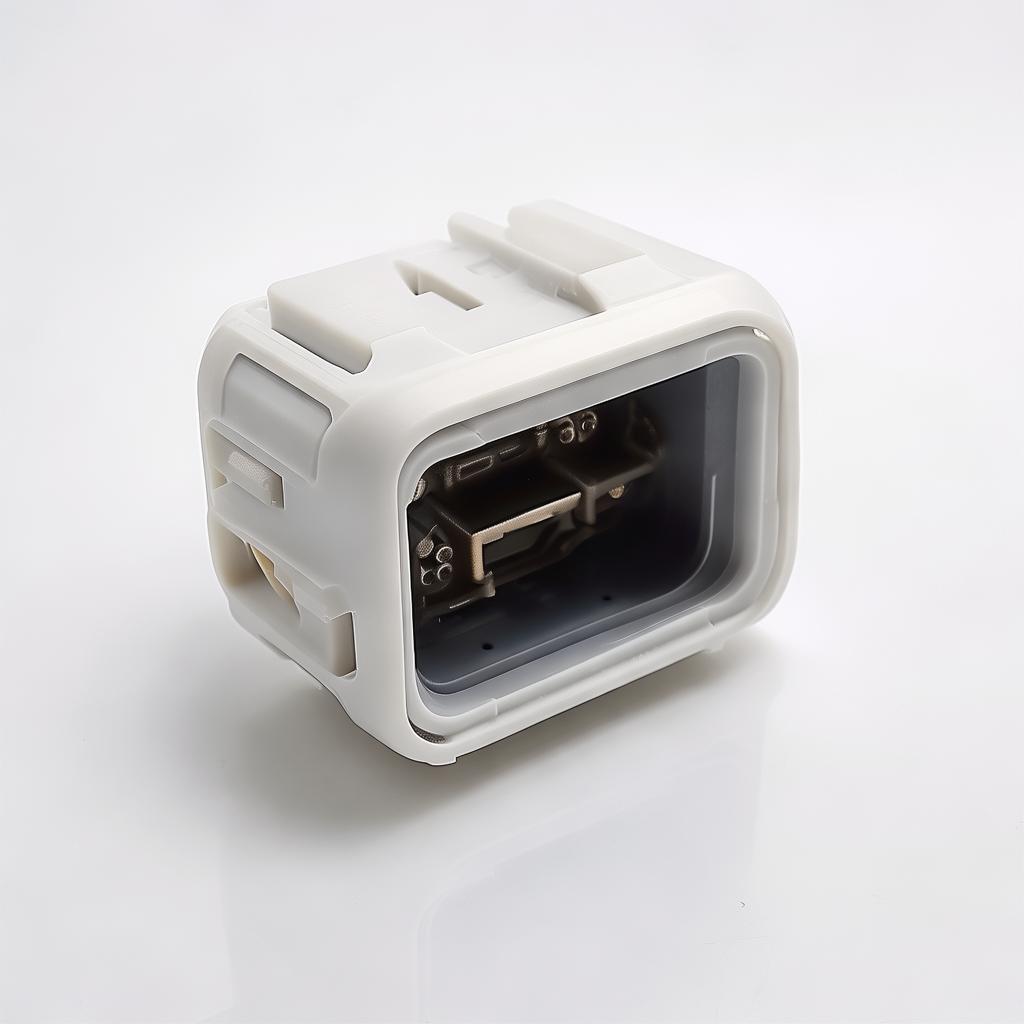
Industrial Electronics: Encapsulation of sensors and connectors for harsh environments ensures stable performance.
Household Appliances: Electrical insulation components, dishwasher seals, or baby bottle parts require food-safe, odorless silicone parts.
Soft Robotics: Flexible actuators and compliant joints require specialized molding with vacuum-assisted techniques to prevent internal defects (Springer soft robotics study).
Procurement Guidance & Risk Mitigation
Selecting an OEM silicone rubber injection molding partner extends beyond price comparison. Keen procurement managers must evaluate key factors to safeguard supply chain robustness:
Certifications and Compliance: Confirm that suppliers hold ISO 9001 and product-specific accreditations such as CE and FDA. Compliance with RoHS indicates environmentally responsible materials usage.
Tooling Capabilities: Assess the factory’s expertise in LSR mold design, venting, and rapid tooling methods. Modern machinery like the 55 set liquid silicone molding machines at Yingtai reduces variation risks.
Production Scale & Flexibility: Confirm capacity to scale volumes without compromising quality, including provisions for prototyping and low/mid-volume runs.
Quality Assurance Processes: On-site inspection, destructive/non-destructive testing equipment, and process controls must be in place and documented.
Logistics and Packaging: Clarify shipping methods, packaging standards for fragile silicone parts, and customs clearance assistance to avoid last-minute disruptions.
Communication & Responsiveness: Transparent communication channels, dedicated account managers, and engineering support contribute materially to project success.
For procurement managers venturing into cross-border purchasing, beware common mistakes such as underestimating mold design costs or ignoring thermal cycling impacts on silicone quality — issues frequently raised by industry peers on platforms like Reddit injection molding forums.
When possible, request free samples or short production runs before committing to full-scale orders. This practical step often reveals subtle material, color, or dimensional deviations early in the process.
Frequently Asked Questions
What is the typical lead time for OEM silicone rubber injection molded parts?
Lead time depends on tooling complexity but generally ranges from 6 to 12 weeks for new molds. Production cycles for parts vary but are often 30-120 seconds per shot.
How does LSR compare with silicone compression molding?
LSR injection molding offers higher precision, cleaner finishes, and faster cycle times. However, compression molding can be more cost-effective for simpler designs or lower volumes.
Are there limitations on part size or geometry?
While LSR injection molding accommodates intricate details and thin walls, very large parts may require sectional molds or alternative methods. Draft angles and venting are essential design considerations.
Can colored or filled silicone be molded?
Yes, custom color matching and functional fillers (e.g., carbon black for conductivity) are common. However, fillers may affect flow and curing, requiring adjusted processing parameters.
What certifications are available for medical applications?
Manufacturers often provide FDA compliance documentation and ISO 13485-certified processes relevant to medical-grade LSR products.
How are logistics handled for fragile silicone parts?
Specialized packaging including anti-static bags, foam inserts, and climate-controlled shipping can be arranged to minimize damage during transit.
Customer Reviews & Procurement Scenarios
Jason M., Procurement Director, Michigan
“Switching to Yingtai’s OEM LSR molding solutions reduced our defect rate significantly. Their engineering team helped us optimize material grade for automotive seals, balancing flexibility with temperature resistance. Also appreciated their transparent lead time communication.”
Get in Touch
If you have any camping barbeque equipment inquiry, please feel free to contact us.



 Jason M., Procurement Director, Michigan