Oil Resistant And Acid Resistant Lsr Silicone Rubber Pad
Oil Resistant And Acid Resistant Lsr Silicone Rubber Pad
Precision Engineered Liquid Silicone Rubber Pads Optimized for Harsh Industrial Environments In manufacturing and industrial settings, silicone rubber pads must often endure aggressive conditions involving oil contamination, chemical exposure, and extreme acids or alkalis
Product Details
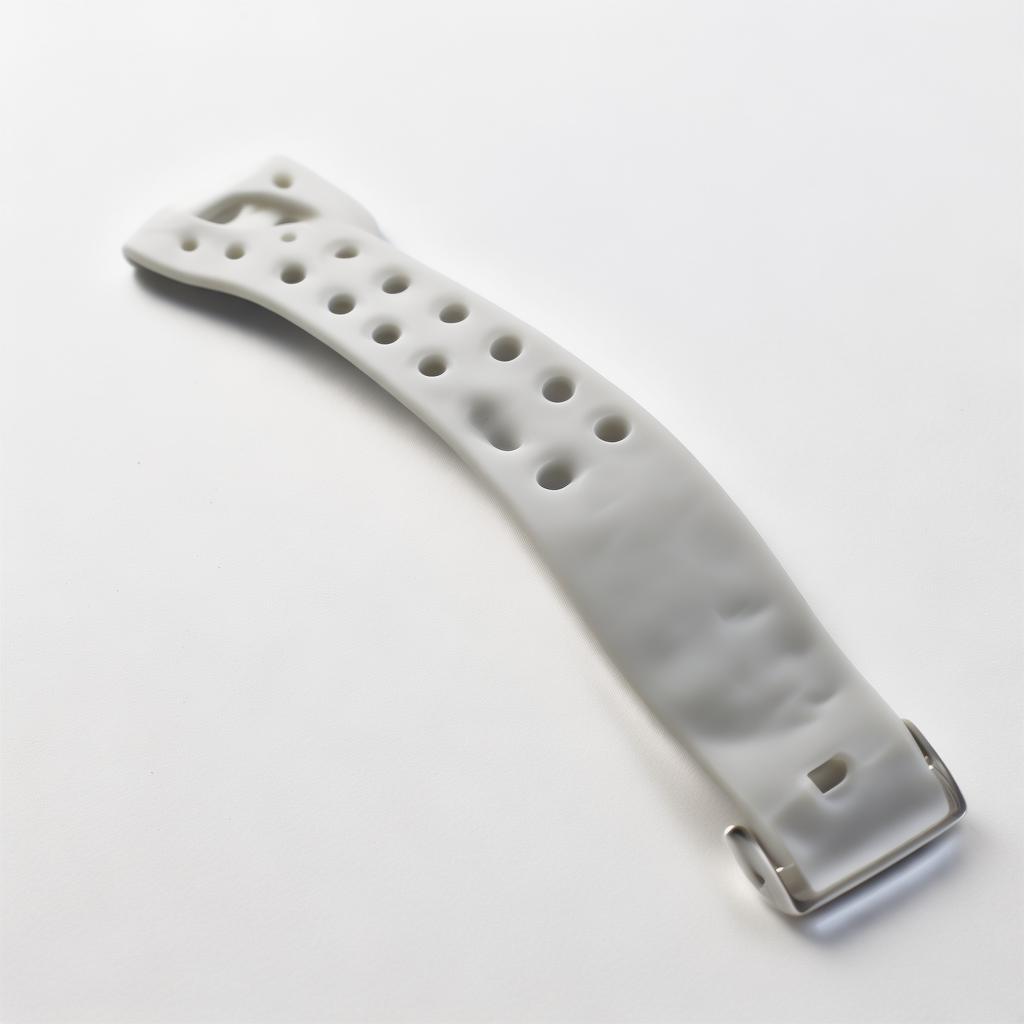
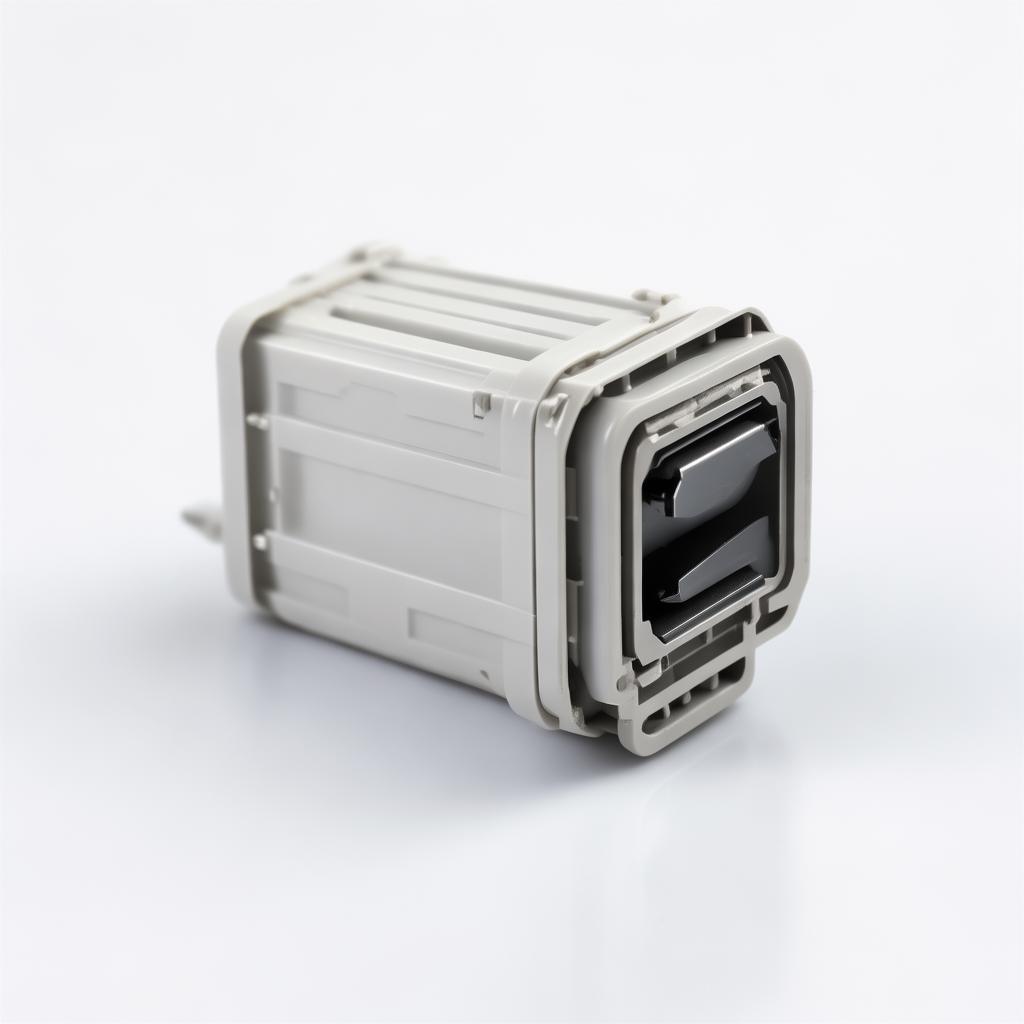
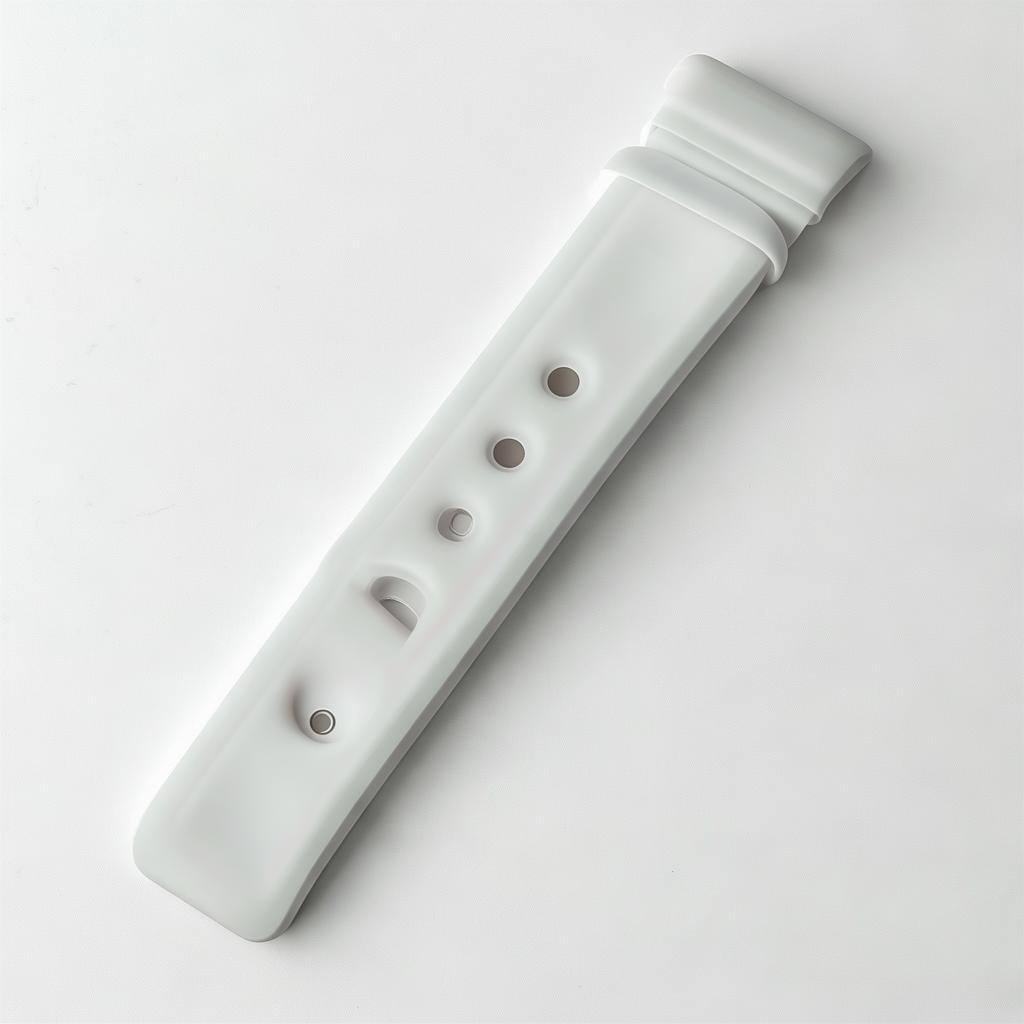
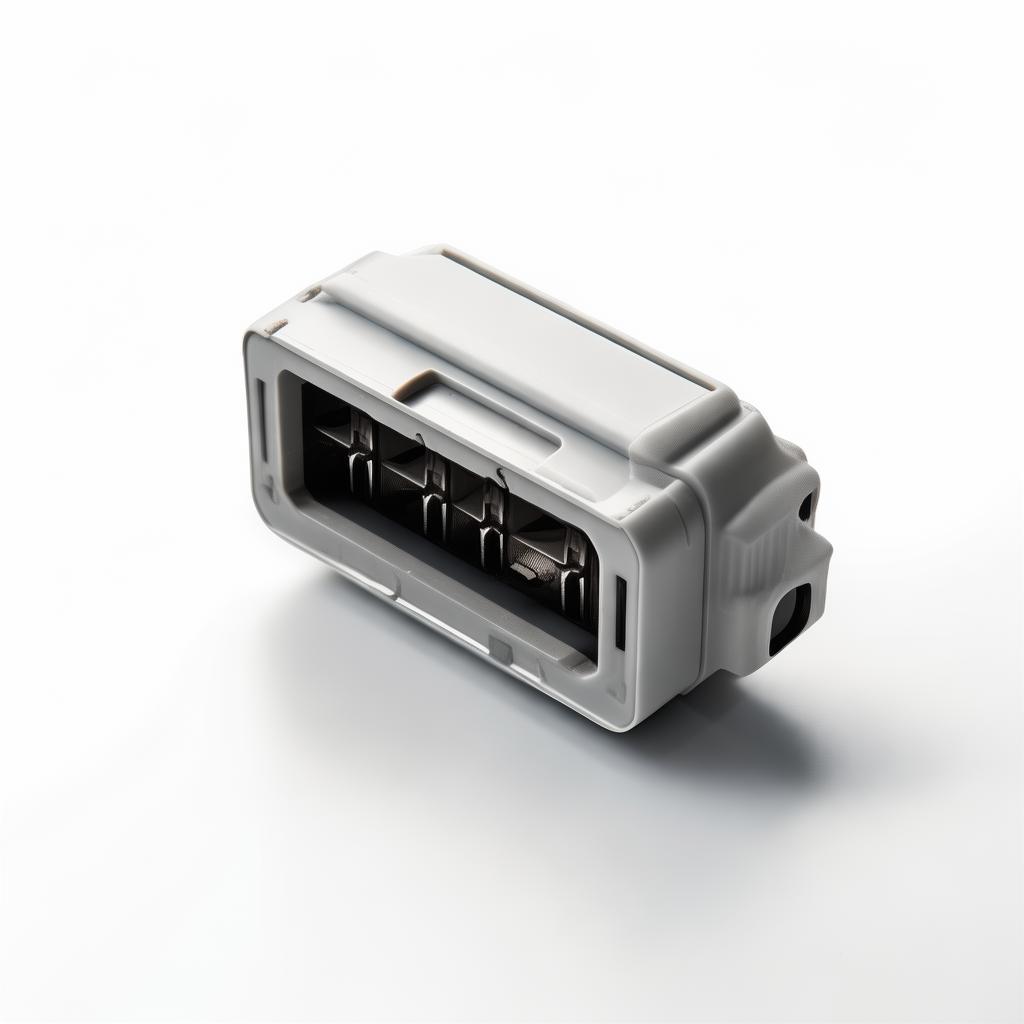
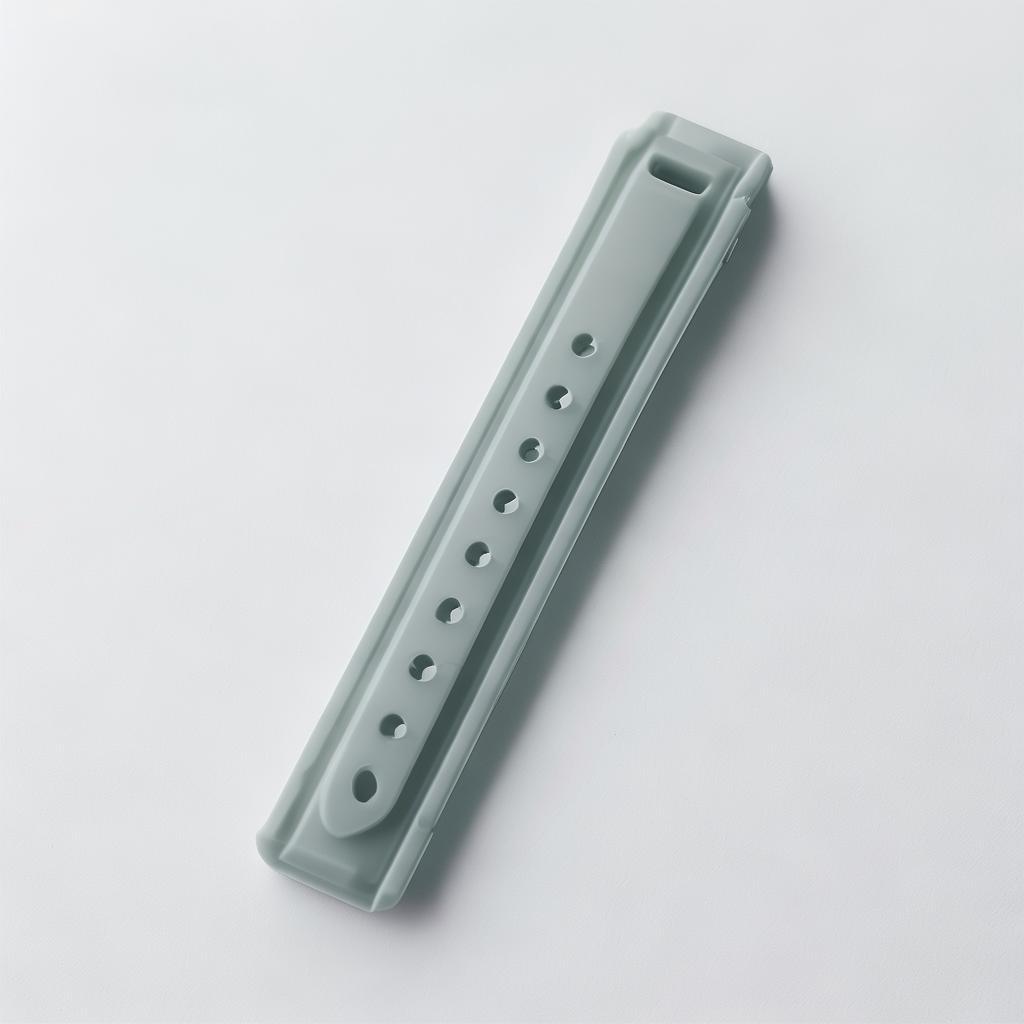
Oil-resistant and Acid-resistant LSR Silicone Rubber Pad
Industrial Operational Challenges with Silicone Pads in Harsh Environments
In manufacturing and industrial settings, silicone rubber pads must often endure aggressive conditions involving oil contamination, chemical exposure, and extreme acids or alkalis. Conventional silicone materials frequently fall short in delivering sustained performance, leading to premature elastomer degradation, compromised sealing, and increased maintenance cycles. Operations in automotive, chemical processing, and electronics assembly sectors particularly feel the impact of poor material choices, triggering unplanned downtime and amplified procurement costs.
Moreover, fields demanding high-precision gasketing or vibration dampening require materials with robust oil resistance to withstand lubricants, fuels, hydraulic fluids, and corrosive agents without swelling or losing mechanical integrity. The growing trend toward extended equipment service life and regulatory compliance – including FDA for food-contact or CE for industrial safety – amplifies expectations on silicone pad materials.
From a procurement viewpoint, an often-overlooked risk is insufficient supplier transparency on silicone formulations and testing standards. Many buyers face challenges matching prototype performance to the mass-produced pads, resulting in compatibility mismatches and costly R&D repeats. Technical engineers emphasize that tailored material selection and controlled manufacturing processes are critical, especially for liquid silicone rubber (LSR) pads intended to resist acid and oil degradation.
Also, installation teams find that incorrect compression rates or surface finishes reduce sealing efficiency under chemical exposure, urging closer cooperation between procurement, design, and assembly phases. These factors collectively shape a complex operational landscape that demands both material excellence and manufacturing precision.
Technical Properties & Advantages of Oil-resistant and Acid-resistant LSR Silicone Rubber Pads
Guangdong Yingtai High Precision Technology Co., Ltd.’s oil-resistant and acid-resistant LSR silicone rubber pads leverage decades of experience in liquid silicone molding to achieve exceptional chemical durability combined with outstanding mechanical strength and dimensional stability. Key technical insights include:
Advanced Oil & Chemical Resistance: Special-grade LSR compounds formulated to resist hydrocarbon oils, ester-based lubricants, and common industrial acids—including hydrochloric acid (HCl) and sulfuric acid (H2SO4)—without surface degradation or swelling for prolonged exposure times.
Thermal & UV Stability: Maintains elasticity & resilience from -60°C up to +230°C; stable under continuous UV radiation, preventing premature brittleness in outdoor or engine bay applications.
High Tear Strength & Compressibility: Enables reliable sealing in vibration or compression-loaded environments, reducing gasket failures and leak points.
ISO 9001 & CE Compliant Manufacturing: Process rigor ensuring batch-to-batch consistency, traceable raw material sourcing, and low-defect injection molding.
Customizable Shore A hardness between 20 - 80 allowing design precision tailored to specific application force and flexibility requirements.
Reduced Outgassing & Non-toxic Composition: Suitable for sensitive food processing or medical device component seals abiding by FDA and RoHS standards.
Comparative Material Performance Overview
Material
Oil Resistance
Acid Resistance
Thermal Range (°C)
Typical Applications
LSR Silicone Rubber (Yingtai Grade)
Excellent
Excellent
-60 to +230
Precision seals, chemical-resistant gaskets, OEM automotive parts
These robust silicone rubber pads see widespread use across industries where durability against chemicals and oils is non-negotiable:
Automotive & New Energy Vehicles: Engine compartment seals, battery pack absorber pads, oil pan gaskets where extended temperature and chemical resistance are crucial.
Chemical Processing Equipment: Sealing components in pumps, valves, and pipe connections that encounter acids, bases, lubricants, and solvents.
Consumer Electronics & Wearable Devices: Water and dust-resistant seals; soft-touch critical parts that require biocompatibility and durability.
Food Industry Equipment: FDA-compliant acid-resistant gaskets for machinery exposed to acidic cleaning agents and oils.
Installation Tips for Optimal Performance
Avoid excessive compression beyond pad design limits to prevent premature mechanical fatigue.
Ensure mating surfaces are clean, dry, and free of residues, particularly oil or foreign chemicals, for full sealing effectiveness.
Verify compatibility of silicone pads with fluids and surfaces as per manufacturer’s chemical resistance charts.
Design hardware to allow minor material expansion in high-temperature environments.
Procurement Strategy & Evaluating Suppliers of Oil and Acid Resistant LSR Pads
From decades of working with global buyers, we understand that procurement professionals prioritize material reliability, traceability, and supplier responsiveness. Here are practical considerations when sourcing oil-resistant and acid-resistant LSR silicone rubber pads:
Material Data Sheets & Certificates: Look for detailed chemical resistance test reports, hardness ranges, and compliance with ISO 9001, CE, RoHS, or FDA standards.
OEM/ODM Capabilities: Does the supplier offer design support, custom molding, and prototype validation? This reduces iteration cycles and speeds introduction.
Production Capacity & Lead Time Transparency: Ensure the factory can handle volume ramp-up and provide realistic lead time estimates. This balances project timelines with buffer stock planning.
After-Sales Technical Support: Assess availability of engineering assistance for product evaluation, installation guidance, and troubleshooting.
Packaging & Logistics: Confirm packaging suitability for overseas shipping, temperature conditions, and container optimization to avoid pad deformation or contamination during transit.
Quality Control Measures: Inquire about in-line dimensional inspections, tensile & tear strength testing, and batch traceability systems.
Avoid pitfalls such as accepting non-certified materials, underestimating tooling set-up times, or sourcing based solely on lowest unit cost without factoring in defect rates and product lifespan. Partnering with a seasoned manufacturer like Yingtai can mitigate these risks through their integrated mold development and in-house precision manufacturing.
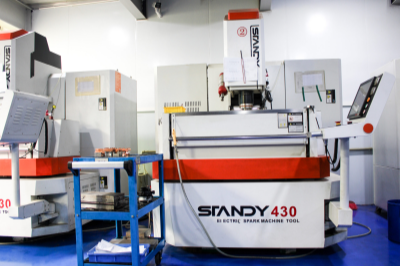
30+ precision mold processing units incorporating EDM and CNC tooling
20+ advanced material testing and quality control instruments
This integrated production chain—from mold design to final assembly—ensures consistent ISO 9001 quality compliance and capacity to handle large batch orders with stringent specifications. Their technical team of 500+ staff includes R&D engineers, process specialists, and quality inspectors who routinely collaborate with customers to deliver tailored LSR solutions.
Frequently Asked Questions
Q1: How does oil and acid resistance in LSR pads compare to traditional silicone?
Yingtai’s oil and acid-resistant LSR pads utilize specialized formulations that maintain structural and chemical integrity significantly longer than common vulcanized silicone compounds, especially under prolonged exposure. This reduces maintenance intervals and logistical downtime.
Q2: Can Yingtai customize pad shapes and hardness?
Absolutely. Their in-house tooling and multi-shot injection molding capabilities allow for OEM/ODM project support with variable hardness from Shore A 20 to 80 and complex geometries tailored per application.
Q3: What certifications ensure product safety and quality?
The factory holds ISO 9001 quality management, CE marking, FDA food contact certification, and RoHS compliance, assuring rigorous product standards for industrial and consumer markets.
Q4: What is typical lead time for sample and bulk production?
Samples can be prepared in 10-15 days depending on design complexity; bulk production typically requires 3-5 weeks, inclusive of mold tooling and QC procedures. Expedited options may be discussed.
Q5: Are there any special storage or handling requirements?
Pads should be stored in dry, temperature-controlled conditions away from UV exposure to maintain elasticity and prevent premature aging. Installation personnel should avoid contamination with incompatible chemicals.
Customer Reviews
Samuel J., Procurement Manager, Texas
“After switching to Yingtai’s acid-resistant LSR pads for our chemical pumps, we noticed fewer seal failures despite heavy acid use. The pads' consistent hardness and precise molding reduced installation issues across multiple plants. The product quality is robust and reliable for our demanding environment.”
Get in Touch
If you have any camping barbeque equipment inquiry, please feel free to contact us.



 Samuel J., Procurement Manager, Texas