Durable Industrial-Grade Silicone Solutions for Harsh Chemical Environments In industrial settings where chemicals such as oils, acids, and solvents are commonplace, selecting a sealing or cushioning material that remains reliable over time is critical.
Product Details
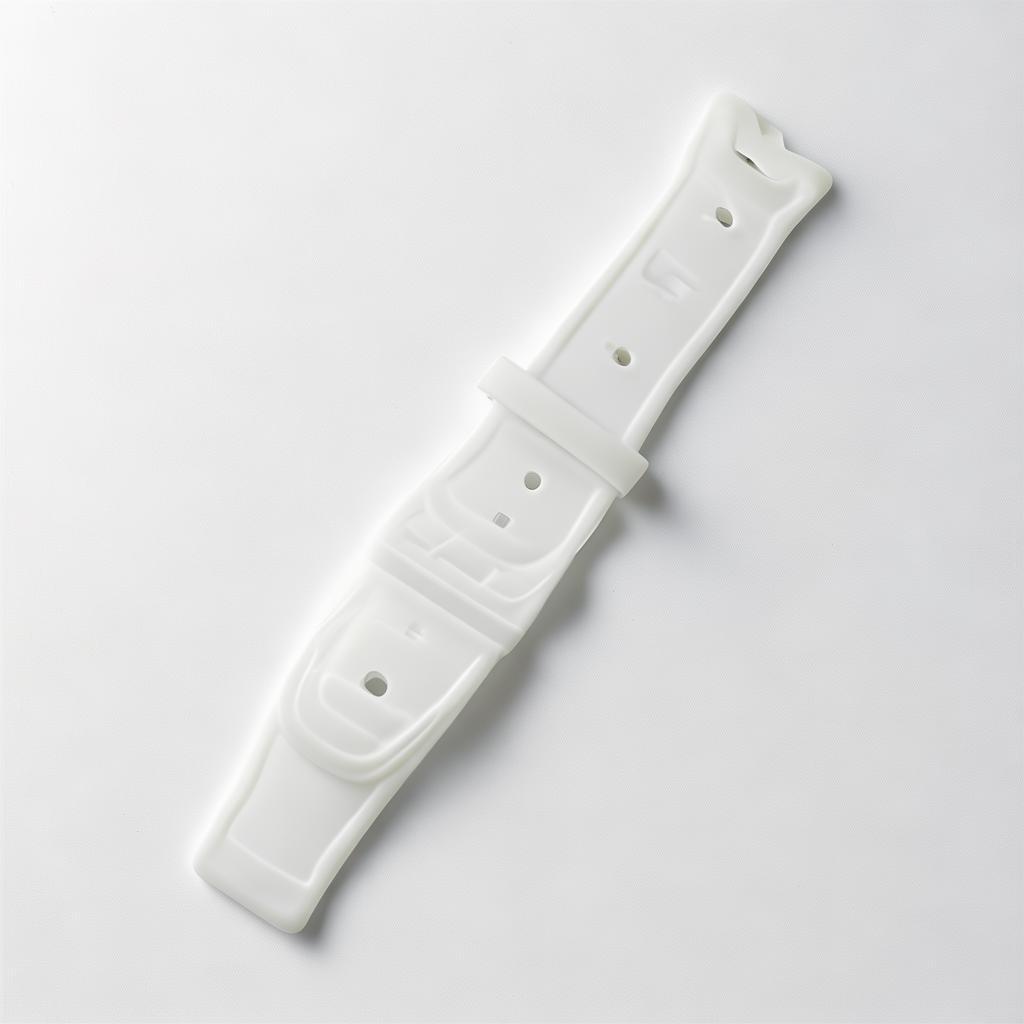
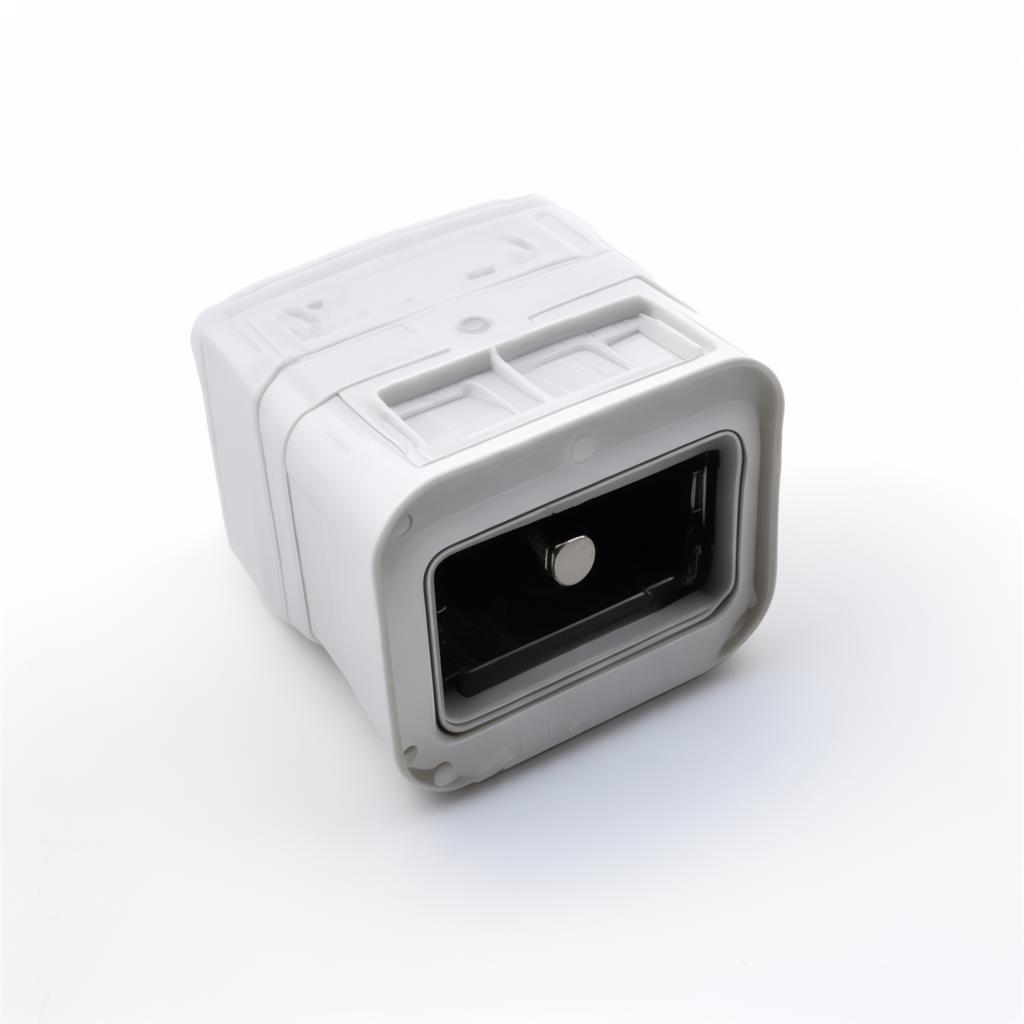
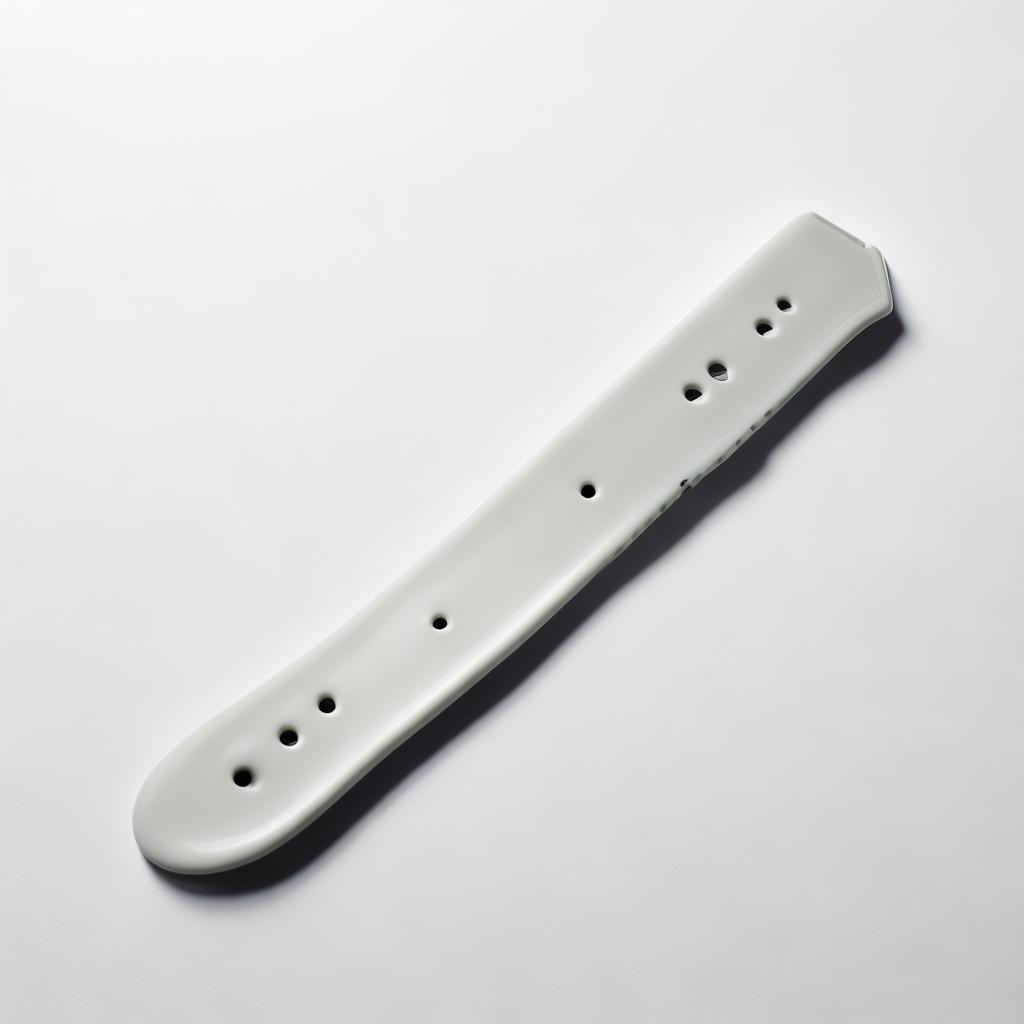
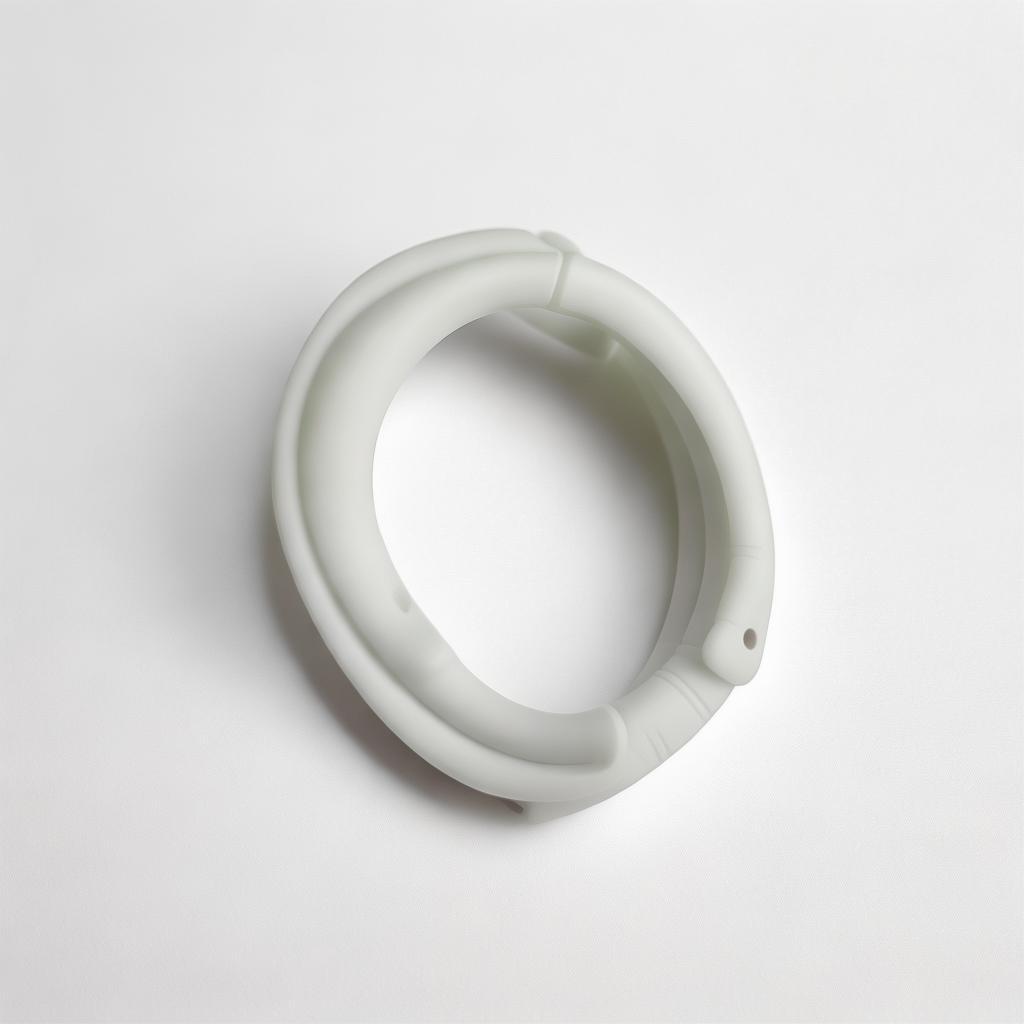
Oil-resistant and Acid-resistant Silicone Pad
Durable Industrial-Grade Silicone Solutions for Harsh Chemical Environments
Industry Challenges with Chemical Resistance
In industrial settings where chemicals such as oils, acids, and solvents are commonplace, selecting a sealing or cushioning material that remains reliable over time is critical. Traditional elastomers often fail prematurely when exposed to aggressive media, resulting in costly downtime, frequent replacements, and safety risks. Oil degradation and acid etching reduce the lifespan of standard silicone components drastically, especially under fluctuating temperature and pressure conditions.
Procurement managers face tough decisions balancing upfront costs against lifecycle expenses. Choosing suboptimal silicone pads can trigger cascading problems — compromised machinery sealing, chemical leakage, and even regulatory non-compliance in sensitive industries like pharmaceuticals or food processing. This can adversely affect operational efficiency and increase risk exposure.
An often overlooked issue is supply chain disruptions: inconsistent quality from unknown suppliers yields batches of pads that perform unevenly. Without thorough testing and certifications — such as FDA, RoHS, or ISO 9001 — buyers gamble with operational continuity, particularly if the pads play a critical role in high-volume production lines.
Selecting an oil- and acid-resistant silicone pad demands supplier expertise, material science understanding, and pragmatic experience in both manufacturing and maintenance. More than a passive component, these pads are an active defense against mechanical wear and chemical attack.
Technical Deep Dive: Silicone Material Properties
Silicone pads designed for oil and acid resistance are typically composed of Liquid Silicone Rubber (LSR) specially formulated for chemical inertness and mechanical robustness. LSR's high purity and flexible polymer chains impart exceptional elasticity and thermal stability.
Key features include:
Oil Resistance: Silicone pads withstand prolonged exposure to hydrocarbon oils, lubricants, and synthetic fluids without swelling or embrittlement.
Acid Resistance: Strong resistance to diluted acids and many industrial chemicals enables use in aggressive environments.
Temperature Range: Operating capability from -60°C up to 230°C, maintaining dimensional stability and flexibility.
UV and Ozone Stability: Minimal degradation when exposed outdoors or in harsh atmospheric conditions, reducing maintenance cycles.
Compliance: Many formulations meet FDA food-grade and RoHS environmental standards, enabling broad application scopes.
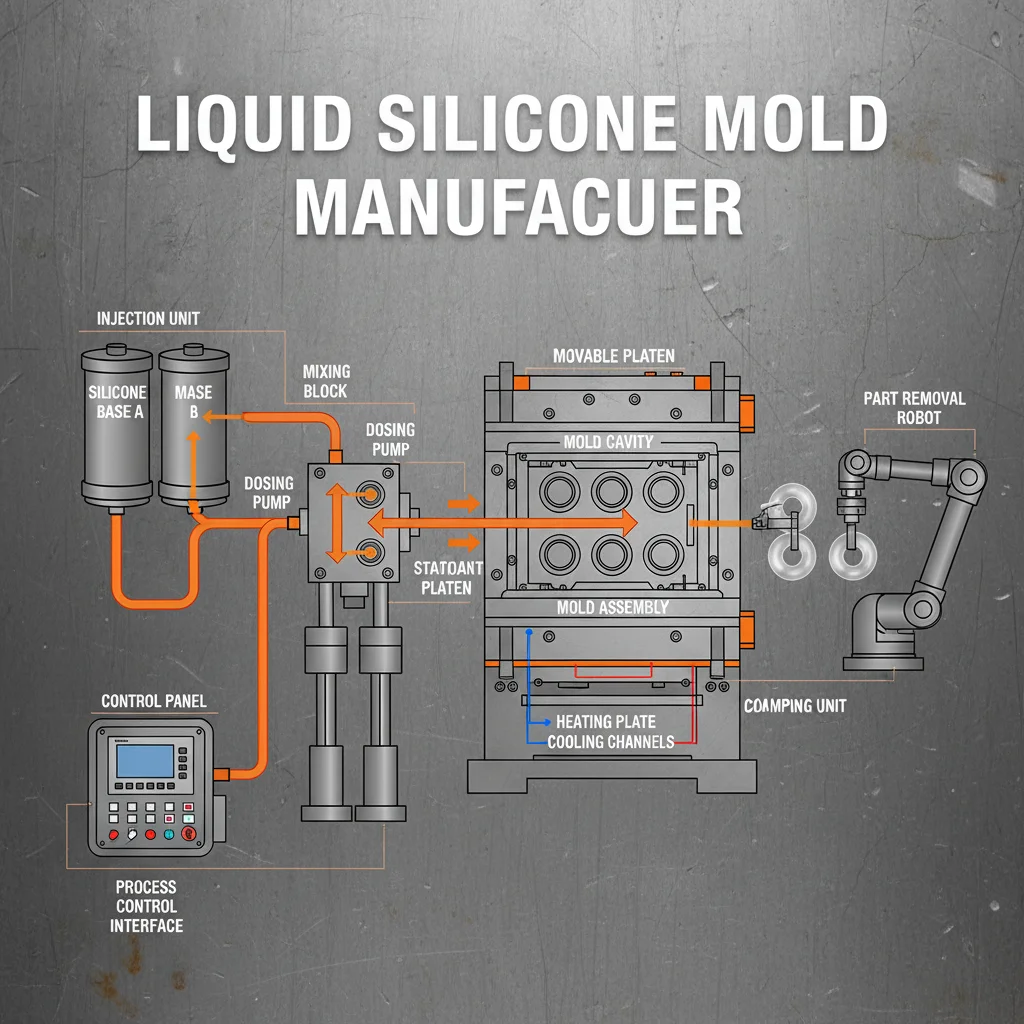
Manufacturing relies on precision injection molding techniques, ensuring tight tolerances and consistent mechanical properties. Advanced curing cycles optimize cross-linking density, directly impacting resilience to chemical attack and mechanical fatigue. Our factory employs over 50 liquid silicone molding machines supplemented by rigorous quality checks using dynamic rheology models and CAE simulation methodologies, guaranteeing performance adherence.
Compared to compressed silicone or nitrile rubbers, LSR chemistry offers finer control over molecular architecture, which translates into superior customization for oil and acid resistance without sacrificing elasticity.
Product Advantages & Performance Highlights
Customized oil-resistant and acid-resistant silicone pads from Guangdong Yingtai leverage decades of industrial expertise. Here’s what sets these pads apart:
Extended Service Life: Pads maintain integrity and sealing function reliably over extended operating periods, reducing replacement frequency by an estimated 20-30% compared to conventional silicones.
Consistent Chemical Compatibility: Validated against common industrial oils (hydraulic oils, synthetic lubricants) and acids (acetic, citric, sulfuric in diluted forms).
Superior Compression Set Resistance: The pads resist permanent deformation maintaining tight sealing over cyclical mechanical stress.
OEM and ODM Flexibility: Fully adaptable to custom shapes, thicknesses, and hardness to fit specific equipment or application needs.
Compliance & Testing: Supported by third-party certification (ISO 9001, FDA, RoHS) and batch testing protocols ensuring traceability.
Optimized Supply Chain: Our facility's proximity to major shipping hubs in Dongguan means shorter lead times and container-loading efficiency, facilitating reliable international delivery.
Suppliers’ expertise in mold design significantly impacts output quality; typical pitfalls such as improper venting or curing profiles can introduce defects leading to early failure. Our production incorporates lessons from advanced CAE simulations and rheological characterization (see research by MDPI and Fraunhofer public databases) to mitigate risks.
Applications Across Industries
Our oil-resistant and acid-resistant silicone pads find extensive use in demanding sectors where chemical exposure and performance reliability are critical:
Automotive & New Energy Vehicles: Engine seals, fuel system gaskets, and battery pack insulation pads withstand oil contamination and acid vapors.
Chemical Processing Plants: Equipment isolation pads and sealing gaskets for pipelines exposed to acids and solvents.
Food & Beverage Manufacturing: Food-grade silicone pads meeting FDA certification suited for contact with cleaning acids and lubricants.
Electronics & Communication Equipment: Seals and cushions for devices requiring resistance to corrosive manufacturing byproducts.
Household Appliances: Durable cushioning absorber pads resistant to detergents and oils naturally occurring during operation.
Medical Devices: Compatible with sterilization acids, suitable for wearable devices with overmolded silicone seals.
Each application demands a tailored approach to hardness, thickness, and certification. Collaborating closely with end-users and OEMs is crucial to ensure the pads' material properties align perfectly with operational conditions — especially exposure duration and chemical composition.
Installation and Maintenance Insights
Practical experience demonstrates that even the best materials can underperform if installation is rushed or improper procedures are followed. Here are some key considerations:
Surface Preparation: Clean and deburr mating surfaces to avoid premature wear or seal leakage.
Correct Alignment: Misaligned pads can cause uneven compression, reducing sealing efficiency and accelerating wear.
Environmental Controls: Avoid installation in extreme temperature or humidity conditions that could affect silicone curing or deformation.
Routine Inspection: Scheduled checks for compression set, tears, or chemical degradation help spot issues early.
Replacement Intervals: While durable, silicone pads should be replaced proactively — especially in high-stress chemical cycles — to avoid unexpected downtime.
For overseas buyers, we recommend ordering samples early for on-site qualification testing. This minimizes risk of batch variation negatively impacting production schedules or customer satisfaction.
Effective Procurement & Supplier Evaluation
The technical integrity of oil-resistant and acid-resistant silicone pads is only as strong as the sourcing strategy behind them. Procurement professionals should weigh several factors beyond price:
Factory Capabilities: Confirm supplier’s mold design, LSR injection capacity, and quality control systems. Our Yingtai facility operates 55+ liquid silicone molding machines and over 30 precision tooling sets.
Material Traceability: Request batch reports and certifications ensuring compliance with ISO 9001, FDA, RoHS, and other relevant standards.
Sampling Process: Obtain explicit sample production timelines and test results before committing to large orders.
Production Lead Times: Account for tooling setup, curing cycles, and container loading strategies to harmonize supply chain schedules.
Technical Support: Favor suppliers offering engineering consultation, production monitoring, and after-sales service.
OEM/ODM Flexibility: Custom-fit solutions reduce installation hassles and inventory complexity, a decisive benefit in fast-changing markets.
Overlooking supplier expertise often leads to costly production delays and quality challenges. Our team’s 20+ years in high-precision silicone manufacturing and international export ensure we can navigate these risks efficiently.
Q1: How do your silicone pads compare with nitrile rubber in oil resistance?
While nitrile rubber offers good oil resistance, it tends to harden and crack under prolonged exposure and elevated temperatures. Our LSR-based silicone pads maintain flexibility and resist swelling longer, providing more consistent sealing performance in oil-rich environments.
Q2: Are your silicone pads suitable for food-grade applications?
Yes. We offer FDA-compliant silicone pads meeting relevant requirements for incidental food contact, typically used in food processing equipment where acidic cleaners may be present.
Q3: What is the typical lead time for custom orders?
Lead times depend on mold availability and order volume. For most OEM/ODM projects, tooling setups require 3 to 6 weeks, with production runs completed within 2 to 4 weeks thereafter. Our logistics team optimizes container loading to reduce delays.
Q4: Can your pads withstand strong acids like sulfuric acid?
The pads perform well against diluted acids commonly encountered in industrial uses but are not rated for concentrated strong acids over prolonged contact. We recommend consultation to tailor silicone formulations for any exceptional chemical requirements.
Q5: How do I determine the right hardness for my application?
Hardness choice hinges on compression requirements and sealing pressures. Our technical team offers guidance to balance flexibility and mechanical support based on your equipment dynamics.
Customer Reviews & Real-World Feedback
John Miller, Procurement Director, Industrial Coatings USA
"Switching to Yingtai’s oil and acid-resistant pads decreased our downtime by nearly 15%. The consistent quality and chemical resistance have lived up to the technical claims, and their on-time delivery helps us maintain a lean inventory."
Get in Touch
If you have any camping barbeque equipment inquiry, please feel free to contact us.