Plastic Connectors For Automotive Wiring Harnesses
Plastic Connectors For Automotive Wiring Harnesses
Precision-engineered solutions designed to ensure reliable electrical connections in today’s demanding automotive environments. Automotive wiring harnesses sit at the backbone of modern vehicle electrical systems, demanding connectors that perform faultlessly under extreme conditions. Frequent
Product Details
Plastic Connectors for Automotive Wiring Harnesses
Precision-engineered solutions designed to ensure reliable electrical connections in today’s demanding automotive environments.
Industry Challenges & Operational Pain Points
Automotive wiring harnesses sit at the backbone of modern vehicle electrical systems, demanding connectors that perform faultlessly under extreme conditions. Frequent issues include signal loss, connector corrosion, poor fitment, and mating failures, which can cascade into costly recalls or field repairs.
Procurement managers often wrestle with unreliable suppliers who underdeliver on quality standards or lack adequate traceability for critical components. Operationally, mismatched connectors increase assembly time and risk wiring errors, impacting manufacturing throughput.
Material degradation is another concern, especially as vehicles increasingly incorporate hybrid and electric drivetrain architectures, exposing connectors to higher thermal and chemical stress. Inadequate connectors can lead to premature failure in harsh vibration environments or moisture ingress inside enclosures causing shorts.
A common pain point observed is the trade-off between cost and durability. Overly cheap plastic connectors may save upfront budget but drive lifecycle maintenance challenges. Conversely, overly complex designs increase tooling and customization delays.
As industry standards evolve, including compliance with ISO 16750 for road vehicles environmental conditions and ISO 9001 quality management systems, buyers require suppliers who can reliably demonstrate adherence under third-party audits.
Technical Overview of Plastic Connectors
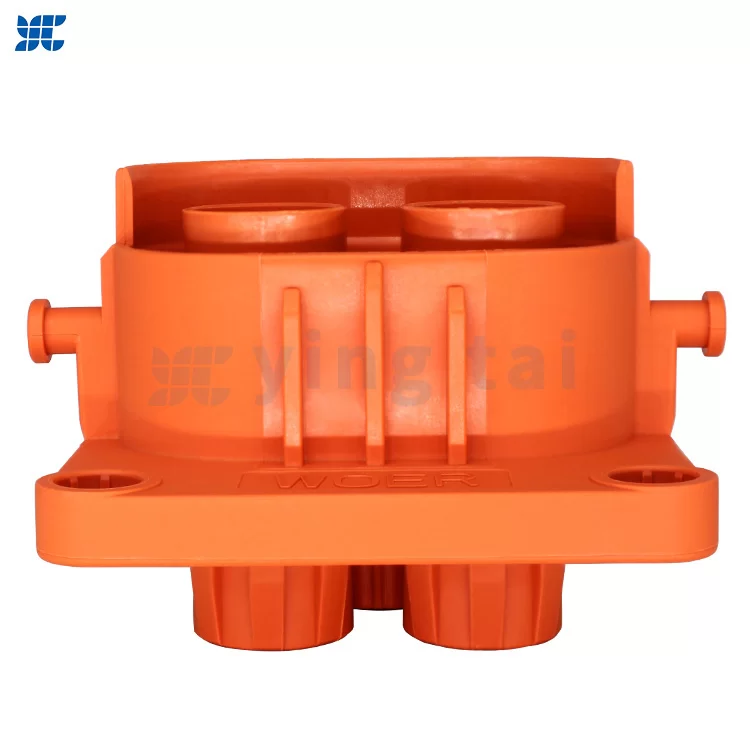
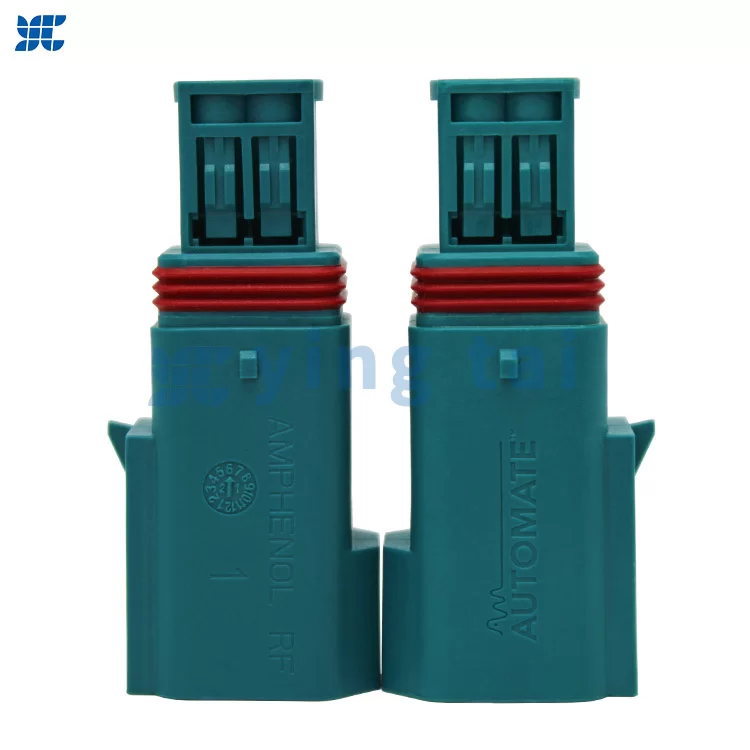
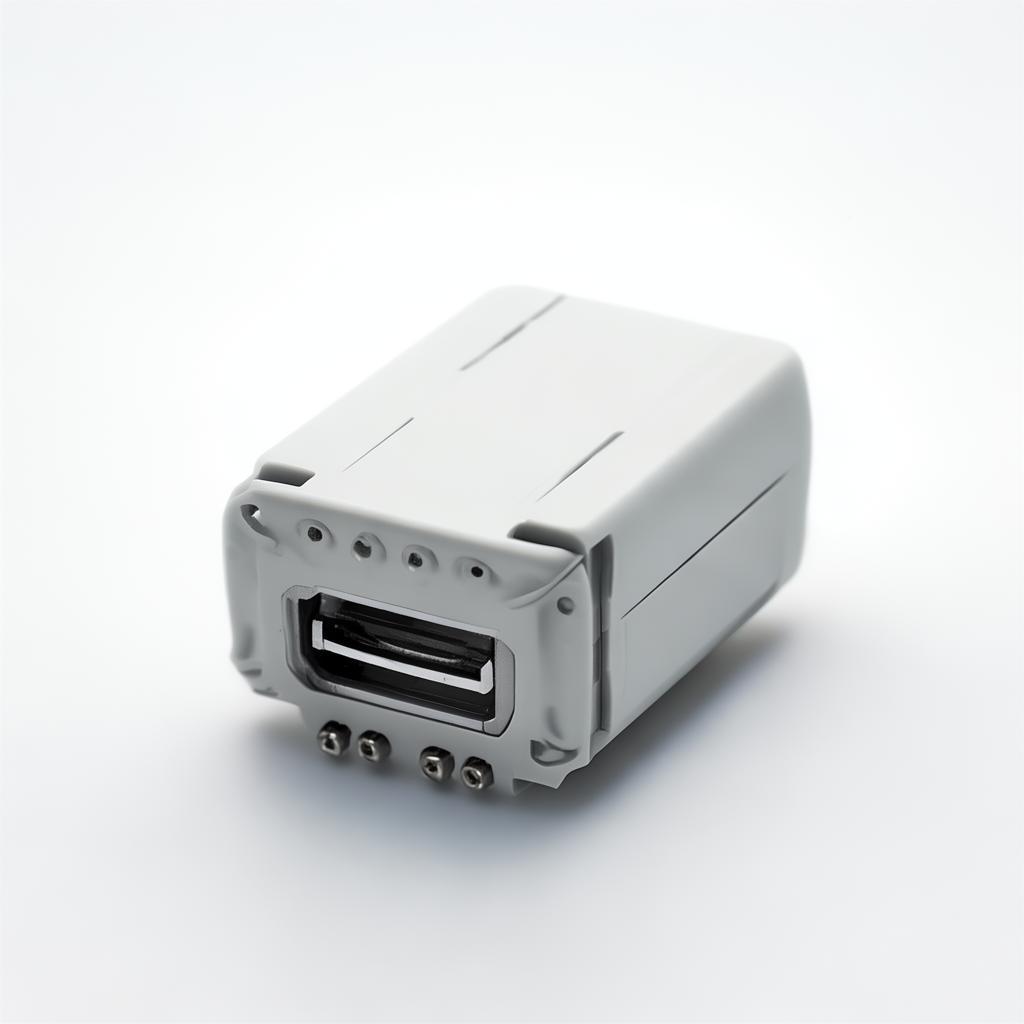
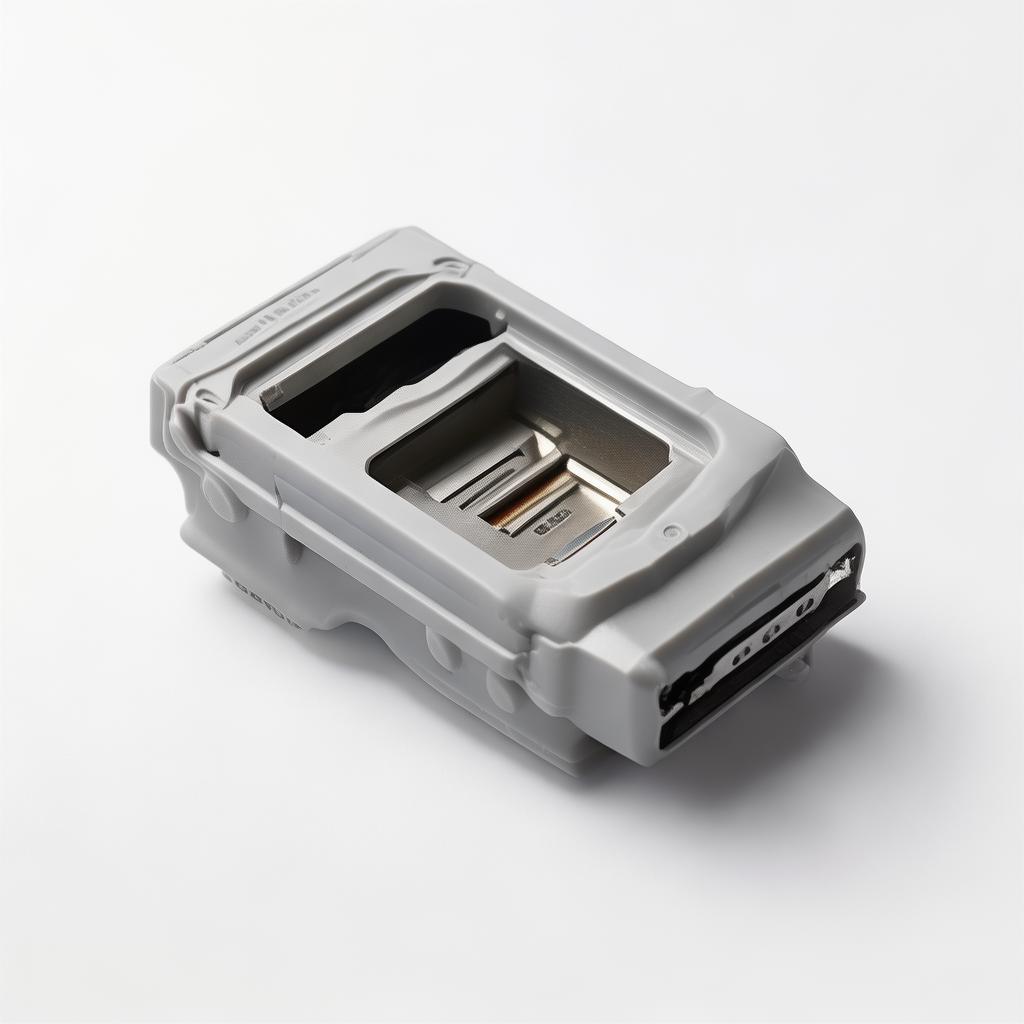
Plastic automotive connectors primarily serve as housings and locking units for metal terminals transmitting signals and power. Typical materials include Thermoplastic Polyamide (PA6, PA66), Polybutylene Terephthalate (PBT), and Liquid Silicone Rubber (LSR) for seals. These materials offer excellent balance of UV resistance, thermal stability (up to 150°C), and chemical resistance, essential for under-the-hood environments.
Production methods utilize high-precision injection molding to achieve tight tolerance fits for multi-pin contacts and robust sealing against dust and moisture ingress (IP67-rated connectors are common). Molded-in features like anti-vibration ribs and grasp tabs simplify assembly on the production line.
Connectors employ a variety of locking mechanisms: friction clips for easy serviceability, secondary locks for additional security, and coded housings to prevent mis-mating. These design elements are not mere aesthetics but functional safeguards reducing electrical downtime.
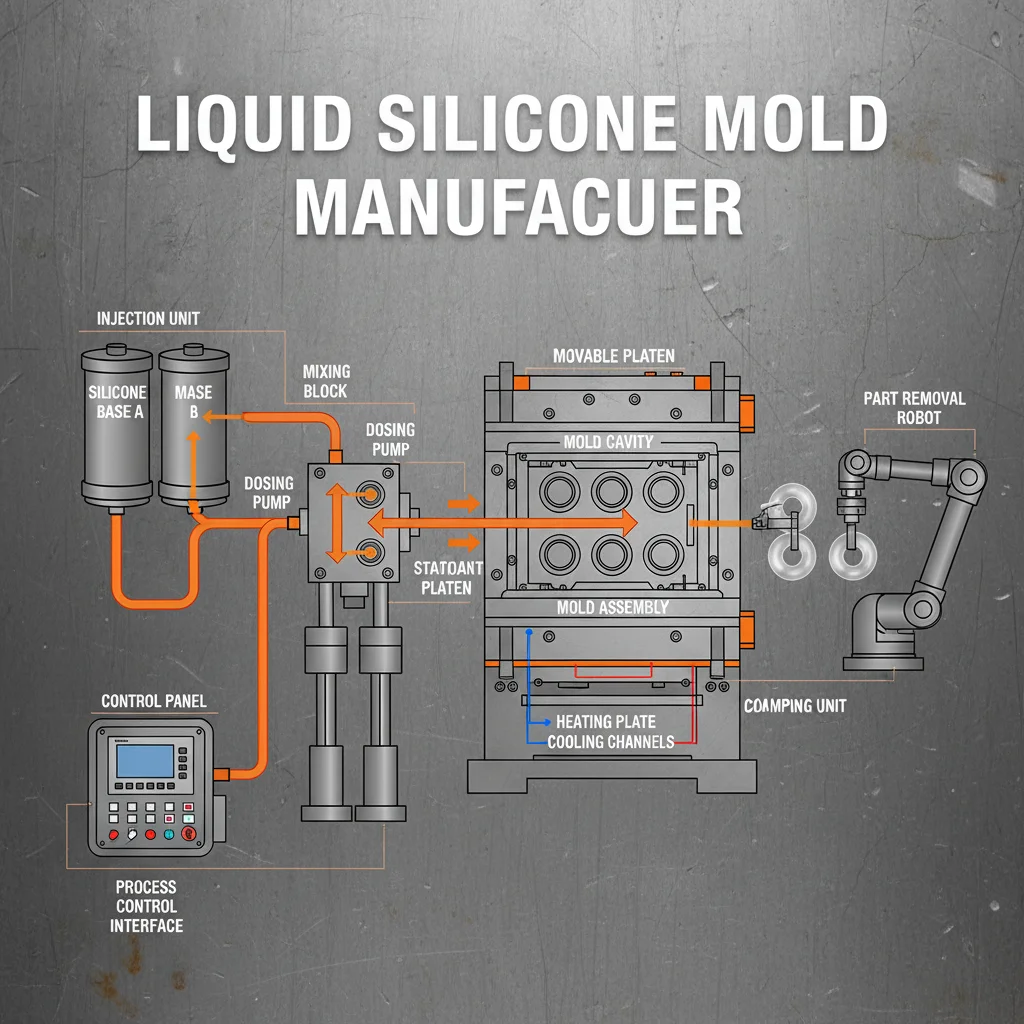
For OEM/ODM projects, customized connectors can integrate overmolded cables and liquid silicone seals for enhanced waterproofing, crucial for electric vehicle battery management systems, charging ports, and sensor arrays.
Material selection directly drives connector performance. High-grade Polyamide 66 (PA66) is predominant due to its toughness, heat resistance, and chemical inertness. When environmental sealing is critical, Liquid Silicone Rubber (LSR) overmolding provides superior flexibility and humidity resistance, matching the increasing demand for robust wiring protection in electric vehicles and off-road equipment.
Recent market reports confirm LSR’s growth potential in automotive silicone component manufacturing, with projections citing a Compound Annual Growth Rate (CAGR) of about 8% through 2030, driven by demand for durable, high-precision molded parts (source: Grandview Research - Liquid Silicone Rubber Market Size Report, 2030).
Certifications play a crucial role in supplier evaluation. Besides ISO 9001 and IATF 16949 automotive quality management systems, connectors must comply with:
UL 94 V-0 flame retardance certification
RoHS compliance for hazardous substance restrictions
ISO 16750 environmental test standards for automotive electrical components
IP ratings (IP67 minimum) for ingress protection
Common certifications ensuring product compliance and quality
Automotive Applications & Use Cases
Plastic connectors engineered for automotive wiring harnesses address a broad spectrum of applications, including:
Engine control module harness connections
Battery management systems in electric vehicles (EVs)
Lighting and signaling system connectors
Airbag sensors and safety system wiring
Infotainment and telematics module connections
Climate control harnesses exposed to temperature extremes
Each application emphasizes different mechanical, electrical, and environmental demands. For example, connectors around the engine require flame-retardant and high-thermal-resistant plastics, while EV harness connectors prioritize moisture sealing and electrical contact reliability under high voltage.
It's also worth noting how innovative OEM solutions integrate multi-shot injection molding to combine rigid plastic housings with soft silicone seals seamlessly – a design tactic reducing assembly complexity and improving connector lifecycle.
Installation & Maintenance Considerations
Connectors are only as good as their installation and ongoing maintenance. Improper mating or incomplete locking is a leading cause of connector failure, often overlooked during large-scale vehicle assembly.
Recommendations from manufacturing engineers include:
Verifying connector polarity and keying prior to terminal insertion
Employing secondary locking features to prevent vibration-induced disengagement
Utilizing proper torque during wiring harness clipping to chassis to reduce mechanical strain
Regular inspection during vehicle maintenance schedules, especially in corrosive or humid climates
Industrial experience indicates many service issues arise from neglecting environment-specific installation guidelines. For instance, over-tightening can deform plastic connectors, and lack of lubrication on terminals reduces contact reliability over time.
A realistic warning: Avoid prolonged exposure of connectors to salty or chemical splash without protective covers or conformal coatings.
Procurement Tips & Supplier Evaluation
The sourcing of plastic connectors for automotive wiring harnesses is neither trivial nor purely price-driven. Key procurement points include:
Verify factory capabilities: Check for injection molding machines adapted to automotive-grade plastics, overmolding equipment, and quality control labs.
Check certifications: IATF 16949 is a strong indicator; confirm access to relevant test reports for UL94, IP ratings, and RoHS.
Request samples: Put samples through thermal cycling, vibration, and moisture resistance tests where possible.
Evaluate delivery & lead times: Understand tooling development cycles (usually 6-10 weeks) and production batch sizes.
OEM/ODM flexibility: Partners offering engineering support for mold modifications can save development headaches.
Logistics: Confirm export experience for container stuffing optimization and compliance with US customs and safety regulations.
Yingtai High Precision Technology Co., Ltd., based in Dongguan, China, exemplifies such a supplier—over 20 years in liquid silicone, plastic products, and overmolded seals combined with a 35,000 sqm modern industrial park and strong process control.
Guangdong Yingtai’s comprehensive manufacturing campus supports industry benchmark quality
Frequently Asked Questions
What materials are best for connectors used in EV wiring harnesses?
Typically, high-grade PA66 with LSR overmolding offers excellent electrical insulation, water resistance, and temperature tolerance required for EV environments.
How can I verify supplier quality performance?
Besides certifications, audit supplier production lines where possible, inspect molding cycle control documents, and request sample test reports for mechanical and environmental testing.
Are custom connector solutions feasible for low to medium production volumes?
Yes, using modular mold designs and multi-shot injection molding can offer cost-efficient customization suited for batch sizes from a few thousand to tens-of-thousands per year.
What are common causes of plastic connector failure?
Improper installation, incompatible environment exposure, mechanical stress, and poor sealing are frequent issues. Regular training and supplier guidance help mitigate such risks.
How does Yingtai support OEM/ODM clients?
They offer turnkey services from mold development, prototyping, mold trial runs, to mass production and custom packaging, ensuring supply chain integration and compliance with international markets.
Customer Reviews & Insights
James R., Procurement Manager – Ohio, USA
“Switching to Yingtai’s plastic connectors reduced our assembly defects considerably. Their attention to injection molding precision and environmental sealing standards matches automotive benchmarks. Pricing is reasonable, and lead times are reliable.”
Get in Touch
If you have any camping barbeque equipment inquiry, please feel free to contact us.