

Plastic Mold Processing — Precision Manufacturing for Complex Industrial Applications
Unlock reliable, high-quality plastic molding solutions with expert OEM/ODM services from Guangdong Yingtai High Precision Technology Co., Ltd., powered by 20+ years of manufacturing mastery.
Plastic Mold Processing: A Closer Look at the Backbone of Precision Manufacturing
Plastic mold processing sits at the heart of contemporary manufacturing, enabling everything from automotive components to consumer electronics to be produced efficiently, with precision and repeatability. At its core, this process transforms thermoplastics or thermosetting plastic materials into detailed, usable parts through injection molding, blow molding, compression molding, or extrusion techniques — often leveraging intricately designed molds with tight tolerances.
The complexity behind plastic mold processing spans multiple disciplines. It involves not just the physical shaping of polymers but entails precise thermal control, rheological behavior understanding, and meticulous mold design. Particularly in high-stakes industries, where component reliability is non-negotiable, manufacturers must navigate challenges such as material flow inconsistencies, shrinkage, dimensional variation, and surface finish quality.
Within our Dongguan-based operation, Guangdong Yingtai High Precision Technology Co., Ltd., we emphasize a holistic approach — integrating advanced CAE simulations, precision machining, and high-grade mold steels compliant with ISO 9001 quality standards. Our extensive experience covers materials like ABS, polyethylene, polycarbonate, and increasingly, liquid silicone rubber (LSR) — a material segment that is experiencing robust growth globally due to its biocompatibility, durability, and flexibility, as highlighted by recent market analyses such as Grand View Research’s Liquid Silicone Rubber Market Size Report (2023).
Furthermore, we recognize that the procurement perspective is often laced with practical concerns — lead times, batch consistency, tooling investment amortization, and supplier communication. With over two decades of industry immersion and an integrated factory model spanning from mold development to finished goods assembly, we tailor solutions that speak directly to these procurement sensibilities, bridging the gap between engineering excellence and commercial pragmatism.
Common Challenges in Plastic Mold Processing
Despite advances in technology, procurement and manufacturing teams contend daily with systemic challenges in plastic mold processing:
- Dimensional instability and warping: Variations in cooling rate and internal stresses can skew part tolerances beyond acceptable ranges.
- Material selection complexity: Choosing the optimal polymer or silicone grade affects not only molding efficiency but also end-use performance and regulatory compliance.
- Tooling cost and lead time: High-precision molds require substantial upfront investment and skilled craftsmanship, often limiting flexibility for small or mid-volume runs.
- Surface finish and aesthetics: Injection molding defects such as sink marks, weld lines, and inconsistent gloss affect product appeal and can lead to rejection.
- Supply chain and logistics: Cross-border shipment delays, customs hurdles, and packaging impact timelines and overall project delivery.
Recognizing these issues early in the sourcing process can mitigate downstream risks. For example, understanding mold flow simulation outcomes and specifying materials suited for injection molding can reduce scrap rates significantly. As noted by industry discussions on forums such as Reddit Injection Molding Subreddit, many procurement directors emphasize the value of partner factories with mature mold maintenance policies and strong communication.
Why Choose Yingtai for Plastic Mold Processing?
As an industry benchmark in precision plastic and liquid silicone rubber mold processing, our capabilities stretch beyond typical supplier offerings:
- Comprehensive Industry Chain: From initial mold design and advanced CAM programming to multi-axis CNC machining and high-volume injection molding — all under one roof.
- Material Expertise: Proficient working with reputable grades of ABS, PC, LSR, and specialty resins, ensuring optimized processing conditions tailored for each client’s specifications.
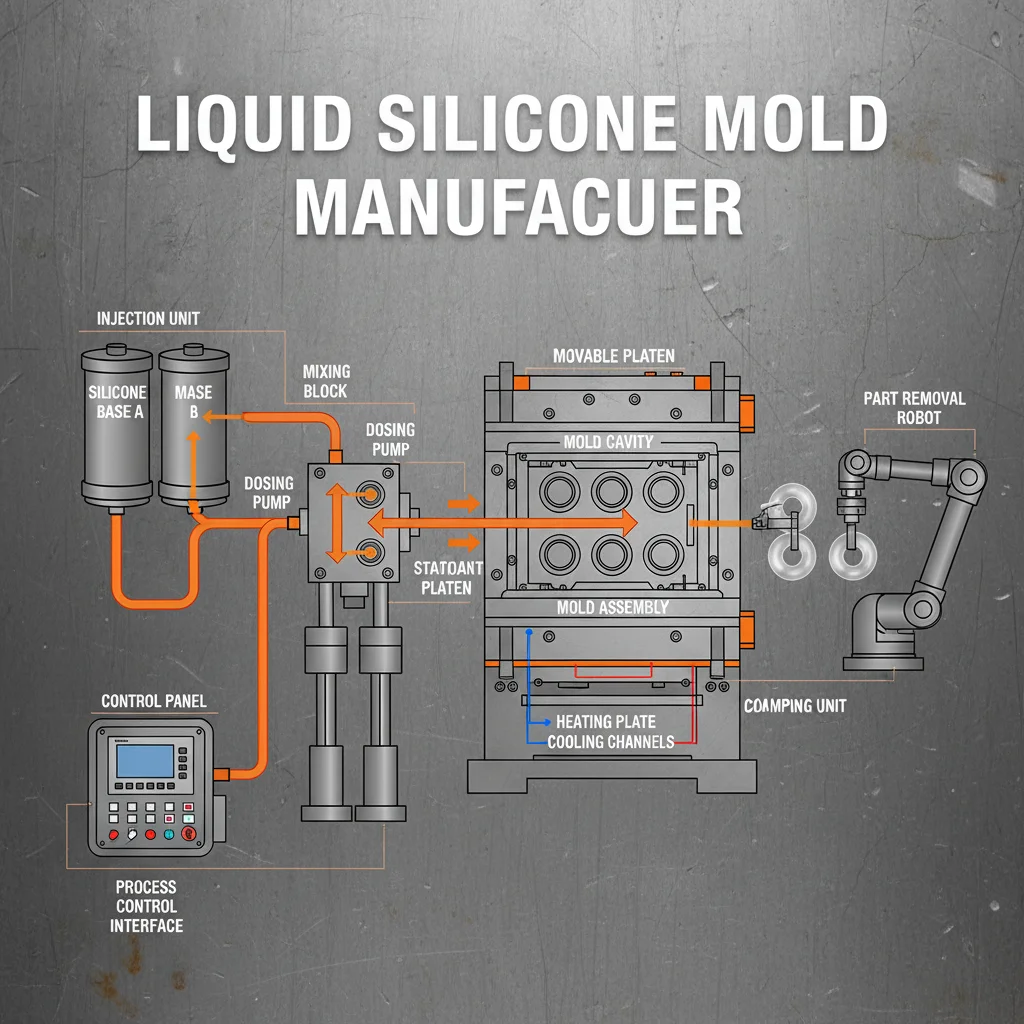
- Process Innovation: Incorporation of liquid injection molding technologies reducing cycle times and enhancing surface fidelity, especially vital for precision silicone parts used in healthcare and consumer electronics.
- Stringent Quality Control: Our ISO, CE, and RoHS certifications anchor our robust quality assurance systems — encompassing dimensional inspections, tensile tests, and aging analysis.
- Experienced Workforce: Over 500 skilled operators, mold engineers, and quality supervisors committed to continuous process improvement and customer-centric service.
The operational reality is this: many manufacturers underestimate how tooling precision directly affects dimensional accuracy and throughput rates. We leverage insights from the latest research, including simulation studies such as the MDPI paper on Material Characterization Techniques in LSR Injection Molding, to minimize defects like flash and ensure consistency across production batches.
Technical Specifications & Material Highlights
Our plastic mold processing lines integrate multi-axis CNC machined stainless steel molds with surface hardness reaching up to HRC 58, ensuring lasting tool life for high-volume production. Temperature-controlled molding circuits maintain accurate thermal profiles, critical for materials such as LSR and high-temperature thermoplastics.
| Parameter | Specification | Remarks |
|---|---|---|
| Mold Material | S136 / P20 Steel | High wear resistance, suited for long-run injection molding |
| Plastic Types | ABS, PC, Polyethylene, LSR, Nylon | Including medical & industrial grades |
| Injection Pressure | Up to 1800 bar | Supports thin-wall, precision parts molding |
| Cycle Time | 15–45 seconds (typical) | Varies by material and part geometry |
| Mold Cavities | 1 to 12 (multi-cavity options) | Enables batch scaling for mass production |
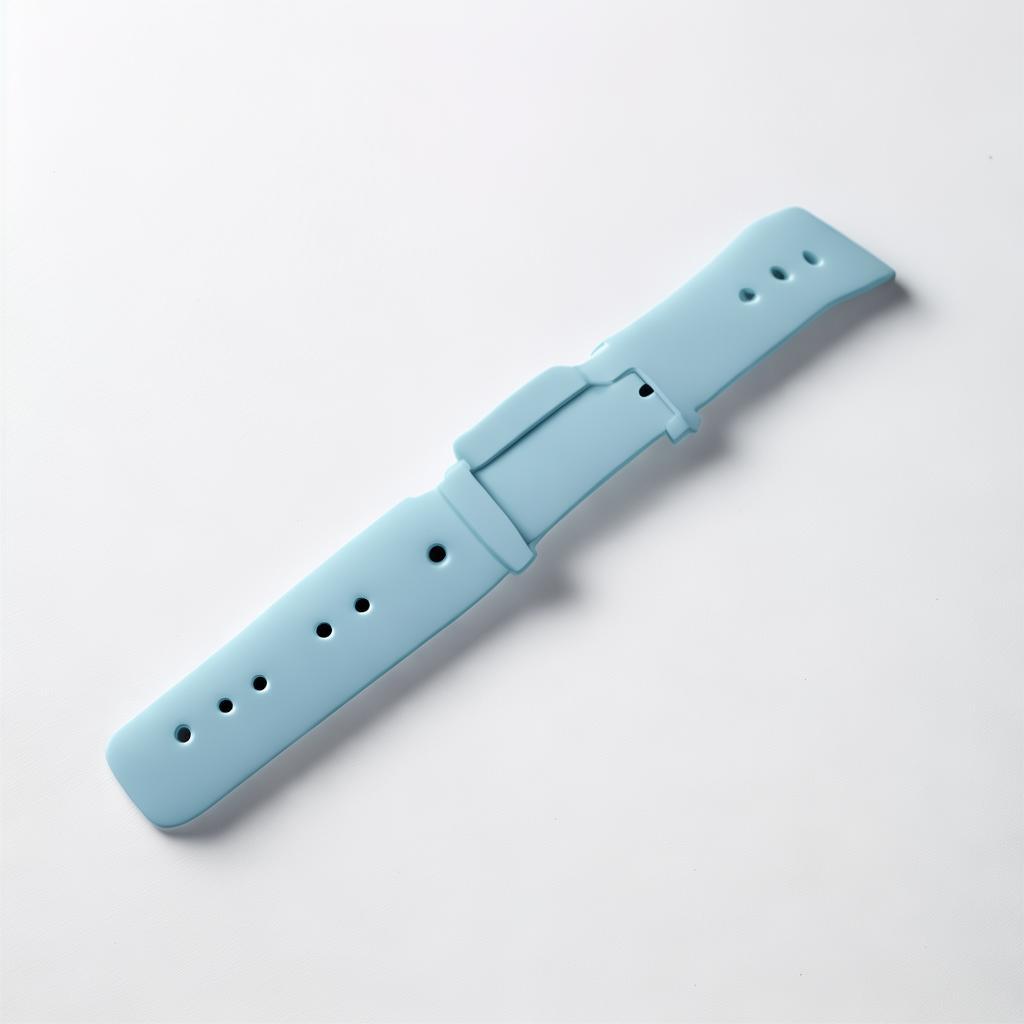
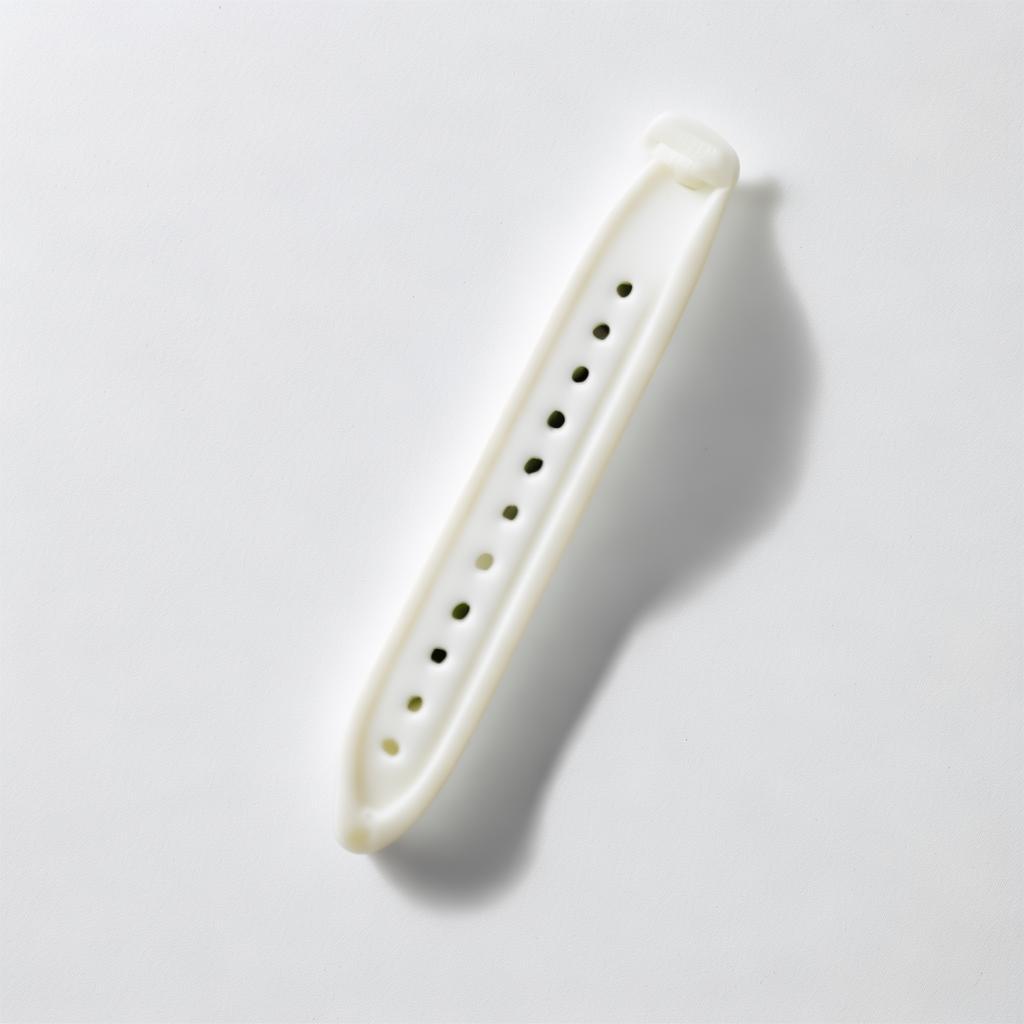
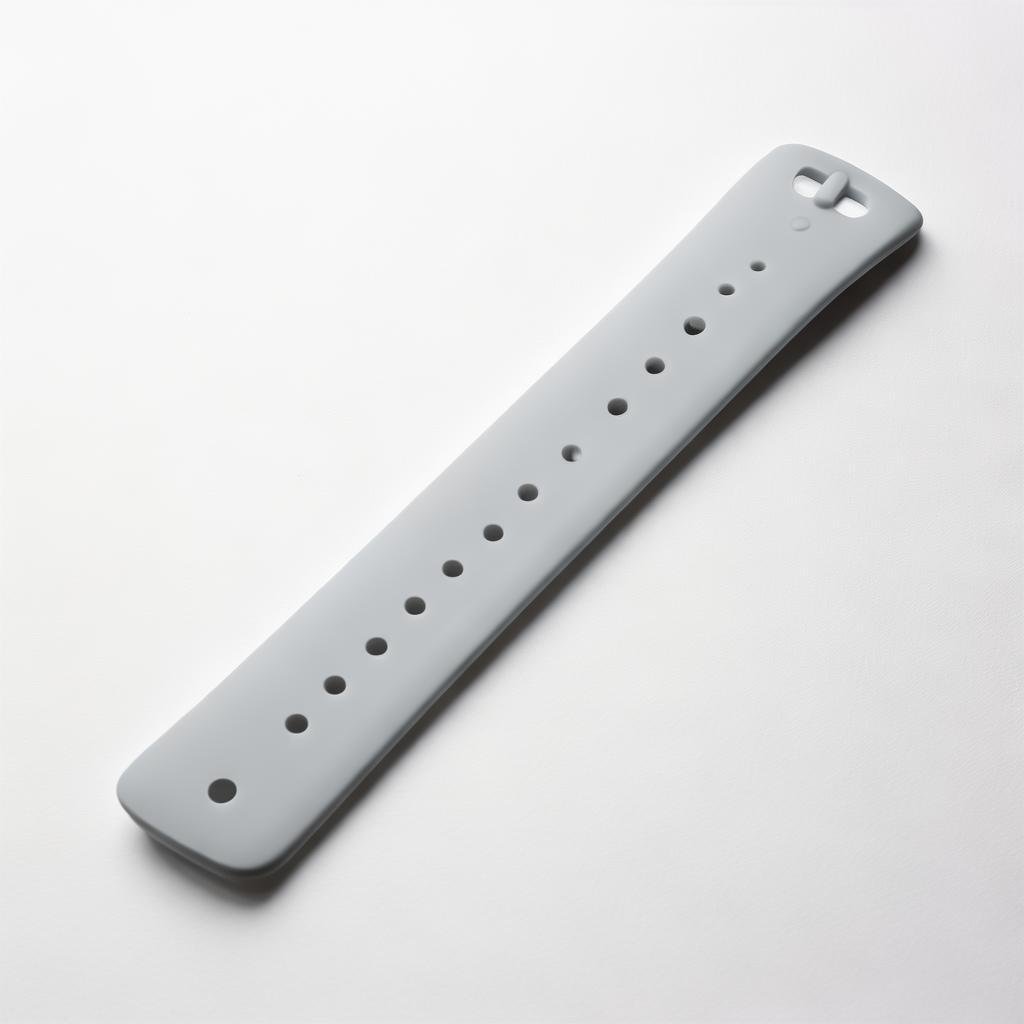
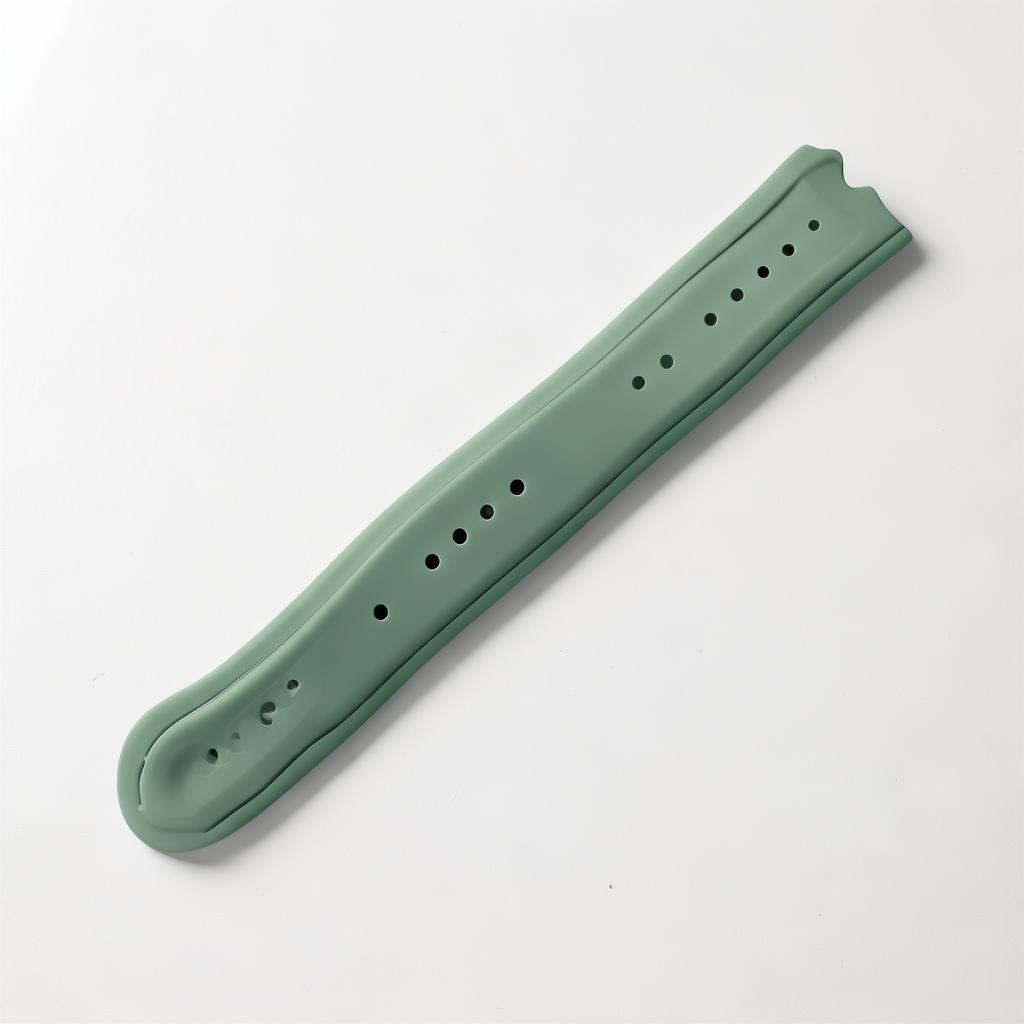
plastic mold manufacturing plastic molding techniques create plastic mold
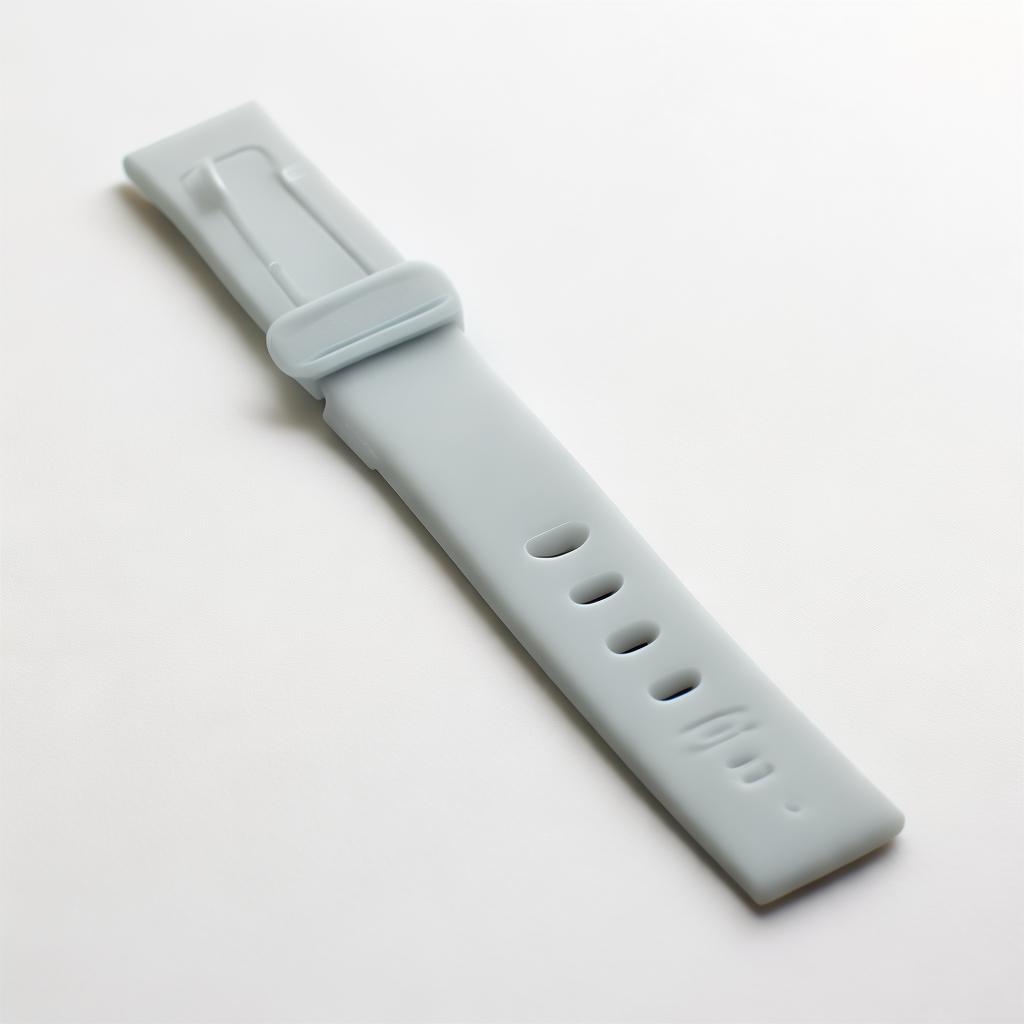
When handling Liquid Silicone Rubber (LSR), our liquid injection molding system reduces cycle times while maintaining surface integrity and biocompatibility – essential for healthcare and wearable devices. Recent industry studies estimate the global LSR market will double in size by 2030, emphasizing the importance of manufacturers adapting to advanced injection molding techniques to meet quality and compliance demands (see ResearchNester 2025 Forecast).
Application Scenarios Where Plastic Mold Processing Excels
Plastic mold processing underpins use cases across diverse industrial segments, adapting well to the nuanced requirements of each:
- New Energy Vehicles: Durable interior trim, connector housings, and sealing components manufactured with optimized resin compounds.
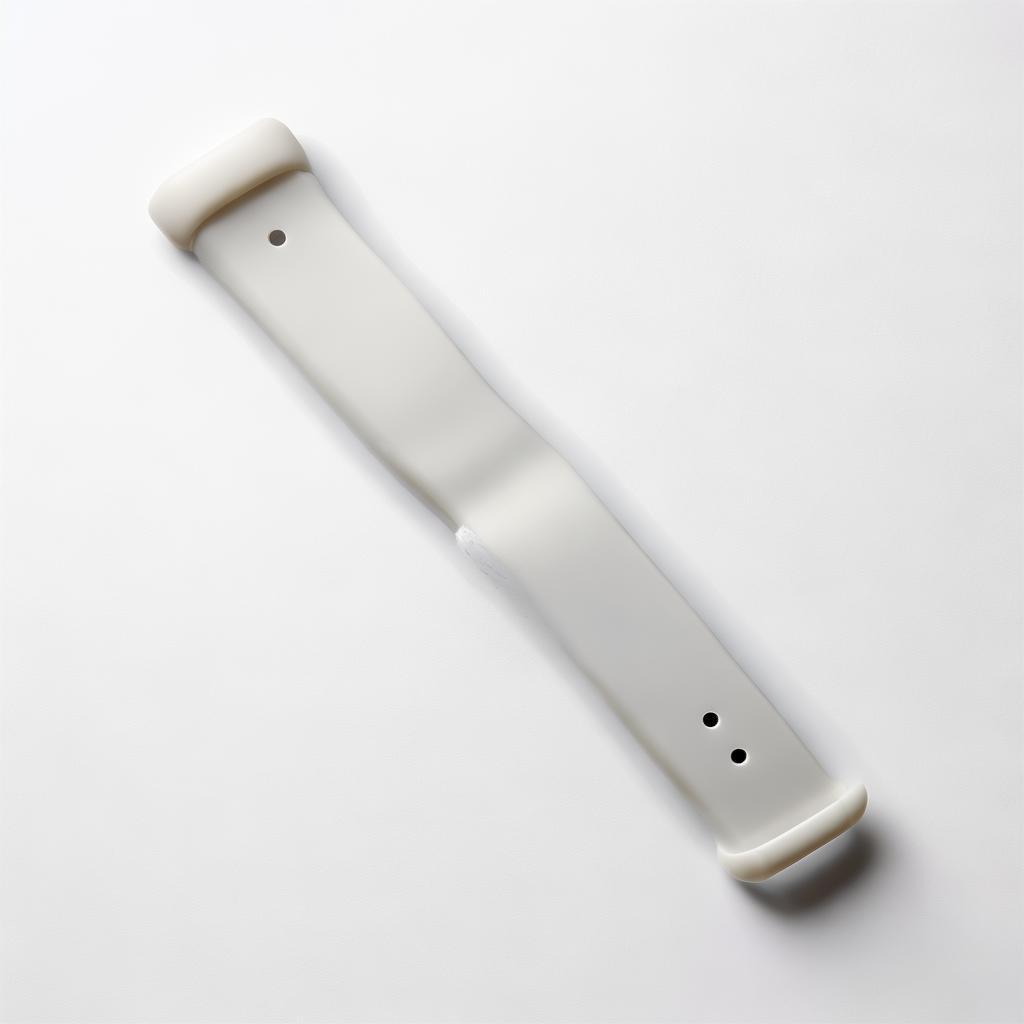
- Consumer Electronics: High-precision casings, gasket elements, and touch-friendly silicone overlays designed for aesthetics and tactile feedback.
- Industrial/Electronic Appliances: Robust plastic enclosures, impact-resistant parts, and thermal management-friendly molded solutions.
- Medical Devices: Biocompatible LSR parts such as seals and valves meeting stringent FDA and ISO 13485 standards.
- Home Appliances: Wear-resistant molded components with excellent UV resistance and thermal stability.
For procurement teams juggling multi-faceted project needs, specifying suppliers familiar with hybrid molding technologies (e.g., overmolding LSR onto ABS substrates) can notably improve product performance and longevity, as discussed in scientific analyses such as the MDPI MC-Injection Molding with LSR and ABS study.
Procurement Insights: How to Evaluate Plastic Mold Processing Suppliers
Selecting the right partner for plastic mold processing goes beyond price or lead time. Buyers should systematically assess:
- Factory Capabilities: Number and types of molding machines, mold maintenance facilities, and in-house tooling capabilities.
- Certifications & Compliance: ISO 9001, CE, RoHS, FDA approvals relevant to your industry requirements.
- Technical Support: Access to mold engineers, simulation services (CAE), and responsive quality control teams.
- OEM/ODM Flexibility: Custom mold design services and transparent prototype-to-mass production transition pathways.
- Logistics & Shipping: Experience handling container loading optimization, customs clearance, and export documentation.
One practical warning for buyers: verify tooling ownership and storage arrangements. It's common to find offshore suppliers charging recurrent mold storage fees without disclosing tooling status upfront. Our factory policy includes clear mold ownership agreements while offering tooling refurbishment to extend mold life and reduce long-term costs.
For large scale or sensitive projects, requesting a free sample and comprehensive product specification sheet prior to contract signing can prevent costly surprises — a step many seasoned procurement managers consider non-negotiable.
Customer Reviews: Experiences From Our International Clients

"Partnering with Guangdong Yingtai has streamlined our tooling process tremendously. Their expertise in LSR injection molding helped us reduce defects and speed up assembly on new wearable devices. The team is responsive, and samples matched exactly the specs. Highly recommended."
— Mark Jensen, Procurement Director, California

"Their factory’s integrated approach—from mold design to finished parts—saved us from juggling multiple vendors. Lead times were transparent and delivery logistics well coordinated. Float molds also helped accommodate multiple product variants easily."
— Sophie King, Supply Chain Manager, Texas

"The technical support is top-notch. They helped us navigate complex mold flow simulations, minimizing warpage in our automotive seals. It was clear they understand the nuances of material behavior and processing parameters."
— Alex Rodriguez, Industrial Engineer, Michigan
Frequently Asked Questions (FAQs)
- Q1: How long does it take to develop a custom plastic mold?
- The timeline depends on complexity and mold size. Typically, prototype tooling requires 4-6 weeks, while production molds can take 6-10 weeks. Our factory leverages rapid tooling technologies that may compress this by 15–20% if project schedules demand.
- Q2: What quality certifications does your factory hold?
- We maintain ISO 9001:2015 certification and have passed CE and RoHS compliance audits. Our products destined for medical applications meet specific FDA and ISO 13485 requirements. Interested clients can request documentation and audit reports.
- Q3: Does your factory provide OEM and ODM services?
- Absolutely. Our R&D and mold technology teams specialize in OEM/ODM development, including concept design, prototype manufacturing, injection molding, assembly, and packaging solutions. We welcome collaboration from early-stage projects to mass production.
- Q4: Can you handle multi-material molding like LSR + ABS overmolding?
- Yes, multi-component injection molding is part of our core competencies. We have specialized machines and optimized process parameters facilitating strong bonding and dimensional stability, ideal for medical seals and high-end electronic device casings.
- Q5: What are typical lead times for shipping to the USA?
- From order confirmation to shipping, production cycles vary between 3 to 8 weeks depending on order size. Sea freight to major US ports typically takes 20-30 days. We provide detailed shipping plans and container loading optimization to reduce transit times and damage risks.
Ready to Optimize Your Plastic Mold Processing?
Connect with our export technical team today for tailored advice, factory pricing, or to request a free sample.
Contact: Miss ZhangPhone / WhatsApp: +86 17722437688
Email: zmm@yingtai168.com / lh@yingtai168.com
Address: No. 359 Chang'an Bubugao Road, Chang'an Town, Dongguan City, Guangdong Province
Visit Our Contact Page