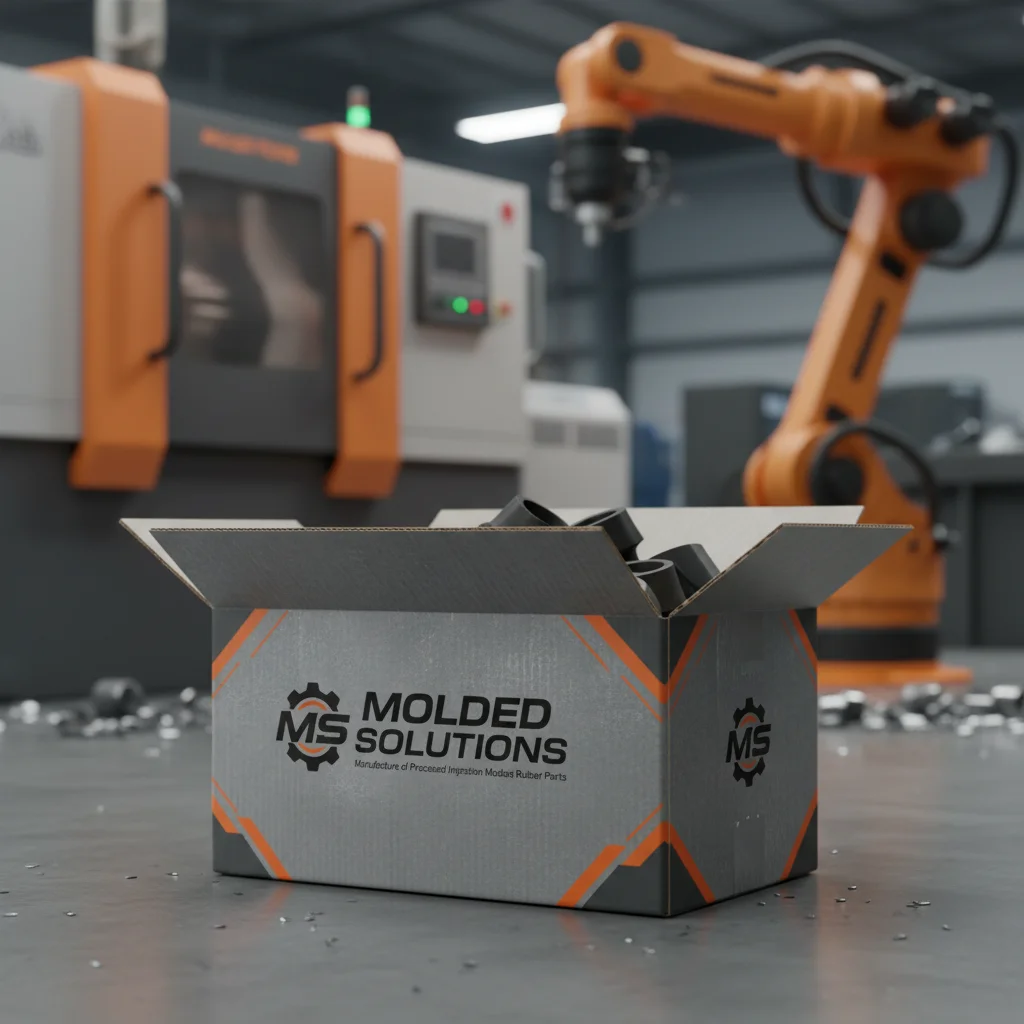
When sourcing plastic molds that define product integrity and operational efficiency, you need more than glossy marketing phrases. You want supplier insight born from decades on the production floor, technical know-how on mold design,
Product Details
Precision Plastic Mold Manufacturing for Industrial Excellence
When sourcing plastic molds that define product integrity and operational efficiency, you need more than glossy marketing phrases. You want supplier insight born from decades on the production floor, technical know-how on mold design, and a firm handle on international supply chain realities. At Guangdong Yingtai High Precision Technology Co., Ltd., our 20+ years in plastic and liquid silicone molding equip us with the operational expertise your procurement team needs today.
Navigating Common Industry Challenges in Plastic Mold Production
The plastic molding landscape has shifted notably over the last decade. Procurement managers and technical engineers routinely face:
Cost pressures from shifting global supply chains and rising raw material prices — impacting both mold tooling and production runs.
Complications in precision mold design due to evolving product complexity and tighter tolerances required by industries such as medical devices and automotive components.
Quality inconsistencies arising from process variation, faulty mold maintenance, or inadequate material data input in injection molding simulations — leading to production delays and rework.
Long lead times and inefficient logistics that compromise just-in-time manufacturing goals.
Environmental regulations complicating the sourcing of materials and waste disposal during the molding process.
Operational observation: Many purchasers underestimate the impact of mold design on end-product dimensional stability. Investing in advanced CAE simulation and tighter mold process controls typically reduces costly iterations downstream.
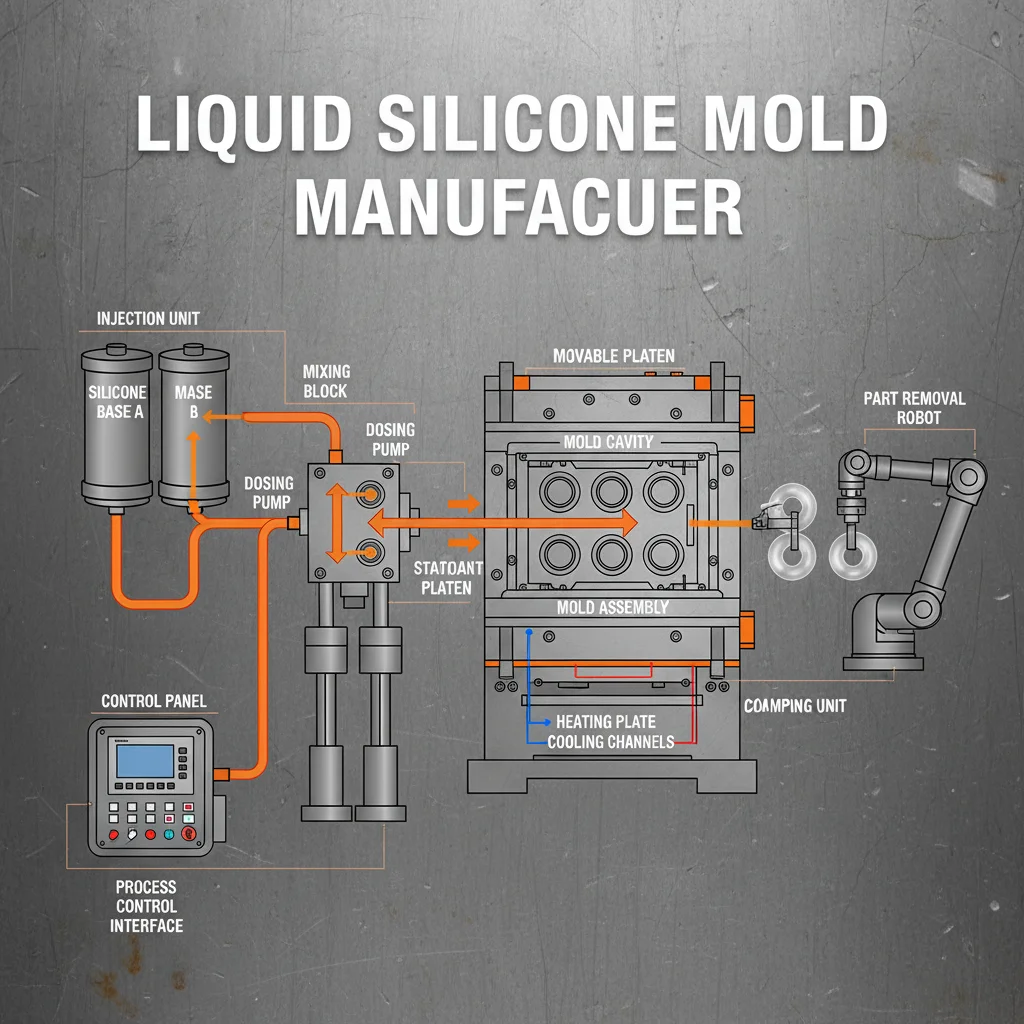
We recognize these pressures, which is why our expertise stretches beyond standard injection molding. Our team holds significant experience in liquid silicone molding and overmolding seals, supporting specialized needs across new energy vehicles, consumer electronics, and industrial appliances. Materials selection, tooling innovation, and assembly-ready designs are all part of our holistic approach.
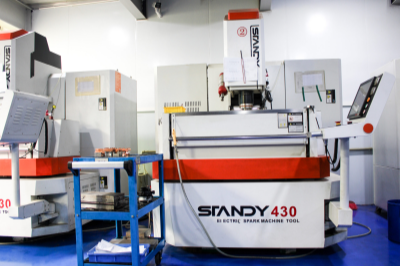
We operate a factory spanning 35,000m² in Dongguan, China — a region recognized as the plastics hub of Asia. Our tooling workshop is equipped with over 30 sets of precision machines and advanced testing instruments, enabling us to tailor molds to material-specific requirements, including:
Thermoplastics: PP, ABS, polycarbonate (PC), and nylons for toughness and surface finish
Liquid Silicone Rubber (LSR): Using specialized injection techniques for high-flexibility, biocompatible parts per ISO 10993 standards
Multi-component molding: Combining plastics with LSR to deliver functional parts with soft-touch seals or integrated gaskets
Our production workflow leverages:
CAE Simulations enhanced by rheological and thermal data to forecast mold pressure and curing kinetics accurately — based on the latest material characterization research (Source: MDPI Polymer Studies)
CAD/CAM tooling design paired with rapid tooling technology to shorten mold development cycles
Automated injection molding lines fitted with servo motors and temperature controllers ensuring uniform material flow and stability
Stringent QC checks: Dimensional inspections using coordinate measuring machines (CMMs), hardness testing, and visual defect analysis
Experience teaches us that early-stage collaboration between mold engineers and procurement teams reduces costly mold resets. We encourage early prototyping using LSR to verify part fit and function before large production runs — helping buyers avoid typical late-stage material mismatch issues.
High-precision injection molding machines at Guangdong Yingtai factory
Product Advantages and Material Insights
Choosing the right plastic mold supplier means balancing quality, cost, and flexibility. Our plastic molds offer:
Modularity: Interchangeable mold inserts accommodate design changes without full retooling
Enhanced cavity sealing: Reduces flash defects and material waste through precision-machined part lines, improving yield — aligning with sustainable manufacturing principles (Source: Fraunhofer Research)
Durability: Molds constructed with hardened steel grades and coated surfaces for prolonged lifecycle exceeding 1 million shots on average
Fine surface finishes: Achieved via polishing and EDM, reducing secondary operations
Compatibility with advanced molding processes: Including liquid silicone overmolding and multi-shot molding for hybrid parts
Material comparison table — a practical guide for procurement:
Material
Key Properties
Common Applications
Material Compatibility
ABS (Acrylonitrile Butadiene Styrene)
Good impact resistance, moderate heat deflection, easy machinability
Note: Material compatibility with mold tooling greatly affects product quality and lifecycle. Consultation before mold development is essential to anticipate potential material processing constraints.
Application Scenarios for Plastic Mold Solutions
Our plastic molds serve a diverse client base across international markets. Common end-use segments include:
New Energy Vehicles: Precision molds for battery housings, cable connectors, and sealing components requiring superior thermal stability
Consumer Electronics: High-cavitation molds producing durable housings and keypads with tight tolerances for mass market devices
Medical Devices: Biocompatible LSR injection molds for seals, diaphragms, and flexible tubing conforming to FDA and ISO 13485 standards
Household Appliances: Complex assemblies with multi-component molding integrating rigid plastics and silicone overmolds for improved ergonomics
Industrial Electronics: Robust enclosures and connector molds designed for harsh environments with anti-slip and sealing features
Each application demands tailored tooling considerations — from venting channels and gating designs in molds to process parameter optimization ensuring material properties are fully realized during injection molding. Discussions with our engineering team streamline these considerations early.
Procurement Guidance: Reducing Risk in Plastic Mold Sourcing
For purchasing managers and procurement directors, plastic mold acquisitions are complex decisions encompassing more than just unit price. Key points to evaluate suppliers effectively:
Factory Capabilities: Verify machine counts, tooling technology, and quality control disciplines. Yingtai maintains over 80 injection molding machines and precision tooling assets.
Experience with OEM/ODM: Proven track record designing and manufacturing molds from concept through mass production — flexibility to accommodate design iterations.
Certifications and Compliance: ISO 9001, CE for safety, RoHS for materials, and medical-grade documentation supporting regulated products.
Lead Times and Logistics: Understand manufacturing cycle times and container loading strategies. Yingtai optimizes export shipments to U.S. ports with streamlined documentation.
Technical Support: Access to engineering and production experts who provide mold flow analyses, sampling support, and troubleshooting guidance.
Post-Sale Service: Warranty terms, defect resolution processes, and mold repair or modification availability.
Requesting samples early in the procurement cycle significantly reduces risks. Note that molds require periodic maintenance to sustain performance and prevent cavity wear. Our team offers maintenance plans matching production volume and mold type.
Frequently Asked Questions
Q: What is the typical lead time for plastic mold production?
Standard mold development averages 4 to 8 weeks, depending on complexity. Multi-component or LSR molds may need extra time for tooling approvals and trial runs.
Q: How do you ensure consistent quality during high-volume production?
We deploy process parameters monitoring, periodic sample inspections, and in-line measurement tools backed by experienced molding operators to maintain tight tolerances.
Q: Can you support design modifications after mold fabrication?
Minor modifications are possible via mold insert swaps or EDM operations. Major design overhauls require revisiting mold design steps and extending lead times.
Q: What certifications support your plastic mold manufacturing?
Our facility is ISO 9001-certified. We also comply with CE, RoHS, and FDA documentation standards relevant to our customer's end-products.
Q: How do you handle shipping and customs for international buyers?
Yingtai provides export-ready packaging, documentation, and assists clients with customs clearance coordinating shipments to major US ports.
Customer Feedback and Real-World Benefits
Michael Turner, Procurement Manager (Detroit, USA): “We engaged Yingtai for a multi-component mold project that required tight tolerances and short delivery times. Their technical support was proactive, catching potential flow issues early via CAE analysis. Delivery times matched estimates, and the molds performed flawlessly over our pilot production.”
Get in Touch
If you have any camping barbeque equipment inquiry, please feel free to contact us.