Guangdong Yingtai High Precision Technology Co., Ltd. | Exporting from Dongguan, China Plastic parts manufacturing is not just about shaping raw materials. For purchasing managers and procurement directors sourcing from overseas, particularly in dynamic
Product Details
Plastic Parts Enterprises: Precision, Expertise, and Reliability in Industrial Manufacturing
Guangdong Yingtai High Precision Technology Co., Ltd. | Exporting from Dongguan, China
Understanding the Commercial and Operational Challenges Facing Plastic Parts Enterprises
Plastic parts manufacturing is not just about shaping raw materials. For purchasing managers and procurement directors sourcing from overseas, particularly in dynamic hubs like Dongguan, it’s a multifaceted operation requiring sharp oversight, technical insight, and an appreciation of market realities.
Today’s procurement challenges in the plastic parts sector revolve around quality consistency, compliance with diverse international standards (ISO 9001, CE, RoHS), and balancing cost with delivery lead times—all under pressure from global supply chain fluctuations and rising material costs.
It’s common for buyers to encounter issues such as dimensional variances, material incompatibility, or unexpected surface finish problems that delay assembly lines. These arise from inadequate tooling, inexperienced mold design, or insufficient factory process controls leading to higher defect rates.
Moreover, in industries such as automotive, consumer electronics, and new energy vehicles—where plastic parts often serve as highly engineered, precision components—failing to meet technical specifications can cause costly rejections and loss of supplier trust.
Industry veterans stress the risk of 'price-only' sourcing. Our approach encourages thorough supplier evaluation, including factory audits for machinery adequacy (injection molding machines, precision CNC cutters), quality management certifications, and a real understanding of OEM/ODM capabilities to accommodate complex product customizations.
Dimensional accuracy: Essential for interchangeable parts in electronics and automotive assemblies; tolerances often need to be within ±0.05mm.
Material selection: Choosing between ABS, polycarbonate, nylon, or LSR impacts product durability and compatibility with other components.
Compliance hurdles: Must consider FDA if for food contact, UL for electronics, or REACH for chemical regulations in Europe.
Lead times and logistics: Factory proximity to ports, container loading optimization, and export documentation efficiency all influence timely delivery.
Failure to address such challenges early can cascade into delays, inflated costs, and lost market opportunities. A detailed supplier discussion on tooling design revisions, mold flow analysis, cavity balancing, and injection parameters becomes essential before committing to volume production.
Technical Deep Dive: Injection Molding & Material Science Behind Plastic Parts
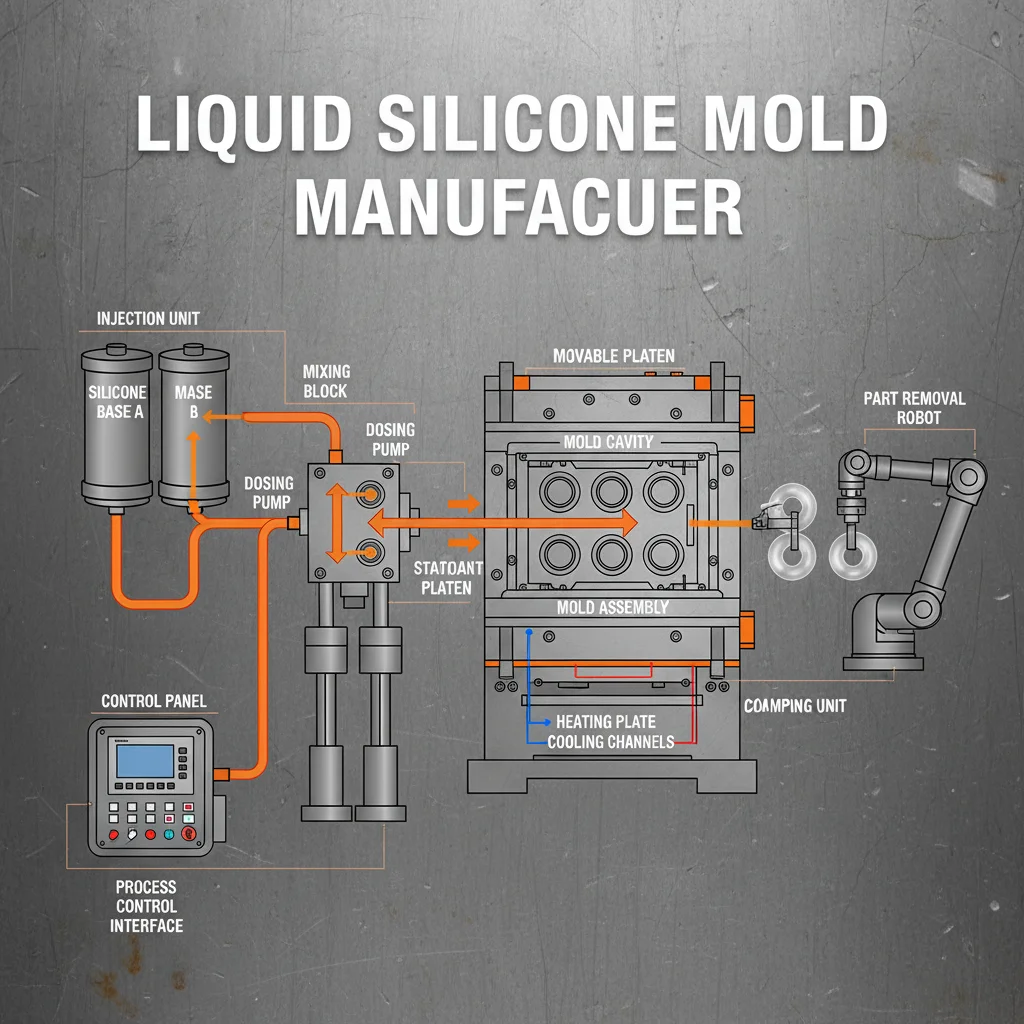
Precision injection molding remains the backbone of plastic parts manufacturing. At Guangdong Yingtai, we leverage over 20 years of mastery in production workflows, incorporating advanced plastic injection molding machines with clamping forces from 50 to 1000 tons, plus liquid silicone rubber (LSR) injection technology.
Material science knowledge underpins our capability to customize raw polymers to exact customer demands. Each polymer – from high-impact polystyrene (HIPS) to thermoplastic elastomers (TPE) – requires careful calibration of melt temperature, injection pressure, and cooling cycles to preserve mechanical properties and surface finish integrity.
Beyond choice of base polymers, additives such as UV stabilizers, anti-static agents, or flame retardants are implemented depending on end-use. Custom color matching and matte or glossy finishes are also integrated within molding cycles while respecting process stability.
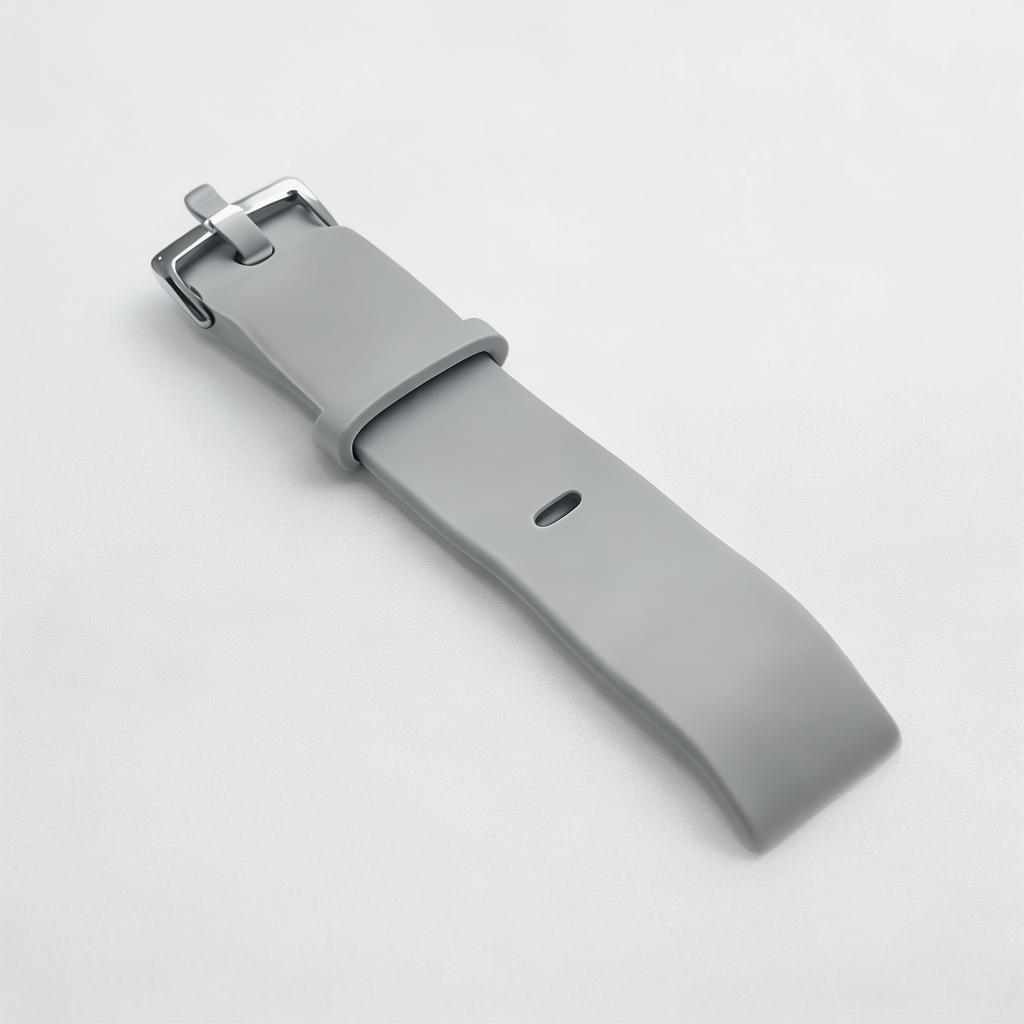
Recent innovations in multi-shot injection molding allow us to combine rigid plastics with soft-touch silicones, granting durable yet ergonomic products ideal for wearable electronics or automotive cockpit components. These hybrid structures undergo rigorous bonding and adhesion testing to ensure resilience under thermal cycling and mechanical stress.
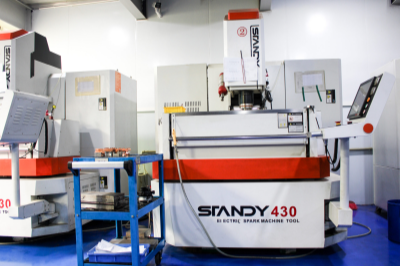
From a tooling perspective, the factory’s portfolio includes precision mold machining centers and electrical discharge machining (EDM) setups, enabling rapid prototyping and final mold production. We apply mold flow simulation to predict injection pressures and optimize gate locations, minimizing flash defects and cycle times.
*Each material’s process window and tool design parameters are carefully matched to maintain optimal cycle times and reduce scrap rates.
Material & Production Method Comparison: Selecting the Right Plastic Solution
Selecting plastic parts suppliers often comes down to material performance versus cost and manufacturing complexity. Many buyers ask us: should I choose traditional thermoplastic injection molding or incorporate advanced LSR overmolding?
Here’s the scoop from twenty years on the factory floor:
Thermoplastics like ABS and PC offer excellent rigidity and dimensional stability for structural components but tend to falter under high temperature or chemical exposure.
Liquid Silicone Rubber molding excels in flexible, durable seals and soft-touch applications, supporting high-precision tolerances with enhanced biocompatibility, heat resistance, and chemical inertness.
Multi-shot molding provides hybrid parts combining rigid plastics with custom silicone layers – common in electronics and automotive interiors.
Production lead times are generally longer for LSR parts due to thicker cycle times and mold curing phases but are mitigated by high automation levels within modern facilities.
Tooling complexity is significant for LSR and multi-component molds; expect higher initial setup and maintenance costs but lower scrap in mature runs.
A buyer-focused approach means auditing sample parts for wear resistance, UV aging, tensile strength, and resin flow consistency in prototype phases before signing off on mass production. Testing in relevant environmental conditions (humidity, thermal shocks, mechanical loads) uncovers risks often missed by less experienced sourcing agents.
For finer control, we recommend referencing standards such as ASTM D638 for tensile testing, ISO 9001 for quality management, and CE/FCC for regulatory compliance to ensure market readiness and reduce post-delivery surprises.
Application Scenarios: Diverse Industries Powered by Plastic Parts Expertise
Plastic components have become vital across multiple cutting-edge industries, demanding both performance and repeatability.
Our extensive production portfolio serves:
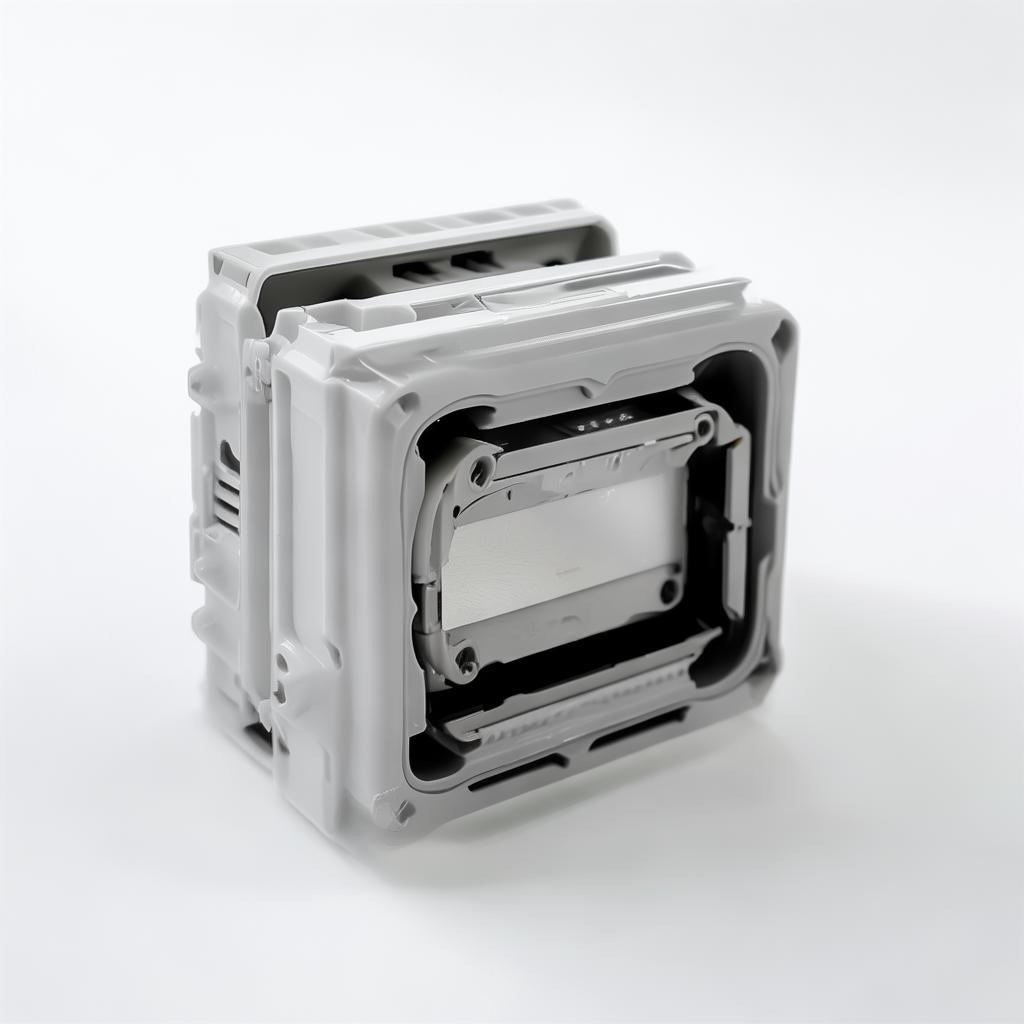
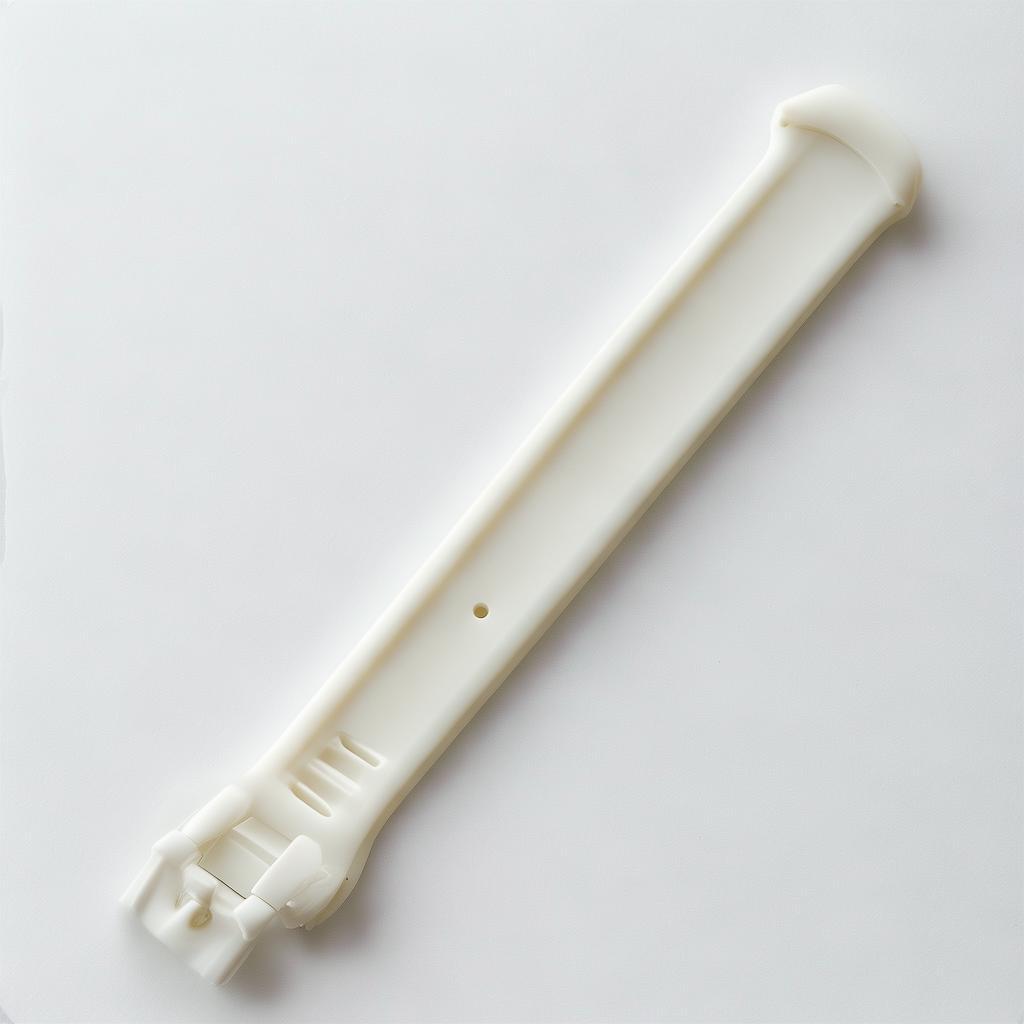
New Energy Vehicles: Battery enclosures, cable management clips, and sealing gaskets crucial for waterproofing and thermal management.
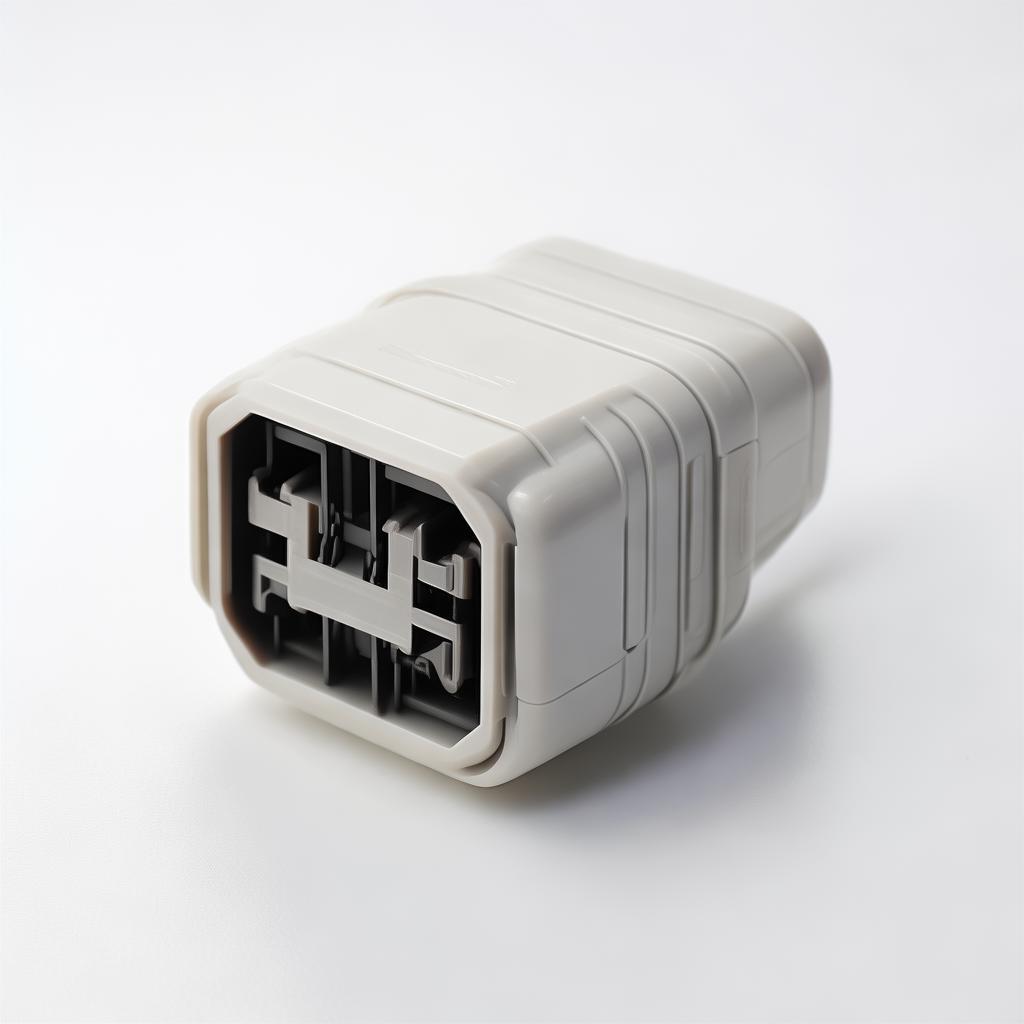
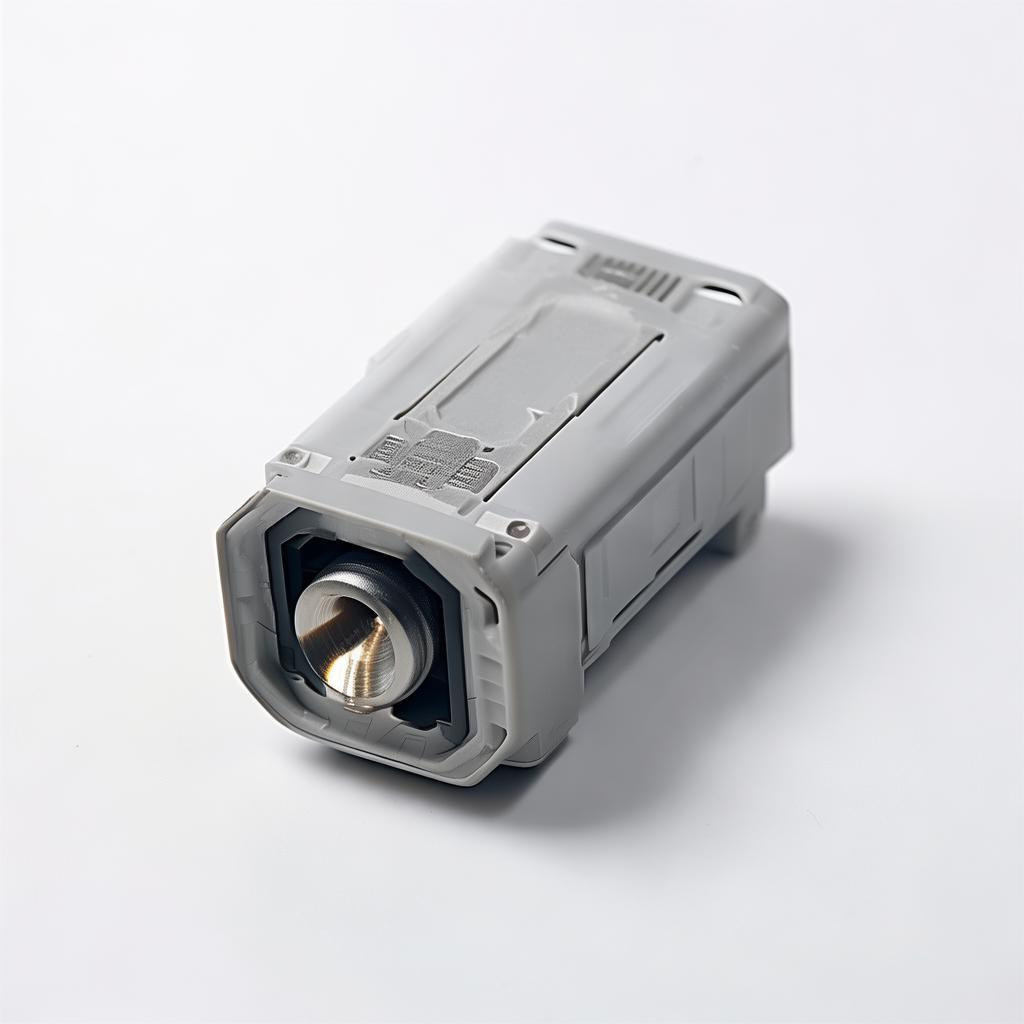
Consumer Electronics: Durable housing for smart wearables, connectors, and flexible silicone buttons requiring soft tactile feedback and longevity.
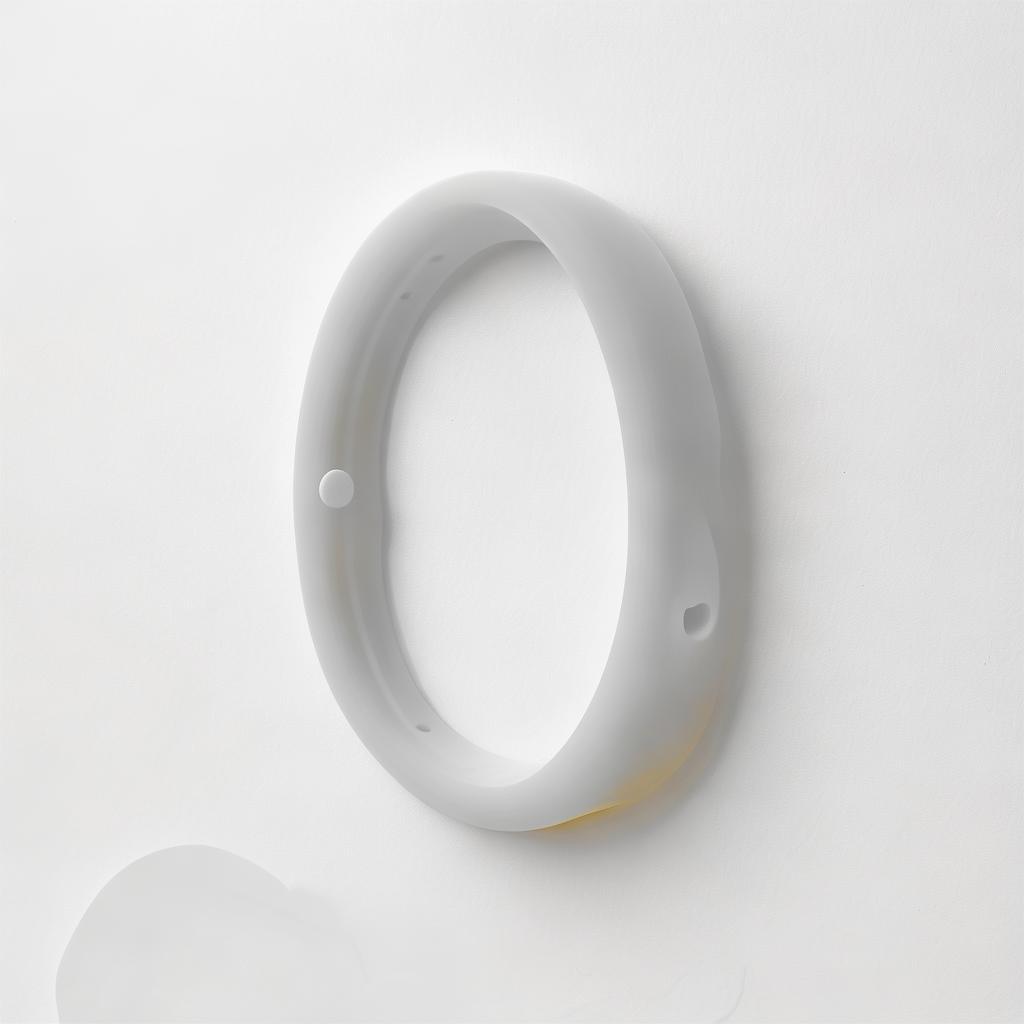
Industrial Electronics: Overmolded seals, strain reliefs, and protective caps optimized for harsh operating environments and extended maintenance intervals.
Medical Devices: LSR molded seals and tubing components feature biocompatibility and repeated sterilization resistance; strong process controls ensure batch traceability.
Household Appliances: Customized plastic appliance parts withstand repeated mechanical stress and exposure to detergents or steam.
Each sector drives unique challenges in material selection, molding precision, and regulatory compliance. For example, medical-grade silicones conform to FDA and ISO 10993 standards, while automotive plastics must meet UL94 flame retardancy and heat resistance specs.
Factory Strength & Industry Certifications
Guangdong Yingtai High Precision Technology Co., Ltd., located in Dongguan’s industrial cluster, boasts over 35,000 square meters of production area equipped for scale and quality.
State-of-the-art injection molding machines and mold processing centers at Yingtai
Our tooling assets include:
80+ Automatic Plastic Injection Molding Machines with clamping forces spanning 50 to 1000 tons
55+ Liquid Silicone Rubber Molding Units supporting multi-shot and high-precision molding
Advanced Mold Development Workshop with precision CNC milling, EDM, and wire cutting systems
Stringent Quality Control Labs equipped with digital calipers, spectrophotometers, and tensile testing machines
Our quality management is certified to ISO 9001:2015 and ISO/TS 16949, with product compliance aligned to CE, RoHS, and FDA regulations where applicable. This foundation allows us to meet the rigorous demands of automotive and medical sectors worldwide.
Procurement Guidance & Risk Mitigation for Plastic Parts Sourcing
Selecting an overseas supplier is more than price negotiation. Based on our export director’s insights and years working alongside USA-based importers, we recommend these critical procurement checkpoints aimed at minimizing risks and maximizing ROI:
Factory visit or virtual audit - Review equipment, employee expertise, and quality control practices early.
Mold management - Confirm tooling ownership, protective storage, and mold reusability to avoid costly replacements.
Sample validation - Obtain first-article samples to verify exact fit, finish, and material specs before mass runs.
Clear communication on tolerances - Unambiguous drawings and tolerance matrices reduce misunderstanding and scrap.
Structured QA process - Agree on inspection checkpoints, testing protocols, and acceptable defect levels upfront.
Logistics planning - Factor lead times, customs clearance, packaging, and container optimization into delivery schedules.
Payment terms - Balance trust with safeguards; milestones payments tied to product quality help manage cash flow and accountability.
Tip: Partner with factories offering OEM/ODM services to integrate custom features, labels, and packaging with strong intellectual property protections.
Avoid excessive reliance on unsolicited quotes or factory claims alone. Third-party testing and inspection services (SGS, Intertek) provide an impartial view on quality and compliance.
Frequently Asked Questions
Q1: What is the typical lead time for plastic parts production?
For plastic injection molding, lead times depend on tooling readiness. Existing molds typically require 15-25 days, while new mold development can take 30-60 days. LSR parts usually have slightly longer cycle times due to curing requirements.
Q2: How does LSR compare with solid silicone or traditional plastics?
LSR offers superior heat resistance, flexibility, and biocompatibility. Compared to solid silicone, LSR suits high-volume, automated injection production with better consistency. It complements plastics by adding flexible sealing or soft-touch features.
Q3: What certifications do you hold for export products?
Our products and factory operate under ISO 9001, IATF 16949 for automotive, CE, RoHS compliance, and can meet FDA requirements for food and medical grade parts.
Q4: Can you support custom OEM and ODM orders?
Absolutely. Our in-house mold design and engineering team collaborate closely with clients from prototype to mass production, offering turnkey customization including multi-material solutions.
Q5: How do you manage shipment and logistics?
We coordinate container loading efficiently for sea freight and offer air freight options. Pre-shipment inspections and export documentation are handled by our dedicated logistics team to minimize customs delays.
What Buyers Say: Real-World Feedback from Plastic Parts Customers
Marcus EllisProcurement Manager, Illinois
“We rely on Guangdong Yingtai for complex injection molded parts in our electronics line. Their multi-shot molding expertise has reduced assembly errors and improved product durability. Communication is transparent, and delivery matches promised lead times—crucial for our just-in-time system.”
Get in Touch
If you have any camping barbeque equipment inquiry, please feel free to contact us.






 Marcus EllisProcurement Manager, Illinois