By Marcus Li , Export Director at Guangdong Yingtai High Precision Technology Co., Ltd. Electric vehicles (EVs) continue to disrupt traditional automotive markets, ushering in new challenges for component sourcing—especially for plastic parts that
Product Details
Plastic Parts for Electric Vehicles: Precision, Durability & Supply Chain Insights
By Marcus Li, Export Director at Guangdong Yingtai High Precision Technology Co., Ltd.
Understanding Industry Pain Points in Electric Vehicle Plastic Parts Supply
Electric vehicles (EVs) continue to disrupt traditional automotive markets, ushering in new challenges for component sourcing—especially for plastic parts that deliver on performance and sustainability. Notably, procurement directors and operations managers face increasing demands for parts that balance weight reduction, mechanical strength, and compliance with stringent automotive standards such as ISO/TS 16949.
First, the complexity of EV architectures requires plastic components with excellent dimensional stability across a wide temperature range—from below freezing in northern markets to high thermal loads near battery packs. Traditional plastics often fall short in heat resistance, creating risks of deformation or failure.
Alongside thermal challenges, several operational concerns must be addressed:
Supply chain reliability: Unpredictable lead times threaten production schedules due to raw material shortages or overseas shipping bottlenecks.
Material performance gaps: Balancing rigidity against impact resistance requires advanced polymer blends like polyamide (PA6/PA66) with glass fiber reinforcement or high-performance polypropylene variants.
Regulatory compliance: Parts must meet flammability, UV resistance, and chemical exposure criteria, reflecting industry standards such as UL 94 V-0 rating for flame retardancy.
Cost constraints: Achieving high-quality without premium overpricing remains a pressing challenge amid global cost pressures.
A practical note: many EV OEM procurement teams report that off-the-shelf generic plastic parts rarely meet nuanced design requirements, leading to rework or supplier switching mid-cycle. This unpredictability can increase total cost of ownership despite initial lower prices.
Material & Production Advantages at Guangdong Yingtai
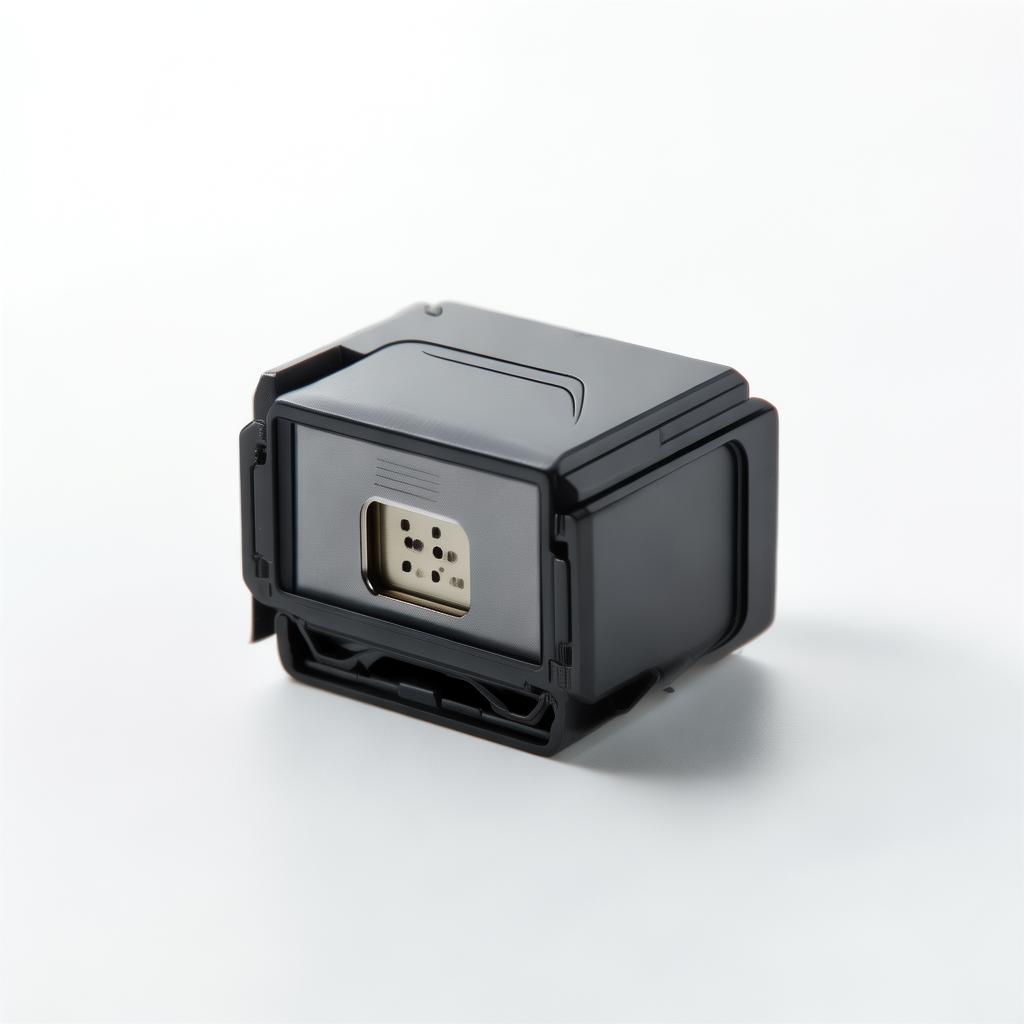
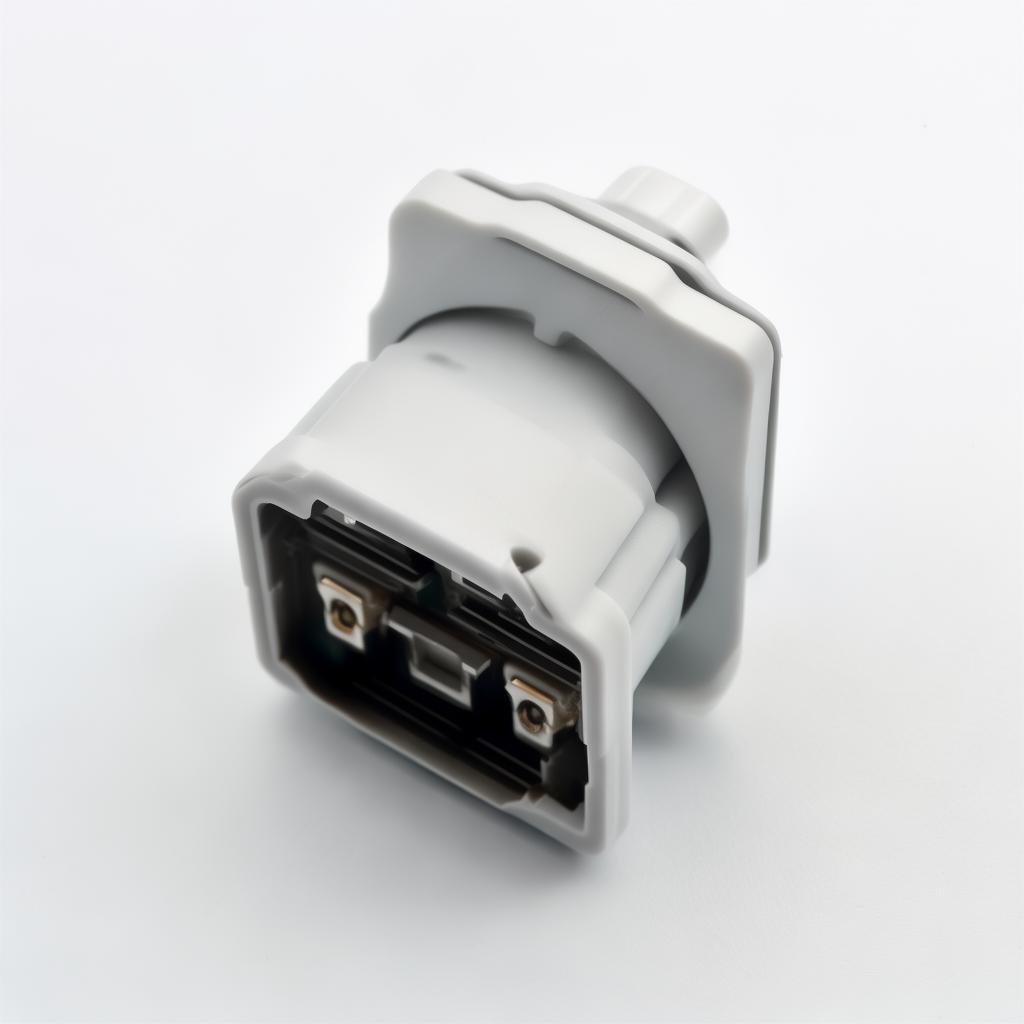
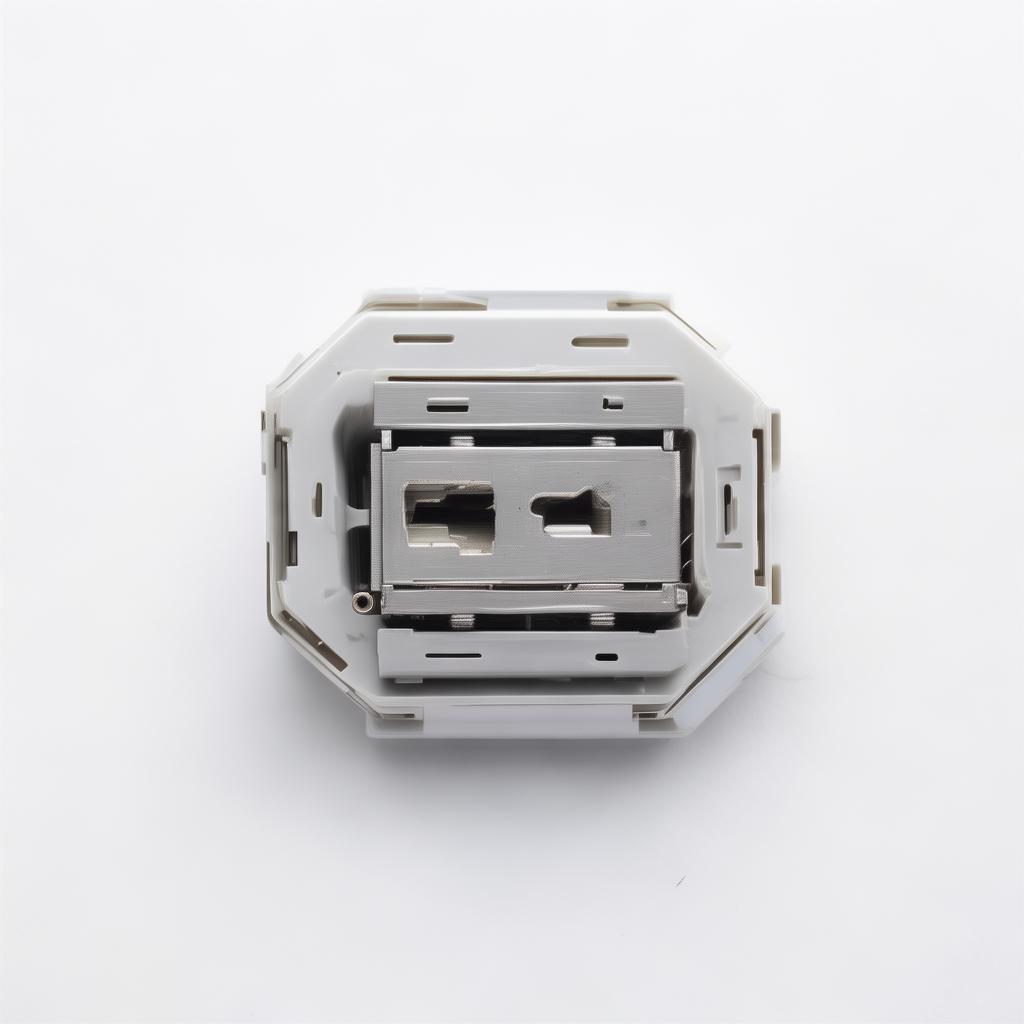
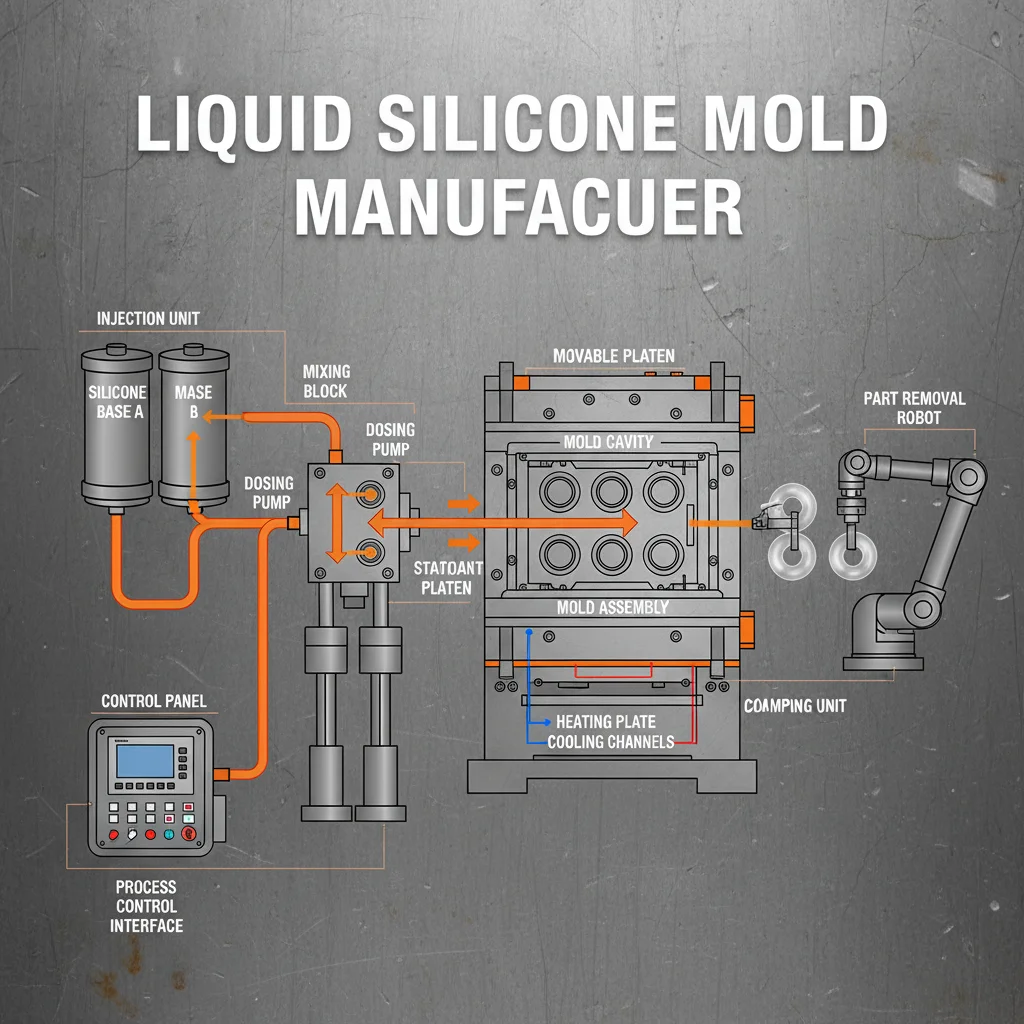
At Guangdong Yingtai High Precision Technology Co., Ltd., our plastic parts for electric vehicles are engineered through a combination of advanced injection molding and liquid silicone overmolding technologies. Our facility integrates 80 automatic injection machines, with process control optimized for consistent cavity filling and minimal flash defects, addressing common quality risks in OEM supply.
Material selection is critical. We primarily manufacture components using glass fiber reinforced polyamides (PA66 GF30), thermoplastic elastomers (TPE), and specialized liquid silicone rubber (LSR) compounds for sealing applications. These materials provide:
Heat resistance: Sustained stability from -40°C to 130°C, meeting automotive under-hood standards.
Chemical resistance: Endurance against battery electrolyte exposure and cleaning solvents.
Impact and fatigue strength: Withstand vibrations, shocks, and repeated mechanical stress typical of EV chassis and interiors.
Lightweight construction: Contributing to overall vehicle range by using engineered polymers instead of metal alternatives.
Our factory's adherence to ISO 14001 environmental standards and the implementation of precise injection molding workflows based on CAE simulation data reduces waste and rejects. For example, as highlighted in a recent industry report, the global demand for liquid silicone rubber is rising for its versatility in automotive sealing parts.
Besides materials, our technical expertise in mold design ensures manufacturing of intricate geometries required for modern EV components. Our tooling team uses advanced CAD/CAM software combined with proprietary mold flow analysis to reduce cycle times, optimize material flow, and ensure dimensional accuracy within ±0.05mm.
Technical Specifications Table for EV Plastic Components
Practical Procurement Tips for Plastic Components in EV Manufacturing
Ensuring stable supply while optimizing costs requires a granular understanding of supplier capabilities and material processing workflows. We often advise procurement managers to consider the following operational factors:
OEM vs. ODM capabilities: Choose suppliers with in-house tooling and mold development to ensure faster iterations and better control over tolerances.
Material traceability: Request batch certificates and raw material origin reports to mitigate risks of substandard inputs or compliance failures.
Production lead times: Confirm realistic delivery schedules, especially for custom parts. Many overseas factories quote optimistic lead times that fall apart under logistic strain.
Sample policy: Procure free or low-cost prototypes to test fitting, material feel, and visual match prior to volume orders.
Installation considerations: Pay attention to dimensions critical for assembly lines; slight deviations may cause retooling delays.
An operational observation worth sharing: frequent changes in EV design specs have led some suppliers to offer modular or flexible tooling systems, reducing reconfiguration downtime dramatically. This is an emerging trend that can protect your sourcing from costly delays.
Navigating Logistics for International EV Plastic Part Shipments
Given the heavy competition in international freight availability and rising shipping rates, precision in order quantity and packaging optimization is essential. Over-packaging increases volume weight, raising freight expenses unnecessarily.
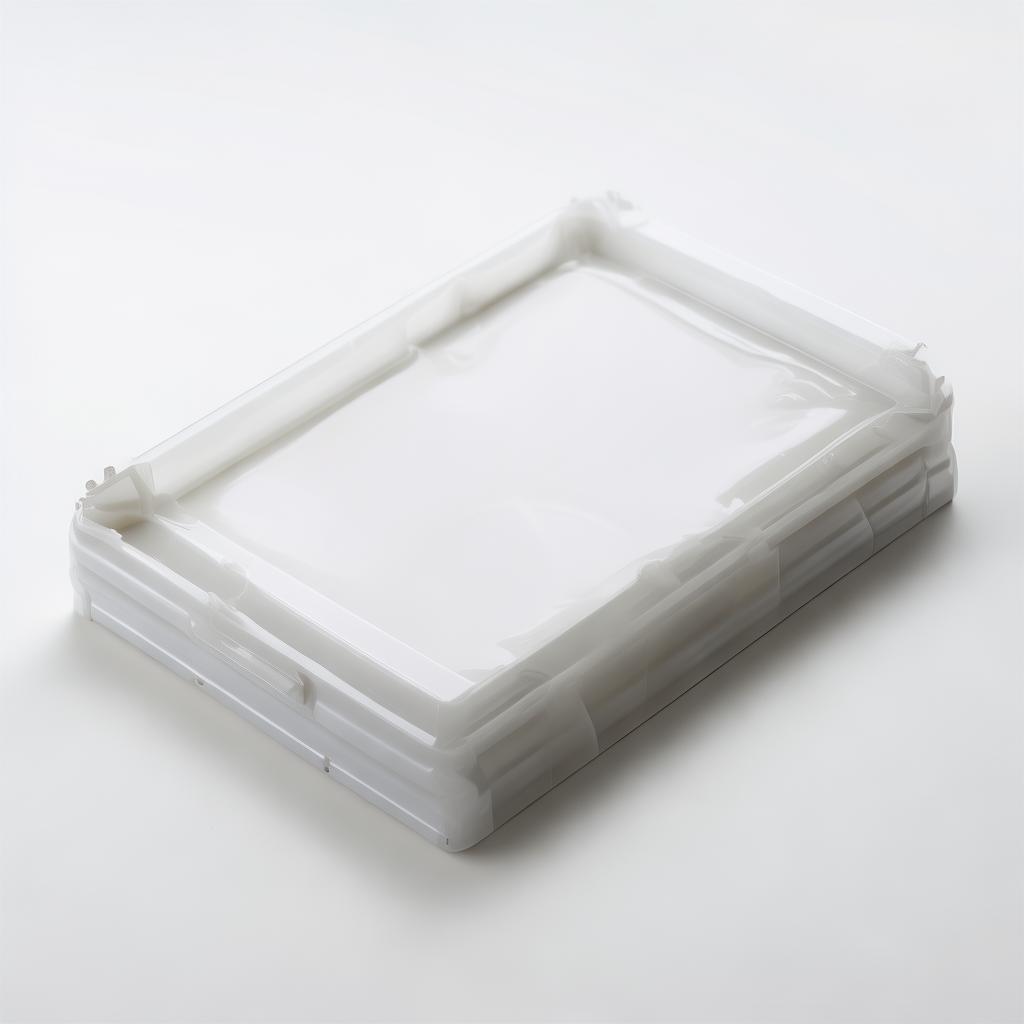
Compact stacking: Parts are nested and stacked to utilize container space efficiently, reducing airspace by up to 20%.
Anti-static packaging: Protects sensitive polymer finishes and assembled subcomponents.
Custom pallets: Designed for forklift compatibility and minimized damage risks during transit.
Typical lead times from Dongguan to US ports range between 25 to 35 days by sea freight, but expedited air shipments can be arranged for urgent batches. Coordination with customs brokers experienced in automotive components helps avoid delays related to tariff classification and certification checks.
CE Certification: For components used in regulated markets.
RoHS & REACH: Compliance for hazardous substances essential in European and US markets.
Each batch is tested for dimensional accuracy, tensile strength, and chemical resistance before shipment. These steps align with industry best practices highlighted in publications such as the Grand View Research LSR Market Report, emphasizing precision quality control as central to supplier trust.
What is the typical lead time for an order of custom plastic parts?
Custom tooling takes about 4-6 weeks, while production for standard parts can be as short as 2-3 weeks. Shipping adds another 3-5 weeks depending on the method.
How do you ensure dimensional accuracy during mass production?
We employ Statistical Process Control (SPC) with key dimensions checked every production run using calibrated CMM (Coordinate Measuring Machines).
Can you support OEM or ODM production?
Yes, we have a complete mold development and prototyping team experienced with automotive OEM designs and can customize per your requirements.
Are samples available prior to full order placement?
Absolutely, sample provision is standard. We ensure samples match bulk production quality for your assembly testing.
What packaging options do you provide to reduce transit damage?
We use tailored anti-static and shock-absorbing packaging solutions designed for injection molded plastics to mitigate deformation during transit.
Customer Reviews: Real Feedback from Global Procurement Teams
John M., Procurement Manager, Detroit EV Maker
“Yingtai has delivered consistently on crucial timeline demands; their precision molded PA66 parts survived rigorous thermal cycling tests, reducing our warranty claims noticeably. Their understanding of automotive-specific grade plastics is reassuring.”
Get in Touch
If you have any camping barbeque equipment inquiry, please feel free to contact us.