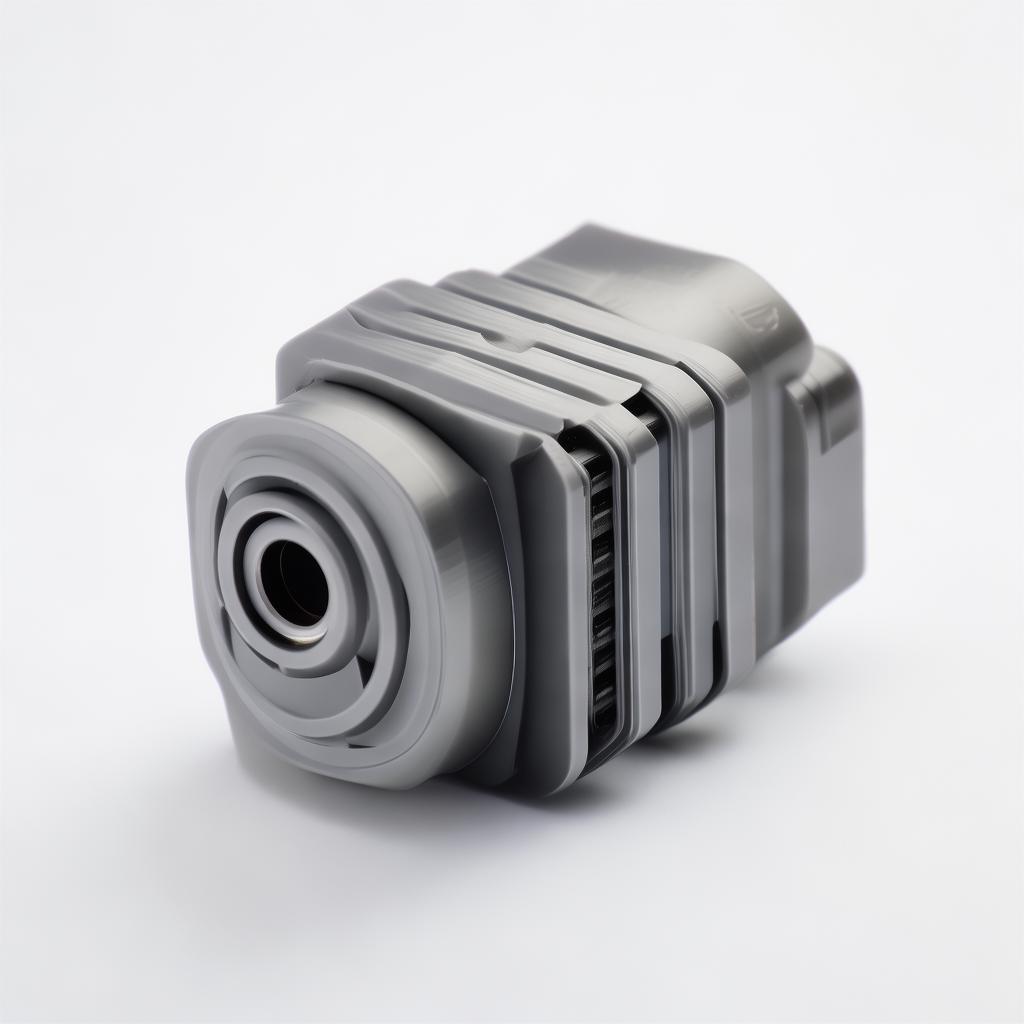
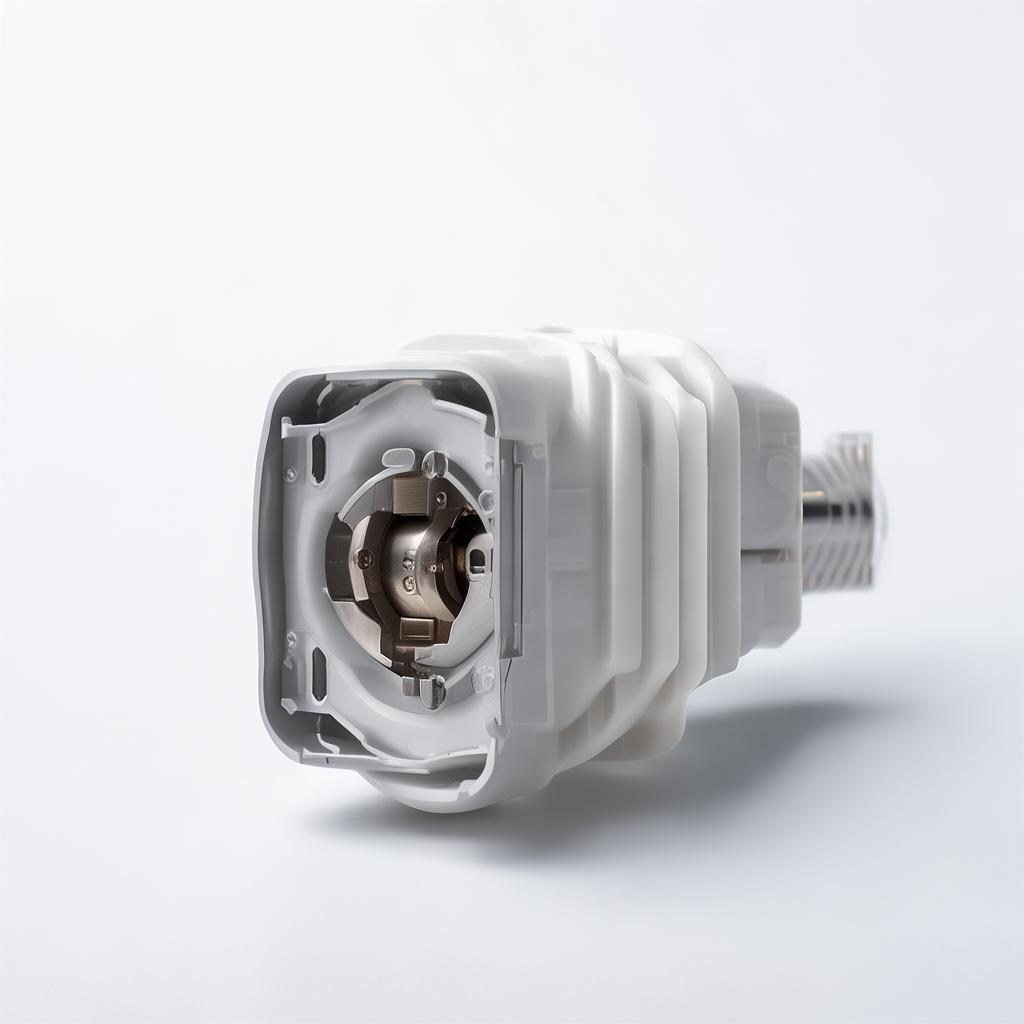
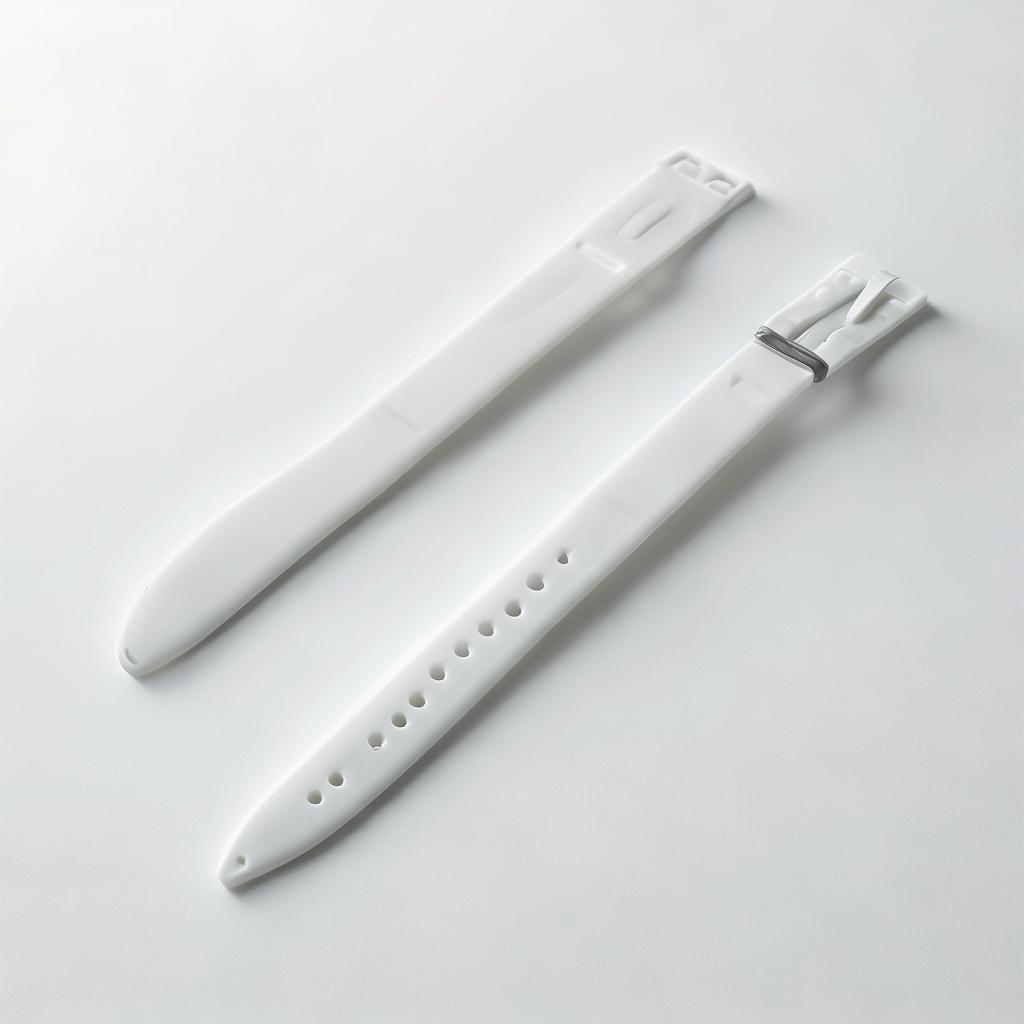
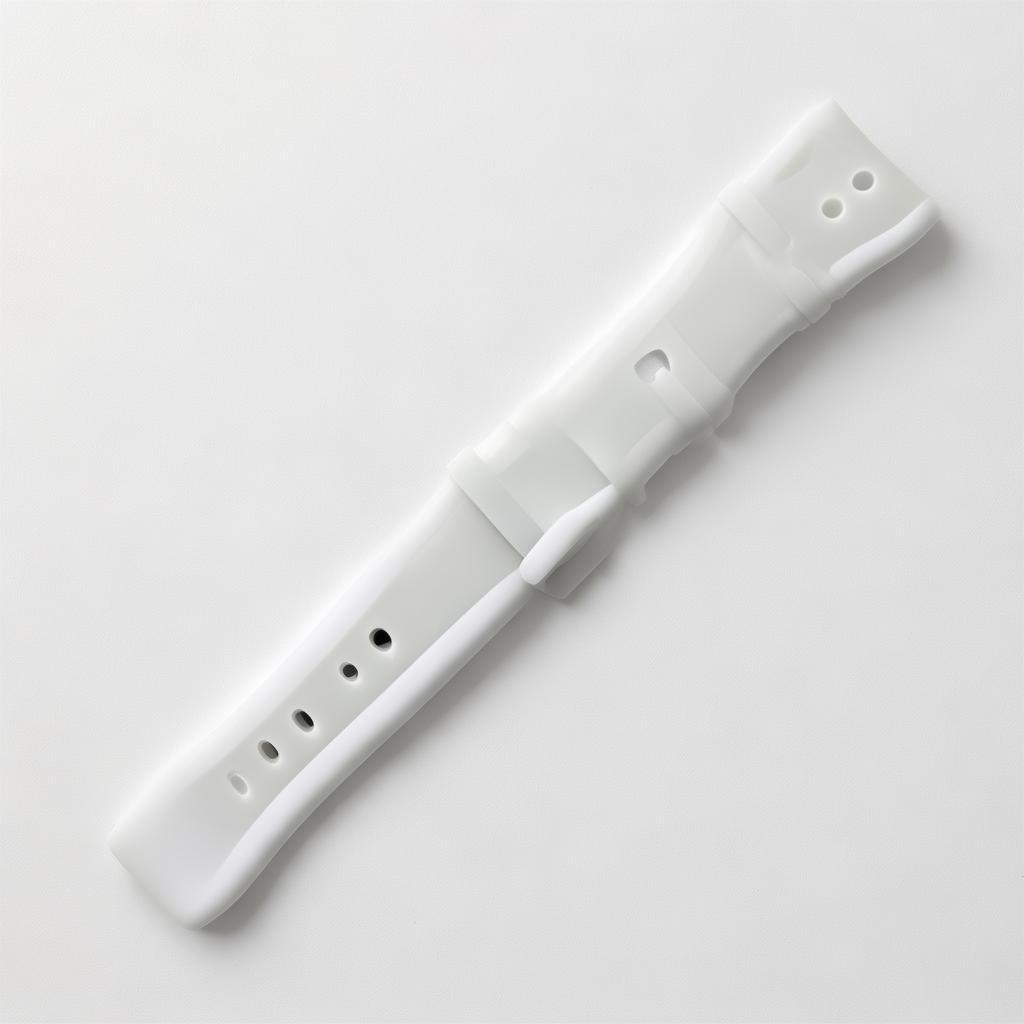
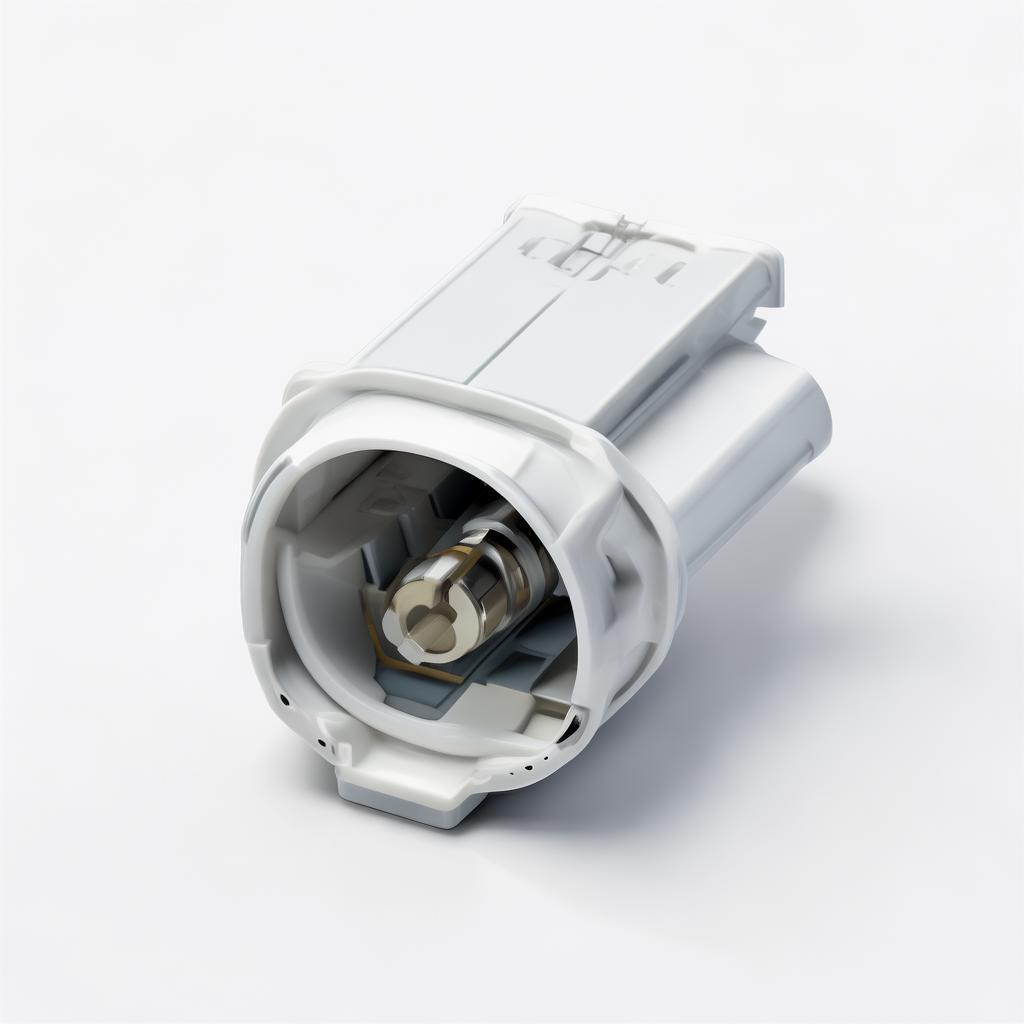
Precision Plastic Parts for Hybrid Electric Vehicles
Guangdong Yingtai High Precision Technology Co., Ltd. - Advanced plastic manufacturing & OEM/ODM solutions with over 20 years' expertise in hybrid electric vehicle component production.
Industry Challenges & Procurement Realities
Hybrid electric vehicles (HEVs) have reshaped the automotive landscape — demanding components that balance lightweight design, durability, and thermal stability. Plastic parts serve as critical enablers, replacing heavier metals in applications ranging from battery housings to interior structural elements. Yet, procuring the right plastic components for HEVs is far from trivial.
Many procurement managers face logistical and technical hurdles such as:
- Meeting stringent OEM quality standards while controlling material costs.
- Ensuring chemical and heat resistance under varying electric powertrain conditions.
- Reducing lead times amid fluctuating supply chain dynamics near global manufacturing hubs.
- Verifying supplier compliance with ISO/TS 16949 automotive quality standards, including UV resistance and flame retardancy certifications.
- Balancing performance consistency with scalability for mass production and late-stage design changes.
Outside-the-box solutions are critical: traditional thermoplastics like ABS and PBT still dominate in housings and insulators, but advanced engineering plastics such as polyphenylene sulfide (PPS), polyamide (PA66 with glass fiber reinforcement), and liquid silicone rubber (LSR) overmolded seals are carving significant market share. Industry reports forecast ongoing demand surges driven by tighter emission regulations and the electric mobility transition (see LSR Market Report, Grand View Research).
Crucially, procurement must master the interplay between molding technologies, material grades, and the actual thermal/electrical environments in HEV deployment. That means collaborating closely with suppliers—like us at Guangdong Yingtai High Precision Technology Co., Ltd.—who understand the nuances across production stages, from mold design to final component testing.
Technical Overview of Plastic Components in HEVs
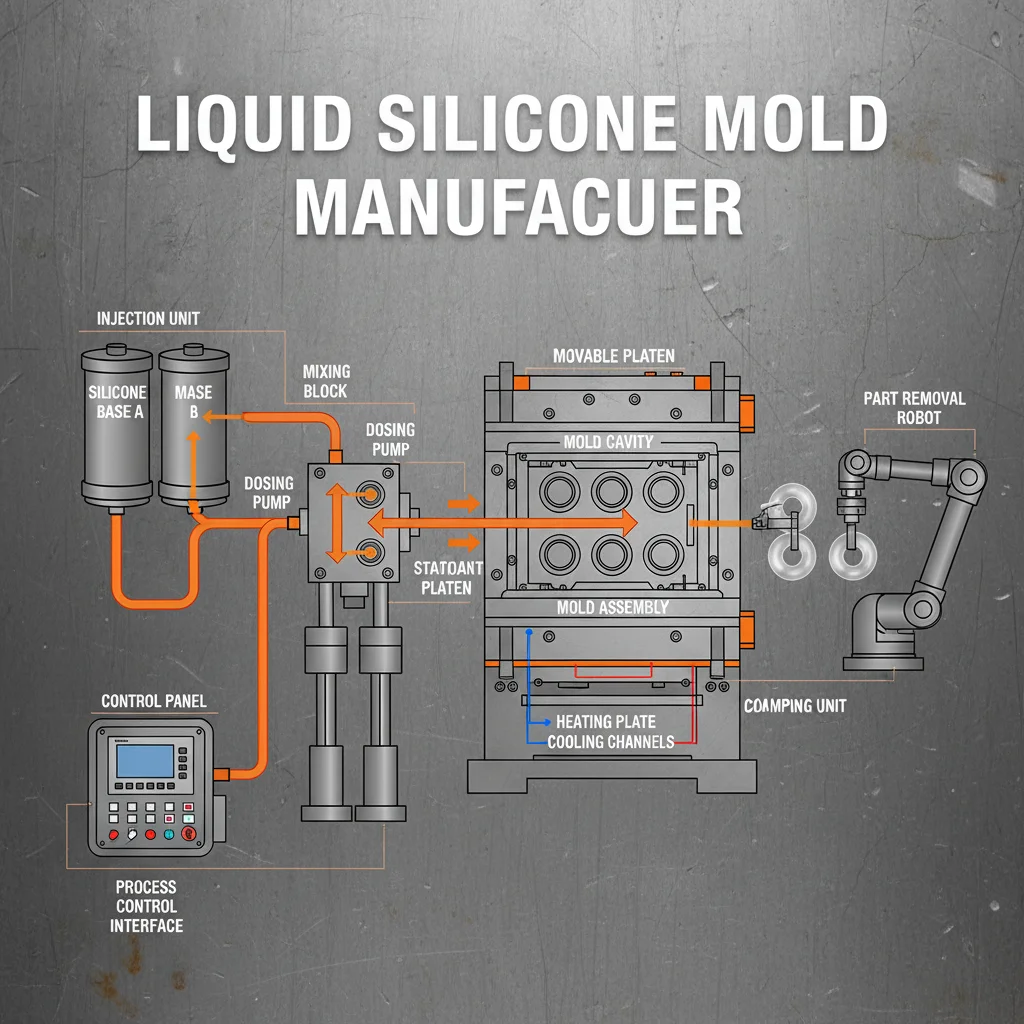
Plastic parts designed for hybrid electric vehicles serve innumerable functions: from battery management system (BMS) casings—the need for electrical insulation and heat resistance—to lightweight interior trims. Our factory leverages advanced injection molding techniques, including liquid silicone rubber (LSR) overmolding combined with precision plastic injection, enabling multi-material parts with integrated sealing and damping properties.
Key technical features that distinguish our HEV plastic parts include:
- Material Compatibility: Use of engineering plastics such as PPS and reinforced PA66 offers high tensile strength, superior dimensional stability, and excellent heat deflection temperatures (up to 260°C).
- Mold Accuracy: We employ more than 30 high-precision mold processing machines that adhere to automotive tolerances within ±0.05mm, ensuring consistent fit and finish.
- Surface Finish & Treatment: UV resistance coatings and flame retardant additives comply with international standards like UL 94 V-0 and RoHS.
- Injection Technologies: Our automated plastic injection molding machines—80 units strong—enable short cycle times and strict control over cavity pressure, minimizing flash defects and warpage.
- Testing & Validation: Advanced testing instruments validate mechanical properties, dielectric strength, thermal endurance, and chemical resistance per ISO 11469 and SAE J2464 standards.
Production Workflow Insight: Early collaboration during design verification using CAE simulation reduces trial molds and accelerates time to market. Proper characterization of material properties such as viscosity and curing kinetics—based on research insights like those from MDPI—allows us to tighten injection parameters for higher dimensional accuracy.
We recommend procurement managers factor in mold tool lead-time, which typically ranges between 30 and 45 calendar days for complex tooling, with mass production cycles running between 15 to 30 seconds depending on plastic grade and part complexity.
Material & Product Advantages for Hybrid Electric Vehicles
The evolving HEV market demands materials that extend beyond basic plastics’ capabilities. Here’s where our expertise delivers measurable value:
| Material | Key Properties | Common HEV Application |
|---|---|---|
| Polyphenylene Sulfide (PPS) | High thermal stability, flame-retardant, excellent chemical resistance | Battery module insulation, under-hood components |
| Glass-Fiber Reinforced PA66 | Improved mechanical strength, dimensional stability, low creep | Charging connectors, fuse boxes housing |
| Liquid Silicone Rubber (LSR) | UV resistant, flexible sealing, excellent thermal endurance (−50°C to 230°C) | Cable seals, vibration dampers, waterproof components |
Operational Insights: Using PPS instead of metals can reduce component weight by 40–50%, improving fuel efficiency without sacrificing rigidity. Moreover, injection molded LSR seals provide better durability under thermal cycling in battery packs compared to traditional rubber gaskets, decreasing maintenance downtime.
Keep in mind that each material's thermal expansion coefficient and chemical resistance profile must align with the HEV system conditions. Early-stage prototype validation—combined with accelerated aging tests—can help avoid costly field recalls.
Typical Applications & Integration Scenarios
Our plastic parts integrate into almost every subsystem of a hybrid electric vehicle, such as:
- Battery module enclosures: Using high-temp resistant PA66-GF for safe electrical insulation combined with LSR gaskets for moisture protection.
- Electric motor housings & mounts: Lightweight PPS components reduce mechanical stress and vibration noise while maintaining durability in complex geometries.
- Cable management clips & seals: Custom overmolded LSR seals ensure tightness and flexibility over repeated thermal cycles.
- Interior trim panels: Using UV stabilized plastics for reduced fading and scratches, enhancing vehicle aesthetics.
In one recent collaboration, a North American HEV OEM requested customized plastic battery covers with integrated sealing and snap-fit features. Through mold simulations and iterative prototyping, our engineering team ensured dimensional tolerances within ±0.03mm and incorporated flame-retardant additives certified to UL 94 V-0 standards.
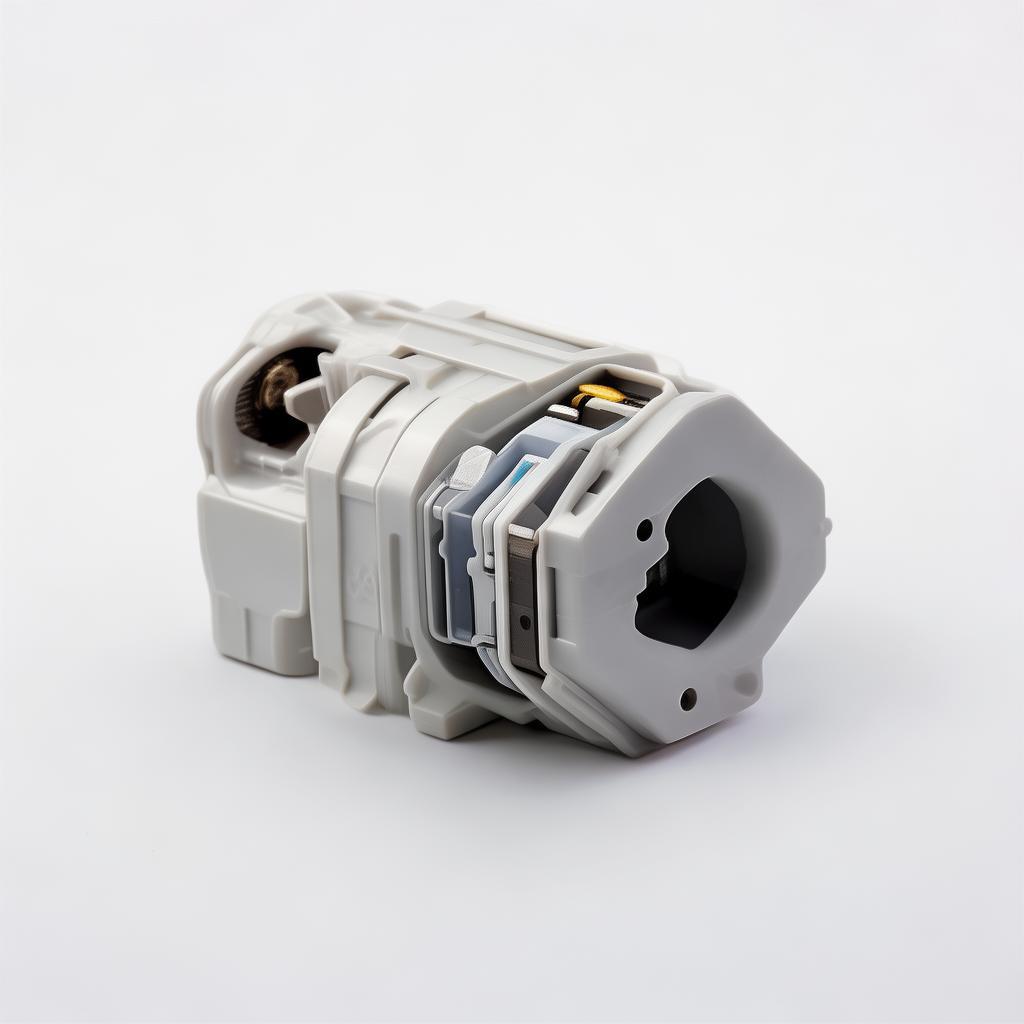
Tip for procurement: Engage your supplier early in the product design phase to leverage their materials and injection molding expertise. Understanding recommended wall thickness, draft angles, and gate placement can drastically cut tooling repro costs and cycle times.
Supplier Evaluation & Factory Strengths
Choosing a trusted supplier for HEV plastic parts is as important as material selection itself. Here’s what procurement professionals should look for:
- Certification & Compliance: ISO/TS 16949 automotive quality management, CE, RoHS, and UL certifications confirm manufacturing best practices and safety compliance.
- Production Capacity & Equipment: Look for facilities with automated plastic injection machines (50+ units), precision mold processing gear, and advanced quality control tools.
- Full Industry Chain Integration: Onsite mold design, tooling, injection, and final assembly reduce lead-time risks and ensure tighter quality control.
- Technical Support & OEM/ODM Services: Suppliers offering consultancy on material selection, mold flow analysis, and custom prototype services mitigate design-related procurement risks.
Our facility in Dongguan spans 35,000 sqm with 80 plastic injection molding machines and 55 liquid silicone molding units, supporting high-volume runs and R&D projects alike. We maintain a professional workforce of over 500 trained personnel specializing in automotive-grade plastics and precision components.
Detailed supplier audits often reveal overlooked challenges, such as mold storage costs or digital traceability of production batches – key to HEV part recalls management. Transparency in testing reports—covering tensile strength, impact resistance, and thermal endurance—is non-negotiable.
Pro Tip: Request actual batch test reports and sample inspection videos before approving high-volume orders. Verify supplier claims against third-party labs for assurance.
Logistics & Shipping Considerations
For international buyers, reliable logistics planning is essential to protect the integrity of plastic parts during transit:
- Packaging Standards: Anti-static, moisture barrier packaging prolongs product shelf life, especially for LSR components vulnerable to contamination.
- Container Loading: Optimized packing methods reduce deformation and enable stacking without damage. Our factory engineers collaborate with freight partners to maximize container space efficiently.
- Lead Times: Tooling plus production can take up to 60 days for complex parts, but bulk orders benefit from economies of scale and consistent delivery slots.
- Customs Documentation: Proper HS codes, material safety datasheets, and testing certificates are coordinated proactively to avoid border delays.
We've found that long-term partnerships with freight forwarders familiar with automotive component handling result in 15-25% fewer transit damages and faster customs clearance times, based on operational feedback.
Finally, buyers should request a detailed shipping plan customized to their destination to schedule downstream inventory and assembly flows precisely.
Buyer FAQs
- Q1: What are typical lead times for plastic parts production?
- A1: Generally, mold design and prototyping take 3-6 weeks. After approval, mass production cycles vary from 15 to 45 days depending on order size and complexity.
- Q2: How do you ensure compliance with automotive standards?
- A2: We comply with ISO/TS 16949 quality management, conduct rigorous in-house QC testing, and obtain CE and RoHS certifications to match global market requirements.
- Q3: Can you provide OEM or ODM manufacturing services?
- A3: Yes, our R&D team assists with design-for-manufacturability, mold flow analyses, and customized tooling development tailored to client specifications.
- Q4: Which plastic materials do you recommend for battery enclosure applications?
- A4: PPS and glass-fiber reinforced PA66 are prevalent for their high temperature resistance and mechanical strength. For sealing, liquid silicone rubber is optimal.
- Q5: How do you mitigate production defects such as warpage or flash?
- A5: Advanced injection control, precise mold design, and continuous operator training help minimize defects. We regularly review cycle parameter adjustments based on material characterization insights.
Customer Testimonials

"Yingtai’s precision and delivery timing have been crucial for our hybrid motor housings projects. Their engineering advice helped us optimize the plastic’s thermal performance. Very reliable partners."
- John Murray, Purchasing Manager, Detroit EV Components

"The LSR overmolded seals from Yingtai outperformed previous suppliers. Their technical know-how in mold design and materials translated into less warranty claims and faster assembly."
- Maria Gonzalez, Quality Control Director, Cali Automotives

"Working with Yingtai’s export team made cross-border communication seamless. Their transparency in providing test reports and flexible packaging options saved us headaches during customs clearance."
- Nathan Lee, Import Manager, NY Green Tech Parts
Plastic parts for electric vehicles Injection molded plastic parts for hybrid electric vehicles Pure electric vehicle plastic products
Ready to source your precision plastic parts for hybrid electric vehicles?
Get in touch with our technical team for tailored OEM/ODM solutions, product specifications, or a free sample.
Request Product Specs