Guangdong Yingtai High Precision Technology Co., Ltd. | Exporting Expertise & Advanced Manufacturing from Dongguan, China Plastic parts mold processing stands at the core of numerous industrial sectors today. From the medical devices that
Product Details
Plastic Parts Mold Processing Company – Precision You Can Rely On
Guangdong Yingtai High Precision Technology Co., Ltd. | Exporting Expertise & Advanced Manufacturing from Dongguan, China
Introduction to Plastic Parts Mold Processing
Plastic parts mold processing stands at the core of numerous industrial sectors today. From the medical devices that demand biocompatible precision to automotive components that balance structural integrity with complex geometries, reliable mold processing directly impacts product quality, operational cost, and logistical efficiency. Guangdong Yingtai High Precision Technology Co., Ltd., located in the manufacturing heartland of Dongguan, leverages over two decades of experience in precision mold manufacturing, with an industrial footprint stretching 35,000 square meters.
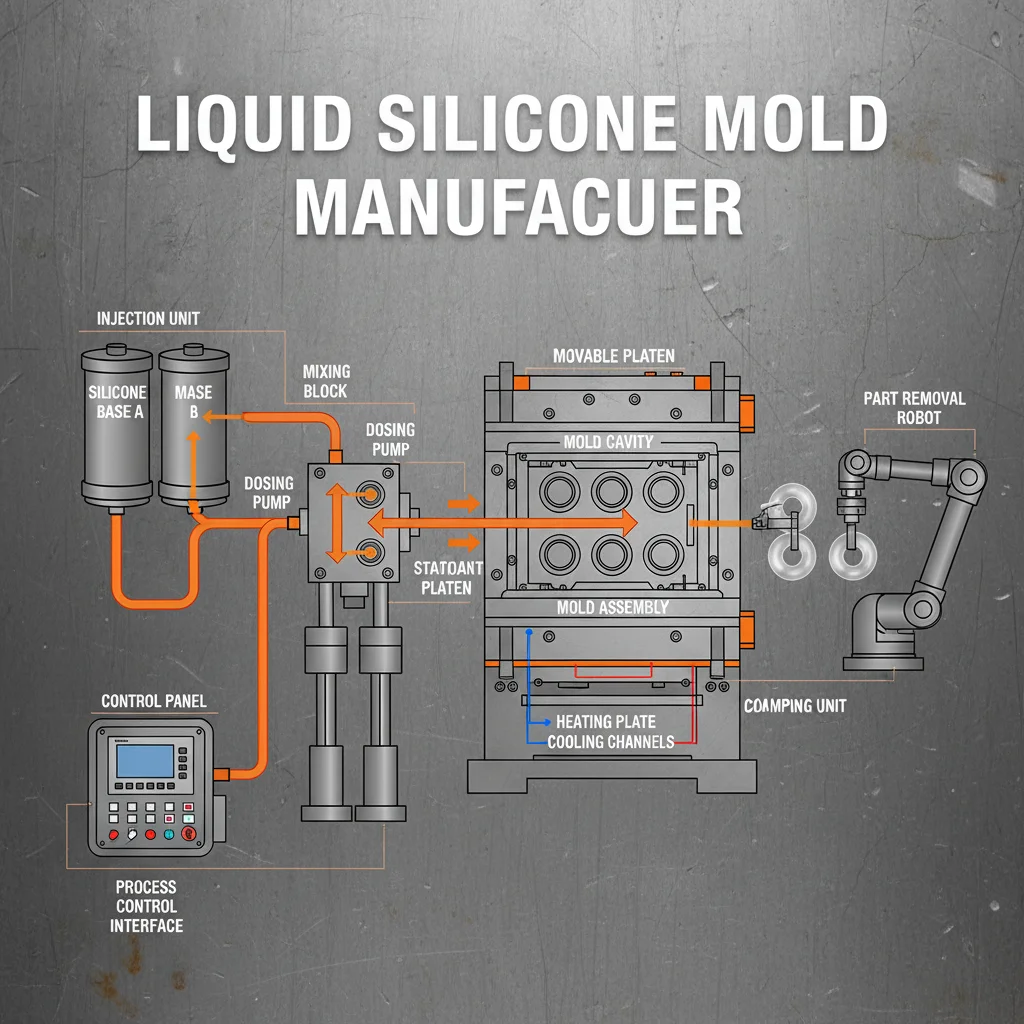
The journey from raw plastics and silicone polymers to finished components requires expertise in injection molding, overmolding, and tooling innovation. Our equipment set—55 liquid silicone molding machines, 80 automatic plastic injection molding presses, and more than 30 advanced testing instruments—supports high-volume production without compromising dimensional accuracy or material performance. Such scale and technical competency empower us to serve diverse demands from new energy vehicles to consumer electronics.
Understanding material behaviors and process constraints ensures minimized defects such as warpage, sink marks, or flash—challenges often encountered in mass production. Industry insights reveal that selecting the right plastic resin combined with efficient mold design reduces lead times and streamlines logistics, particularly when container loading optimization and supply chain consistency matter most for large-scale buyers in North America and Europe.
Moreover, compliance with international standards, including ISO 9001 and CE certification, supports export safety and performance expectations. We synthesize industry trends with practical manufacturing realities, advocating flexible production workflows and proactive quality control.
Notably, we're attentive to the rising demand for liquid silicone rubber (LSR) components, a sector experiencing robust growth globally. According to multiple market reports, the LSR segment is projected to reach upwards of USD 7 billion in value within the next decade, driven by medical, automotive, and electronics sectors favoring biocompatible and heat-resistant materials. In this high-performance niche, precision injection molding enables the fabrication of exquisite silicone parts with superior mechanical and chemical resistance.
Our workflow integrates material science expertise with digital CAE simulations to optimize cycle times and reduce waste—a critical factor as detailed in Fraunhofer’s latest research emphasizing sustainable mold engineering. For procurement managers, the combination of technical consistency and on-time delivery from an integrated industrial park near Dongguan proves invaluable—especially when overseas manufacturing complexities and import regulations affect supply chain agility.
In summary, choosing a plastic parts mold processing company goes beyond price. It demands a partner with comprehensive capabilities spanning materials testing, tooling innovation, production scalability, and cross-border logistics experience. Guangdong Yingtai embodies these traits, committed to advancing product excellence while mitigating procurement risk and operational friction.
Industry Pain Points in Mold Processing
While mold processing opens doors to scalable manufacturing, procurement professionals frequently grapple with multiple challenges affecting both cost and quality:
Material compatibility issues: Choosing inappropriate polymers or silicone grades results in poor mechanical properties or chemical resistance under operational stresses.
Defect rates in injection molding: Defects such as short shots, flash, or warpage can necessitate rework or scrap, extending lead times and raising costs.
Tooling costs and complexities: Initial mold design is capital intensive. Mismatches in design specifications and production environment cause expensive iterative cycles.
Inconsistent quality from overseas factories: Without rigorous quality assurance and industrial standards adherence, products may fall short of certification requirements or performance benchmarks.
Logistical delays and customs hurdles: Cross-border shipment complexities including container loading optimization and customs compliance impact delivery timelines.
Communication gaps: Cultural, technical, and language differences can create misunderstandings, necessitating experienced export engineering liaison.
Rational buyers learn to address these pain points proactively. Leveraging suppliers with clear understanding of ASTM and ISO standards, CE safety compliance, and materials science expertise reduces risk significantly. Moreover, choosing factories offering integrated services from tooling development to final assembly renders the supply chain more resilient.
Our operational team has observed that early-stage collaboration on material selection and mold design validation (including CAE simulations backed by reliable rheological data sets per MDPI research) shortens production cycles and curtails costly surprises further down the line.
Note: Industry insiders caution against low-cost suppliers lacking process transparency or traceability, especially for medical or automotive parts where failure impact is critical.
Technical Insights & Material Selection
The core of reliable mold processing hinges on understanding the technical nuances of injection molding, materials, and mold design:
Material Types:
Thermoplastics: ABS, POM, Polypropylene – selected based on tensile strength, chemical resistance, and operational temperature.
Liquid Silicone Rubber (LSR): Offers heat stability, biocompatibility, and excellent flexibility, ideal for overmolding and sealing applications.
Engineering plastics: Polycarbonate and Nylon for structural components requiring enhanced mechanical robustness.
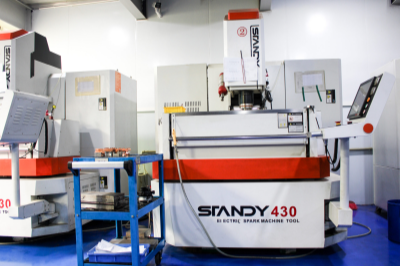
Mold Construction: Steel inserts crafted with electrical discharge machining ensure cavity precision. The 55 LSR molding machines at our facility support intricate overmolding processes.
Process Controls: Temperature regulation, injection speed, and curing cycles are monitored digitally, leveraging AI-enhanced parameter optimization referenced in recent arXiv research to reduce defects.
Simulation & Testing: CAE simulations incorporating accurate rheological data sets reduce rejection rates. We conduct dimensional tests, tensile testing, and UV aging to match product lifecycle expectations.
Certifications & Standards: Adherence to ISO 9001 quality management and CE marking aligns products with global market requirements.
Understanding these metrics is essential for procurement teams when comparing suppliers. It can mean the difference between a product that performs reliably over a multi-year lifecycle and one that faces early wear or certification failures.
Factory Strength & Certifications
Guangdong Yingtai's factory infrastructure reflects a deep commitment to quality and operational excellence:
35,000+ m² industrial park with dedicated zones for tooling, molding, assembly, and QC.
Over 55 liquid silicone molding machines and 80 automatic injection presses signifying high-volume capacity.
Comprehensive in-house mold processing with 30+ precision machining tools ensuring tight tolerances and rapid tooling iterations.
ISO 9001:2015 certified quality management system—recognized by international clients for consistent delivery.
CE marking and RoHS compliance for environmental and safety standards, critical for European and North American markets.
Over 500 skilled personnel, including engineers focused on material R&D and supply chain experts who manage export and logistics efficiently.
Modern industrial park equipped for integrated mold processing and injection molding
Our export director, Ms. Zhang, personally oversees client communications to ensure procurement workflows are streamlined—eliminating many common international trade pitfalls experienced by purchasing managers new to Asian suppliers.
Applications and Use Cases
Plastic parts from precision molds find their way into diverse sectors, each demanding unique attributes:
New Energy Vehicles: Components in battery casings, HVAC systems, and lightweight structural fixtures require flame retardance and dimensional stability.
Consumer Electronics: Housings and seals made of UV-resistant plastics and LSR, ensuring durability against heat and frequent handling.
Medical Devices: Overmolded LSR parts with biocompatibility for patient contact, requiring clean-room manufacturing and traceability.
Industrial Appliances: Precision gaskets and seals in automated machinery ensuring protection against dust and liquids.
Smart Wearables: Soft silicone components that demand tactile comfort and mechanical resilience.
Each application zone involves material and process customization—for example, medical-grade LSR undergoes stringent testing for cytotoxicity and sterilization resistance as described in the liquid silicone rubber market analyses ([Grandview Research](https://www.grandviewresearch.com/industry-analysis/liquid-silicone-rubber-lsr-market)).
Installation and Logistics Considerations
From the vantage point of experienced operations managers, two critical aspects often get overlooked until late in the procurement cycle:
Packaging & Handling: Precision plastic parts, especially delicate LSR seals, require tailored packaging to avoid deformation during transport. Our factory implements anti-static packaging and foam cushioning optimized per product geometry.
Container Loading & Shipment: Efficient container loading reduces freight cost and damage risk. We've developed loading schemas for 20ft and 40ft containers maximizing cubic volume utilization while minimizing product pressure.
Installation teams appreciate receiving components that consistently meet dimensional specifications with documentation detailing material properties, installation torque, and recommended cleaning procedures.
Our supply chain team works closely with global freight forwarders, familiar with US customs and FDA import requirements for medical-grade materials, reducing unexpected hold-ups. This reliability is critical where just-in-time manufacturing is practiced.
Procurement Guidance & Risk Mitigation
Purchasing managers should consider the following before committing to a molding supplier:
Factory Audits: Review certifications, on-site capabilities, and tooling equipment to verify compliance with stated capabilities.
Material Traceability: Ensure resin batches and silicone lots are recorded, enabling defect tracing and reordering consistency.
Sample & Pilot Runs: Request initial samples or short-run pilots to assess fit, finish, and functional metrics.
Communication Channels: Establish direct engineering contact for design iteration and troubleshooting to minimize delays.
Lead Time Transparency: Confirm expected production cycles, molding capacity, and contingency allowances.
Warning: Cutting corners on mold quality or supplier vetting often causes costly rework, delayed shipments, or product recalls. Delegating responsibility to a seasoned export consultant or technical engineer familiar with injection molding nuances is a prudent long-term investment.
Frequently Asked Questions
Q: What types of plastics and silicone do you process?
We mainly handle engineering thermoplastics such as ABS, Nylon, POM, and specialize in liquid silicone rubber (LSR) molding with various hardness levels from 10 to 80 Shore A tailored to client specifications.
Q: How long is the typical lead time for mold development?
Depending on complexity, molds take between 25 to 40 days. Sometimes rapid tooling and CAE simulation help shorten this to about 15 days, as supported by recent prototyping practices referenced in Protolabs.
Q: Do you support OEM and ODM services?
Yes. We provide full one-stop services including custom tooling, design optimization, material sourcing, and volume production under OEM and ODM arrangements.
Q: What certifications do your products have?
Our products comply with ISO 9001 quality standards and have CE and RoHS certifications where applicable. Medical-grade silicone components meet biocompatibility requirements as needed.
Q: How do you ensure defect reduction during production?
We employ advanced process controls, including digital temperature and injection pressure monitoring, plus AI-assisted parameter optimization techniques to minimize flash and warpage, following best practices from recent arXiv studies.
Customer Reviews
Michael J. — Procurement Manager, California
"Working with Yingtai has cut our prototype-to-production time almost in half. Their expertise in injection molding materials and tooling saved us from several costly redesigns early on. Communication was clear, and the samples matched specs precisely."
Get in Touch
If you have any camping barbeque equipment inquiry, please feel free to contact us.