

Plastic Parts Processing: Precision Manufacturing for High-Performance Applications
Explore expert insights and practical guidance on plastic parts processing tailored for procurement professionals, engineers, and industrial buyers seeking durable, cost-effective, and high-precision solutions.
Introduction: What You Need to Know About Plastic Parts Processing
Plastic parts processing has evolved into a cornerstone of modern manufacturing, underpinning industries ranging from consumer electronics and automotive to medical devices and industrial equipment. Amid the surge in demand for precision, durability, and regulatory compliance, understanding the nuances of processing plastic components is crucial for buyers and engineers alike.
At its core, plastic parts processing involves transforming raw polymer materials into functional components through a range of manufacturing methodologies. These include injection molding, extrusion, blow molding, and overmolding — each with its own set of operational requirements and product limitations. For industrial purchasers and technical engineers, selecting the right process depends not just on cost but also on functional attributes such as tolerances, surface finish, mechanical strength, and compliance with industry standards like ISO 9001 and UL.
Globally, the plastic processing market continues to grow steadily, driven by technological advancements in polymers such as polyethylene (PE), polypropylene (PP), polycarbonate (PC), and ABS. These materials are selected based on application environments — from UV-resistant outdoor housings to chemical-resistant seals. Increasingly, OEMs and ODMs emphasize sustainability, specifying materials that deliver lifecycle advantages while meeting regulatory frameworks like RoHS and REACH.
A frequently overlooked factor in plastic part procurement is the role of mold design and processing parameters on both quality and manufacturability. High-precision tooling, cycle time optimization, and post-molding treatments such as annealing or coating can significantly affect final product performance and cost-efficiency. For example, Guangdong Yingtai High Precision Technology Co., Ltd., with its comprehensive 35,000 m² industrial park and over 20 years’ expertise, has integrated a holistic manufacturing system — from prototype to full-scale production — minimizing lead times while ensuring consistent quality adherence.
The logistical landscape cannot be ignored either. Transporting plastic parts, especially those destined for assembly lines in North America or Europe, involves considerations of packaging integrity, container loading optimization, and customs compliance. Experienced suppliers provide detailed shipping plans aligned with delivery cadence and just-in-time manufacturing principles to avoid costly inventory buildup or downtime.
This comprehensive article will unpack these considerations with a focus on operational insights, technical clarity, and buyer-focused recommendations—equipping you with a grounded perspective on plastic parts processing from one of China’s leading industrial manufacturers who regularly exports components worldwide.
Industry Challenges & Pain Points
- Material Selection Complexity: The vast array of thermoplastics and thermosets makes choosing the right polymer tough. Buyers often grapple with balancing cost, performance requirements, and long-term durability.
- Tooling and Lead Time Risks: Designing and manufacturing injection molds can represent up to 30%-40% of project cost. Misalignments in design specifications often lead to costly mold reprofiling or delays in production launch.
- Quality Control Variability: Fluctuating processing conditions like temperature and pressure can cause warpage, sink marks, or weight inconsistency, challenging manufacturers to maintain consistent output.
- Regulatory Compliance: Industries like medical devices or food packaging must meet strict certifications such as CE, FDA, and ISO 13485, adding complexity to supplier qualification.
- Supply Chain Disruptions: Recent logistics bottlenecks have aggravated production planning — unreliable shipping schedules and container shortages require contingency arrangements.
- Cost Pressure in a Competitive Market: Especially for high-volume OEM clients, cost reduction targets must be achieved without compromising quality or delivery reliability.
Technical Overview of Plastic Processing Methods
Plastic parts processing encompasses diverse techniques tailored for specific volume, complexity, and functional demands. Let's break down the major methods:
| Processing Method | Description | Common Applications | Pros & Cons |
|---|---|---|---|
| Injection Molding | Molten plastic injected into precision-engineered molds to form complex shapes with tight tolerances. | Consumer electronics casings, automotive interior parts, medical device housings |
|
| Extrusion | Continuous shaping of plastic by forcing molten resin through a shaped die. | Tubing, seals, window frames, insulation strips |
|
| Blow Molding | Air blown inside heated plastic parison to form hollow parts. | Bottles, containers, fuel tanks |
|
| Overmolding | Secondary molding process that applies a layer of soft or functional polymer onto a rigid substrate. | Soft-touch grips, waterproof seals, medical device components |
|
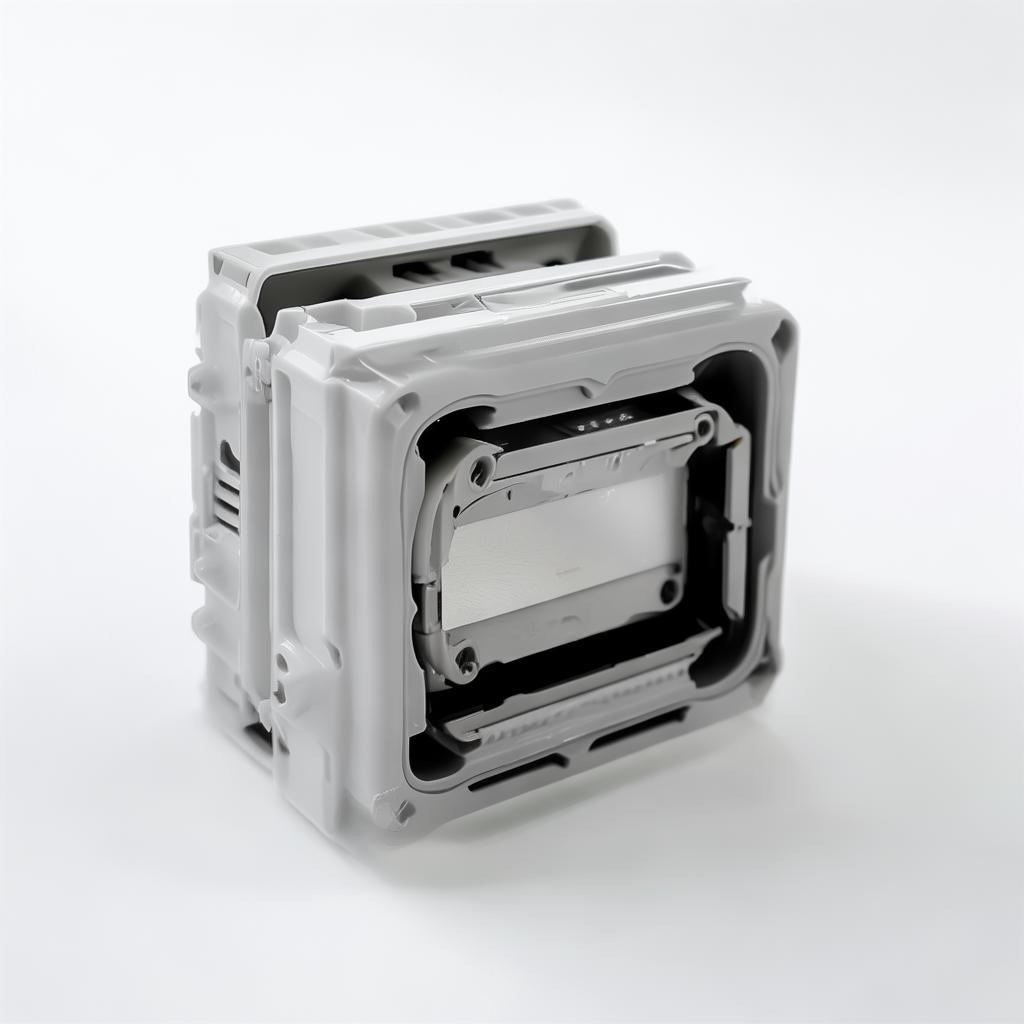
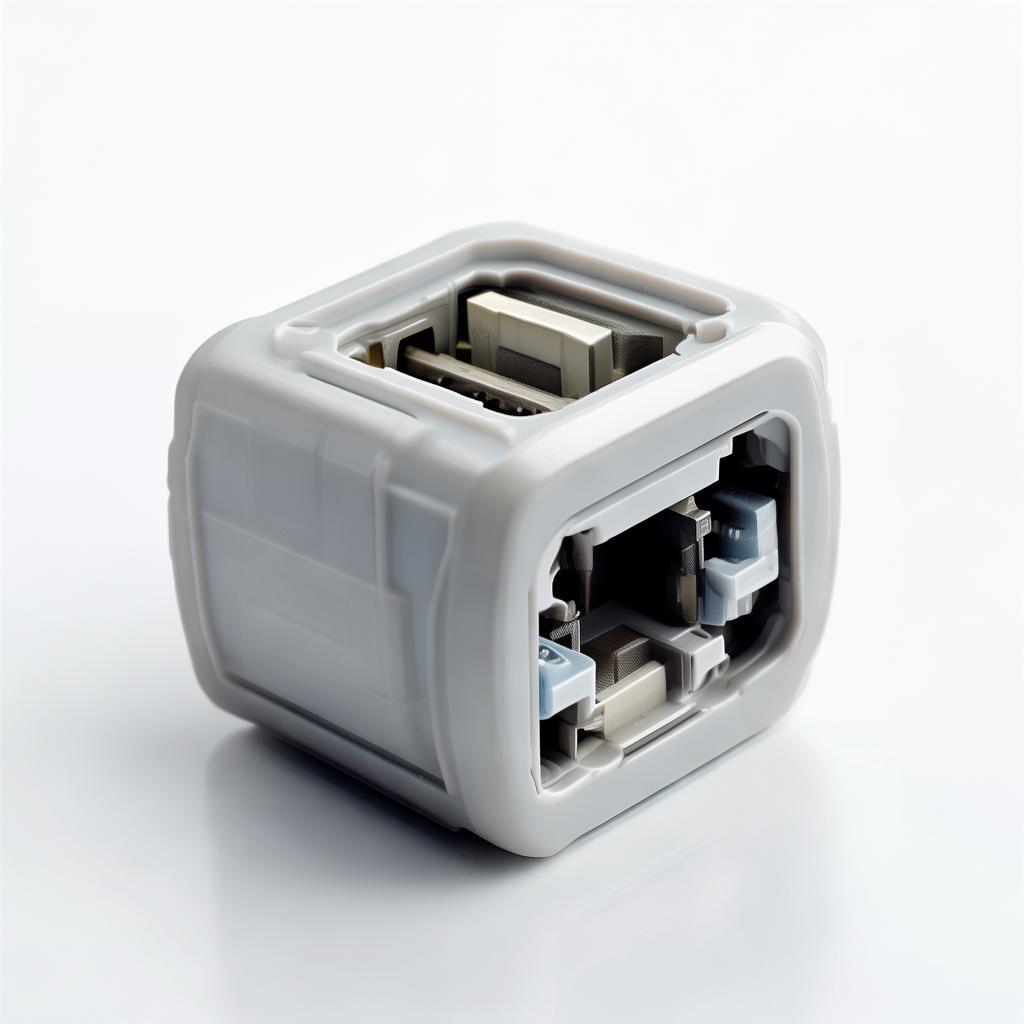
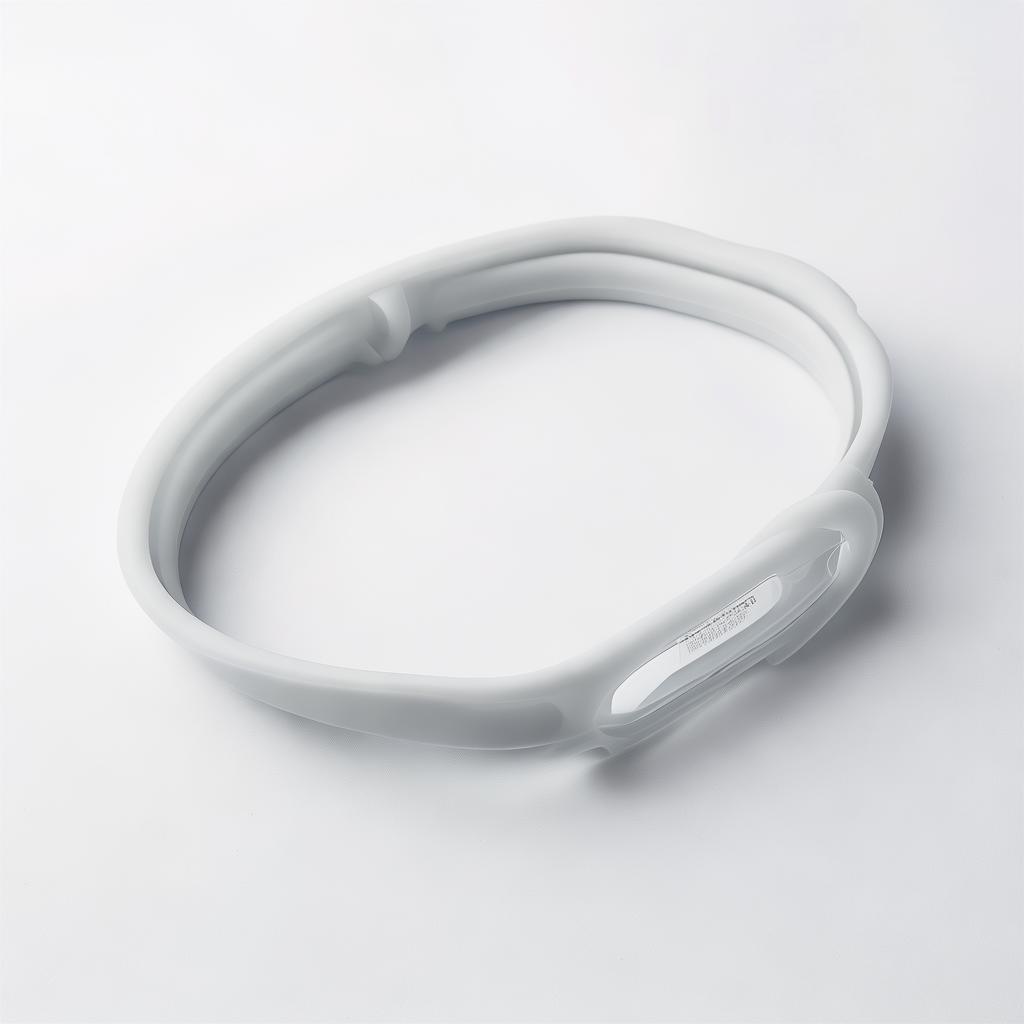
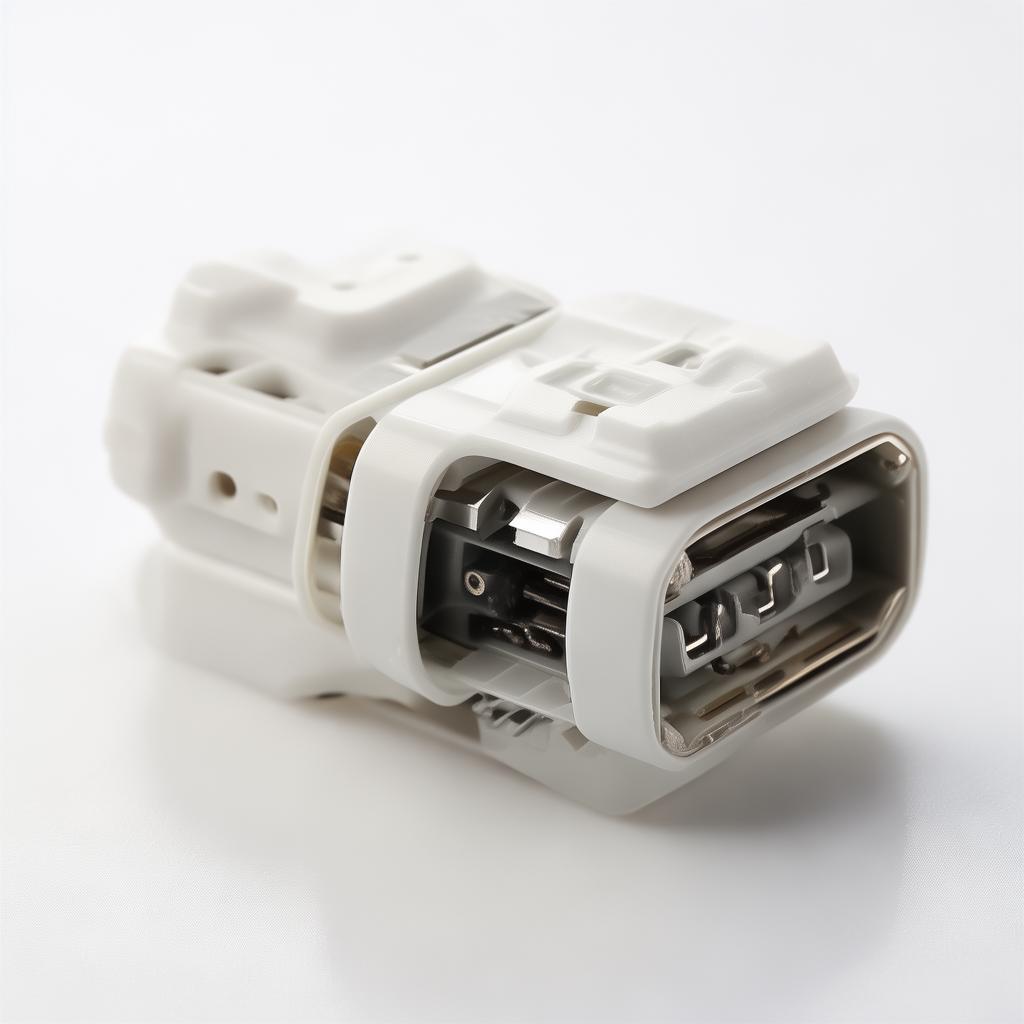
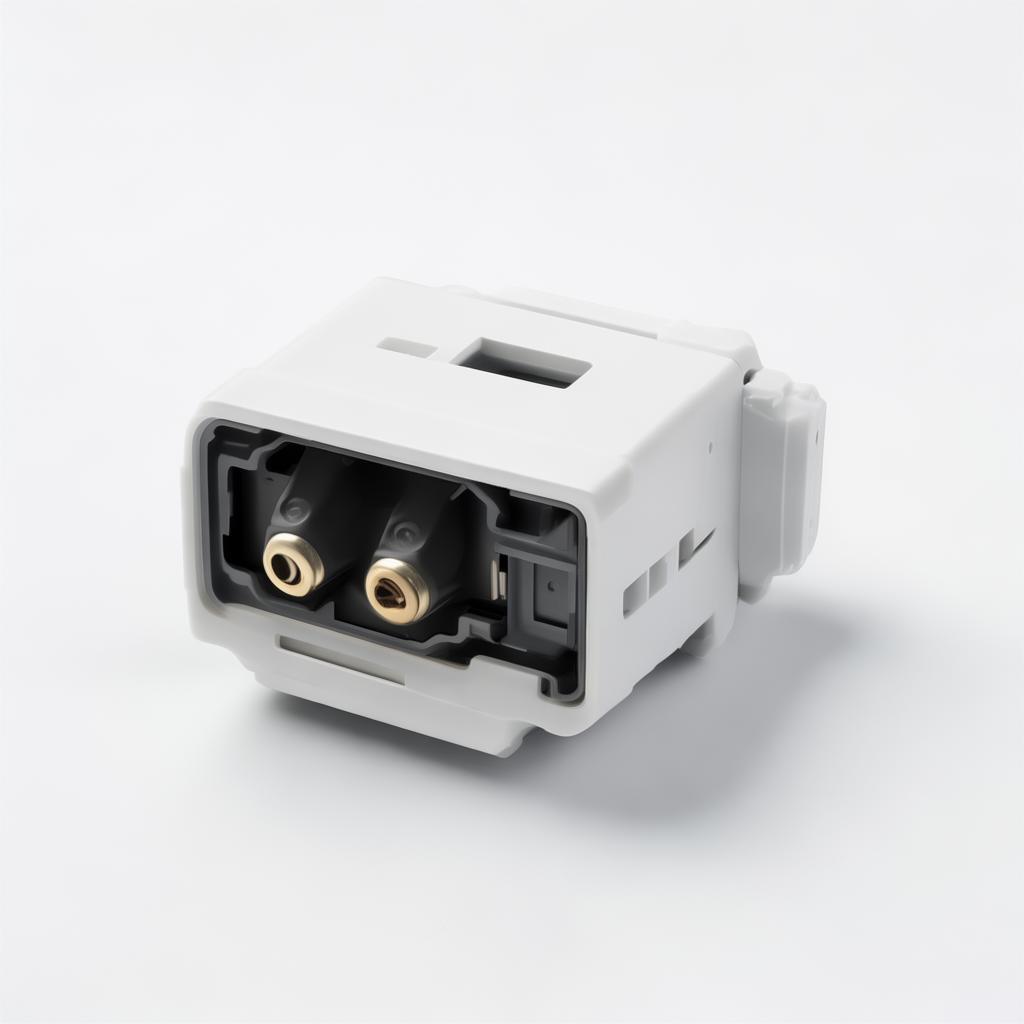
Plastic parts processing factory Customized processing of plastic parts Processing plastic parts factory
Inspection tightly integrated with each step ensures product end-use reliability. As manufacturing specialists, we recommend engaging production partners versed in material-specific processing parameters—the subtle variations in processing temperature, cooling rates, and mold release agents can decisively influence yield rates and product integrity.
Material Selection & Comparative Analysis
The choice of polymer directly impacts the mechanical and thermal properties of finished plastic parts. Here’s an operational comparison of commonly used materials in precision plastic processing:
| Material | Characteristics | Typical Uses | Procurement Notes |
|---|---|---|---|
| ABS (Acrylonitrile Butadiene Styrene) | Good impact resistance, easy to machine, moderate heat resistance (~80-100°C) | Consumer electronics housings, automotive trim parts | Economical, widely available; verify UV stability for outdoor applications |
| Polycarbonate (PC) | High impact strength, good transparency, temperature resistant (~125°C) | Lens covers, electrical connectors, light diffusers | Slightly costlier; verify compliance with UL 94 flammability standards where needed |
| Polypropylene (PP) | Excellent chemical resistance, fatigue resistant, less rigid, melting point ~160°C | Seals, hinges, automotive battery cases | Cost-effective; watch for shrinkage rate during molding; requires good mold venting |
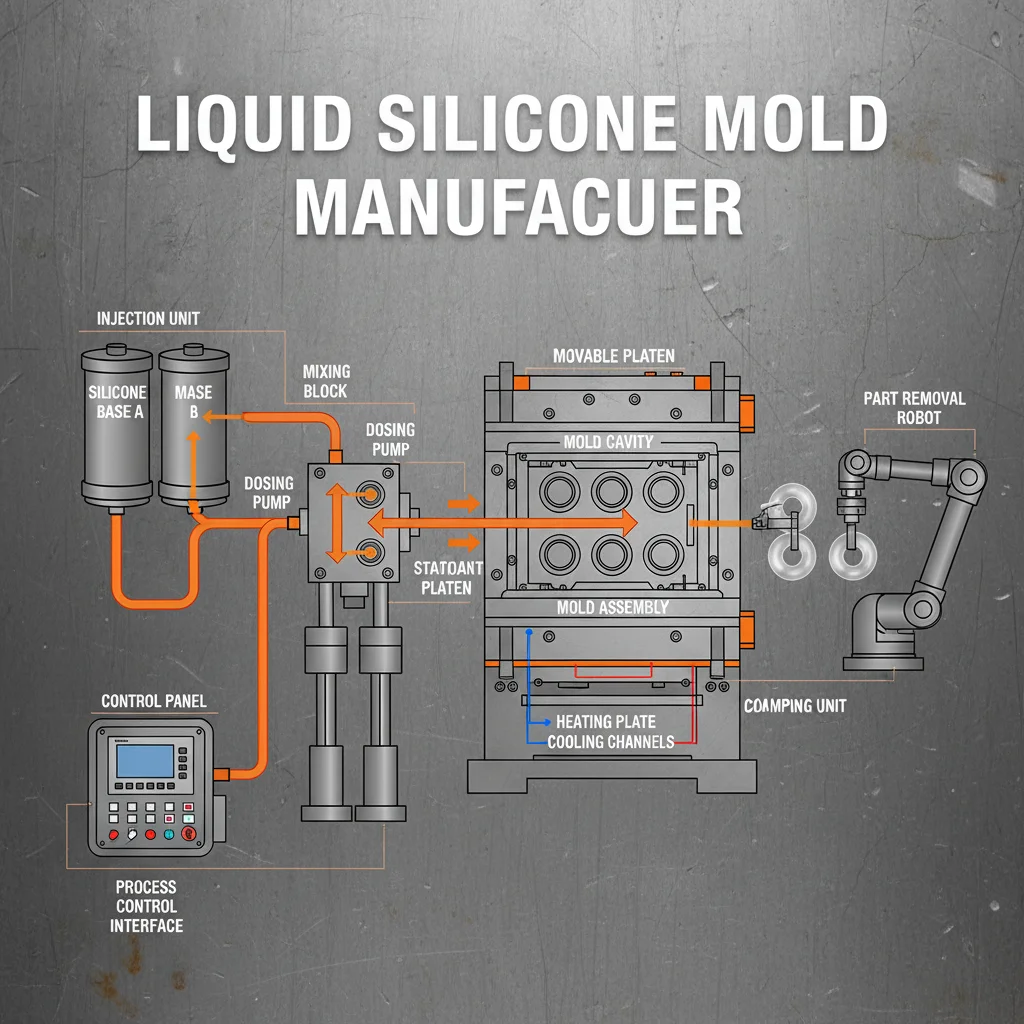
| Liquid Silicone Rubber (LSR) | Highly flexible, biocompatible, excellent thermal & chemical resistance (-60°C to 230°C) | Medical seals, wearable electronics, automotive gaskets | Requires specialized liquid injection molding; tolerances can be tight if mold design is optimized |
From a procurement perspective, ensure: thorough material datasheet reviews, request sample certifications such as RoHS and REACH, and insist on traceable lot control. Yingtai’s factory maintains full material traceability aligned to international standards providing clarity during quality audits.

Application Scenarios & Industry Use Cases
Plastic parts production serves a plethora of sectors, many of which have strict expectations in terms of performance and regulatory compliance.
- Automotive Industry: Components such as dashboard panels, lighting covers, and sealing gaskets manufactured through injection molding and LSR overmolding support high temperature, vibration resistance, and UV exposure.
- Consumer Electronics: Durable but lightweight plastic casings and connectors protecting sensitive electronic hardware. Precision molding is essential for snap fits and dimensional accuracy.
- Medical Devices: Liquid silicone rubber seals, soft-touch overmolded grips, and sterilizable housings requiring FDA compliance and biocompatibility.
- Industrial Equipment: Plastic parts tailored for withstand harsh chemical environments, offering corrosion resistance and insulation properties.
- Household Appliances: Molded parts that endure cyclic mechanical stress and temperature variations.
Implementation note: integration of post-molding finishing — such as laser etching, pad printing, or ultra-sonic welding — can add significant value to these parts, facilitating brand identification or tool-less assembly in complex product designs.
Procurement Guidance & Supplier Evaluation
To optimize supply partnerships in plastic parts processing, buyers should adopt a layered evaluation approach:
- Technical Capability: Confirm suppliers’ expertise in desired processing methods (e.g., precision injection molding, LSR overmolding). Verify machinery and tooling assets. Yingtai’s setup includes 80 automatic injection molding machines and specialized liquid silicone presses, ensuring capacity for both standard and advanced projects.
- Certifications & Quality Systems: Insist on ISO 9001 and, for medical parts, ISO 13485. Review audit and quality control protocols. Request samples with ROHS, CE, or FDA certificates where applicable.
- Production Lead Times & Flexibility: Compare mold development timelines and production cycle durations. Factor in buffer time for process adjustments or QA inspection.
- Logistics & Delivery Reliability: Evaluate export experience and shipping plans. Supplier should advise on container loading optimization and packaging standards to minimize damage risk during transit.
- Communication & Responsiveness: Transparent supplier-customer communication reduces procurement risks. Local support or a dedicated export manager such as Miss Zhang can expedite custom requests or technical clarifications.
Tip: Request pilot batch production runs and factory visits when feasible. This hands-on insight frequently prevents costly misconceptions around part function, mold capabilities, or quality expectations.
Frequently Asked Questions
- Q1: What is the typical lead time for plastic injection molded parts?
- Lead times vary depending on mold complexity but average between 4-8 weeks for tooling fabrication, with production cycles ranging from a few seconds to a few minutes per part depending on size and material.
- Q2: How do I ensure dimensional accuracy in plastic parts?
- Dimensional accuracy depends on mold design precision, processing parameter stability, and quality control measures such as in-line inspection using CMM equipment or optical scanners.
- Q3: What certifications does Yingtai factory hold for quality assurance?
- Yingtai holds ISO 9001 and complies with industry-specific certifications depending on customer requirements. The factory's testing instruments ensure adherence to product standards.
- Q4: Can Yingtai support OEM/ODM customization?
- Yes, Yingtai offers OEM and ODM capabilities including mold design, prototyping, multi-component molding, and customized packaging, supporting both volume production and small-batch orders.
- Q5: What packaging options are available for international shipments?
- Standard export packaging includes anti-static bags, foam padding, and sealed cartons. Custom packaging aligned with client requirements and container cargo loading plans can be arranged.
Customer Reviews

"We transitioned to Yingtai for our electronic casing parts after facing inconsistent quality elsewhere. Their injection molding precision and compliance reports helped streamline our supplier audits. Communication with Miss Zhang made the whole process smoother. Delivery timelines are reliable, reducing our inventory buffer costs."

"Yingtai's extensive capabilities in LSR overmolding helped us develop a line of medical-grade soft seals meeting FDA requirements. Their mold tooling expertise minimized tooling iterations, and the final product lifecycle expectations exceeded our initial projections."

"As a distributor, reliability in supply and product consistency is vital. Yingtai's transparent lead time communication and customizable packaging have helped us optimize container loading and minimize logistics headaches."
Ready to Discuss Your Plastic Parts Processing Needs?
Connect directly with Yingtai's export director for tailored solutions, competitive quotes, and expedited sample requests.
Request Product SpecsThree Recent Customer Chats with Our Export Team