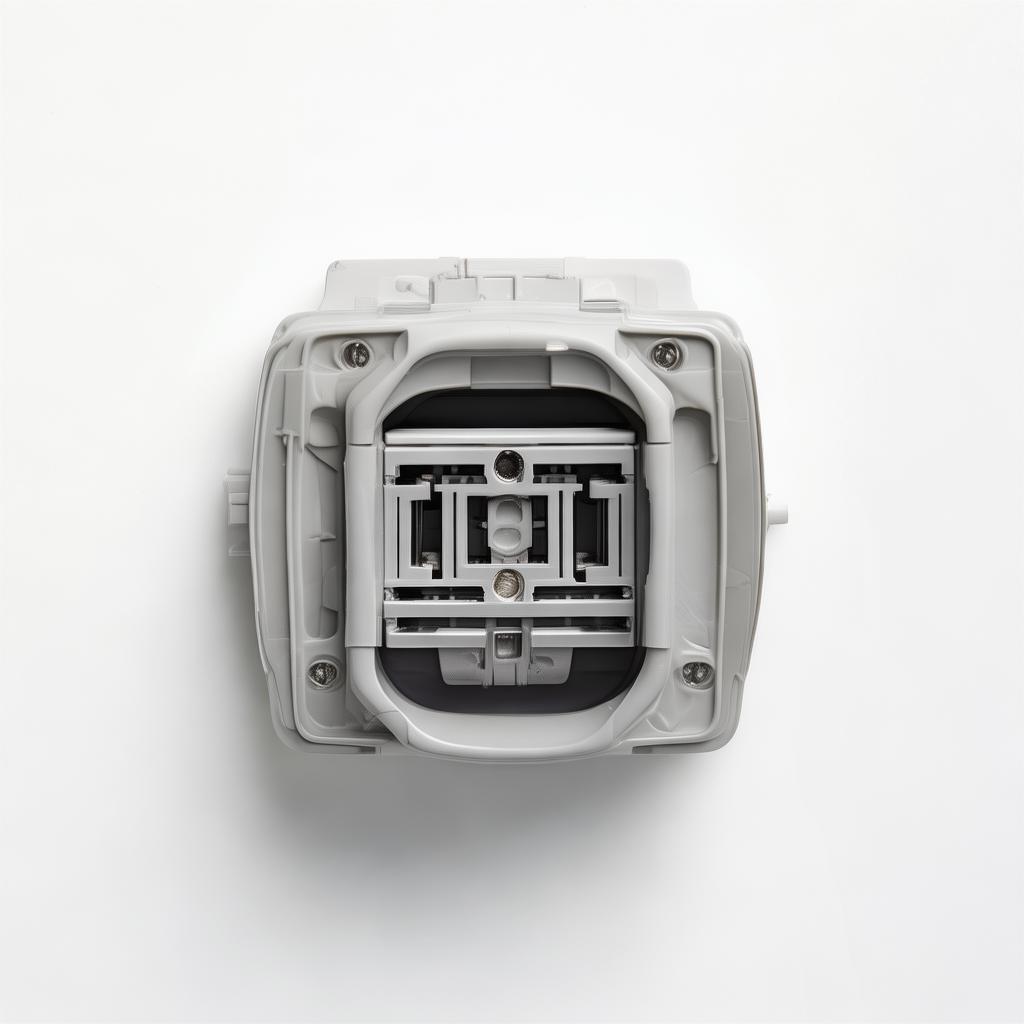
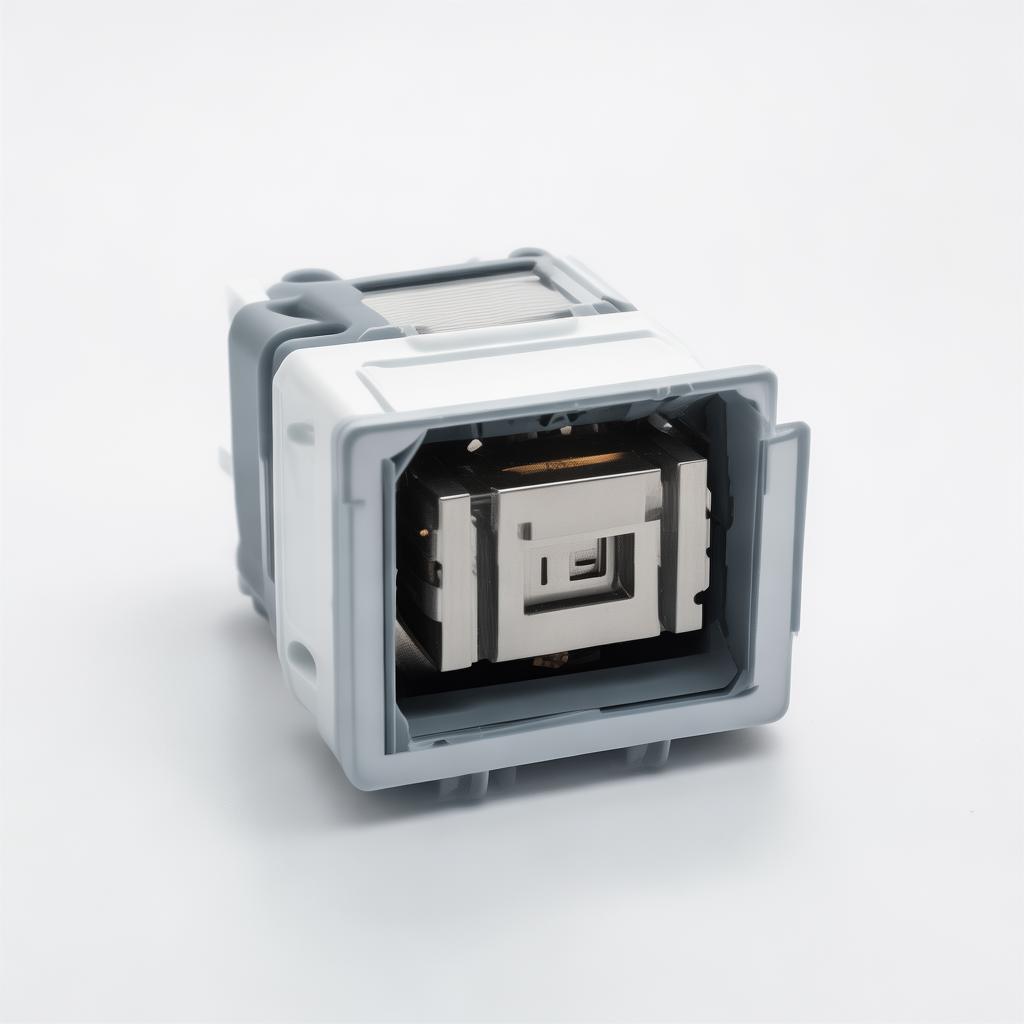
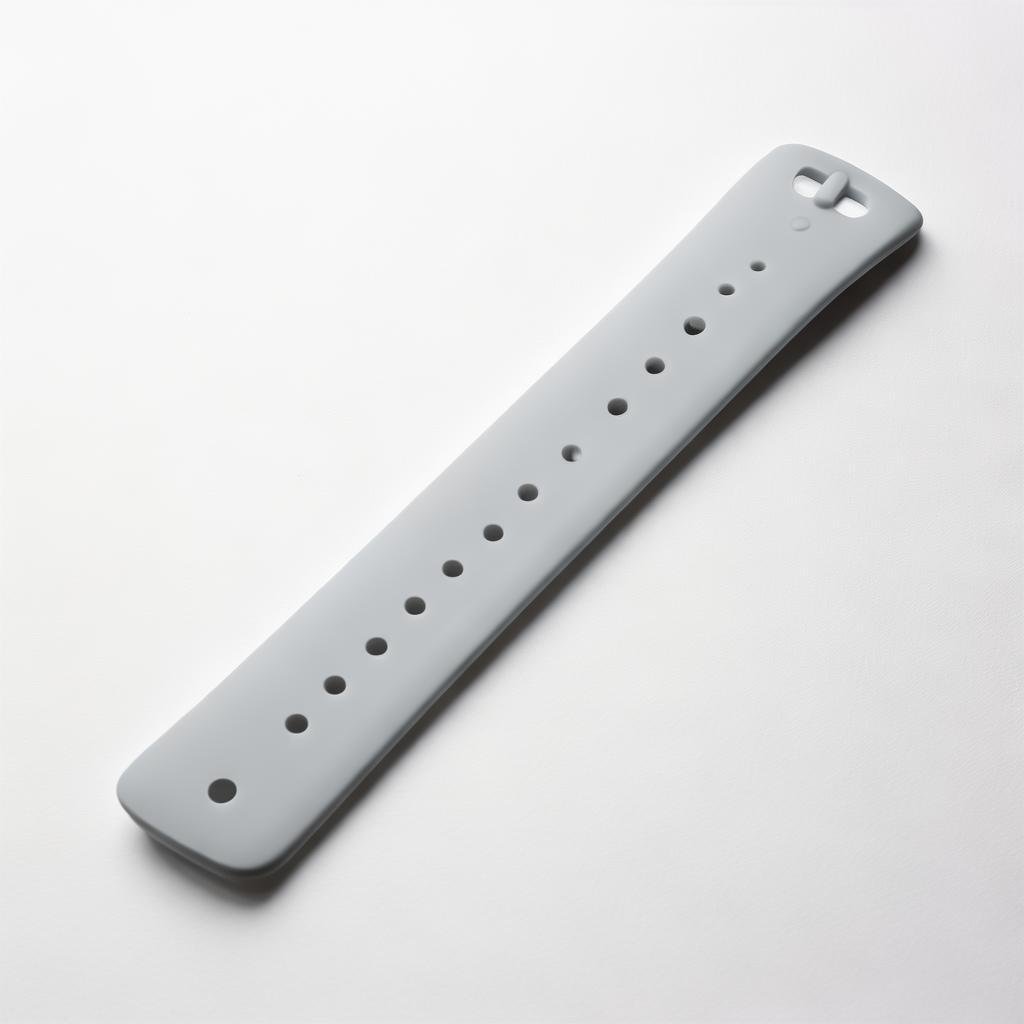
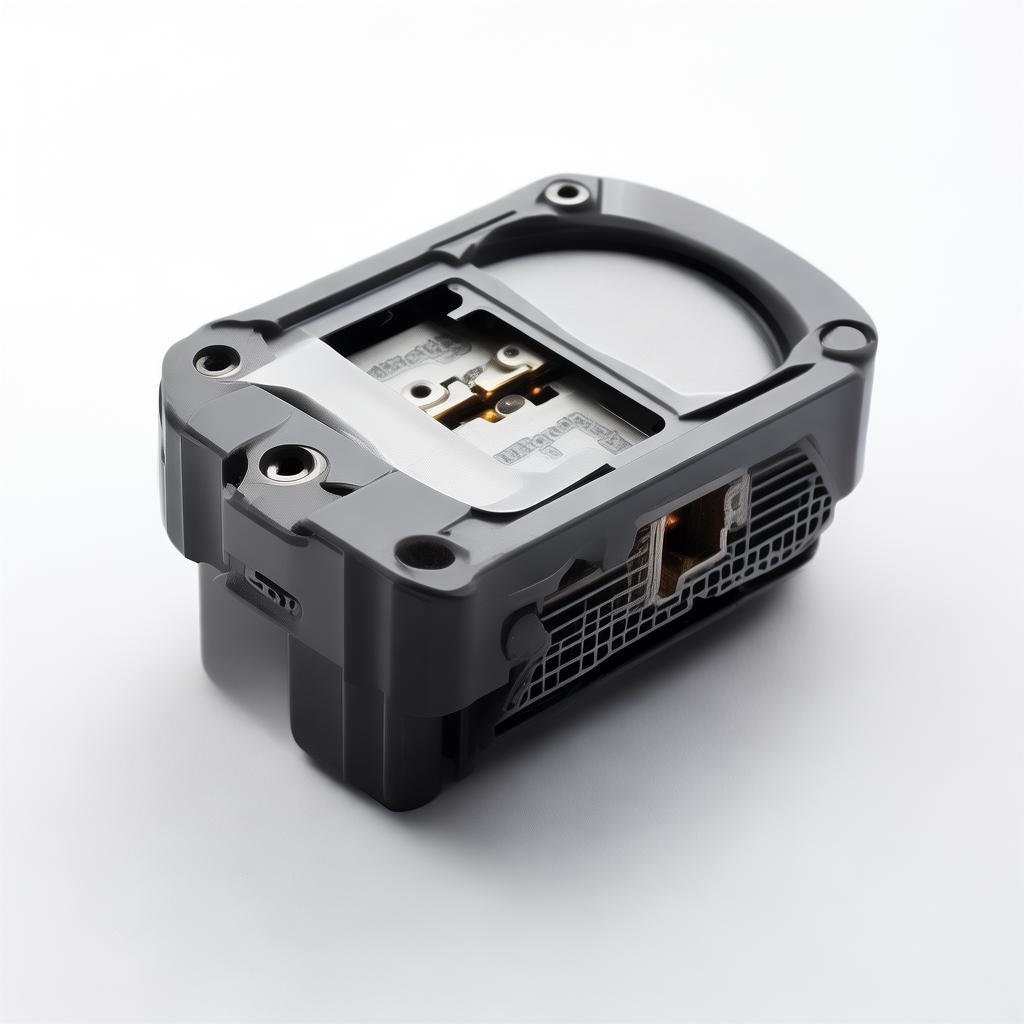
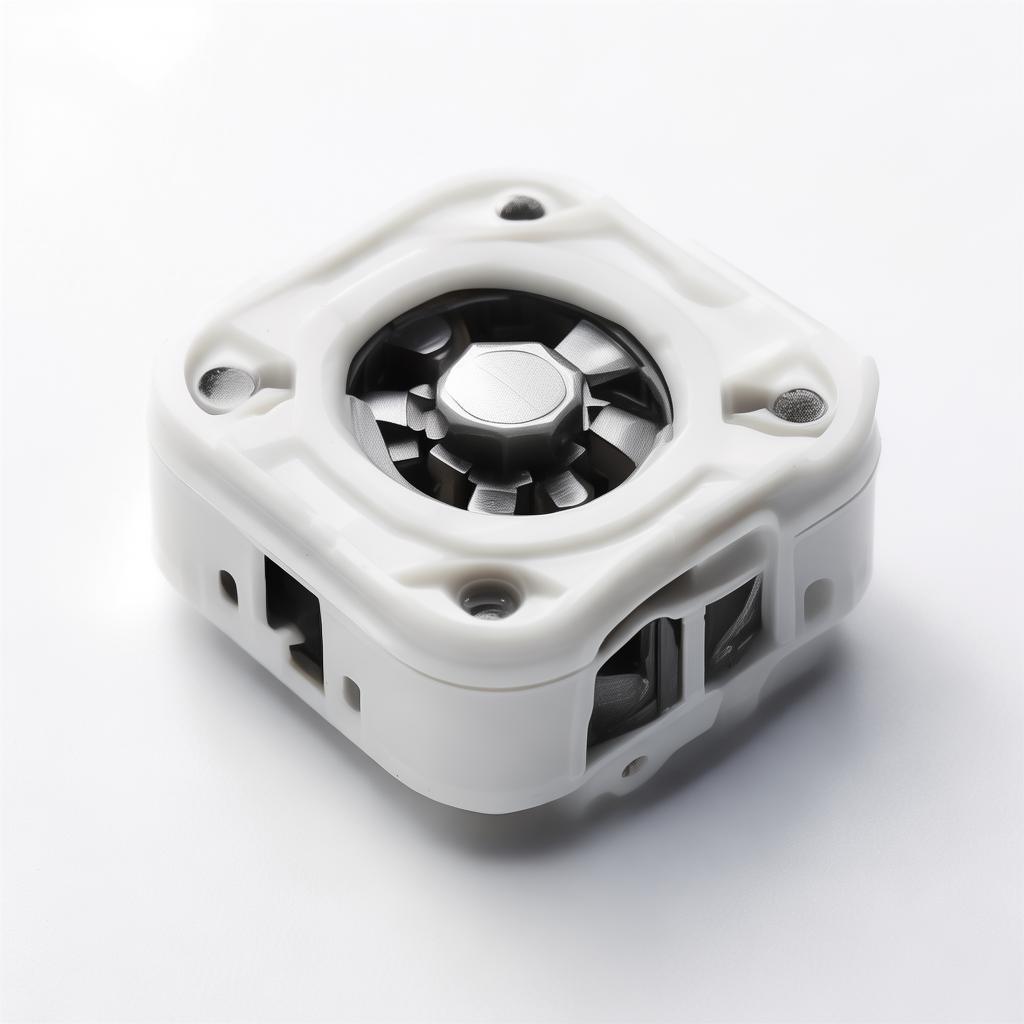
Expertise in OEM & ODM Customization | High-Volume Production | Certified Quality & Compliance Plastic parts processing—especially injection molding and overmolding—has become indispensable in manufacturing high-precision components for sectors such as automotive, consumer electronics,
Product Details
Plastic Parts Processing Factory: Precision Injection Molding & Overmolding Solutions
Expertise in OEM & ODM Customization | High-Volume Production | Certified Quality & Compliance
Industry Overview & Market Insights
Plastic parts processing—especially injection molding and overmolding—has become indispensable in manufacturing high-precision components for sectors such as automotive, consumer electronics, new energy, healthcare devices, and industrial appliances. With the rise of complex product designs demanding tight dimensional tolerances and superior material performance, factories have had to evolve rapidly.
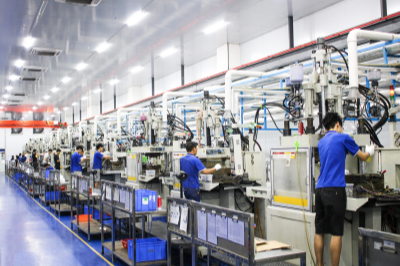
Our base in Dongguan, Guangdong—a global manufacturing hub—positions us uniquely to serve customers worldwide seeking precision OEM/ODM plastic injection molding and liquid silicone overmolding. Over two decades, we've cultivated a culture of technical innovation supported by over 55 injection molding machines and advanced mould processing tools.
Market reports from Grand View Research and Research Nester project the global liquid silicone rubber (LSR) market to reach upwards of USD 7.5 billion by 2035, underscoring the explosive demand for exquisite, biocompatible, and heat-resistant silicone parts. These trends inform how we invest in precision tooling and automated molding technology to meet these growing applications.
This industry landscape is not without challenges. Procurement managers must balance quality, lead time, and cost risk, especially when sourcing overseas. We've built operational best practices addressing these points — from mold design optimization, efficient production workflows, to export and shipping expertise tailored to global supply chains.
Common Industry Pain Points
Inconsistent Quality & Mold Defects: Warpage, flash, and incomplete fills remain a headache without quasi-perfect mold design and process controls.
Long Lead Times: Between tooling, samples, and full production runs, extended timelines often disrupt tight project schedules.
Material Selection Complexities: Balancing durability, chemical resistance, UV stability, and cost across plastics like ABS, polypropylene, and LSR demands material expertise.
Limited Supplier Transparency: Difficulties in verifying factory certifications, production capabilities, and export reliability often raise operational risks.
Logistics Bottlenecks: Container loading optimizations, customs clearance, and overseas shipping delays can add hidden costs.
It’s critical for buyers to partner with a factory offering comprehensive technical support—not just quotes. Our team’s hands-on engineering consultations reduce unforeseen production delays and ensure materials meet industry-specific regulatory standards such as ISO 9001, CE, and RoHS.
Our Factory Capabilities & Material Expertise
Guangdong Yingtai High Precision Technology Co., Ltd. spans over 35,000 m² of industrial park in Dongguan’s Changan Town. Our production footprint supports a flexible capacity catering from low-volume prototyping to large-scale manufacturing runs.
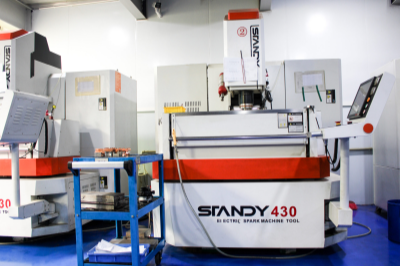
Precision Tooling Workshop with 30+ processing units
20+ Advanced Testing Equipment for QC & Validation
Our specialization encompasses liquid silicone rubber (LSR) — chosen for its superior heat resistance, biocompatibility, and flexibility — alongside engineering-grade plastics like ABS, polypropylene (PP), polyethylene (PE), and polycarbonate (PC). This range allows us to support overmolding, two-shot molding, and other complex production techniques essential for modern electronics, automotive seals, and wearable device components.
Plastic Parts Processing: Methods & Specifications
For buyers evaluating plastic parts processing suppliers, understanding the nuanced production methods helps avoid costly mistakes and material mismatches.
Injection Molding
Our mainstay process delivers high-volume precision-finished parts. Key features include:
Clamping Forces: 50T to 350T machines accommodate both small intricate parts and larger assemblies.
Wall Thickness: Typical 0.5mm to 5mm, tailored per part function and material choice.
Tolerances: Standard ±0.1mm, with capability for ±0.03mm on critical geometries.
Materials: Supports ABS, PC, PE, PP, and specialty engineering plastics.
Liquid Silicone Rubber (LSR) Injection Molding
LSR injection is ideal for parts demanding biocompatibility, heat resistance, and extended flexibility. Our process advantages:
Short Cycle Times: Efficient mold designs bring down curing times to under one minute for many parts, ensuring volume agility.
High Precision: Tight control over injection parameters ensures minimal flash and optimal part consistency.
Multi-Material Overmolding: Combining silicone elastomers with rigid substrates (e.g., ABS) for functional components.
Compliance: Medical-grade LSR options available; FDA and CE-compliant materials upon request.
*Material choice depends on application requirements. Consult our engineering team for guidance.
Key Application Scenarios
Our plastic part solutions span diverse sectors, emphasizing functional reliability and compliance.
Automotive: Flexible seals, gaskets, interior trims with UV resistance and heat tolerance.
Consumer Electronics: Protective parts, device housings, and overmolded grips requiring fine surface finishes and precision tolerances.
Medical Devices: Biocompatible LSR injection molding for seals, valves, and wearable device components.
New Energy Sector: Customized electronic seals and insulation parts engineered for new energy vehicle assemblies.
Industrial & Home Appliances: Durable plastic components structured for high repeatability and dimensional stability.
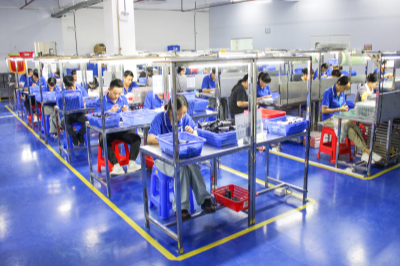
Assembly line for precision plastic components for automotive and electronics
Certifications & Quality Assurance
We maintain rigorous quality frameworks aligning with international industry standards:
ISO 9001: Quality Management System certified guaranteeing consistent production quality.
CE Certification: Compliance with European regulatory frameworks for product safety and reliability.
RoHS Compliance: Ensures restricted hazardous substances in materials suitable for electronics industries.
FDA Approved Materials: For medical grade silicone products intended for direct or indirect patient contact.
Advanced Testing Laboratories: Dimensional inspection, tensile testing, chemical resistance tests, and precise rheological measurements.
We recommend confirming required certification compliances early during supplier evaluation to prevent costly nonconformities later.
Logistics, Lead Times & Procurement Guidance
Navigating international shipping challenges is a frequent source of procurement headaches. We’ve refined our export process to mitigate typical risks:
Optimized Loading & Packaging: Maximizing container volume to reduce freight costs; use of custom crates, anti-slip backing, and moisture protection.
Typical Production Lead Time: For injection molding runs averages 15-28 days post-mold approval; expedited tooling options available.
Clear Export Documentation: Certificates of origin, material compliance data, and packing lists provided hassle-free.
Customs & Duties Advisory: Guidance on tariff codes and import regulations for North America, Europe, and Asia-Pacific.
Procurement Insight: Avoid setup delays by providing finalized CAD files and specifications during RFQs. Early alignment with engineers reduces iterative mold reworks.
Frequently Asked Questions
Q1: What is the minimum order quantity (MOQ) for custom plastic parts?
MOQ varies depending on part complexity and production method. Typically, injection molding requires a minimum run of 500 pcs to balance tooling costs. For prototypes or low-volume, samples can be provided via rapid tooling technologies.
Q2: Can you assist with design for manufacturability?
Yes, our engineering team reviews drawings for moldability, wall thickness, undercuts, and material flow to ensure efficient mass production without compromising your design intent.
Q3: What are typical tolerances achievable?
Standard tolerances are ±0.1mm, with tighter tolerances down to ±0.03mm feasible on critical features depending on the material and part size.
Q4: Are you able to provide FDA-approved silicone parts?
Absolutely. We offer medical-grade LSR materials compliant with FDA and EU medical device regulations suitable for direct patient contact parts.
Q5: What is your process for tooling development?
We develop molds entirely in-house using precision CNC machining and EDM, with mold flow simulations and CAE to optimize mold filling and curing (especially for LSR). Rapid tooling options enable pilot runs within weeks.
Customer Experiences
Mark H., Procurement Manager (Automotive Tier 1, USA)
"Yingtai’s precise LSR injection molding helped us meet stringent automotive sealing specs, reducing defect rates compared to past suppliers. Their transparent communication and quick iterations were crucial."
Get in Touch
If you have any camping barbeque equipment inquiry, please feel free to contact us.






 Mark H., Procurement Manager (Automotive Tier 1, USA)