

Plastic Parts Processing Plant – Precision, Scale, and Reliability for Your Manufacturing Needs
Expert manufacturing from Guangdong Yingtai High Precision Technology Co., Ltd. – trusted worldwide for OEM plastic solutions
Industry Pain Points and Operational Challenges
In today’s fast-paced manufacturing landscape, plastic parts processing plants face mounting pressure to deliver quality, precision, and agility simultaneously. Procurement professionals and production managers often grapple with common issues such as:
- Inconsistent injection molding results that risk product functionality and increase rework rates
- Extended lead times, especially where tooling development and sample approvals slow time-to-market
- Material selection confusion given the diverse plastic types like ABS, Polycarbonate, Nylon, and others with varying thermal and mechanical properties
- Challenges in scale-up when transitioning from prototype to high-volume production without compromising tolerances
- Complex multi-component overmolding processes requiring advanced production workflows and quality control
- Logistical bottlenecks that add cost and risk during cross-border shipment of heavy plastic components
These hurdles become even more palpable when manufacturers act as OEM suppliers to multiple industries – automotive, consumer electronics, and medical devices – where stringent ISO standards and certifications come into play.
Recognizing these industry pain points is crucial for organizations seeking reliable plastic parts processing partners who not only meet technical requirements but also understand operational realities on the ground.
Technical Overview of Plastic Parts Processing
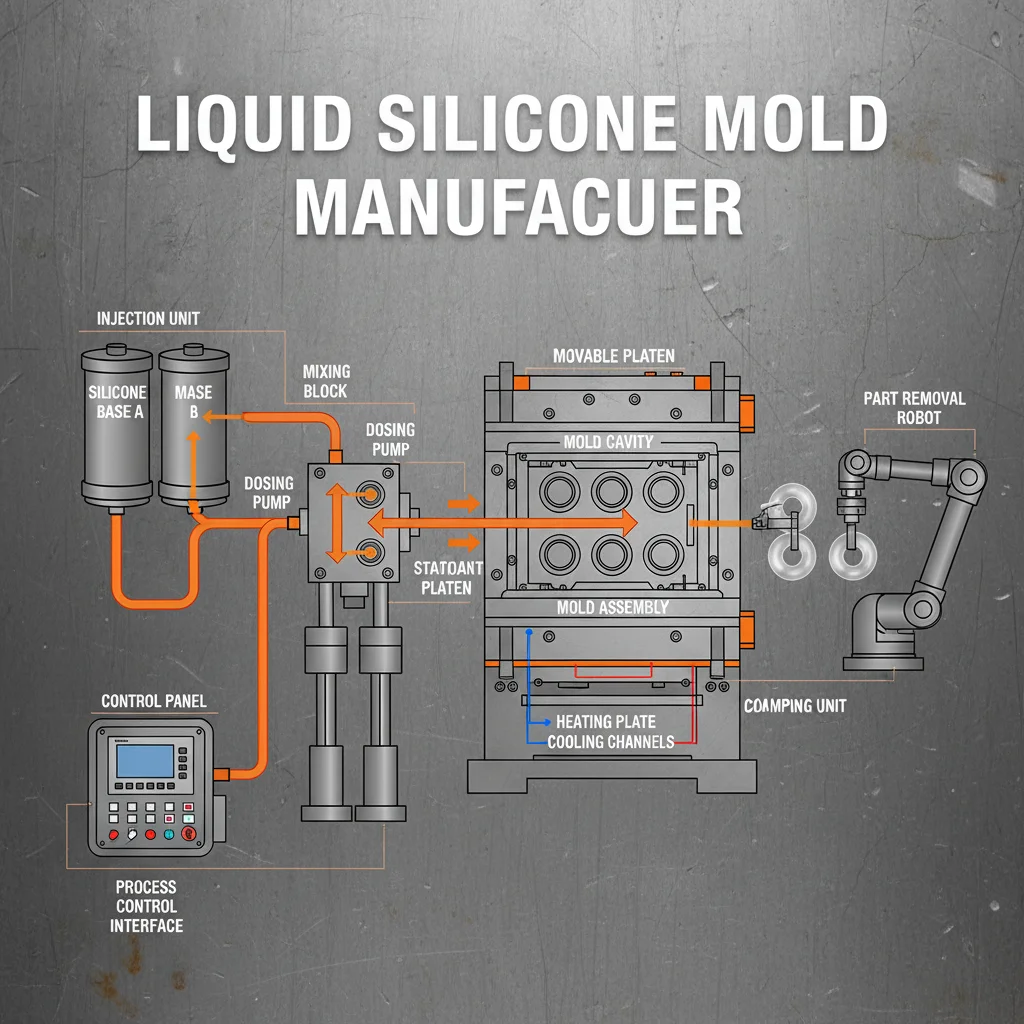
Plastic parts processing hinges on precision injection molding techniques that transform polymer materials into complex shapes using high-pressure molds. At Guangdong Yingtai, our workflow integrates multiple advanced operations:
- Material sourcing: We rigorously select polymers like ABS, Polypropylene, Liquid Silicone Rubber (LSR), and Nylon reinforced with glass fiber injection materials based on application performance needs.
- Injection molding: Employing 80+ automatic injection molding machines ranging from 30 to over 1000 tons, our plant offers precision tolerance control within ±0.02 mm for intricate geometries.
- Mold tooling and maintenance: In-house mold development using CNC machining and EDM ensures rapid iteration with low tooling wear, boosting mold life over 300,000 cycles.
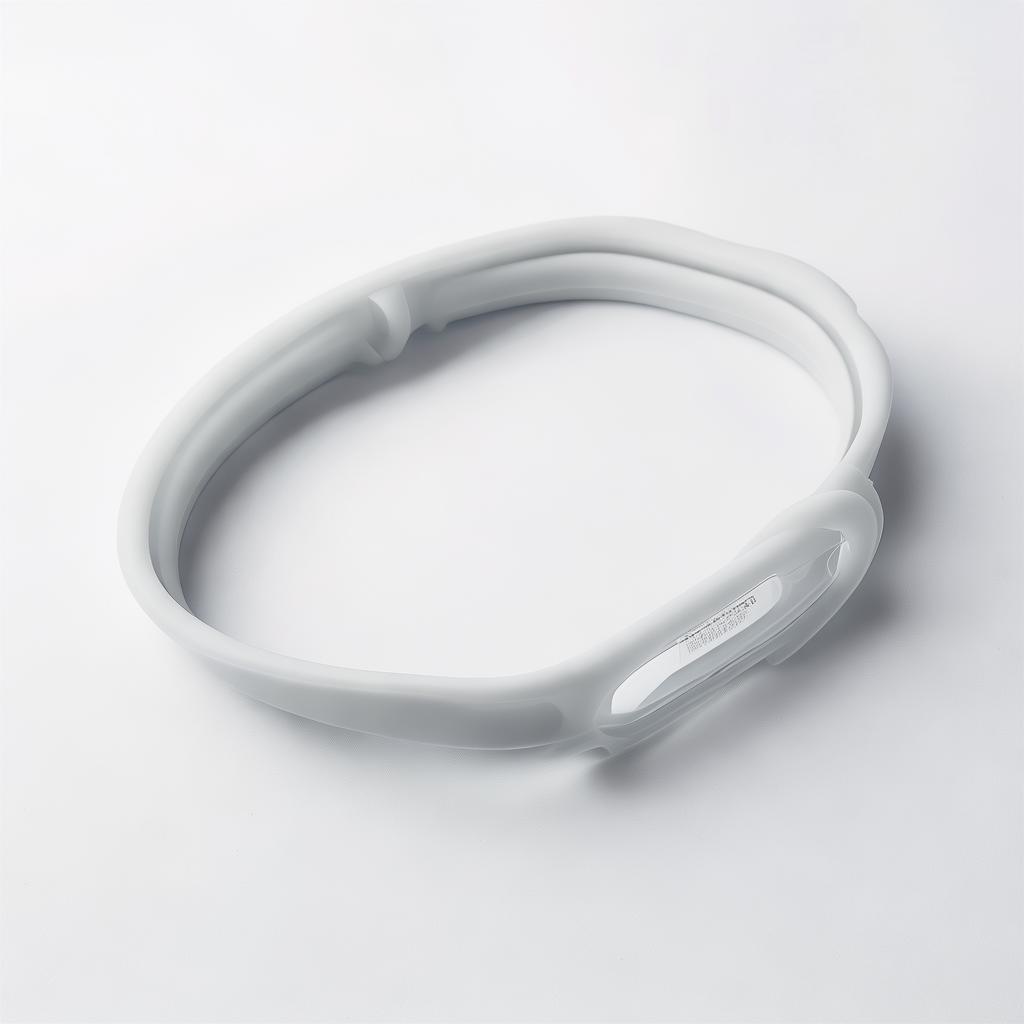
- Overmolding and assembly: Specialized equipment integrates multi-shot processes, particularly for silicone-overmolded seals and waterproof components, improving adhesion and functional durability.
- Quality assurance: Our QC team implements rigorous dimensional checks, tensile strength testing, UV resistance evaluation, and ISO 9001-compliant process audits.
Notably, our plant excels in liquid silicone rubber (LSR) processing, which demands tight cure cycle management and mold venting design to prevent defects such as flash and air traps, adhering to industry guidance highlighted in leading technical research papers [MDPI Study].
Our Process Advantages and Material Expertise
Choosing Guangdong Yingtai means gaining access to over 20 years of focused expertise in plastic and silicone parts production. We embrace continuous innovation grounded in operational reality:
- ⚙️ Complete Industry Chain Integration: From precision mold design to finished product assembly under one roof. This approach reduces cycle times and improves consistency while offering OEM/ODM flexibility.
- 🔍 Material Science & Durability: We work closely with polymer suppliers to verify material certifications such as UL 94 flame retardancy, RoHS compliance, and FDA approval for food-contact parts where applicable.
- 🔧 Production Scalability: Our technologically advanced molding machines support from low-volume pilot runs to large-scale production without quality loss, with tooling changeovers managed to minimize downtime.
- 🌍 Logistics & Packaging Expertise: Planning container loading for optimized volume utilization to lower freight costs and minimize damage risks during transit. We adapt packaging designs to client needs and compliance requirements.
- 🚨 Risk Management: We advocate early collaboration on design for manufacturability (DfM) to avoid expensive late-stage revisions and leverage CAE simulations to foresee molding defects—practices echoed in industry-leading publications [Fraunhofer Research].
| Material | Key Properties | Typical Applications |
|---|---|---|
| ABS | Good impact resistance, surface finish, and thermal stability | Consumer electronics housings, automotive interiors |
| Liquid Silicone Rubber (LSR) | Biocompatible, UV resistant, flexible, heat resistant | Seals, gaskets, healthcare devices, wearable components |
| Polycarbonate (PC) | High impact strength, transparency, dimensional stability | Safety shields, lenses, lighting fixtures |
| Nylon (PA) | Mechanical strength, abrasion resistance, chemical resistance | Industrial components, gears, connectors |
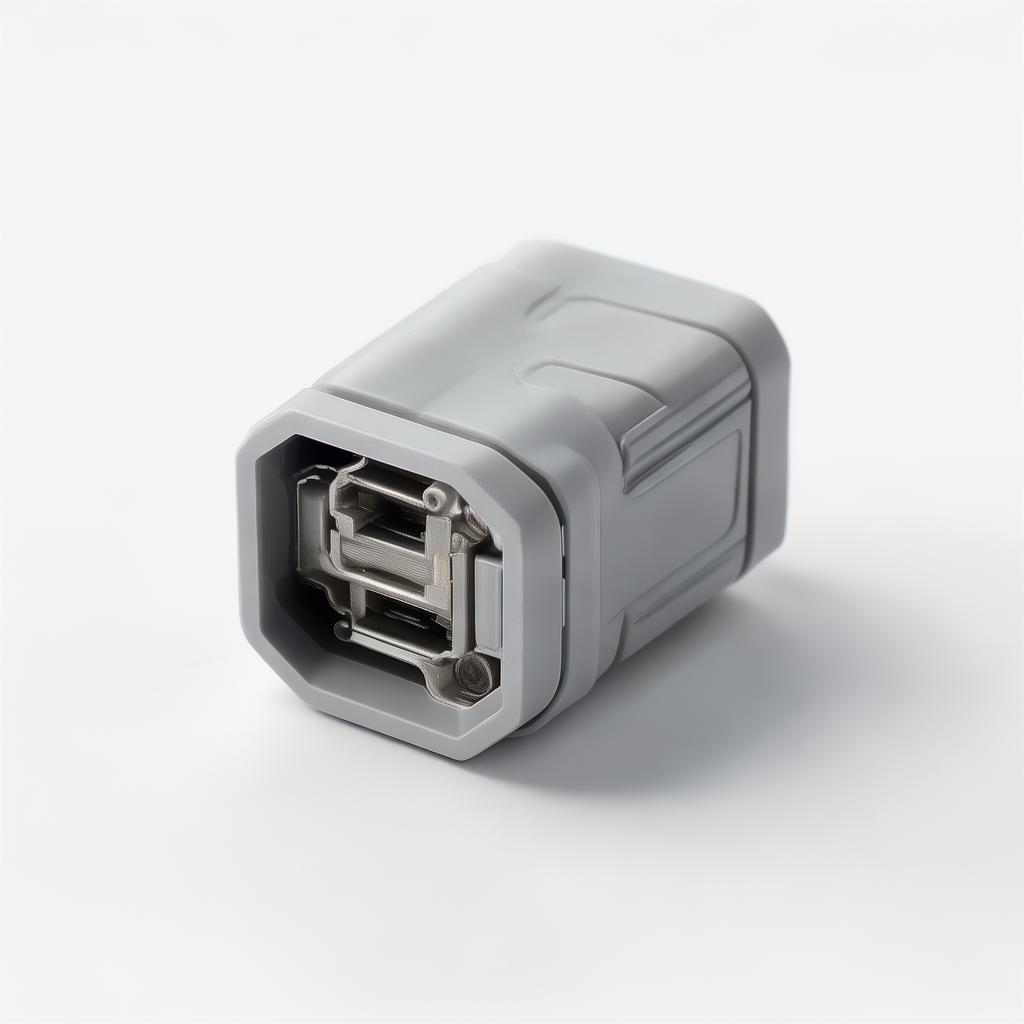
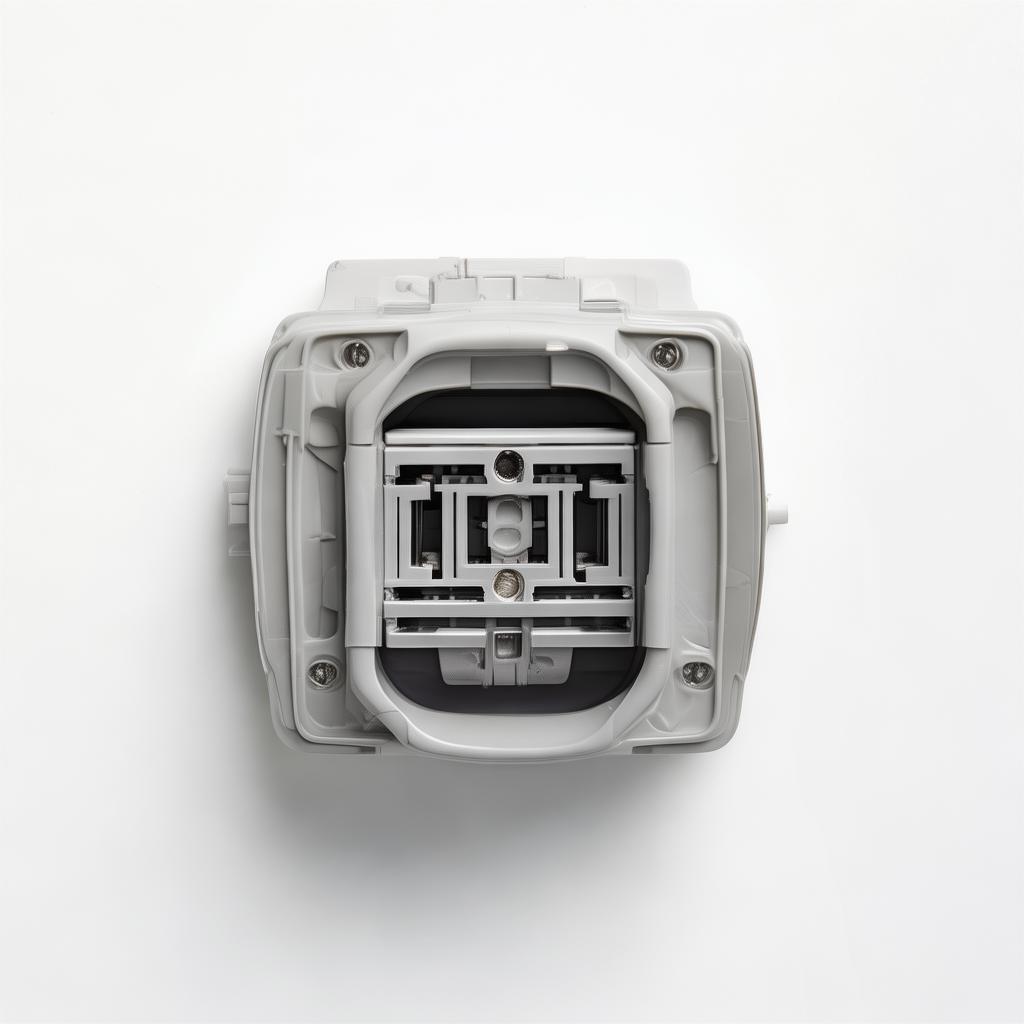
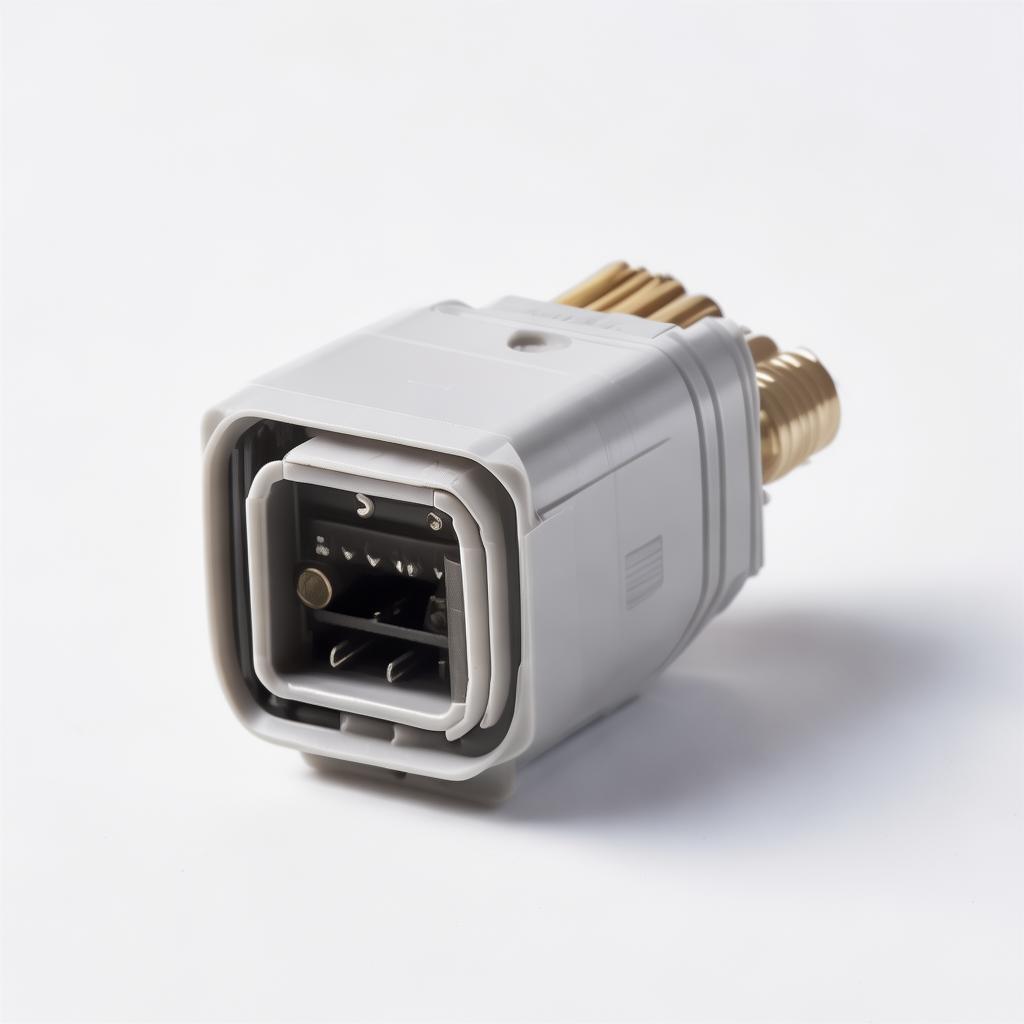
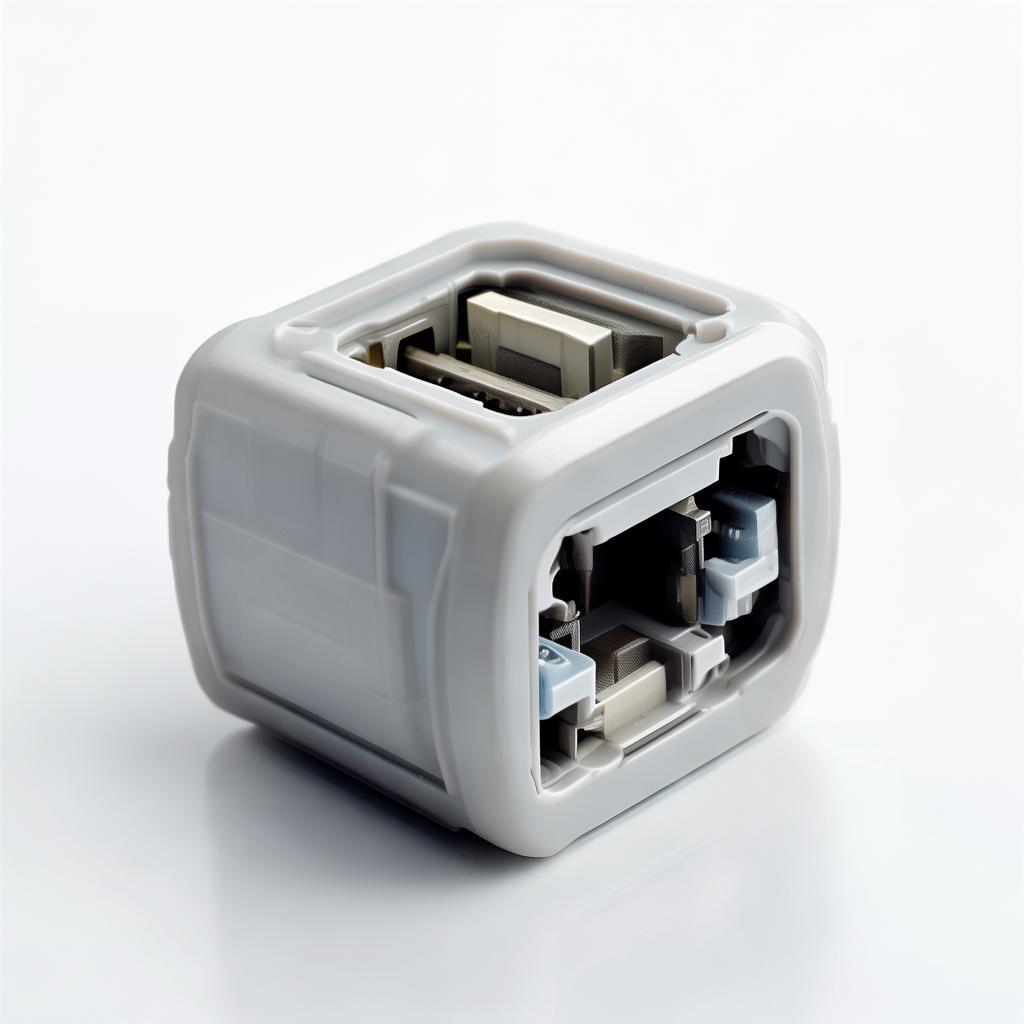
Plastic parts processing factory Plastic parts processing Processing plastic parts factory
Application Scenarios
Plastic parts produced in our plant play essential roles across a diverse range of sectors. Below are a few examples illustrating typical use cases for our customers:
- New Energy Vehicles - Precision plastic injection parts such as battery housings, sensor casings, and air deflectors designed for high temperature and durability
- Consumer Electronics - Housings for smartphones, wearable devices, and smart home appliances benefiting from refined surface finish and tight assembly tolerances
- Industrial Appliances - Plastic components for HVAC units, water filtration systems, and backup power supplies requiring chemical and UV resistance
- Healthcare Devices - Biocompatible LSR parts for diagnostic tools, drug delivery components, and medical seals conforming to FDA and ISO 13485
- Communication Equipment - Enclosures and connectors requiring electromagnetic interference shielding and enhanced mechanical integrity
Our ability to customize processing parameters and collaborate on product design enables clients to meet their end-use environment demands without costly secondary operations.
Guide to Selecting a Plastic Parts Processing Supplier
Partnering with the right processing plant can make or break your product launch. Procurement professionals should consider these critical decision points:
- Technical Capability: Confirm the supplier’s equipment portfolio matches your part complexity and material requirements.
- Certifications & Compliance: Look for ISO 9001, CE, RoHS, and industry-specific qualifications relevant to your sector demands.
- OEM/ODM Support: Determine if the factory can assist with mold design assistance, rapid prototyping, and flexible production volumes.
- Quality Control Processes: Validate in-house testing methods and whether they align with your incoming inspection standards.
- Delivery Logistics: Evaluate their experience in international shipping, container planning, and packaging safeguards.
- Communication & Responsiveness: Gauge their transparency on lead times, tooling status, and defect resolution strategies.
Beware of overly optimistic delivery promises or discounts that skip thorough quality assurance. Cutting corners at tooling or molding can cause expensive recalls and damage your brand reputation.
Our export director at Guangdong Yingtai advises: "Engage suppliers who invest time upfront in understanding your application, material interplay, and scalability goals – experience counts."
Factory Capabilities & Certifications
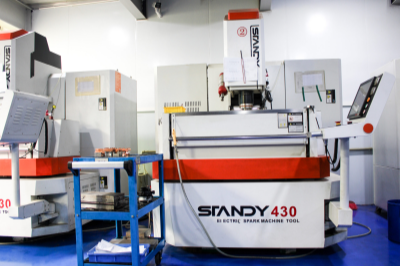
Guangdong Yingtai High Precision Technology Co., Ltd. is headquartered in Dongguan, China, housing over 35,000 m² of modern industrial park space. The plant is equipped with:
- 55 sets of state-of-the-art liquid silicone molding machines
- 80 automatic plastic injection molding machines, covering various clamping forces
- 20 hydraulic presses for solid silicone products
- More than 30 precision mold processing centers
- 20+ advanced testing instruments for tensile, UV resistance, hardness, and thermal behavior
We hold multiple certifications, including:
 ISO 9001 Quality Management System
 CE Certification for European Market Compliance
 RoHS Compliant Material Handling
Our experienced team of over 500 personnel spans engineering, production, quality assurance, and logistics, facilitating a full turnkey service from mold development to delivery.
Frequently Asked Questions
- Q: What is the typical lead time for plastic parts production?
- A: For standard injection molding, tooling typically takes 3-6 weeks. Production cycles range from 2-4 weeks depending on batch size and complexity.
- Q: How do you handle tooling modifications or mold repairs?
- A: Our in-house mold shop allows rapid adjustments. We monitor mold wear and recommend scheduled maintenance to avoid downtime.
- Q: Do you support customized packaging and labeling for export shipments?
- A: Yes, we coordinate with clients on packaging requirements to meet import regulations and reduce in-transit damage risks.
- Q: Can you produce multi-material parts with overmolding?
- A: Absolutely. Multi-shot injection molding and overmolding with LSR and plastics are core specialties.
- Q: What quality control inspections are standard?
- A: We perform in-line dimensional checks, mechanical testing, UV stability tests, and batch traceability per ISO guidelines.
Customer Reviews

Michael Sanders, Purchasing Manager, Texas
"Yingtai impressed us with their rapid tooling turnaround and consistent molding quality. Their OEM flexibility saved our new product launch from delays."

Suzanne Kim, Procurement Director, California
"Their knowledge in LSR overmolding was crucial for our medical device seals. We appreciated the detailed QC reports and adherence to FDA compliance."

Jorge Martinez, Operations Manager, New York
"Their logistics coordination and packaging expertise reduced damages during shipping by half compared to previous suppliers. A reliable partner for large-volume runs."
Ready to Elevate Your Plastic Parts Production?
Let’s discuss your OEM/ODM needs and get a free sample or custom pricing plan.
Request Factory PricingLogistics & Shipping Details
We understand that the journey from factory floor to your assembly line involves critical logistics planning:
- Container loading optimization to maximize cubic capacity and minimize freight costs
- Protective packaging engineered to prevent deformation or abrasion during overseas shipping
- Export documentation management including customs clearance and CE or RoHS certificates
- Option for Last Mile Delivery Arrangement according to client’s warehouse capability
- Regular shipping updates and batch traceability as part of our transparency policy
For operations managers coordinating cross-border shipments, our dedicated logistics team acts as an extension of yours – anticipating challenges and effectively managing supply chain complexity.
Maintenance Advice for Durable Plastic Components
Long-term performance of plastic parts depends on appropriate handling and maintenance. Here are key suggestions based on our manufacturing and customer field experience:
- Avoid exposure to harsh UV radiation for plastics lacking UV stabilizers— consider coatings or additives if usage demands it
- Routine cleaning with mild detergents rather than solvents preserves surface integrity
- Check for mechanical wear and replace seals or gaskets before material fatigue results in failure
- Monitor operating temperature ranges; materials like ABS degrade above 80°C while LSR can typically tolerate higher heat
- Implement regular inspections especially in safety-critical applications such as automotive connectors or medical devices
Note: Neglecting maintenance can lead to premature equipment downtime and costly production halts downstream.