Precision Plastic Product Molds: Crafting the Future of Industrial Manufacturing
By Michael Chen, Industrial Engineer | Guangdong Yingtai High Precision Technology Co., Ltd.

Precision Plastic Product Molds: Navigating the Complexities of Modern Manufacturing
Plastic product molds sit quietly at the heart of countless industrial sectors—be it automotive, electronics, consumer goods, or medical devices. But behind every flawless molded component, there lies an engineering challenge: how to balance precision, durability, and cost-effectiveness in an increasingly complex global supply chain?
Throughout my 15 years in industrial manufacturing—mainly hands-on in mold design and process optimization—I've witnessed firsthand the evolution from traditional mold fabrication to intelligent injection molding systems that deliver consistency at scale. Today, manufacturers aren't just buying molds; they are investing in systems that must comply with rigorous industry standards such as ISO 9001:2015, CE certification, and increasingly, tailored OEM/ODM specifications.
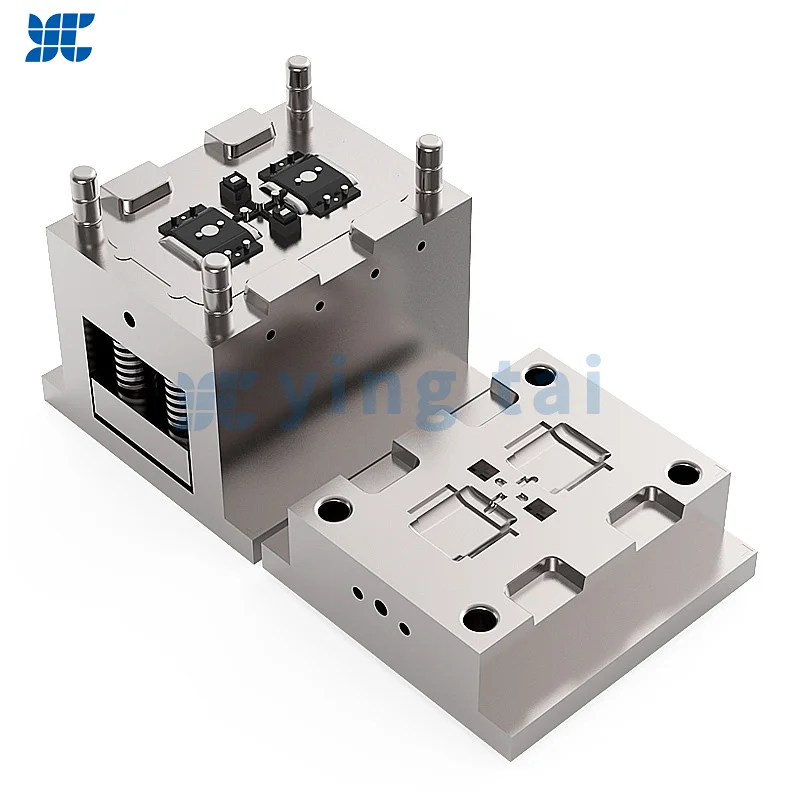
Plastic molds represent the backbone for high-volume and high-precision production runs. Their design complexity varies widely—from simple two-plate molds for commodity plastics, to complex multi-cavity LSR (Liquid Silicone Rubber) molds requiring advanced thermal control and injection pressures. Suppliers must understand nuances including material shrinkage rates, flow dynamics, and mold cooling efficiency to minimize defects such as warpage and sink marks.
The rise of sophisticated materials—like high-performance polyethylene, polypropylene blends, and thermoplastic elastomers—adds layers of operational variables. Specialized molding techniques such as co-injection, multi-shot molding, and overmolding are shifting procurement requirements, demanding not only superior mold craftsmanship but also advanced process integration.
Global market trends—especially in the USA and broader English-speaking regions—indicate a growing preference for suppliers that combine technical know-how with reliable logistics capabilities. For example, lead time predictability and container loading optimization often determine supplier viability alongside product quality. In our experience at Guangdong Yingtai High Precision Technology Co., Ltd., sourcing producers with a “whole chain” approach—from precise mold development to finished product manufacturing—mitigates risks and accelerates time-to-market.
Embedded in these considerations is a practical reality: manufacturers must contend with shrinking profit margins, rising labor costs, and increasing regulatory scrutiny on materials and processes. Mistakes in mold selection or supplier evaluation today can lead to costly delays, subpar product functionality, and supply disruptions.
Choosing your plastic product mold partner is not a simple transaction—it’s a strategic decision with operational repercussions. In this article, I’ll guide you through key factors that impact mold quality, manufacturing efficiency, and project success, drawing on industry data, case insights, and real-world procurement tips.
Common Industry Pain Points That Impact Plastic Mold Procurement
- Long lead times and unpredictable delivery schedules: Supplier overpromises without transparent production tracking lead to project delays, hurting downstream assembly lines.
- Material compatibility misunderstandings: Choosing molds without adequate expertise in thermoplastic or LSR behavior risks warpage, short shots, and cycle-time inefficiencies.
- Inadequate technical support and engineering collaboration: Many suppliers provide molds "as-is" without design for manufacturability reviews, resulting in costly post-delivery modifications.
- Logistics issues for overseas sourcing: Container loading inefficiencies, customs documentation errors, and lack of export compliance knowledge cause supply chain bottlenecks and added costs.
- Quality control lapses: Insufficient in-process inspection and testing capabilities lead to non-conforming molds that increase scrap and rework rates later in production.
Users often overlook these operational risks until they experience repeated quality or timing failures. Addressing them requires working with industrial partners capable of transparent communication, technical collaboration, and robust process control.
Technical Deep Dive: Mold Designs & Material Selection Essentials
Design Considerations: Precision plastic product molds typically fall into categories such as cold runner or hot runner systems. While cold runners offer lower tooling costs, hot runner molds deliver waste reduction and cycle time improvements. Injection pressures, mold cavity cooling channels, gate positioning, and venting must be optimized to balance flow, cooling uniformity, and part quality.
Material Differences: The mold's performance hinges on aligning mold steel grade and surface treatments with intended plastic materials. For instance, stainless steel 1.2738 is preferred for LSR molds due to corrosion resistance and thermal stability, while P20 tool steel is common for commodity plastics. Surface hardening methods and coatings (e.g., TiN, DLC) extend mold lifespan especially in abrasive or high-wear applications.
Injection Molding Process Specifics: For Liquid Silicone Rubber (LSR), molds require specialized injection units and thermal control to handle low viscosity and curing reactions. Advanced designs include conformance to medical-grade standards and integration of gas-assisted or vacuum molding features to minimize bubbles and ensure dimensional consistency (MDPI Paper).
| Material | Typical Mold Steel | Application Notes |
|---|---|---|
| Polypropylene (PP) | P20 Tool Steel | General purpose; moderate wear resistance; typical for household goods |
| Liquid Silicone Rubber (LSR) | Stainless Steel 1.2738 | Must be corrosion & heat resistant; requires integrated cooling and venting |
| ABS (Acrylonitrile Butadiene Styrene) | H13 Tool Steel | Good strength and toughness; blades, electronics housings |
| Polyethylene (PE) | P20 or Stainless Steel | Low shrinkage but high flow rates; container and packaging parts |
molder plastic Plastic mold plastic mold manufacturing
Industry Heads-Up: A key failure point is misjudging the thermal properties and shrinkage characteristics at mold design stage, leading to costly rework or rejected parts. Consider advanced CAE simulations and digital twin technology when targeting high-precision products (MDPI Material Characterisation Study).
Practical Application Scenarios for Plastic Product Molds
Plastic product molds find their utility in a diverse matrix of industries beyond traditional manufacturing—each comes with unique demands:
- Automotive: Precision injection molds create components like seals, gaskets, dashboards, and headlamp bezels, where compliance with ISO/TS 16949 standards ensures functionality and safety.
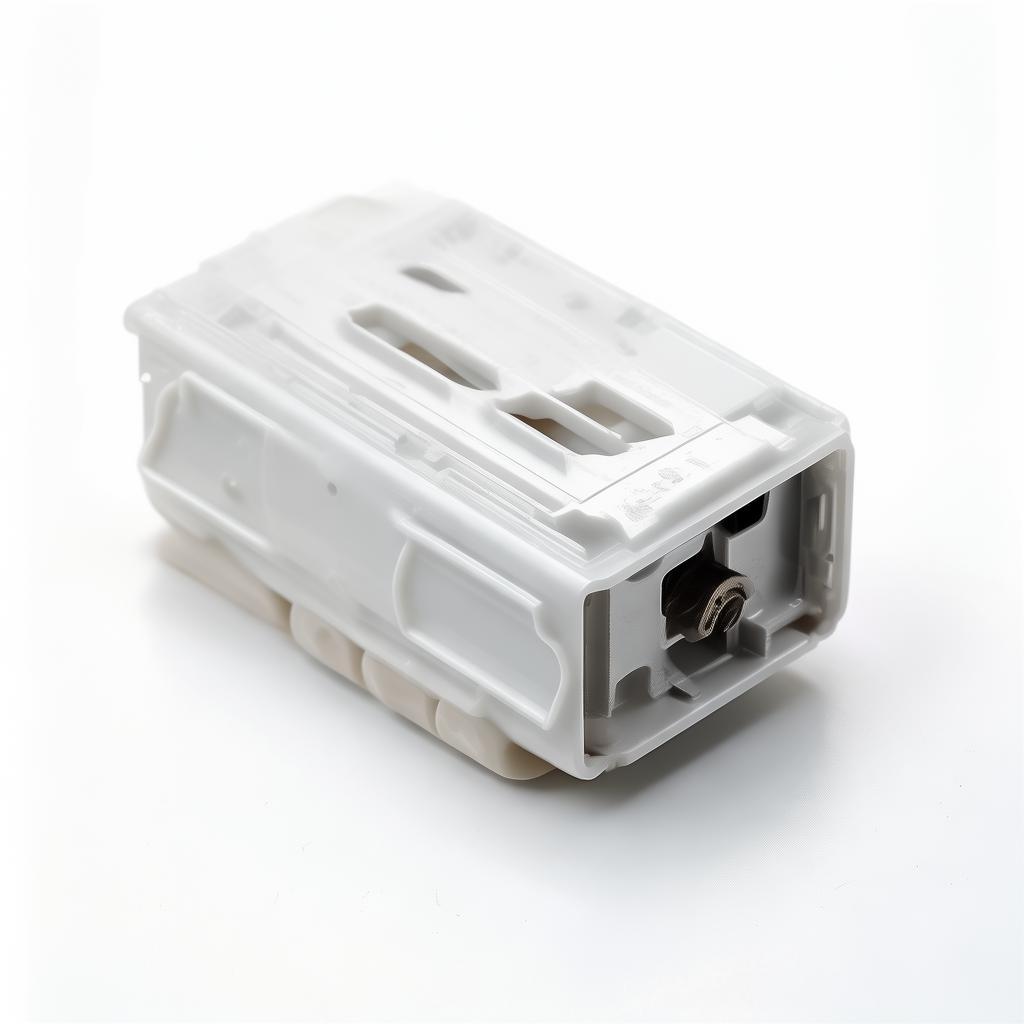
- Consumer Electronics: Housing parts and protective casings for smart devices require molding with tight dimensional control and durable finishes.
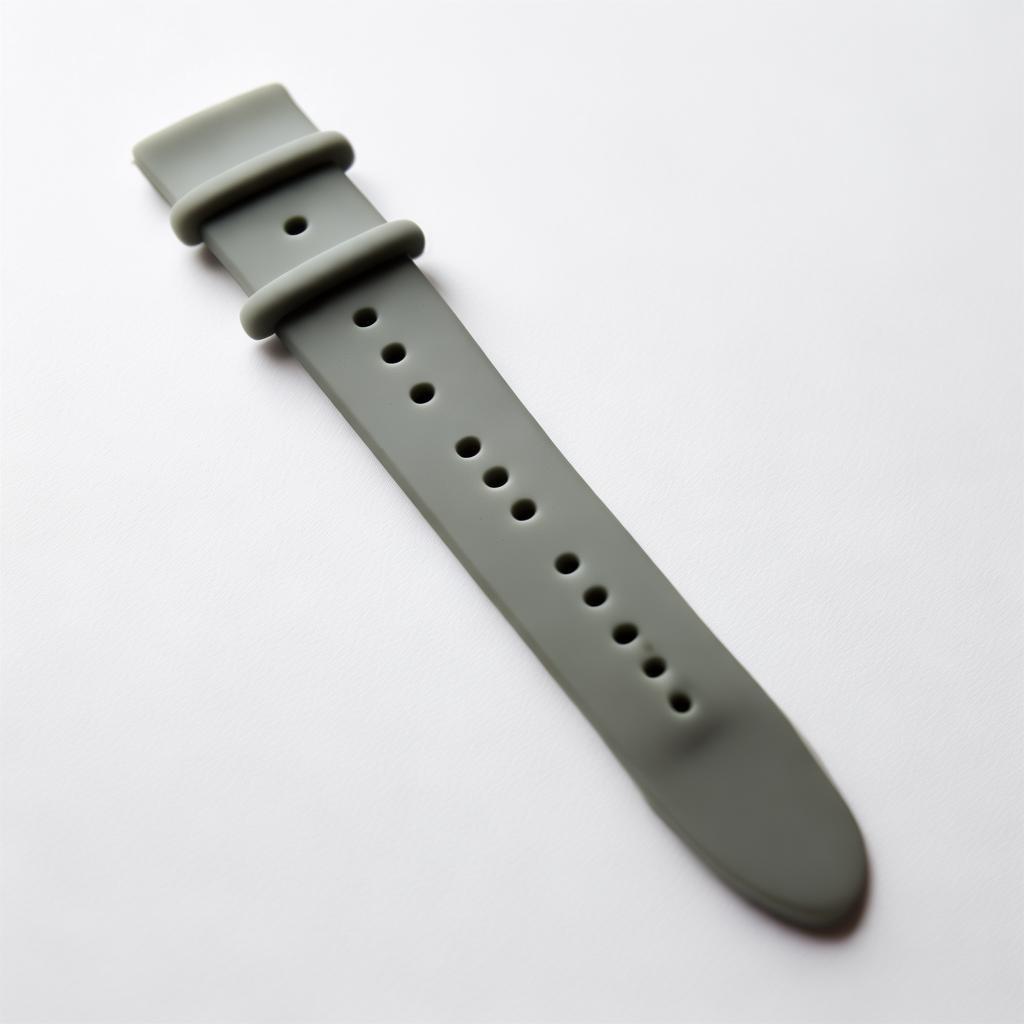
- Medical Devices: High-grade LSR molds produce biocompatible seals and wearable device components that satisfy FDA and CE medical directives.
- Household Appliances: Modular molds enable rapid tooling changes for multi-component appliance parts, balancing aesthetics with mechanical strength.
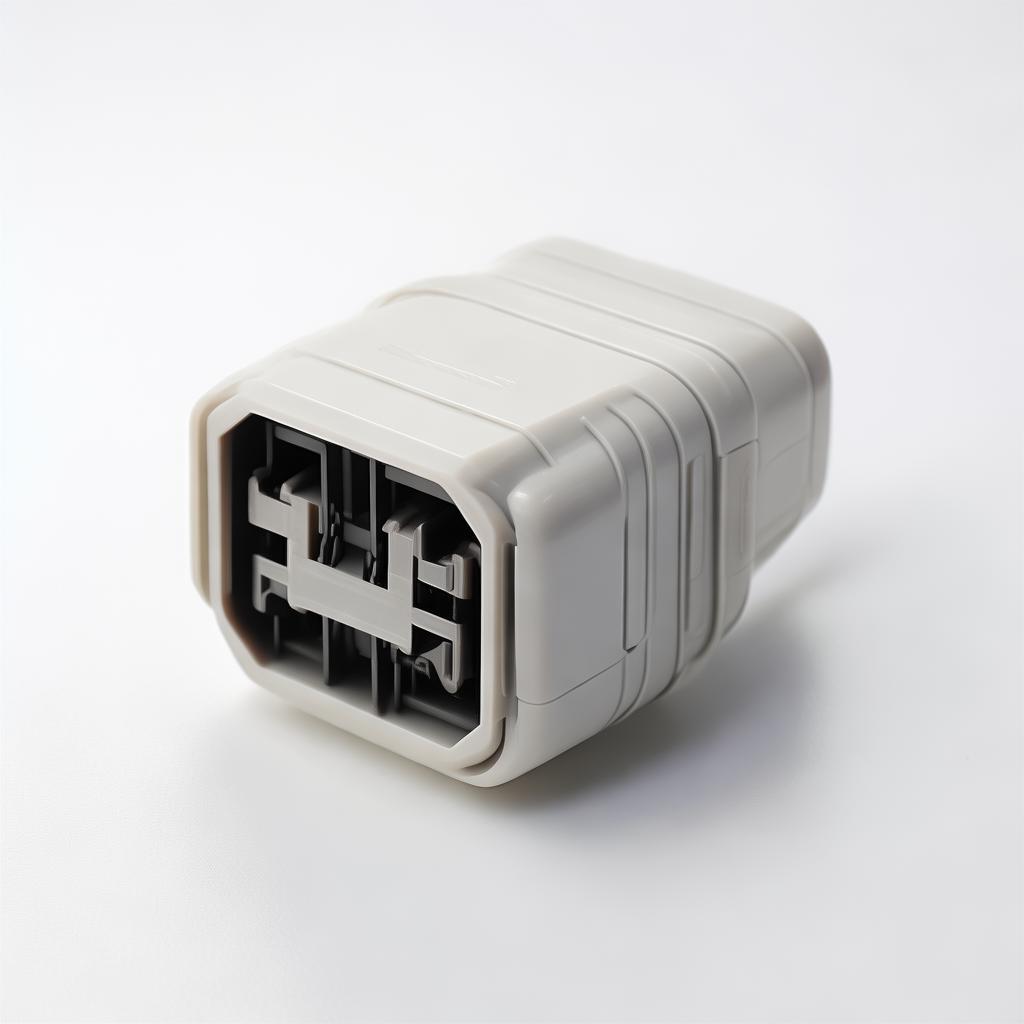
- New Energy Vehicles: Specialty molds for battery packs and electronic modules support thermal management and shock resistance demands.
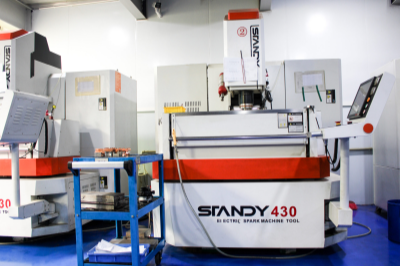
Whether for high-volume runs or niche high-tech components, detailed collaboration between mold maker and product engineer is crucial. Design reviews to optimize draft angles, part cooling channels, and ejection systems save significant downstream costs and enhance mold longevity.
Tip: Early-stage joint prototyping with rapid tooling technology—including CNC-machined aluminum molds or 3D printed inserts—is a cost- and time-saving approach for complex designs (Rapid Tooling for LSR Paper).
Buyer’s Guide: Navigating Procurement and Risk Management in Plastic Mold Sourcing
From my experience advising procurement directors and operations managers worldwide, the #1 hurdle in plastic mold sourcing is supplier validation. Low-cost overseas molds may appear tempting but often carry hidden risks like inconsistent quality and prolonged lead times.
Key Buyer Considerations Include:
- Technical Capability Verification: Confirm manufacturer’s equipment inventory, e.g., number and specs of injection molding machines, CNC mold processing equipment, and inspection instruments.
- Factory & Process Certifications: Prefer suppliers adhering to ISO 9001, ISO 13485 for medical-grade molds, and other relevant product certifications.
- Sample & Prototype Review: Request physical samples or trial runs under expected service conditions to assess performance and tolerances before full-scale orders.
- OEM/ODM Collaboration Willingness: Partners providing custom design and co-development services shorten product iteration cycles and improve manufacturability.
- Transparent Logistics Planning: Seek clear guidance on export packaging, container loading optimization, and shipment lead times to avoid surprises.
A poorly scoped mold purchase can cost 3 to 5 times the initial quotation due to reworks, delays, and quality issues. In this light, a detailed RFQ with technical drawings, material specs, and expected production volumes bolsters seller responsiveness and pricing accuracy.
Procurement Alert: Verify if mold designs incorporate thermal balancing and anti-wear surface treatments—this reduces repair frequency and ensures stable injection cycles over extended production runs.
Factory Profile & Certifications: Why Yingtai Stands Apart
Rooted in Dongguan’s industrial hub, Guangdong Yingtai High Precision Technology Co., Ltd. brings over two decades of refined expertise to the plastic product mold arena. Our expansive 35,000 m² industrial park is equipped with:

- • 55 sets of liquid silicone molding machines
- • 80 sets of automatic plastic injection molding machines
- • 20 solid silicone hydraulic presses
- • Over 30 precision mold processing devices
- • 20+ advanced inspection and testing instruments
- • A 500+ person multidisciplinary professional workforce
Beyond scale, our manufacturing philosophy hinges on quality management systems and compliance benchmarks. We maintain:
 ISO 9001:2015 Quality Standard
 CE Certification for European Market Compliance
 FDA-Approved Materials & Processes for Medical-Grade Components
Our robust industry footprint spans new energy vehicles, consumer and industrial electronics, healthcare electronics, and household appliance markets. We pride ourselves on the seamless integration of mold design, pilot runs, mass production, and after-sale support—critical for continuous supply chain reliability.
Buyer Frequently Asked Questions
- Q1: What is the typical lead time for plastic product molds?
- Lead times vary depending on mold complexity and materials. Generally, 4–8 weeks for standard molds; specialized LSR molds can take 8–12 weeks due to precision thermostatic controls and curing requirements.
- Q2: How does mold design affect product quality?
- Efficient mold design ensures uniform flow, minimal residual stresses, and precise dimensional tolerances. Poor design causes warpage and short shots, producing higher scrap rates.
- Q3: Can you customize molds for specific plastics or applications?
- Yes. We offer OEM/ODM services with extensive material testing and design collaboration to tailor molds suited for thermoplastics, LSR, and multi-component overmolding.
- Q4: What quality control measures are in place?
- Inspections include dimensional measurements, surface finish checks, hardness tests, process audits, and sample mold trials per agreed specifications before shipment.
- Q5: How is shipping and logistics handled?
- We provide comprehensive export packaging, AMS-approved documentation, and container loading optimization. Communication on shipping plans is proactive to minimize transit risks.
Customer Reviews: Industrial Buyers on Our Plastic Molds

James Wilcox, Procurement Manager – Automotive Components (Detroit, USA)
"Yingtai’s molds delivered precise and stable cavity filling, enabling us to reduce reject rates by improving material flow balance. Their engineering team worked closely with our technical staff to fine-tune cooling systems. Communication throughout the shipment cycle was proactive, avoiding usual delays."

Sarah Miller, Operations Director – Medical Device Manufacturer (San Francisco, USA)
"Their LSR molds match the high compliance requirements for medical components. What stood out is their ability to deliver under FDA-approved conditions with very short lead times. Trouble-free installation onsite helped us hit aggressive launch targets."

Robert Hastings, Senior Buyer – Consumer Electronics (Seattle, USA)
"The detailed factory certifications and transparent process audits gave us the confidence to partner with Guangdong Yingtai. Their engineering advice saved us from costly design adjustments down the line."
Ready to Discuss Your Plastic Mold Project?
Contact Miss Zhang for a direct consultation or to request tailored quotes and sample parts.
- Phone/WhatsApp: +86 17722437688
- Email: zmm@yingtai168.com | lh@yingtai168.com
- Fax: +86 0769-83666863
- Address: No. 359 Chang'an Bubugao Road, Chang'an Town, Dongguan City, Guangdong Province, China
- Visit Our Contact Page
Request your Factory Pricing, Product Specifications, or Free Sample today. Our team is here for consultative support from concept through delivery.