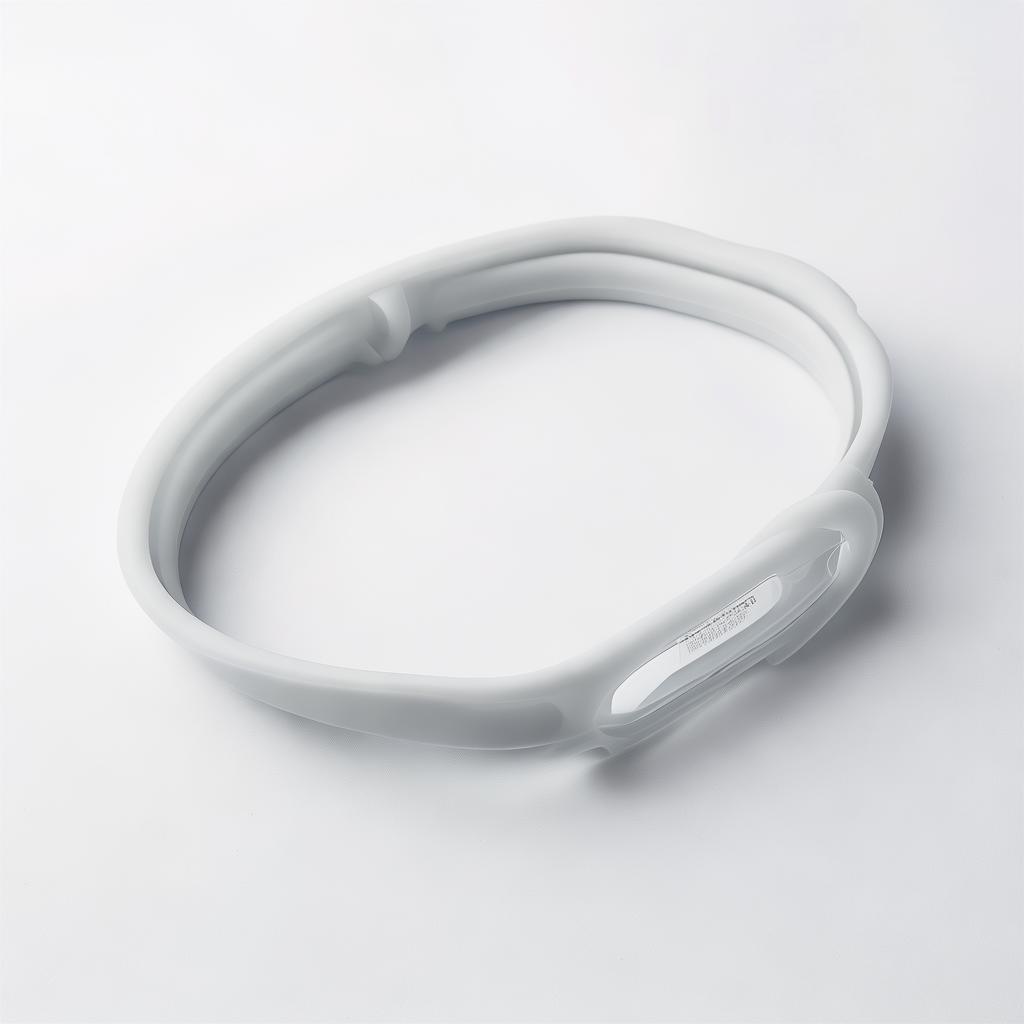
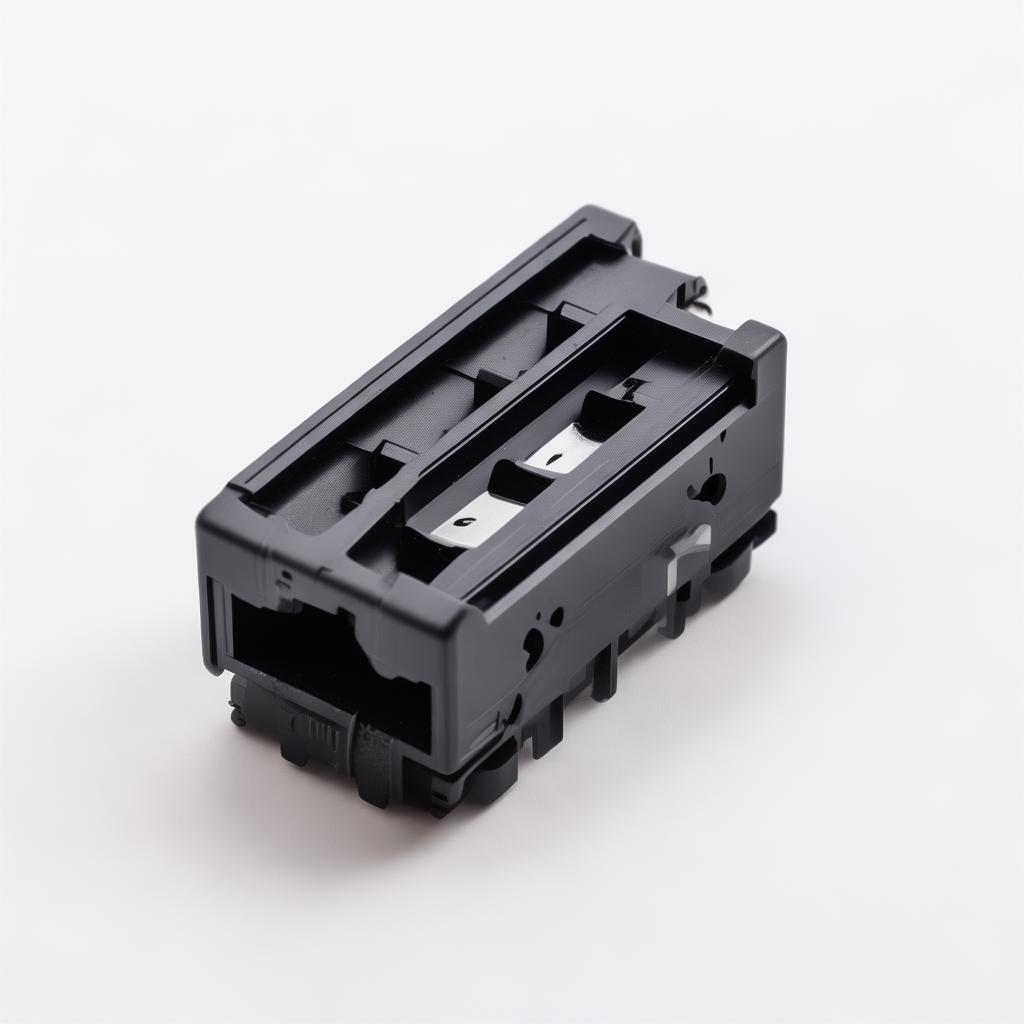
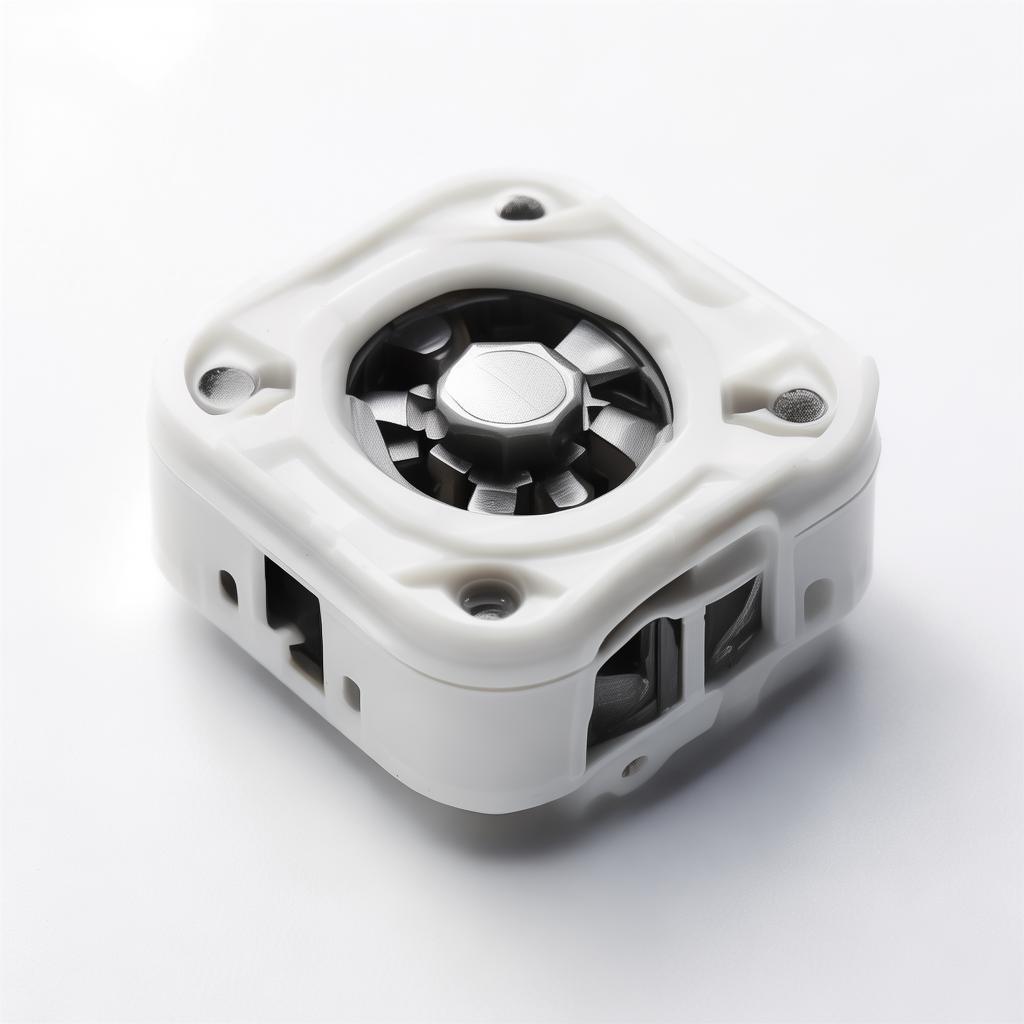
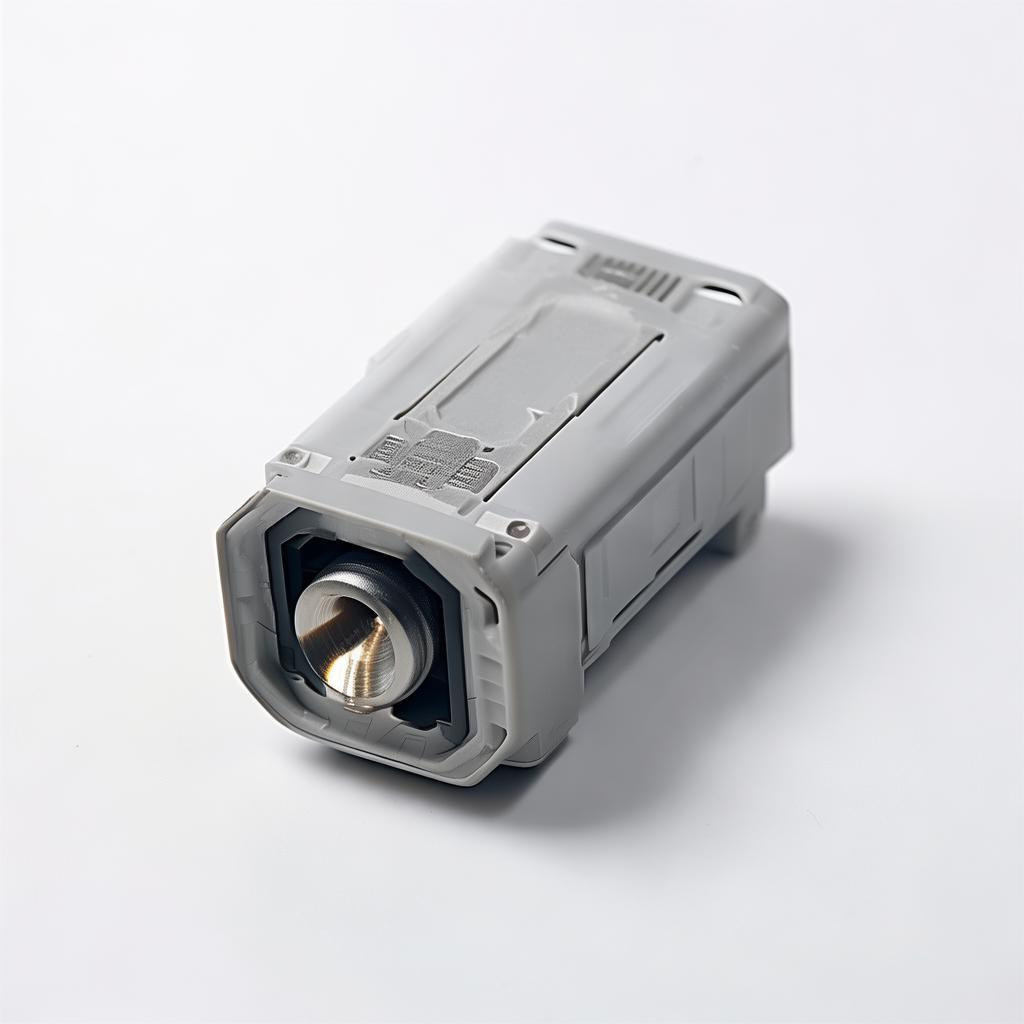
High-Precision Custom Plastic Components Tailored for the Evolving Electric Vehicle Industry Working within the new energy vehicle (NEV) sector requires partners that deeply understand the nuances of specialized plastic components. These parts often endure
Product Details
Plastic Products for New Energy Vehicles
High-Precision Custom Plastic Components Tailored for the Evolving Electric Vehicle Industry
Industry Challenges & Procurement Risks
Working within the new energy vehicle (NEV) sector requires partners that deeply understand the nuances of specialized plastic components. These parts often endure extreme thermal cycles, mechanical stress, and exposure to chemicals such as battery electrolytes or coolants. For procurement managers and technical engineers, the challenge lies not just in selecting plastic products that meet strict performance criteria, but also in sourcing from suppliers who guarantee consistent quality, traceability, and compliance with industry standards.
Operationally, many manufacturers risk delayed projects or inferior part lifecycles because of improperly specified materials or subpar molding processes. For example, a common pitfall is underestimating the need for UV resistance and flame retardancy in plastic parts exposed to battery compartments or exterior bodywork. Likewise, ignoring dimensional tolerances when dealing with injection molded assemblies can lead to assembly line stoppages downstream. Proper supplier evaluation and understanding manufacturing capabilities upfront is critical to avoiding costly reworks and supply chain disruptions.
Moreover, many buyers encounter hidden project risks stemming from a lack of transparency in lead times or underwhelming OEM/ODM customization support. Even a slight mismatch in cycle time or tooling iteration can ripple into considerable production downtime, given the tight launch schedules characteristic of the NEV industry’s rapid innovation cycles.
Practical note: Always request detailed technical datasheets and in-depth machining/process flow information early. Suppliers offering precision molding with integrated quality control and material traceability—preferably ISO or IATF certified—will offer peace of mind.
Material Advantages & Technical Insights
Plastic components in NEVs typically prioritize weight savings, chemical resistance, and mechanical durability. Commonly selected plastic materials include polypropylene (PP), polycarbonate (PC), ABS blends, and advanced PBT (polybutylene terephthalate) alloys that balance stiffness and heat deflection temperatures.
From an engineering perspective, understanding the intrinsic properties is non-negotiable. For example, PBT-based plastics exhibit better hydrolysis resistance and are often favored for under-the-hood parts exposed to both heat and moisture. Polycarbonate blends provide excellent impact resistance and thermal stability, suitable for instrument panels and inner structural parts.
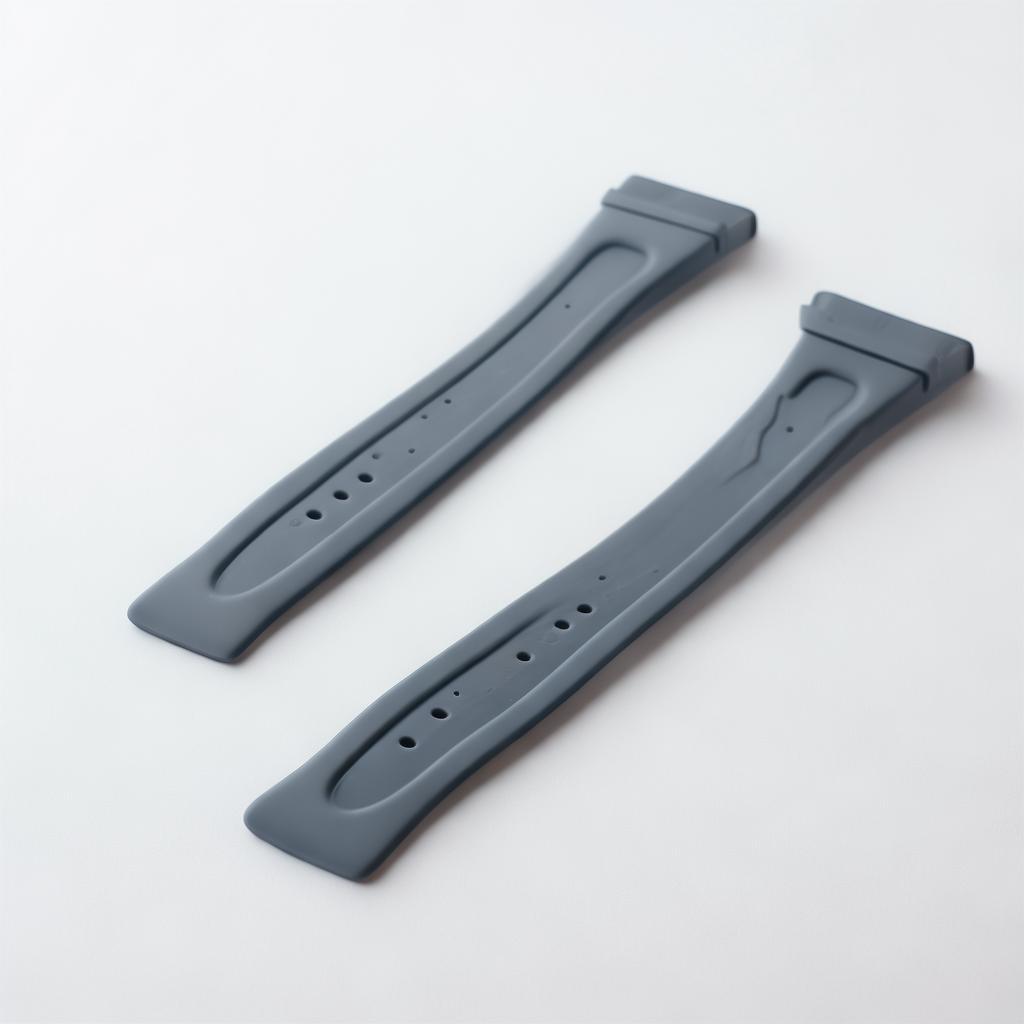
Injection molding technologies applied range from standard plastic injection to liquid silicone rubber (LSR) overmolding for sealing and vibration damping parts. Guangdong Yingtai’s investment into >80 injection machines and precision mould processing supports such diverse demands. Yingtai’s expertise in LSR molding aligns well with the growing trend towards multi-material integration for enhanced function within NEVs. For instance, LSR seals mitigate electrolyte leakage risks in battery packs.
Material
Key Property
Typical Application
Standard Compliance
Polypropylene (PP)
Lightweight, chemical resistant
Interior trims, battery covers
ISO 9001 / RoHS
Polycarbonate (PC)
Impact resistant, thermal stable
Dashboards, headlamp housings
ISO/TS 16949 / UL 94 V-0
Liquid Silicone Rubber (LSR)
Heat resistant, elastic seals
Battery pack seals, cable grommets
FDA / CE / SGS Tested
PBT / Nylon Alloy
Mechanical strength, dimensional stability
Structural clips, connector housings
IATF 16949 Certified
Note: Material choice directly affects downstream processes including painting, ultrasonic welding, and electrical insulation properties, so early supplier consultation is recommended.
Application Scenarios in New Energy Vehicles
Plastics in NEVs take center stage far beyond aesthetic trims. Our manufacturing footprint supports a variety of key automotive domains:
Battery Module Components: High-precision injection molded covers, insulation clamps, and LSR sealing gaskets improve electrical safety and thermal management.
Electrical Harness Protectors: Flexible overmolded cable grommets, anti-slip backing, and strain relief parts add durability to harness assemblies.
Interior Trim Panels & Modules: Components like door trims, center consoles, and dashboard covers require strict compliance to flame retardancy and surface finish standards.
Exterior Aerodynamics Parts: Lightweight, UV-resistant body claddings and bumper components reduce vehicle weight and improve range.
Thermal Ventilation Systems: Plastic ducts and drainage elements withstand chemical exposure and cyclic thermal shifts inside climate control systems.
Electronic Control Modules (ECM): Plastic housings and connectors produced via precision injection molding support efficient heat dissipation and EMI shielding requirements.
Our workshop continuously iterates tooling to accommodate complex aesthetic surface textures and micro-tolerance assemblies, crucial for OEMs pushing boundary on quality and repeatability.
Our Factory & Manufacturing Expertise
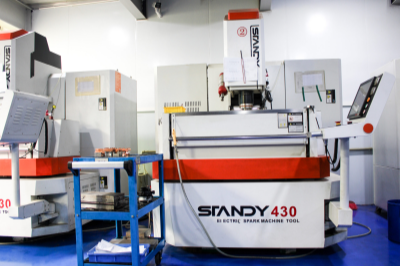
Advanced plastic injection molding line at Yingtai High Precision Technology Co., Ltd.
Based in Dongguan’s industrial hub, Guangdong Yingtai High Precision Technology Co., Ltd. spans 35,000 m² of a modern industrial park dedicated to plastics and liquid silicone molding.
Capabilities include:
55 liquid silicone molding machines enabling precision seals, gaskets, and overmolded parts with tight dimensional control
80 cutting-edge automatic plastic injection machines for varied production volumes and material types
Full in-house mold development with more than 30 precision mold processing units
Advanced testing labs equipped for tensile, hardness, dimensional accuracy, and thermal aging tests
Our end-to-end manufacturing system integrates mold design, prototyping, injection molding, assembly, and logistics management – all critical to reducing time-to-market and cost overruns. Our 500-strong team is seasoned in supporting demanding OEM supply chains, offering tailored solutions with proactive communication.
We also specialize in OEM & ODM services, delivering high-mix, low-volume production, and volume ramp-up readiness for emerging NEV part designs.
Certifications & Quality Assurance
Yingtai factory complies with and is certified under several industry standards that reflect our commitment to quality and reliability:
ISO 9001:2015 Quality Management System
IATF 16949: Automotive Quality Management Standard
RoHS and REACH compliance for environmental and material safety
CE marking on applicable components
SGS tested for material performance and chemical resistance
In addition, adherence to strict inspection processes throughout molding and assembly stages ensures low defect rates and consistent product function. Our quality assurance team performs continuous monitoring of injection parameters to maintain dimensional tolerances within ±0.05 mm and monitors mechanical property retention after thermal cycling.
Procurement Guidance & Logistics
To streamline your supply chain and avoid costly oversights in plastic parts sourcing for new energy vehicles, consider the following:
Prototype validation: Request free or low-cost samples to verify fit, finish, and mechanical properties before committing to production.
Technical collaboration: Engage deeply in tool design reviews and molding simulations to foresee manufacturing challenges and optimize material flows.
Lead times: Confirm supplier capacity for high-volume runs and rapid tooling iterations aligned with your project milestones. Yingtai’s 55+ machines reduce typical lead times demonstrably.
Logistics optimization: Our export experience covers both ocean container loading and air freight; we provide detailed packing lists, weight verification, and customs clearance support.
After-sale services: Look for suppliers offering post-sale technical support including installation tips, material maintenance advice (UV cleaning recommendations, chemical exposure limits), and warranty coverage.
Understanding these practical points reduces procurement risk and ensures your plastic components contribute positively to your new energy vehicle design lifecycle.
Frequently Asked Questions
Q1: What are the typical lead times for custom plastic parts in new energy vehicles?
Depending on tooling complexity and production volume, initial samples usually take 4-6 weeks. Mass production lead times range from 6-12 weeks, factoring in mold polishing and multiple trial runs essential for dimensional accuracy.
Q2: How do you ensure material compliance for safety standards?
Our supplier chain is carefully vetted, and all materials come with certificates of analysis. We perform internal testing to validate mechanical, thermal, and chemical resistance properties per IATF 16949 and RoHS regulations.
Q3: Can you support OEM/ODM customization for prototype runs?
Absolutely. Our in-house tooling department and rapid prototyping capabilities enable flexible iterations at small batch levels while maintaining consistent industrial-grade quality.
Q4: What are the main challenges in LSR overmolding for NEV applications?
LSR injection molding requires precise temperature control and mold venting to avoid bubbles or flash defects. Our factory employs over 30 precision mold processing machines and advanced rheological software simulations to ensure high patch quality and bonding strength, referencing studies such as the MDPI injection molding simulation guidance.
Q5: What packaging and shipping methods do you recommend for fragile plastic parts?
We employ ESD-safe wrapping, foam inserts, and customized crates for parts sensitive to impact or electrostatic discharge. Sea freight container loading is planned to maximize volume and minimize damage risks, with accompanying logistic tracking systems.
Customer Reviews & Industry Feedback
Julia Spencer
"Our EV battery module project hinged on high-tolerance plastic covers with integrated sealing. Yingtai’s ability to custom-tailor LSR seals and tight-control mold dimensions prevented costly delays. Their technical team’s collaboration de-risked the whole procurement cycle."
Procurement Manager, GreenVolt Automotive, USA
Get in Touch
If you have any camping barbeque equipment inquiry, please feel free to contact us.






 Julia Spencer