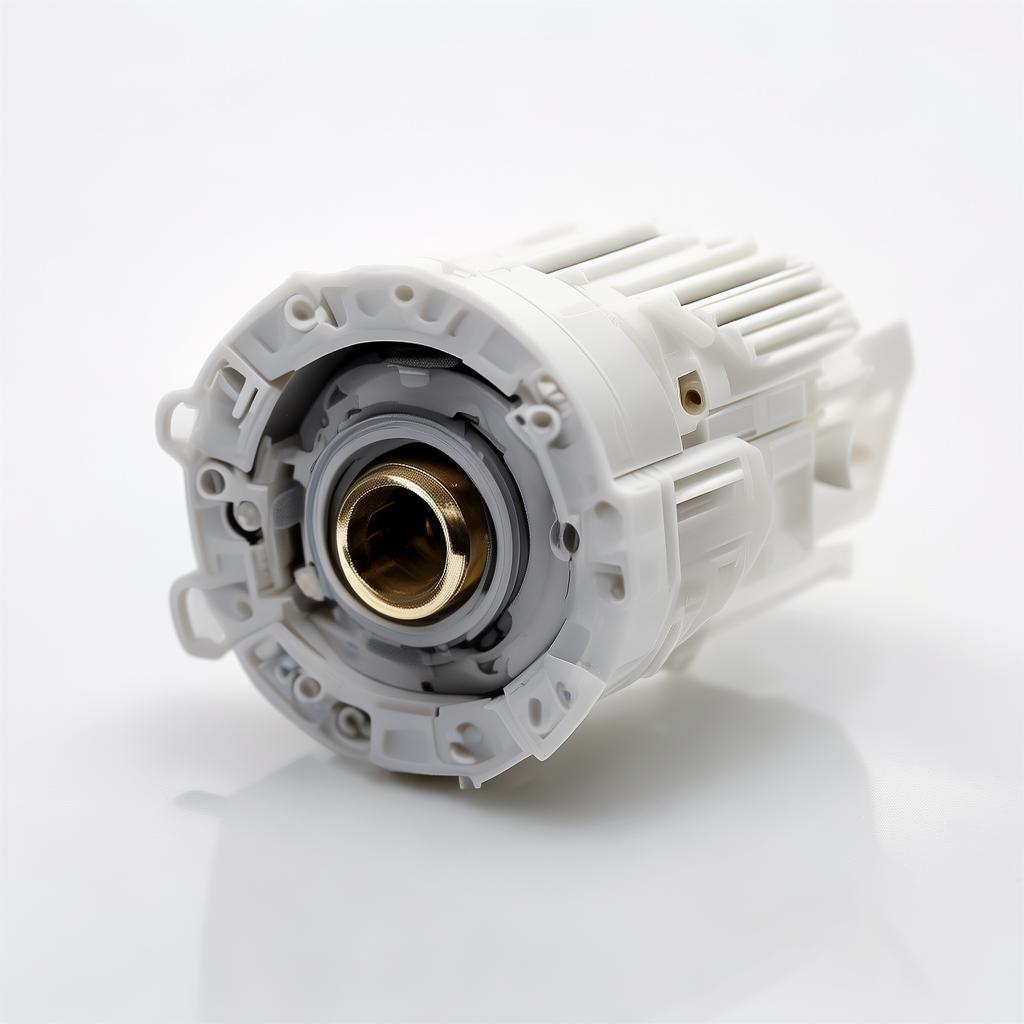
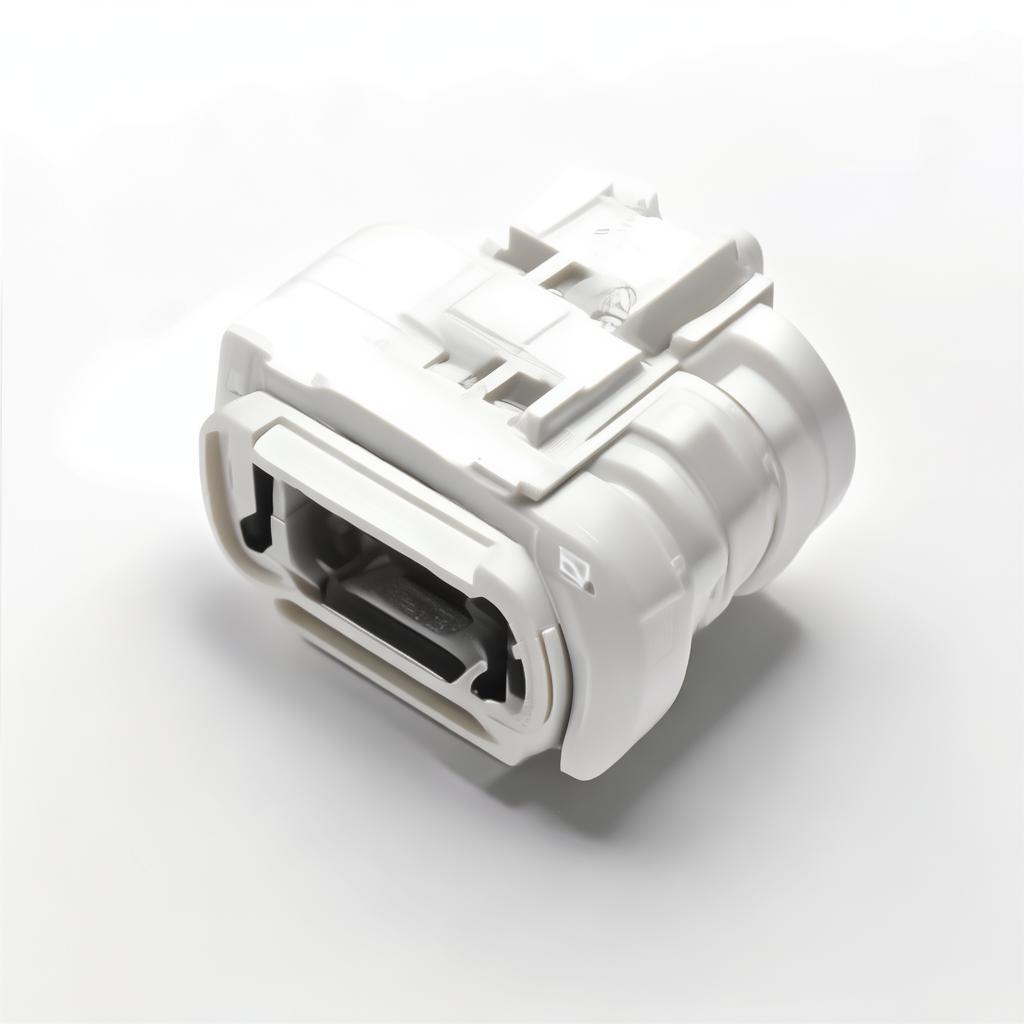
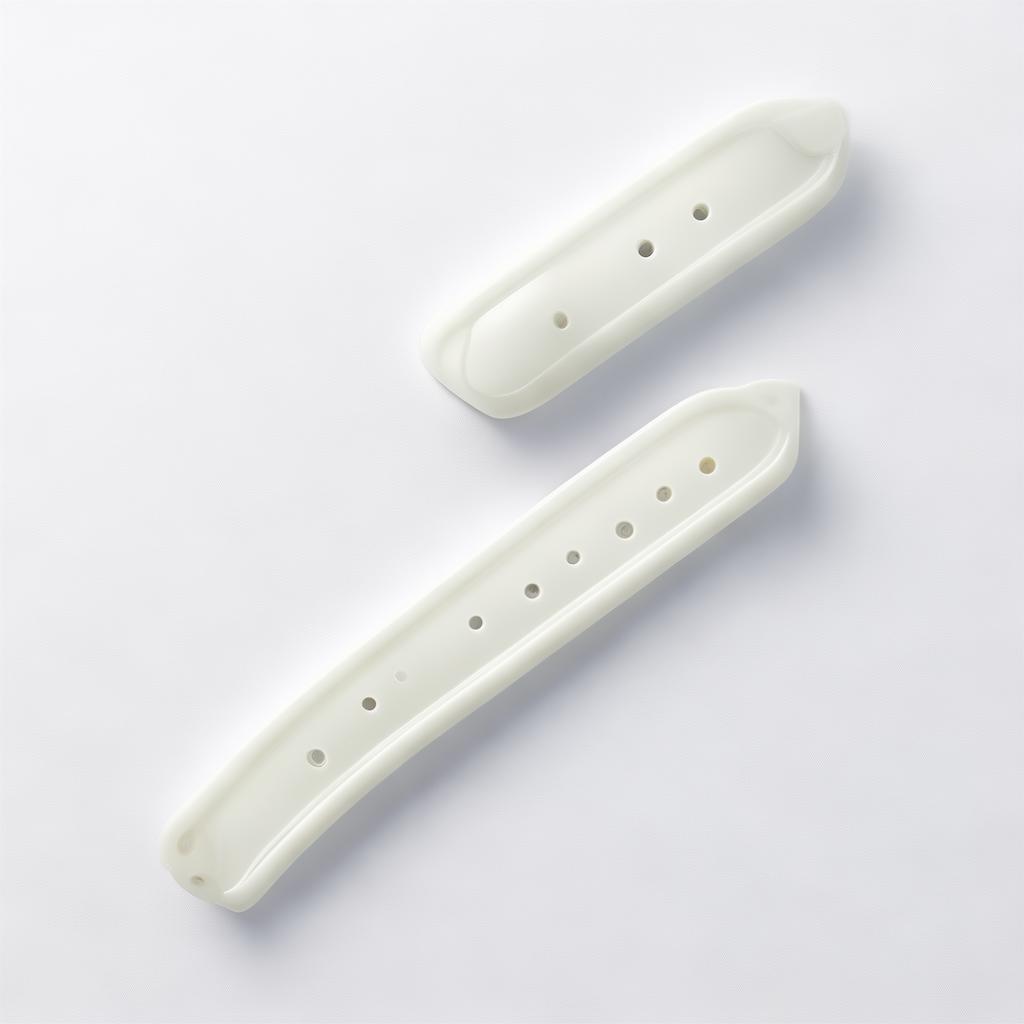
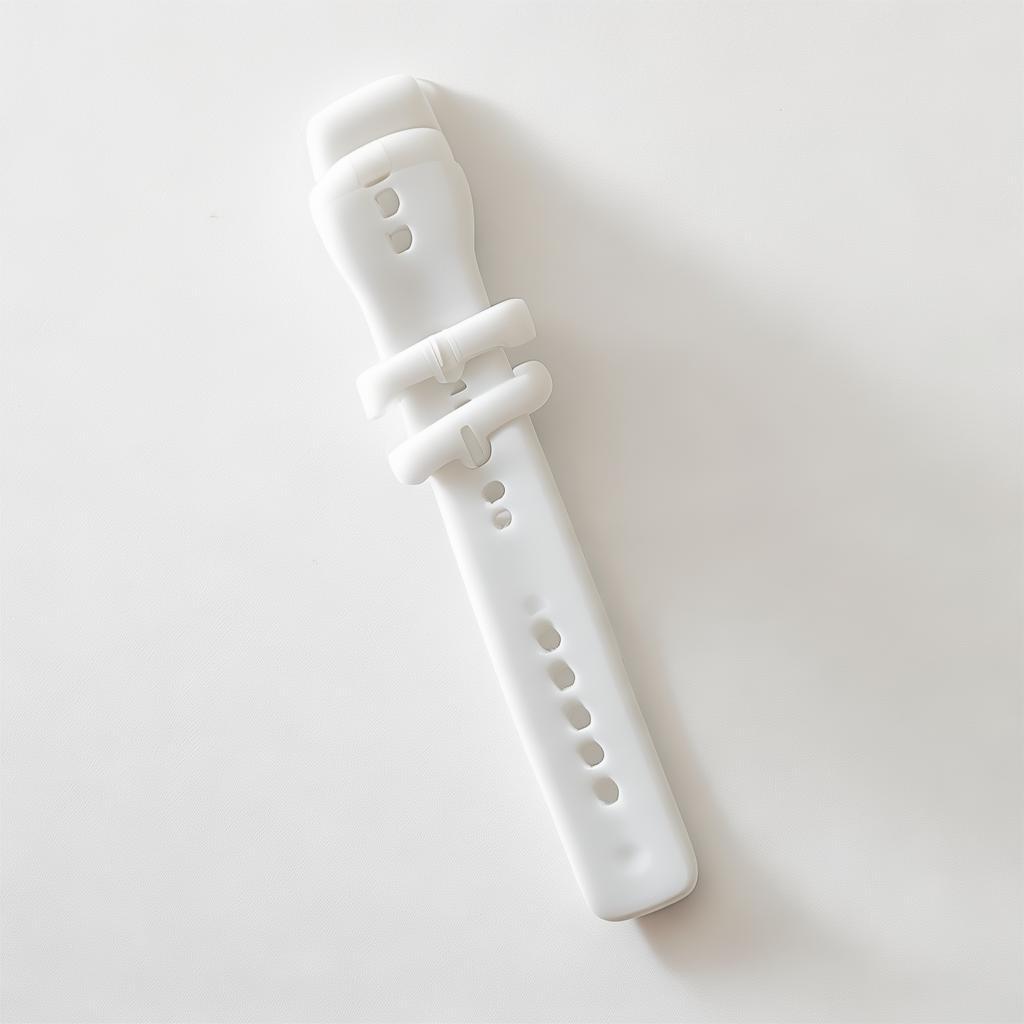
Unlock reliable, high-precision molding solutions tailored for demanding accessories in electronics, automotive, medical, and consumer products. Manufacturing precision liquid silicone accessory molds presents unique operational hurdles that purchasing managers and technical teams encounter regularly.
Product Details
Precision Liquid Silicone Accessory Mold
Unlock reliable, high-precision molding solutions tailored for demanding accessories in electronics, automotive, medical, and consumer products.
Industry Pain Points and Procurement Challenges
Manufacturing precision liquid silicone accessory molds presents unique operational hurdles that purchasing managers and technical teams encounter regularly. Selecting a mold supplier without understanding material compatibility, production tolerances, and supply chain nuances can lead to costly delays and quality issues.
For instance, inconsistent thermal expansion during LSR (Liquid Silicone Rubber) injection molding often causes dimensional deviations—undermining component fitment in consumer electronics or automotive assemblies where microns matter. Operationally, long lead times for mold tooling development add pressure on product launch schedules, especially in markets requiring rapid iteration of custom accessories.
From a procurement lens, misconceptions about generic silicone molds contribute to avoiding specialized manufacturers with true OEM or ODM capability in precision molding. Without rigorous supplier audits aligned with ISO 9001 or TS16949 standards, buyers risk selecting factories lacking essential testing capabilities such as thermal cycling or dimensional stability evaluations under actual use conditions.
Moreover, logistics challenges like optimizing container loading for heavy steel molds or arranging sensitive air freight for delicate test samples remain underappreciated even by experienced procurement directors. These operational constraints often go unaddressed until late in the contract phase, resulting in elevated landed costs and project bottlenecks.
Industry reports signal a robust growth trajectory for the LSR market, reflecting increasing demand for biocompatible, high-performance silicone molded parts in sectors ranging from medical devices to smart wearable electronics. As shown in the Liquid Silicone Rubber Market Size Report 2030, the global LSR market is projected to hit nearly $5 billion by 2030, fueled by precision mold tooling advances and injection molding process refinements.
Technical Overview of Precision LSR Molding
Precision liquid silicone accessory molds are engineered to meet stringent demands for accuracy and repeatability. The manufacturing process begins with comprehensive design verification through CAD/CAE simulations, notably incorporating rheological and thermal characterization data to predict curing kinetics and ensure dimensional consistency during injection molding.
Recent research highlights the critical impact of material data quality on simulation accuracy (MDPI Study on Material Characterisation). This emphasizes the importance of trusted suppliers providing validated datasets, reducing trial-and-error cycles in mold development and improving production yields.
Our factories employ advanced 4-axis CNC machining centers and electrical discharge machining (EDM) for mold cavity fabrication, achieving tolerances down to ±0.01mm. Specialized surface treatments enhance silicone release characteristics, minimizing wear and prolonging mold life.
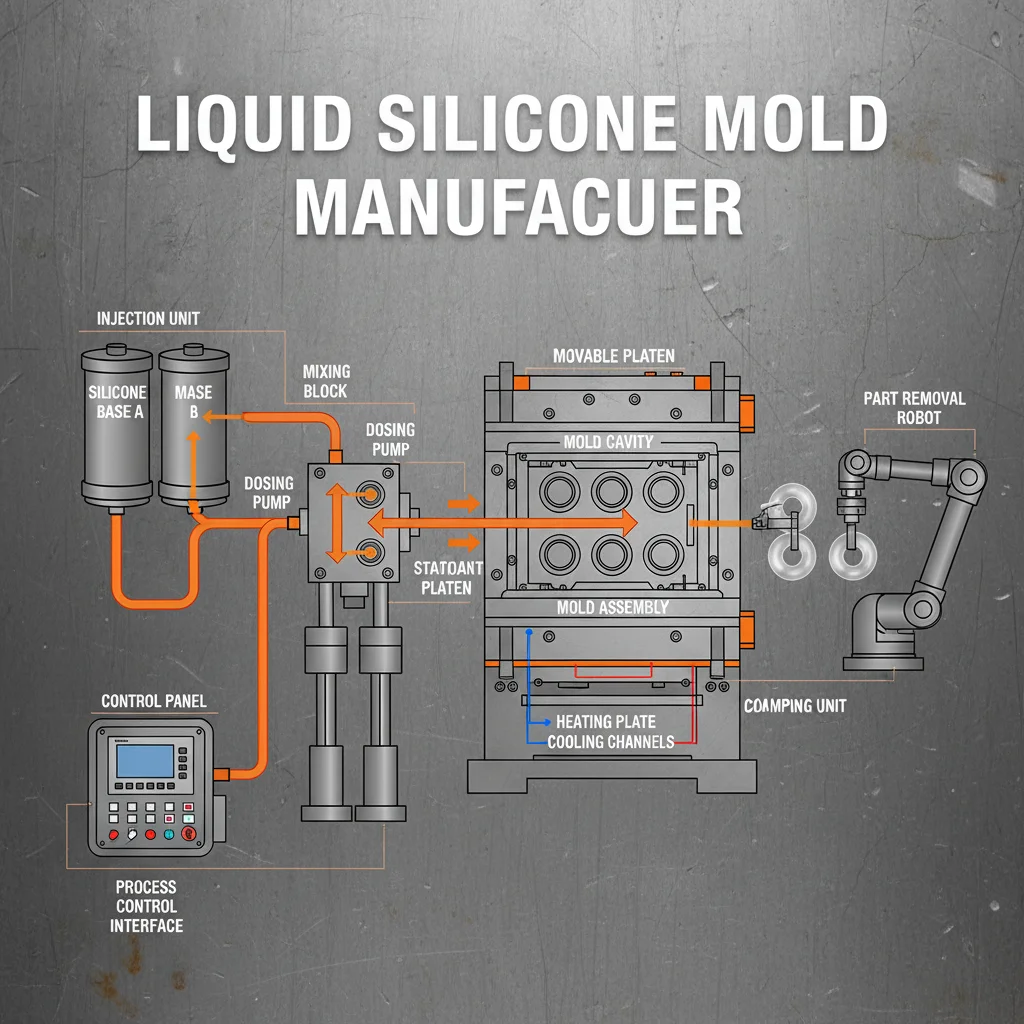
The LSR injection molding process itself leverages automated, temperature-controlled machines ranging from 25 to 500 ton clamp forces. Precise control of injection speed, pressure, and curing time is essential to prevent defects such as flashing, incomplete filling, or air entrapment. Vacuum-assisted molding is integrated when required to suppress bubble formation, particularly in complex accessory geometries used in soft robotics or medical equipment.
Successful precision molding demands close collaboration between mold designers, material scientists, and production engineers to refine shot cycles and venting design, ensuring cumulative tolerances are tightly managed across high-volume production runs.
Material Comparison: Liquid Silicone vs Alternatives
Characteristic
Liquid Silicone Rubber (LSR)
Thermoplastic Elastomers (TPE)
Solid Silicone Rubber (SSR)
Precision & Repeatability
High - Injection molding ensures micron-level accuracy
Moderate - Limited by molding methods
High - But less scalable for complex designs
Material Properties
Excellent heat & chemical resistance, biocompatible
Good flexibility but limited temperature tolerance
Similar to LSR; cured via compression molding
Production Speed
Fast cycle times (typically 15-60 seconds per shot)
Selecting liquid silicone rubber molds unlocks distinctive performance for accessories demanding biocompatibility, durability, and tight tolerances. While TPEs offer cost benefits in low volumes, LSR surpasses in high-precision, heat-resistant, and chemical-stable applications, making it a prime choice for medical-grade or automotive accessory suppliers.
Key Advantages of Our Precision LSR Accessory Molds
Full Industry Chain Integration: From mold prototype design to finished component production, supported by our 55+ liquid silicone molding machines and 30+ advanced testing instruments.
Advanced Material Compatibility: Capable of molding various grades of LSR, including medical and food-grade silicone compliant with FDA and RoHS certifications.
Optimized Venting and Cavity Design: Proprietary mold construction minimizes flash and reduces raw material waste, reflecting findings from Fraunhofer Research.
High-Precision CNC Machining: Ensures mold cavity mirrors project specifications with sub-10 micron surface finishes, essential for optical and micro accessory applications.
Flexible OEM & ODM Solutions: Custom mold design addresses specific accessory geometries and multi-shot molding needs, supporting complex overmolding and hybrid component assemblies.
Rapid Prototyping & Sample Turnaround: Leveraging simulation-driven mold development to achieve sample deliveries within 15-25 days to accelerate your R&D cycle.
ISO 9001 & CE Certified Production: Delivering traceable quality control, precise process validation, and compliance with international standards.
Experienced Export Team: Handling logistics, customs documentation, and optimal container packaging for exports to North America, Europe, and Asia.
Technical Specification Table
Specification
Details
Mold Material
P20 & S136 Stainless Steel with surface polishing (Ra<0.4µm)
Our precision liquid silicone accessory molds serve a broad spectrum of industries where quality, reliability, and customization are paramount. Below are some common application environments:
Consumer Electronics: Custom gaskets, seals, and elastomeric buttons for smartphones, wearables, and headphones requiring exact fit and tactile responsiveness.
Automotive Components: Heat-resistant seals and flexible connectors within new energy vehicle battery systems and sensor assemblies.
Medical Devices: Biocompatible silicone parts used in patient interfaces, wearable monitors, and flexible tubing connectors.
Industrial Appliances: Protective boots and flexible couplings in ruggedized electronics and smart home devices.
A recent project involved producing a multi-cavity mold for a leading European wearable brand’s silicone wristband accessory. Compared to their previous supplier’s tools, our mold demonstrated superior dimensional stability, reducing rejection rates by over 30% and shortening cycle times by 15 seconds on average per shot — a meaningful improvement in high-volume production.
Another example in the medical field leveraged millimeter-scale venting channels in our mold design to prevent air bubble formation in soft silicone implant components. This innovation ensured biocompatible quality while maintaining throughput surge capacity during clinical batch production.
Buyer’s Procurement Guide and Supplier Evaluation
When sourcing precision liquid silicone accessory molds, due diligence is crucial to mitigate risks related to quality, delivery delays, and hidden costs.
Request Detailed Process Documentation: Inquire about mold design validation methods, CAE simulation reports, and quality control checkpoints aligned with ISO or automotive standards.
Sample and Prototype Verification: Evaluate initial mold samples for dimensional accuracy, surface finish, and functional testing in real application conditions.
Assess Certification and Compliance: Confirm factory-level certifications (ISO 9001, CE) and material compliance (FDA, RoHS) relevant to your end products.
Visit or Audit Factory Capabilities: If possible, inspect the production line for molding machines, precision tooling equipment, and testing instruments.
Analyze Lead Times and Logistics: Verify tooling development and serial production lead times, and discuss shipment methods including container packing to minimize damages.
Understand Post-Sale Support: Clarify warranty, mold maintenance services, and potential for OEM/ODM customization adjustments.
Our company, Guangdong Yingtai High Precision Technology Co., Ltd., offers full transparency across these procurement pain points, backed by over 20 years of expertise and a 35,000 m² modern industrial park with a 500+ person professional team.
Frequently Asked Questions (FAQ)
What is the typical lead time for a precision liquid silicone accessory mold?
Generally, tooling completion ranges from 25 to 40 days depending on cavity count and complexity. Sample delivery can be as quick as 15 days with validated designs.
Can you accommodate OEM and ODM molding projects?
Absolutely. Our engineering team collaborates closely from product concept through production, adapting molds for custom designs, multi-material overmolding, and unique functional requirements.
What post-sale services do you offer for molds?
We provide mold maintenance, repair, cleaning, and storage services. Regular inspections help maintain mold integrity and avoid premature wear during production.
How do you ensure quality in full-scale production?
Quality assurance includes in-line dimensional inspection tools, dedicated technician oversight, sample testing for hardness, and verification against regulatory compliance before shipment.
What shipping and logistics options do you support?
We coordinate sea freight with optimized container loading, air freight for urgent shipments, and handle customs clearance documentation to facilitate smooth import for international buyers.
Customer Reviews and Testimonials
Michael T. - Procurement Manager, San Diego
“We switched to Yingtai’s precision LSR molds for our consumer electronics accessories last year. Their expertise in complex cavity design and fast prototype turnaround saved us production time and scrap rate. Definitely recommended for procurement teams that value technical depth and quick response.”
Get in Touch
If you have any camping barbeque equipment inquiry, please feel free to contact us.