Crafting exacting molds and high-performance silicone components for demanding industries across the USA and beyond. Expertise you can trust from prototype to volume production. Navigating the world of liquid silicone rubber (LSR) molding is
Product Details
Precision Liquid Silicone Mold Solutions
Crafting exacting molds and high-performance silicone components for demanding industries across the USA and beyond. Expertise you can trust from prototype to volume production.
Industry Pain Points: Challenges Facing Precision Silicone Mold Users
Navigating the world of liquid silicone rubber (LSR) molding is no small feat. Purchasing Managers and Technical Engineers alike often wrestle with balancing tooling costs, cycle time optimization, and maintaining tight tolerances across thousands of production runs.
Common operational hurdles include:
Managing mold wear and maintenance without costly downtime
Addressing the delicate curing process that impacts silicone strength and flexibility
Consistent dimensional stability across batches, especially for medical-grade and automotive seals
Efficiently integrating overmolding with plastic injection components for multi-material products
Mitigating risks from overseas suppliers lacking robust quality controls or certifications
Optimizing logistics to reduce lead times, while minimizing shipping and customs complications
These pain points can lead to procurement delays and increased costs — a real headache when manufacturers demand high-volume, precise silicone parts at short notice. Learning how to navigate these challenges with a trusted supplier is critical for winning procurement bids, improving operational workflows, and sustaining product quality.
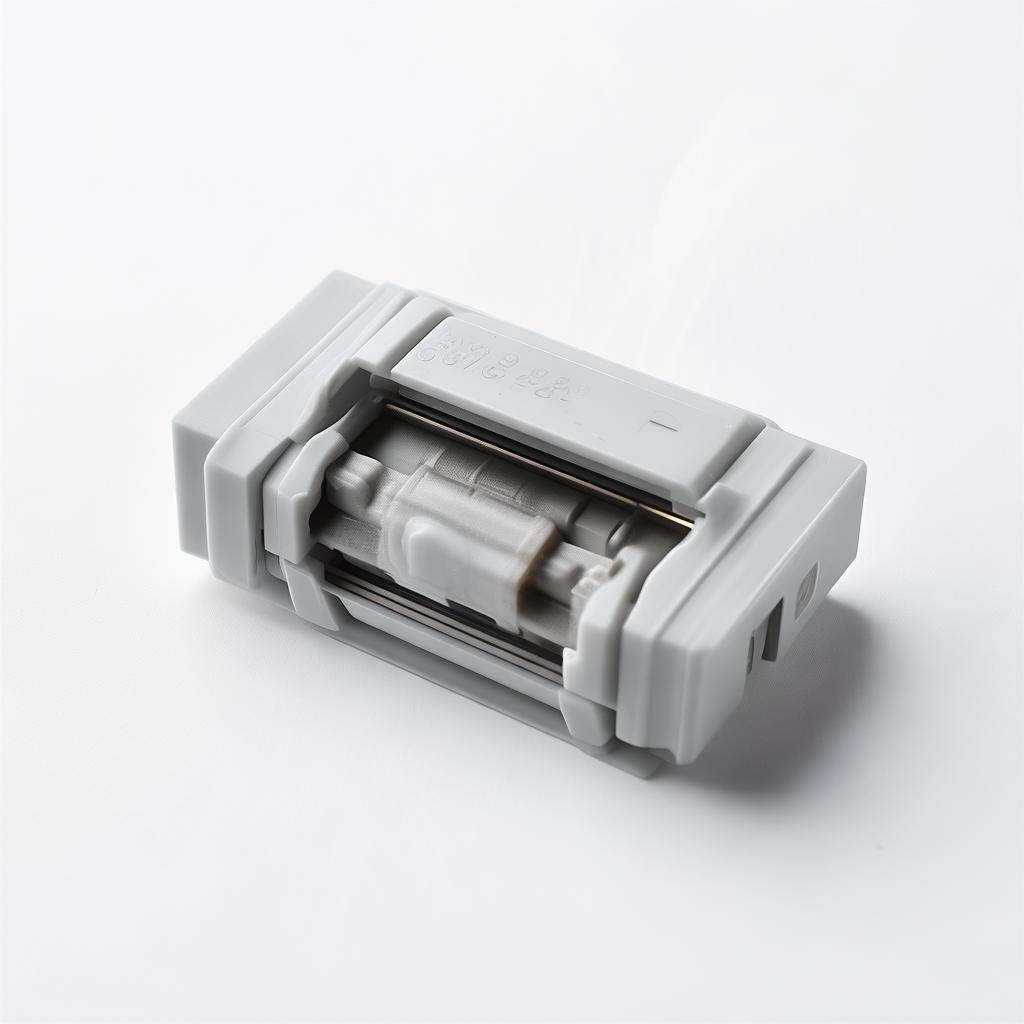
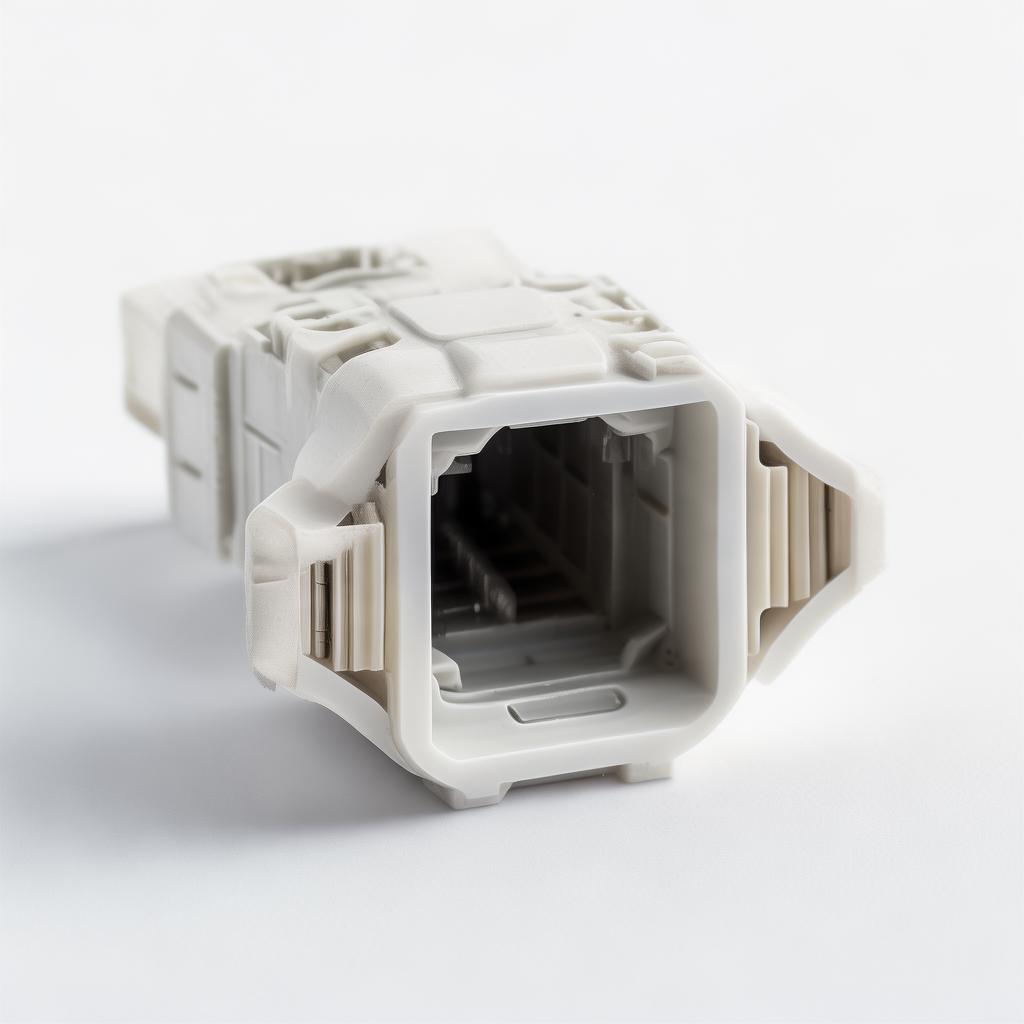
Liquid silicone rubber offers unique advantages over traditional silicone due to its low viscosity, enabling complex geometry molding with superior surface finish and tight tolerances. But precision molds designed for LSR require specialized engineering and tooling.
Key Technical Aspects:
Mold Materials: High-grade stainless steel or tool steel with polished cavities ensures smooth flow and release of silicone, avoiding flash defects.
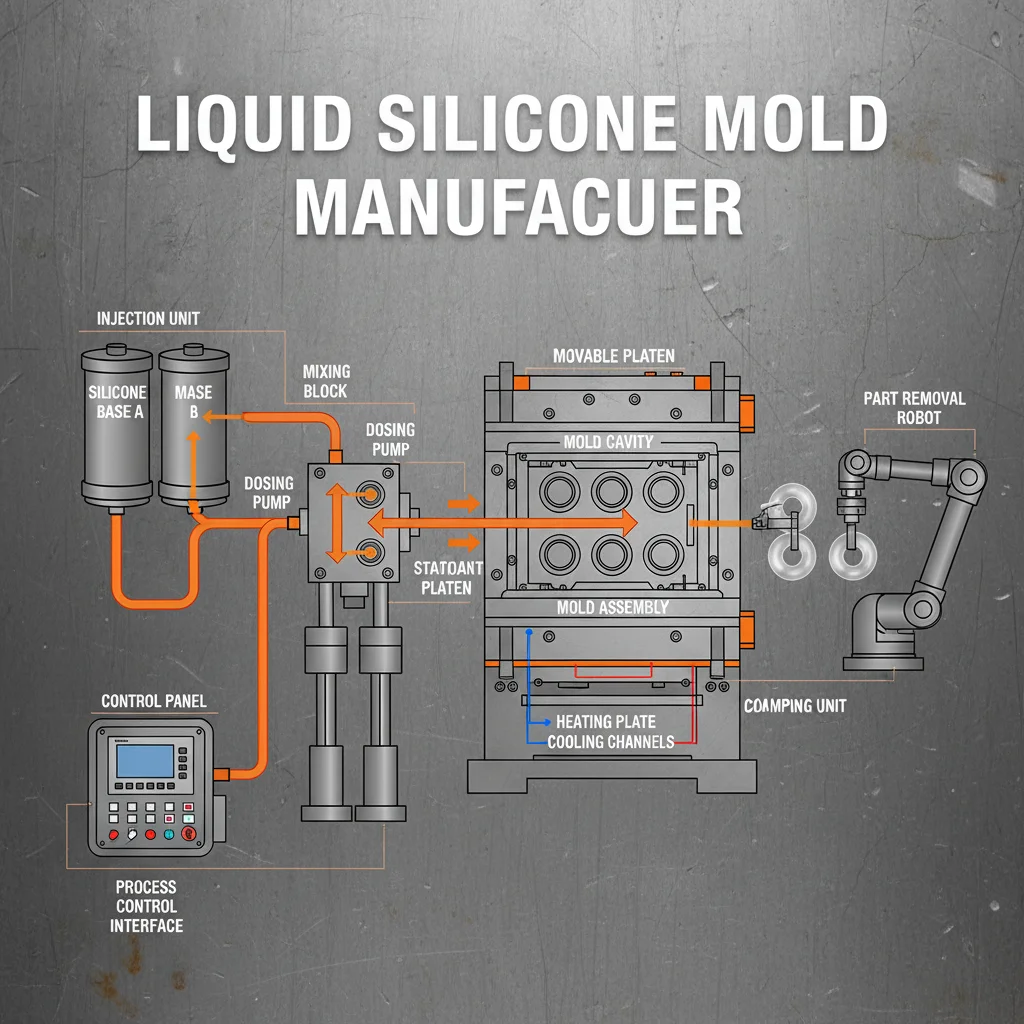
Injection Processes:Volume-controlled two-component injection machinery combined with cold runner systems reduce material waste and cycle times.
Curing Control: Precise temperature regulation—typically 140–170°C—and pressure management are crucial for consistent mechanical and thermal properties of LSR parts.
Simulation & CAE: Advanced programs integrating rheological and thermal data (per recent MDPI studies[1]) are vital for preempting defects and optimizing mold design.
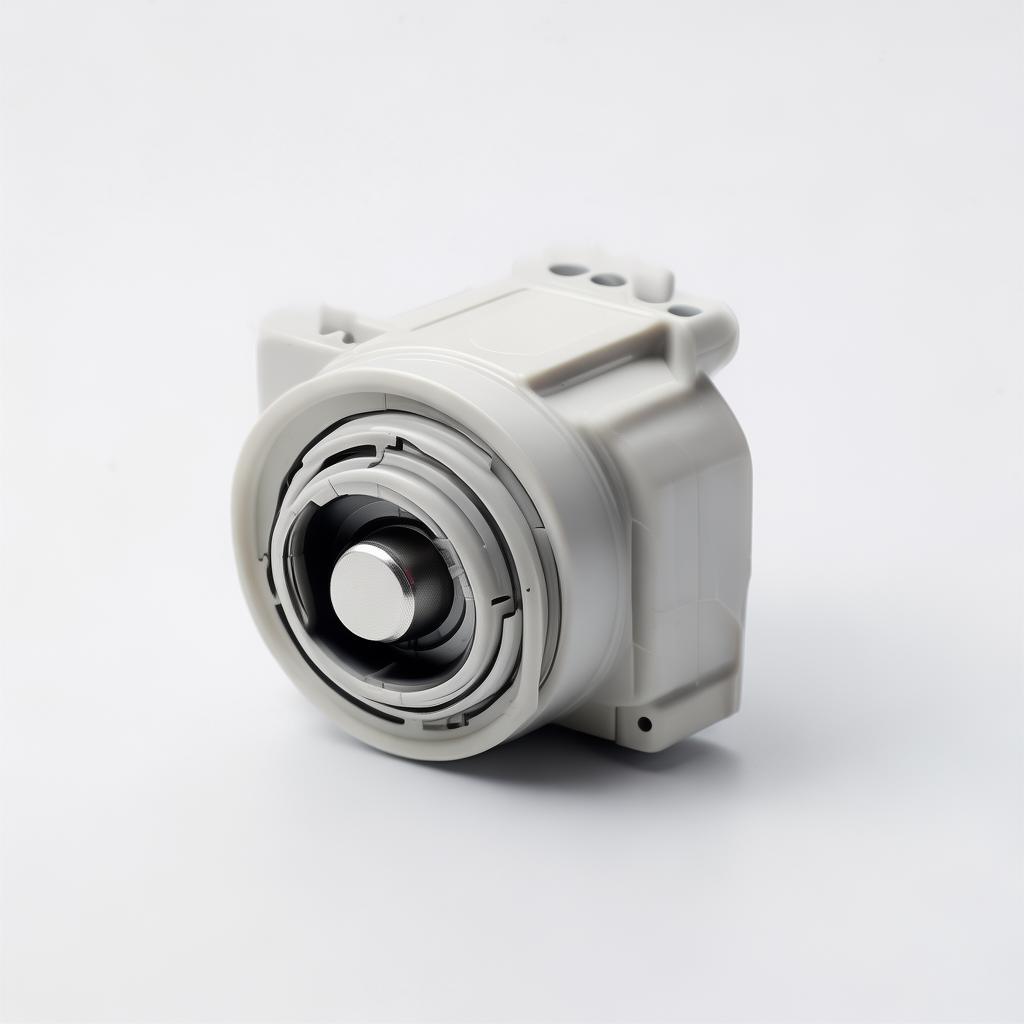
Overmolding Capabilities: Multi-shot injection injection molding with thermoplastics (ABS, PC) enables functional hybrid components for medical devices and automotive applications.
Material Comparison Table
Material
Viscosity
Curing Temperature (°C)
Typical Applications
Certifications
Liquid Silicone Rubber (LSR)
Low
140–170
Medical devices, automotive seals, consumer electronics
Integrity in mold design paired with advanced material knowledge reduces defects such as flash, incomplete filling, and curing inconsistencies. Specialized vent system designs and multi-axis CNC machining allow molds to withstand high pressure without warping, improving life span and reducing maintenance frequency.
Application Scenarios: Where Precision Liquid Silicone Molds Shine
The versatility of liquid silicone molds extends across numerous sectors demanding high-quality, reliable silicone products.
Medical Devices: Components like seals, membranes, and tubing benefit from LSR’s biocompatibility and sterilization tolerance.
Automotive Industry: Seals, gaskets, and vibration dampers requiring heat resistance and durability at scale.
Consumer Electronics: Overmolded buttons and protective gaskets for phones, wearables, and other devices.
Household Appliances: Sealing solutions and flexible parts that withstand temperature cycles and chemical exposure.
New Energy Vehicles: Battery pack seals, connectors, and insulation components demanding electrical stability.
In practice, over 80% of our clients leverage our custom OEM/ODM capabilities to tailor LSR components precisely to their product needs — saving downtime and material waste from poorly specified molds. For instance, a US-based wearable device manufacturer reported a 12% reduction in product returns after switching to precision LSR molds optimized for their production flow.
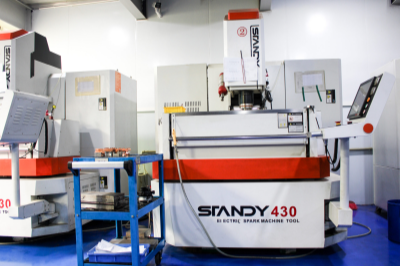
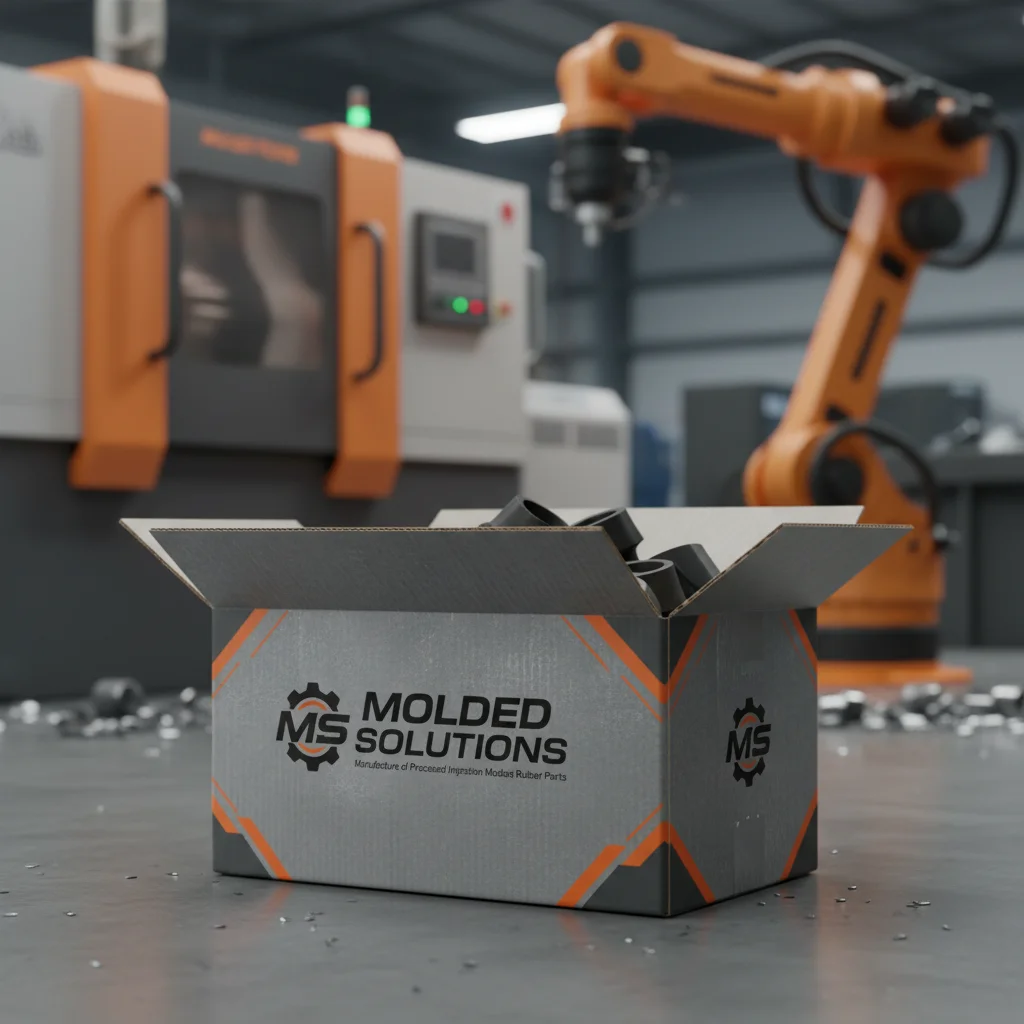
Advanced liquid silicone molding line at Yingtai High Precision Technology's Dongguan factory
Procurement Guidance & Risk Reduction
For Procurement Directors and Operations Managers sourcing precision liquid silicone molds, partnering with a supplier who demonstrates both technical expertise and proven industrial capacity is pivotal.
Several considerations aid in reducing procurement risks:
Certification Verification: Request ISO 9001, ISO 13485 (for medical parts), CE, RoHS, and FDA compliance documentation to ensure material and process traceability.
Prototype & Sampling: Insist on prototype runs before full production. This step sharpens mold accuracy and identifies potential process optimizations.
Lead Time Transparency: Confirm realistic manufacturing lead times, including tooling design, mold approval, and batch production dynamics to align with your project schedules.
OEM/ODM Flexibility: Ensure the supplier can accommodate design changes during early product development phases without incurring substantial tooling costs.
Logistics Coordination: Discuss container loading optimization and customs handling due to the fragile nature of silicone parts and molds.
The Yingtai factory operates a fully integrated production line — featuring 55 liquid silicone molding machines and in-house mold processing facilities — cutting dependency on third-party tool shops. Our team supports single-point communication, ensuring expedited iterations and consistent compliance.
Contacting our export team early to discuss your project’s specifications and certification needs can streamline your sourcing timeline considerably.
Frequently Asked Questions (FAQs)
What certifications should I look for in a liquid silicone mold supplier?
Ideally, suppliers should hold ISO 9001 quality management certification, and depending on your industry, also certifications like ISO 13485 for medical devices, FDA compliance for food or medical grade silicone, and CE marking. RoHS compliance verifies environmental safety for electronics applications.
What is the typical lead time for producing a precision LSR mold and parts?
Mold design and tooling can take anywhere from 6 to 12 weeks depending on complexity. After mold approval, part production cycles range from days for small batches to weeks for larger volumes. Allow additional time for sampling and validation to reduce surprises in mass production.
How do I ensure dimensional stability across production batches?
Precision molds with well-controlled gating, runner systems, and balanced cavities are essential. Maintaining consistent curing temperatures, monitoring injection pressure, and preventative mold maintenance minimize shrinkage and warpage.
What are the advantages of OEM/ODM services for LSR products?
OEM/ODM partnerships provide turnkey solutions — from material sourcing and mold design to final assembly. This arrangement reduces supplier bench time, lowers tooling risks, and supports rapid iteration with fewer intermediaries, ideal for fast-moving sectors like wearables or automotive.
How do logistics affect quality and costs for shipped silicone molds and parts?
Silicone molds require careful packaging to prevent damage during transit, particularly in container shipping. Proper communication regarding customs documentation and transport conditions helps avoid delays and additional fees — impacting total landed costs.
What Our Clients Say
Thomas Myers, Procurement Manager, California
“Working with Yingtai’s precision LSR mold team streamlined our medical device production. They helped us cut prototype iterations by half and the mold quality held perfectly during volume runs. Solid communication and no surprises—exactly what buyers need.”
Get in Touch
If you have any camping barbeque equipment inquiry, please feel free to contact us.