Specialized Mold Design & Manufacturing for High-Performance Liquid Silicone Rubber (LSR) Injection Molding When sourcing precision liquid silicone parts factory molds, procurement managers and technical engineers face a unique set of operational complexities. Unlike
Understanding Industry Challenges in Precision LSR Mold Manufacturing
When sourcing precision liquid silicone parts factory molds, procurement managers and technical engineers face a unique set of operational complexities. Unlike conventional plastic injection molds, LSR molds demand stringent control over factors such as temperature regulation, cavity sealing, and venting to avoid defects like flash, bubbles, or incomplete filling. The intricate geometries typical of silicone parts require molds fabricated with exceptional surface finish and dimensional accuracy — underscoring the importance of comprehensive mold design expertise.
Several challenges persist on the procurement side:
Material compatibility: Selecting suitable mold steels and surface coatings to endure corrosive silicone curing agents and thermal cycles.
Cycle time optimization: Balancing mold temperature control and injection parameters to reduce production downtime and maintain product quality.
Supplier transparency: Ensuring factories demonstrate proven testing capabilities and meet international standards like ISO 9001:2015 and CE certifications.
Cost vs quality trade-offs: Lower tooling investments can yield higher scrap rates or require costly post-processing.
Logistics hurdles: Overseas manufacturing often entails extended lead times and container loading complexities for bulky mold tooling.
Industry reports from GrandView Research (2023) and Research Nester (2025) emphasize the rising demand for precision molded LSR components in medical devices, automotive parts, and consumer electronics, fueling mold complexity and performance expectations. This expanding market explains why manufacturing partners need deep expertise and robust quality management to deliver molds that meet stringent tolerances and lifecycle requirements.
From an operations manager’s perspective, unexpected mold maintenance or production disruption can cascade into costly supply chain delays. Thus, selecting a reputable supplier who understands manufacturing challenges—including mold wear rates, surface treatment options (like nitriding or DLC coatings), and thermal stability—is critical for sustainable production.
Technical Insights into Precision Liquid Silicone Rubber Mold Design
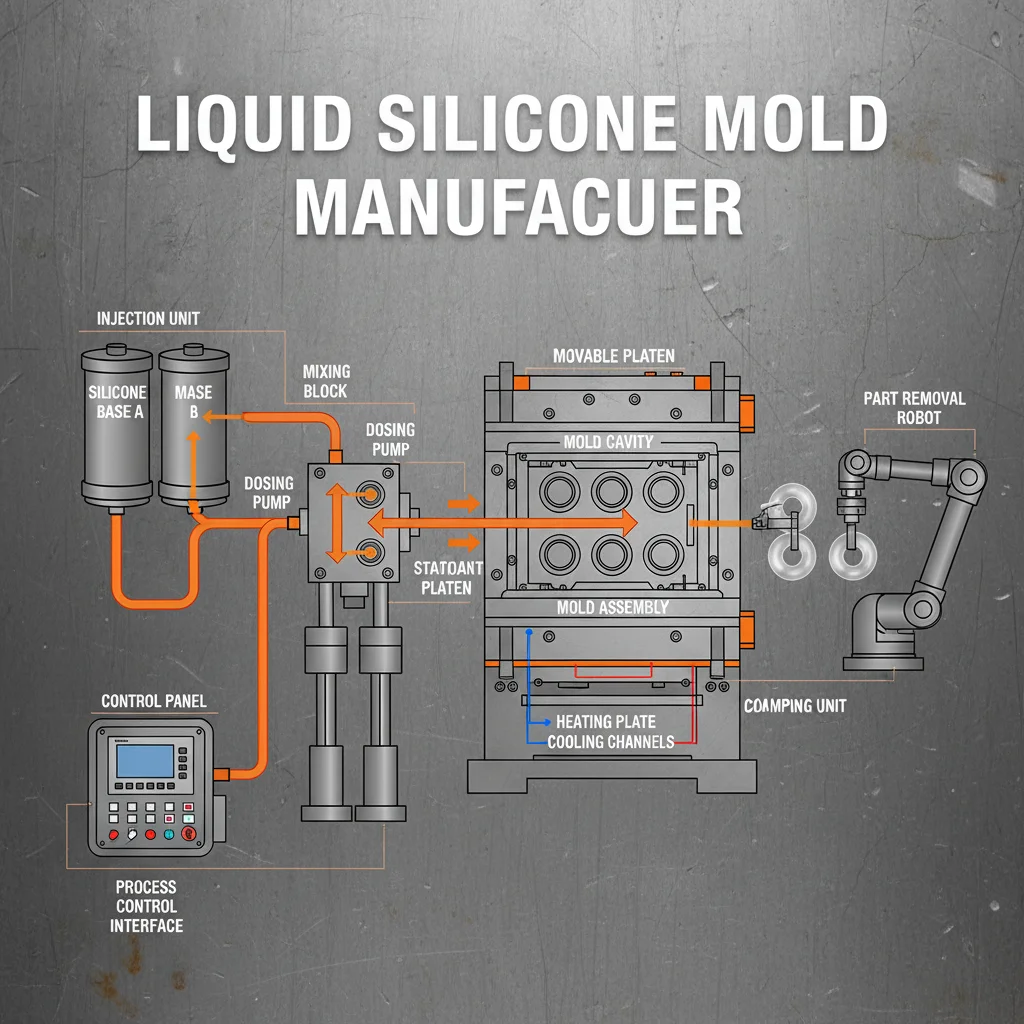
Precision molds for liquid silicone injection molding require a blend of advanced metallurgy, computational simulation, and practical production knowledge. Modern LSR molds are frequently made from high-grade stainless or tool steels with surface coatings to prevent adhesion and facilitate rapid demolding.
Key Mold Design Elements
Hot runner systems: Ensure consistent melt temperature and minimize cold spots.
Multi-cavity balancing: Critical for uniform filling and reducing cycle variations.
Advanced venting: Prevents air entrapment and flash; precision vent channels and membrane valves are standard.
Thermal regulation: Cooling/heating channels embedded close to cavity surfaces to maintain even temperature profiles, adhering to curing requirements typically between 160-230℃.
Surface finish: Polishing levels from 400 grit (for standard seals) to mirror finish (e.g., Ra0.1) for optical or medical-grade components.
Mold Lifecycle & Maintenance Considerations
Industrial engineers note typical mold lifespans range from 500,000 up to 2 million cycles depending on maintenance frequency and material handling. Regular inspection of gating systems, seals, and venting mechanisms extends tooling longevity. Many precision factories implement statistical process control (SPC) to monitor cavity wear and proactively schedule maintenance—ensuring mold integrity and part consistency.
Recent research highlights the importance of high-quality rheological data and comprehensive CAE simulation to predict curing and mold filling behavior accurately, reducing rework and shortening lead times (MDPI Polymer Study).
Primary Application Areas for Precision LSR Molded Components
LSR injection molding excels where flexibility, biocompatibility, and thermal resistance are mandatory. Our molds serve key sectors demanding exquisite parts with tight tolerances:
Medical Devices: Seals, gaskets, flexible membranes, and wearable healthcare components requiring ISO 10993 biocompatibility standards compliance.
New Energy Vehicles: High-temperature-resistant gaskets, sensors, and protective boots for electric drive trains and battery packs, often with UL94 V-0 flame retardant silicone formulations.
Consumer Electronics & Wearables: Soft-touch buttons, sealing rings, and protective bumpers with precise color and surface finish requirements following RoHS and REACH directives.
Industrial Appliances: Durable seals for pumps, valves, and electronic enclosures, often requiring FDA food-grade silicone compliance.
Our expertise includes multi-shot overmolding where LSR interfaces with rigid plastics such as ABS or PC—achieving robust bonding and functional hybrid components. As recent studies show, optimizing mold temperature and surface activation have proven critical to ensuring adhesion in these multi-material molds.
Procurement Guide & Risk Reduction for Buyers
Selecting the right mold factory is as technical as it is strategic. Procurement directors should consider these operational points:
Ask for detailed process flow charts: Transparency about mold design, prototype cycles, and testing protocols reveal technical mastery.
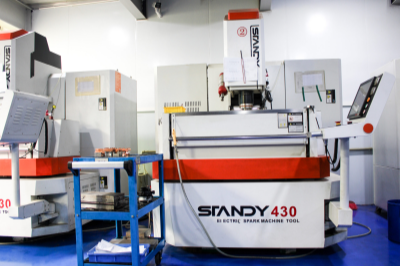
Verify equipment & capacity: Confirm availability of precision CNC, EDM, and polishing machines suitable for your mold size/specifications.
Request sample molds and trial parts: Validate surface finish, dimensional accuracy, and cycle stability under expected production environments.
Evaluate lead times realistically: Mold build duration typically ranges 45–90 days depending on complexity and iteration cycles. Rushing compromises quality.
Ensure certifications & compliance: ISO 9001, CE, FDA, and RoHS demonstrate factory commitment to global standards and product safety.
Negotiate support for OEM/ODM: Flexibility in tooling design changes and post-sale technical assistance is vital for evolving product lines.
Practical tip: Avoid just focusing on the lowest bid. Lower-cost molds often generate double the total cost over their lifecycle due to scrap, maintenance, and downtime.
20 hydraulic presses dedicated to solid silicone processing
30+ precision mold processing equipment including CNC, EDMs, and finishing tools
20+ testing instruments for dimensional, thermal, and tensile evaluation
Our internal industrial chain integrates everything from mold development, pilot samples, in-line production, and quality assurance — enabling seamless minimum cycle times and high repeatability.
Certifications and compliance:
ISO 9001:2015
CE
FDA compliant materials
RoHS
Since our founding over two decades ago, we have focused on customer-centric collaborations, particularly in OEM and ODM projects involving electronics, automotive, and consumer appliances. Our 500+ workforce and in-house engineering teams emphasize rapid turnaround and iterative tooling improvement.
Logistics considerations: We regularly handle international containerized shipments with standard lead times of 30–40 days. Customized packing and crate design prevent mold damage during transit.
Common Buyer Questions on Precision LSR Mold Manufacturing
What is the typical lead time for precision LSR mold production?
Lead time usually varies between 6 to 12 weeks depending on mold complexity, cavity count, and material availability. Complex multi-cavity molds or multi-shot tooling may require additional design and testing time.
How do we ensure mold quality meets medical or aerospace standards?
Verify factory certifications (ISO 13485 for medical devices), request material traceability, and insist on process documentation including cavity pressure, temperature logs, and trial mold runs with sample parts.
Are custom designs or modifications supported post-tooling?
Leading suppliers offer OEM/ODM services with engineering consultation to adjust gate sizes, venting, or cavity polish based on early production feedback.
What are typical mold maintenance requirements?
Preventive maintenance every 250k cycles involving cavity inspection, vent cleaning, and re-polishing extends mold life substantially.
Michael H., Procurement Manager, US-based MedTech Firm
“Yingtai delivered our multi-cavity LSR molds right on time with excellent attention to detail. Their engineering team helped optimize thermal channel layout, reducing cycle downtime by at least 10%. We saw a noticeable drop in scrap rates after switching from previous suppliers.”
Get in Touch
If you have any camping barbeque equipment inquiry, please feel free to contact us.







 Michael H., Procurement Manager, US-based MedTech Firm