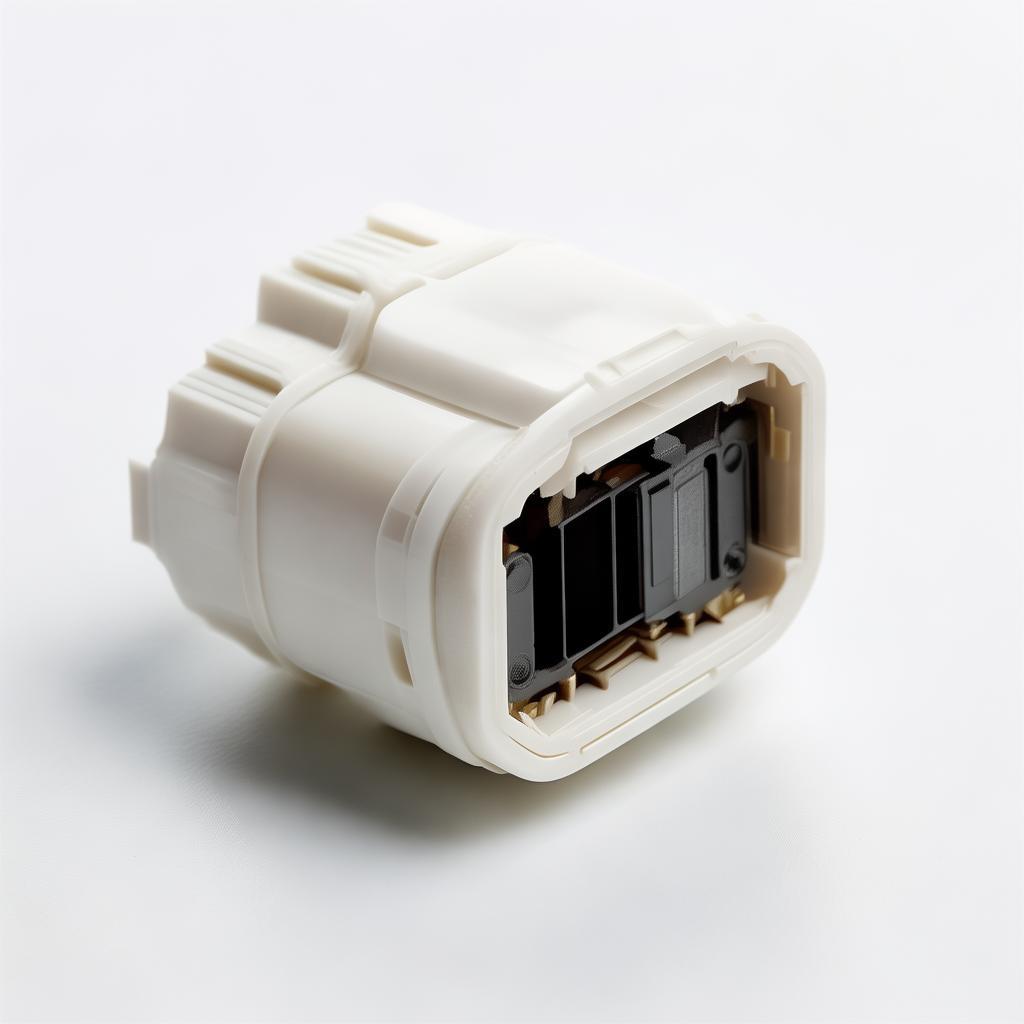
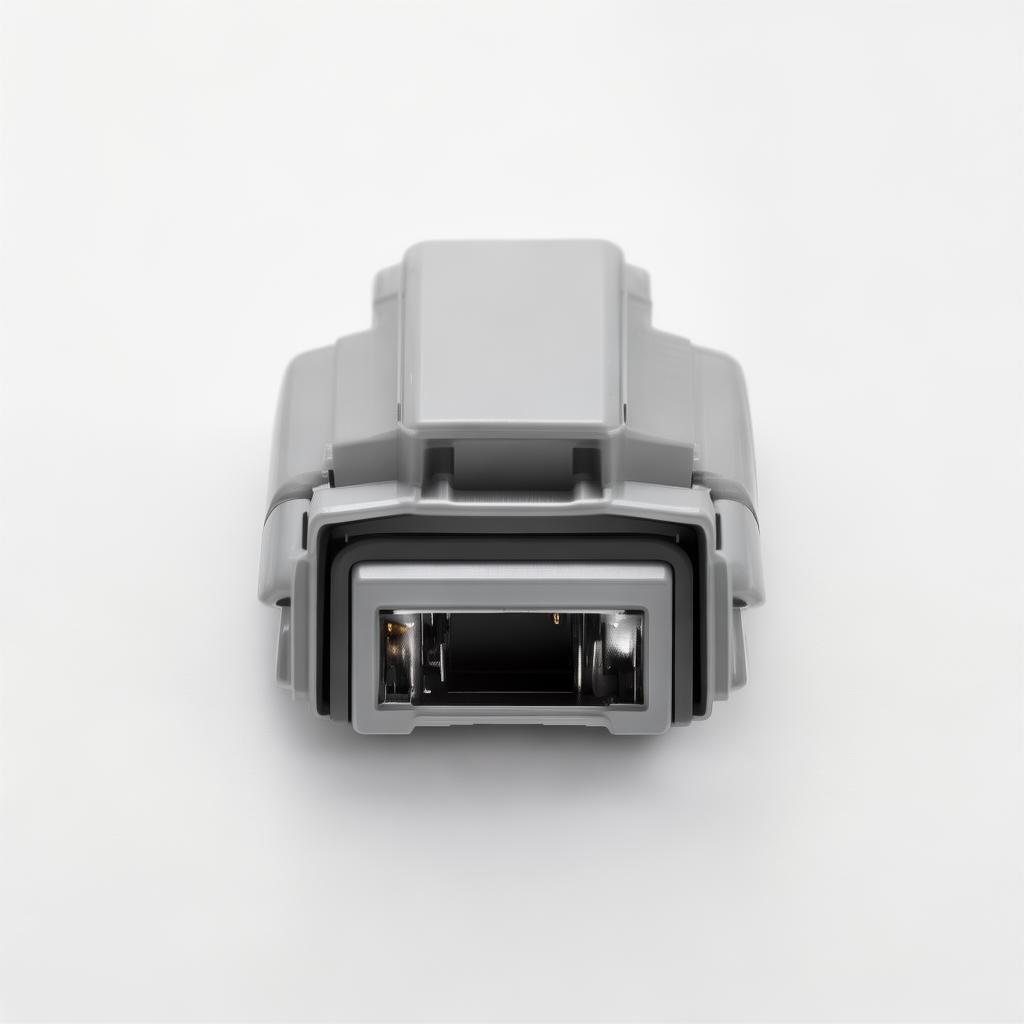
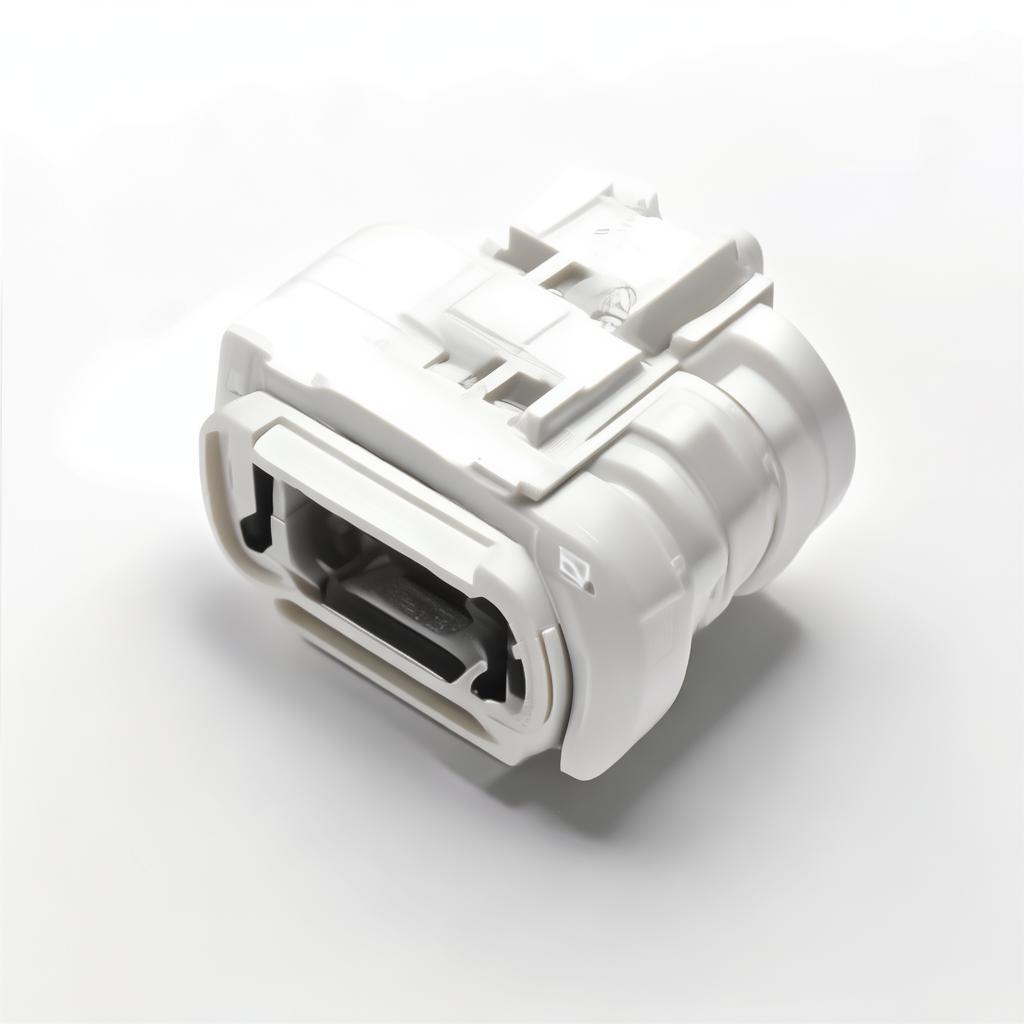
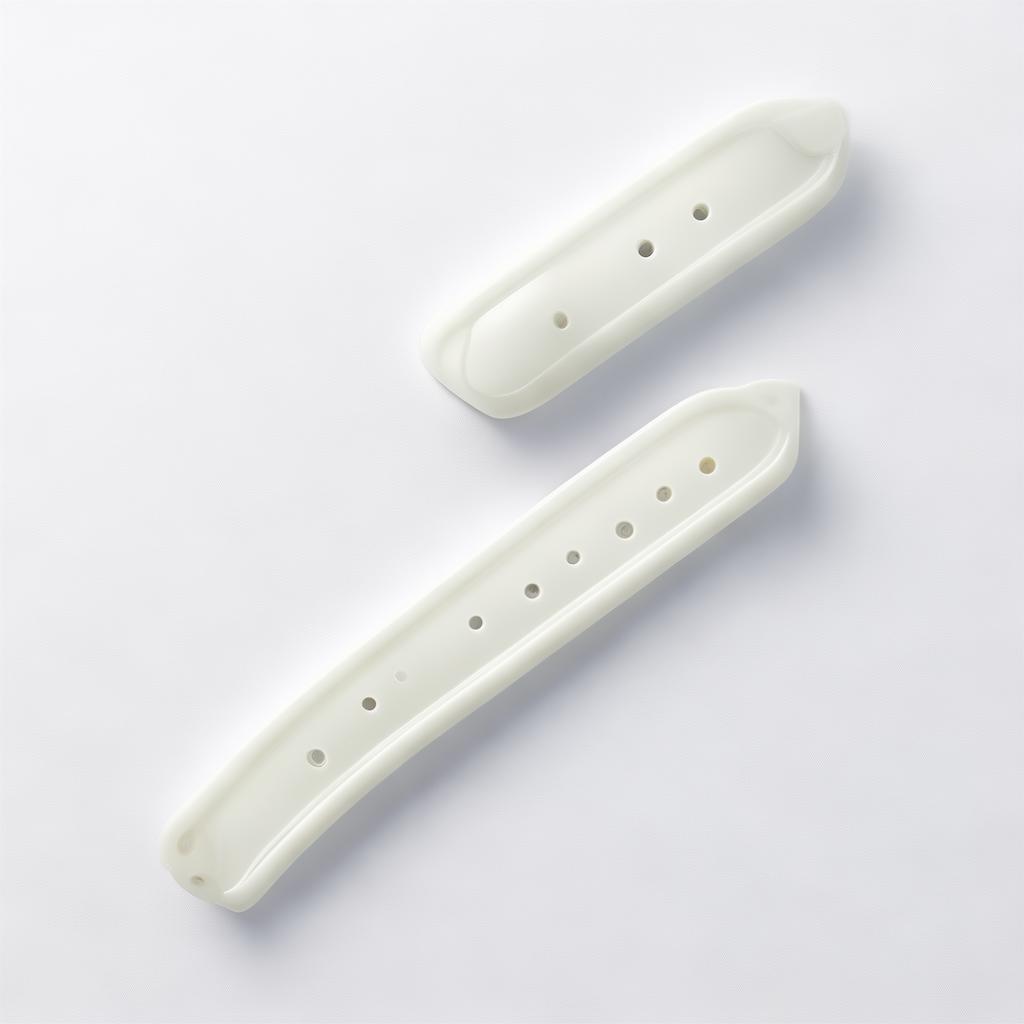
Guangdong Yingtai High Precision Technology Co., Ltd. — Industry Experts in Liquid Silicone Molding Solutions The global market for Liquid Silicone Rubber (LSR) injection molding is expanding rapidly, driven by the increasing demand for
Product Details
Precision Liquid Silicone Parts Mold: Engineering Excellence for High-Performance Manufacturing
Guangdong Yingtai High Precision Technology Co., Ltd. — Industry Experts in Liquid Silicone Molding Solutions
Introduction: Why Precision and Material Matter in Liquid Silicone Molding
The global market for Liquid Silicone Rubber (LSR) injection molding is expanding rapidly, driven by the increasing demand for high-precision, durable, and biocompatible silicone components. At Guangdong Yingtai High Precision Technology Co., Ltd., we've witnessed firsthand how precision mold tooling paired with advanced LSR processing can revolutionize production standards across multiple industries—from automotive sealing systems and wearable electronics to medical devices requiring impeccable surface quality and dimensional accuracy.
Liquid Silicone Rubber’s unique material properties—excellent thermal stability, chemical inertness, and flexibility—make it a natural candidate for applications where performance cannot be compromised. However, achieving consistent quality hinges heavily upon the mold’s precision and manufacturing process control. Our 35,000 square meter advanced industrial park in Dongguan, China, integrates over 55 sets of specialized LSR injection molding machines alongside cutting-edge mold processing equipment, enabling reliable manufacturing workflows tailored to complex geometries and tight tolerance requirements.
Technical nuances, such as mold temperature control, precise injection pressures, and cavity venting, are not trivial details—they determine repeatability and minimize defects like flashing, sink marks, or internal voids. Leveraging decades of experience, our engineers understand these subtleties and apply robust process simulation tools and stringent quality assurance methods ensuring superior product consistency.
Industry reports forecast that the LSR market is expected to almost double between 2023 and 2034, fueled by sectors demanding exquisite, intricate silicone parts that regular molding materials can’t economically or technically match 【Grandview Research】【Research Nester】【Market.us】. Such growth reinforces the solid business case for partnering with suppliers who not only understand injection molding mechanics but also material science, mold design, and supply chain logistics.
Ready to explore how precision molding impacts your bottom line? This page will walk through common industry challenges, our unique process strengths, detailed technical specifications, application insights, and procurement advice tailored explicitly for importers, purchasing managers, and engineers involved in global silicone component sourcing.
Industry Pain Points & Manufacturing Challenges in LSR Molding
Injection defects: Air entrapment and improper venting cause bubbles, flash, or incomplete filling, directly leading to wasted material and increased reworks.
Tooling costs and cycle times: High precision molds with multi-cavity designs require sizeable upfront investment and expert engineering to shorten cycle times without sacrificing quality.
Material consistency and curing: Variability in LSR batches can affect crosslinking speed and ultimate mechanical properties, posing challenges in maintaining tight tolerances and uniform finishes.
Overmolding complexity: Combining silicone parts with thermoplastics (e.g., ABS) demands optimized process parameters to ensure reliable adhesion and dimensional stability.
Supply chain and logistics: Fragile precision molds necessitate cautious transport, packaging, and lead time management—especially for overseas shipping to meet strict production schedules.
Vendor transparency and communication: Procurement teams often struggle with opaque lead times, insufficient technical data, or lack of process optimization dialogue, raising risk levels.
Practical procurement wisdom dictates choosing an experienced partner who understands these pitfalls and applies both process engineering innovations and collaborative planning to mitigate risks.
Technical Deep Dive: Mold Design & Materials
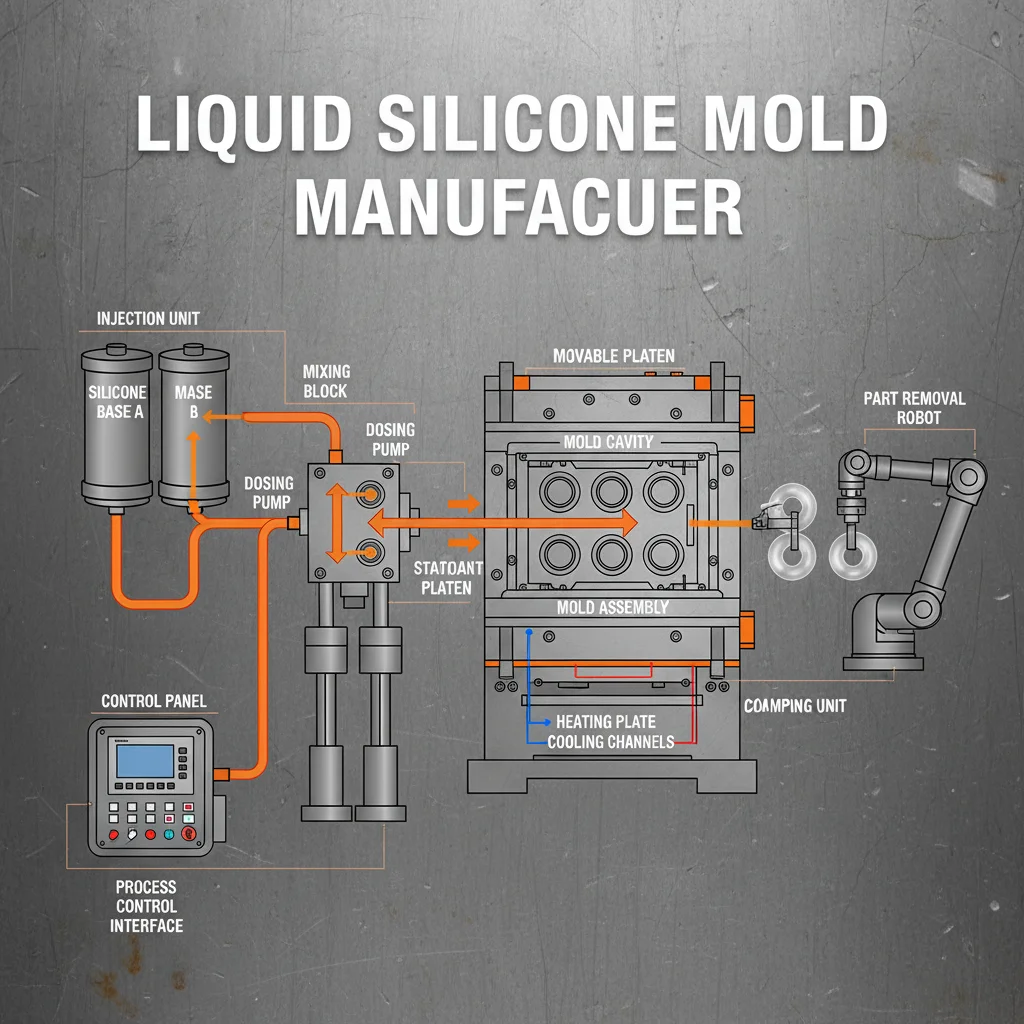
Precision liquid silicone molds require specialty tooling considerably different from traditional plastic molds. At Yingtai, we employ multi-slide mold bases crafted from tempered steel with surface coatings designed for wear resistance and low friction. Engineering teams prioritize cavity balancing—careful control of gate locations and runner systems—to ensure uniform injection pressure and consistent filling.
Core Process Features Include:
High-temperature mold plates maintaining 160-180°C to optimize silicone curing kinetics and reduce cycle times.
Vacuum venting channels integrated within inserts to minimize trapped air and bubble defects (inspired by Fraunhofer research on waste reduction).
Automated injection systems capable of precise volumetric dosing and pressure monitoring for repeatability.
Multi-shot injection capabilities allowing overmolding of LSR with thermoplastics such as ABS for hybrid component manufacturing.
Material Know-How: Our molds are tailored to liquid silicone rubber grades sourced according to ISO 10993 biocompatibility standards, FDA food contact compliance, and material certifications including RoHS and REACH. We also accommodate custom compound formulations with specific hardness, tensile strength, and UV resistance per application needs.
Sourcing liquid silicone molds is not simply about manufacturing parts; it’s about securing a production asset engineered for longevity, consistency, and adaptability. Here's where our expertise shines:
End-to-End Development: From 3D CAD design, rapid prototyping, to precision CNC mold fabrication – all under one roof to accelerate turnaround.
Advanced Quality Controls: Dimensional inspections, cavity pressure monitoring, and in-process temperature logging ensure parts meet stringent specs.
OEM & ODM Expertise: We collaborate closely with clients for tailored molds that fit specific application conditions like medical implants or automotive electronics.
Sustainable Manufacturing: Lean practices and optimized venting reduce material waste, aligning with cost and environmental priorities.
Flexible Cavity Design: Ability to manufacture single to multi-cavity molds matching product volume requirements without compromising cycle efficiency.
Global Shipping & Compliance: Prepared export documentation, CE, FDA, and ISO certifications assure smooth customs clearance and quality guarantee.
Many clients tell us that working with suppliers who understand both material behavior and supply logistics — simultaneously makes a world of difference. Knowing when to push cycle speed and when to adjust venting prevents shipment delays and costly rejects.
Application Scenarios & Industry Use Cases
Precision liquid silicone parts find their place across diverse fields, where tolerances and material properties are mission-critical:
New Energy Vehicles: Seals and gaskets resistant to elevated temperatures and chemical exposure prolong battery and motor life.
Consumer Electronics: Keypads, overmolded buttons, and waterproof seals demand tactile responsiveness and durability.
Medical Devices: Components such as catheters and seals require biocompatibility and precise dimensions.
Smart Wearables: Soft, flexible parts for sensors and protective elements able to endure frequent handling and sweat exposure.
Industrial Appliances: Vibration dampeners and insulating components for long operational lifetimes under harsh manufacturing conditions.
In many cases, success depends on optimized mold design tailored exactly to the product’s stress points and functionality. For example, integrating vacuum venting has helped customers reduce the failure rates in tight-tolerance medical seals—a detail which less experienced providers overlook.
Practical Procurement Guide: Reducing Risks in LSR Mold Sourcing
Evaluate supplier experience: Look for verified OEM/ODM capabilities, successful export track record, and presence of ISO 9001 and industry-specific certifications.
Request technical documentation: Process flow maps, material certificates, mold maintenance schedules, and defect rate statistics provide valuable procurement leverage.
Clarify tooling ownership and warranties: Understand if molds remain your property, support for repairs, and any hidden costs.
Negotiate lead times aligned to your production planning: Confirm mold manufacturing durations, sampling cycles, and contingency handling for rework.
Sample before scale: Insist on free or low-cost prototype shots to verify part fit, tolerance, and surface finish with your engineering teams.
Shipping strategies matter: Choose optimized packaging for precision molds, consider sea freight container loading vs. air cargo for urgent tooling needs.
Stay engaged through design reviews: Early collaboration reduces costly iterations and improves mold-to-part alignment.
With multiple suppliers in the market, internal stakeholders often undervalue technical partner vetting—putting procurement risk on the line. By emphasizing transparent communication, technical depth, and mutual accountability, you protect your capital investment and production continuity.
Buyer FAQs: What Every Importer Should Know
Q1: What makes liquid silicone molds different from standard plastic injection molds?
A: LSR molds must withstand higher injection pressures and temperatures (~170-210°C). The thermoset nature of silicone demands specialized mold surface treatments and precise venting to prevent defects like flashing and voids, unlike standard thermoplastics.
Q2: Can I combine LSR with other materials in a single mold?
A: Yes. Advanced molds support two-shot or multi-component injection molding, allowing overmolding onto plastics like ABS. This requires precise thermal control and surface activation to ensure strong bonding.
Q3: How do lead times typically look for precision LSR mold projects?
A: Mold manufacturing generally ranges from 4-10 weeks depending on cavity number and complexity. This excludes tooling sampling (~1-2 weeks) and adjustments. Early engagement accelerates iterations.
Q4: What support is offered post-delivery regarding mold maintenance?
A: We provide detailed maintenance manuals, periodic inspection checklists, and remote technical consulting to maximize mold life—typically 1-2 million shots with regular upkeep.
Q5: Are there certifications to ensure mold quality and compliance?
A: Our production follows ISO 9001 standards, with molds and materials compliant to CE, RoHS, FDA (where applicable). We can share relevant test reports on request.
Customer Reviews & Real-World Feedback
Michael T., Procurement Manager, Automotive OEM, Detroit
“Yingtai’s LSR molds delivered beyond expectations. Our product tolerances are tighter now, and cycle times improved slightly without compromising surface finish. Their technical team helped prevent costly venting mistakes that had plagued previous suppliers.”
Get in Touch
If you have any camping barbeque equipment inquiry, please feel free to contact us.