By Mark Chen , Export Director – Guangdong Yingtai High Precision Technology Co., Ltd. Manufacturing precision liquid silicone products demands expertise well beyond standard injection molding. In industries from medical technology to automotive, the
Product Details
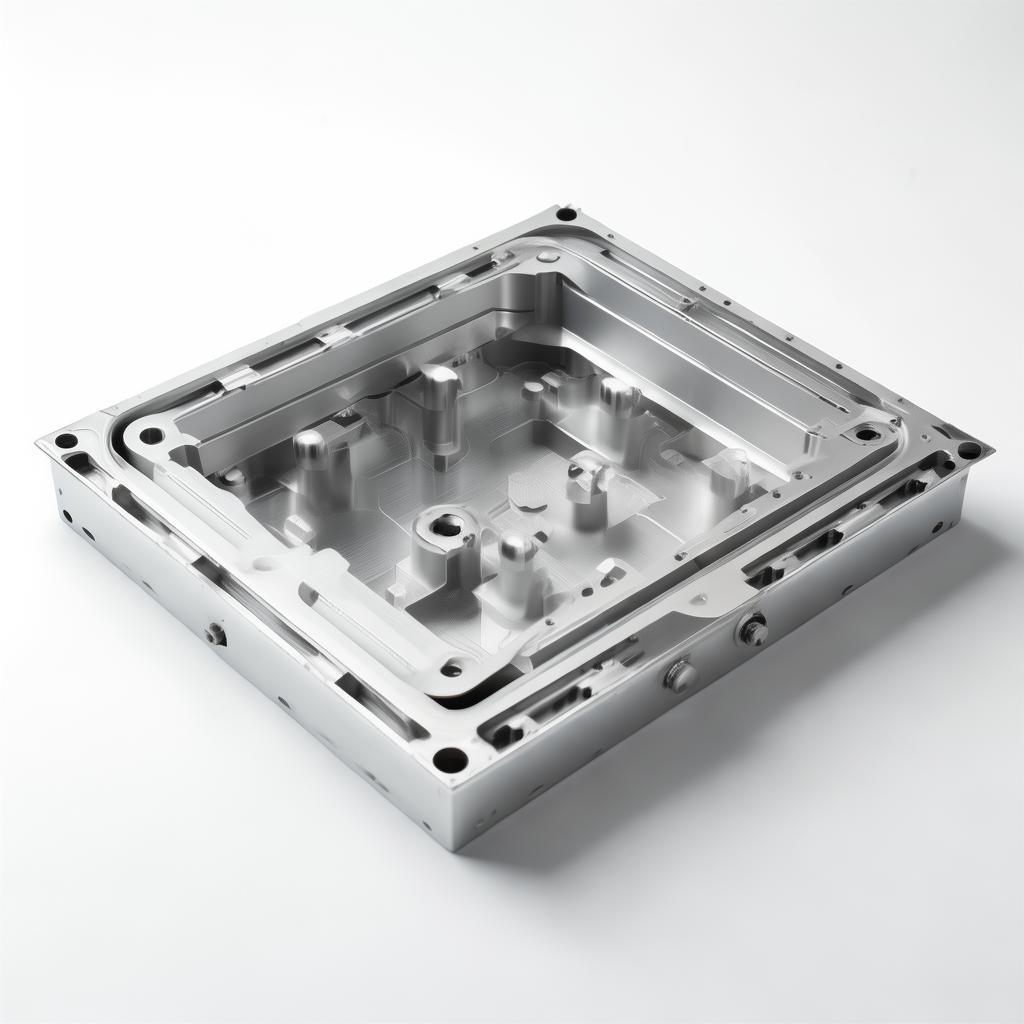
Precision Liquid Silicone Product Mold: A Technical & Procurement Guide
By Mark Chen, Export Director – Guangdong Yingtai High Precision Technology Co., Ltd.
Introduction: Understanding Precision in Liquid Silicone Molding
Manufacturing precision liquid silicone products demands expertise well beyond standard injection molding. In industries from medical technology to automotive, the need for intricate, high-durability silicone components is accelerating. A mold’s quality and design fundamentally govern outcome repeatability, dimensional stability, and product lifetime.
Liquid Silicone Rubber (LSR) molds are unique in their demanding process requirements. Unlike typical thermoplastic injections, LSR is a two-component, biocompatible elastomer requiring specialized mold materials and a highly controlled curing environment. This advanced process influences everything from cycle time to microscopic surface quality. Our factory in Guangdong, equipped with over 55 liquid silicone molding machines and extensive precision tooling, reflects industry-leading standards developed over 20 years.
Beyond the equipment, knowing which mold design suits your product is crucial. Features like venting, gating systems, and cavity balancing must be optimized for both material flow and cure kinetics. This is where recent advances in CAE simulations, leveraging updated material characterizations — as detailed in the MDPI study on LSR injection molding simulations — have shifted how precision molds are developed, reducing costly trial-and-error cycles.
Industry trends also highlight the growing investment in automation and AI-driven process control to maintain tight tolerances and reduce defect rates, especially for applications like medical seals or wearable sensors where reliability is non-negotiable. According to the Grandview Research 2023 report, LSR markets are poised to nearly double by 2030, underlining an expanding global demand.
For procurement professionals and engineers, choosing a mold supplier is more than a price negotiation. Evaluation must encompass technical mold capabilities, materials mastery, and after-sales support. This guide distills operational knowledge from factory floor insights to equip you for smarter sourcing decisions, improved product quality, and smoother market entry.
Industry Pain Points in LSR Molding
High Tooling Costs: The initial investment for precision LSR molds often overshadows product costs, mainly due to specialized steel, electro-discharge machining, and intricate cavity designs.
Material Waste & Flashing: Without careful vent design and sealing, overflows or 'flash' occur, leading to increased material consumption and post-processing needs.
Cycle Time Variability: Due to complex curing kinetics, inconsistent temperature control may extend cycle times unpredictably, impacting throughput.
Dimensional Inconsistency: Variations in mold surface coatings, gate locations, or process parameters can cause subtle yet critical tolerance losses, unacceptable in medical or automotive parts.
Scaling Challenges: Transitioning from prototyping with RTV silicones to industrial LSR molds demands requalification of material and design, a frequent source of production delays.
Supplier Vetting Difficulties: Not all factories adequately invest in precise tooling or advanced mold flow analysis, increasing risks of late-stage surprises or warranty claims.
Note: Rapid market expansion in Asia-Pacific has raised concerns on quality standard consistency despite volume benefits, urging buyers to prioritize suppliers with transparent manufacturing and robust certifications.
Technical Deep Dive: The Mold & Material Science
Liquid silicone molds demand a nuanced design approach combining advanced materials science with mechanical precision. Let's unpack key factors:
Materials & Mold Construction
Mold bases predominantly use high-grade stainless steel or hardened tool steel (often H13 or 420 grade) to resist corrosion and withstand thermal cycling. Mold inserts require ultra-polished finishes, sometimes with PTFE or diamond-like carbon coatings, to facilitate demolding and extend tool life.
Injection Process Parameters
LSR curing involves a platinum-catalyzed addition reaction fixing the material into elastomeric forms. Proper mold temperature settings (usually 150–180°C) and precise injection rates influence cross-linking consistency. Tools incorporate conformal cooling channels fabricated via EDM or additive manufacturing to optimize heat distribution.
Design Specifics
Gate Design: Pin or membrane gates are common to minimize gate vestige and facilitate silicone flow.
Venting Systems: Micro vents prevent air entrapments — a leading cause of bubbles in parts, as supported by the vacuum molding research in Springer Soft Robotics.
Cavity Surface Finish: Mirror polishing (Ra 0.2 μm or better) ensures excellent aesthetic and functional properties, crucial for medical devices.
Multi-cavity Balancing: Precision flow simulations, validated by material rheology studies such as those by ScienceDirect, assist in uniform filling.
Technical Specification Table
Specification
Value/Standard
Remarks
Mold Steel Grade
H13 / 420 Hardened Steel
Corrosion and thermal resistance
Surface Finish
Mirror Polish Ra 0.1–0.2 μm
Critical for demolding and aesthetics
Maximum Mold Temperature
180°C
Maintains curing consistency
Cycle Time (typical)
30–90 seconds
Depends on part size and mold complexity
Injection Pressure
Up to 200 MPa
Ensures proper filling
Advantages of Precision Liquid Silicone Molds
When precision molds are executed well, clients benefit in multiple operational and commercial dimensions:
Enhanced Product Quality: Tight control of mold tolerances means consistent wall thickness, smooth surfaces, and minimal flash, crucial for specialized applications like medical devices or automotive seals.
Reduced Waste & Rework: Precision cavity sealing and venting reduce defect rates. Many manufacturers report lower scrap rates by up to 20% compared to older tooling.
Faster Cycle Times: Advanced cooling channel designs and uniform injection lead to cycle reductions, improving throughput without compromising quality.
Longer Tool Life: Using premium steel and coatings guards against corrosion from LSR’s platinum catalyst and thermal fatigue, mitigating frequent tool repairs or replacements.
OEM & ODM Flexibility: Modular mold components enable cooperation on new designs, quick tool changes, and customize according to evolving customer specs, optimizing lead times.
Regulatory & Industry Compliance: Precision manufacturing supports certifications like ISO 13485 for medical use or automotive OEM standards, frequently mandatory for international business.
Liquid silicone precision molds serve a diverse range of industries, with design requirements that vary significantly:
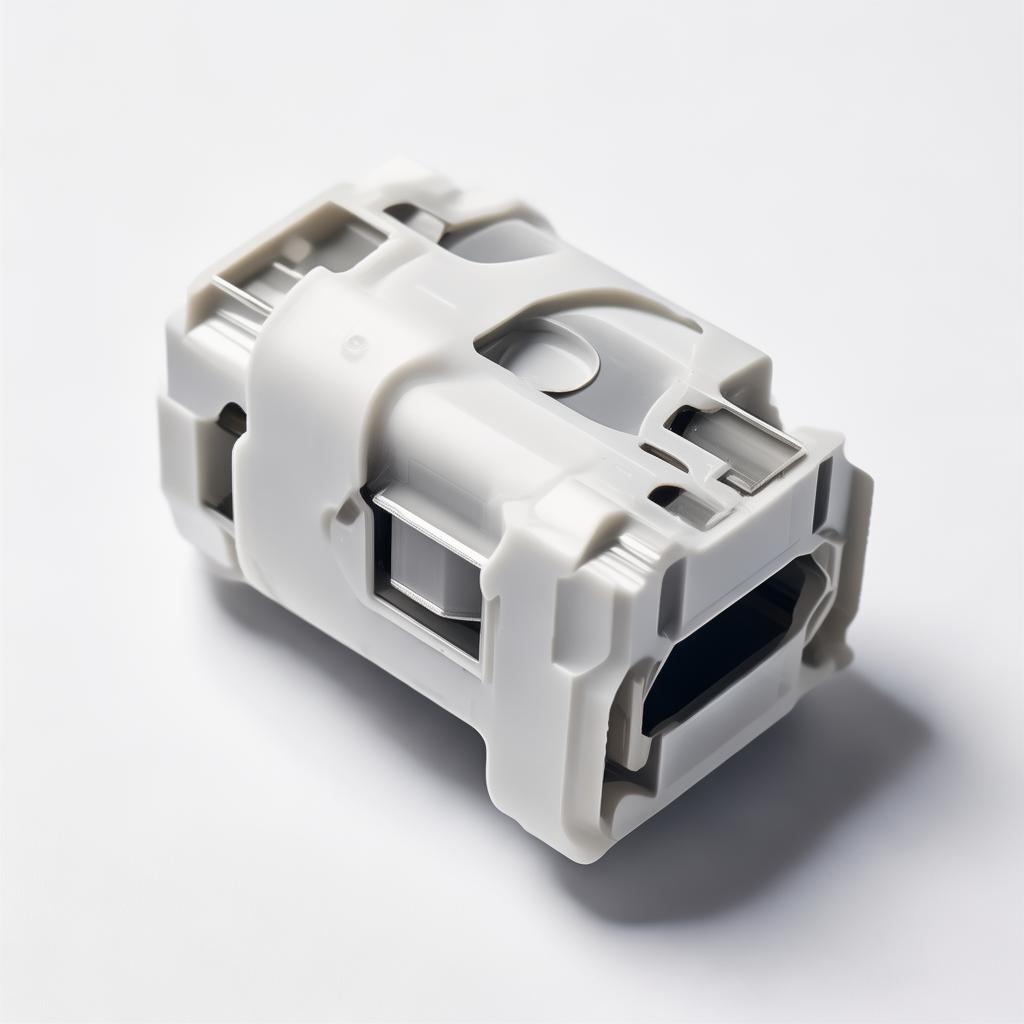
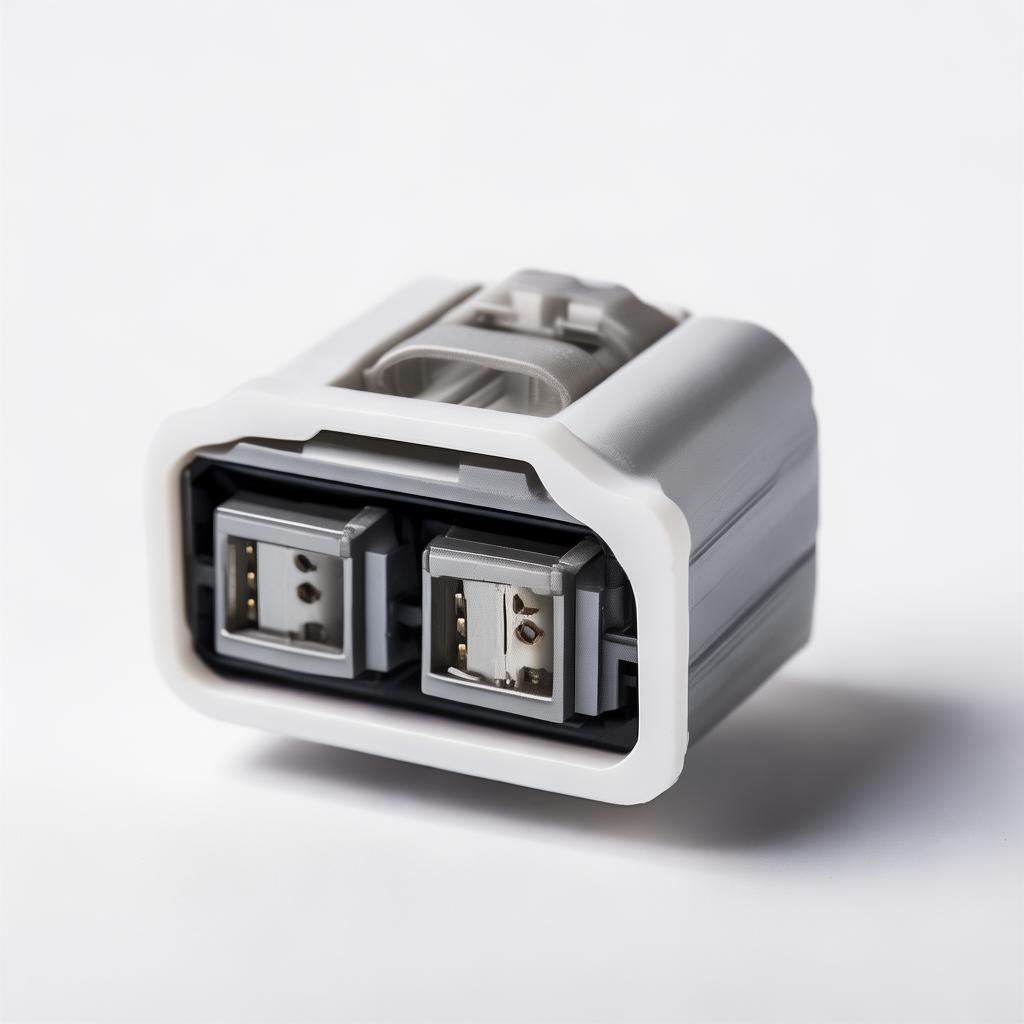
Medical Devices: From silicone seals, IV tubing connectors, to surgical instrument grips — biocompatibility, sterilizability, and soft touch properties are essential.
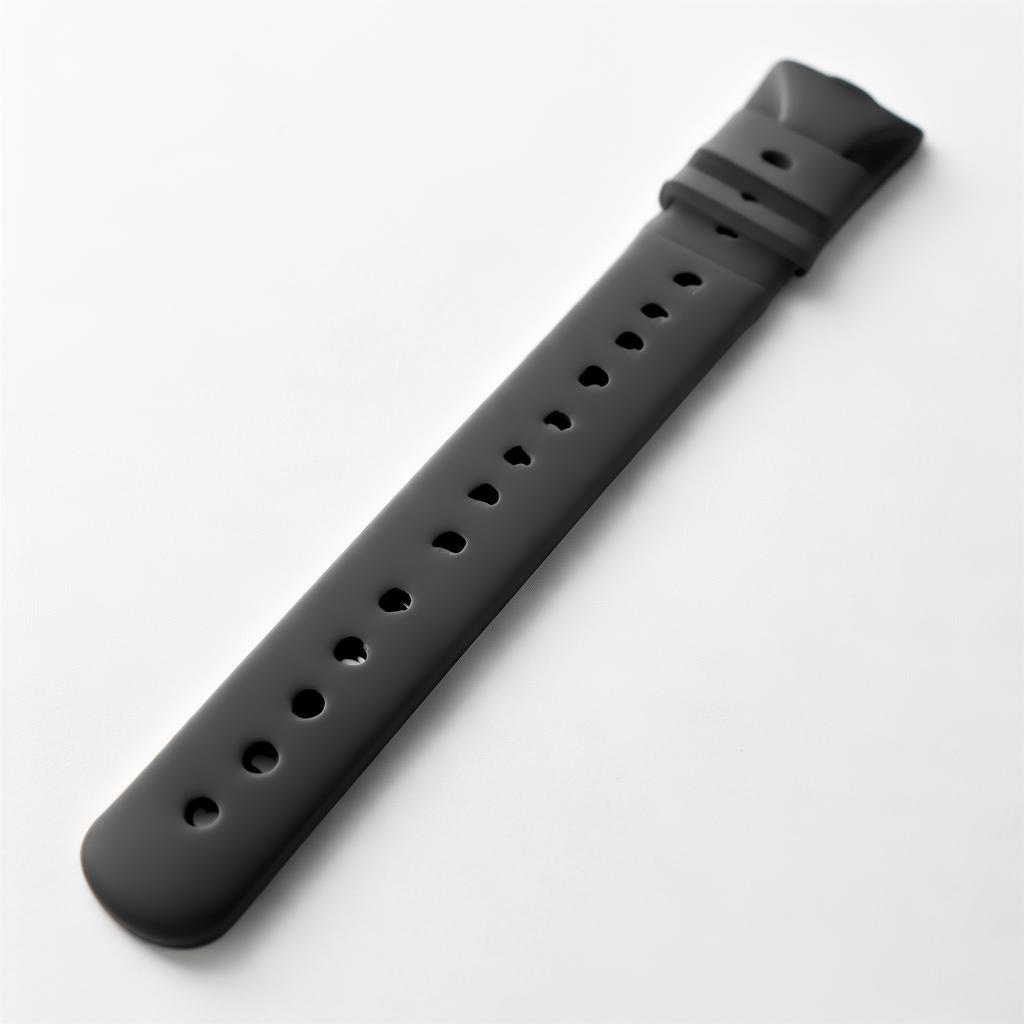
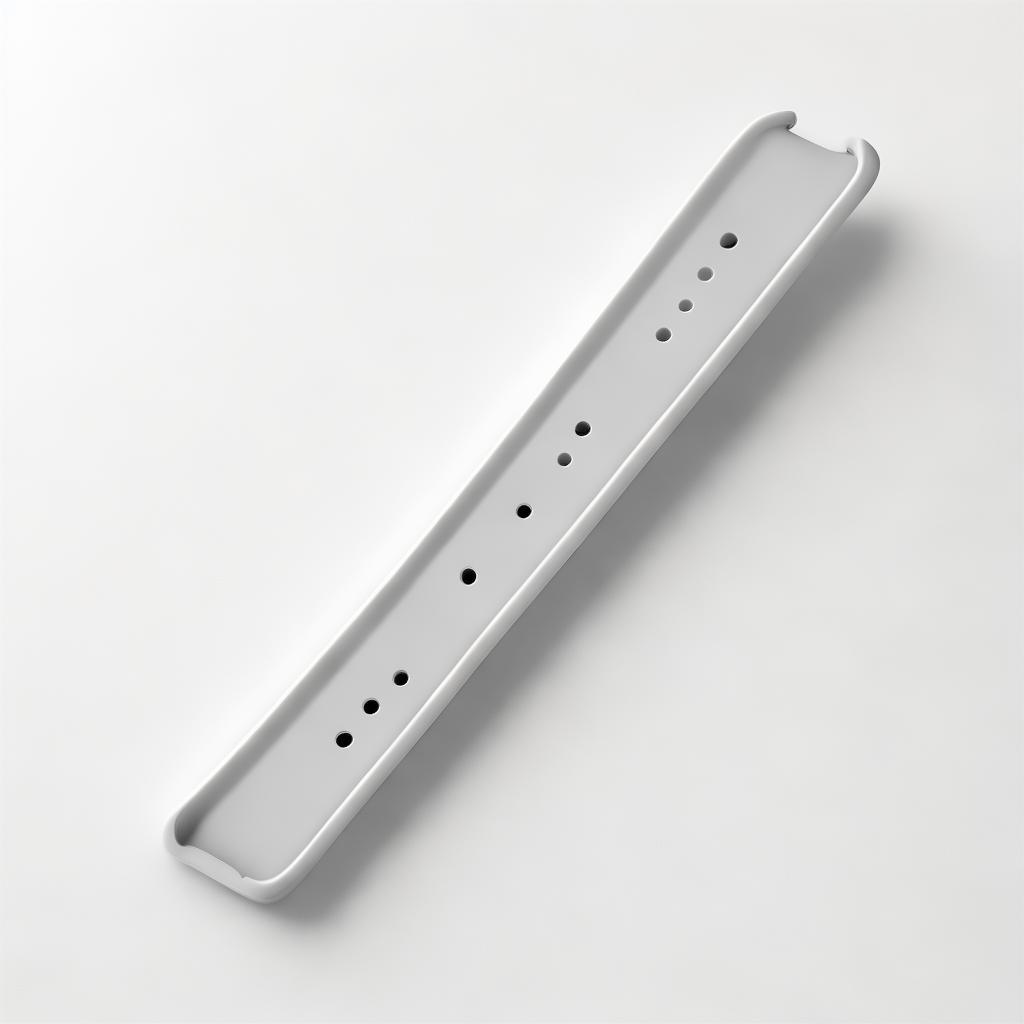
Consumer Electronics: Protective buttons, charging seals, and wearable bands leverage LSR’s elasticity, UV resistance, and color stability.
Automotive Components: Airbag seals, gaskets, vibration dampers, and sensors require high-temperature resistance and tight dimensional accuracy.
Household Appliances: Silicone seals and membranes in kitchenware or home electronics deliver durability amidst frequent temperature and pressure changes.
Industrial Equipment: Precision overmolded silicone parts provide waterproofing, anti-slip surfaces, and chemical resistance in factories and outdoor environments.
New Energy Vehicles & Wearables: Growth in electric motors and flexible electronics pushes demand for hybrid molded silicone with robust adhesion to substrates like ABS, as explored in MDPI’s MC-injection molding research.
Selecting the right supplier for precision liquid silicone molds is as much a technical and logistical challenge as it is commercial. Here are critical factors to consider:
Factory Capability Overview
Physical scale and tooling capacity: Confirm number of CNC machines, EDM, and specialized mold processing units. Our Yingtai factory operates 30+ precision mold machines, supporting tool completion within 30–60 days.
Advanced testing instruments: Dimensional precision gauges, CT scanning, and surface roughness analyzers are essential to verify molding outputs meet exact tolerances.
OEM/ODM customization services: Evaluate willingness and expertise in collaborative product development, mold modifications, and multi-component solutions.
Certifications and compliance: Look for ISO 9001, ISO 13485, and related quality management certifications. Our facility holds multiple international recognitions for medical and consumer-grade manufacturing.
Supply Chain & Logistics Considerations
Overseas procurement requires minimizing lead times and managing transport risks:
Factory location and export experience: Dongguan’s transportation infrastructure facilitates timely container loading and shipping. Yingtai has over 20 years of direct export experience handling customs compliance and freight consolidation.
Packaging and protection: Precision molds must be sealed against corrosion and mechanical shocks during sea freight; inquire about factory packaging standards.
Communication & after-sales: Confirm availability of engineering support for troubleshooting or modifications post-delivery, preferably with English-proficient points of contact.
Procurement Best Practices
Request and evaluate detailed mold design documents and 3D simulations before ordering.
Confirm material certifications for mold steel and LSR compounds.
Inspect prototype samples and run pilot production with trial molds prior to large-scale tooling orders.
Assess total cost of ownership beyond purchase price, including maintenance intervals and expected mold lifetime.
Be wary of ultra-low prices that bypass critical quality control steps or use inferior materials.
Frequently Asked Questions
What differentiates liquid silicone molding from solid silicone molding?
Liquid silicone molding uses a two-component liquid injected into heated molds and cures rapidly, offering intricate design possibilities and faster cycle times. Solid silicone molding involves compression or transfer molding of preformed elastomer sheets, typically slower and less precise.
What certifications assure quality for precision silicone molds?
Important certifications include ISO 9001 for quality management, ISO 13485 for medical device manufacturing, and CE or FDA certifications when dealing with regulatory-sensitive applications.
How long does it typically take to manufacture a precision LSR mold?
For reasonably complex molds, the lead time generally ranges between 30 to 60 days. Faster turnaround is possible with modular tooling or existing mold bases but may involve trade-offs in precision.
Are there limits on silicone product complexity with LSR molds?
While LSR molding supports highly complex geometries, extreme undercuts or >0.5mm thin walls challenge demolding. Advanced mold designs with slides or collapsible cores may be required for complex parts.
What factors affect the lifetime of LSR molds?
Material hardness, mold steel quality, cycling temperatures, processing pressures, and maintenance frequency all influence mold durability — typically ranging from 100,000 to 500,000 cycles.
Customer Testimonials & Insights
Jonathan Myers, Procurement Manager (Texas)
“Working with Guangdong Yingtai was a game changer for our medical seal components. Their mold precision eliminated flashing issues common with previous suppliers, reducing our quality hold-ups and increasing output reliability.”
Get in Touch
If you have any camping barbeque equipment inquiry, please feel free to contact us.



 Jonathan Myers, Procurement Manager (Texas)