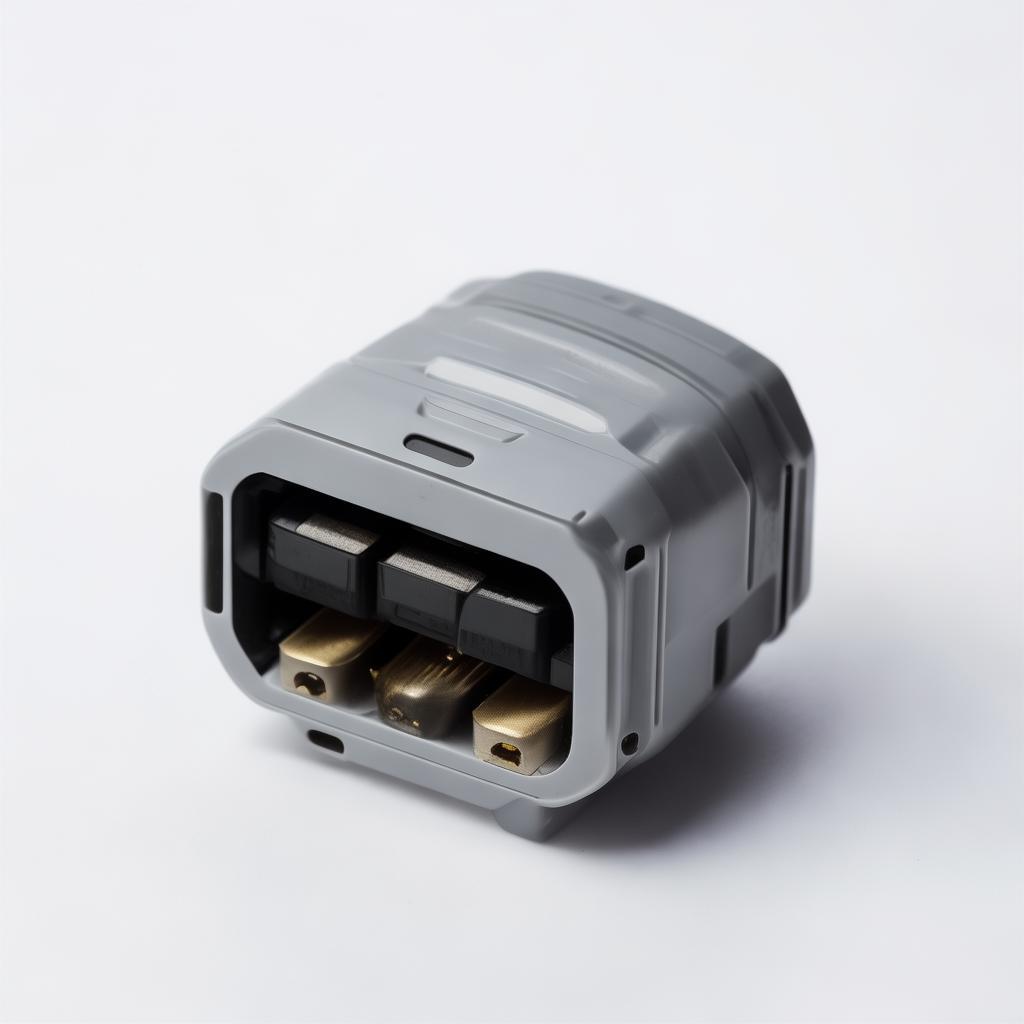
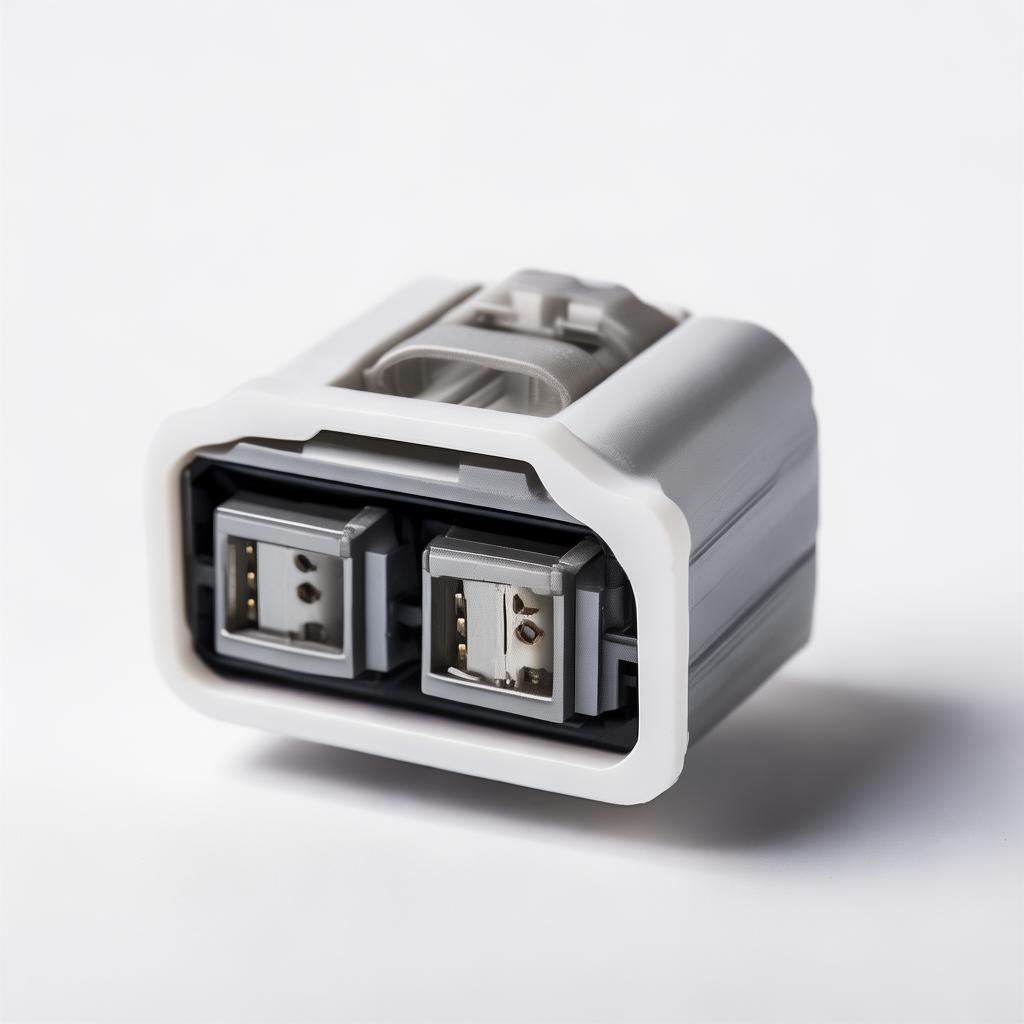
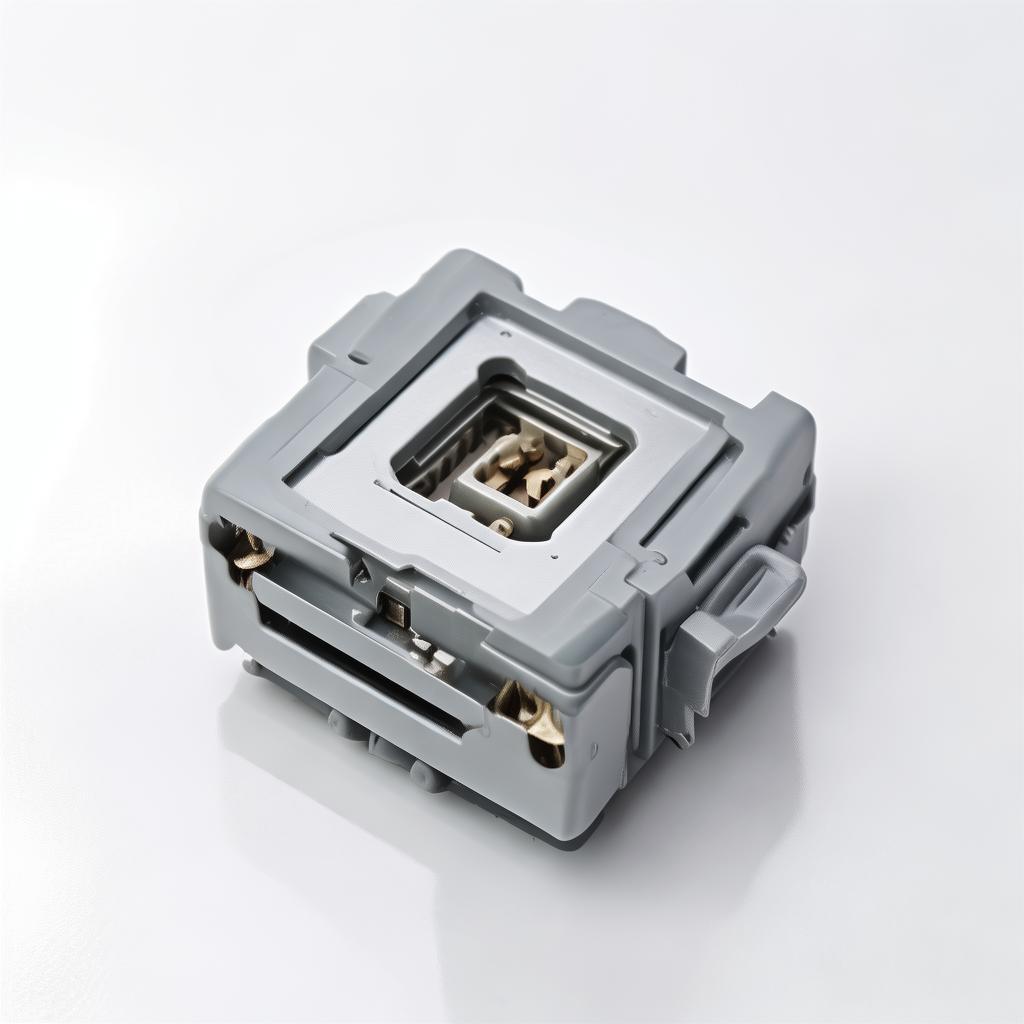
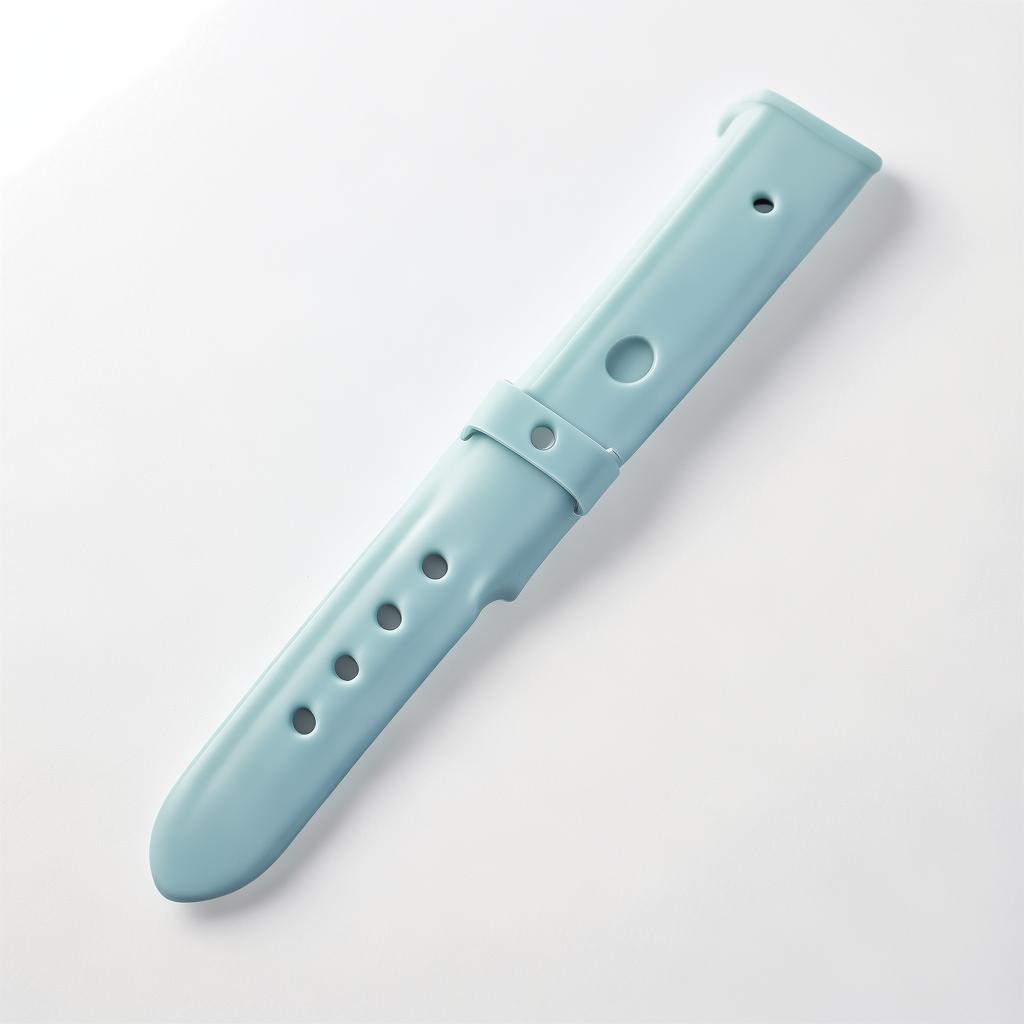
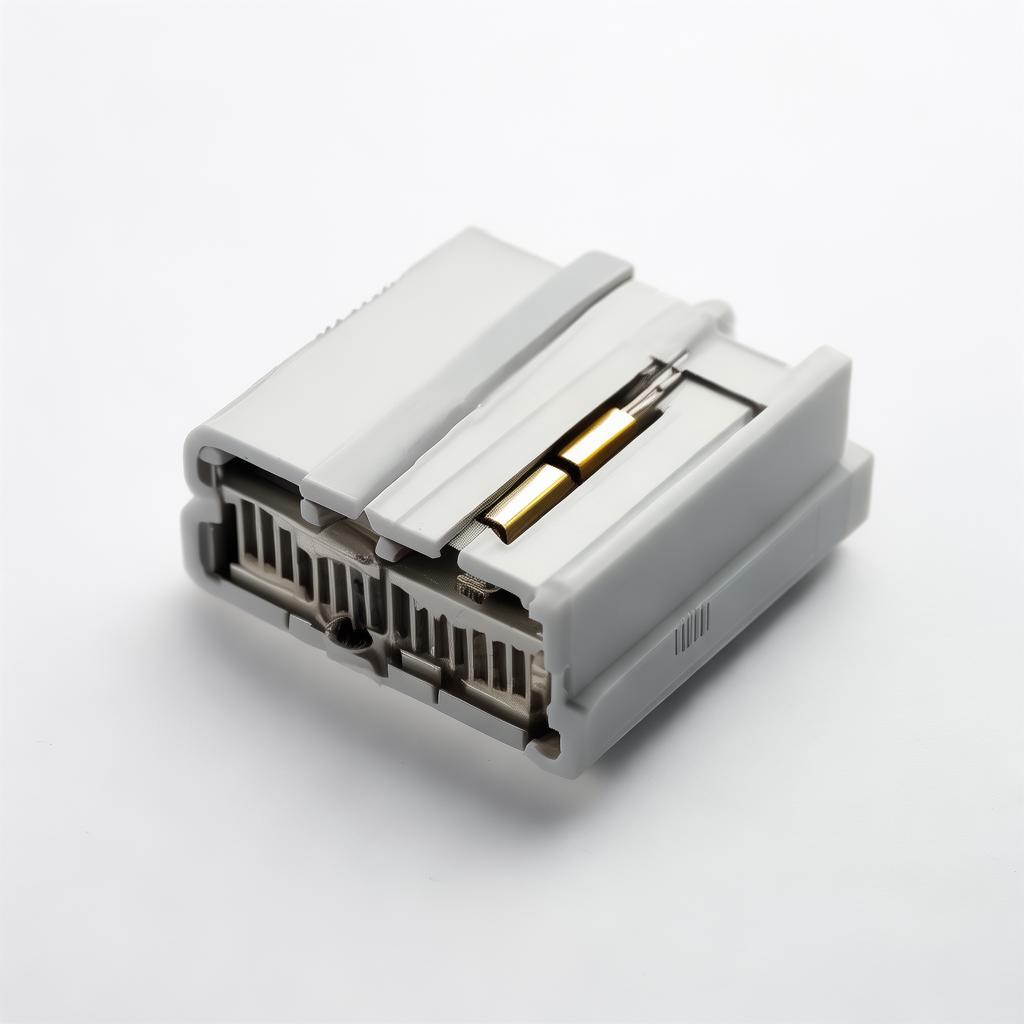
Delivering high-quality, engineering-driven liquid silicone molds for exquisite silicone components. Tailored solutions for OEMs and international buyers seeking durability, tight tolerances, and scalable production. Precision liquid silicone product processing molds form the backbone of
Product Details
Precision Liquid Silicone Product Processing Mold
Delivering high-quality, engineering-driven liquid silicone molds for exquisite silicone components. Tailored solutions for OEMs and international buyers seeking durability, tight tolerances, and scalable production.
Industry Challenges & Pain Points in Liquid Silicone Mold Processing
Precision liquid silicone product processing molds form the backbone of high-demand silicone component manufacturing. Buyers and procurement teams face multiple operational realities. From selecting suitable mold materials to balancing high-cost tooling against critical quality requirements, the path to delivering defect-free, dimensionally stable silicone parts is far from trivial.
The market demands molds capable of exceptional tight tolerances, maintaining silicone material properties such as biocompatibility and thermal stability. Yet many projects stumble due to:
Inaccurate material characterization: As outlined in MDPI's injection molding simulation paper, misjudging LSR rheology and curing kinetics leads to flawed cycle predictions and product inconsistencies (MDPI Study).
Excessive mold wear and defects: Poor mold sealing or form design frequently causes flash, pinholes, or premature part failure, inflating scrap rates and production costs.
Long lead times and tooling delays: Complex mold features for silicone applications require specialized tooling with stringent precision — often a bottleneck for speedy product development.
Over-reliance on standard injection processes: Without optimized mold cooling and controlled curing, final products may not achieve required elasticity or sealing performance.
These pain points lead many procurement managers to grapple with outsized production expenses, shipment delays, and inferior end-product quality — all detrimental to ROI and market competitiveness.
Navigating these challenges demands a partner equipped with state-of-the-art design, molding expertise, and full-scale industry experience. Suppliers must demonstrate mastery of not just mold tooling but associated process engineering, material science, and international logistics. Buyers should scrutinize supplier certifications, production workflows, and after-sale support before committing.
Technical Deep Dive: How Precision Liquid Silicone Molds Deliver Results
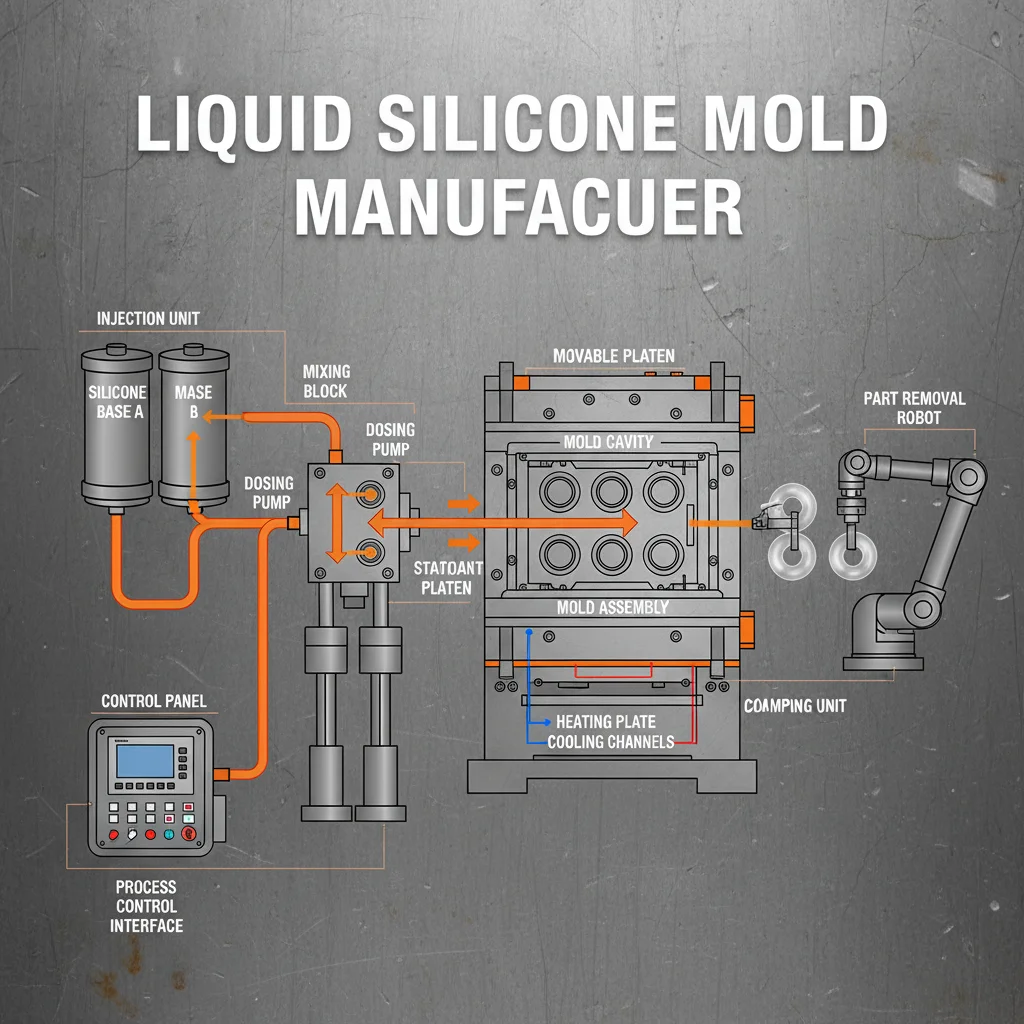
Liquid Silicone Rubber (LSR) molding sharply contrasts traditional plastic injection by incorporating two-component silicone reactive systems with thermoset curing inside specialized molds. Precision molds stand central to achieving the silicone industry's ever-growing demand for flawless parts with tight dimensional control and functional integrity.
Key technical attributes include:
Mold Material & Treatment: High-grade stainless steel tooling or hardened tool steels — often with nitriding or PVD coatings — ensure resistance to abrasive LSR and thermal cycling.
Complex Multi-Cavity Design: To enhance output and balance flows, modern LSR molds feature precision-machined multi-cavity systems with balanced runners and advanced venting strategies for bubble-free injection (Fraunhofer Research).
Precision Temperature Control: Integrated liquid cooling/heating channels maintain uniform mold temperature profiles, crucial for consistent curing cycles and preventing warping or sink marks.
Injection System: Specialized LSR injection machines control dual-cartridge silicone dosing with hygienic, degassed feeders to minimize air entrapment — vital for optically clear and structurally sound silicone parts (Fictiv Overview).
Manufacturers increasingly integrate CAE simulation tools leveraging advanced material datasets for mold flow and curing prediction. This digital approach reduces costly trial runs and tooling reworks. Recent studies show that enhanced rheological characterization improves both cycle time accuracy and component dimensional precision (MDPI Paper).
Typical Technical Specifications of Liquid Silicone Injection Molds
Parameter
Typical Range
Key Operational Notes
Cavity Number
2 - 16 (Multi-cavity)
Balanced flow and ejection design crucial to reduce cycle time variance
Mold Material
H13 / P20 / Stainless Steel
Treated surfaces to resist thermal fatigue and abrasion
Tolerance
±0.02 mm or better
Essential for tight-fitting seals and wearable device components
Cycle Time
15 - 50 seconds
Depends on part complexity and cure profile
Injection Pressure
50 - 150 MPa
Precision control reduces flash and improves cavity fill
Applications and Buyer Guidance for Liquid Silicone Molds
Given their versatility and superior material properties, precision LSR molds unlock manufacturing potential across multiple industries:
Medical Devices: Catheters, seals, valves, and wearable biosensors rely on biocompatible, ISO-10993 certified silicone components free of impurities and defects.
Automotive: Emission system seals, sensors, gaskets, and vibration dampening parts forged within tight tolerances demand mold stability for fatigue resistance.
Consumer Electronics: Keypads, waterproof seals, and ergonomic overmolds for smartwatches and communication gadgets benefit from high-precision mold technology.
Industrial Equipment: Silicone diaphragms and gasketing applied where chemical, UV, and temperature resistance extend service life.
Baby & Household Products: BPA-free, odorless silicone molded for safe, durable use in baby teething items and kitchen appliances.
When sourcing precision molds, procurement professionals should look beyond price tags. Critical evaluation criteria include:
Compliance & Certification: ISO-9001 and CE certifications demonstrate adherence to international quality management. For medical components, FDA and USP Class VI compliance are crucial.
OEM / ODM Capability: Trusted suppliers offer design collaboration, mold flow analysis, and post-mold finishing services for tailored component solutions.
Lead Times: Transparent project timelines including tooling design, prototyping, and production ramp-up to mitigate inventory and supply chain disruptions.
Aftermarket Support: Mold maintenance protocols, spare parts guarantees, and defect troubleshooting reduce downtime in high-volume production lines.
Global Logistics Expertise: Efficient container loading, customs clearance, and freight coordination ensure on-time delivery and cost containment.
(Note: When evaluating suppliers, avoid accepting prematurely cheap mold offers without proper technical validation; the upfront saving often leads to higher defects, rework, and lost production time.)
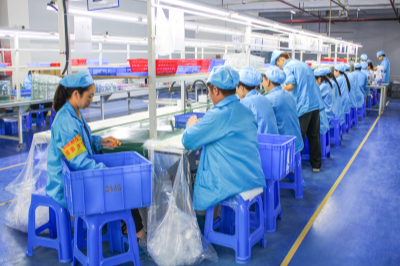
Our Factory: Guangdong Yingtai High Precision Technology Co., Ltd.
Rooted in Dongguan’s manufacturing hub, Guangdong Yingtai brings over 20 years mastering the art & science of liquid silicone processing molds with unmatched scale and precision.
Advanced tooling from mold development to finished product — supported by 30+ precision mold processing devices and 20+ quality testing instruments.
Skilled workforce of 500+ professionals including engineers, production specialists, and quality auditors.
Customers served span new energy vehicles, consumer electronics, smart wearables, household appliances, and industrial electronics.
Certifications: ISO 9001, CE, FDA and RoHS compliant frameworks ensure robust manufacturing controls.
Yingtai’s Dedicated Mold Processing Workshop
If your project demands rigorous precision molds backed by a flexible industrial chain and intelligent production systems, Yingtai offers a proven partner with deep export experience. From initial design through mold trials and full-scale manufacturing, our integrated services reduce production risk and shorten time to market.
Consider requesting your project’s free feasibility assessment or product specs discussion today.
Frequently Asked Questions About Liquid Silicone Product Processing Molds
Q1: What makes liquid silicone molds different from traditional plastic injection molds?
LSR molds operate under unique thermal and chemical conditions; they use thermoset silicone cured inside the mold, requiring precise temperature control and special materials resistant to silicone adhesion and thermal fatigue.
Q2: What is the typical lead time for a precision silicone injection mold?
Lead times range from 6 to 12 weeks depending on mold complexity and cavity counts. Fast-track tooling options exist but may incur additional costs.
Q3: How can buyers ensure mold longevity and consistent product quality?
Proper preventive maintenance, temperature management, and periodic polishing or repair are key. Partnering with a supplier offering after-sales support ensures critical issues are addressed early.
Q4: Are there any particular certifications important for medical-grade LSR molds?
Yes, molds and processing should comply with ISO 13485 (medical devices), FDA material traceability, and USP Class VI biocompatibility standards.
Q5: What logistics considerations impact LSR mold export?
Due to weight and precision, molds require careful packaging and container loading strategies. Air freight can be preferred for urgent delivery but sea freight reduces costs for heavier molds.
Q6: Can you customize mold designs for multi-material product assemblies?
Yes, multi-component OEM/ODM molds combining LSR with plastics like ABS are common. Optimized interfacing ensures bonded durability per the latest industry techniques (See MDPI research).
What Our Clients Say
Jason MillerProcurement Manager, AutoParts Inc.
"Partnering with Yingtai was a standout decision. Their expertise helped us cut tooling revisions by nearly half compared to previous suppliers. The mold precision ensures our silicone seals fit perfectly on tight automotive tolerances. Logistics coordination was spot-on, even amid global supply chain challenges."
Get in Touch
If you have any camping barbeque equipment inquiry, please feel free to contact us.



 Jason MillerProcurement Manager, AutoParts Inc.