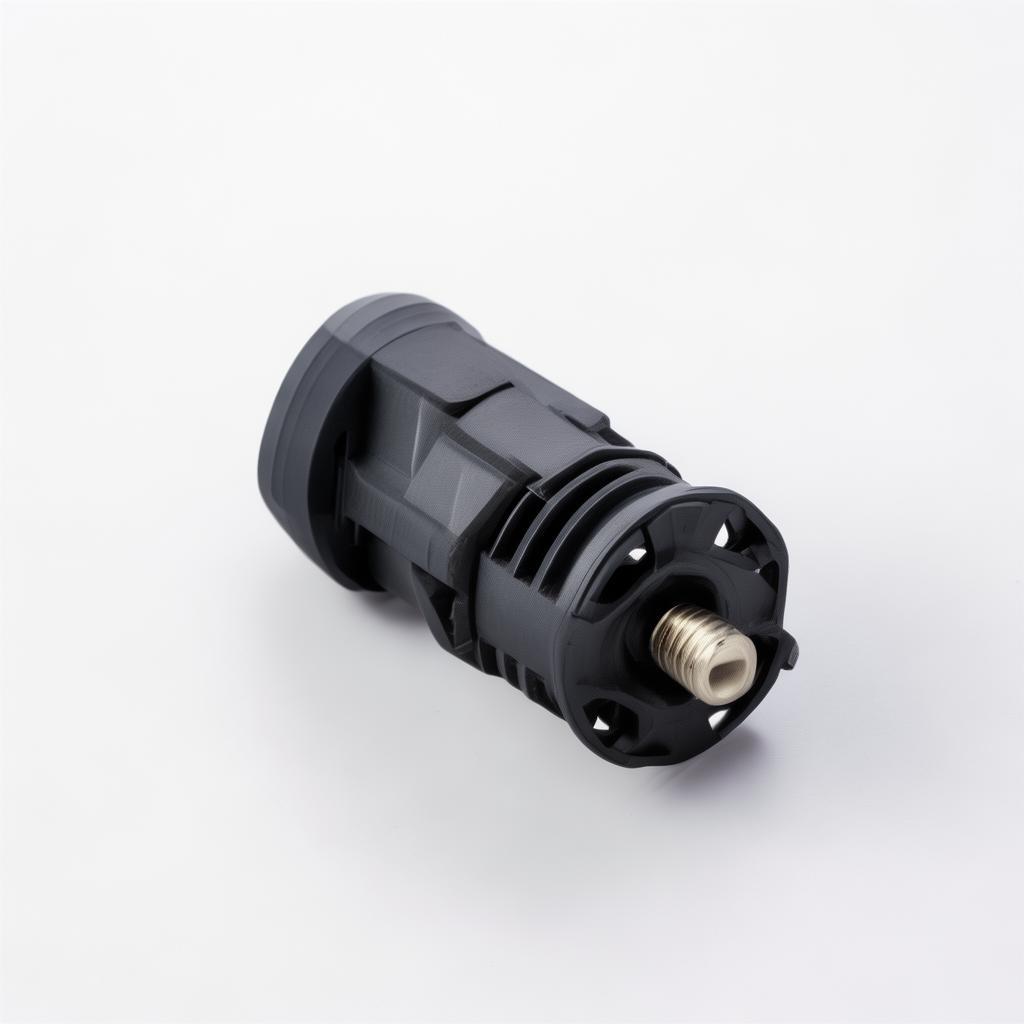
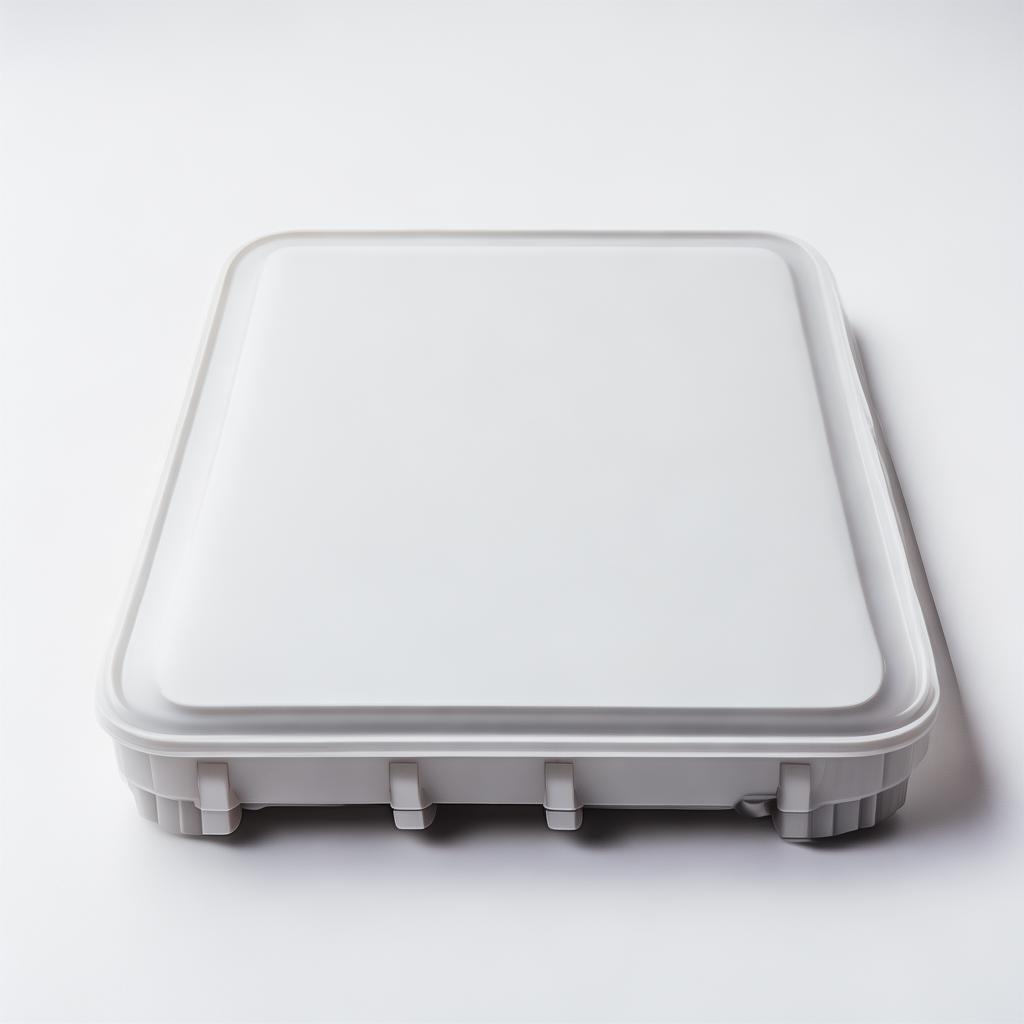
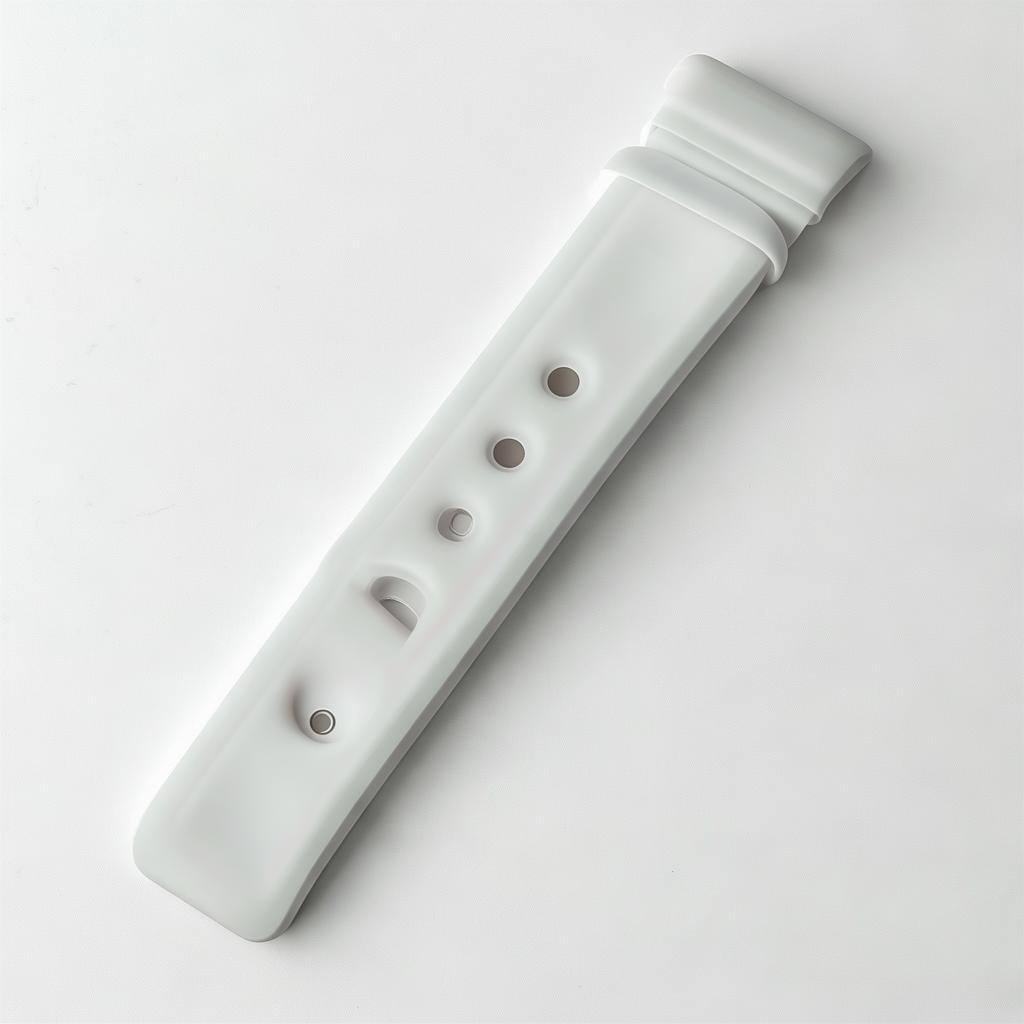
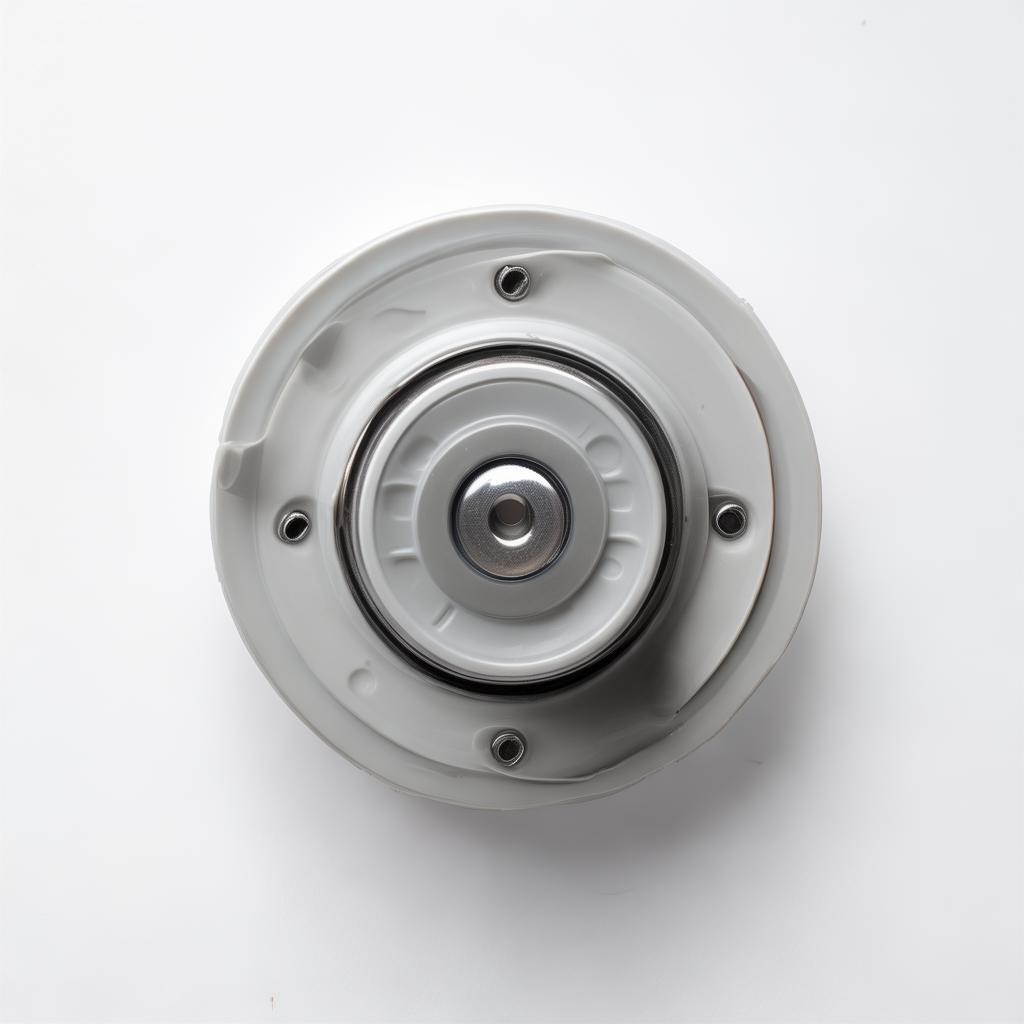
A comprehensive industrial perspective on liquid silicone rubber (LSR) and silicone product manufacturing, designed to provide purchasing managers, engineers, and procurement professionals with practical insights for sourcing, evaluation, and application. Discover how precision molding
Product Details
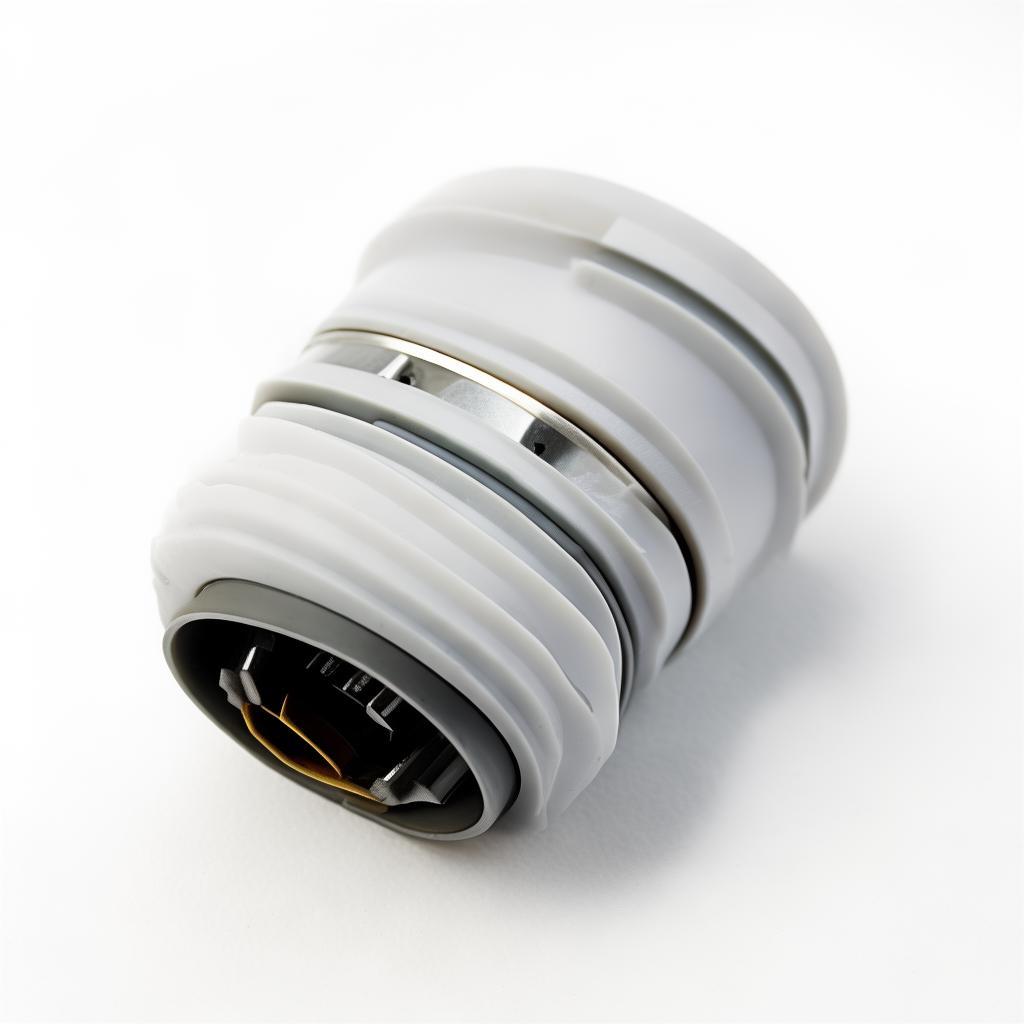
Process Silicone Products
A comprehensive industrial perspective on liquid silicone rubber (LSR) and silicone product manufacturing, designed to provide purchasing managers, engineers, and procurement professionals with practical insights for sourcing, evaluation, and application. Discover how precision molding technologies, factory capabilities, and material science converge to deliver high-performance silicone components across automotive, medical, electronics, and consumer sectors.
Facing Industry Challenges & Reducing Procurement Risks
Few materials combine the versatility, durability, and thermal stability of silicone — but manufacturing precision silicone products demands a solid grasp of industry pitfalls and process nuances.
Common challenges range from selecting unsuitable silicone grades, inefficient mold design, to overlooking production variability linked to curing cycles. Procurement managers often underestimate:
The impact of material characterization techniques on injection molding simulation accuracy (MDPI Research).
Risks associated with transitioning from prototype RTV silicone to production-grade liquid silicone rubber (LSR) (Reddit Discussion).
Potential waste due to traditional mold sealing inefficiencies, which drive up cost and scrap rates (Fraunhofer Research).
As a buyer, identifying these challenges before placing orders can save costly delays and product rejections. Since silicone materials vary widely in durometer, translucency, and compatibility, ensuring exact conformity to specifications is non-negotiable.
For instance, the difference between solid silicone and liquid silicone rubber molding can alter production costs, lifecycle, and part performance drastically. Opting for suppliers with demonstrable experience in tooling, injection process control, and multi-shot molding reduces risks substantially.
Practical buyer insight: Align early with your supplier on material datasheets, tooling maintenance, and defect management protocols to secure stable production runs.
Technical Deep Dive: Process Silicone Materials & Molding Techniques
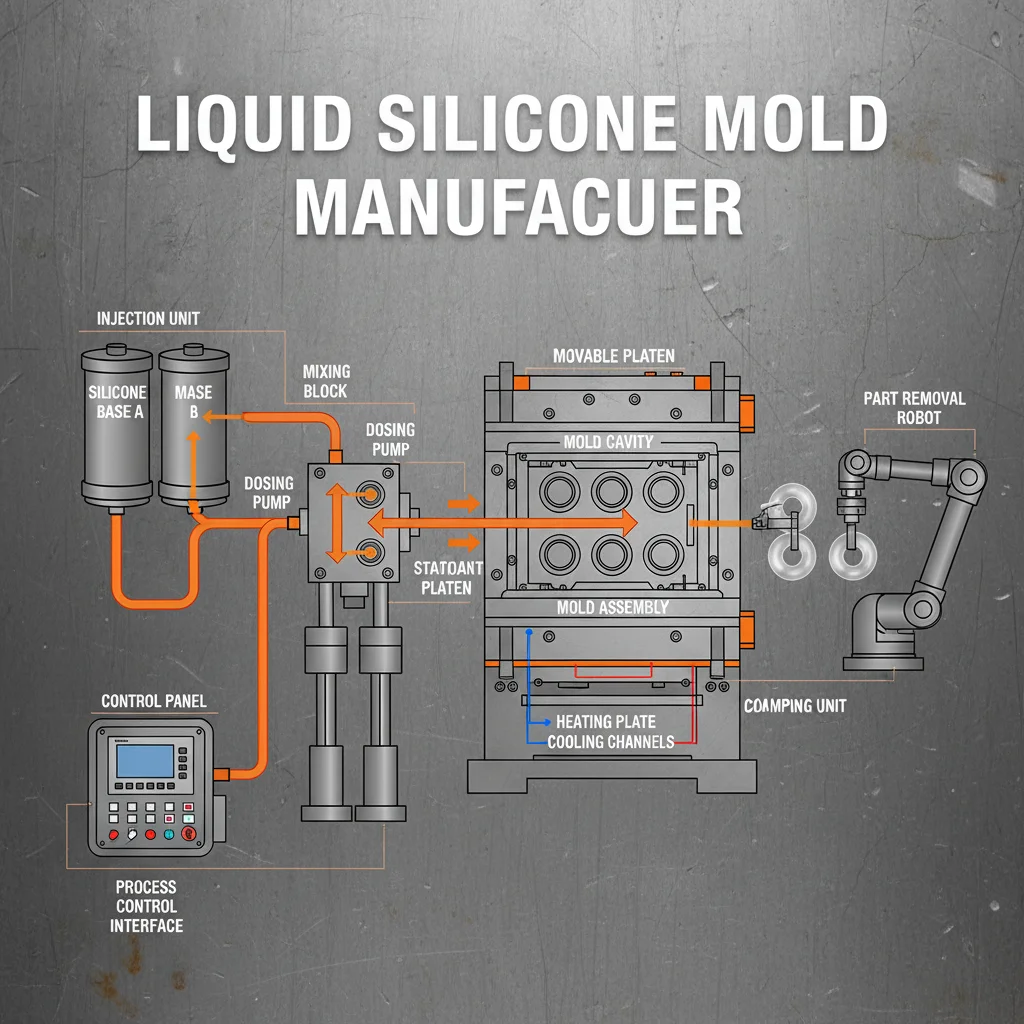
Liquid Silicone Rubber (LSR) represents a key segment in silicone manufacturing, prized for its biocompatibility, heat resistance, and flexibility. It is typically processed through liquid injection molding, enabling the fabrication of intricate, durable parts with precise tolerances.
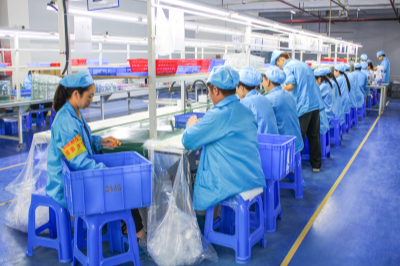
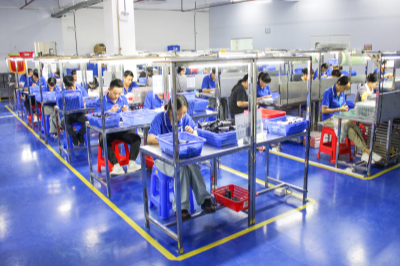
This technique involves injecting two-component silicone into a heated mold cavity. The silicone cures rapidly under heat and pressure, producing components with exceptional chemical, thermal, and mechanical properties. Guangdong Yingtai’s factory houses over 55 liquid silicone molding machines supporting high-volume, precision manufacturing.
Noteworthy technical points include:
Material properties: Medical-grade, food-contact compliant, UV-resistant, and automotive-grade LSR formulations are available.
Production workflows: From automated dosing systems to precision mold temperature control, modern LSR injection molding ensures consistency.
Advanced tooling: Use of rapid tooling techniques and electrical discharge machining maintains mold integrity and minimizes flash defects (ResearchGate Paper).
Multi-shot injection molding: Combining LSR with thermoplastics (ABS, PC) to create hybrid parts with rigid and soft-touch surfaces (MDPI Study).
With such demanding precision, suppliers increasingly rely on AI-driven process control systems (arXiv Study) and deep simulation models to optimize curing kinetics and mold pressure. This investment translates to improved dimensional stability and consistent performance in finished products.
Why Choose Yingtai’s Process Silicone Products? Key Advantages & Material Comparison
From an operational standpoint, process silicone products made with liquid injection molding deliver:
Superior Sealing: Liquid silicone offers excellent compression set resistance, making it ideal for gaskets and seals in automotive and industrial electronics.
Biocompatibility: Medical-grade LSR complies with FDA and ISO 10993, suitable for wearable and healthcare devices.
High Temperature & Chemical Resistance: Stable from -50°C up to 250°C, resisting oils, UV, and many chemicals.
Customization: OEM/ODM services enable tailored hardness, color, and mechanical properties.
Durability: Excellent fatigue resistance mean long lifecycle in demanding applications.
Note: While EPDM and NBR have specific niche advantages, silicone’s unique thermal stability and inertness position it as the premium choice in today's high-performance demands.
Applications: Where Process Silicone Components Shine
Our process silicone products find prominence across a broad spectrum of industries:
New Energy Vehicles: High precision seals, gaskets, and insulation components designed for high temperature and chemical exposure.
Consumer Electronics: Flexible, soft-touch keypads, waterproof seals, and shock absorbers with consistent tactile feedback.
Medical Devices & Healthcare: Biocompatible membranes, wearable sensors, and microfluidic device housings requiring FDA compliance.
Industrial Appliances: Vibration dampening seals, gasketing solutions, and protective covers.
Operational note: Applications that combine multi-material assemblies benefit from Yingtai’s multi-shot injection molding expertise, optimizing fit and finish for demanding product designs.
Silicone components typically boast easy installation thanks to inherent material flexibility and dimensionally stable mold-formed shapes. However, attention to these considerations boosts long-term reliability:
Proper Surface Preparation: Ensure mating surfaces are clean and dry to optimize sealing performance.
Avoid Over-Tightening: Silicone’s compression set can cause deformation if installed with excessive force.
Periodic Inspection: Regularly check for wear, swelling, or discoloration, especially in harsh chemical environments.
Storage: Store silicone products in cool, dark conditions to prevent premature aging.
Practical note: Contractors and engineers report smoother workflow and fewer reworks when pre-assembled seals and molded parts arrive with tight tolerance specs and clear installation guidelines from the factory.
Logistics & Export: Shipping Efficiency & Lead Time
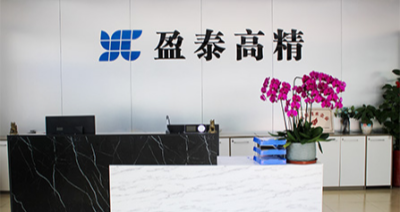
Guangdong Yingtai High Precision Technology Co., Ltd. operates a 35,000 square meter industrial park with a fully integrated supply chain. This scale supports:
Streamlined lead times: Typically 15-30 days production cycle depending on product complexity.
Container loading optimization: Packaging designed to maximize volume efficiency, reducing freight costs.
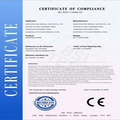
Export documentation assistance: Full compliance with international shipping standards, including CE, FDA, and RoHS certifications.
Direct port access: Dongguan’s logistics network enables smooth cross-border commerce to North America, Europe, and Asia-Pacific.
Speak with our logistics team to build tailored shipping and inventory plans that balance cost and speed effectively.
Certifications and compliance enforce production standards:
Our full industry chain—from mold design to intellectual factory manufacturing systems—ensures surface treatment consistency and accelerated delivery timelines.
Procurement Guidance & Supplier Evaluation Tips
For procurement directors and operations managers, selecting a reliable silicone product supplier is a multi-criteria process. Focus on:
Production Capacity & Lead Times: Can the supplier consistently meet volume demands and deadlines?
Technical Support & Customization: Availability of OEM/ODM development and responsiveness of engineering teams.
Quality Assurance Systems: ISO certified processes, full traceability, and defect reporting mechanisms.
Material Integrity Checks: Access to material data sheets, batch certifications, and testing protocols.
Logistics & Compliance: Packaging standards, export documentation support, and international market experience.
When possible, request a free sample to verify physical dimensions, hardness, and surface finish prior to bulk order. Evaluate mold tooling capabilities to ensure parts meet your tolerance requirements.
Avoid common mistakes: ordering from suppliers without proven silicone injection molding experience, skipping end-use application tests, or ignoring differences between prototype and production-grade materials.
Buyer FAQs
Q: What differentiates liquid silicone rubber (LSR) from solid silicone?
LSR is a two-component, injectable silicone cured rapidly in molds for complex shapes and fine detail; solid silicone is typically compression molded or extruded, better suited for simpler geometries.
Q: What are typical lead times for custom silicone products?
Standard lead time ranges from 2 to 4 weeks depending on tooling status and order volume. Prototype turnarounds can be 10–15 days with rapid tooling.
Q: Are your silicone products FDA or medical grade?
Yes, we offer FDA compliant, biocompatible LSR formulations for medical and food contact applications, supported by relevant certifications.
Q: Can you support multi-shot molding or overmolding with thermoplastics?
Absolutely. Our advanced molding lines provide hybrid manufacturing combining silicone with plastics like ABS or PC, ensuring strong adhesion and durability.
Q: What packaging solutions ensure product protection during shipping?
We use custom foam inserts, ESD-safe bags for electronics, and sturdy export-grade cartons tailored to your transport method and destination.
Customer Reviews & Real-World Use Cases
John W., Procurement Manager, Ohio
“We switched to Yingtai for medical device silicone seals after ongoing issues with inconsistent batch quality elsewhere. The injection molding precision impressively cut our rework rate, and lead times consistently meet our tight schedules.”
Get in Touch
If you have any camping barbeque equipment inquiry, please feel free to contact us.




 John W., Procurement Manager, Ohio