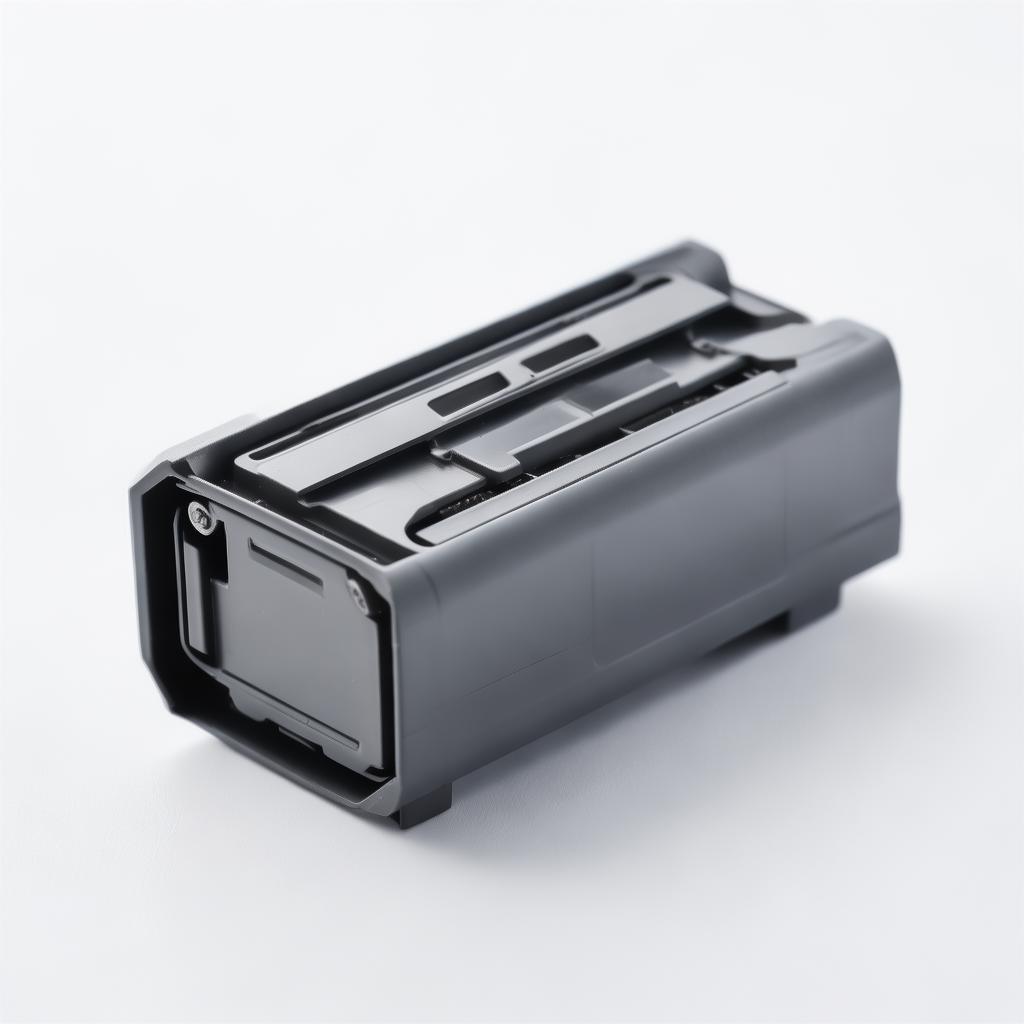
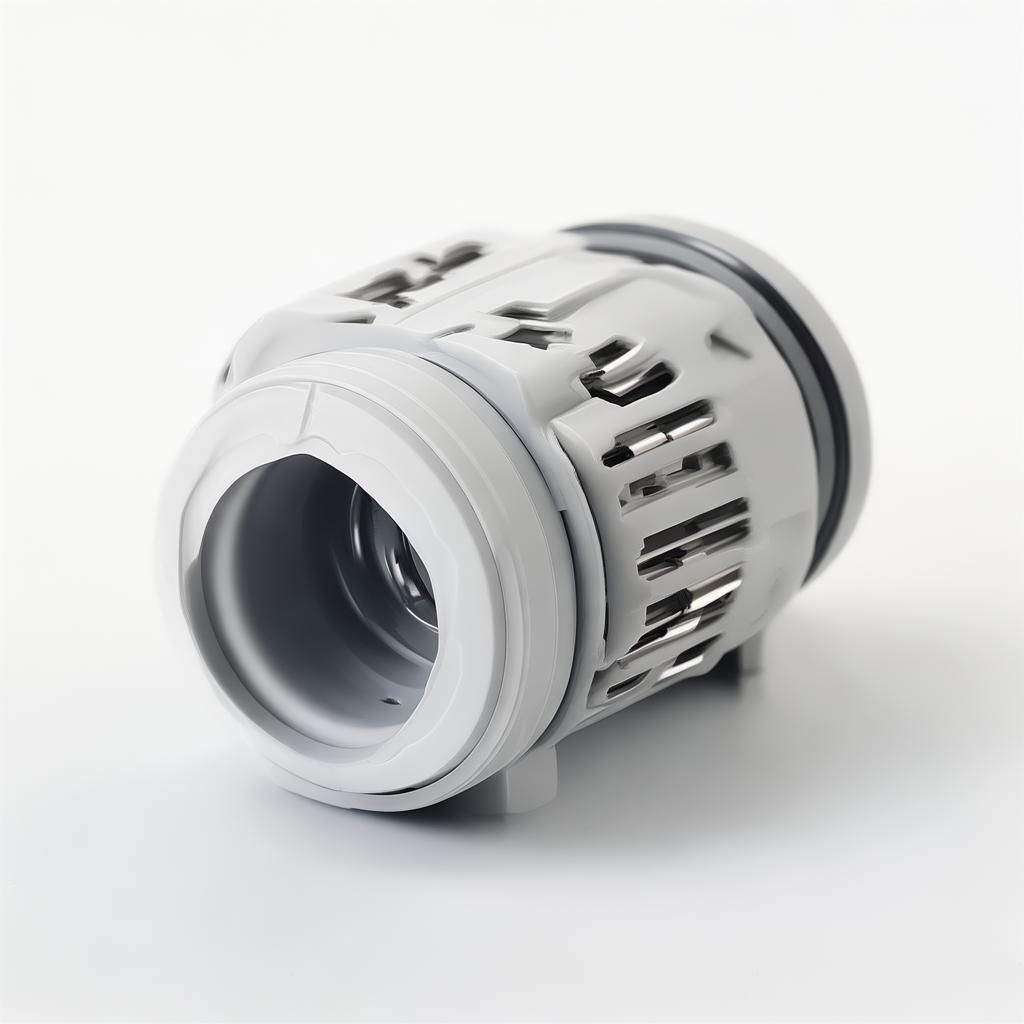
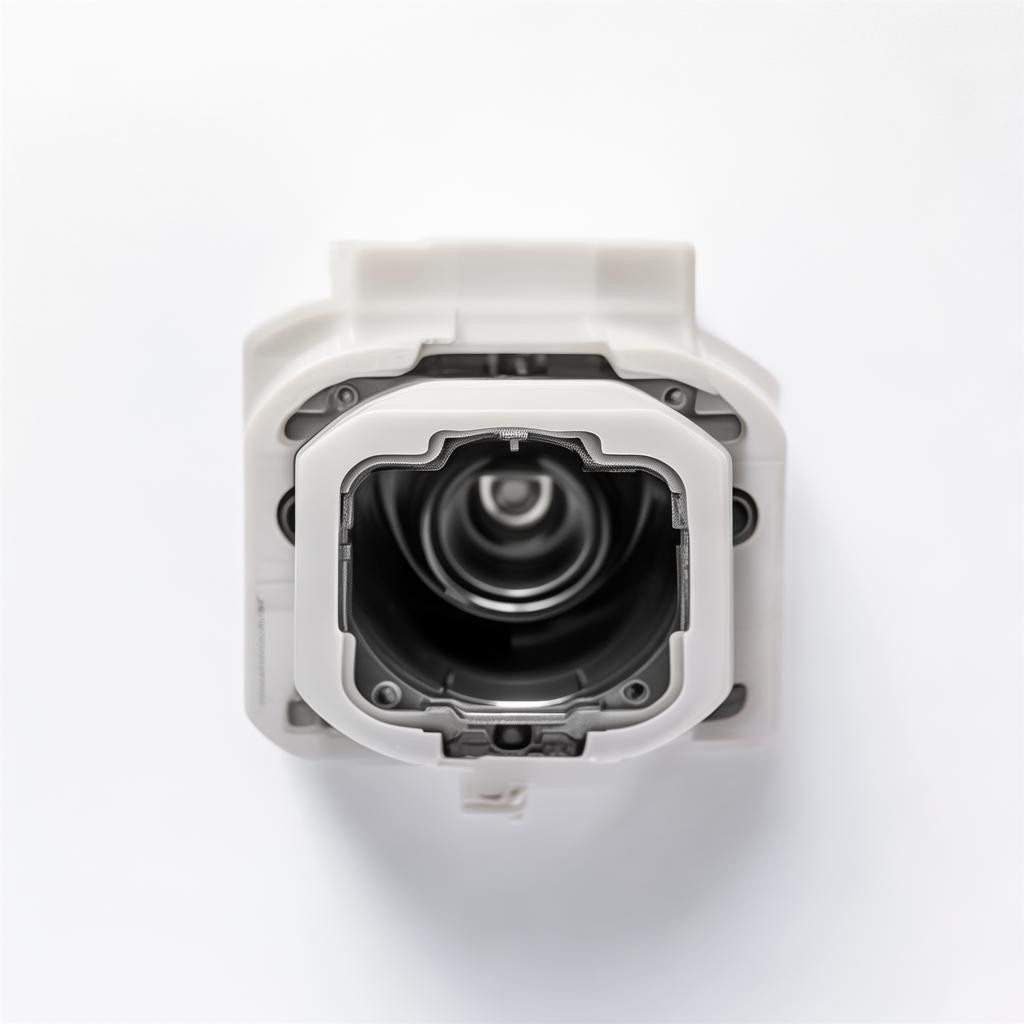
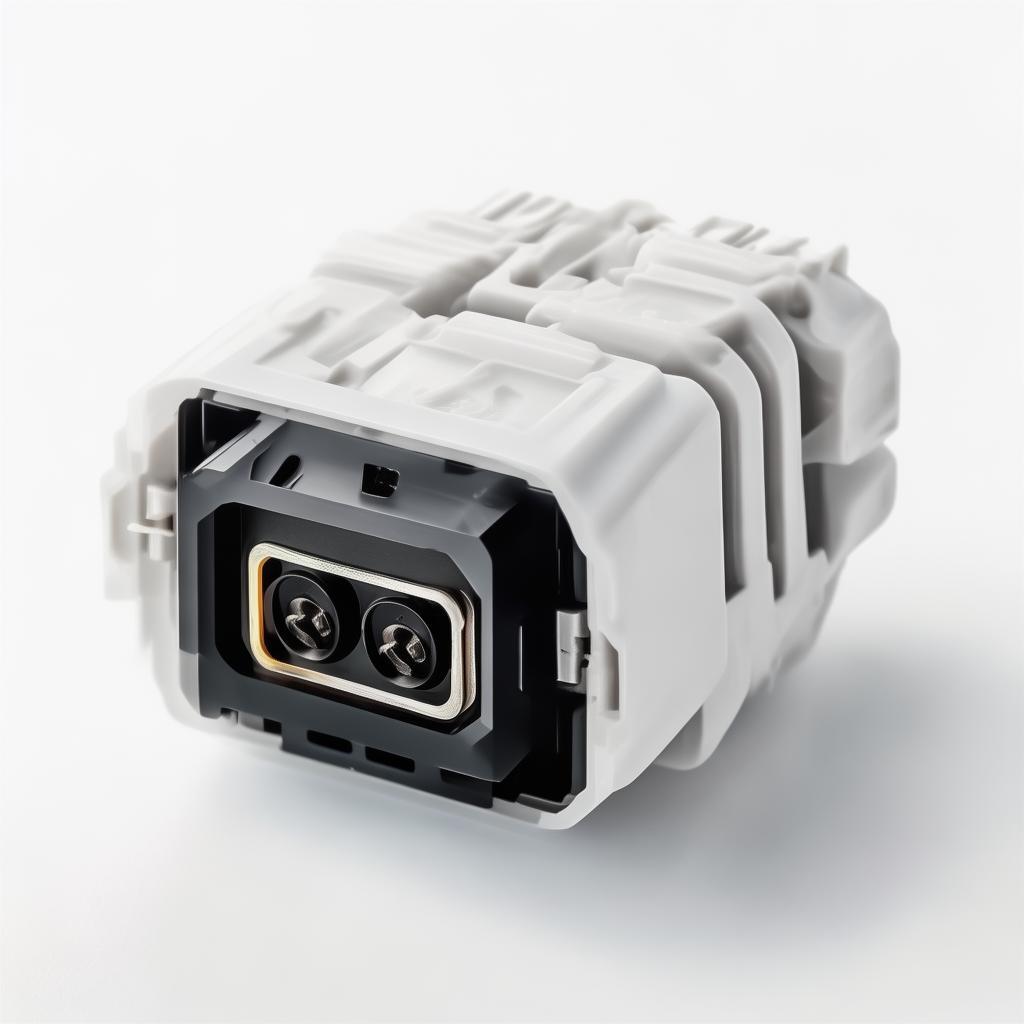
For over two decades, Guangdong Yingtai High Precision Technology Co., Ltd. has led the industry in advanced injection mold processing, pairing engineering expertise with global logistics experience to deliver high-quality liquid silicone and plastic
Product Details
Processing Injection Mold Enterprises: Precision & Reliability in Every Cycle
For over two decades, Guangdong Yingtai High Precision Technology Co., Ltd. has led the industry in advanced injection mold processing, pairing engineering expertise with global logistics experience to deliver high-quality liquid silicone and plastic components to demanding markets worldwide.
Operational Hurdles in Injection Mold Processing Enterprises
In today's competitive industrial manufacturing landscape, injection mold processors face mounting pressures from multiple fronts: sourcing high-performance materials, maintaining precision across complex molds, and managing supply chain volatility. For buyers and procurement specialists in the U.S. and global markets, understanding these pain points is essential to making informed supplier decisions.
One recurring challenge is balancing design complexity with manufacturability. Advanced liquid silicone rubber (LSR) molding, for instance, requires precision molds with tight tolerances and consistent curing cycles to avoid defects like warpage or flash—issues that emerge from even minor deviations in temperature or pressure during injection. According to research by MDPI, inaccurate material characterization can significantly skew simulation predictions, complicating process optimization and extending lead times.[1]
Material compatibility, especially during multi-component overmolding processes blending LSR with rigid thermoplastics like ABS, presents adhesion and thermal stability challenges. This is critical for industries such as medical devices and automotive seals, where failure to control interface properties undermines product integrity over time.[6]
Moreover, injection mold processing enterprises must manage tooling costs and rigidity in production scaling. Mold development can often represent the largest upfront investment, and misaligned tooling or inadequate venting mechanisms lead to waste and rework. Fraunhofer’s recent study addresses how upgraded mold tool design can reduce waste and improve cycle efficiency across production batches.[4]
Lastly, global market dynamics trigger logistical hurdles — navigating tariffs, fluctuating freight costs, container loading optimization, and compliance with certifications like ISO, CE, and RoHS compound the complexity for procurement managers aiming to minimize risk and ensure timely delivery.
Technical Overview: Processing with Precision and Innovation
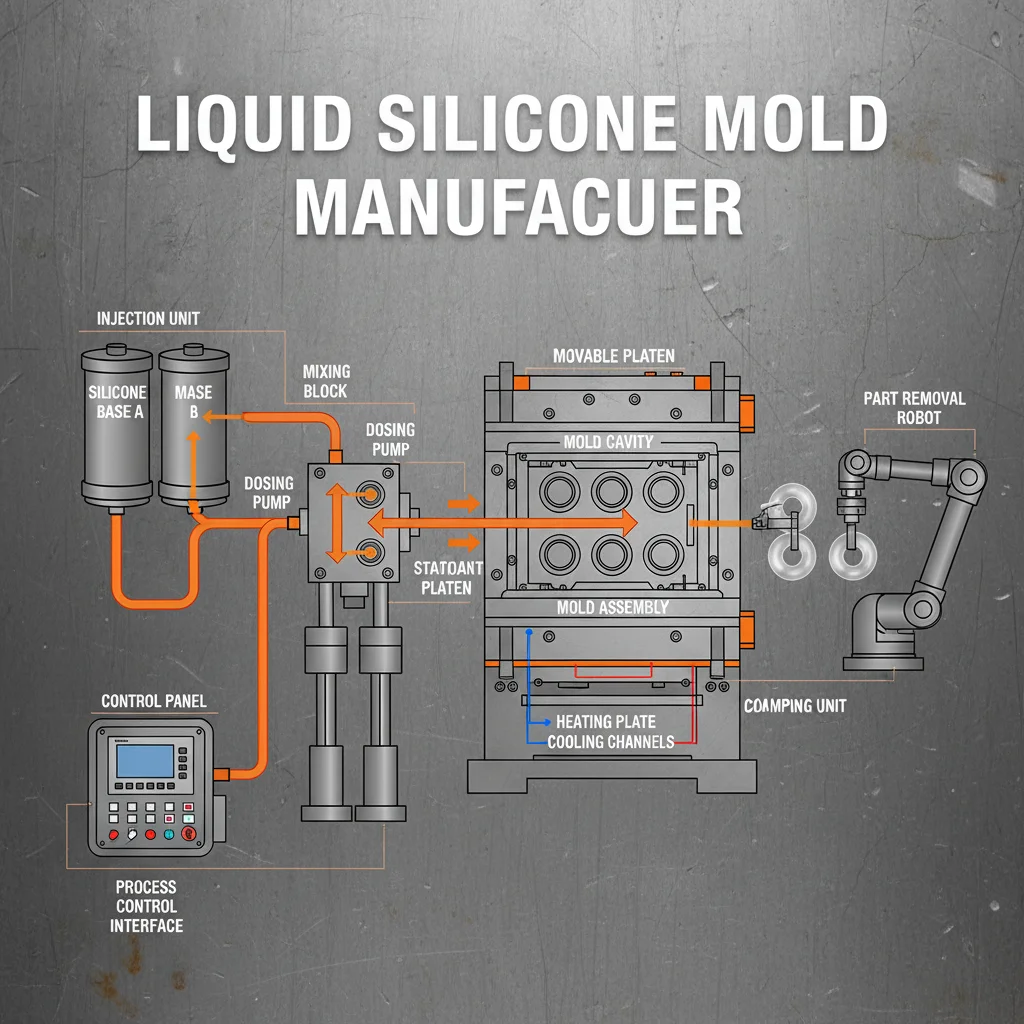
At Guangdong Yingtai, we operate a comprehensive manufacturing ecosystem equipped with state-of-the-art systems: 55 liquid silicone molding presses, 80 automatic plastic injection machines, and dedicated hydraulic presses for solid silicone. This machinery mix underpins our capacity to serve high-volume, high-precision demands consistently.
Material Selection and Production Workflow:
Liquid Silicone Rubber (LSR) stands out for its thermal stability, biocompatibility, and excellent chemical resistance — key for wearable electronics, automotive components, and medical devices. Its injection molding requires controlled temperature profiles and advanced rheological characterization to ensure parts meet stringent dimensional and mechanical specifications.[9]
We leverage advanced CAE tools backed by precise material data sets, optimizing both cycle times and mold filling patterns. Such integration aligns with best practices identified in recent MDPI studies emphasizing the importance of accurate curing and thermal data to reduce defects.[1]
Multi-Component Injection Molding: Combining LSR with thermoplastics like ABS enables hybrid products featuring soft sealing surfaces and rigid frames. Our process engineers control interface adhesion through precise thermal management and surface activation during molding cycles, a critical step backed by contemporary research.[6]
We also monitor and refine venting and mold sealing using modern EDM techniques, following guidelines from Fraunhofer's mold waste reduction methods, to minimize flash and raw material loss — a major supplier consideration that directly impacts profitability.[4]
Technical Specifications for Typical Guangdong Yingtai Injection Mold Products
Material
Processing Method
Surface Finish
Dimensional Tolerance
Typical Applications
Liquid Silicone Rubber (LSR)
Liquid Injection Molding
Smooth, Matte or Glossy Options
±0.05 mm (depending on part geometry)
Medical seals, automotive gaskets, wearable device components
Why Choose Guangdong Yingtai for Your Injection Mold Processing
Full Industry Chain Integration: From mold design, prototype development to full-scale manufacturing using 30+ precision processing equipments, we control quality at every stage.
Technical Expertise: Our engineering team leverages CAE simulation to optimize mold flow, curing, and cycle times — minimizing defects and shortening production lead times.
Certified Quality: Compliance with ISO 9001, CE, and RoHS standards provides peace of mind when sourcing for compliant supply chains.
Material Versatility: Expertise in LSR, plastic injection molding, overmolding and multi-shot molding enables custom solutions for diverse industries — from medical tech to smart wearables.
Robust Logistics: Years of export experience to the USA, Europe, and Asia minimize risks related to freight delays, tariffs, and container load optimization.
Sustainable Practices: Incorporation of advanced tooling methods reduces material waste and improves eco-efficiency in manufacturing processes.
Procurement Considerations for Injection Mold Enterprises
Navigating the supplier landscape for injection mold processing requires more than comparing price tags. Here are key factors that procurement directors and purchasing managers should weigh:
Technical Capability Verification: Confirm the supplier has relevant certifications and a proven track record with similar product materials and applications.
Sample Review and Pilot Runs: Request prototype samples and small pilot production runs to evaluate dimensional accuracy, surface finish, and material consistency before full commitment.
Lead Time Transparency: Work with partners offering clear timelines that accommodate shipping, customs, and buffer periods to prevent supply chain disruptions.
OEM/ODM Flexibility: Assess whether the supplier supports bespoke tooling design and scalable batch production to meet your evolving product roadmap.
After-Sales and Support: Availability of engineering support for installation advice, maintenance guidelines, and troubleshooting is invaluable to avoid costly downtime.
Logistics & Certification Compliance: Ensure suppliers manage documentation for smooth import clearance, conform to local regulatory standards, and optimize container space usage.
Tip: Don’t underestimate the impact of clear communication upfront. Procurement teams gain an edge by asking detailed process questions and requesting real-case production data or factory tour evidence where feasible.
Common Questions about Injection Mold Processing Enterprises
Q1: What are typical lead times for custom LSR injection molded parts?
Lead times vary based on mold complexity and order size but typically range from 4 to 8 weeks after mold approval. Our factory’s integrated design-to-production system enables faster turnaround than market averages.
Q2: How do you ensure consistency in material properties during production?
We utilize batch material certifications from certified suppliers and conduct rigorous in-house testing using advanced spectrometry and hardness gauges. Process parameters are continuously monitored and optimized using CAE and real-time data analytics.
Q3: Can Guangdong Yingtai support multi-shot injection molding for hybrid silicone-plastic parts?
Yes, our equipment and production engineers are highly experienced in multi-component molding combining LSR with thermoplastic substrates utilizing sequential molding cycles, ensuring strong bonding and stable performance.
Q4: What certifications does your production facility hold?
Our factory complies with ISO 9001 quality management standards and meets CE and RoHS directives for products intended for European markets. We also run internal audits aligned with FDA material specifications for medical-grade silicone.
Q5: How do you handle logistics for international shipments?
We coordinate with multiple ocean freight providers to optimize container loading and manage customs documentation thoroughly. Our export team offers transparent shipping plan updates and assistance with freight forwarding.
Voices from Our Clients
Mark Thompson - Purchasing Director, Midwest Automotive Parts
“Yingtai’s expertise in multi-shot molding gave us the edge with our new automotive gaskets line. Their design consultations helped us avoid costly tooling revisions, and the product quality has been consistently excellent over multiple production runs.”
Get in Touch
If you have any camping barbeque equipment inquiry, please feel free to contact us.