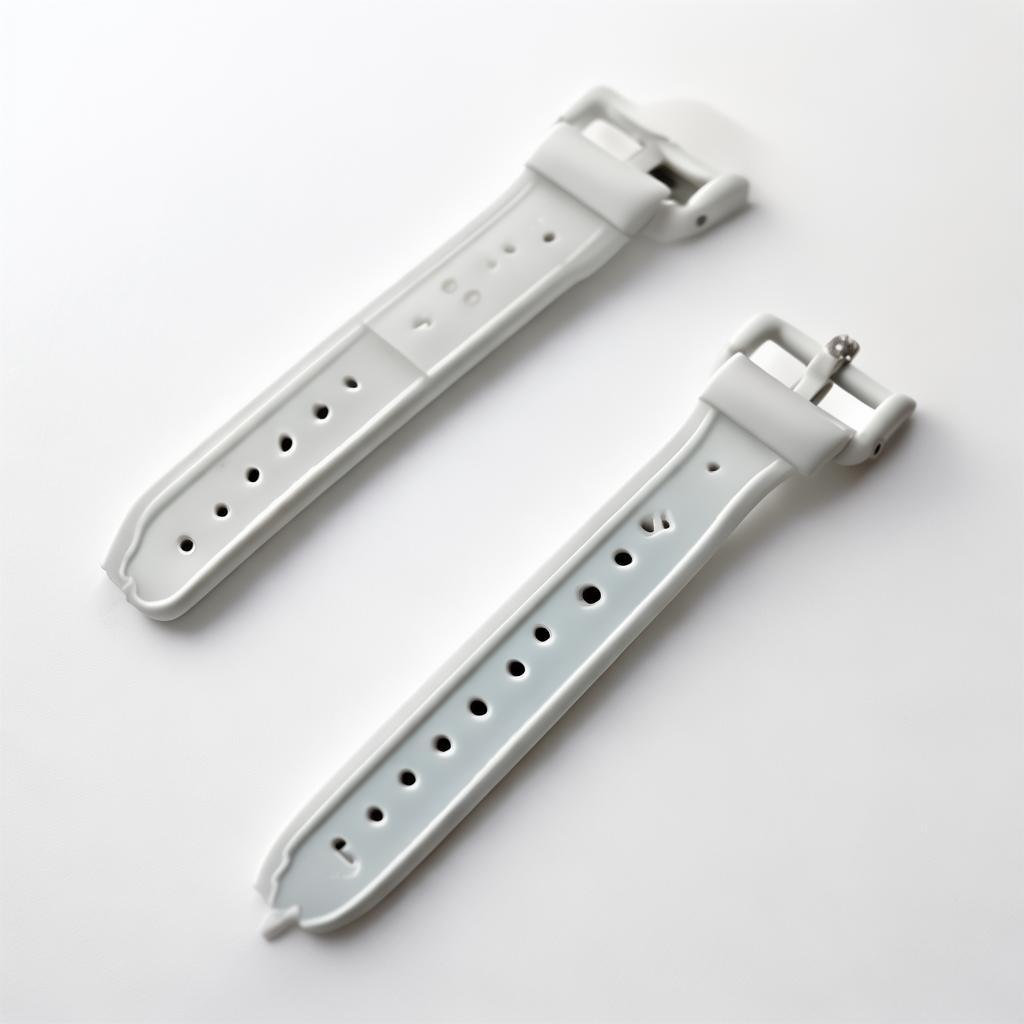
Processing Injection Molded Parts Company
Precision Solutions for Liquid Silicone & Plastic Injection Molding - Guangdong Yingtai High Precision Technology Co., Ltd. Injection molding remains a cornerstone of precision manufacturing for a wide array of industries — from automotive

Product Details

Processing Injection Molded Parts Company

Precision Solutions for Liquid Silicone & Plastic Injection Molding - Guangdong Yingtai High Precision Technology Co., Ltd.

Introduction & Industry Landscape

Injection molding remains a cornerstone of precision manufacturing for a wide array of industries — from automotive to medical devices, consumer electronics to smart wearables. The processing of injection molded parts demands a rigorous blend of exacting material science, engineering know-how, and scaled production expertise.

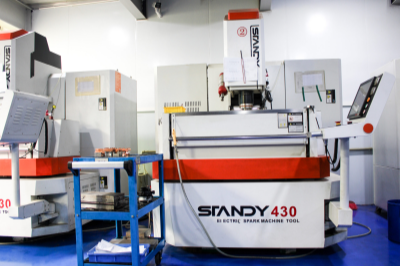
At Guangdong Yingtai High Precision Technology Co., Ltd., with over two decades rooted in the heart of Dongguan’s manufacturing ecosystem, we specialize in liquid silicone injection molding (LSR) and specialized plastic injection molding services. Our factory spans 35,000 square meters, packed with 55 liquid silicone molding machines, 80 automatic plastic injection devices, alongside advanced processing centers — empowering us to deliver OEM/ODM custom solutions tailored to the precise demands of your applications.

The global liquid silicone rubber market illustrates the rising adoption of precision molding. According to Grand View Research, the LSR market was valued at USD 2.81 billion in 2023 and is projected to nearly double by 2030 with a CAGR of 8.5%. This surge is propelled by the growing requirements for medical-grade components, automotive seals, and high-performance silicone parts exhibiting excellent thermal stability and biocompatibility.

Many clients come to us after facing challenges with batch inconsistency, suboptimal mold design, or supplier unreliability in complex silicone and plastic parts. Over the years, we’ve cultivated a production workflow focused on tight dimensional control, low-defect yield, and short lead time. Asia-Pacific leads regional manufacturing expansion — but we are also well-versed in serving North American and European quality standards, including ISO 9001, and guidance aligning with FDA and CE certifications.

Understanding the operational realities of injection molding is pivotal: tooling costs can be a major upfront investment; material selection drives part functionality and lifecycle; and post-molding processes such as trimming, assembly, or overmolding dictate the final product’s suitability for high-volume industries.

We steadily adapt to evolving technologies: from vacuum-assisted molding reducing bubble defects to AI-driven process optimization for boosting yields. Our in-house R&D and machine capabilities cushion you against supply chain variability, tooling delays, or quality bottlenecks.

Choosing the right injection molding partner can lead to substantial improvements in operational efficiency, risk mitigation, and procurement ROI. We invite you to explore how Guangdong Yingtai High Precision Technology Co., Ltd., with its integrated production chain and experienced engineering team, can drive your project’s success — whatever the complexity or volume demands.

Industry Pain Points in Injection Molding

  • Tooling Investment & Lead Time: Complex mold design, especially for LSR, can require weeks to months to perfect, impacting product launch schedules.
  • Dimensional Variability: Unstable process parameters or suboptimal raw material batches cause part inconsistencies, leading to high scrap rates.
  • Material Compatibility Issues: Selecting silicone grades or plastics that aren’t fit for the application results in premature wear, poor chemical resistance, or failure under thermal stress.
  • Surface Quality Defects: Bubble formation, flashing, sink marks, or warping can plague injection molded parts due to mold ventilation or cooling inefficiencies.
  • Supply Chain Disruptions: Overseas manufacturing uncertainties, container shortages, and delayed shipments affect project timelines and costs.
  • Technical Support Shortfalls: Limited communication about molding processes or secondary operations causes avoidable reworks and delayed troubleshooting.

Many procurement directors face these challenges first-hand, forcing them to balance cost, quality, and delivery risks on a daily basis.

Technical Deep-Dive: Materials & Processes

A clear grasp of materials and injection molding methods is essential for evaluating suppliers and ensuring fit-for-purpose parts. We specialize in two main production technologies:

  • Liquid Silicone Rubber (LSR) Injection Molding
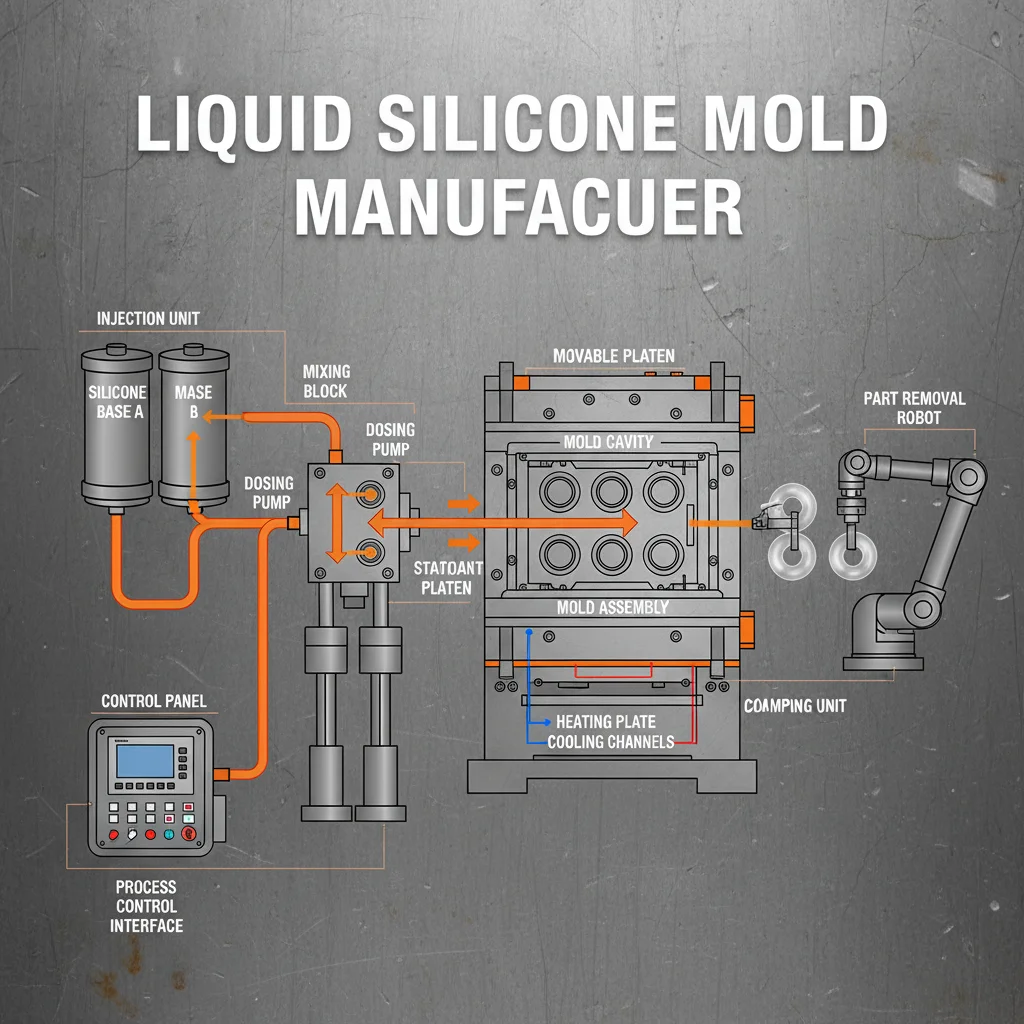
    LSR stands out for its exceptional heat resistance, biocompatibility, and flexibility. It’s liquid at room temperature and vulcanizes quickly within the mold. Our 55 advanced molding machines support multi-shot and vacuum-assisted molding to minimize pores or bubbles — vital for industries like medical devices and soft robotics that demand flawless material integrity.
    (Ref: Grand View Research: LSR Market Growth, 2023-2030)
  • Automatic Plastic Injection Molding
    Our 80+ machines cover thermoplastics like ABS, polypropylene, polycarbonate, and nylon. Plastic parts optimized for injection frequently require precision tooling coupled with post-processing like overmolding or insert molding (integrating metal or electronic components). We emphasize steady melt flow, accurate temperature control, and cycle-time refinement to ensure dimensional accuracy and surface finish.

Material Comparison

Characteristic Liquid Silicone Rubber (LSR) Thermoplastic Injection Molding
Temperature Resistance Up to 200°C continuous Typically 80-120°C depending on resin
Elasticity High (up to 1000% elongation) Low to medium, brittle without additives
Chemical Resistance Excellent (resistant to oils, solvents) Varies, moderate to low
Cycle Time Typically 15-45 seconds 10-30 seconds depending on part size
Typical Applications Medical seals, overmolded electronics, baby products Industrial components, housings, consumer goods

Processing injection molded parts manufacturers Processing injection molded parts enterprises Injection molded parts manufacturer

China High Precision Injection Molding Manufacturer

It's worth noting that multi-shot injection molding combining LSR and plastics is an emerging trend to make composite parts with rigid structures and soft-touch comfort. Our facility and engineering team have extensive expertise to support such manufacturing challenges, optimizing interface adhesion and thermal compatibility.

Key Advantages of Our Injection Molded Parts

Rigorous Quality Control

Our production process incorporates more than 20 advanced testing instruments, including dimensional gauges, durometers, and aging chambers. By monitoring critical parameters such as viscosity, mold temperature, and curing consistency, we minimize defects and provide stable batch-to-batch quality.

Tailored OEM/ODM Solutions

From tooling development to prototype iterations, our team handles entire product lifecycle management. Our factory supports flexible volume production to accommodate pilot runs and mass scale without compromising lead times or precision — crucial for dynamic markets.

Advanced Mold Processing

Our investment in precision mold tooling and rapid prototyping technologies aligns with findings from industry research highlighting the importance of mold design in reducing waste and improving cycle stability (see Fraunhofer Research). High-quality tooling ensures minimal flash, excellent surface finish, and precise cavity sealing.

Eco-Efficient Production

By optimizing injection parameters and adopting waste-reduction techniques, we support more sustainable manufacturing. This translates to reduced material loss and improved operational costs without sacrificing quality.

Application Scenarios

Our injection molded parts serve diverse industries with demanding requirements:

  • New Energy Vehicles: Precision silicone gaskets and seals that endure high temperature and chemical exposure.
  • Consumer Electronics: Soft-touch buttons, protective seals, and overmolded connectors for wearables and smartphones.
  • Medical Devices: Biocompatible components manufactured in cleanroom-like environments, adhering to FDA and ISO 13485 standards.
  • Communication Equipment: High-performance sealing solutions protecting sensitive electronic parts from moisture and dust.
  • Household Appliances: Durable, anti-slip silicone mats and insulated plastic parts for enhanced safety and longevity.
Injection molded parts assembly line
Production line for high-precision injection molded parts at Yingtai factory

Our close collaboration with clients during product design often avoids pitfalls related to prototype-material mismatches, a frequent headache described widely in industry discussions.

Procurement Guidance & Supplier Evaluation

For purchasing managers and procurement directors sourcing injection molded parts, the right partner is about more than price:

  1. Assess Manufacturing Capabilities: Verify if the supplier has a comprehensive production chain — from mold development through to final assembly and testing.
  2. Review Quality Certifications: ISO 9001, ISO 13485 (for medical), CE, FDA compliance add confidence, especially when parts serve regulated industries.
  3. Material Expertise: Confirm experience with your required silicone or plastic grades and multi-material injection molding if needed.
  4. Sample & Prototype Evaluation: Request free or low-cost samples to evaluate material feel, dimensional accuracy, and finish.
  5. Lead Time Transparency: Understand tooling timelines and production cycle times upfront to align with your project schedule.
  6. Logistics & Packaging: Discuss container loading optimization, packaging standards, and shipping options to reduce damage risk and freight cost.

Pro Tip: Always engage with engineers early to clarify technical feasibility, especially if your product involves complex overmolding or multi-shot processes. Misunderstandings at this stage can lead to costly delays down the line.

Frequently Asked Questions

What is the typical lead time for custom injection molded parts?
For new mold development, expect 4-8 weeks depending on mold complexity. Production cycle times per batch vary but generally fall within 2-4 weeks. Shared tooling or modification projects often shorten timelines.
Can you handle multi-shot injection molding involving silicone and plastic?
Yes. We have extensive experience with two-component molding systems that maintain durable bonds and surface finishes, particularly useful for consumer devices and automotive seals.
What certifications do you hold?
Our facility operates under ISO 9001 quality management standards. We are compliant with RoHS, CE, and can support FDA requirements depending on product specifics.
How do you ensure consistent quality between batches?
Through precise process control, real-time monitoring, and material traceability. We maintain extensive quality records and utilize automated inspection equipment to catch deviations early.
What about after-sales technical support?
Our export director and engineering team remain available to assist with installation guidance, troubleshooting, and future product refinements to reduce your operational risks.

Customer Testimonials

Client avatar - Mark J. Mark J., Procurement Manager, Ohio
"Partnering with Yingtai has been a game changer. Their technical team helped us optimize complex LSR gaskets for automotive sensors. Lead time transparency and consistent part quality reduced our supply chain headaches significantly."

Get in Touch