Guangdong Yingtai High Precision Technology Co., Ltd. | Expert Solutions in Silicone and Plastic Injection Molding Processing injection molded parts enterprises stand at the crossroads between precision engineering and mass production efficiency. For purchasing
Product Details
Processing Injection Molded Parts Enterprises: Delivering Precision & Reliability in Industrial Manufacturing
Guangdong Yingtai High Precision Technology Co., Ltd. | Expert Solutions in Silicone and Plastic Injection Molding
Introduction: Navigating Injection Molded Parts Enterprises
Processing injection molded parts enterprises stand at the crossroads between precision engineering and mass production efficiency. For purchasing managers and operations directors in sectors ranging from automotive to consumer electronics, securing reliable suppliers who grasp the nuances of liquid silicone rubber (LSR) and plastic injection molding is no trivial task. Understanding the technical depth behind injection molded parts—from mold design, cycle times, to material specifications—is essential to mitigate costly procurement errors and reduce lead time variability.
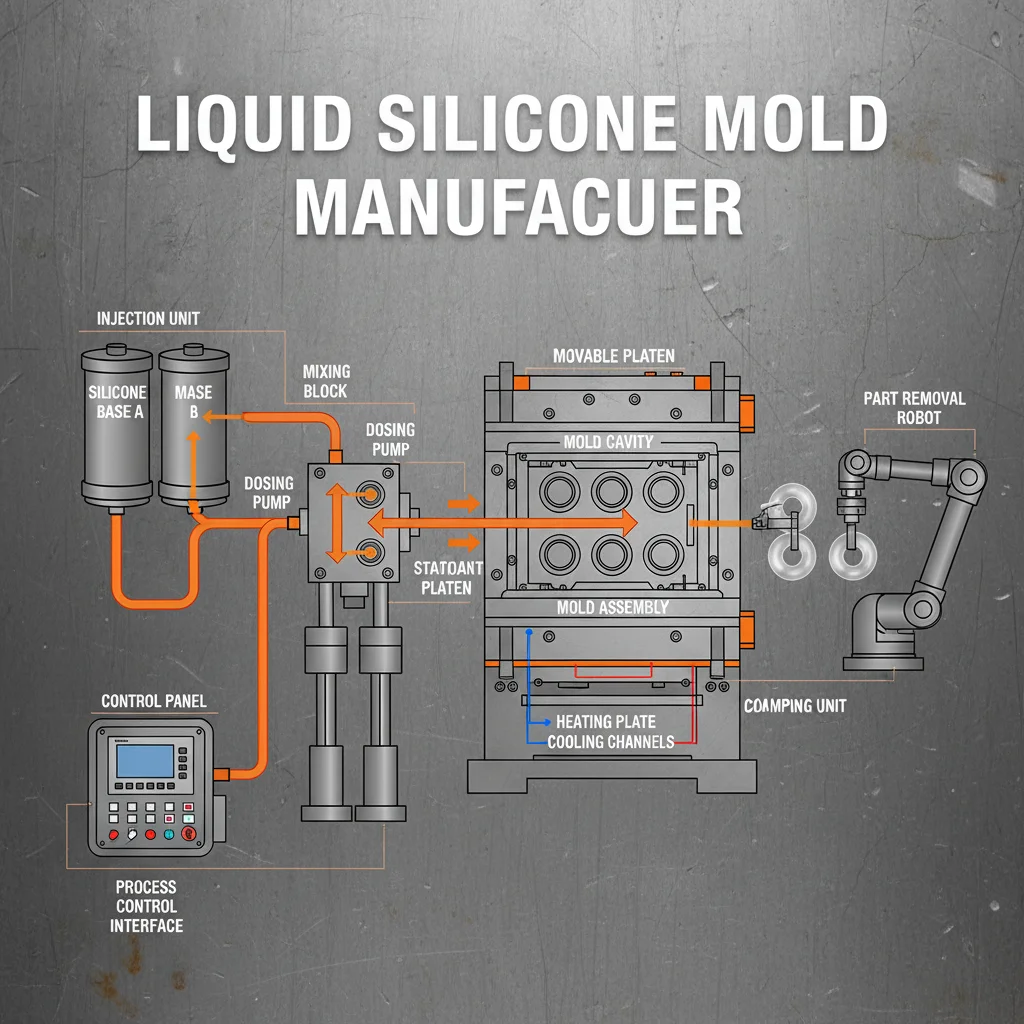
Guangdong Yingtai High Precision Technology Co., Ltd., based in Dongguan's industrial hub, has honed its expertise over two decades by focusing on both silicone and plastic injection molding technologies. Our modern 35,000 m² facility houses over 150 precision machines, including 55 liquid silicone molding units and 80 automatic plastic injection machines, enabling us to produce intricate, high-volume components with stable quality. A dedicated team of 500+ specialists ensures that every stage—from mold development to finished part inspection—meets strict industrial standards like ISO and CE certifications.
The global market for LSR injection molding is rapidly evolving; according to a 2023 Grandview Research report, the LSR market size is projected to reach nearly USD 5 billion by 2030 — this growth is driven by growing demand for biocompatible, heat-resistant, and flexible injection molded parts in medical, automotive, and electronics industries. These trends push manufacturers like us to innovate and apply advanced injection molding workflows, focusing on precision, surface quality, and durability.
For procurement directors and importers, engaging with an injection molding partner requires clarity beyond price: dive into material compatibilities (LSR, ABS, polyethylene-based compounds), tooling capabilities, cycle time optimization, and post-molding processes such as overmolding and surface finishing. Consider too that OEM/ODM suppliers capable of multi-material molding or low-volume custom runs offer more agility, an essential factor for product development cycles and inventory management.
Exploring this page will equip you with pragmatic insights, backed by industry research and seasoned operational experience, to make confident supplier decisions in the international marketplaces. We aim to bridge technical knowledge and commercial acumen in this complex field.
Industry Pain Points and Procurement Risks
Injection molding enterprises frequently face challenges that impact production quality and delivery schedules. From my experience as an export manager, I’ve observed that the following issues often trip up procurement teams unfamiliar with silicone and plastic molding specifics:
Material inconsistency: Selecting the wrong grade of LSR or thermoplastic can cause issues with biocompatibility, UV resistance, or chemical stability. Some suppliers overlook subtle differences in silicone formulations impacting durability.
Tooling lead times and costs: Mold development for LSR injection molding requires specialized tooling with complex venting and precise cavity sealing. Poorly designed molds cause flash defects or dimensional variability, resulting in rejected batches and retooling expenses.
Process variability: Injection parameters such as curing temperature, injection speed, and cycle time demand tight control. Without advanced CAE and rheological data modeling (supported by research such as the MDPI study on material characterization), inaccurate simulations lead to high scrap rates.
Logistical delays: Cross-border shipping of molded parts requires planning for container utilization, customs clearance, and storage conditions to avoid deformation or contamination.
Limited supplier transparency: Inadequate communication regarding material certifications, testing protocols, and compliance can expose buyers to regulatory risks or end-product failures.
Buyers should conduct thorough supplier audits and request comprehensive documentation to mitigate these risks. This includes conformity certifications (e.g., ROHS, FDA for medical grade silicone), mold flow analysis reports, and test samples demonstrating consistency.
Product Advantages & Technical Insights
When evaluating injection molded parts from a trusted factory like Yingtai, several technical and operational advantages become evident:
High dimensional accuracy: Advanced molding machines with precision injection controls maintain tolerances within ±0.05 mm, critical for sealing components and connectors.
Material versatility: Processing capabilities cover liquid silicone rubber, solid silicone, various thermoplastics, and multi-component molding, supporting complex designs and overmolding.
Thermal & chemical resistance: Our LSR parts exhibit stable performance from -60°C to +230°C, with excellent resistance to oils, ozone, UV, and aging, suitable for automotive and medical environments.
Reduced cycle times: Optimized molds and process parameters help minimize part production time without quality compromise — crucial for high-volume orders and demand fluctuations.
Advanced testing & inspection: With over 20 testing instruments, each production batch undergoes dimensional, mechanical, and visual quality checks to ensure defect-free output.
Sample Technical Specifications of Injection Molded Silicone Parts
Injection molded parts find critical applications across several demanding industries. Here are primary scenarios where our molded components excel:
New energy vehicles: Durable seals and connectors capable of withstanding high voltage and thermal cycling inside battery packs.
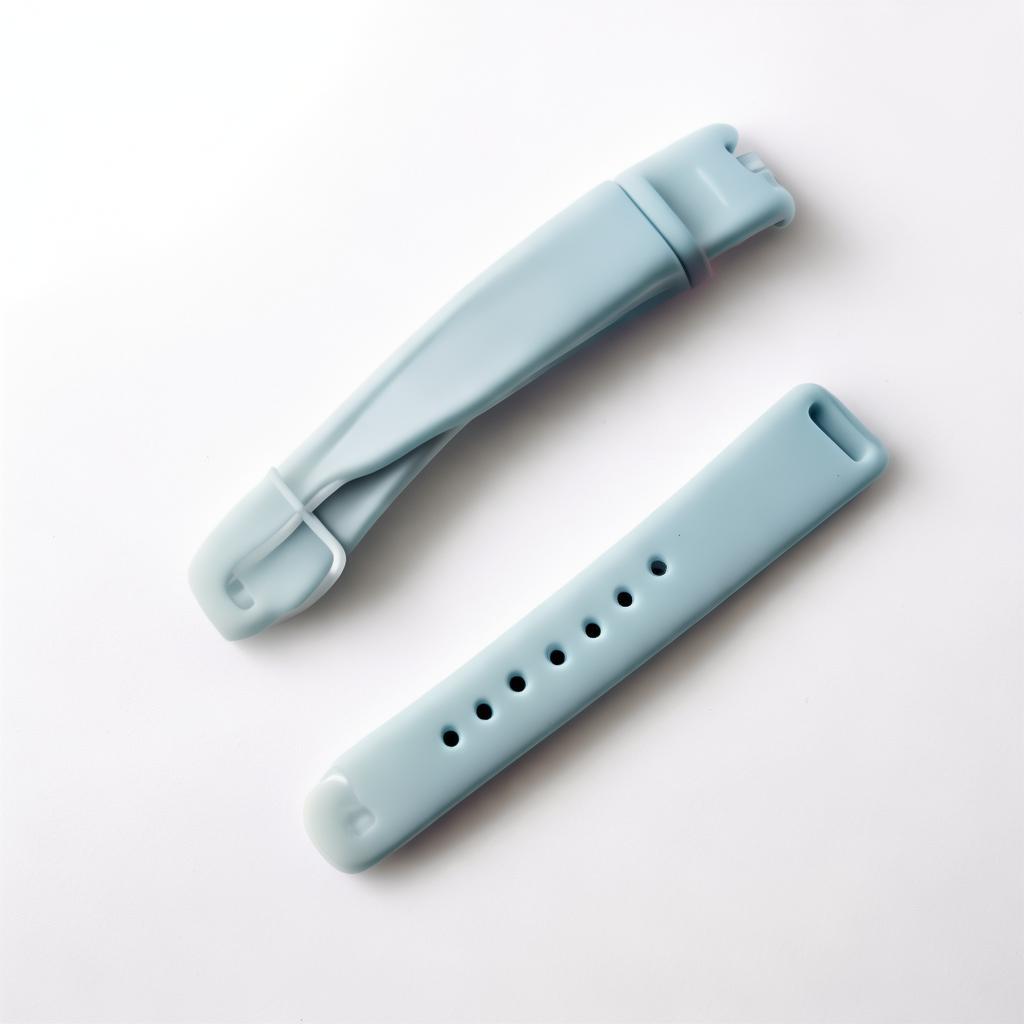
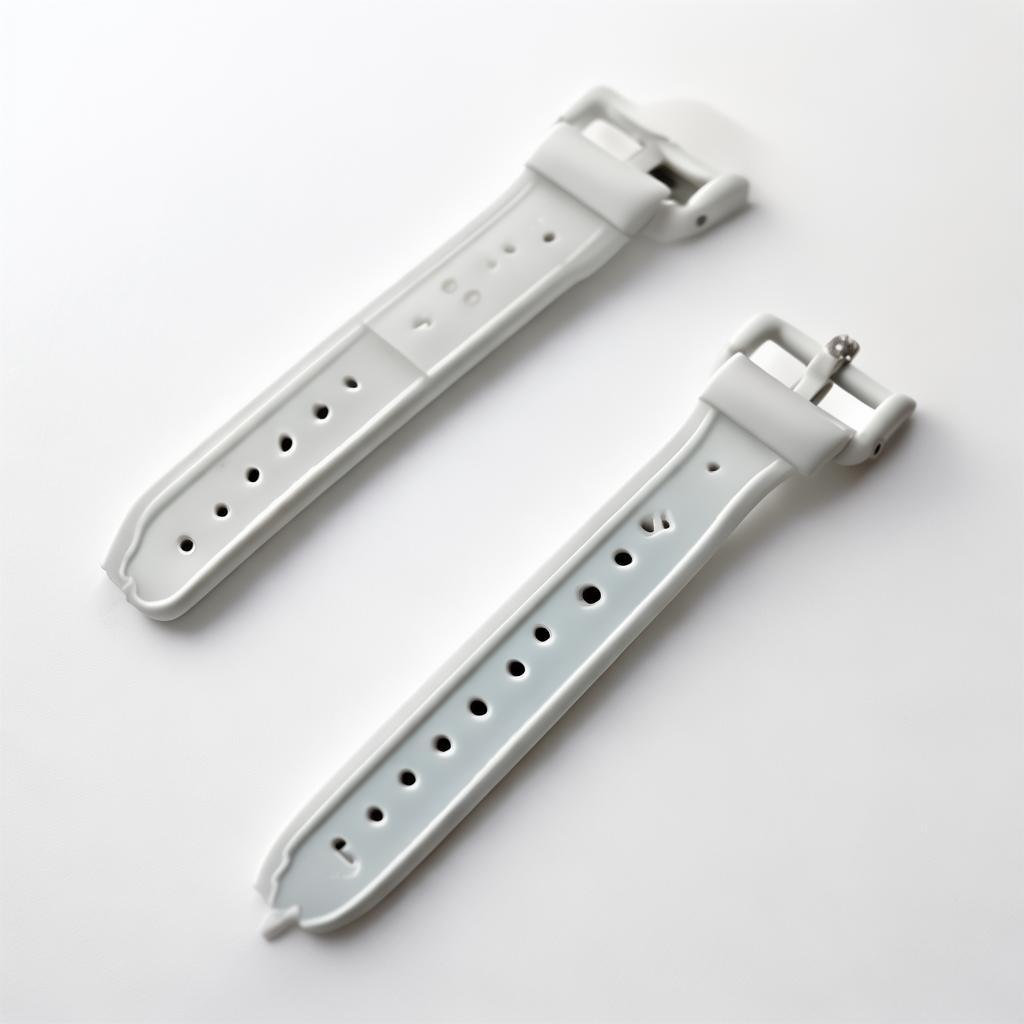
Consumer electronics: Compact waterproof seals, flexible keypads, and ergonomic components for smartphones, wearables, and gaming devices.
Medical devices: Biocompatible and sterilizable silicone parts for surgical instruments, seals, and diagnostic equipment.
Household appliances: Anti-slip backing, protective coverings, and customized molding for trusted appliance brands.
Industrial automation: Flexible gaskets and connectors for machinery exposed to oils, solvents, and mechanical abrasion.
From an engineer’s standpoint, installation processes must respect part tolerances and environmental conditions. For example, overmolded silicone seals require precise alignment and pressure settings to maintain leak-proof performance. Additionally, some end-use scenarios call for post-molding treatments such as plasma cleaning or UV curing to enhance adhesion.
Many contractors report shorter installation times compared with traditional rubber or gasket materials — a testament to injection molding’s benefits in volume consistency and predictable placement.
Factory Strengths and Certifications
Our Yingtai manufacturing base in Dongguan represents industry-leading standards for injection molding in Asia-Pacific, emphasizing the following core competencies:
55 liquid silicone molding machines & 80 plastic injection units that support volumes from prototype to mass production.
More than 50 sets of precision mold processing equipment ensuring tool accuracy and longevity with minimal insert wear.
Dedicated quality control lab equipped with advanced testing instruments for mechanical properties, dimensional checks, and environmental simulation.
Robust R&D team focused on mold flow analysis, rheological simulation, and process optimization incorporating AI-driven parameter tuning.
Certified compliance with ISO 9001, CE, ROHS, and FDA standards depending on application requirements.
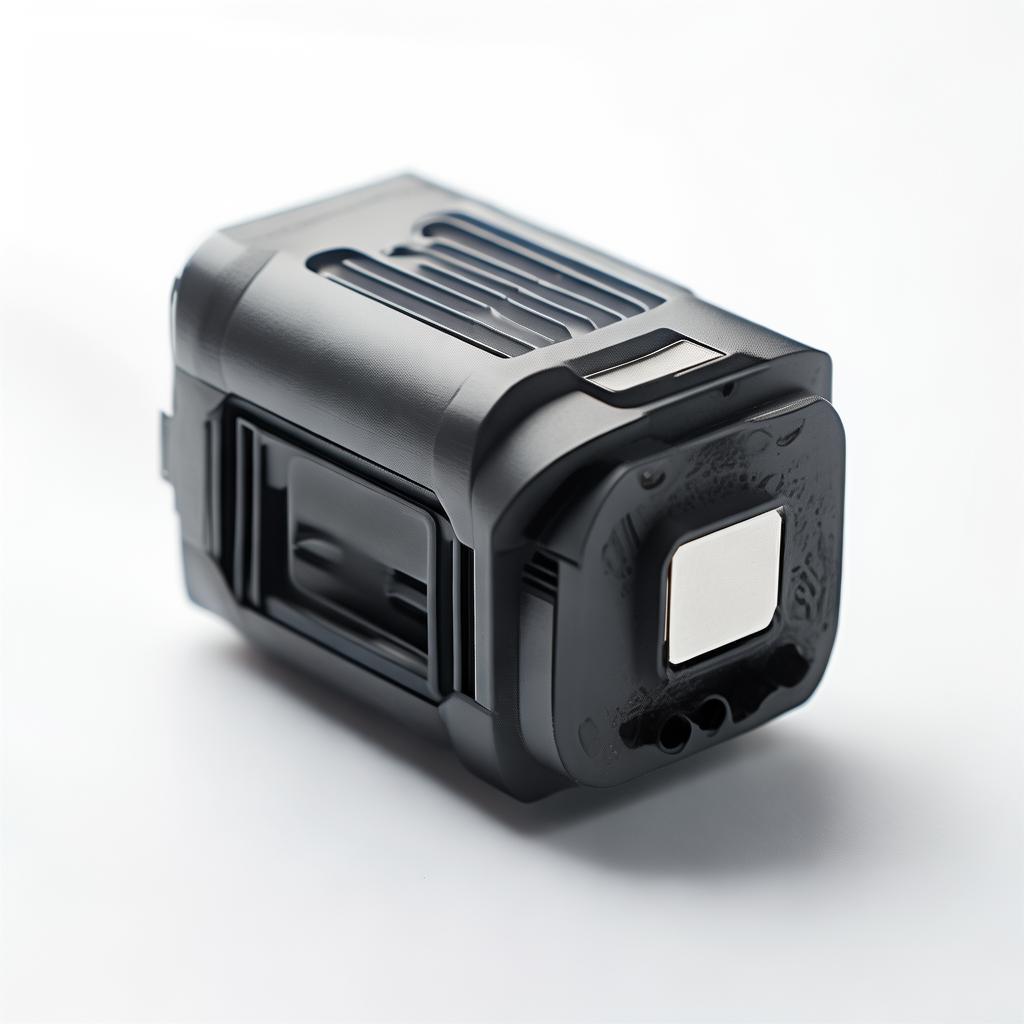
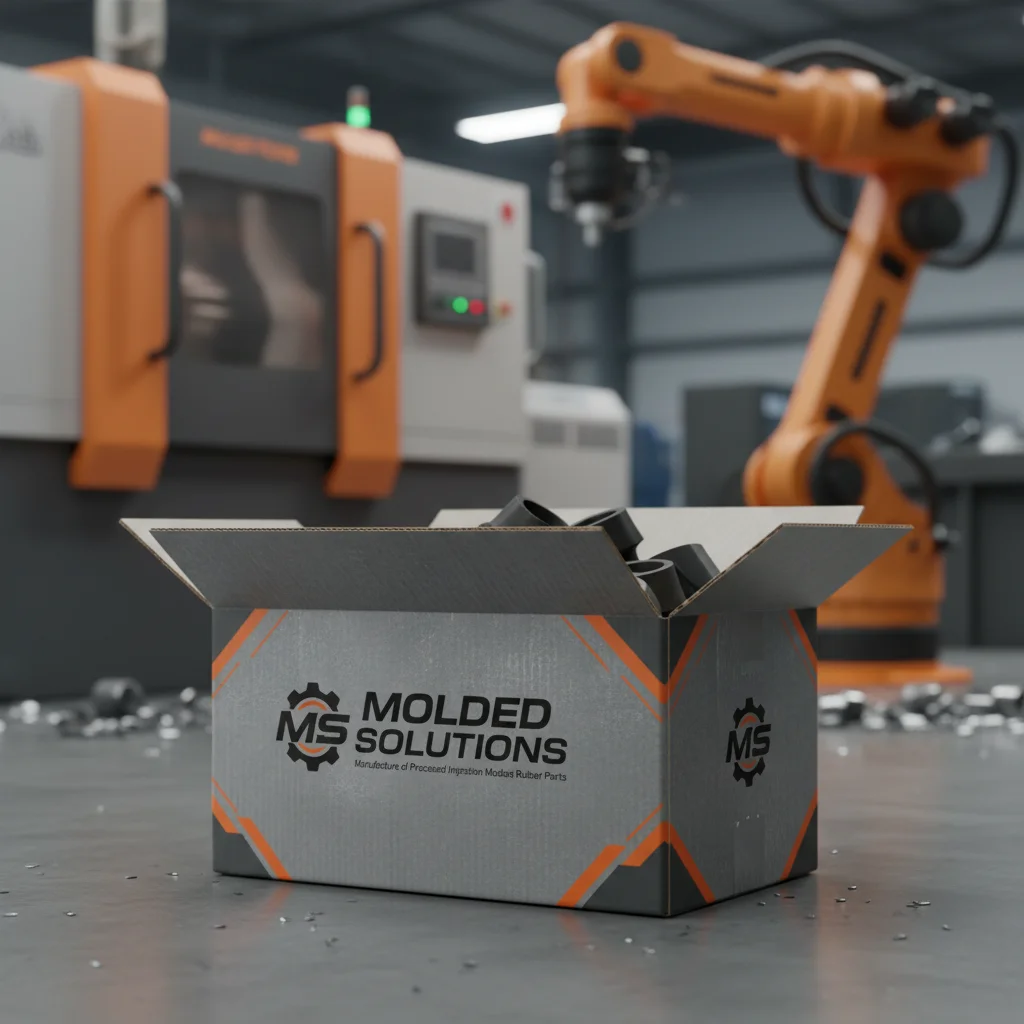
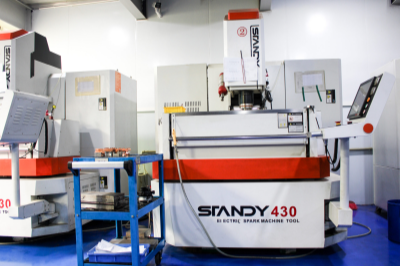
Advanced injection molding equipment at Yingtai facility
Export durability and consistency are pillars here—buyers can expect adherence to rigid lead time commitments, packaging to prevent deformation during transit, and clear documentation for customs and regulatory compliance.
Procurement Guidance & Supplier Evaluation
Engaging with a processing injection molded parts supplier requires more than filtering by price. Procurement consultants advise focusing on these aspects:
Material knowledge: Suppliers must demonstrate expertise in LSR grades, curing parameters, and compatibility with secondary materials like ABS for multi-component molding.
Molding capabilities: Evaluate mold size limits, shot weight range, cycle time averages, and post-processing proficiency to ensure fit for your design.
Certifications: Request copies of ISO 9001, CE, and application-specific accreditation to verify quality management and regulatory compliance.
Process transparency: Factory visits or virtual tours to audit equipment, tool maintenance, and production practices help reduce hidden costs and risks.
Sample validation: Early prototyping and tooling iterations with comprehensive material and dimensional reporting are crucial to iron out design issues.
A well-rounded supplier evaluation includes considering container loading efficiency and the supplier's communication responsiveness, particularly when coordinating international shipments. Asking for tailored shipping plans and logistics optimization advice can yield better delivery performance.
Frequently Asked Questions
Q1: What are the key differences between liquid silicone rubber (LSR) and solid silicone for injection molding?
LSR is a two-component, heat-cured silicone ideal for high-volume automatic injection molding with precise flow characteristics. Solid silicone (HTV) involves compression molding or transfer molding and suits lower volume or different mechanical requirements. LSR offers better surface finish and cycle times.
Q2: How do tooling lead times affect project scheduling?
Specialized LSR molds require 6-10 weeks depending on complexity. Rushed tooling increases the risk of defects. Planning early and selecting a factory with modular or rapid tooling options can reduce delays.
Q3: Can injection molded parts be customized with color or surface textures?
Yes, pigmentation additives and various surface textures are feasible. Discussing these requirements during mold design avoids costly modifications later.
Q4: What is the typical shelf life of injection molded silicone parts?
Properly stored silicone parts maintain performance for 5+ years, but exposure to ozone, UV light, or oils can degrade material properties faster.
Q5: How are defects like flash or warpage minimized?
With well-engineered molds, tightly controlled injection parameters, and rigorous quality checks. Advanced mold venting and simulation tools improve process stability, decreasing scrap rates.
Customer Reviews & Real-World Benefits
John Miller - Procurement Manager, EV Components Inc.
“Partnering with Yingtai cut our turnaround times by nearly 20% compared to previous suppliers. Their precision silicone seals consistently pass our stringent automotive specs. Communication and on-time delivery always meet expectations — a real industry leader.”
Get in Touch
If you have any camping barbeque equipment inquiry, please feel free to contact us.



 John Miller - Procurement Manager, EV Components Inc.