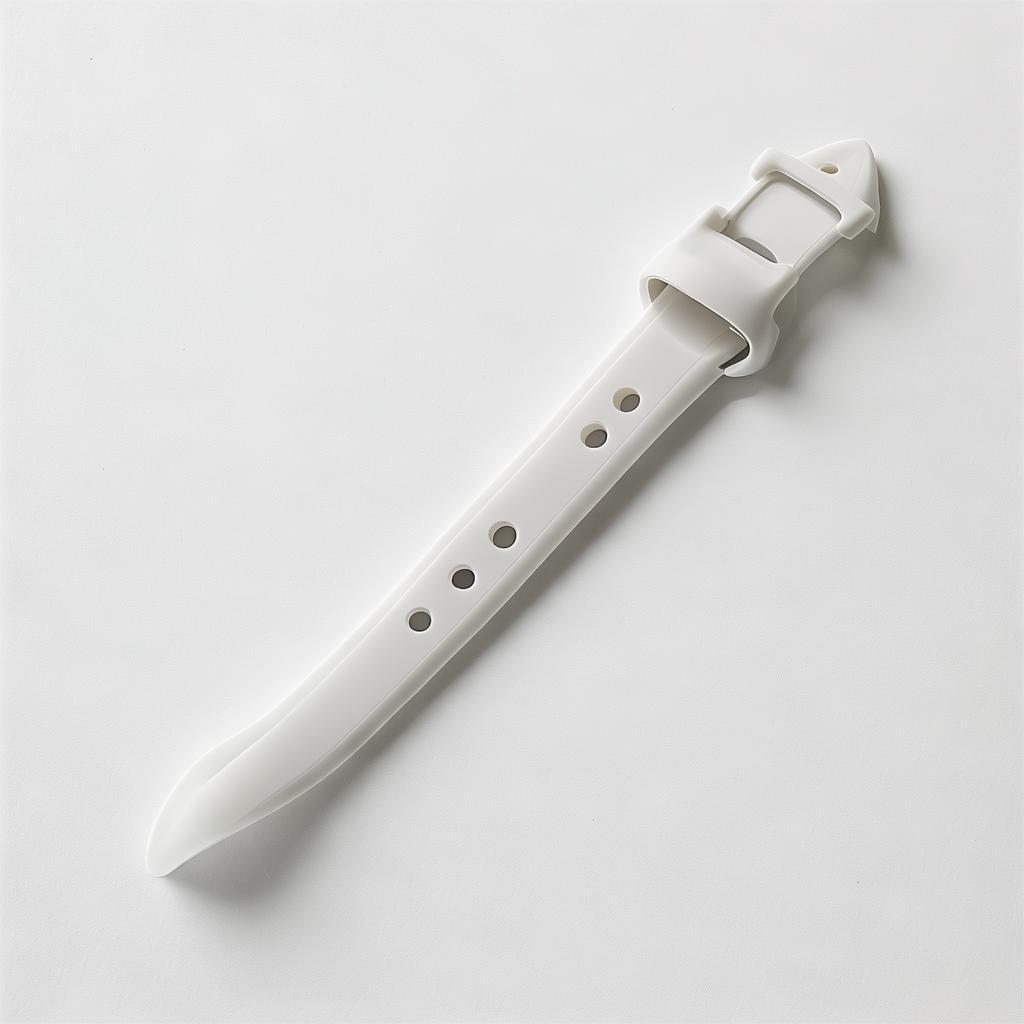
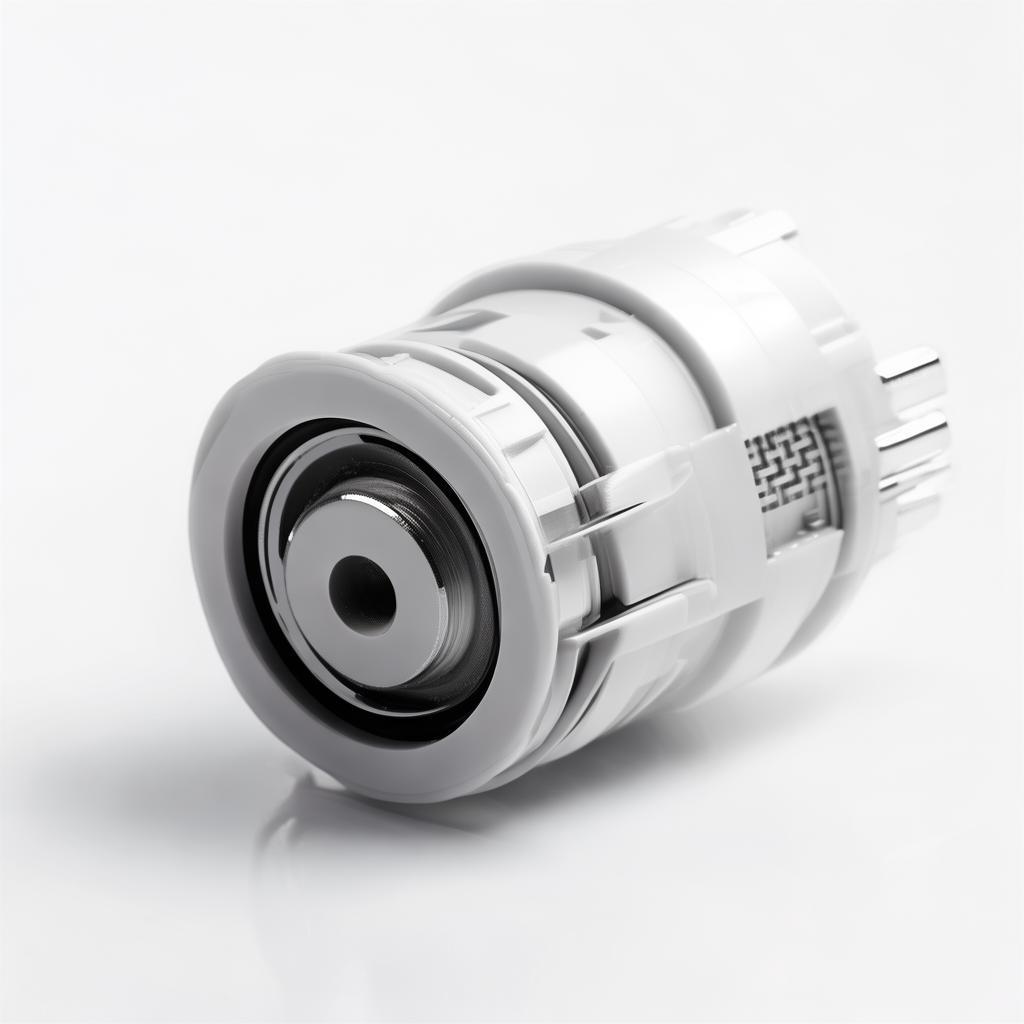
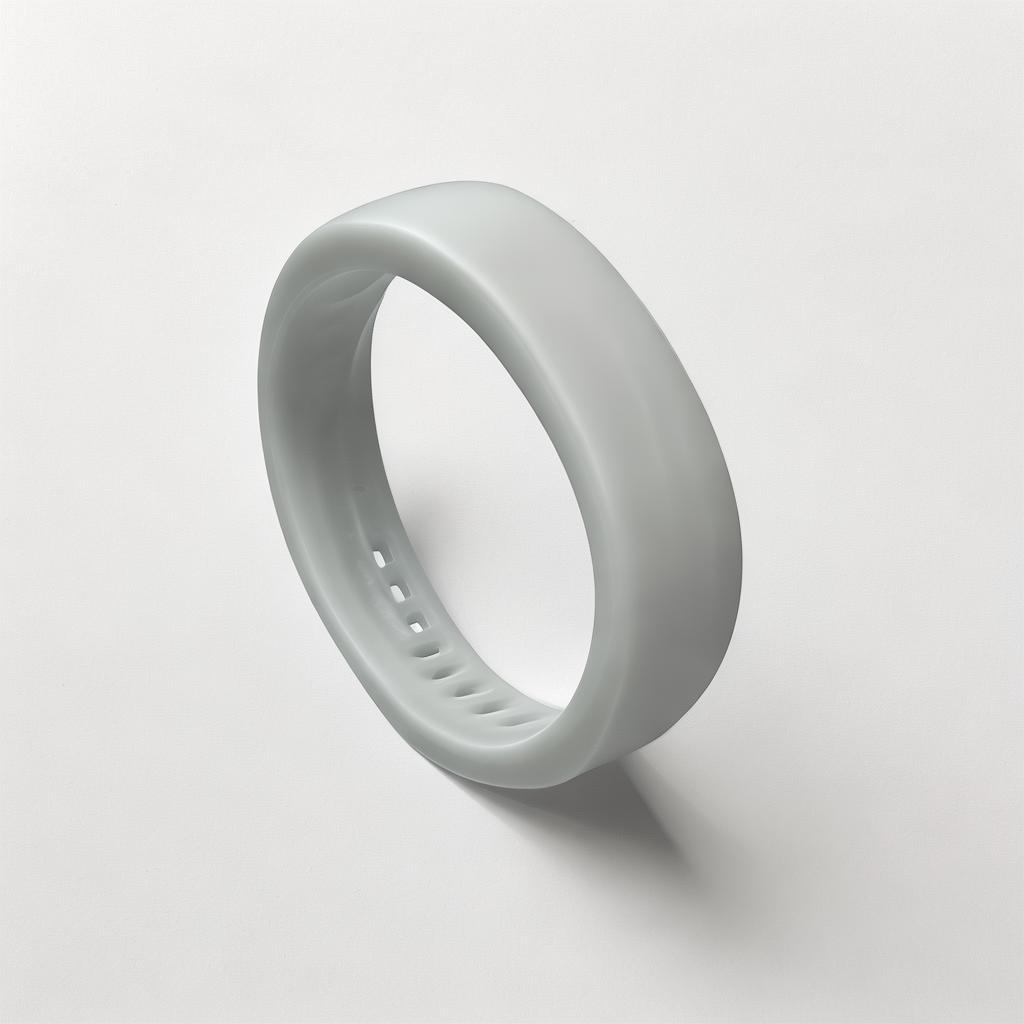
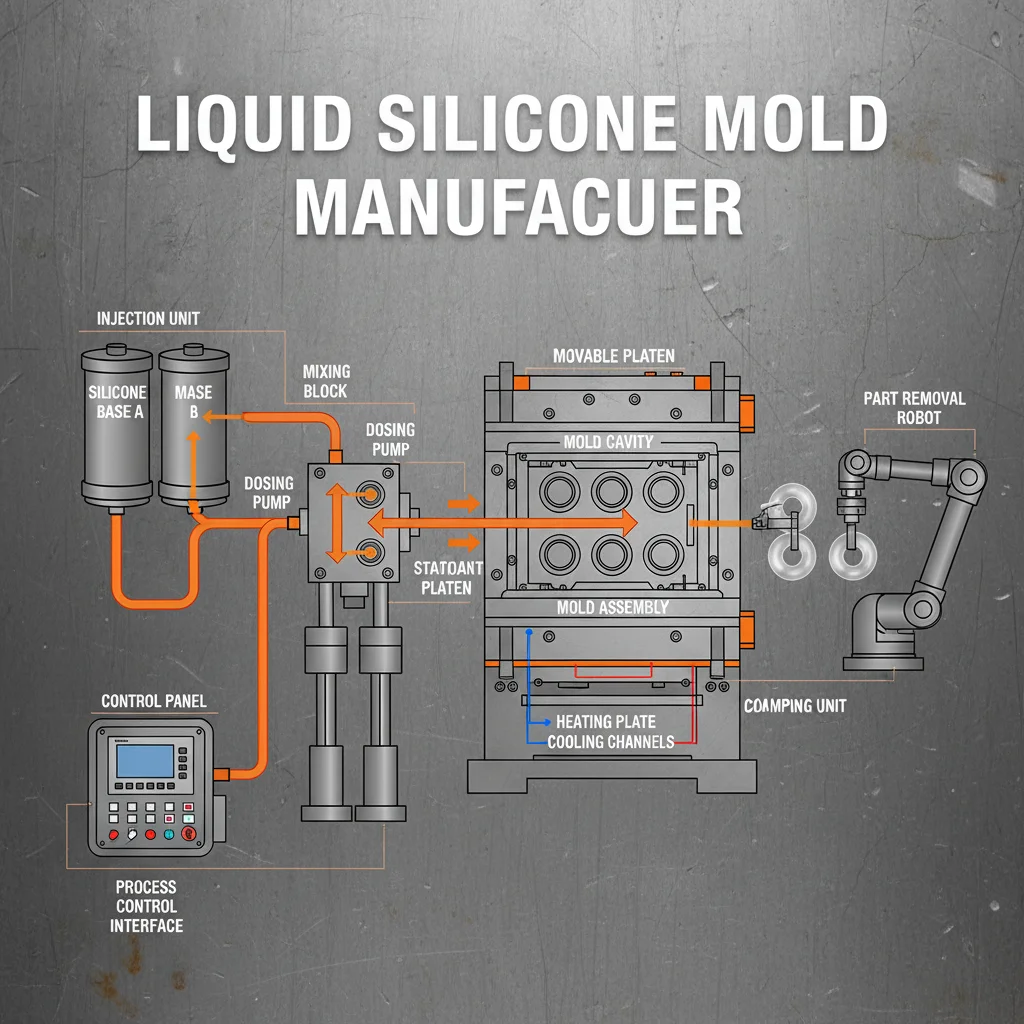
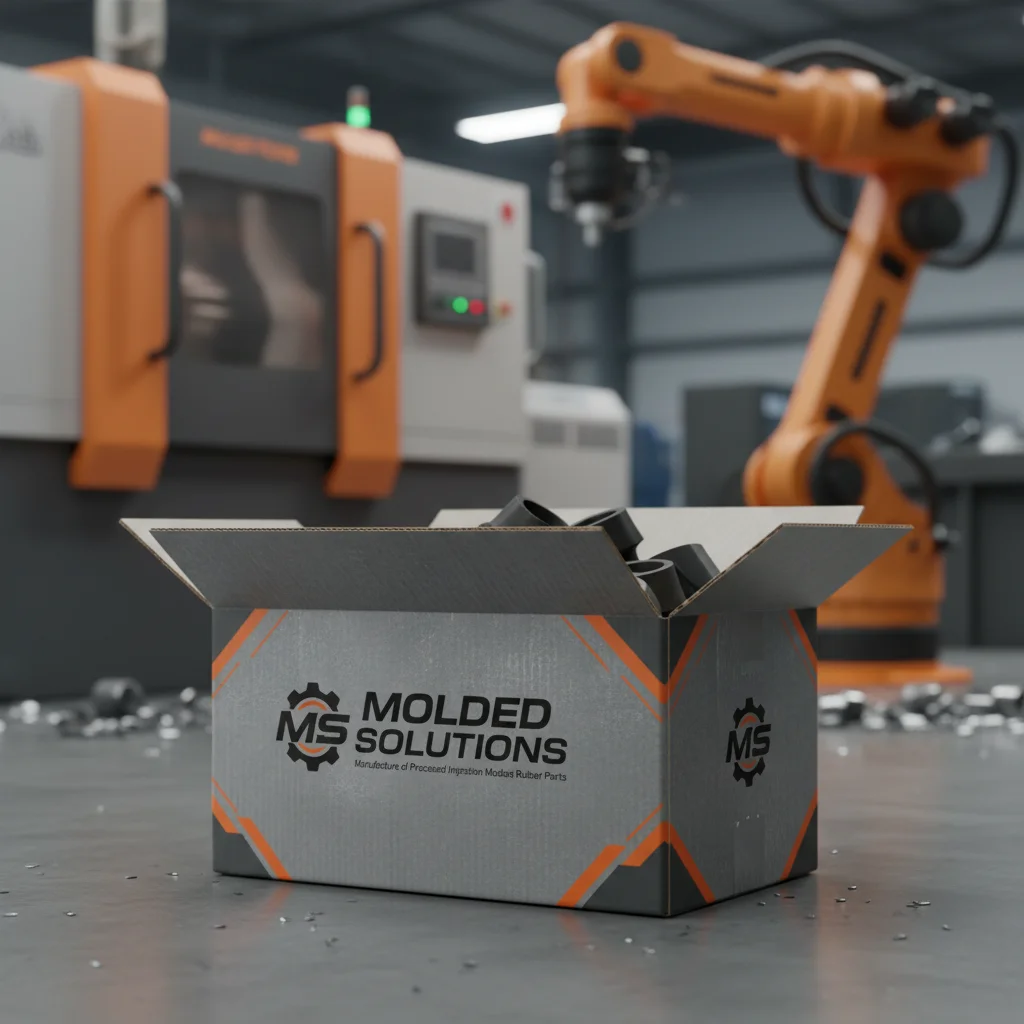
Processing Injection Molded Plastic Parts Mold Factory
Processing Injection Molded Plastic Parts Mold Factory
Precision, reliability, and industrial excellence—critical pillars for high-quality molded parts. Organizations sourcing injection molded plastic parts frequently encounter challenges that ripple through their supply chains — from inconsistent material quality to delayed lead times
Product Details
Processing Injection Molded Plastic Parts Mold Factory
Precision, reliability, and industrial excellence—critical pillars for high-quality molded parts.
Navigating Industry Pain Points & Procurement Risks
Organizations sourcing injection molded plastic parts frequently encounter challenges that ripple through their supply chains — from inconsistent material quality to delayed lead times and production defects. The intricacies of plastic injection molding demand not only robust manufacturing equipment but also sophisticated mold design and rigorous process control.
Common hurdles include:
Material Variability: Choosing plastics tailored to the end-use environment (impact resistance, UV stability, chemical tolerance) is critical. Avoiding generic or inconsistent resin grades often used by less transparent suppliers can prevent costly failures.
Mold Precision Limitations: Subpar tooling leads to dimensional inaccuracies, increased scrap rates, and customer dissatisfaction. Industry leads prefer suppliers committed to ISO 9001 and TS16949 certified mold development.
Long and Unpredictable Lead Times: Overseas manufacturing hubs can cause shipment delays and production backlogs. Without clear communication and transparent production tracking, buyers risk missed project deadlines.
Quality Assurance Gaps: Lack of robust on-site testing and sample validation can introduce hidden defects impacting assembly and product longevity.
Complex Logistics Coordination: Failing to optimize container loading or overlook customs requirements may inflate costs and shipment durations.
Mitigating these risks requires partnering with a factory that understands the full process flow—from mold design and development to mass production and logistics optimization. A supplier's commitment to transparency, quality certifications, and process innovation is non-negotiable for serious procurement managers.
Why Choose Guangdong Yingtai for Your Molded Plastic Parts?
As a baseline, Guangdong Yingtai High Precision Technology Co., Ltd. stands out with two decades+ of experience in injection molded plastics and liquid silicone products, exporting to global markets including the USA.
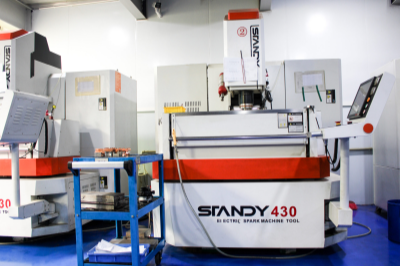
Integrated Industry Chain: All molds—from concept, CAD modeling, CNC precision tooling, to mass injection molding—are developed in-house, assuring consistency and rapid iteration.
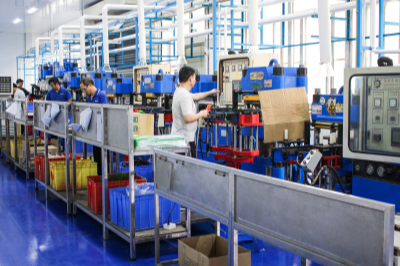
Robust Factory Infrastructure: With 80 automatic injection molding machines and 30+ precision processing arrays, the facility boasts scalable output with unmatched quality control.
Certified Quality Systems: Yingtai operates under strict ISO 9001 and CE certifications, guaranteeing compliance with international product standards and traceability.
On-Site Quality & Testing Labs: Equipped with advanced testing instruments ensuring mechanical, thermal, and dimensional properties meet specifications pre-shipment.
OEM/ODM Capabilities: Custom molds and parts tailored precisely per buyer requirements with NDA safeguards and prototype sample approvals.
Supplier audits conducted by operators frequently commend Yingtai for its lead time adherence, on-demand technical support, and ability to manage material selection challenges tailored to specific thermoplastics or LSR silicone injection molding demands.
Technical Deep Dive: Material Selection & Specifications
Molded plastic parts often require meticulous material characterization to meet stringent operational demands. Common materials Yingtai deploys include:
Material
Properties
Typical Applications
Relevant Standards
ABS (Acrylonitrile Butadiene Styrene)
Impact resistant, easy to mold, rigid with good surface finish
Each material calls for precise injection molding parameters — including temperature profiles, injection pressure, and cooling time — that must align with the mold tooling design. Advances in CAE simulation and AI-optimized process parameters help ensure dimensional stability and surface aesthetics, especially critical in consumer-facing products.
The factory also integrates production monitoring systems for in-line defect detection, reducing waste and cycle time variability — a step ahead in quality assurance often overlooked in many overseas operations.
Where Our Molded Plastic Parts Make an Impact
Injection molded plastic parts from Yingtai's factory fulfill stringent demands across multiple industries:
New Energy Vehicles: High-precision electronic housings, flexible seals, and connector components.
Consumer Electronics: Durable casing for smart devices, anti-slip features, and thermal insulation parts.
Medical Devices: Biocompatible LSR seals, tubing connectors, and ergonomic components requiring strict material control.
Industrial Appliances: Wear-resistant plastic gears, fluid handling parts, and customized injection molds with quick turnaround.
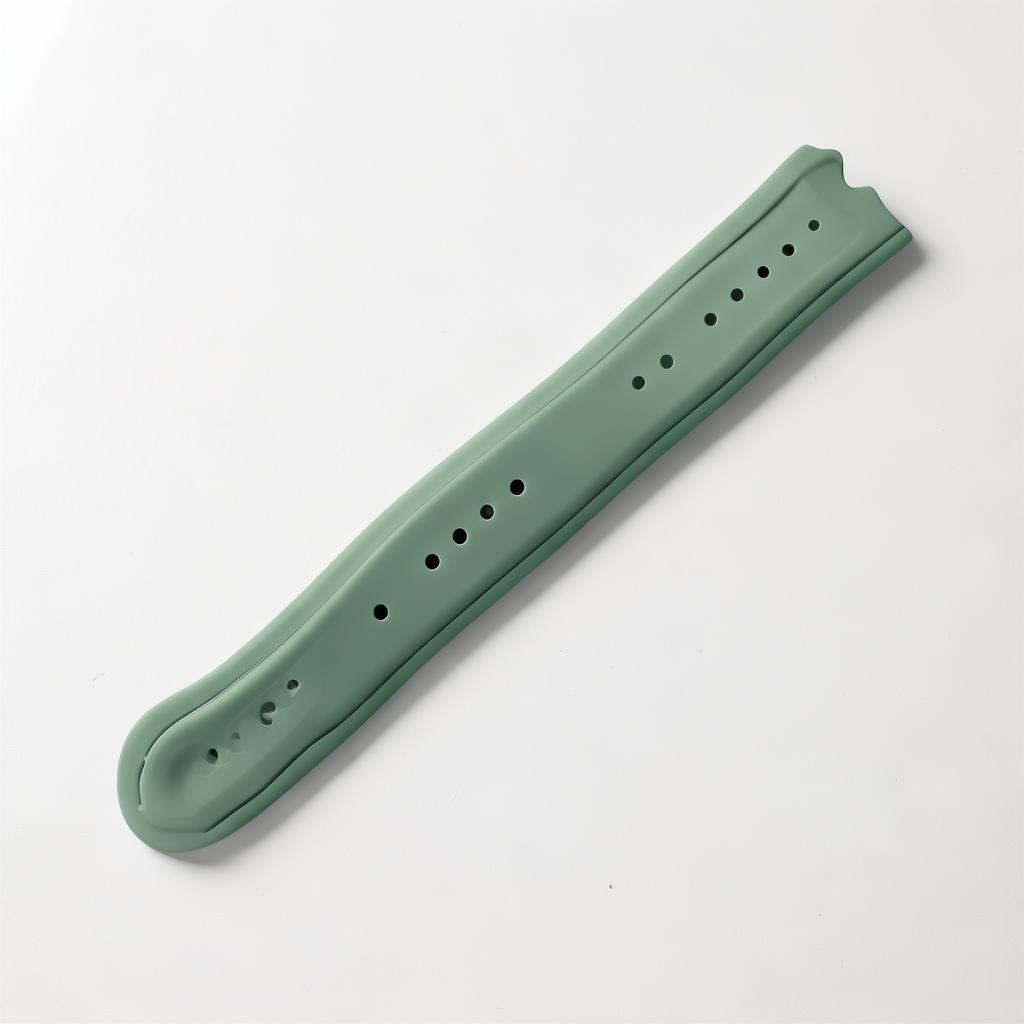
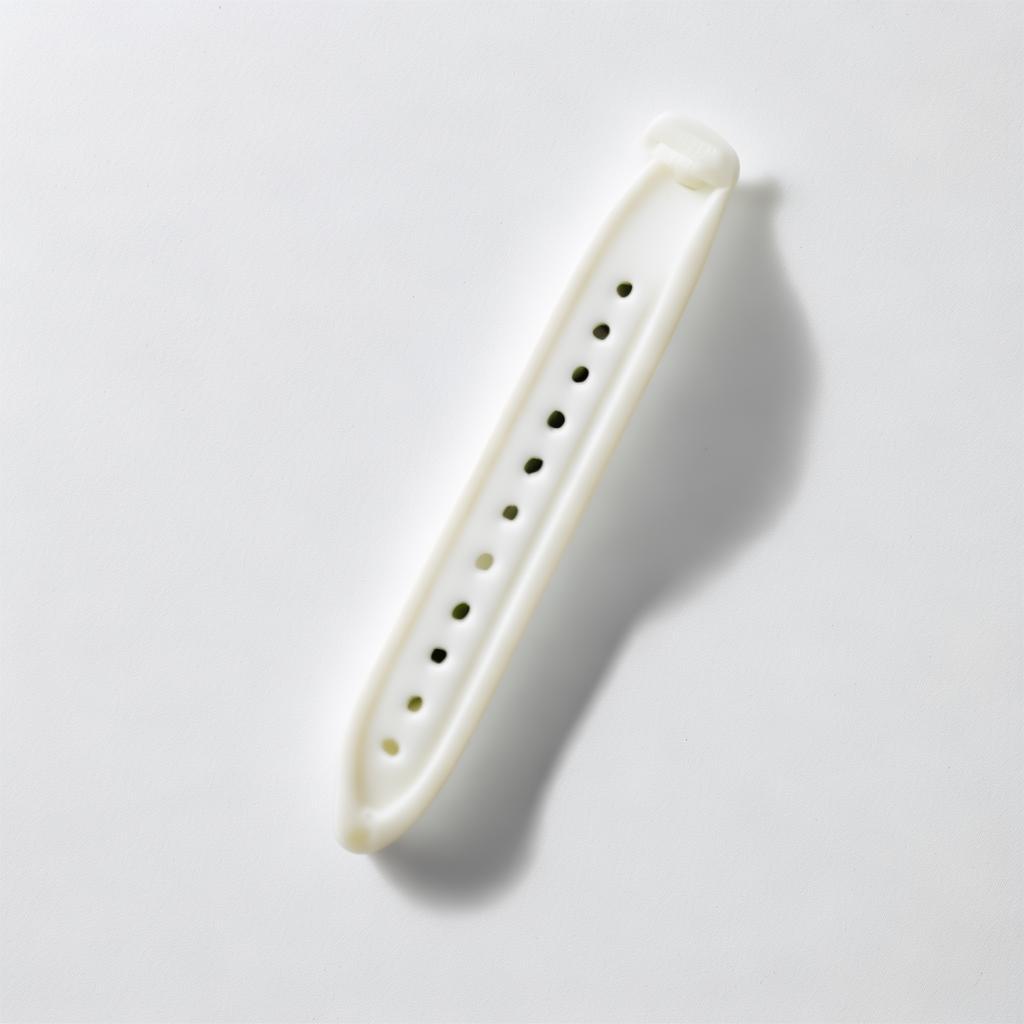
Household Goods: Kitchenware with FDA-certified plastic materials, child-safe baby products with silicone overmolding.
Understanding the application environment—exposure to chemicals, thermal cycling, mechanical load—is fundamental to the collaboration between buyer and manufacturer. Yingtai specializes in combining design insight with material science to extend part service life and reduce field failures.
Procurement & Supplier Evaluation: What Buyers Should Know
For purchasing managers navigating the complex plastics mold supplier landscape, practical insights can save months of delays and unwanted expenses.
Mold Development Timeline
Custom tooling generally takes 6-12 weeks depending on part complexity and mold size. Rushing often leads to precision loss and under-tested molds.
Sample & Prototype Validation
Insist on receiving production-grade samples made from materials intended for mass production. Prototype grades or 3D printed samples can mislead dimension and finish expectations.
QC & Document Traceability
Confirm that suppliers maintain documented material certificates, in-process inspection records, and shipment quality reports. This transparency mitigates risk in cross-border trade.
Logistics Optimization
Understand your supplier's container loading efficiency and customs clearance experience. Optimized palletizing and packaging reduce freight cost and damage risk.
Communication & Responsiveness
Local language support and flexible time zone availability improve problem resolution and sample exchange cycles.
Understanding the cost structure beyond pricing saves money. Mold maintenance, tooling modifications, and warranty dispute management are ongoing cost centers buyers commonly underestimate.
Frequently Asked Questions
Q1: How long does a typical injection mold last in production?
A: With proper maintenance, high-quality steel molds can last over 500,000 cycles; however, regular inspections and cleaning are essential to prevent wear and dimensional drift.
Q2: What quality certifications does Yingtai maintain?
A: Yingtai holds ISO 9001 and CE certifications. Our products comply with international standards including FDA-compliant material availability and ISO 10993 biocompatibility for silicone parts.
Q3: Can the factory handle multi-component (overmolding) projects?
A: Absolutely. With extensive experience in LSR overmolding combined with rigid plastics such as ABS, Yingtai supports multi-shot injection molding optimized for medical and consumer electronics markets.
Q4: What is the average lead time from order to delivery?
A: Mold making typically requires 6-8 weeks, followed by 2-4 weeks for production and quality inspections. Delivery times depend on destination and shipping method, with FOB Dongguan standard.
Q5: Does Yingtai provide engineering support during development?
A: Yes, our experienced technical team assists in mold design, material selection, and cycle optimization. We encourage early-stage collaboration to reduce costly revisions.
What Our Clients Say
"We switched to Guangdong Yingtai last year after several bad mold deliveries. Their attention to detail in mold development and transparent communication has cut our scrap rate by nearly half. Definitely recommend for serious production scale."
- John Anderson, Procurement Manager, MedTech Solutions USA
Get in Touch
If you have any camping barbeque equipment inquiry, please feel free to contact us.