Guangdong Yingtai High Precision Technology Co., Ltd. — Precision, Reliability & Operational Expertise Precision injection molding of rubber components is far from straightforward. Manufacturing specialists and procurement managers frequently encounter challenges like material consistency
Product Details
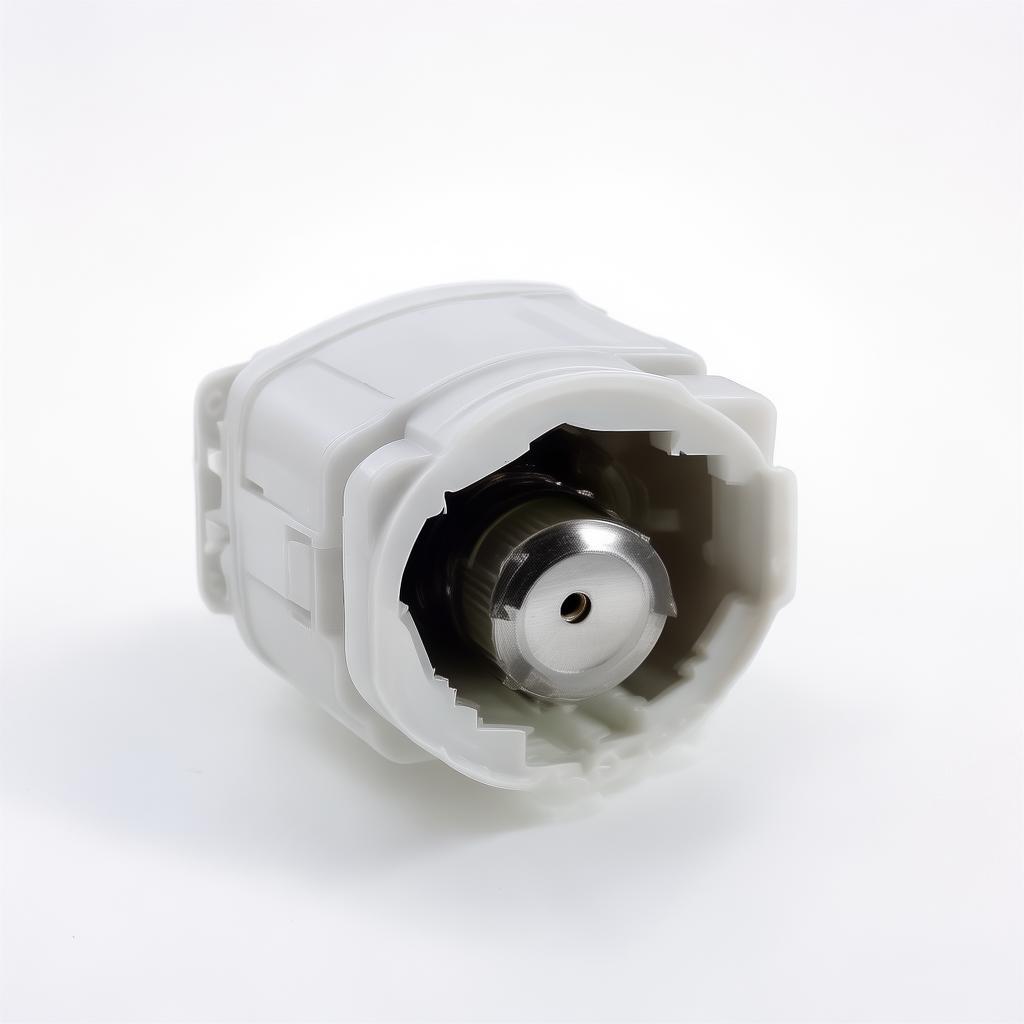
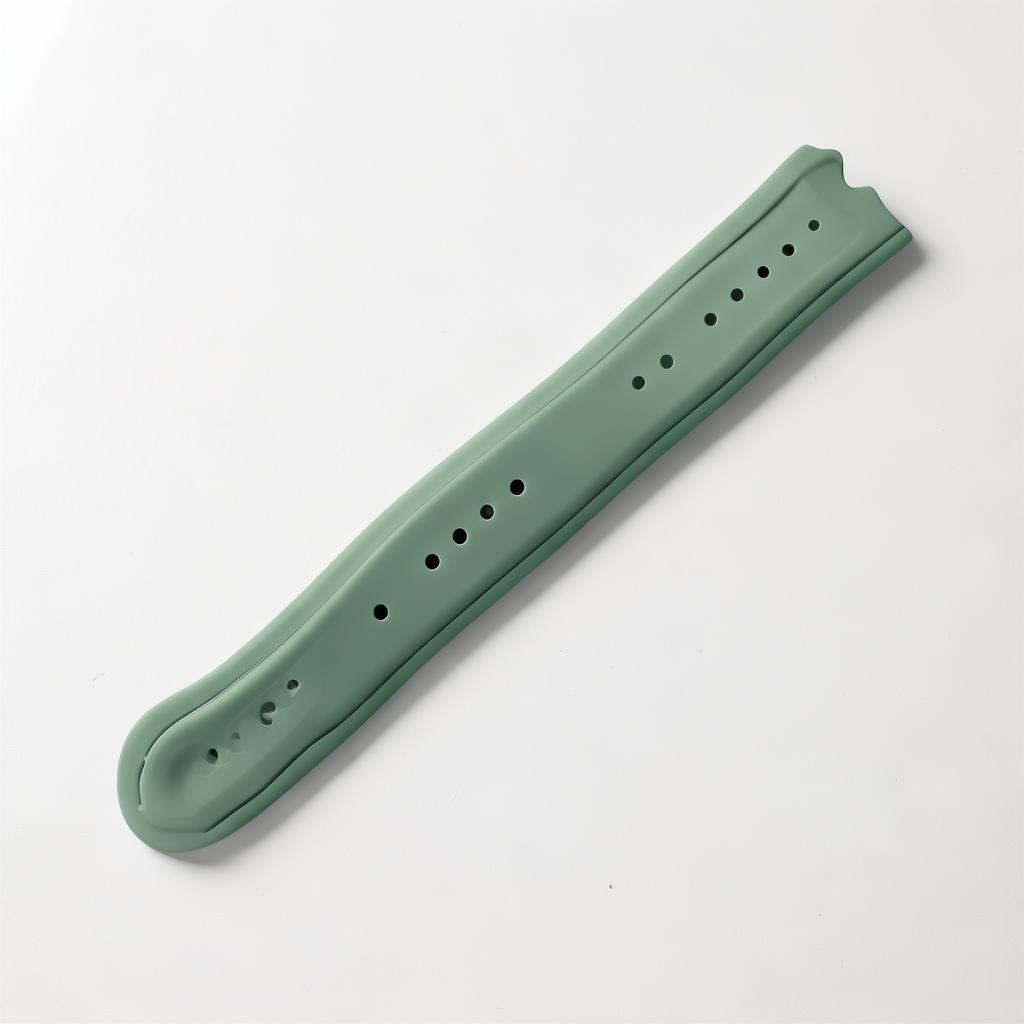
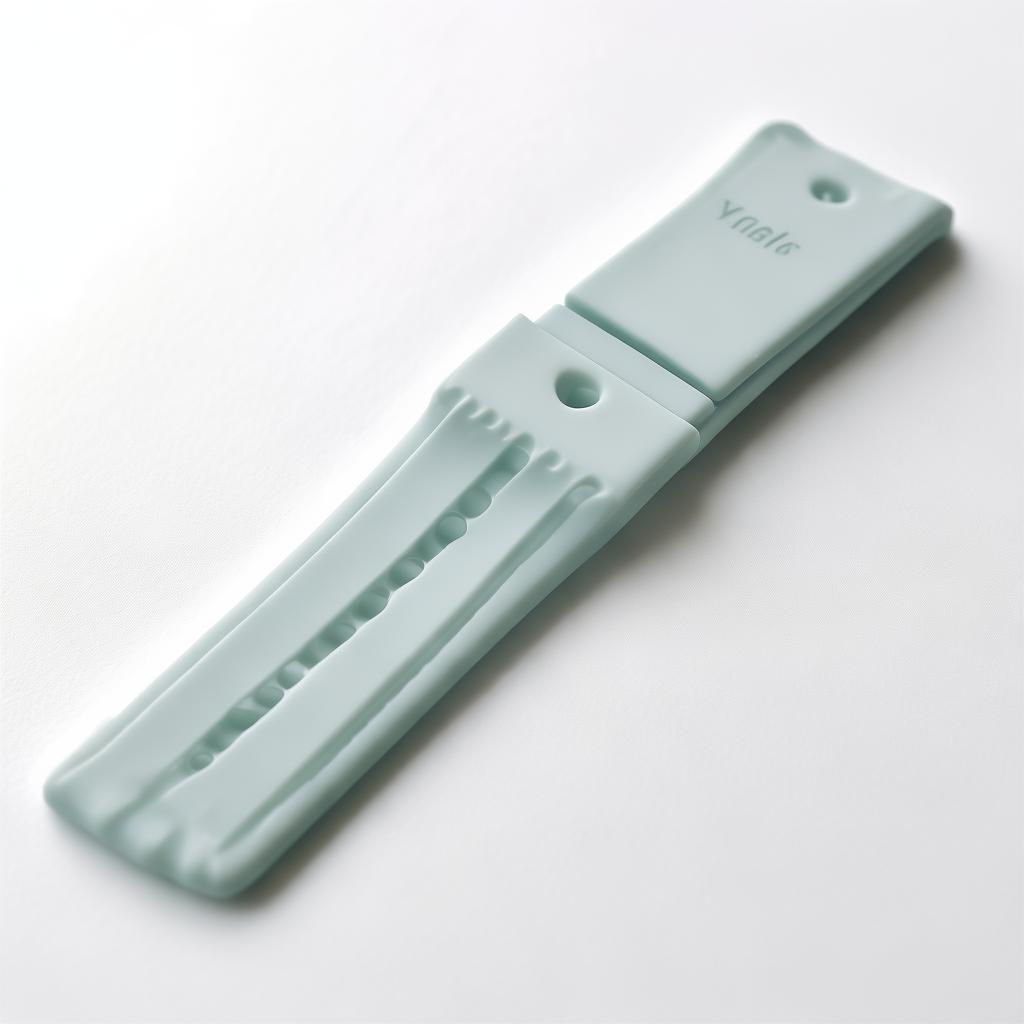
Professional Injection Molded Rubber Parts Processing
Industry Challenges in Injection Molded Rubber Parts
Precision injection molding of rubber components is far from straightforward. Manufacturing specialists and procurement managers frequently encounter challenges like material consistency, dimension control, and tooling costs. Traditional rubber molding methods offer limited flexibility to meet growing demands for high-precision intricate parts used in automotive seals, medical devices, or consumer electronics.
Furthermore, long lead times and unpredictable defect rates often unsettle procurement schedules. Issues such as flash formation, incomplete vulcanization, or surface imperfections translate into costly reworks and project delays.
For international buyers, optimizing shipping and logistics is another hurdle: efficient container loading, customs clearance, and tariff-compliant documentation become critical operational factors affecting return on investment and overall supply chain resilience.
Most importantly, lack of technical clarity on material grades, process parameters, and supplier capabilities often leads to subpar decisions — escalating risk for production downtime and non-compliant parts.
Technical Process Insight: Injection Molding of Rubber Parts
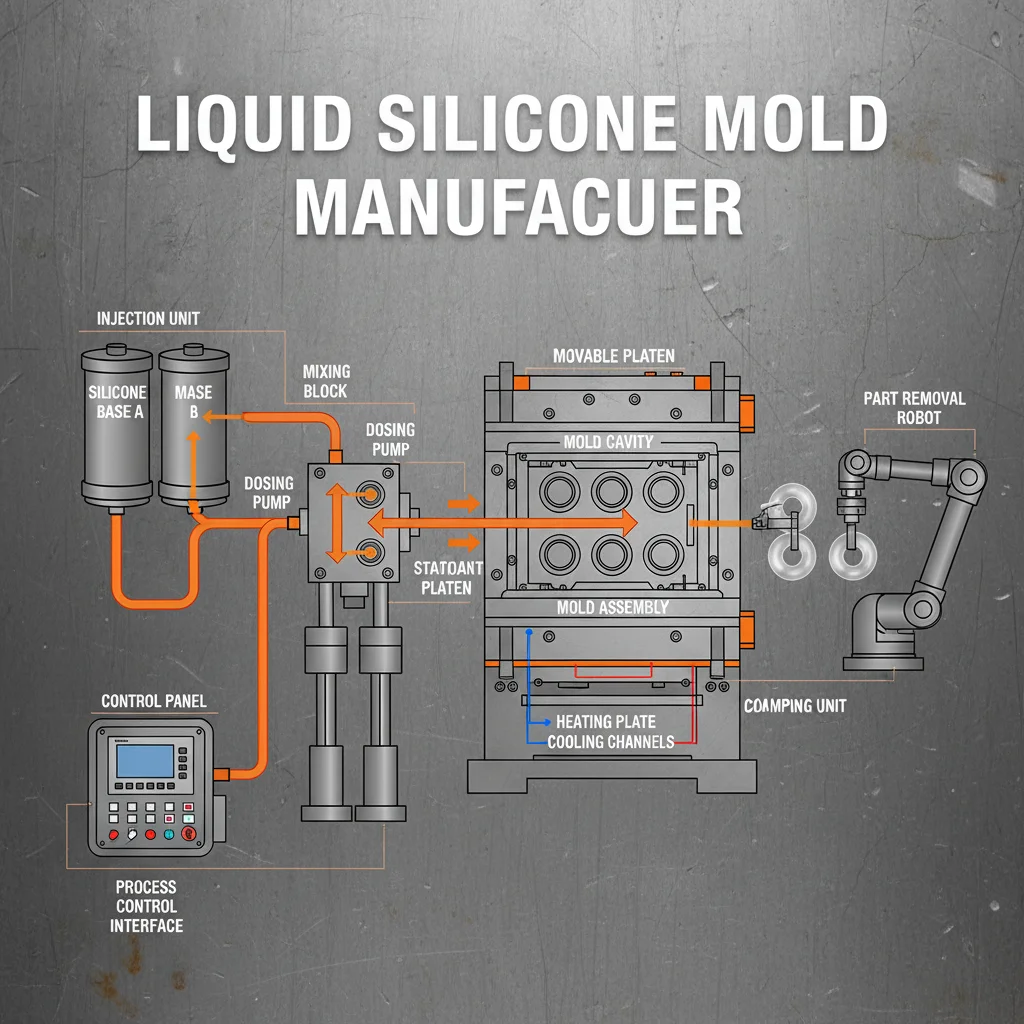
An injection molded rubber part begins its journey with precision tooling. Our facility uses over 55 liquid silicone molding machines alongside 80 plastic injection units, optimizing for both LSR (liquid silicone rubber) and various thermoplastic elastomers. This mix permits versatility to meet complex product specs.
Material characterization is a vital step. Rheological properties like viscosity, curing kinetics, and thermal expansion have direct impacts on mold filling stage and post-process stability. We leverage data-driven simulation software for molding design validation — substantially reducing defects caused by air entrapment or inconsistent cure profiles. (See studies such as MDPI: Material Characterisation Techniques.)
Our process flow includes:
Tool fabrication: High-grade steel or aluminum molds engineered with precision venting to prevent flash and internal voids.
Injection: Controlled shot size and temperature, using multi-stage filling for dimensional accuracy on thin walls and complex geometries.
Curing & Demolding: Rapid curing in temperature-regulated molds, followed by automated demolding minimizing mechanical stress.
OEM/ODM flexibility enables us to tailor processes per client specifications, whether for low- or high-volume orders. We also accommodate secondary operations such as overmolding and assembly seamlessly.
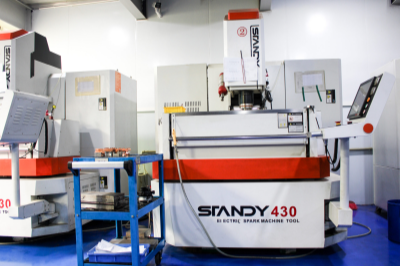
Factory production line integrating precision injection molding and quality control
Material & Product Advantages: Why Our Molded Rubber Stands Out
Our core strength lies in producing injection molded rubber parts with exacting dimensional tolerances, sustained durability, and chemical resistance — essential for applications with demanding environmental exposures such as automotive or electronic seals.
Material options include:
Material
Key Properties
Typical Applications
Liquid Silicone Rubber (LSR)
Biocompatible, heat resistant (up to 200°C), elastic, UV resistant
Medical components, automotive seals, consumer electronics
Thermoplastic Elastomers (TPE)
Recyclable, flexible, soft-touch, fast cycle times
Operationally speaking, our molds incorporate advanced venting and temperature control, leading to consistent cycle times and reduced material waste (aligned with Fraunhofer’s waste reduction research). This ensures projects stay on schedule and within budget — a critical purchase consideration for USA-based importers managing tight lead windows.
ISO and CE certifications back our quality assurance system. Our traceability protocols guarantee batch-level QC data for every order, enhancing trust and compliance.
Application Scenarios: Where Our Injection Molded Rubber Parts Perform
Across industries, demands for advanced, resilient rubber components increase relentlessly. Here’s where our products fit in real-world applications:
Automotive: Door seals, gaskets, vibration dampers, sensor housings, and under-the-hood components where heat and chemical resistance is vital.
Medical Devices: Biocompatible sealing rings, catheter tubes, respiratory masks — produced under clean-room compatible conditions for reliable hygiene.
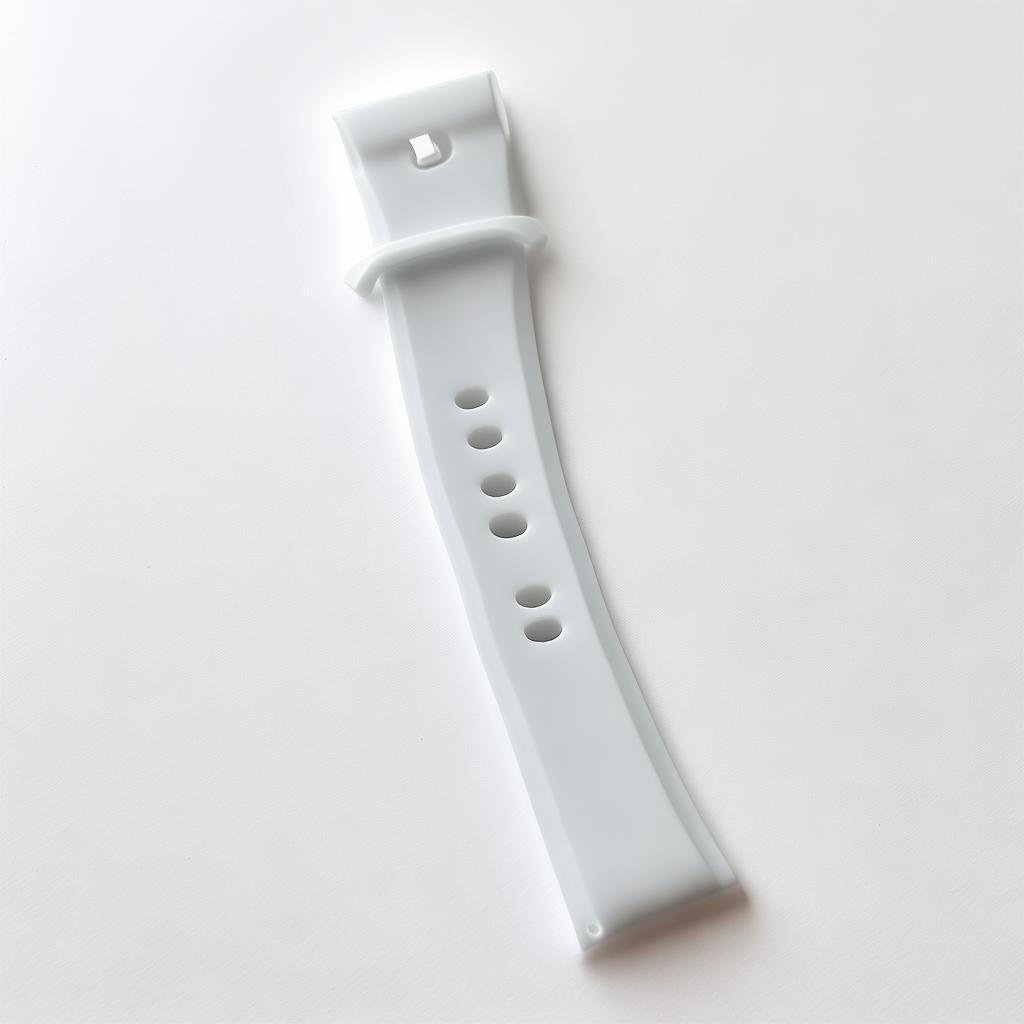
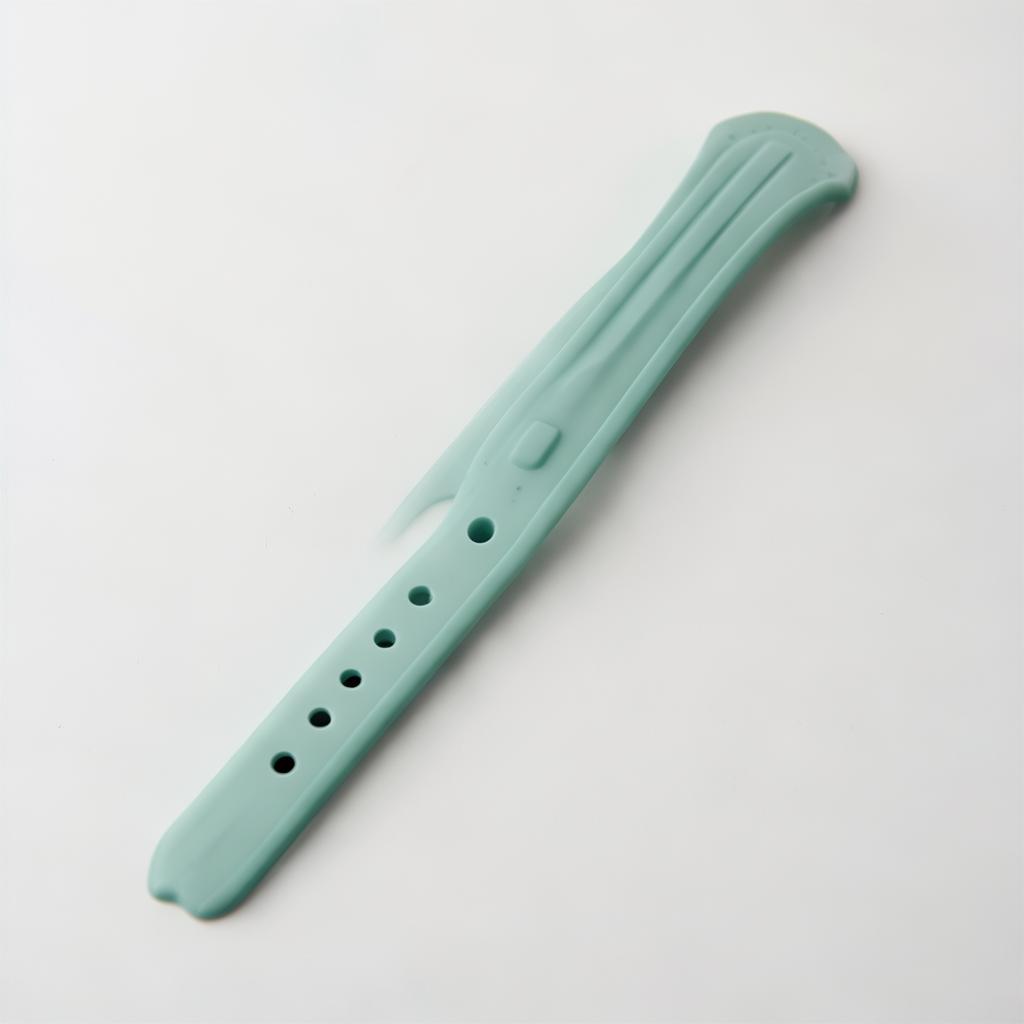
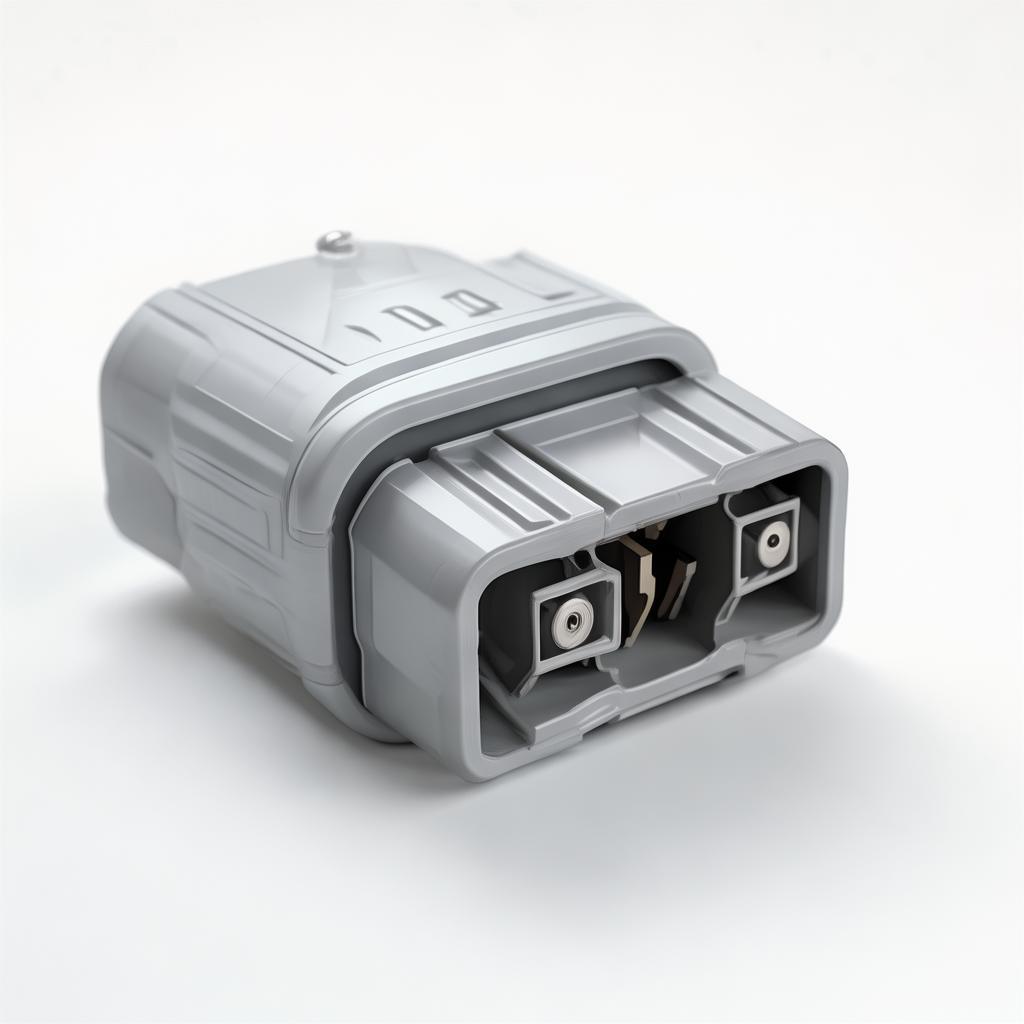
Consumer Electronics: Waterproof seals for smartwatches, connectors, protective casing overmolds requiring flexibility without sacrificing durability.
Industrial Equipment: Durable o-rings, gaskets and vibration isolators exposed to oils, UV, or outdoor environments.
Smart Wearables: Flexible custom parts tailored for ergonomic comfort and waterproofing.
Cognizant of diverse compliance requirements in export markets, our products are engineered to meet standards such as FDA 21 CFR (for medical silicone), RoHS, and REACH — enhancing integration feasibility for end products.
Installation considerations for injection molded rubber parts are often overlooked. Yet, precise molding reduces adjustment requirements on assembly lines, which shortens setup times and cut labor costs.
Our products are designed for interchangeability and minimal post-processing. This means reduced handling during integration and enhanced production continuity. For critical sealing applications, maintaining tolerances often prevents leaks or component fatigue that test manufacturer warranty limits.
On the logistics front, Guangdong Yingtai benefits from a modern facility of over 35,000 square meters strategically located in Dongguan — a hub with a robust transportation network. Our packing and container loading are optimized to reduce transit damage and maximize container utilization.
Experienced export coordinators ensure compliance with US customs, import tariffs, and transportation regulations — an asset for US clients wary of shipment delays and unexpected fees.
Operational note: buyers are advised to plan shipments at least 8 weeks ahead, considering typical LSR cycle times plus customs clearance. We recommend discussing specific packaging and palletization requirements early during inquiry.
Identifying the right injection molded rubber parts supplier requires more than competitive pricing. Here are factors procurement managers should prioritize:
Technical expertise: verification that the factory operates advanced injection molding machines and precision tooling. Ask to see certifications and process documentation.
Supply chain transparency: clarity about lead times, batch traceability, and quality assurance checkpoints.
Material compliance: demand documented evidence of material certifications, especially for medical or food contact parts.
OEM/ODM flexibility: inquire about customization capabilities and engineering support.
International shipping experience: supplier’s familiarity with your country’s import regulations and risk mitigation strategies.
Warning: low-cost vendors often cut corners on mold design or quality control. This risk can result in shipment rejections or part failures — costing significantly more than the initial saving.
At Yingtai, we engage in joint project reviews, offer samples, and provide detailed product specification sheets to empower buyers’ internal approvals. We believe transparency and communication are integral to reducing procurement risks.
Certifications & Factory Capabilities
Our factory holds multiple industry certifications that underscore our commitment to quality and compliance:
ISO 9001: Quality management system ensuring consistent product standards.
CE: Compliance for products marketed within the European Economic Area, often required for US FDA conformity assessment steps.
RoHS: Restriction of hazardous substances in electrical and electronic products.
FDA-Compliant materials: for medical-grade injection molded rubber components.
Key Certifications supporting global market compliance
Factory strengths include:
Complete industry chain from mold development to finished products, enhancing lead time control.
Advanced instrument testing chassis for dimensional and tensile strength verification.
Large-scale production capacity with 500+ skilled employees supporting high-volume projects.
Customizable production runs suitable for prototypes to mass manufacturing.
Buyer Frequently Asked Questions (FAQs)
Q: What is the usual lead time for injection molded rubber parts?
Typically 6-8 weeks depending on tooling complexity and order volume. Prototype orders can sometimes be expedited.
Q: Can you accommodate multiple material grades?
Yes. We handle LSR, TPE, and solid silicone rubber suitable for different industry needs and regulatory requirements.
Q: Do you offer OEM or ODM services?
Absolutely. Our engineering team works closely with clients from design to final production to ensure your specifications are met precisely.
Q: How is quality monitored during production?
Each batch undergoes dimensional inspection, tensile testing, and visual checks. We provide detailed QC reports upon request.
Q: What shipping options are available?
We ship via sea and air freight with optimized container loading. Our export team handles customs documentation tailored to USA import requirements.
Customer Reviews
“We’ve sourced multiple rubber sealing components from Yingtai over three years. Their mold precision and batch consistency minimized downtime on our automotive assembly lines — a big win for our procurement process.”
John Miller – Procurement Manager, Midwest Auto Parts
Get in Touch
If you have any camping barbeque equipment inquiry, please feel free to contact us.