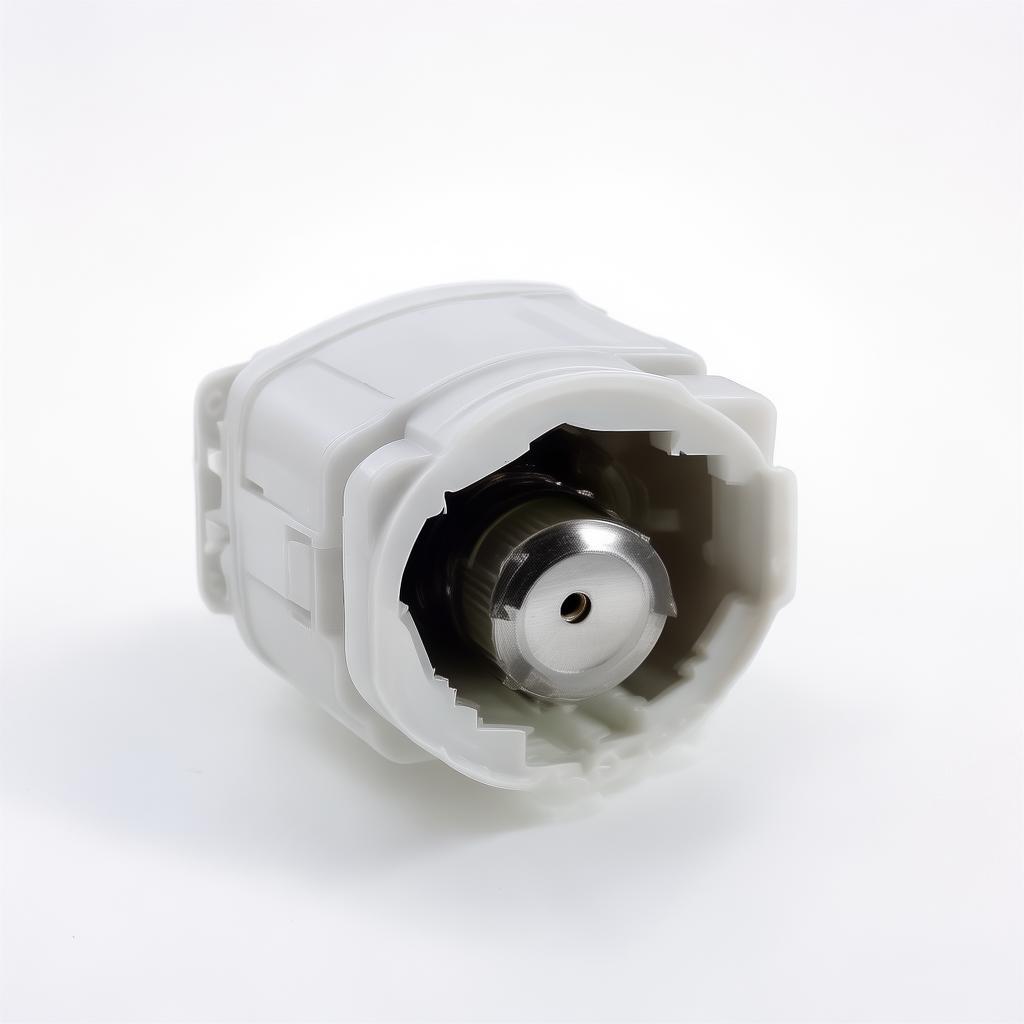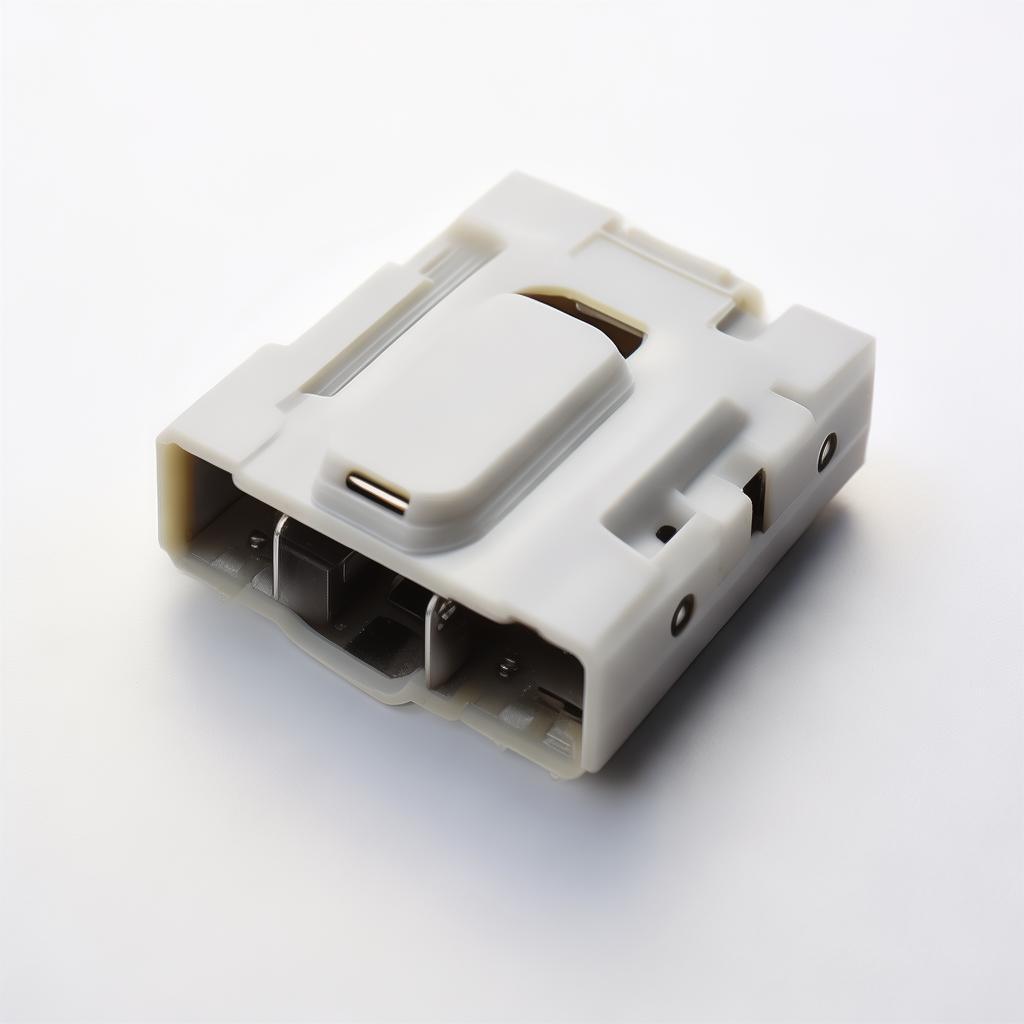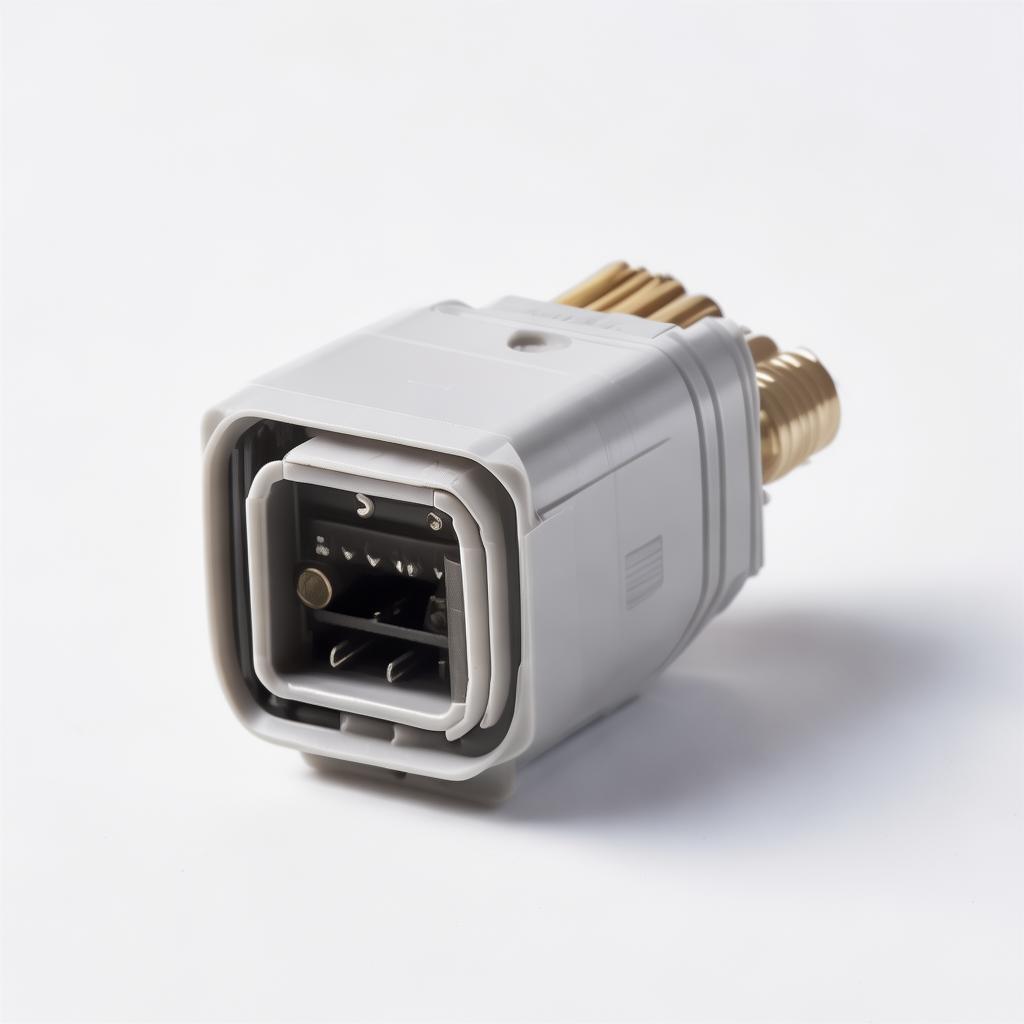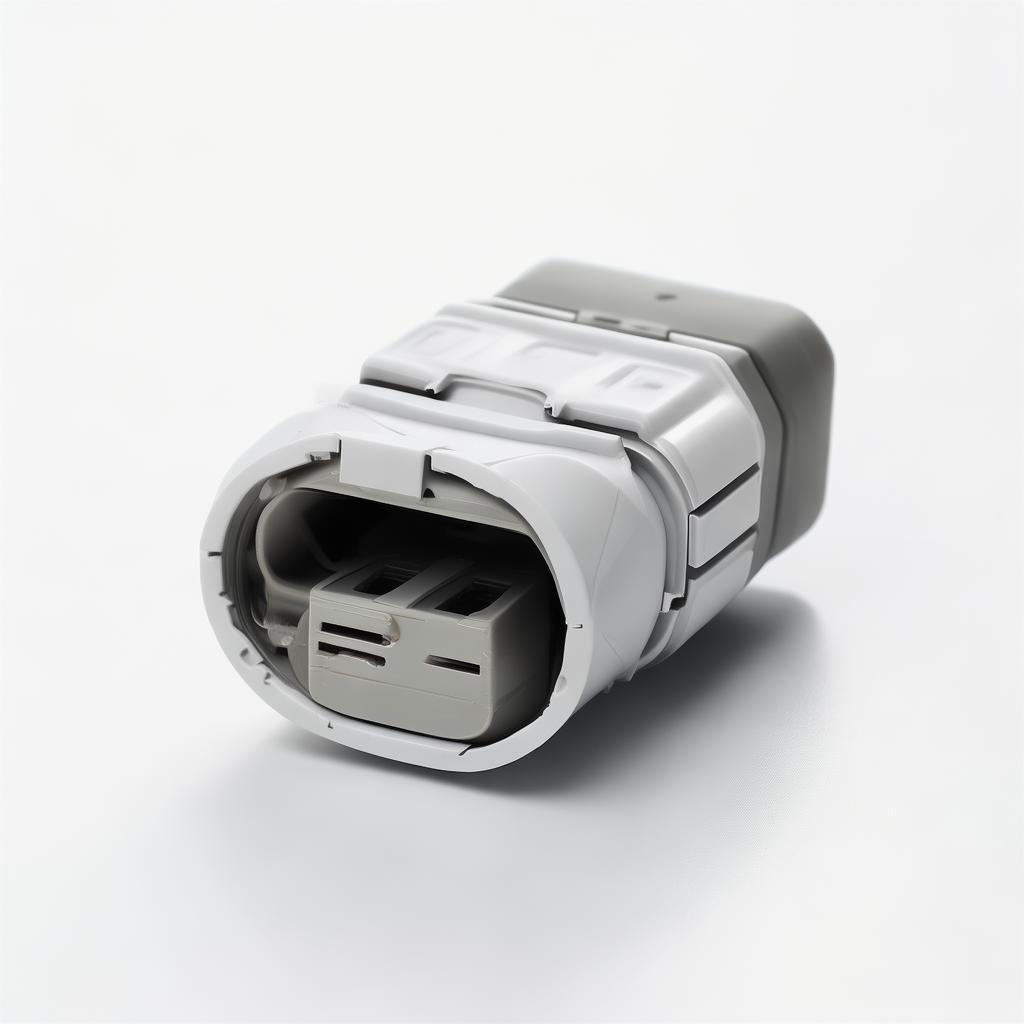


Expert Processing for Injection Molded Rubber Parts
Precision manufacturing solutions for OEMs & industrial enterprises — from mold design to turnkey delivery.
Challenges Facing Injection Molded Rubber Parts Enterprises
In the ever-evolving landscape of precision rubber component production, enterprises processing injection molded rubber parts encounter a blend of technical and operational challenges. For purchasing managers and procurement directors striving to secure reliable suppliers, understanding these issues can spell the difference between costly production delays and streamlined operations.
The core pain points include manufacturing material inconsistencies, tight tolerances, and cycle time optimization. Many manufacturers grapple with maintaining product quality amid varying rubber compound batches and molding variables. Additionally, tooling costs and lead times often disrupt project schedules—especially when complex molds and multi-shot injection processes are involved.
From a procurement perspective, risk factors extend beyond production challenges to include supplier reliability, compliance with international standards like ISO 9001 and CE certification, and clarity on logistic capabilities such as container loading efficiency and delivery predictability. Often, inadequate communication chains or insufficient scope clarity on OEM/ODM customization lead to surprises post-contract award.
Moreover, technical engineers highlight the importance of correctly selecting rubber grades—such as siloxane-based silicones, EPDM, NBR, or natural rubber variants—to meet application-specific demands like UV resistance, chemical exposure, or electrical insulation. Choosing a suboptimal compound can manifest as premature wear or poor dimensional stability, both of which cascade into operational downtime.
- Tooling lead time and high upfront costs disrupt manufacturing timelines.
- Variability in material batches affects product consistency and compliance.
- Insufficient process transparency affects quality control and scalability.
- Logistics bottlenecks increase total landed costs on exports.
- Adapting to evolving standards and certifications requires continuous investment.
These recurring operational headaches call for a meticulous partnership with an injection molding supplier that not only offers technical expertise but also robust production scalability and transparent communication throughout the supply chain. Identifying such a supplier requires experience-backed evaluation beyond price quotes—assessing mold construction techniques, machine capacities, and quality control processes are essential.
Technical Deep Dive: Injection Molded Rubber Parts Processing
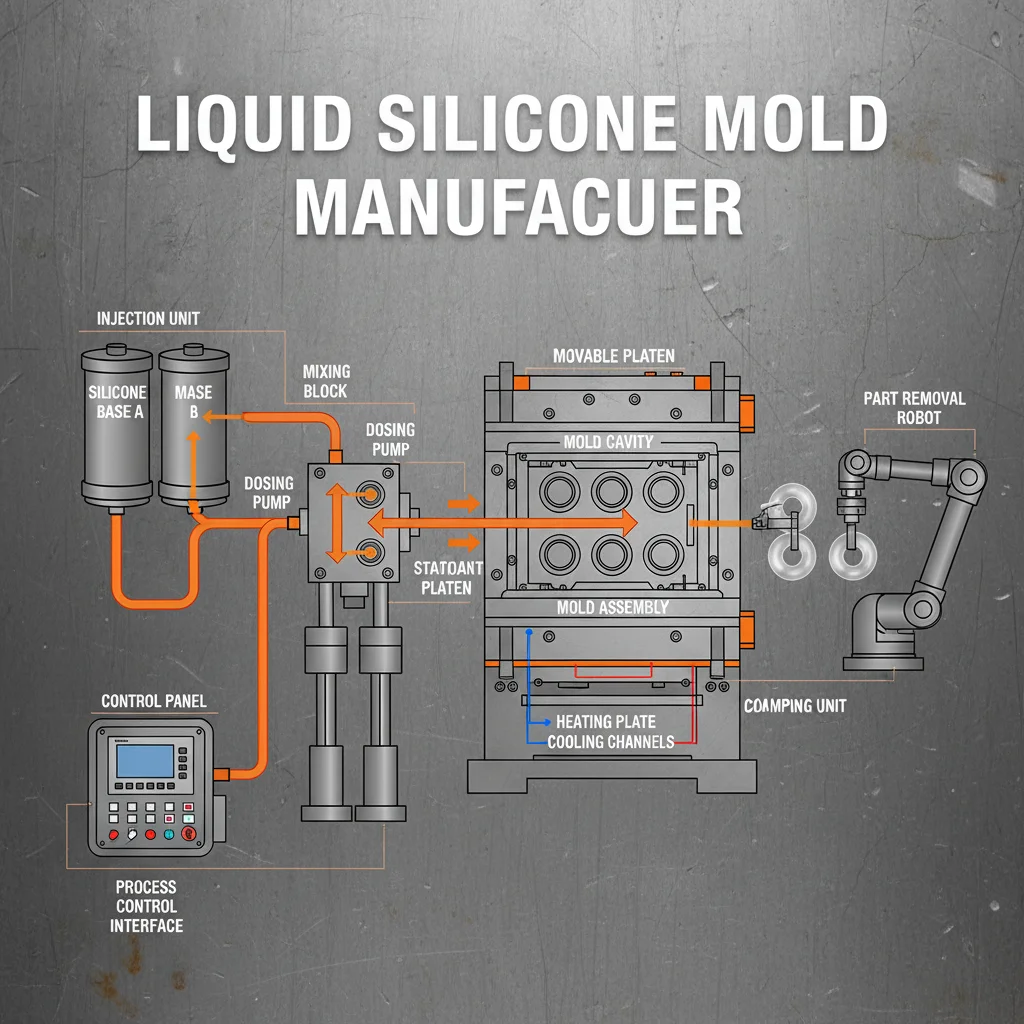
Injection molding of rubber parts, especially with liquid silicone rubber (LSR) and solid silicone formulations, demands precision at every manufacturing stage. Our expertise at Guangdong Yingtai High Precision Technology Co., Ltd. stems from decades of refining the entire workflow—from mold design through curing cycles to final product inspection.
Injection molded rubber parts typically leverage specialized equipment capable of maintaining high-pressure injection with temperature controls within ±1°C to ensure uniform curing. Our factory’s portfolio includes:
- 55 sets of advanced liquid silicone molding machines, optimized for rapid cycle times.
- 80 automatic plastic injection machines for hybrid overmolding operations.
- 20 solid silicone hydraulic presses enabling multi-shot injection molding.
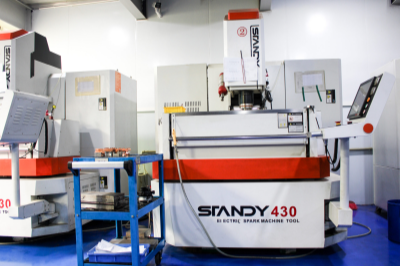
- 30+ precision mold processing devices supporting metal tooling shape optimization.
- 20+ cutting-edge testing instruments for compliance verification and quality assurance.
Proper rheological characterization of rubber compounds is paramount for injection simulation accuracy. Without high-quality material datasets reflecting viscosity, curing kinetics, and thermal behavior, trial runs often encounter defects: warpage, delamination, or air entrapment. As recent research from MDPI highlights, leveraging high-fidelity CAE modeling reduces cycle time variances and mold pressure anomalies, critical for tight-tolerance exotic parts (MDPI Paper: Link).
Our process engineers integrate these advanced simulation insights with practical adjustments on machine temperatures, injection speeds, and cooling profiles to maintain consistent product performance across large runs. We apply specialized tooling coatings and cavity balancing techniques to suppress flash and optimize material use—cutting waste and improving profitability.
| Specification | Typical Range | Notes |
|---|---|---|
| Material Hardness (Shore A) | 10 - 80 | Adjustable based on formulation |
| Injection Pressure | 5,000 - 15,000 psi | Varies with part complexity |
| Curing Temperature | 120 - 180°C | Depends on rubber type and mold design |
| Cycle Time | 15 - 60 seconds | Optimized for volume and product size |
Processing injection molded rubber parts company Processing injection molded rubber parts factory Injection molded rubber parts processing factory
Overmolding techniques, combining silicone with plastic substrates using multi-component injection molding, add complexity but enable durable assemblies popular in medical devices and consumer electronics. Our manufacturing process embraces these hybrid workflows, backed by controlled interface activation strategies that greatly improve bonding durability (MDPI Polymers Study: Link).
Finally, ongoing quality management leverages AI and machine learning for real-time defect detection and predictive maintenance, reducing scrap rates and supporting just-in-time inventory. Clients appreciate the transparency and reliability this brings in their supply chains.
Application Scenarios and Industry Use Cases
Injection molded rubber parts from our facility serve a wide spectrum of industries demanding parts that excel in durability, precision, and compliance. Real-world applications extend from high-performance automotive sealing systems to intricate medical-grade wearable components.
- Automotive: Seals, gaskets, and vibration damping mounts for electric vehicles requiring heat resistant, UV stable silicone compounds.
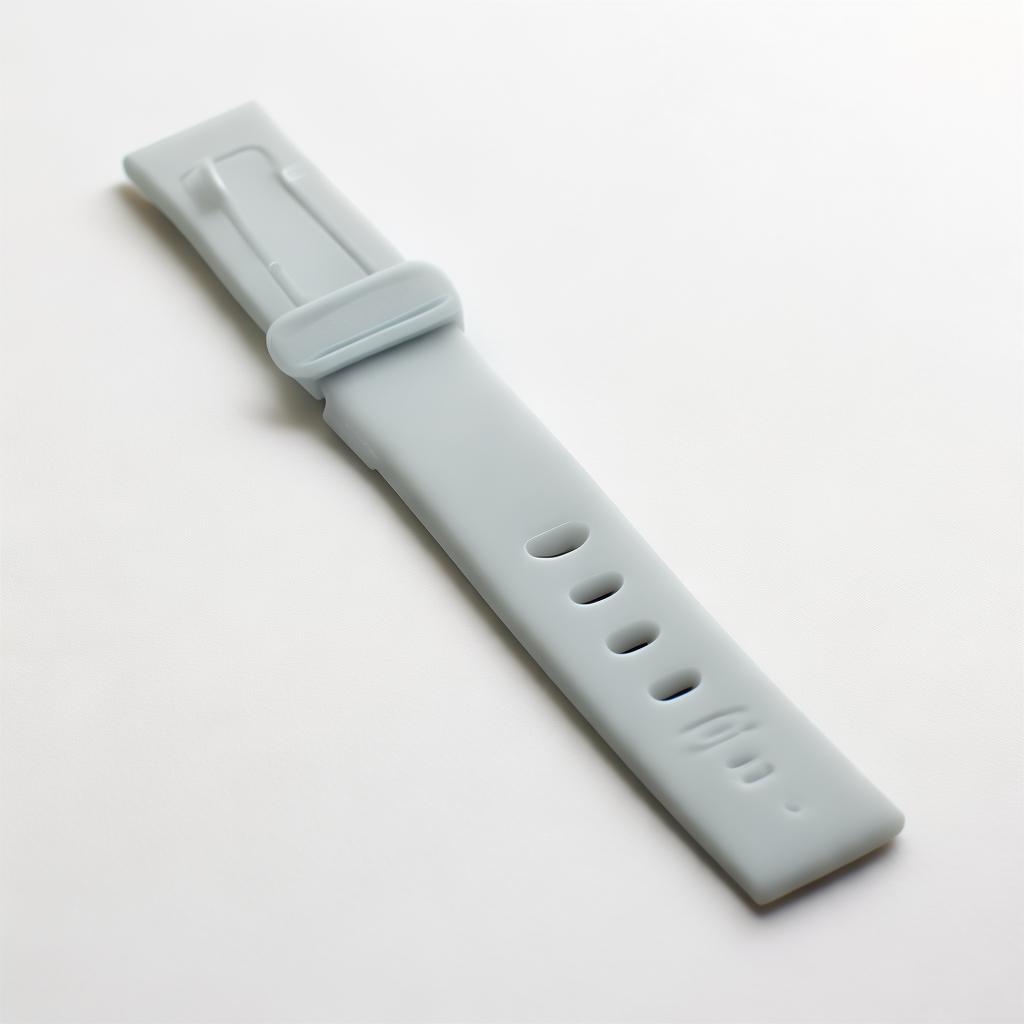
- Consumer electronics: Flexible silicone buttons, waterproof seals, and anti-slip backing components for smartphones and smartwatches.
- Medical devices: Biocompatible LSR injection molded components for diagnostic equipment, masks, and baby products.
- Industrial appliances: Custom rubber parts for household and industrial electronics needing chemical resistance and longevity.
- Communication equipment: Seals and protective gaskets ensuring environmental resistance in outdoor telecom networks.
Our clients frequently remark on reduced troubleshooting and less downtime when replacing subpar parts with our injection molded precision components. One notable contract involved developing a custom liquid silicone seal for a new energy vehicle manufacturer, where intricate mold design and multi-shot injection were used to integrate silicone overmolding onto metal chassis parts—improving both sealing integrity and weight savings.
When integrating rubber parts into complex assemblies, considerations such as ease of installation, dimensional stability after aging, and repairability must be front and center. Our engineering team collaborates closely with design engineers early in development to provide DFM (Design for Manufacturability) feedback—often pointing out tooling simplifications or material adjustments to minimize production risk.
Procurement Guidance: What Buyers Should Know
For procurement directors and supply chain managers navigating the injection molded rubber parts market, source selection goes beyond price competition. Effective supplier evaluation should weigh the following essential factors:
- Certifications & Standards Compliance: ISO 9001, CE, RoHS, FDA suitability for medical parts, and industry-specific standards.
- Material Expertise: Proven track record working with silicone, EPDM, NBR, and other rubber compounds tailored to your product environment.
- Production Capacity & Lead Times: Machine count, mold capacity, and historical on-time delivery metrics.
- OEM/ODM Capability: Willingness and proficiency in customization, tooling development, and design collaboration.
- Logistics & Shipping: Experience with container loading, export documentation, and supply chain reliability.
- Quality Control Processes: Use of advanced inspection tools and in-line defect detection accuracy.
Beware of overly optimistic lead time guarantees or quotes that omit tooling storage fees — these often surface as unexpected costs many buyers regret. Factoring in cycle times, mold trial iterations, and testing phases from the outset improves both timeline and risk visibility.
Guangdong Yingtai offers transparency in all project stages, including tooling sample exchanges, in-house process validation reports, and shipment updates, which many customers find reassuring in cross-border trade.
Tip: Request factory pricing breakdowns early. Understand fixed versus variable costs to better negotiate volume discounts and assess scalability. Engage your supplier’s technical team directly to confirm material selections and molding process specifics, preventing costly rework post-production.
Ready to benchmark quotes for your next project? Request Free Sample or Talk With Our Engineer for an initial technical evaluation.
Frequently Asked Questions
- Q1: What rubber materials do you process via injection molding?
- We specialize in liquid silicone rubber (LSR), solid silicone, EPDM, NBR, natural rubber, and specialized blends meeting industry standards for heat resistance, biocompatibility, and chemical exposure.
- Q2: How long is the typical lead time for custom tooling?
- Depending on mold complexity, lead times range from 25 to 60 days. Pilot runs and mold adjustments can add 1-3 weeks post-tooling. We emphasize upfront design reviews to reduce iteration cycles.
- Q3: Are your injection molded rubber parts certified for medical use?
- Yes, we comply with FDA and ISO 13485 standards upon request. Material traceability and batch testing protocols support medical device manufacturing requirements.
- Q4: How do you ensure quality consistency across large volumes?
- Our QA relies on SPC (Statistical Process Control), automated defect inspection cameras, and frequent sampling aligned with client requirements. Traceability is maintained for every production batch.
- Q5: What logistics support do you provide for export clients?
- We coordinate container loading optimization, prepare export documentation, and offer flexible shipping plans aligned with buyer schedules. Our experience includes shipping to the USA, Europe, and APAC markets.
Customer Reviews
"We switched to Guangdong Yingtai for our EV sealing components after continued quality issues elsewhere. The improvement in dimensional consistency and supplier communication made a real difference in our supply chain stability."
- Michael Reynolds, Procurement Director, GreenVolt Motors
"Their LSR overmolding expertise helped us launch a medical wearable with tight tolerances and biocompatible materials. Lead times and sample exchanges were managed professionally throughout."
- Dr. Amy Chen, R&D Engineer, MediTech Devices
"Navigating OEM rubber part suppliers overseas can be daunting. Yingtai stood out with transparent pricing and detailed production updates. Shipping logistics were smooth and on schedule."
- Kevin Lawrence, Operations Manager, Sensory Electronics Inc.
Partner With Guangdong Yingtai for Precision Injection Molded Rubber
Ready to optimize your supply chain with industry-leading expertise in injection molded rubber components? Our production, engineering, and procurement teams are here to collaborate on your next project.
Contact Miss Zhang for a confidential consultation:
📞 +86 17722437688 | ✉️ zmm@yingtai168.com
WhatsApp: +86 17722437688
Address: No. 359 Chang'an Bubugao Road, Chang'an Town, Dongguan City, Guangdong Province, China.
Visit Our Official Contact Page

James Huang
Industrial Engineer & Export Director at Guangdong Yingtai
With 18 years in rubber molding and global B2B trade, James shares insights from factory floor to market trends, helping enterprises realize reliable production with injection molded rubber parts.