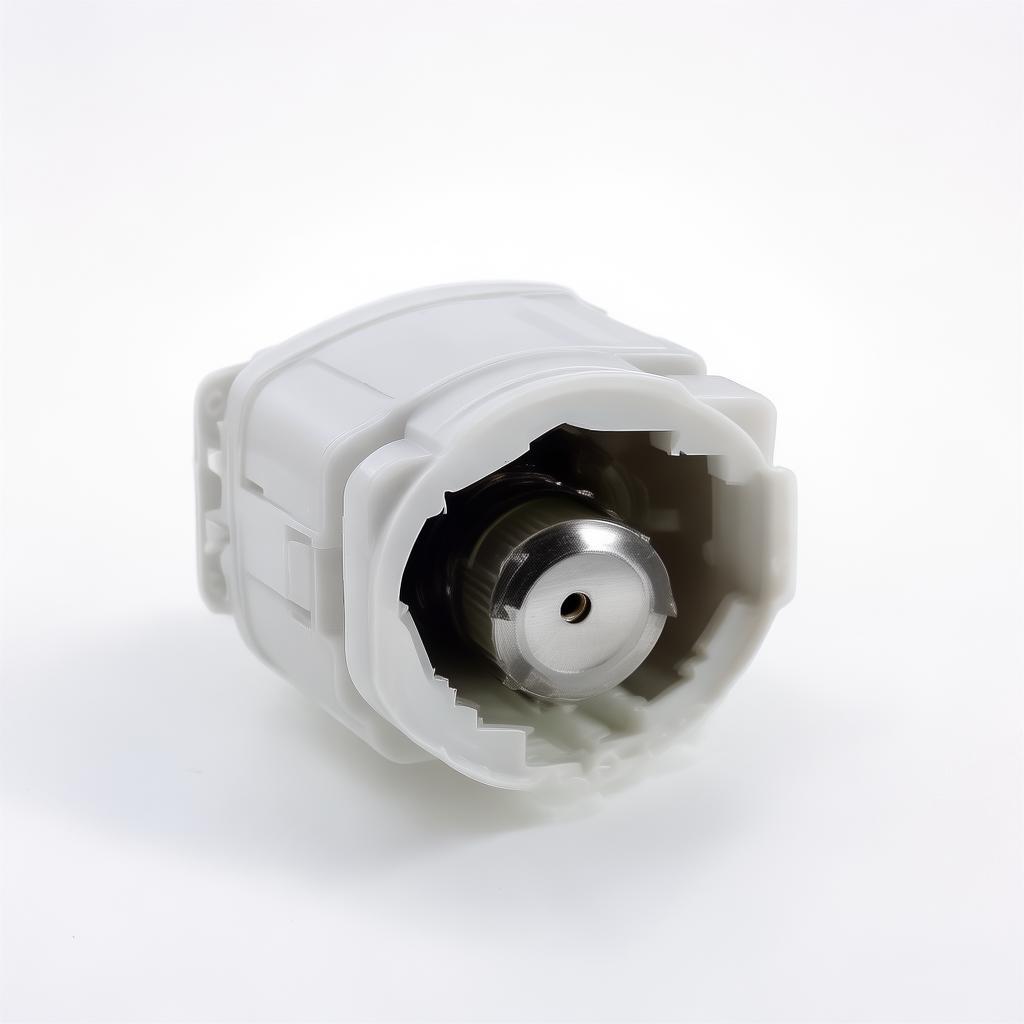
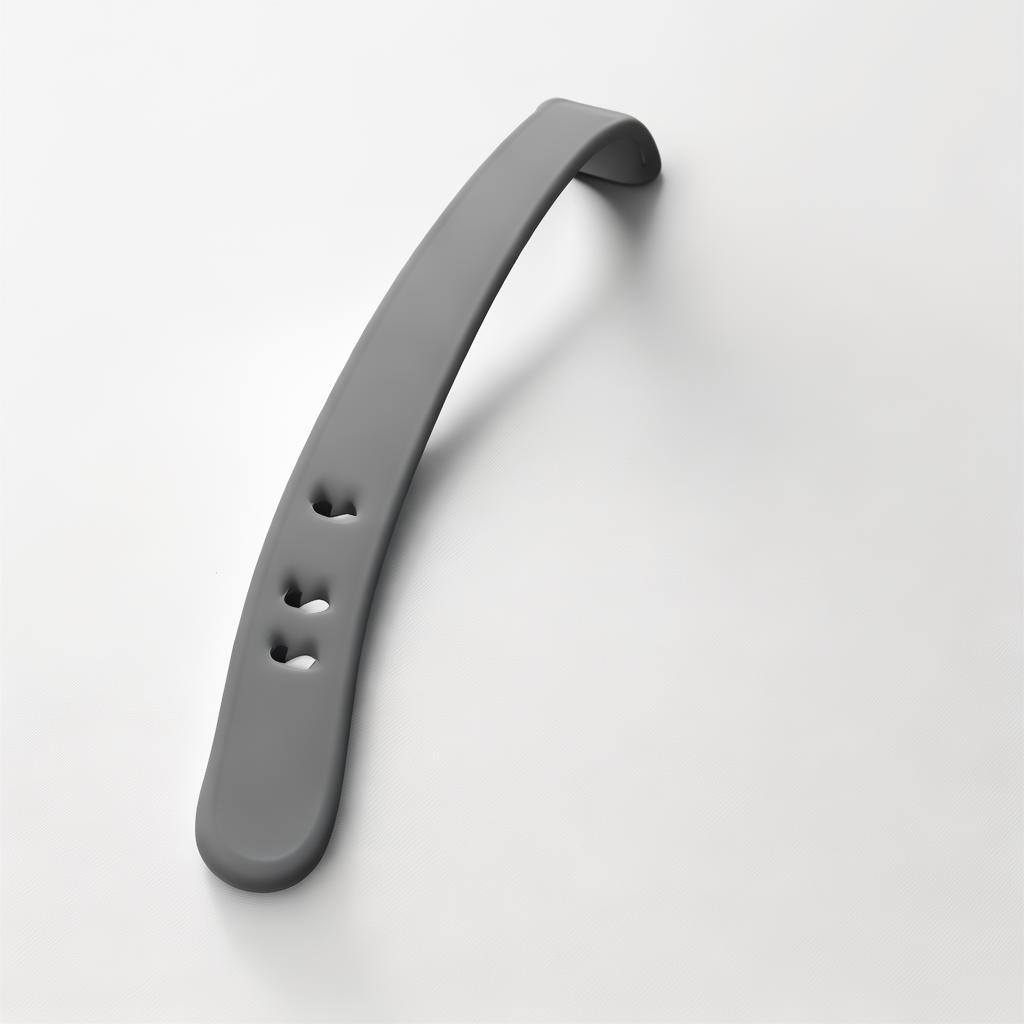
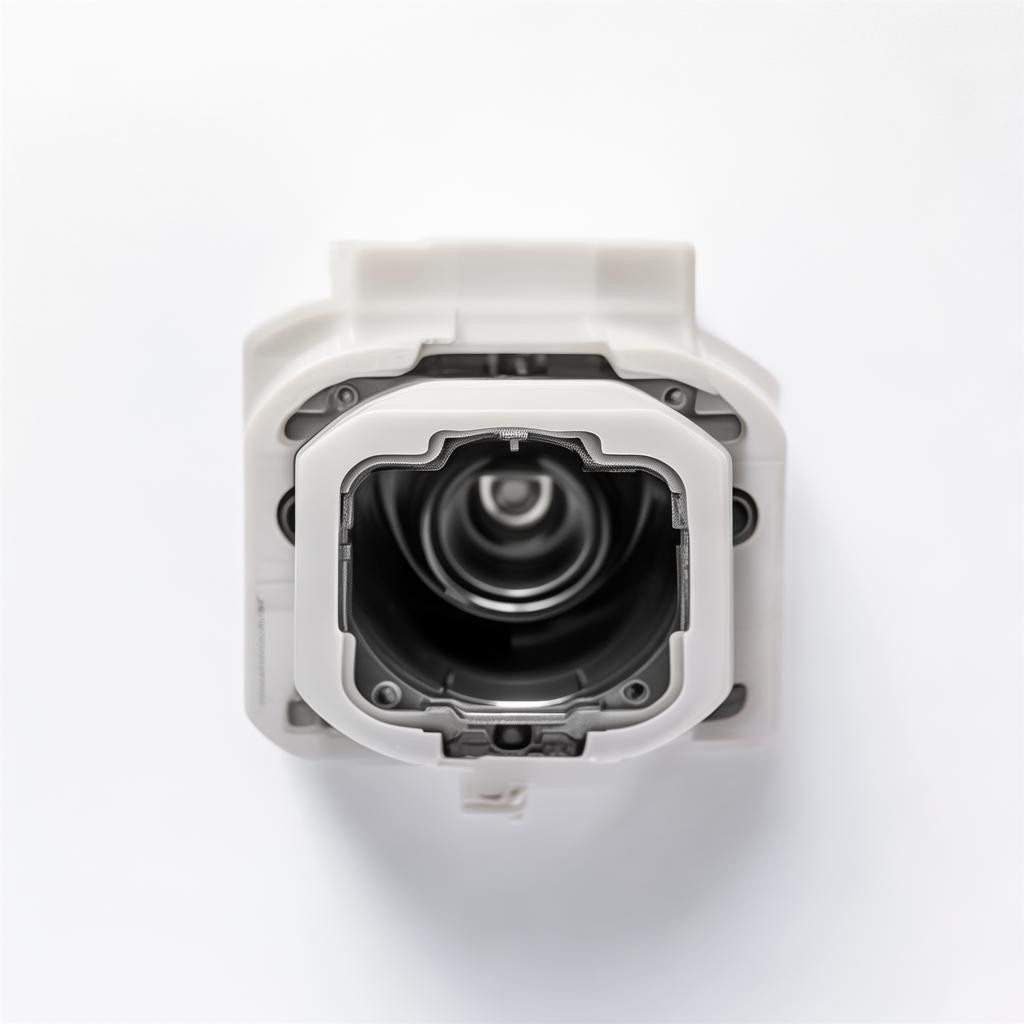
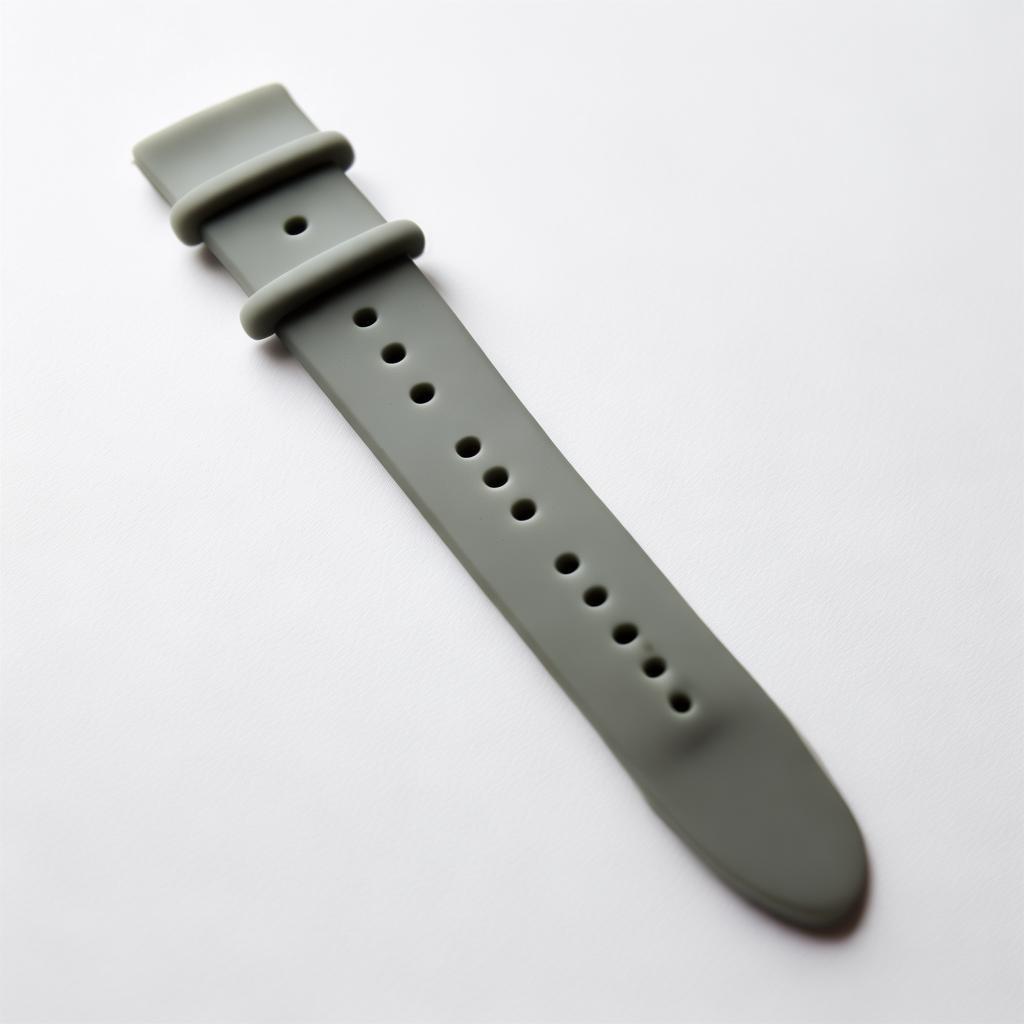
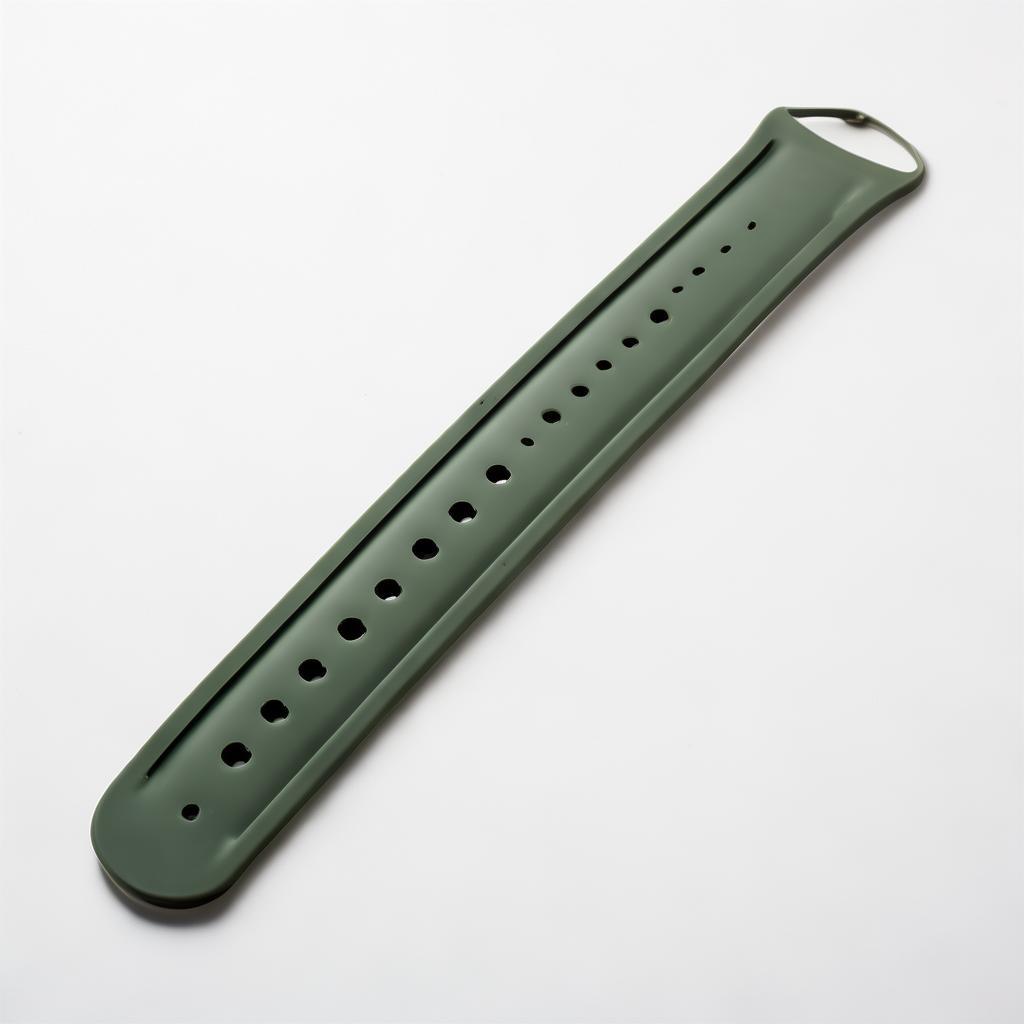
Processing Injection Molded Rubber Parts Factory
Your Trusted Partner in Precision Rubber Injection Molding — Guangdong Yingtai High Precision Technology Co., Ltd.
Understanding Injection Molded Rubber Parts Processing in Today's Manufacturing Landscape
In the complex world of industrial manufacturing, processing injection molded rubber parts stands out as a technically demanding yet indispensable process. From automotive seals and electronic device gaskets to medical-grade silicone components, the demand for precision, durability, and cost-effectiveness is non-negotiable. For purchasing and operations managers, working with a factory that understands the nuances of rubber injection molding can translate into smoother supply chains, fewer production hiccups, and more consistent part quality.
Guangdong Yingtai High Precision Technology Co., Ltd., based in Dongguan's industrial hub, has been navigating these complexities for over two decades. Our expertise spans liquid silicone rubber (LSR), plastic injection molding, and advanced overmolding techniques — all critical in shaping the characteristics of final products to meet stringent industry requirements. Equipped with a modern 35,000 m² industrial park and a robust team of over 500 professionals, Yingtai prides itself on bridging precision manufacturing technology with operational reliability.
Why does the manufacturing method matter so much? Unlike traditional compression molding, liquid injection molding provides enhanced control over part geometry, surface finish, and mechanical properties. Leveraging 55+ liquid silicone molding machines and 80+ automatic plastic injection presses, Yingtai delivers parts with tight tolerances suited for industries where sealing, flexibility, and chemical resistance are paramount — for example, in new energy vehicles, consumer electronics, and smart wearable devices.
Recent market analyses from authoritative sources such as Grandview Research and Persistence Market Research forecast the global LSR market will nearly double in size by 2030, driven by sectors demanding high-performance, biocompatible, and long-lasting products. Suppliers who integrate advanced material characterization, process simulation, and certified quality management clearly hold a competitive edge. And that’s exactly where Yingtai’s factory capabilities shine.
From an operational standpoint, an injection molded rubber parts factory's efficiencies aren’t just about machine counts but hinge on the entire workflow — including mold design, material sourcing, precise temperature and pressure control, and post-molding finishing processes. Procurement specialists must weigh lead times, tooling costs, and batch scalability carefully; misjudgments here often cause delays and unexpected expenses.
We also recognize the growing importance of sustainability in production, where waste reduction and energy-efficient molding cycles play critical roles. New developments in mold tool engineering, as highlighted by Fraunhofer research, advocate for precision cavity balancing that minimizes raw material loss and improves profitability — principles we embed in our production stages.
Throughout this page, you’ll find valuable insights into common industry pitfalls, technical deep dives on LSR and rubber injection molding, and actionable procurement advice aimed at industrial buyers and engineers like you. Whether you’re sourcing OEM or ODM solutions, planning logistics for containerized shipments, or optimizing installation workflows onsite, this comprehensive guide is designed to help you make informed decisions and secure reliable supply partnerships.
Common Challenges Faced by Buyers in Rubber Injection Molding
The injection molding industry for rubber parts involves precise coordination of several highly sensitive factors. Common pain points we encounter from procurement teams include:
- Inconsistent Part Dimensions: Variations in mold tooling, temperature control, or rubber viscosity can cause dimensional drift — frustrating assembly lines and end-users alike.
- Material Selection Difficulties: Choosing between silicone types, hardness grades, or compound blends is complex, especially when balancing chemical resistance with flexibility.
- Lengthy Lead Times: Complex molds and new tooling setups often delay deliveries, impacting time-sensitive production schedules.
- Excessive Waste and Flashing: Mold design flaws or poor process control can lead to high scrap rates, raising costs and environmental concerns.
- Poor Supplier Communication: Language barriers or insufficient technical transparency cause misunderstandings, delays, and additional costs during product development.
- Logistics & Container Loading Issues: Rubber parts sometimes require special handling during export to prevent deformation or contamination.
Over the years, Yingtai has tackled many of these challenges head-on. Advanced rheology testing, combined with AI-driven process optimization explored in recent research, helps us tightly control injection parameters. Our multi-tier quality systems backed by ISO9001 and CE certification mitigate quality risks early on.
Technical Deep Dive: Injection Molding of Liquid Silicone Rubber & Rubber Parts
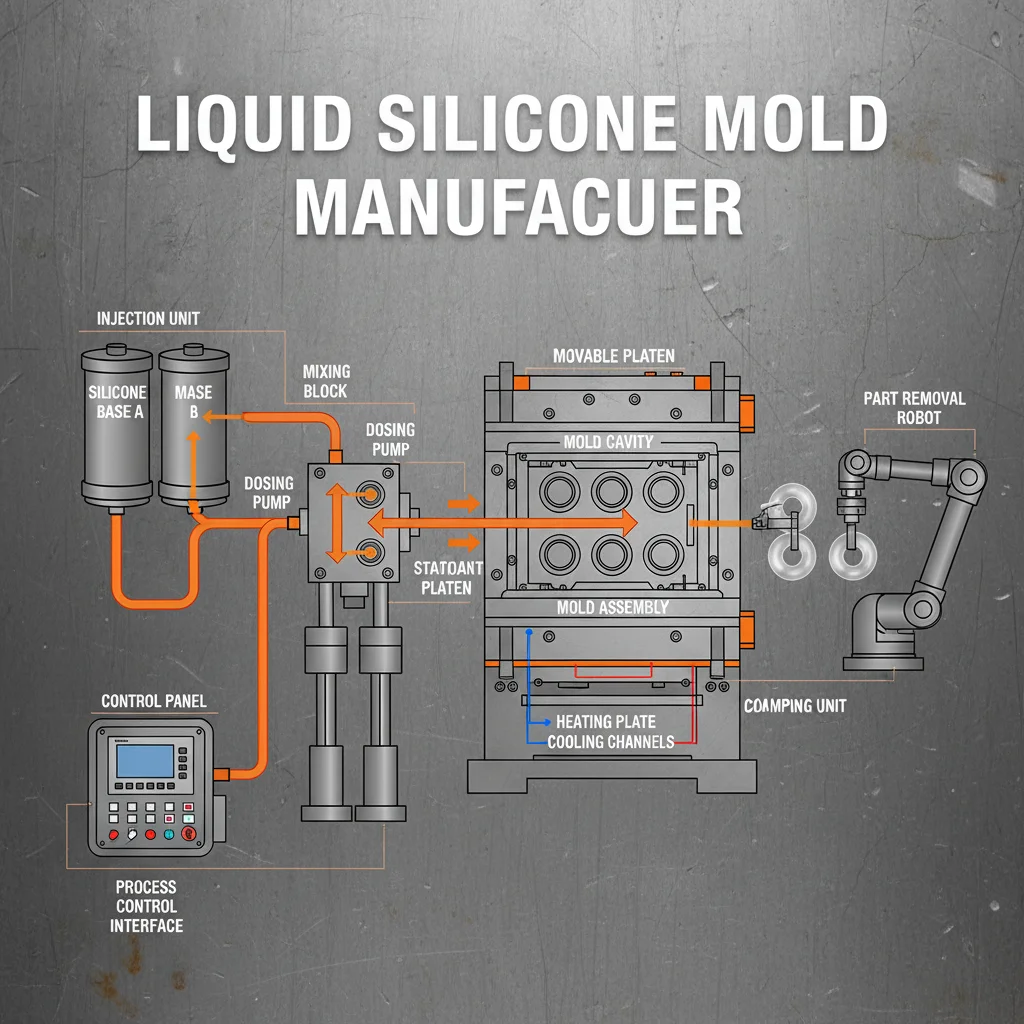
Injection molded rubber parts predominantly utilize liquid silicone rubber (LSR) due to its flexibility, biocompatibility, and high-temperature resistance. LSR differs from traditional rubber compounds with its two-component platinum-cure system that solidifies rapidly at controlled temperatures inside molds.
The LSR injection molding process generally follows these key steps:
- Material Preparation: Two liquid components are mixed in precise ratios ensuring uniform cure and mechanical properties.
- Injection: Molten rubber is injected into a temperature-controlled mold cavity under high pressure.
- Curing: The mold is kept heated (usually between 150-180°C). The material crosslinks rapidly to form a solid part.
- Demolding: The finished component is ejected once cured, minimizing cycle time.
- Post-Processing: Includes trimming flash, secondary operations (overmolding, bonding), and quality inspection.
Yingtai’s integrated setup features over 55 liquid silicone molding machines that coordinate with precision mold processing equipment. We embrace advanced mold cooling circuits and vacuum venting strategies, significantly reducing defects like air entrapment, flashing, and incomplete fills — a known difficulty in conventional approaches.
| Parameter | Specification | Industry Standard / Notes |
|---|---|---|
| Material Types | LSR (Shore A 10-70), Solid Silicone, Nitrile (NBR), EPDM | ASTM D1418, ISO 1629 |
| Mold Temperature | 140-180°C for LSR | Industry Best Practice for Cure Cycle |
| Cycle Time | 10-30 seconds (depending on part thickness) | Optimized for Production Efficiency |
| Dimensional Tolerance | ±0.1 mm typical | Compliance with ISO 2768-mK |
| Mechanical Properties | Tensile Strength: 6 - 11 MPa Elongation at Break: 250-650% |
ASTM D412 Standard Test Method |
| Certifications | ISO9001, CE, RoHS, FDA (medical grade) | Customer-Specific Compliance |
Processing injection molded rubber parts company Injection molded rubber parts processing factory Processing injection molded rubber parts enterprises
Product Advantages of Injection Molded Rubber Parts from Yingtai Factory
When partnering with a factory for injection molded rubber components, understanding the value proposition is essential beyond simply pricing or capacity. Our core product strengths include:
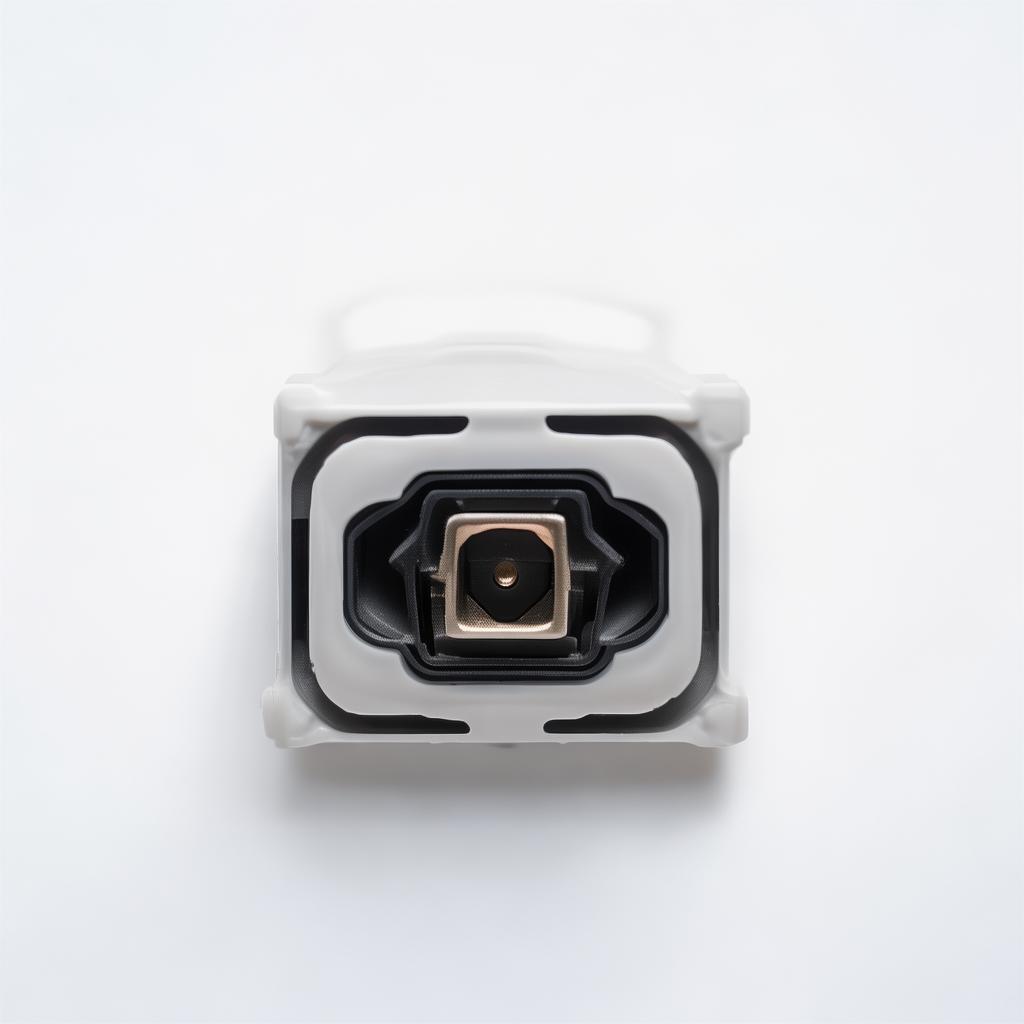
- Precision and Consistency: Utilizing state-of-the-art injection molding machines combined with advanced mold tooling, we deliver tight tolerances ensuring functional repeatability across large production runs.
- Material Versatility: Our capability extends from liquid silicone rubber to solid silicone and various thermoplastics, including multi-component overmolding to produce complex hybrid assemblies.
- Certified Quality Systems: All manufactured parts undergo stringent quality audits supported by in-house testing labs with instruments for hardness, tensile strength, and dimensional accuracy.
- Efficient Lead Times: With modular tooling and rapid prototyping processes, we can shorten standard lead times while maintaining quality, critical in fast-paced applications such as electronics and medical devices.
- Custom Solutions & OEM/ODM Support: Our engineering team works closely with customers on design for manufacturability, offering optimization on mold flow, cycle times, and finish, whether you require OEM or ODM services.
Practical insight? One buyer recently reported that switching to our injection molded components reduced their assembly line rejects by nearly half compared to off-the-shelf seals, primarily due to more consistent mold execution and premium raw materials.
Application Scenarios: Where Our Rubber Parts Excel
Injection molded rubber parts find their way into a diverse range of industries. Below are key sectors leveraging Yingtai’s production capabilities:
- New Energy Vehicles: High-performance silicone seals, cable insulations, and vibration dampers designed to withstand temperature extremes and chemical exposure.
- Consumer Electronics: Silicone gaskets, buttons, and overmolded grips with precise aesthetics and tactile feel optimized for durability.
- Medical Devices: Biocompatible liquid silicone parts made in cleanroom conditions, meeting FDA and ISO 13485 standards.
- Telecommunications & Wearable Tech: Flexible, lightweight overmolded components that require exact fit and surface finish for ergonomic design.
- Household Appliances & Industrial Electronics: Seals and protective boot covers tailored for long lifecycle and weather resistance.
Installation Note: In many cases, the rubber parts require compatibility verification with mating materials to avoid stress cracks or premature wear. We recommend discussing application conditions early in the procurement process to optimize product life.
Procurement Guidance & Supplier Evaluation Tips
Navigating the supplier landscape for injection molded rubber parts can be challenging. Here are several practical pointers to minimize risk and maximize ROI:
-
1. Verify Manufacturing Footprint and Equipment Modernity:
Ensure your supplier uses up-to-date injection molding machines and tooling technology. Yingtai’s machine park includes 55+ liquid silicone presses and precision mold design equipment, reducing risks of obsolete tooling causing quality fluctuations.
-
2. Request Material Certifications and Traceability:
Reliable factories provide certificates such as RoHS, FDA, and can trace raw materials back to suppliers. This transparency is critical for regulated sectors like medical and food-contact applications.
-
3. Understand Mold Development and Intellectual Property Control:
Your supplier’s ability to handle mold design in-house accelerates iterations and safeguards IP. Yingtai offers comprehensive mold R&D capabilities and an integrated manufacturing chain for end-to-end quality management.
-
4. Assess Process Control and Defect Rates:
Ask about average defect levels, cycle time consistency, and test protocols. High-volume customers regularly audit our defect rates, consistently finding lower than industry average flashing and warpage incidences.
-
5. Plan Logistics with Factory and Freight Expertise:
Rubber parts must be protected from deformation during shipping; proper packaging and container loading strategies reduce damage risks. Our logistics team has export experience in handling containerized LSR parts safely to USA ports.
-
6. Appropriate Sampling and MOQ:
Always request pre-production samples or prototyping runs before committing large volumes. Yingtai offers sample service with fast turnaround and OEM/ODM flexibility to adjust designs per client needs.
Frequently Asked Questions (FAQs)
- Q: What is the typical lead time for custom injection molded rubber parts?
-
Lead times vary based on mold complexity and order volume but usually range from 4 to 8 weeks for new molds. Existing molds reduce this to 2-4 weeks including sampling.
Yingtai emphasizes flexible scheduling and communicates real-time updates to minimize surprises. - Q: Can you manufacture multi-material parts using injection molding?
- Yes, multi-shot injection molding and overmolding techniques allow bonding LSR with thermoplastics like ABS or polycarbonate. This enhances part functionality with soft-touch surfaces combined with rigid substrates.
- Q: How do you control flash and other molding defects?
- Flash is minimized through precision mold tooling, proper venting, and machine parameter controls. Yingtai applies vacuum venting technologies and regularly inspects molds for wear to keep flash within industry tolerance limits.
- Q: What certifications does the factory hold?
-
Our factory operates under ISO9001 quality management. Many medical-grade projects comply with FDA and RoHS directives. CE certification is standard for export products needing European market access.



- Q: What are the packaging and shipping protocols for fragile silicone parts?
- We carefully package parts with protective films, foam inserts, and humidity controls to prevent deformation and contamination. For containerized shipments, we optimize load plans to avoid compression issues and facilitate customs clearance.
Client Feedback & Real-World Procurement Insights
“Yingtai’s injection molded seals met our demanding automotive specs with great dimensional accuracy. Their engineering team helped optimize tooling early, saving costly rework later. Communication was responsive the entire time.”
– Mark Johnson, Procurement Manager, California

“For our medical device seals, the factory’s cleanroom conditions and rigorous batch testing gave us peace of mind. Lead times were tight but manageable, and product consistency stood up to our standards.”
– Lisa Huang, QA Specialist, New York

“Switching to Yingtai’s OEM rubber injection molded parts reduced our reject rate significantly. Their detailed technical feedback during prototyping helped us avoid common mistakes on materials specification.”
– Kevin Rogers, Operations Director, Texas

Ready to Discuss Your Project?
Connect directly with our experts who speak your language and understand your industry challenges. Whether you need factory pricing, want to request free samples, or explore OEM/ODM alternatives, we’re ready to assist.
- Contact Person: Miss Zhang, Export Manager
- Phone/Whatsapp: +86 17722437688
- Email: zmm@yingtai168.com / lh@yingtai168.com
- Location: No. 359 Chang'an Bubugao Road, Chang'an Town, Dongguan City, Guangdong Province, China
- Visit Our Official Website Contact Page