Guangdong Yingtai High Precision Technology Co., Ltd. | Dongguan, China When sourcing processing injection molding parts, purchasing managers and procurement directors often confront a complex web of variables. The risk of compromising product quality
Product Details
Processing Injection Molding Parts Factory — Precision, Scale & Reliability
Guangdong Yingtai High Precision Technology Co., Ltd. | Dongguan, China
Industry Pain Points & Procurement Challenges
When sourcing processing injection molding parts, purchasing managers and procurement directors often confront a complex web of variables. The risk of compromising product quality due to inconsistent mold performance or material deviations is high. Shortcomings in supplier transparency often cause delays in lead time estimates, triggering setbacks in production schedules.
Common Pain Points Include:
Variability in silicone materials – differences in purity, durometer, and curing profile affect final part properties.
Long mold development cycles that increase time-to-market and inflate tooling costs.
Lack of clarity on ISO and CE certification compliance essential for medical or automotive applications.
Overlooking thermal and mechanical specifications that impact part durability under repetitive stress or heat.
Inefficient container loading and packaging leading to unnecessary freight costs or part damage during shipment.
Most contracts falter due to underestimating the importance of seamless coordination between mold engineering, process setup, and QA testing. A clear example: premature wear or flashing in parts caused by marginal mold sealing reduces assembly line uptime and inflates reject rates.
Procurement Insight: Early collaboration with a technical team familiar with liquid silicone rubber (LSR) injection molding standards and multi-material tooling can save weeks of costly troubleshooting down the line. The integration of advanced rheological datasets into production simulations ensures mold filling accuracy and dimensional stability, a detail often missed by less capable suppliers.
Technical Overview & Material Considerations
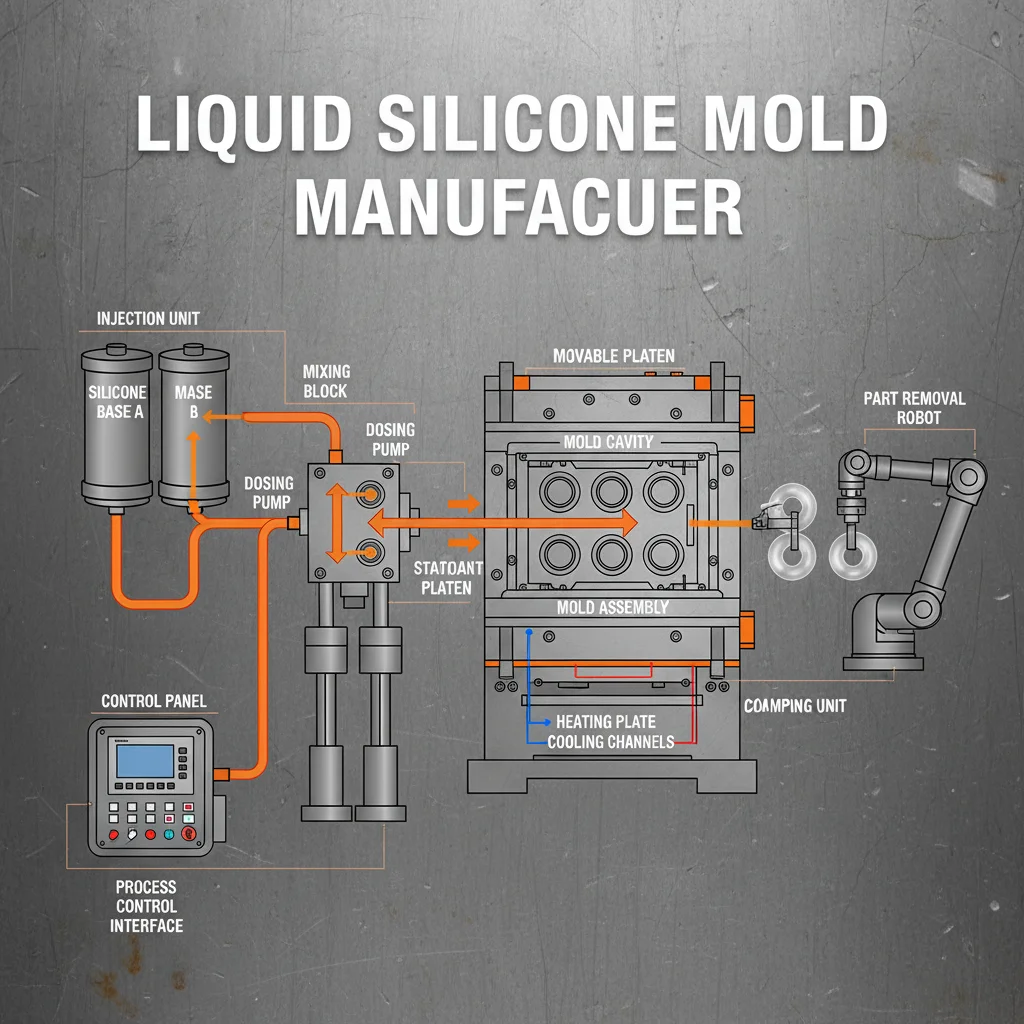
Injection molding of precision silicone parts hinges on fine-tuned control over material selection and process parameters. Our experience with over 80 automatic plastic injection molding machines and 55 liquid silicone molding units is grounded in a comprehensive understanding of LSR chemistry, curing kinetics, and advanced tooling design.
We optimize the interplay between:
Thermal properties: Matching silicone grades with application-specific heat resistance ranges (up to 230°C for many LSR grades).
Material flow: Rheological profile analysis to guarantee complete cavity filling without resulting in webbing or voids.
Mold tooling: Incorporation of vacuum venting and electrical discharge machining to reduce flash defects and improve surface quality.
Multi-shot capability: Combining LSR with ABS or polypropylene for overmolded parts featuring soft-touch and rigid sections.
Material Comparison Table
Material
Thermal Resistance
Chemical Resistance
Typical Applications
Liquid Silicone Rubber (LSR)
-55°C to 230°C
Excellent (oils, solvents, weathering)
Medical seals, automotive sensors, wearable electronics
Technical Note: Accurate material characterization dramatically improves mold simulation fidelity, reducing trial runs and cycle times—as highlighted in the recent MDPI study.
Factory Capabilities & Quality Assurance
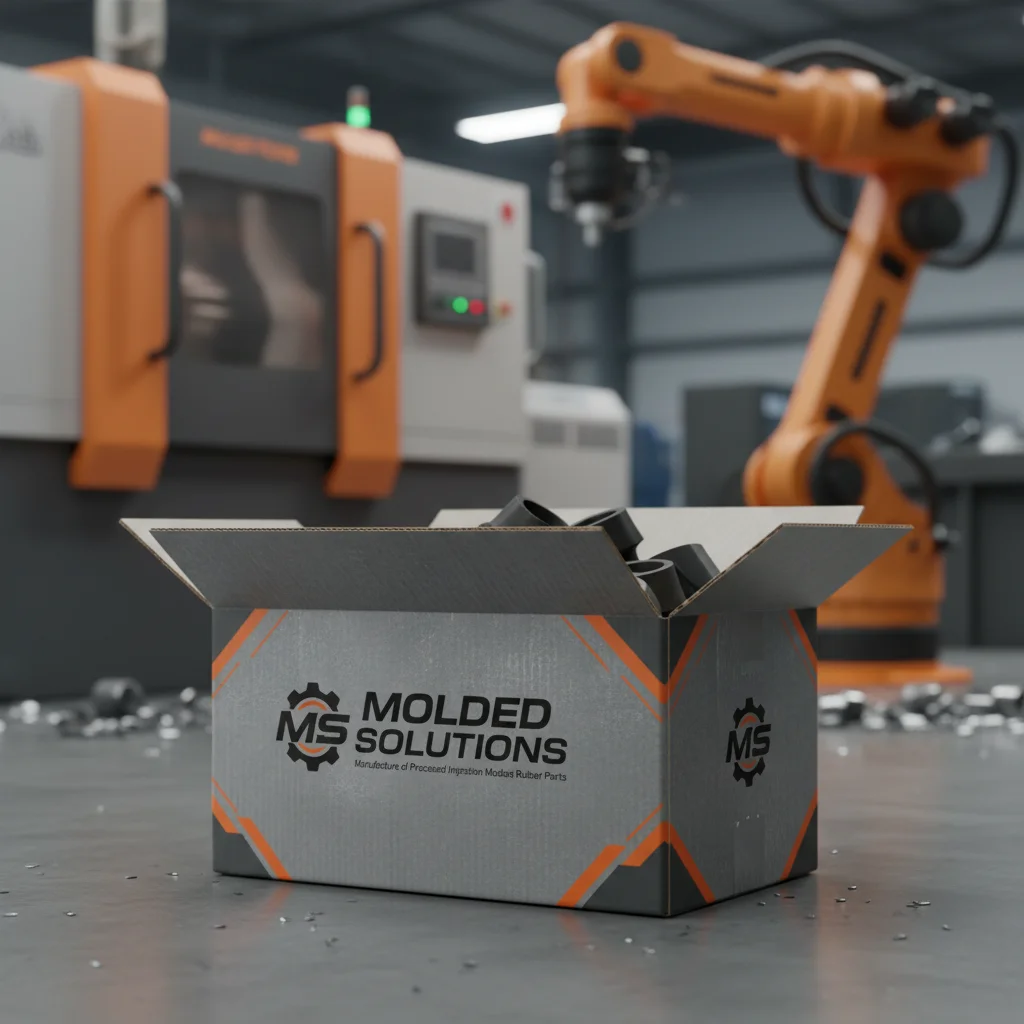
Inside Guangdong Yingtai’s modern injection molding production workshop
With over two decades dedicated to injection molding, Guangdong Yingtai High Precision Technology Co., Ltd. specializes in a full-service approach—from precision mold development to finished product assembly. Our 35,000 m² industrial park in Dongguan houses: - 55 liquid silicone molding machines - 80 automatic plastic injection units - 20 solid silicone hydraulic presses - 30+ precision mold processing machines - 20+ advanced quality control instruments
Every product batch undergoes rigorous testing aligned with ISO 9001, CE, and RoHS standards to ensure compliance in critical industries including medical, automotive, and consumer electronics.
Key operational highlights:
End-to-end mold design and fabrication reducing dependency on third parties and enabling fast iteration.
Batch traceability supported by digital manufacturing execution systems to maintain process integrity.
Advanced process controls for multi-shot and overmold operations helping integrate rigid and soft materials with consistent adhesion.
Experienced R&D team collaborating on custom silicone compound formulations and tooling enhancements.
Export Expertise: Guangdong Yingtai has shipped high-precision injection molded parts worldwide. Our teams optimize container loading and packaging methods to minimize transit damage and handling risks.
For additional trust, see our certifications below:
Application Scenarios & Market Trends
Injection molded silicone parts serve a broad spectrum of industries, each imposing rigorous requirements that shape material and process selection.
Representative Applications:
New energy vehicles: High-performance seals and gaskets exposed to extreme temperatures and chemicals.
Consumer electronics: Soft silicone cases and waterproof seals for smart devices.
Medical devices: Biocompatible LSR parts used in surgical instruments and diagnostic equipment.
Smart wearables: Flexible silicone sensors and overmolded connectors combining comfort and durability.
Household appliances: Anti-slip backings, flexible buttons, and precision-molded housings.
The global liquid silicone rubber market continues its robust expansion, driven by precision-extruded medical and automotive parts. A recent Grand View Research report projects LSR market growth to nearly USD 5 billion by 2030, growing annually around 8.5%* thanks to increasing demand for exquisite products requiring tight tolerances and biocompatibility.[Source]
*Note: Growth rates vary slightly by source and region, but the upward trend reflects LSR’s undeniable technical advantages.
Handling and logistics for injection molded parts require keen attention to packaging, loading densities, and environmental controls to prevent deformation or contamination. Guangdong Yingtai emphasizes:
Custom packaging solutions protecting delicate silicone parts during container transport.
Optimizing pallet stacking and container loading plans to maximize volume while preventing stress on molded components.
Clear labeling and bundled shipments facilitating easy identification and workflow integration at receiving docks.
In installation, buyers should consider:
Thermal expansion coefficients: Silicone's flexibility generally accommodates dimensional changes, but mating rigid components need proper allowances.
Simple cleaning routines using mild detergents to maintain material integrity.
Regular inspection of seals and overmolded parts for signs of wear or compression set during service life stages.
These practical insights help prevent premature failures and reduce service downtime, crucial for just-in-time manufacturing environments and high-volume OEM production.
Procurement Guidance & Supplier Evaluation
Choosing the right processing injection molding parts factory is pivotal. Beyond price, consider:
Technical collaboration: Does the supplier provide design consultation and mold optimization?
Certifications and audits: Verify active ISO, CE, and RoHS certificates relevant to your application sector.
Lead time transparency: Clear visibility into tooling, prototype, and production schedules helps mitigate project risks.
Quality management systems: Are in-line inspection and statistical process control methods implemented?
Support for OEM/ODM: Flexibility in meeting custom requirements and scalable manufacturing volumes.
Communication channels: Direct contact with export managers and engineers for troubleshooting and updates.
Regular site visits or virtual factory tours can uncover operational strengths or potential bottlenecks. Additionally, referencing credible industry analyses such as Research Nester's LSR Market Report aids in understanding supplier positioning relative to market growth.
Buyer's FAQ
Q: What is the typical lead time for custom liquid silicone injection molding?
A: From mold design to first samples, expect roughly 20–30 days depending on complexity. Mass production lead time varies with order volume but commonly ranges from 15 to 45 days.
Q: Can you handle multi-component or insert molding?
A: Yes, our facility is equipped with multi-shot injection molding machines to combine LSR with thermoplastics like ABS or polycarbonate in single cohesive products.
Q: How do you ensure material consistency batch to batch?
A: We source high-grade LSR from qualified suppliers and perform incoming inspection plus real-time process monitoring to maintain uniform ingredient quality and curing performance.
Q: What quality certifications do you hold?
A: ISO 9001:2015, CE for European compliance, RoHS for hazardous substances control. We can support additional certifications on request for medical or aerospace sectors.
Q: Do you provide free samples or prototyping assistance?
A: Absolutely, sample runs are part of our process consultation. We can assist with design validation and mold flow analysis prior to mass production.
Client Reviews & Industry Feedback
Michael Andrews Procurement Director - Automotive Tier 1 Supplier
"Yingtai's precision molding cut our defect rates significantly. Their multi-material overmolding expertise helped integrate sensors seamlessly into housings. Communication during production was clear, and delivery timing was reliable. Worth the collaboration effort."
Get in Touch
If you have any camping barbeque equipment inquiry, please feel free to contact us.