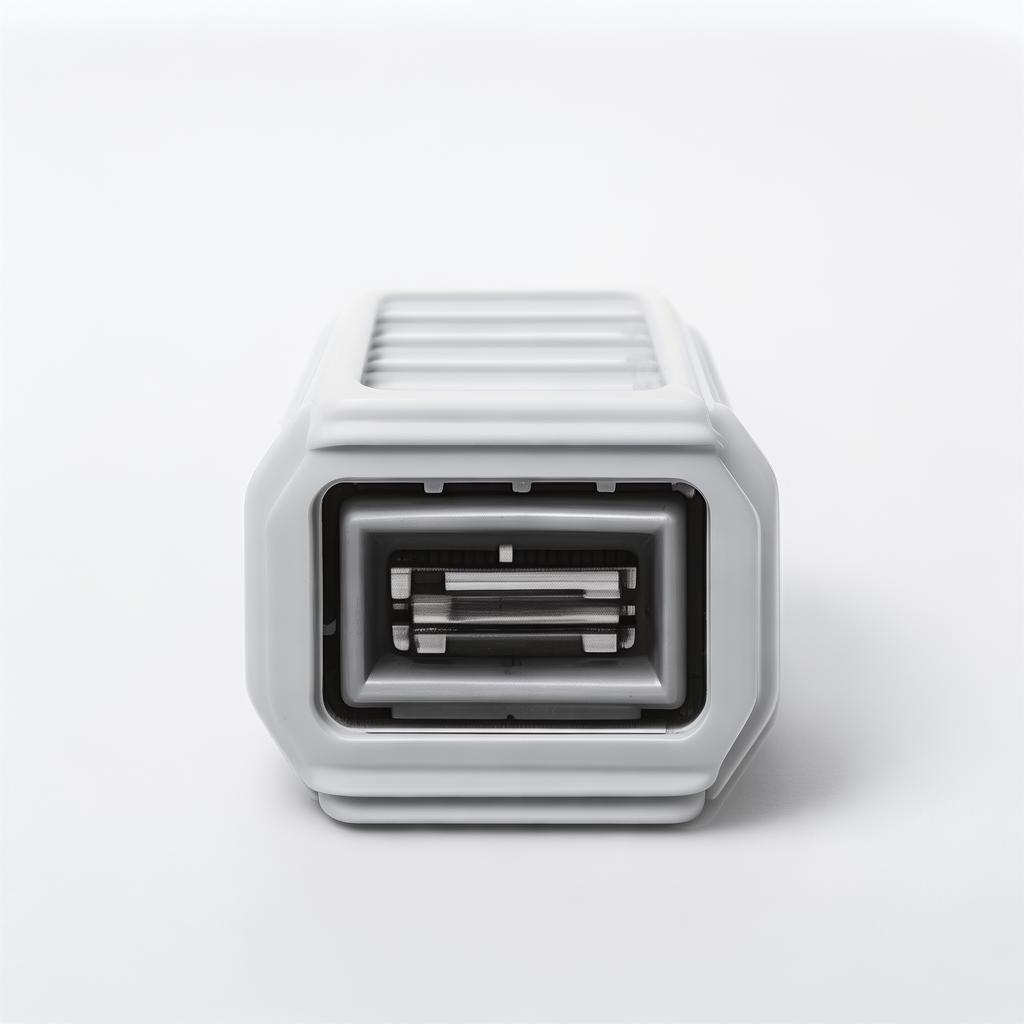
Processing Liquid Silicone Coated Metal Parts Company
Processing Liquid Silicone Coated Metal Parts Company
Delivering precision-engineered liquid silicone coated metal components for industrial applications with over 20 years of manufacturing expertise Procurement managers and technical engineers sourcing liquid silicone coated metal parts frequently grapple with complexities tied to
Product Details
Processing Liquid Silicone Coated Metal Parts Company
Delivering precision-engineered liquid silicone coated metal components for industrial applications with over 20 years of manufacturing expertise
Industry Challenges in Liquid Silicone Coated Metal Parts
Procurement managers and technical engineers sourcing liquid silicone coated metal parts frequently grapple with complexities tied to material compatibility, coating uniformity, and production scalability. The volatile nature of liquid silicone rubber (LSR) coating demands precise process control, or else risks emerge such as inadequate adhesion, uneven coverage, and frequent quality rejections.
Additionally, metal substrates vary widely, from stainless steel to aluminum alloys, each posing unique pre-treatment needs to enable durable silicone bonding. Improper surface preparation often leads to delamination or accelerated wear once parts enter demanding application environments.
Across sectors like automotive sealing, consumer electronics, and industrial appliances, maintaining consistent performance over extensive lifecycle periods is non-negotiable. But many companies new to silicone overmolding underestimate environmental factors such as temperature fluctuations, UV exposure, and chemical resistance requirements, impairing long-term reliability.
On top of technical hurdles, lead times and logistic coordination for custom molds and batch processing are often underestimated. From our experience collaborating with North American importers, planning production cycles to align with global supply chain timelines markedly reduces risk.
Operational insight: When ordering liquid silicone coated metal parts, ask your supplier about their control systems for coating thickness and adhesion testing – these metrics correlate strongly with part success in end-use conditions.
Technical Overview of Liquid Silicone Coating Process
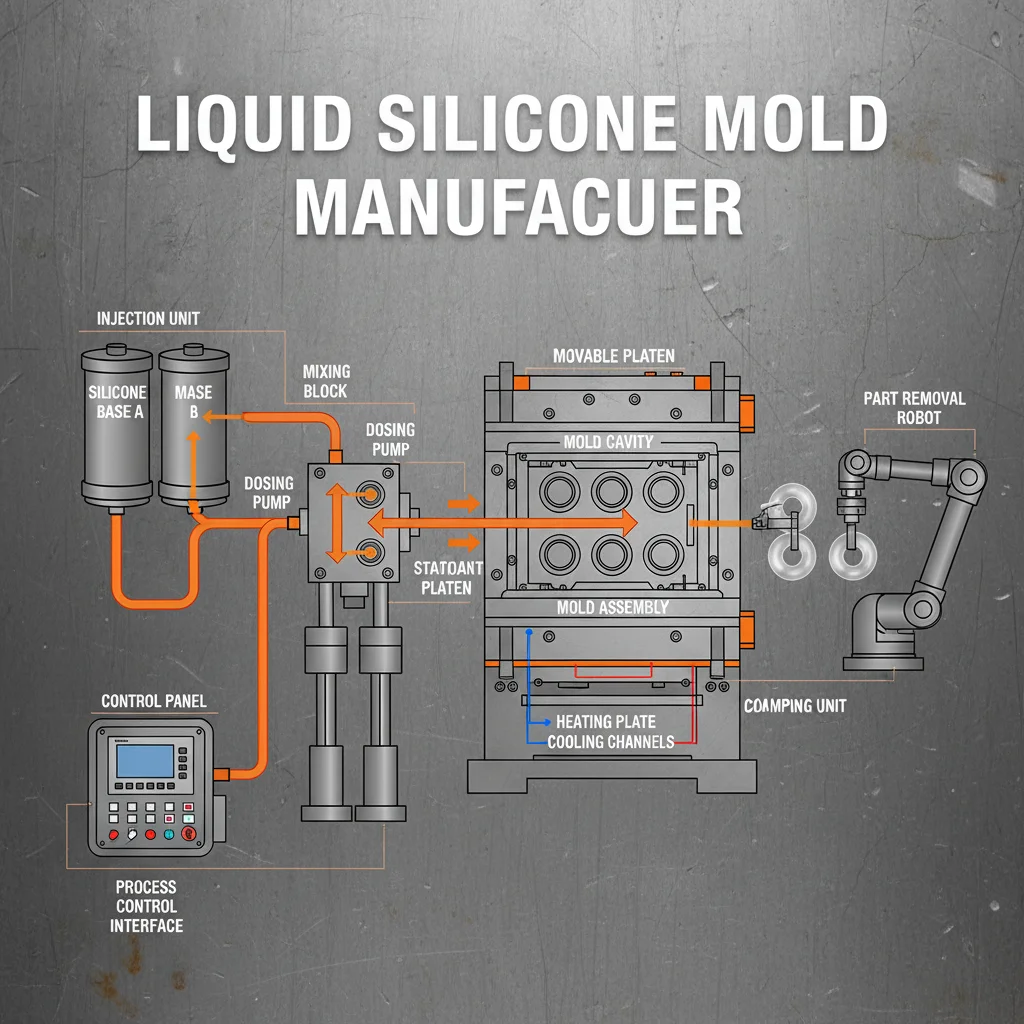
Liquid silicone rubber coating of metal parts integrates advanced injection molding and surface treatment technologies. Initially, metal substrates undergo precision cleaning, blasting, and plasma or chemical activation to optimize surface energy for silicone adhesion.
Our processes use injection molding machines equipped for LSR, with strict thermal control systems maintaining curing temperatures between 140°C to 180°C to ensure uniform vulcanization. The factory employs 55 dedicated LSR molding machines tailored for components ranging from sub-gram precision seals to larger overmolded assemblies.
Key material characteristics include:
Heat Resistance: Sustains functionality between -60°C and +230°C, per ISO 10993-5 standards for biocompatibility and thermal stability.
Chemical & UV Resistance: Coatings withstand oils, solvents, and sunlight exposure without degradation, aligning with ASTM D4329 and ISO 4892 guidelines.
Elastic Recovery: Long-term shape retention after mechanical stress, vital for sealing and cushioning applications.
Beyond the material itself, our skilled molding technicians utilize AI-assisted process monitoring systems to balance injection pressure, cure times, and part temperature uniformity, reducing variation and improving yield rates.
Noteworthy: The application of vacuum-assisted molding in some custom orders reduces air entrapment, enhancing dimensional accuracy and reducing microscopic bubble defects, based on recent advancements reported by Springer Soft Robotics Study.
Advantages of Choosing Our Liquid Silicone Coated Metal Parts
For importers and OEM buyers seeking liquid silicone coated metal components, our offering brings several operational and technical benefits tailored to demanding international markets:
Seamless Overmolding Integration — Meticulous coordination between metal substrate machining and silicone injection molding eliminates interface defects common in multi-step outsourcing.
Superior Durability — Our coatings endure harsh industrial chemicals, thermal cycling, and UV exposure far better than traditional rubber or non-coated alternatives.
Optimized Lead Times — By leveraging 20+ years of mold design and injection experience combined with our 35,000 m2 industrial park resources, we guarantee predictable scheduling for medium- to large-scale orders.
Customized Material Formulations — We tailor silicone hardness, color, and compound additives to suit electrical insulation, medical-grade safety, or automotive sealing demands.
Controllable Thickness & Surface Finish — Advanced in-line thickness measurement and robotic finishing stabilize tolerances within ±0.02 mm, ensuring perfect fit in downstream assembly.
Robust Supply Chain Logistics — Our export team coordinates optimal container loading and shipping planning, minimizing delays and damage risks across USA ports.
These benefits have supported clients’ ability to reduce maintenance cycles and improve overall product lifespan, contributing directly to procurement ROI.
Key Application Scenarios
Liquid silicone coated metal parts have become indispensable in sectors where precision sealing, electrical insulation, and environmental resistance are critical. We serve applications including but not limited to:
Industry
Application
Requirements
Automotive
Overmolded gaskets, valve seals, sensor housings
Thermal stability, chemical resistance, vibration damping
Consumer Electronics
Protective covers, tactile buttons, housing seals
Precision molding with tight tolerance, soft touch, anti-slip surface
Given the diversity of substrates and end-use environments, first-run prototypes and sample testing are highly recommended to validate coating adhesion and functional performance in situ. We offer free sample services tailored to your product specifications — simply request product specs for your project.
Procurement and Supplier Evaluation Guide
Selecting the right supplier for liquid silicone coated metal parts demands a combination of material expertise, manufacturing precision, and supply chain reliability. Drawing on over two decades of export experience, here are key guidelines to optimize vendor selection:
Assess Technical Capabilities: Verify supplier’s access to specialized LSR molding machines and precision metal substrate preparation equipment. Ask for process flow documentation.
Material Certifications: Confirm compliance with industry standards such as ISO 10993 (biocompatibility), CE marking, RoHS and REACH for material safety in regulated markets.
Sample and Validation: Insist on physical samples for critical functional tests. Surface adhesion strength, thickness uniformity, and environmental resistance should be independently verified.
Production Scale & Lead Time: Evaluate whether the supplier can meet your volume forecasts without compromising quality during scale-up. Check real-world lead times and mold turnaround history.
Logistics Support: Preference for factories with experience shipping to USA and Europe, including customs documentation, container loading expertise, and damage mitigation procedures.
OEM/ODM Collaboration: Suppliers offering design customization and mold tooling support can reduce time-to-market and improve end-product integration efficiency.
Common pitfalls: Many importers neglect testing for silicone-metal interface durability under thermal cycling or solvent exposure, leading to costly field failures months after commissioning. Moreover, suppliers lacking robust quality controls tend to miss batch consistency targets, impacting assembly tolerances further downstream.
Pro tip: Schedule a factory video tour or request process audit reports to bolster supplier transparency during vendor selection.
Guangdong Yingtai Factory Capabilities
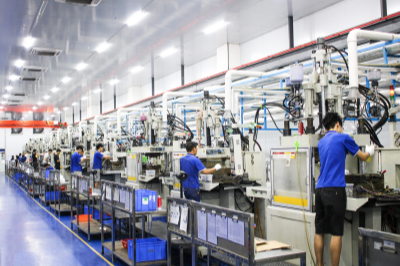
Yingtai's advanced industrial park; modern LSR injection molding line
Founded in the manufacturing powerhouse of Dongguan, China, Guangdong Yingtai High Precision Technology Co., Ltd. operates a 35,000 m2 state-of-the-art industrial park dedicated to silicone and plastic processing. Our fully integrated facility is outfitted with:
55 high-precision liquid silicone rubber molding machines equipped for short cycle, high-volume production
80 advanced plastic injection molding units for complementary component manufacturing
20 solid silicone hydraulic presses for specialized forming
Over 30 precision tooling and mold making machines including CNC, EDM, and polishing centers
More than 20 testing instruments for tensile strength, adhesion, UV resistance, and hardness compliance
Our mold development team works alongside production supervisors to deliver rapid tooling cycles while ensuring dimensional stability and process repeatability. This vertical integration lowers costs and shortens lead times.
Workforce expertise: Our 500+ team members span engineers, quality inspectors, and logistics coordinators — carefully trained in lean manufacturing and EEAT principles to meet rigorous international standards.
Through years of export experience, Yingtai understands the importance of transparent communication and flexible manufacturing to meet North American deadlines and quality expectations. We pride ourselves on on-time delivery reliability exceeding 95% for repeat clients.
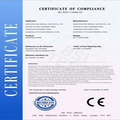
Our manufacturing systems comply with international quality management protocols. This includes ISO 9001:2015, European CE marking, RoHS environmental standards, and material certifications compatible with FDA regulations for food and medical-grade components.
Note: We continuously update our certifications to align with evolving industry criteria, ensuring all process parameters satisfy customer audits and regulatory inspections.
Frequently Asked Questions
What metals are suitable for liquid silicone coating?
Stainless steel, aluminum alloys, and zinc die castings are widely compatible, provided pre-treatment protocols are strictly followed. Surface cleaning, micro-abrasion, and plasma activation are critical before coating.
How do you control coating thickness and uniformity?
Robotic dispensers and process controls regulate the volume of LSR injected. Final parts undergo optical and tactile measurement to ensure thickness within ±0.02 mm tolerance, critical for sealing performance.
What is the typical lead time for custom liquid silicone coated metal parts?
Mold design and tooling usually take 4-6 weeks. Production cycles vary with order volume but typically range from 2 to 5 weeks. Early project engagement allows synchronization with procurement schedules.
Can you handle multi-component overmolding (LSR + plastic)?
Yes. Our factory is equipped with multi-shot molding machines and specialists proficient in managing interface bonding between LSR and thermoplastics such as ABS, PBT, and polycarbonate, ideal for advanced medical devices and electronic housings.
How do you support logistics for international shipments?
We optimize container loading, coordinate freight forwarding, and provide full customs documentation. Our export department is experienced in US regulations and keeps clients informed of shipment status.
Do you offer product samples for evaluation?
Yes, samples can be shipped after preliminary CAD review or physical prototype receipt to validate coating adhesion, tactile feel, and dimensional fit.
Customer Reviews & Real-world Insights
Jordan Mills
Procurement Manager, Midwest Manufacturing
"Yingtai’s liquid silicone coated metal parts met our automotive sealing specs perfectly. Their attention to mold detail and consistent coating thickness saved our assembly team countless adjustments. Delivery was on-point even during peak supply chain disruptions."
Get in Touch
If you have any camping barbeque equipment inquiry, please feel free to contact us.