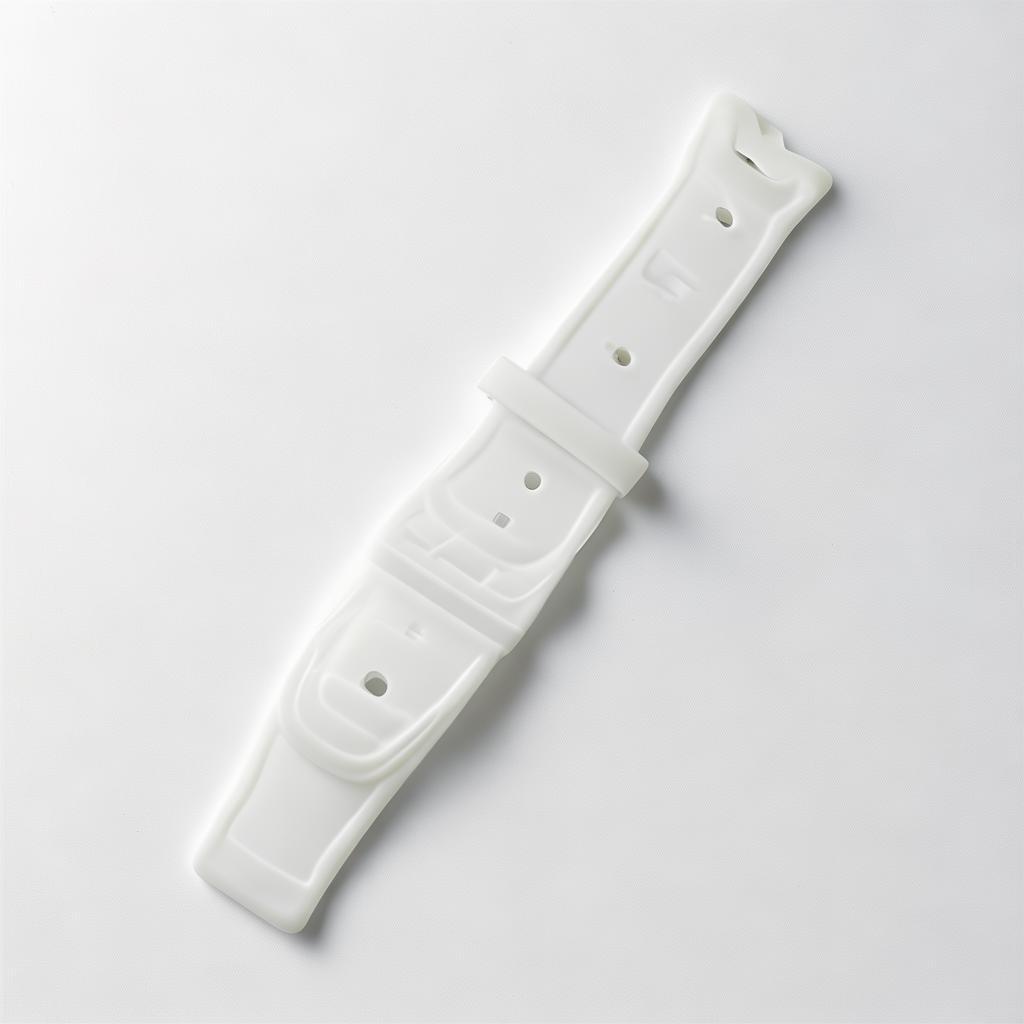
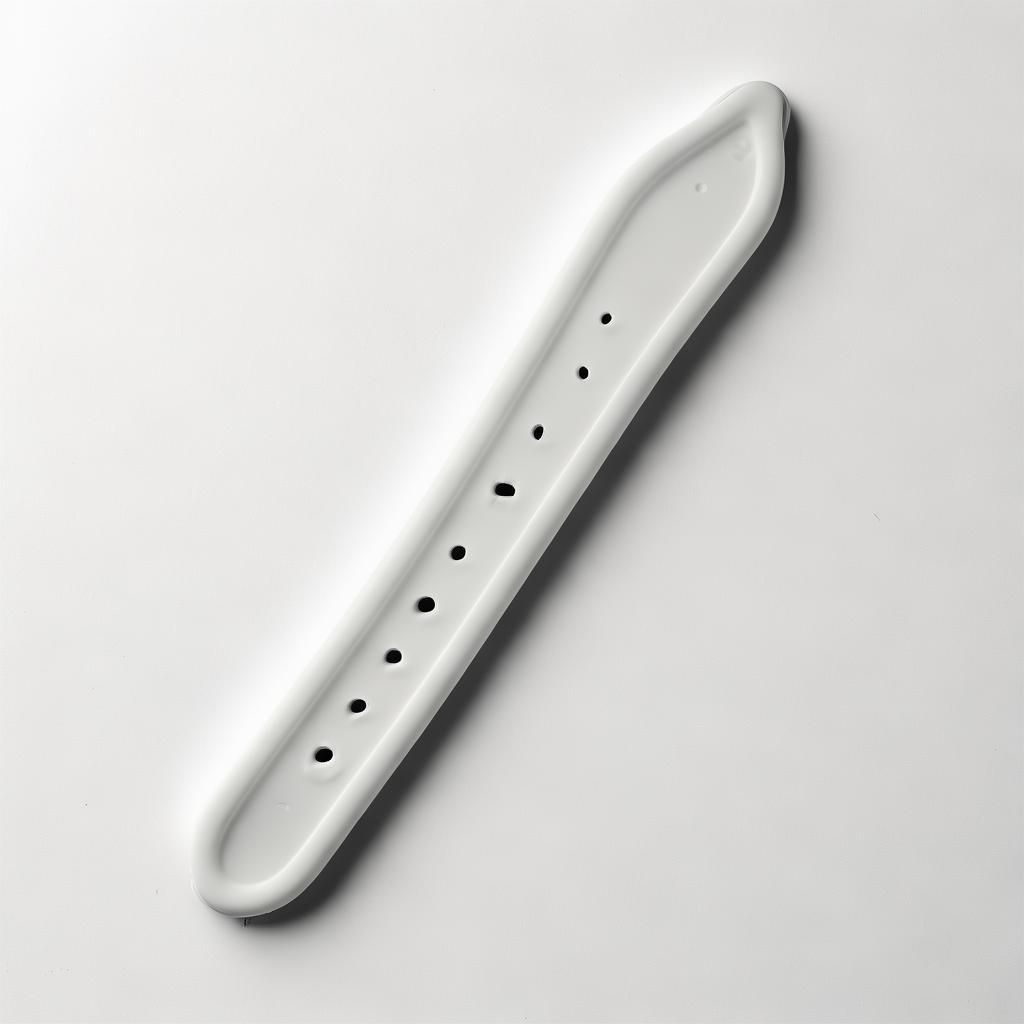
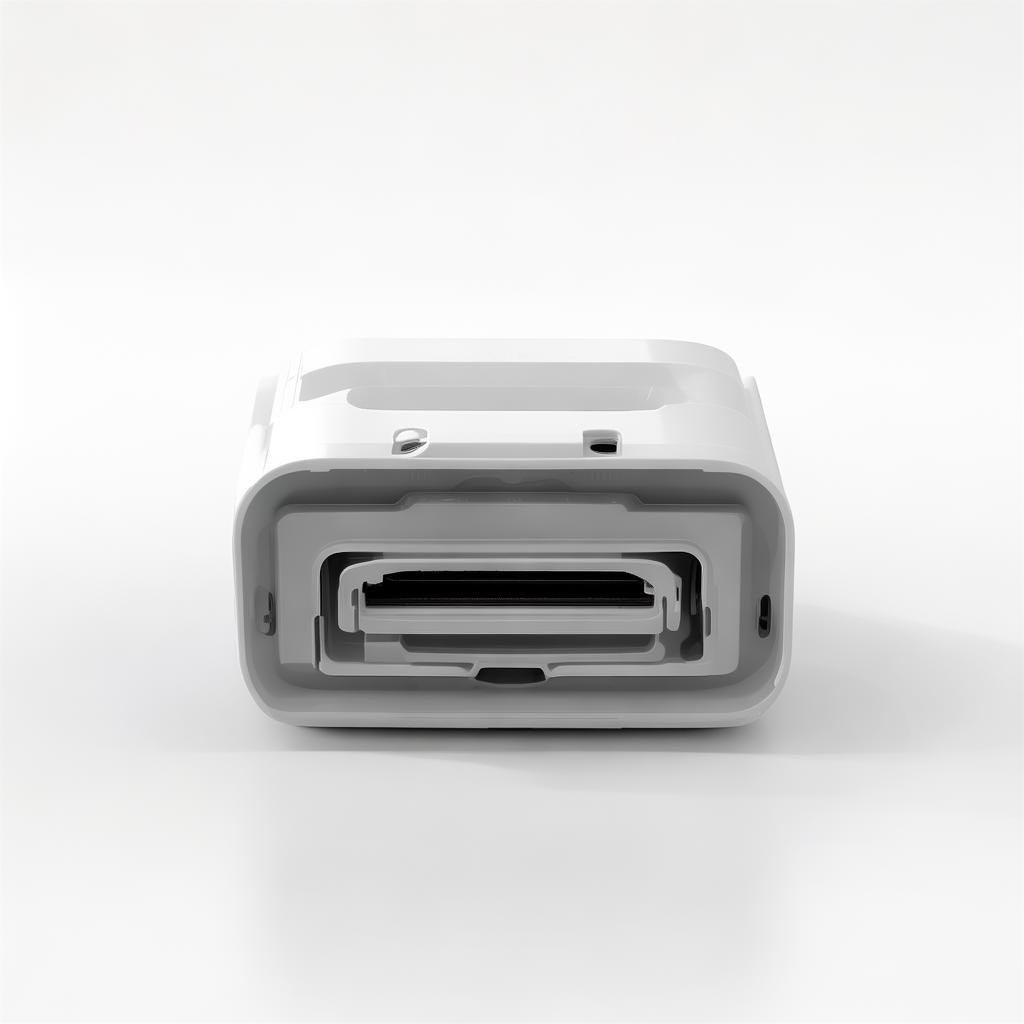
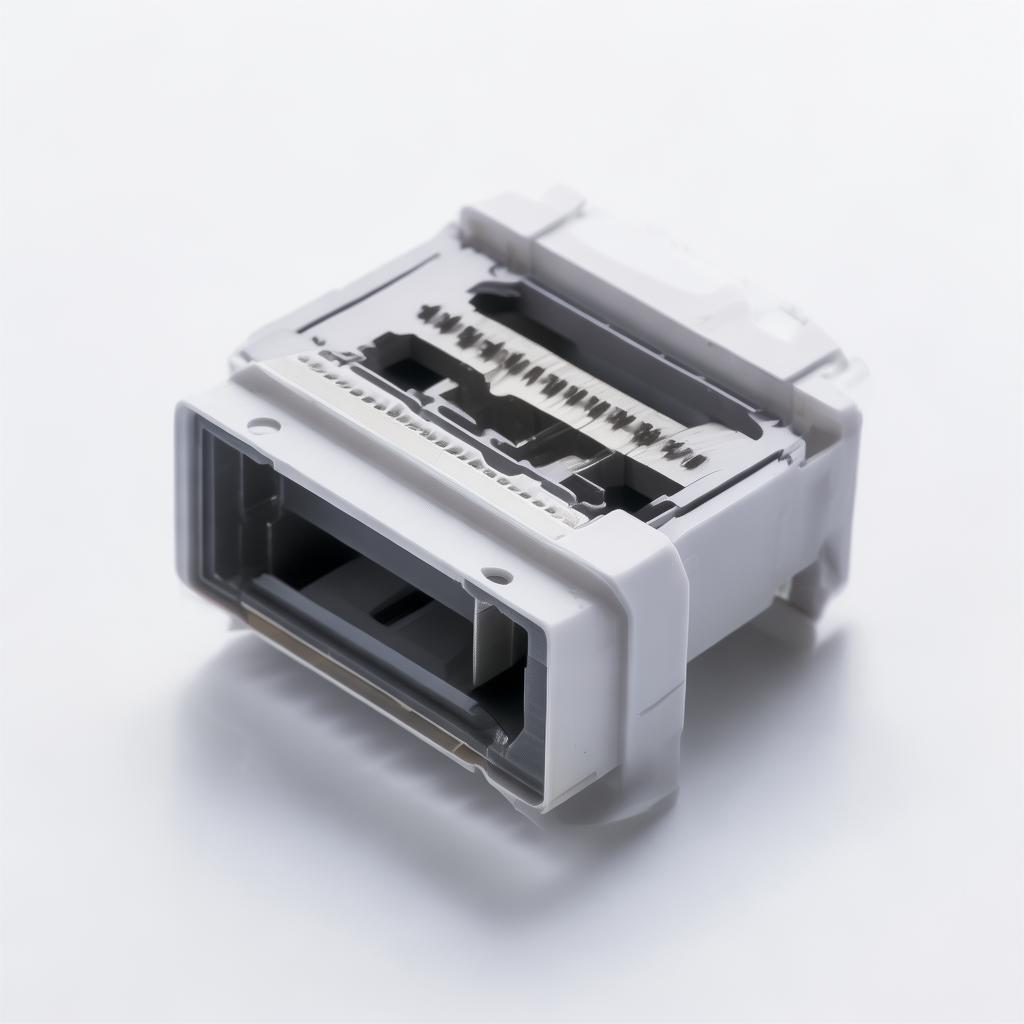
Precision Processing of Liquid Silicone Coated Metal Parts
Guangdong Yingtai High Precision Technology Co., Ltd., a benchmark in liquid silicone coated metal components manufacturing with over 20 years of expertise. Specializing in OEM and ODM production for high-performance industries worldwide.
Navigating the complexities of processing liquid silicone coated metal parts requires more than just equipment — it demands a blend of materials science, precision engineering, and operational savvy. At Guangdong Yingtai High Precision Technology Co., Ltd., situated in Dongguan's industrial hub, we leverage two decades of experience coupled with state-of-the-art manufacturing systems to deliver high-quality, customizable components for a variety of industries.
Liquid silicone coating on metal substrates significantly enhances corrosion resistance, thermal stability, and chemical durability, critical for components deployed in rugged automotive engines, advanced consumer electronics, and demanding medical devices. Yet, ensuring consistent adhesion and flawless surface finish across complex geometries represents a persistent challenge in production.
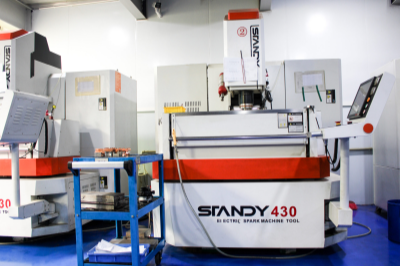
Our factory boasts a comprehensive suite of over 55 liquid silicone injection molding machines and 80 automatic plastic injection units, supported by more than 30 precision mold processing tools. This extensive infrastructure enables us to control every step — from liquid silicone formulation, mold design, overmolding process calibration, to final quality inspection — ensuring parts meet stringent ISO 9001 and CE certifications.
Industry studies highlight rapid growth in the liquid silicone rubber (LSR) market - projected to reach USD 7.5 billion globally by 2035 with a CAGR north of 8% 【Grand View Research, 2023】. This rise is fueled by demand for precise, biocompatible, and durable silicone components. We position ourselves as strategic partners for purchasers needing dependable supply chains and innovative molding solutions within this dynamic market.
For procurement directors, understanding the nuances of liquid silicone coated metal production—from mold tool maintenance to curing parameters—is key to avoiding costly delays and achieving reliable product lifecycles. Our team’s collective expertise, drawn from engineering and export operations, is actively dedicated to mitigating risks like delamination, dimensional instability, and inconsistent coating thickness that often trip up new projects.
In the following sections, you'll find a detailed dive into common industry pain points, technical insights on LSR injection molding, comparisons with alternative materials and processes, and practical purchasing advice to streamline your sourcing decision. Whether supplying OEMs in the team automotive sector or component distributors servicing wearable tech brands, our content aims to provide operational clarity and confidence.
Current Challenges in Liquid Silicone Coated Metal Part Manufacturing
- Adhesion Consistency: Poor surface preparation or incorrect curing cycles result in delamination under thermal cycling or mechanical stress.
- Tooling Costs & Maintenance: Specialized molds for LSR coating require costly electrical discharge machining and frequent servicing to prevent flash defects.
- Process Timing & Cycle Efficiency: Silicone curing times can bottleneck production lines if not optimized, compromising lead times for high-volume contracts.
- Material Compatibility: Selecting the right silicone grade and metal substrate combination is essential to meet application-specific mechanical and chemical resistance standards.
- Environmental & Waste Management: Excess silicone scrap and volatile emissions pose risks both to sustainability efforts and compliance with local regulations.
These challenges underscore the necessity for experienced manufacturers who understand both material science and industrial process controls. We have overcome many such issues at Yingtai through rigorous QA protocols, real-time process monitoring, and ongoing R&D investments in mold innovation. For instance, integrating vacuum-assisted molding techniques significantly reduces air entrapment and internal material defects 【Springer, 2025】.
Technical Overview: Liquid Silicone Rubber (LSR) Injection Molding on Metal Parts
The core of our manufacturing expertise lies in sophisticated LSR injection molding, a process that combines liquid peroxide-curable silicone rubber with metal substrates to form seamless coated parts. This technique excels due to LSR's intrinsic properties:
- Biocompatibility & Chemical Resistance: Essential for applications requiring hygiene standards or chemical exposure resistance.
- Wide operating temperature range: From -60°C to 230°C, supporting automotive under-hood components and consumer electronics.
- UV and weather resistance: Suitable for outdoor equipment and durable consumer products.
- Elasticity and mechanical durability: Silicone provides excellent shock absorption and wear resistance on metal cores.
Mold Design & Production Workflow: Liquid silicone coating requires high-precision tooling fashioned from hardened steel or aluminum, with integrated heating circuits to control curing times. Our production line workflow involves:
- Surface treatment of metal components (cleaning, priming, roughening).
- Loading into injection molds customizable for multi-shot or overmolding processes.
- LSR injection under controlled temperature and pressure conditions.
- Thermal curing phase precise to prevent internal stress or shrinkage.
- Automated demolding followed by inspection and secondary finishing.
Material quality data, including viscosity and curing kinetics, are tightly monitored. As cited by a recent MDPI study, the accuracy of simulated mold flow patterns depends heavily on the reliability of rheological data, impacting cycle time and part consistency 【MDPI, 2025】.
| Property | Range / Value | Notes |
|---|---|---|
| LSR Hardness (Shore A) | 20 – 70 | Varies with grade and application |
| Curing Temperature | 140 – 180 °C | Optimized for cycle time & adhesion |
| Tensile Strength | 6 – 11 MPa | Depends on curing profile |
| Thermal Stability | -60°C to +230°C | Maintains performance over cycles |
| Adhesion Strength (Metal-Silicone) | > 2.0 MPa | Measured by peel tests |
Processing liquid silicone coated metal parts company Processing liquid silicone coated metal parts factory Liquid silicone coated metal parts enterprise
Product Advantages of Our Liquid Silicone Coated Metal Parts
Employing over 20 years of OEM and ODM experience, our enterprise focuses on delivering products with:
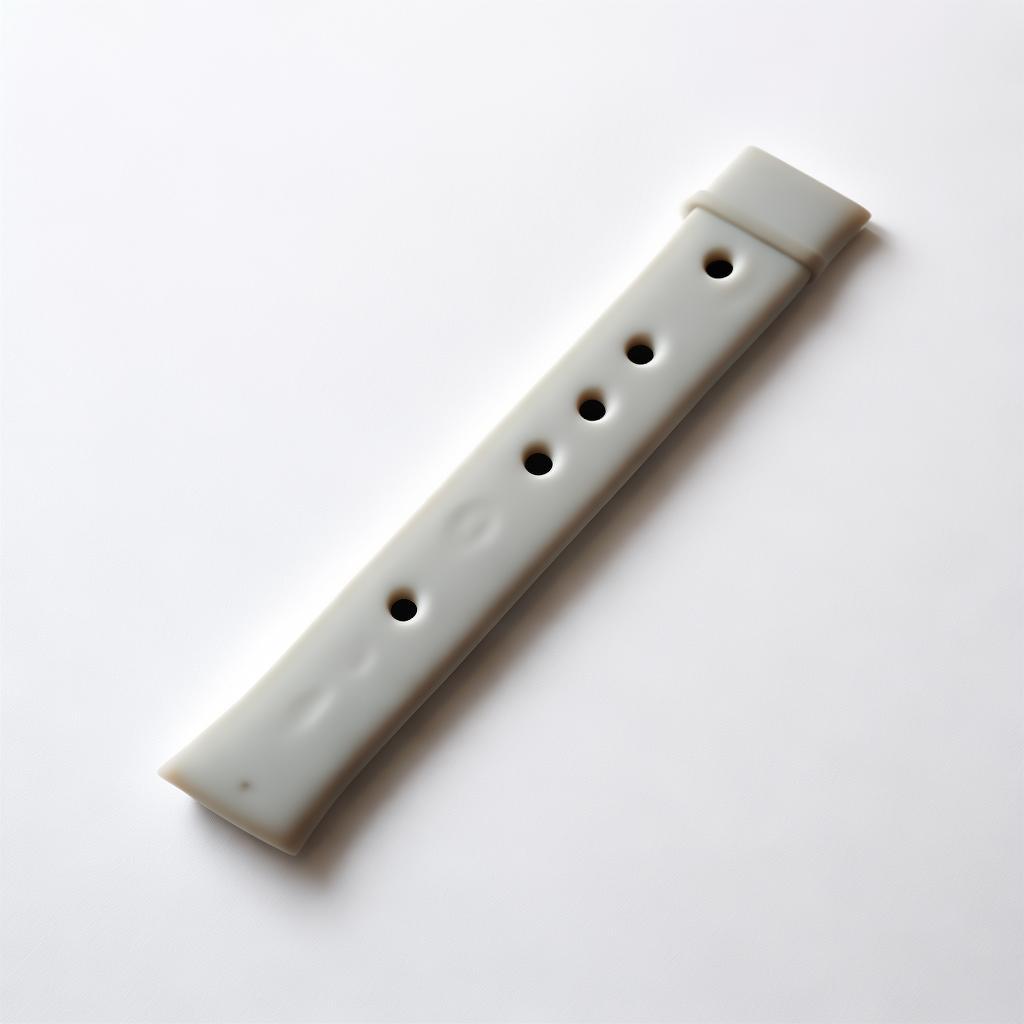
- Enhanced Corrosion Resistance: Liquid silicone coating forms a chemical barrier that protects metal from oxidation and harsh environments.
- Superior Thermal Management: Our coatings maintain elasticity and physical integrity under extreme temperature cycles, minimizing part failures in automotive engine components.
- Precision Dimension Control: Utilizing in-house mold manufacturing with tight tolerances reduces assembly problems and improves downstream efficiency.
- Multi-Material Integration: Capability to overmold silicone on plastics and metals simultaneously enhances product functionality and weight reduction.
- Compliance & Certifications: Our production adheres to ISO 9001, RoHS, CE standards, assuring end users regarding safety and environmental commitments.
Practical considerations also shape our customer-centric approach. For example, we guide clients on optimal packaging to prevent post-shipment coating deformation and recommend storage conditions to prolong coating lifespan. Logistics expertise ensures container loading maximizes volume while protecting delicate surface finishes.
Application Scenarios and Industry Use Cases
Our liquid silicone coated metal parts serve a broad spectrum of industries, with significant relevance in:
- New Energy Vehicles: Thermal management seals, sensors housings, and flexible connectors for electric drivetrain components.
- Consumer Electronics: Durable, shock-resistant silicone jackets on metal frames for smartphones and wearable devices.
- Medical Devices: Biocompatible silicone coatings on surgical tools and diagnostic equipment components, ensuring hygiene and patient safety.
- Industrial Appliances: Vibration dampeners and protective coatings on equipment parts exposed to harsh chemicals.
- Smart Wearables and Communication Equipment: Sealing elements with UV and sweat resistance for prolonged outdoor usage.
Procurement Considerations & Supplier Evaluation
Selecting the right partner for liquid silicone coated metal parts manufacturing impacts your product lifecycle and total cost of ownership. Here are key tips for buyers:
- Verify Material Certifications: Ensure suppliers source LSR and metal substrates compliant with relevant standards such as USP Class VI, ISO 10993 for medical uses, or automotive OEM specs.
- Evaluate Production Capacity: Ask for machine counts, mold development lead times, and experience with multi-shot or overmolding processes.
- Request Technical Samples: Testing small-batch prototypes is essential to verify coating adhesion, dimensional accuracy, and surface finish under operational stresses.
- Assess QA Procedures: Confirm if manufacturers use in-line inspection systems, aging tests, and final part certifications for traceability.
- Check Delivery Reliability & Logistics: Evaluate their export readiness and support in container optimization to avoid shipment damages or delays.
Yingtai’s transparent process and willingness to collaborate through OEM/ODM models makes us a favored choice among international buyers prioritizing quality and supply chain flexibility. Procurement managers often find that early engineering involvement mitigates downstream design revisions and cost overruns.
Frequently Asked Questions (FAQ)
- What metals are compatible with liquid silicone coating?
- Common substrates include aluminum, stainless steel, copper alloys, and certain zinc die castings. Surface pre-treatment can be customized for optimal adhesion.
- What is the typical lead time for coated parts?
- Prototype runs usually require 15-20 days, while production-scale manufacturing often ranges from 30-45 days depending on order size and mold complexity.
- Can customized silicone formulations be accommodated?
- Yes. We work with clients to develop custom silicone blends tailored for specific chemical resistance, color matching, or hardness ratings.
- How are quality and coating adhesion tested?
- Peel and shear adhesion tests, cross-hatch tape tests, and thermal cycling are standard. We employ advanced test instruments following ISO and ASTM procedures.
- What certifications does Yingtai hold?
- Our facilities maintain ISO 9001:2015 certification and RoHS compliance. We also support customers requiring REACH, FDA-compatible materials, and CE marking.
What Our Clients Say

Procurement Director, Midwest Automotive Parts
"Yingtai's LSR coated components helped us reduce warranty claims related to seal failures by nearly half compared to previous suppliers. Their technical insights on silicone grade and curing conditions truly improved part lifespan and consistency."

Operations Manager, SmartWear Tech Inc.
"Their rapid prototyping and OEM cooperation enabled us to stay on schedule launching our latest wearable device. The coating quality and finish greatly surpassed our expectations, even after outdoor exposure testing."

Lead Engineer, MedTech Solutions LLC
"We've seen better thermal and chemical resistance from Yingtai’s coated parts versus earlier methods. Their expertise in multi-component injection molding was key for our hybrid medical device components."
Connect With Our Experts
Interested in discussing your project requirements or obtaining customized quotes? Reach out to our export team for:
- Factory pricing and lead time estimates
- Technical consultation on materials and processes
- OEM/ODM project collaboration opportunities
- Sample requests and specification sheets
Phone/WhatsApp: +86 17722437688
Fax: +86 0769-83666863
Email: zmm@yingtai168.com, lh@yingtai168.com
Address: No. 359 Chang'an Bubugao Rd, Chang'an Town, Dongguan, Guangdong, China
Official Website & Contact Form
Trusted by Leading Brands


Certifications & Compliance

Recent Chat Inquiries