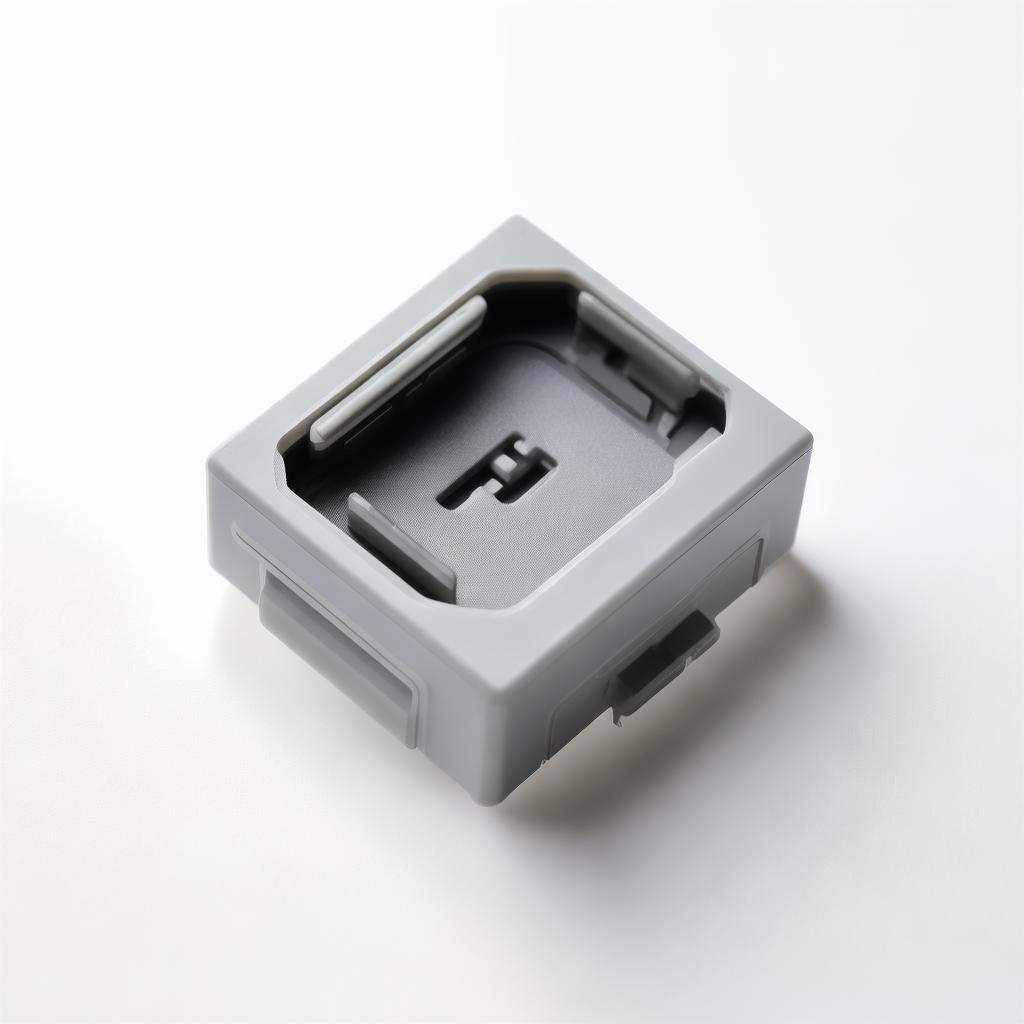
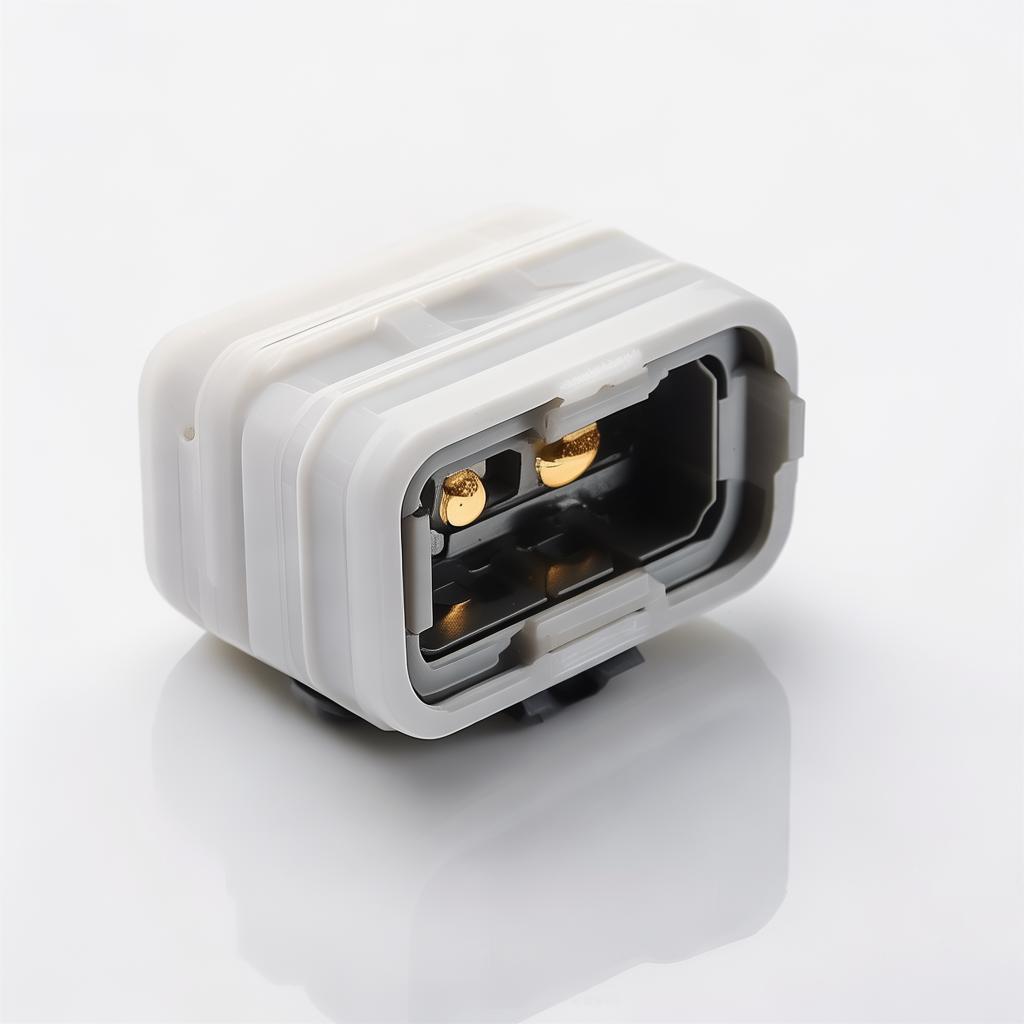
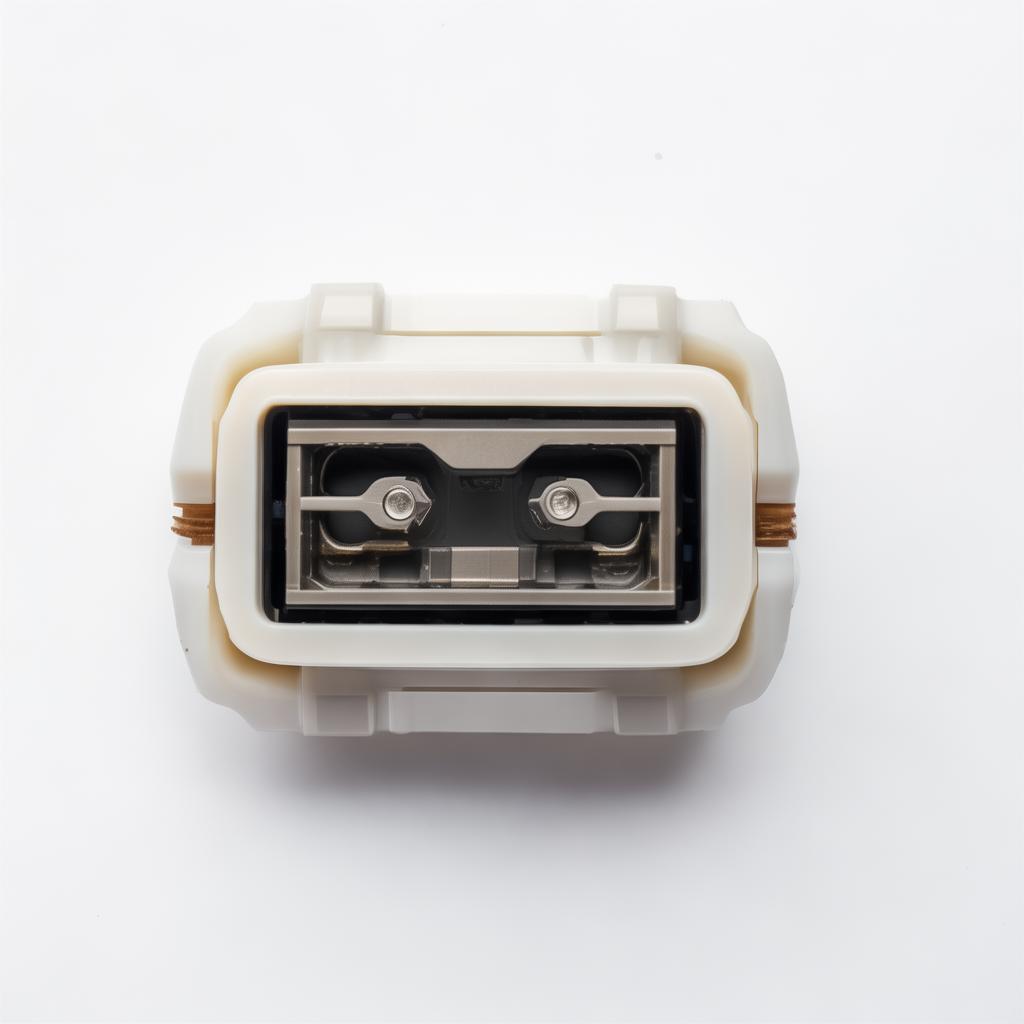
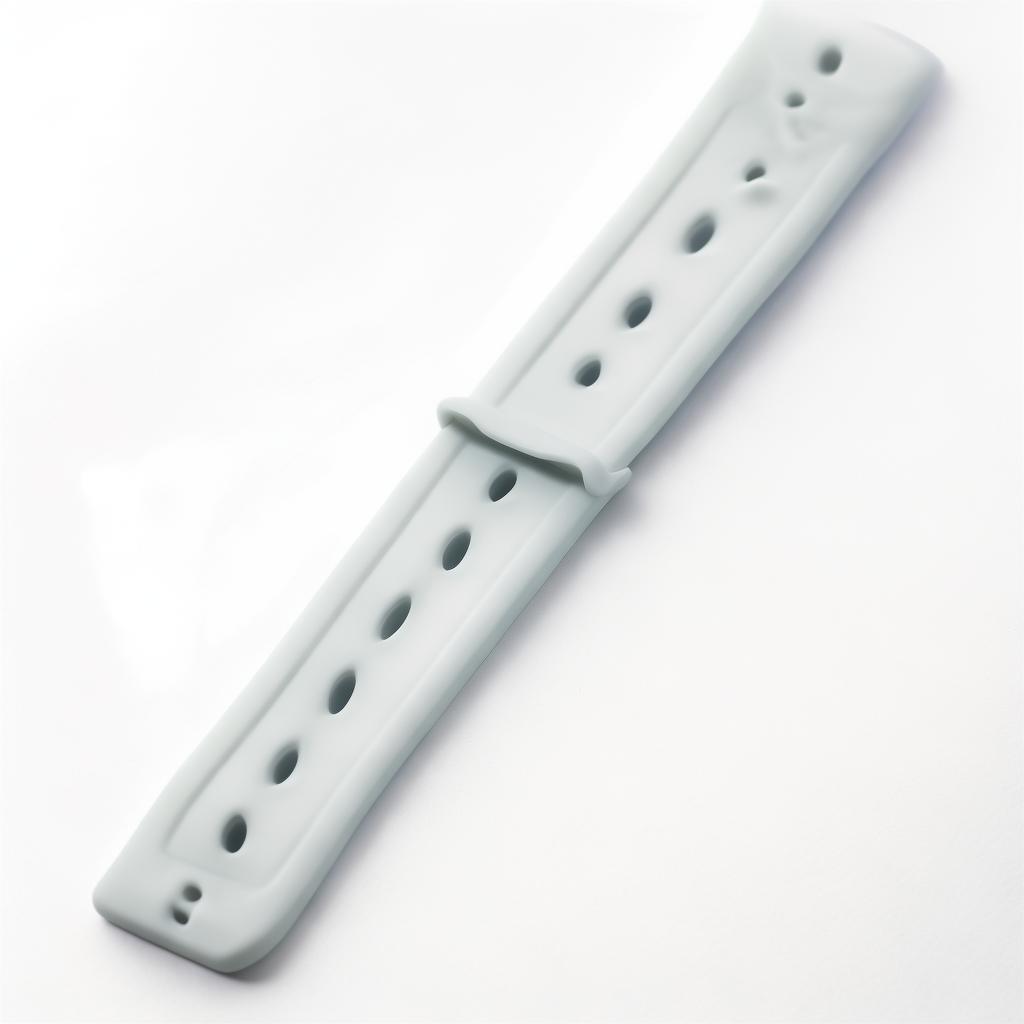
Processing Liquid Silicone Coated Metal Parts Factory
Processing Liquid Silicone Coated Metal Parts Factory
For procurement teams and engineering professionals sourcing coated metal components with high-performance liquid silicone finishes, finding a factory partner with industrial insight and robust process control is non-negotiable. Guangdong Yingtai High Precision Technology Co.,
Product Details
Processing Liquid Silicone Coated Metal Parts Factory: Precision and Reliability at Scale
For procurement teams and engineering professionals sourcing coated metal components with high-performance liquid silicone finishes, finding a factory partner with industrial insight and robust process control is non-negotiable. Guangdong Yingtai High Precision Technology Co., Ltd. stands as an established industry benchmark, blending 20+ years of operational excellence in liquid silicone coating on metal substrate manufacturing for global B2B supply chains.
Common Industry Challenges in Liquid Silicone Coated Metal Parts
Procurement managers and operations leads in industries demanding liquid silicone coated metal parts typically face multifaceted obstacles. These include:
Inconsistent coating adhesion that compromises durability under thermal cycling or mechanical stress.
Difficulties maintaining tight dimensional tolerances during multi-step molding and coating processes.
Unpredictable product lifecycle caused by improper curing or contamination in production.
Complex logistics planning due to sensitivity of coated parts to moisture, abrasion, and shocks during transit.
Limited transparency on material certifications and production traceability from offshore suppliers.
These issues often lead to costly production delays and quality returns, frustrating cross-border buyers who juggle timelines and cost pressures. For the purchasing director evaluating export-ready suppliers, understanding the manufacturing specifics behind liquid silicone coatings on metal is crucial to setting realistic project expectations.
Technical Overview of Liquid Silicone Coating on Metal
Liquid silicone rubber (LSR) coating on metal substrates involves a precision injection molding and curing process, delivering a flexible, protective, and biocompatible layer engineered to withstand harsh mechanical and environmental conditions. Our factory employs advanced LSR injection molding machines and silicone overmolding techniques optimized for metal components ranging from automotive sealing elements to electronic device housings.
Key material properties:
Biocompatibility with FDA and RoHS-compliant silicone compounds – critical for medical and food application parts.
High thermal resistance, operating effectively between -50°C to +230°C without significant degradation.
Excellent chemical stability, compatible with oils, detergents, and UV exposure in outdoor environments.
Low compression set ensuring long-term sealing performance without loss of elasticity.
Production workflow highlights:
Surface preparation: Metal substrates undergo precision cleaning, degreasing, and plasma treatment to promote silicone adhesion, preventing delamination.
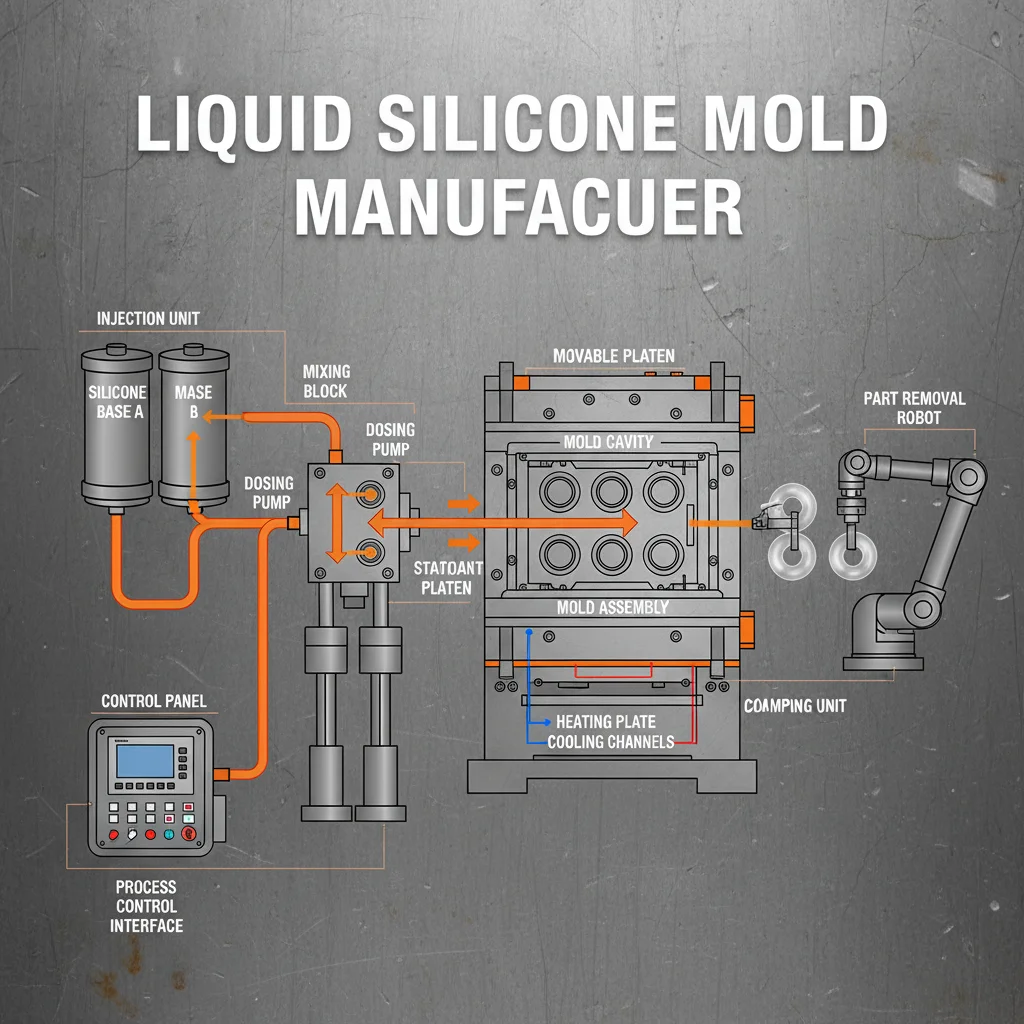
Mold tool design: Specialized two-component injection molds regulate silicone flow and curing, accounting for metal thermal conductivity differences.
Injection & curing: Liquid silicone is injected under tightly controlled temperature and pressure parameters with curing cycles optimized based on rheological data (per findings from MDPI's material characterization study). This yields uniform coatings with minimal internal stresses or bubbles.
Post-process inspections: Automated visual inspections and mechanical adhesion tests help ensure consistent product quality and dimensional compliance.
Avoiding common pitfalls such as improper mold venting and inaccurate thermal control is essential. Our factory's strict adherence to protocols validated by ISO 9001 and IATF 16949 certifications mitigates manufacturing variability, which aligns with industry insights emphasizing mold design precision and material data integrity (MDPI study).
Advantages of Our Coated Metal Parts
Sourcing liquid silicone coated metal components from a factory built for scalable quality yields measurable procurement advantages:
Enhanced durability under cyclical temperature and mechanical load reduces replacement frequency and downtime.
Superior chemical resistance extends component lifespan in harsh industrial and automotive atmospheres.
Precision coating thickness control ensures tight tolerance adherence, facilitating reliable assembly and sealing.
Comprehensive traceability of batches with testing documentation supporting FDA, CE, and UL compliance.
Customization flexibility to OEM/ODM orders — shapes, durometer hardness, and coating thickness tailored by application need.
Choosing a factory versed in liquid silicone over solid silicone coatings is essential for applications demanding enhanced precision and resilience — especially where regulatory compliance and batch-to-batch consistency matter.
Factory Strength and Certifications
Guangdong Yingtai High Precision Technology Co., Ltd. operates from a 35,000 m² industrial park in Dongguan, China. Our extensive manufacturing footprint is tailored to optimize liquid silicone coating on metal parts with operational volume and quality in mind.
55 sets of liquid silicone molding machines enable multi-cavity high-volume runs with tight tolerance.
80 automatic plastic injection molding units supporting complex multi-material overmolding.
20 solid silicone hydraulic presses to complement coating processes.
30+ precision mold processing machines for in-house tooling capability ensuring swift mold adjustments and repairs.
20 advanced testing instruments providing stringent quality assurance including adhesion, tensile strength, and hardness testing.
Our manufacturing system integrates mold development and final assembly within a single comprehensive supply chain, ensuring seamless coordination and reduced lead times. These internal synergies align with recommendations from research emphasizing mold precision to reduce injection flash and waste (Fraunhofer Research).
Notable Certifications:
ISO 9001 Quality Management System
IATF 16949 for automotive industry quality standards
CE and RoHS compliance for electronics sealing parts
FDA approvals on food-grade silicone coatings
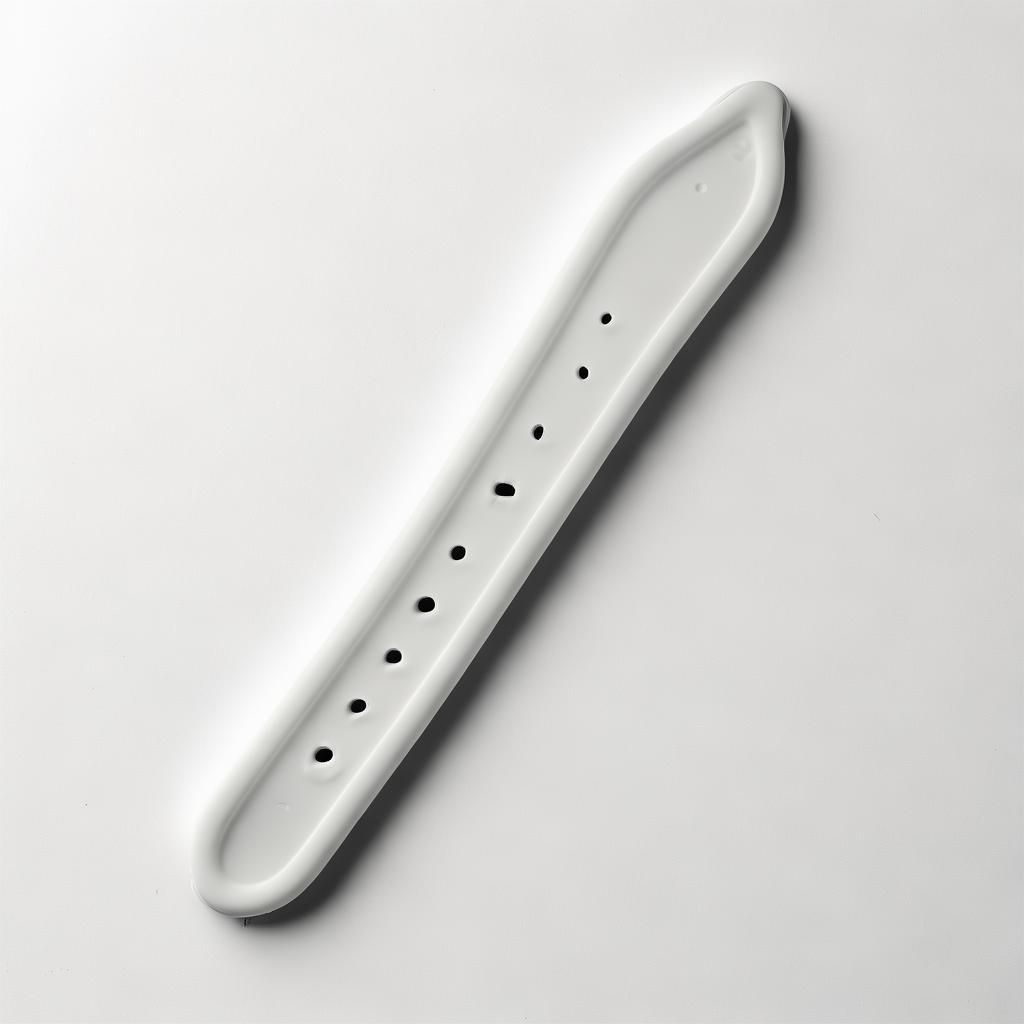
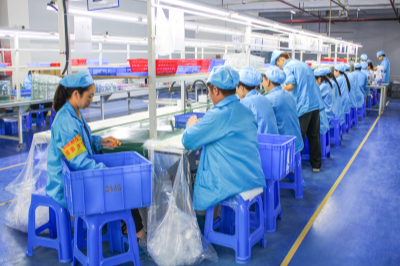
State-of-the-art liquid silicone coating production line at Guangdong Yingtai
Key Application Environments
Our coated metal parts fulfill critical functional requirements across sectors where flexibility, seal integrity, and part longevity are essential.
Automotive & New Energy Vehicles: Sealing gaskets, battery pack insulations, flexible connectors resistant to chemicals and vibration.
Consumer Electronics: Soft-touch coatings on device buttons, overmolded housings for waterproofing, EMI shielding elements.
Healthcare & Medical Devices: Biocompatible seals and connectors meeting stringent FDA and ISO 13485 requirements.
Industrial Electronics: Durable waterproof seals on control cabinets, ruggedized connectors, and cable glands.
Smart Wearables & Communication Equipment: Flexible silicone layers enabling both protection and wearer comfort.
Buyers often overlook environmental effects such as UV exposure or chemical cleaners in application scenarios. Our coatings are tested to endure extremes, providing operational peace of mind for long-life products.
Practical Procurement Guidance
Navigating vendor selection and order management for liquid silicone coated metal parts requires a strategic approach to minimize risk:
Evaluate Supplier Certification and Traceability: Confirm ISO standards and batch-level traceability on silicone compound certifications; insist on testing records.
Request Prototype Samples Early: Validate adhesion, coating uniformity, and mechanical properties with your engineering team before committing to full production.
Communicate Application Environment: Provide detailed data on temperature ranges, chemical exposure, and mechanical load for tailored coating formulations.
Accounting for Lead Time: Liquid silicone coatings require specialized molds and curing cycles; typical lead times range from 30 to 60 days depending on complexity.
Plan Container Loading Wisely: Parts should be stacked with protective packing against abrasion; coordinate with your freight forwarder to minimize transit damage.
OEM/ODM Opportunities: For project-specific needs, discuss custom mold development and liquid silicone compound formulation with the factory's R&D team.
Aligning early on these points reduces costly rework or delivery delays. Remember that vendors lacking robust mold engineering or comprehensive production chains often cause avoidable quality issues (Reddit manufacturing discussions note tooling as a critical cost factor).
Frequently Asked Questions
What metals can be coated with liquid silicone in your factory?
We typically coat stainless steel, aluminum alloys, copper, and zinc die-cast metals. Metal surface treatments are adapted per substrate to maximize silicone adhesion.
What is the typical coating thickness achievable?
We provide coatings ranging from 0.3 mm to 3 mm thickness depending on part function and molding parameters.
Can you produce medical-grade coated parts?
Yes, our FDA-approved silicone compounds and clean manufacturing lines meet strict requirements for medical device components.
Is custom mold design supported for specialized shapes?
Our in-house tooling facility enables design, prototyping, and production molds for complex geometries typical in liquid silicone overmolding.
How is product quality assured before shipment?
We conduct multi-stage inspections including adhesion peel tests, dimensional verification, hardness tests, and detailed visual inspection to guarantee compliance.
What are your standard packaging and shipping practices?
Parts are packed in moisture-resistant sealed containers with protective foam inserts to prevent abrasion. Shipping plans are coordinated for optimized container stacking to reduce freight damage.
Customer Feedback
Mark LewisProcurement Manager, Automotive Supply Co.
“Yingtai's LSR coated metal parts have consistently met our rigorous automotive specifications. The adhesion and thermal endurance outperform many previous suppliers. Their thorough documentation helps us pass regulatory audits smoothly.”
Get in Touch
If you have any camping barbeque equipment inquiry, please feel free to contact us.







 Mark Lewis Procurement Manager, Automotive Supply Co.