Processing Liquid Silicone Encapsulation Parts Company
Trusted Manufacturer & Exporter | OEM/ODM Specialists | Industry-Grade Liquid Silicone Solutions Industrial-grade liquid silicone encapsulation parts have become indispensable in sectors ranging from automotive to consumer electronics. However, purchasing managers and technical engineers

Product Details

Precision Processing of Liquid Silicone Encapsulation Parts – Guangdong Yingtai High Precision Technology Co., Ltd.

Trusted Manufacturer & Exporter | OEM/ODM Specialists | Industry-Grade Liquid Silicone Solutions

Industry Challenges & Operational Pain Points

Industrial-grade liquid silicone encapsulation parts have become indispensable in sectors ranging from automotive to consumer electronics. However, purchasing managers and technical engineers frequently face hurdles across the supply chain — from material consistency to process repeatability.

Common pain points include:

  • Material Variability: Differences in LSR batches can disrupt injection molding consistency, impacting part tolerances and sealing effectiveness.
  • Mold Defects & Flash: Improper mold venting or design causing flash, affecting sealing performance and requiring post-processing.
  • Long Lead Times: OEM/ODM quoting and tooling cycles often slow down time-to-market.
  • Quality Assurance Challenges: Proper dimensional control and curing uniformity need precise testing setups and standard compliance.
  • Installation Complexities: Encapsulation parts must maintain integrity under mechanical stress or temperature cycling, which is often overlooked.

Navigating these operational limitations requires an expert manufacturing partner versed not only in material science but also the nuances of liquid injection molding (LIM) and global export logistics.

Technical Overview of Liquid Silicone Encapsulation

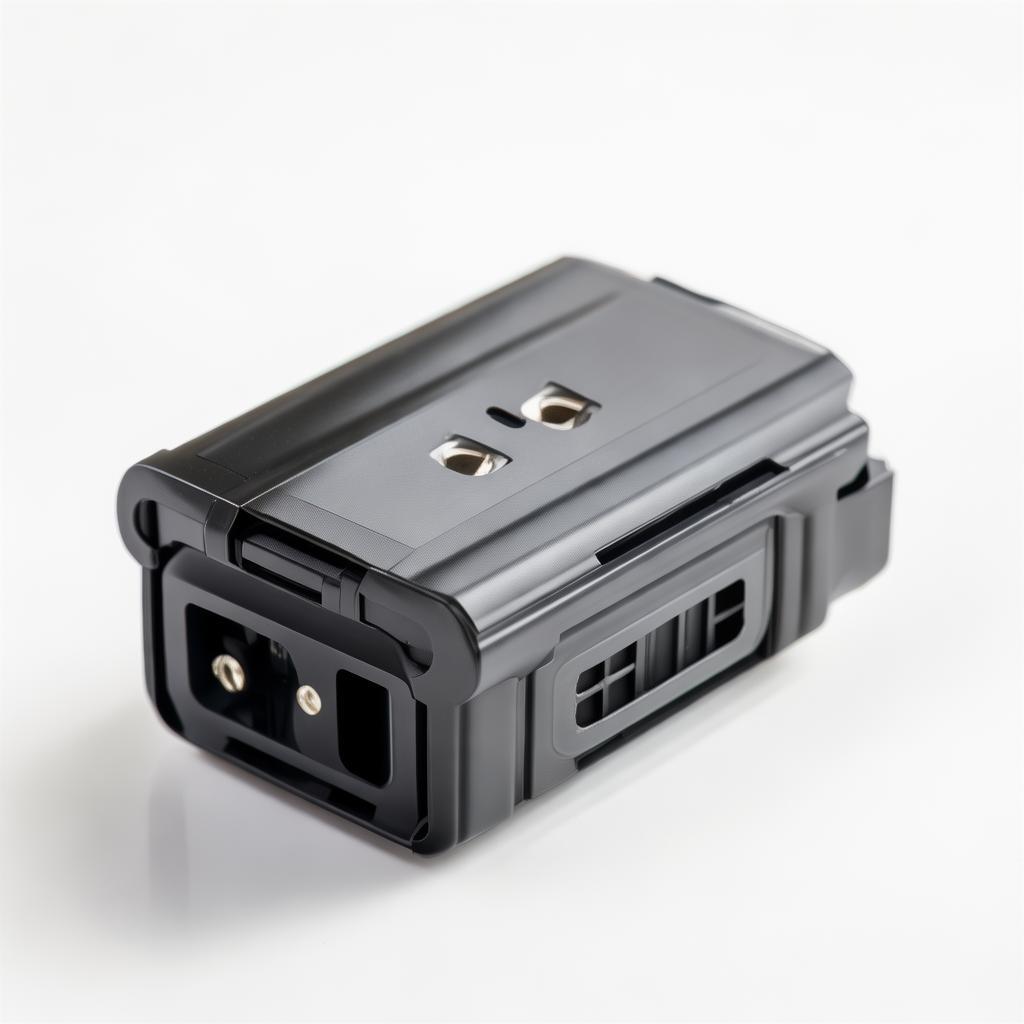
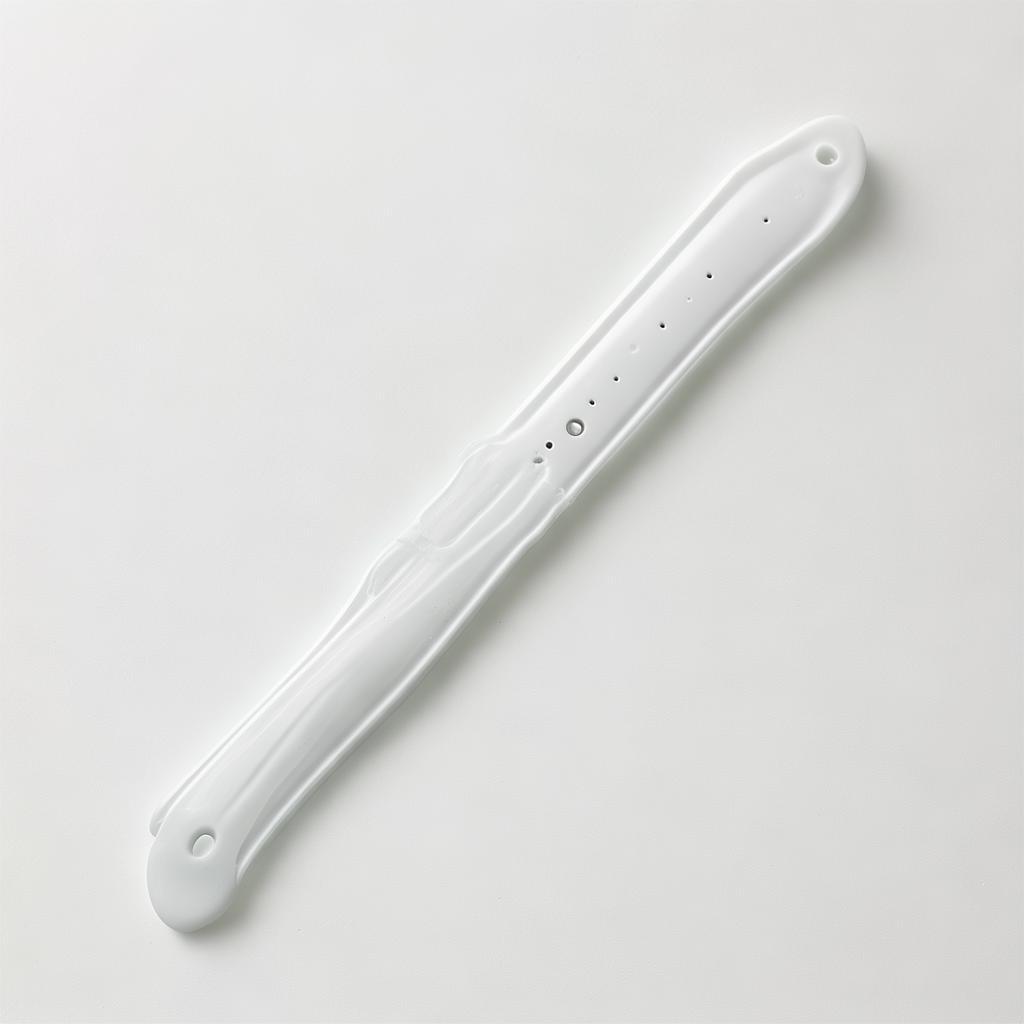
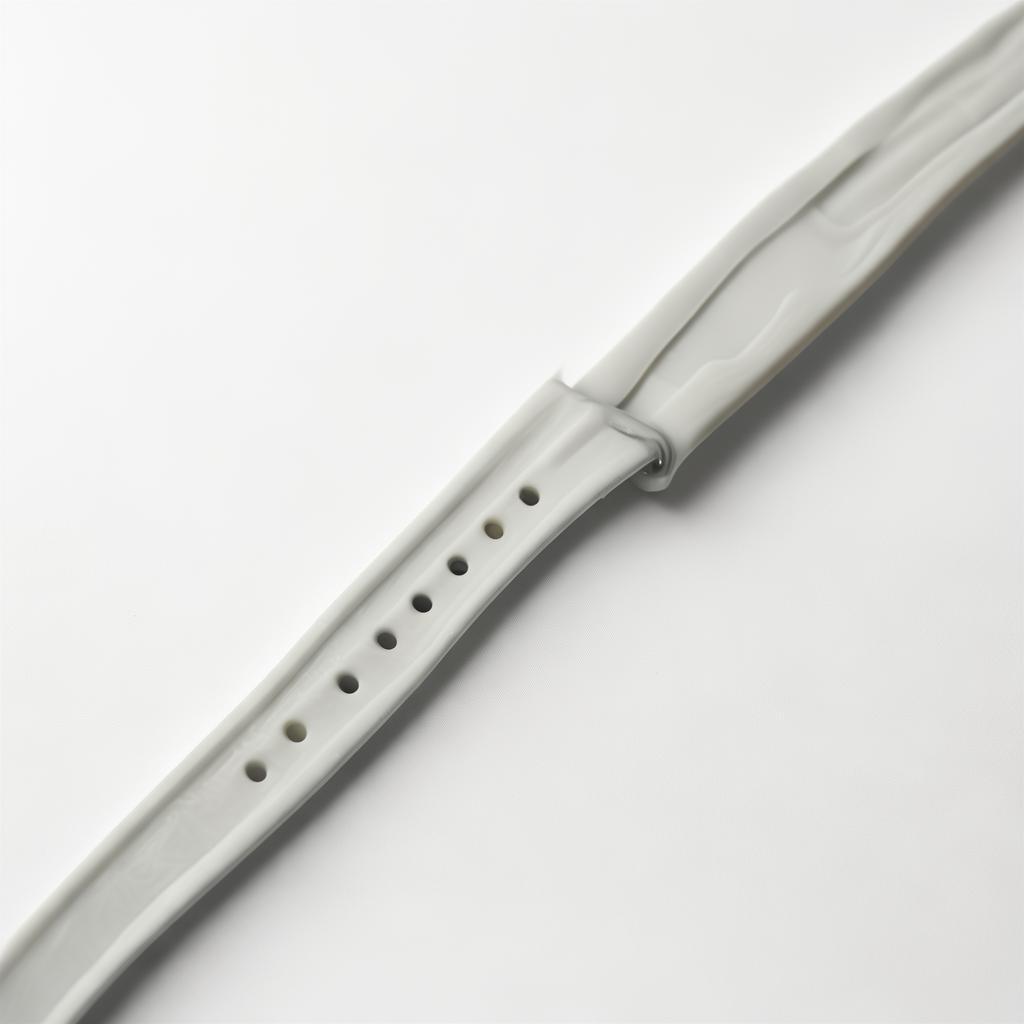
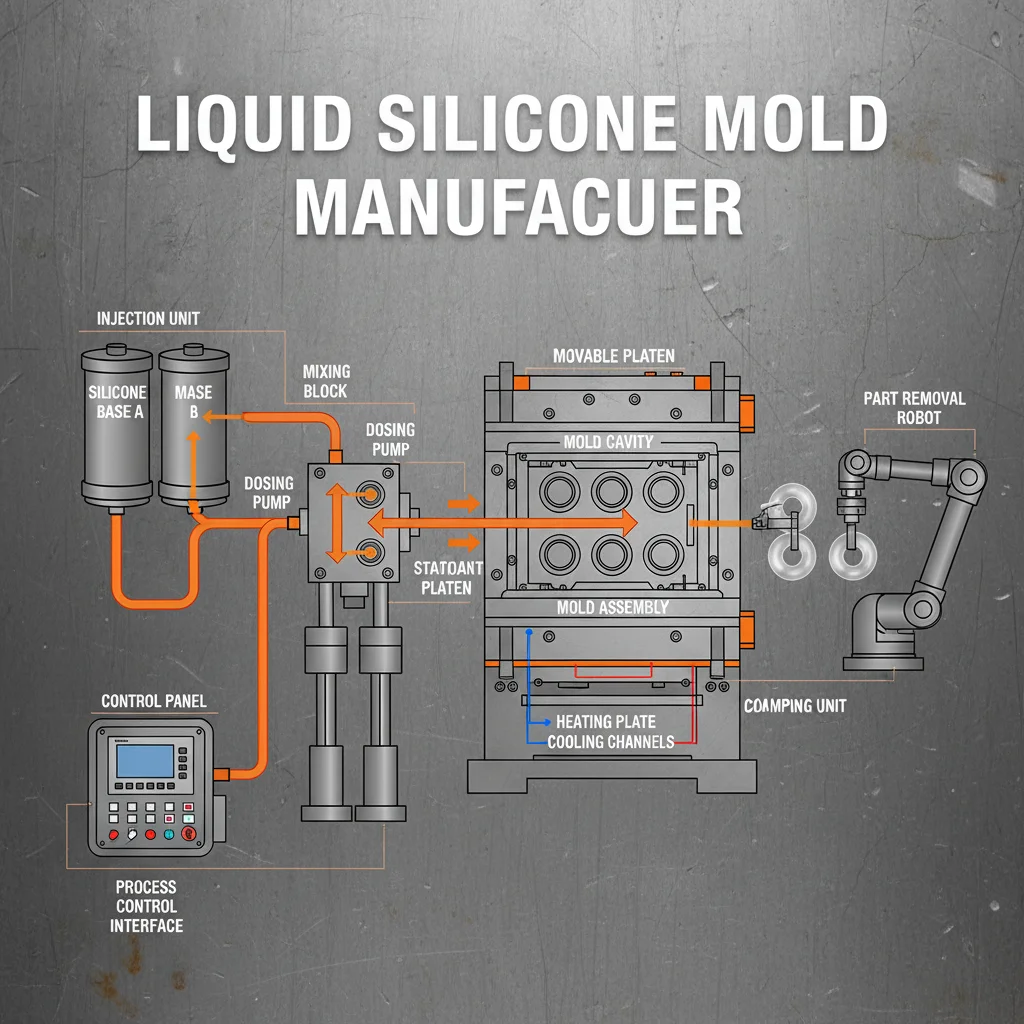
Liquid Silicone Rubber (LSR) is a highly versatile two-component elastomer renowned for its thermal resistance, biocompatibility, and elasticity. Our encapsulation parts undergo precision LSR injection molding that ensures minimal shrinkage and outstanding chemical inertness—critical for demanding industrial applications.

The process encompasses:

  • Material Preparation: Homogeneous mixing of A and B components with zero air entrapment, validated by rheological quality tests. (Supported by MDPI Research)
  • Precision Molding: Utilizing 55 specialized injection molding machines, with temperature control down to ±1°C for reproducible cure profiles.
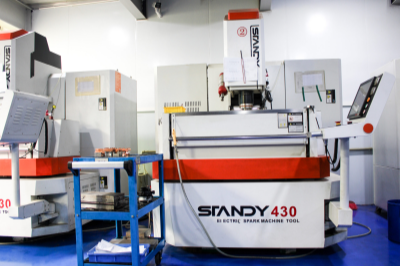
  • Tooling Customization: Employing rapid tooling and EDM processes to refine cavity sealing and venting, reducing flash and cycle time. — corroborated by Fraunhofer Study
  • Post-Mold Testing: Dimensional inspection, durometer hardness measurement, and flow property verification following ISO 9001 and CE standards.

We also adopt hybrid manufacturing approaches such as two-shot molding integrating LSR with thermoplastics (ABS), enhancing interface durability for sophisticated devices (Reference: MDPI Polymers).

Advantages of Our Liquid Silicone Encapsulation Products

  • Thermal & Chemical Resistance: Withstands temperatures from -60°C up to 230°C, resisting oils, UV light, and cleaning solvents without degradation.
  • Superior Biocompatibility: Ideal for medical-grade sealing applications, compliant with FDA and CE safety certifications.
  • Tight Tolerance Molding: Achieves critical dimensions within ±0.05mm, essential for electronic sealing faces and wearable device encapsulation.
  • Reduced Flash & Waste: Advanced tooling and processing reduce flash formation, cutting secondary labor costs.
  • OEM/ODM Flexibility: Support from initial CAD mold design to trial production ensures rapid iteration and adaptation.
  • Longevity & Elasticity: Encapsulation parts maintain elasticity and mechanical integrity across millions of compression cycles.

Such benefits align with industry demands detailed in the GrandView Research LSR Market Report (2023-2030), highlighting LSR’s growth tied to durability and premium manufacturing quality.

Yingtai Factory Production Capabilities & Certifications

Yingtai Factory Overview

Situated in Dongguan’s premier industrial hub, our modern 35,000 m² facility houses:

  • 55 liquid silicone injection molding machines (precision temperature & pressure control)
  • 80 automatic plastic injection molding units for hybrid parts
  • 20 solid silicone hydraulic presses for bulk encapsulation
  • Over 30 precision CNC mold processing stations
  • More than 20 advanced testing instruments for quality assurance

Our vertically integrated workflow covers everything from mold R&D, rapid tooling, core processing to final assembly. This holistic chain optimizes lead times and ensures traceability.

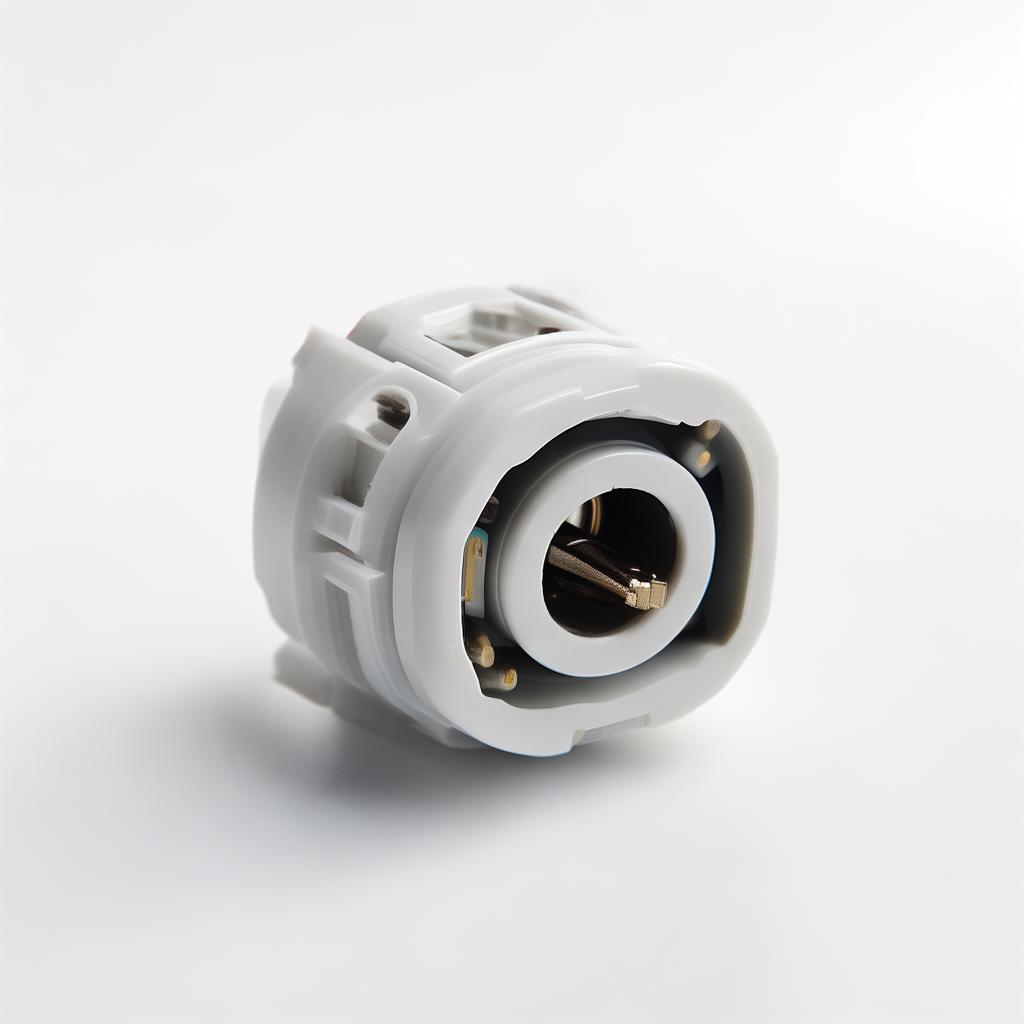
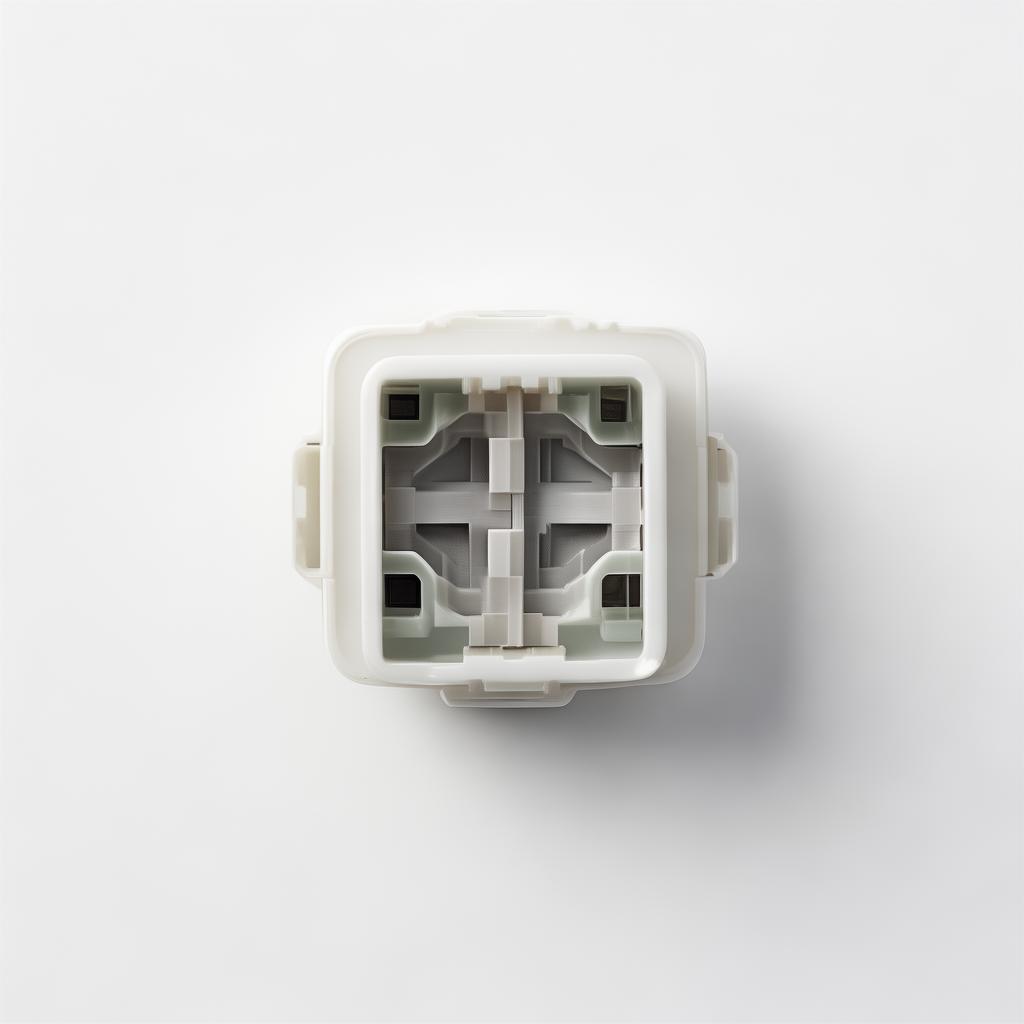
Manufacturer Of Liquid Silicone Encapsulation Parts

Quality Standards & Certifications:

Certification Scope
ISO Certification ISO 9001 Quality Management System for Manufacturing
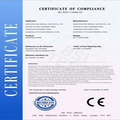
CE Mark CE Certification Compliance for EU Market Safety
FDA Approval FDA Approval Medical-Grade Material & Processes
RoHS Compliance RoHS Compliant Hazardous Substance Control

Processing liquid silicone encapsulation parts factory Processing liquid silicone encapsulation parts enterprise Liquid silicone encapsulation parts company

Procurement & Supplier Evaluation Guidance

For procurement directors sourcing liquid silicone encapsulation parts, understanding the hidden risks can protect your project timeline and product quality.

  • MOQ Transparency: Verify minimum order quantities and whether tooling costs are amortized in price quotes.
  • Material Traceability: Ask for raw material batch certification and confirm testing on shore.
  • Cure Cycle Data: Request production cycle parameters and viscosity characterization to ensure process repeatability. (see: Advanced Rheological Study)
  • OEM/ODM Support: Confirm the partner’s capacity to provide mold development customization and flexibility in design changes.
  • Delivery & Shipping: Analyze lead time estimations including tooling, molding, QA inspections, and container loading optimizations.

Requesting samples early can reveal valuable insights into tactile feel, dimensional accuracy, and material finish. Engaging early with our engineering team shortens product validation and scalable production timelines.

Key Application Scenarios

Our high-precision liquid silicone encapsulation parts serve a broad range of industries, each with stringent technical demands:

  • New Energy Vehicles: Battery seals, sensor protection covers, thermal insulation encapsulants.
  • Consumer Electronics: Waterproof seals, keypad overlays, haptic feedback elements.
  • Healthcare & Medical Devices: Medical-grade sealing membranes, implantable soft parts, wearable sensor encapsulation.
  • Industrial Electronics: Protective silicone casings for communication equipment and industrial appliances.
  • Smart Wearables: Flexible, biocompatible sealing and cushioning components optimized for ergonomic comfort.
  • Household Appliances: Dishwasher and oven seals resistant to high temperature and detergents.

Recent market research reports from Research Nester and GrandView Research forecast continuous growth in these segments, fueled by stringent reliability and biocompatibility requirements.

Logistics & Shipping Considerations

For international procurement, freight optimization and packaging protocols can significantly affect arrival condition and customs clearance.

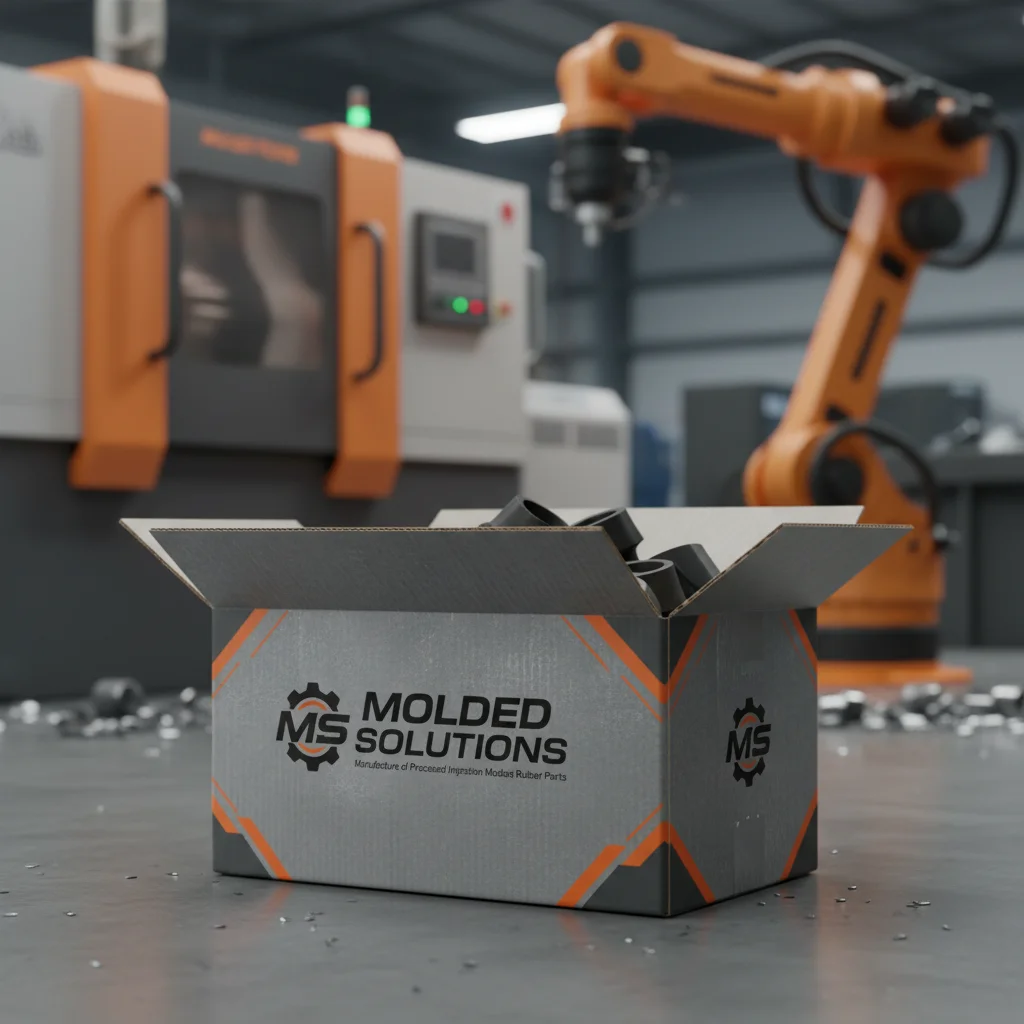
  • Container Loading: Our production team ensures efficient stacking and protective packaging to minimize deformation risks during transit.
  • Export Documentation: Complete certification packages including origin certificates and quality inspection reports aid smooth customs clearance.
  • Lead Time Insights: Typical production lead time runs between 30-45 days post tooling approval, expedited options available for urgent projects.
  • Shipment Types: Supports both FCL and LCL by sea, with air freight for small volume or prototype batches to North America and Europe.
  • Installation-Friendly: Packaging includes clear handling instructions to avoid deformation or gel damage on encapsulation parts.

We recommend coordination between your logistics and production teams early on to align schedules and shipping windows.

Buyer FAQs

Q1: What is the minimum order quantity (MOQ) for liquid silicone encapsulation parts?
MOQ varies by part complexity and tooling asset allocation. Typically, pilot orders start at 500 pieces with volume production scalable to hundreds of thousands yearly.
Q2: How do you control quality during curing and injection?
Process parameters including temperature, pressure, and injection speed are continuously monitored. We leverage ISO-accredited labs and inline testing for hardness, dimension, and visual defects to maintain standards.
Q3: Can you support multi-shot molding integrating other plastics?
Yes, our multi-component injection molding integrates LSR with thermoplastics such as ABS, enabling part consolidation and functional hybrid solutions for medical and consumer electronics.
Q4: What certifications do your products and facilities hold?
Our factory holds ISO 9001, CE, FDA, and RoHS certifications essential for medical and electrical-grade silicone components.
Q5: How is packaging handled to protect encapsulation parts during transit?
Shipping cartons are lined with anti-static foam and custom inserts. Fragile parts use vacuum sealed bags or blister packs as needed.

Customer Reviews & Testimonials

Mark H., Procurement Manager
Mark H., Procurement Manager, California (Automotive)

“Switching to Yingtai’s liquid silicone encapsulation parts reduced our after-assembly leaks by over 30%. The ability to get quick samples and OEM tooling support shaved almost two months from our timeline—a real operational advantage.”

Get in Touch