Processing Liquid Silicone Encapsulation Parts Enterprise
Processing Liquid Silicone Encapsulation Parts Enterprise
Guangdong Yingtai High Precision Technology Co., Ltd., based in Dongguan’s industrial heart Changan Town, has been a trusted partner in the manufacture of liquid silicone encapsulation parts for more than two decades. Serving markets
Product Details
Processing Liquid Silicone Encapsulation Parts Enterprise
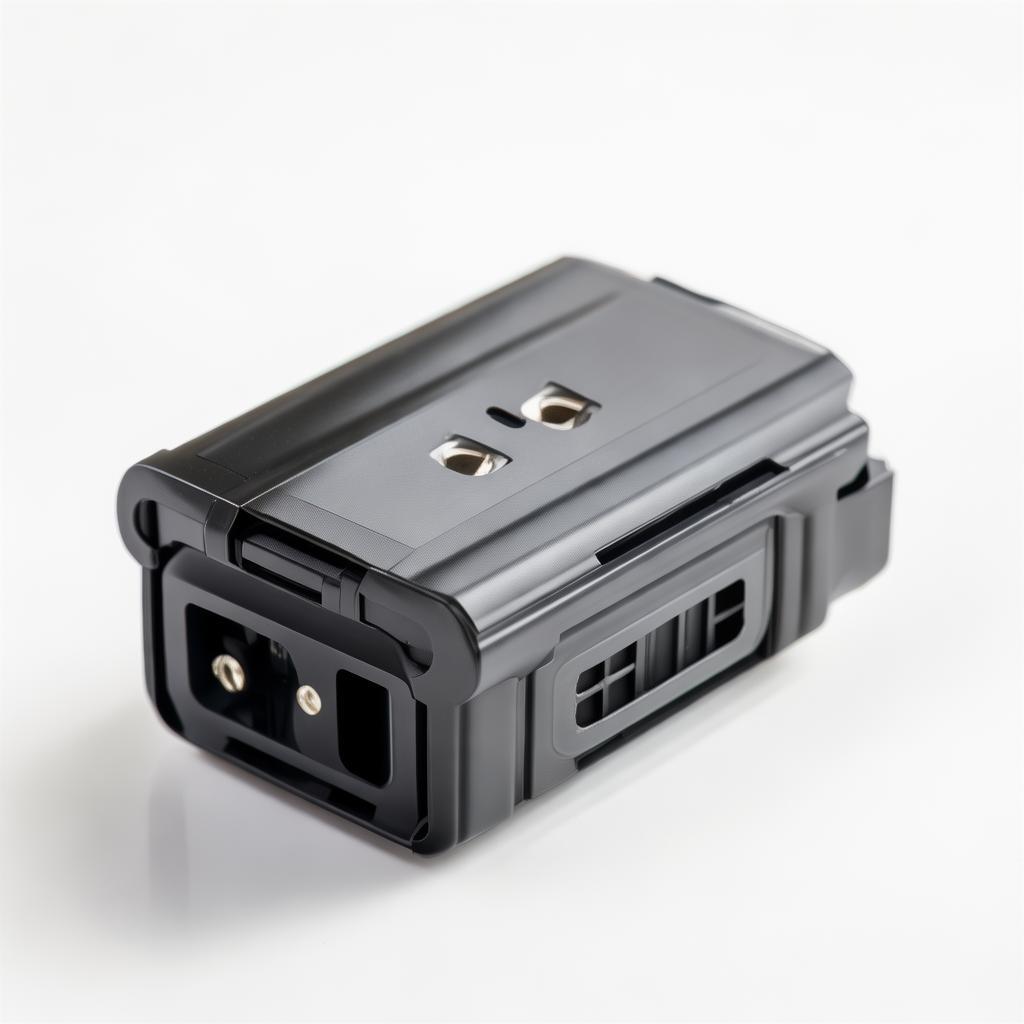
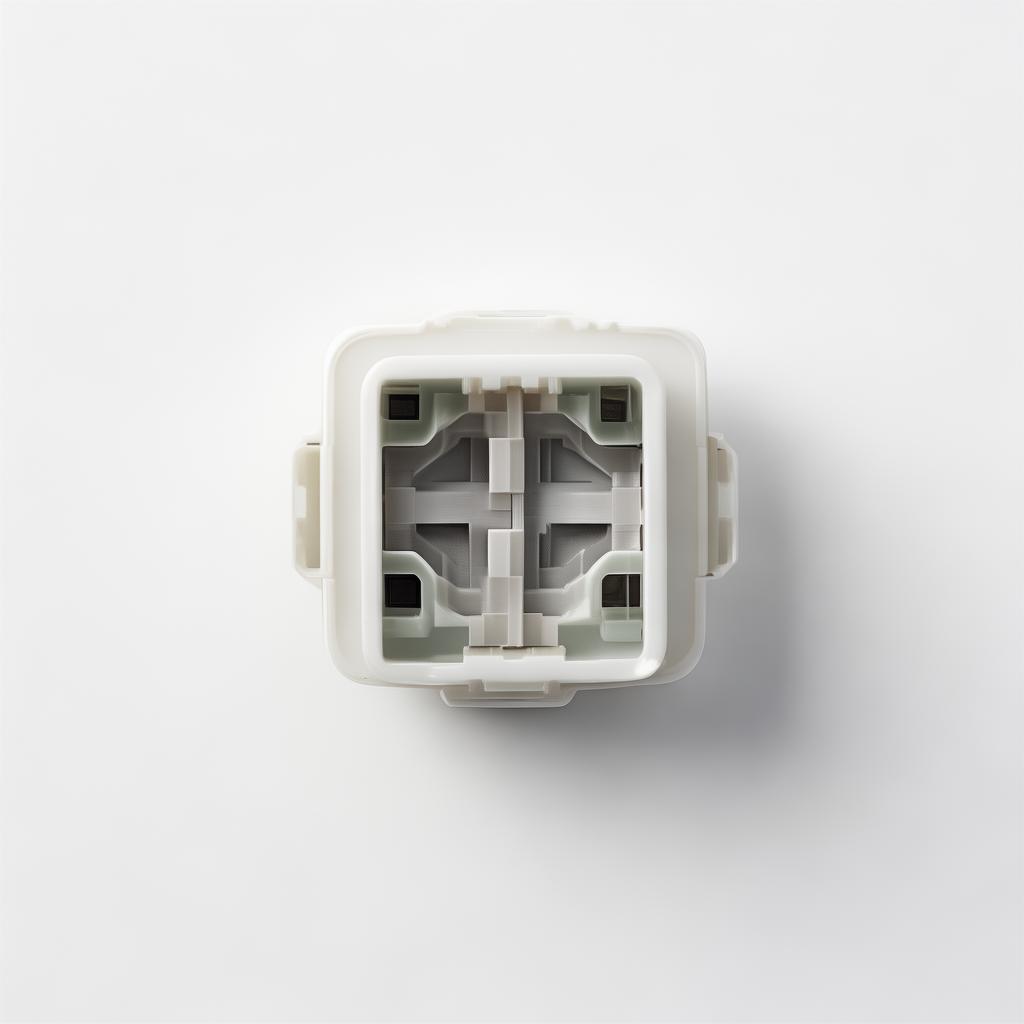
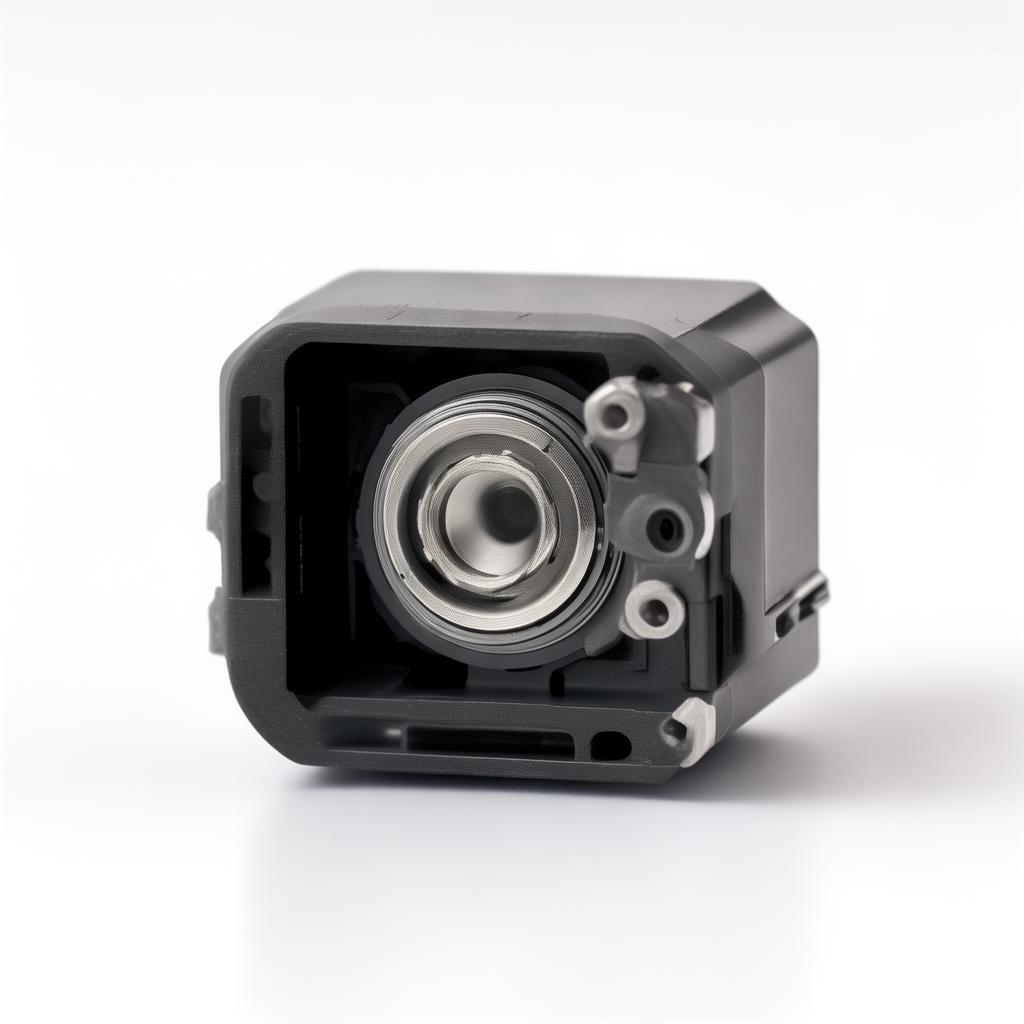
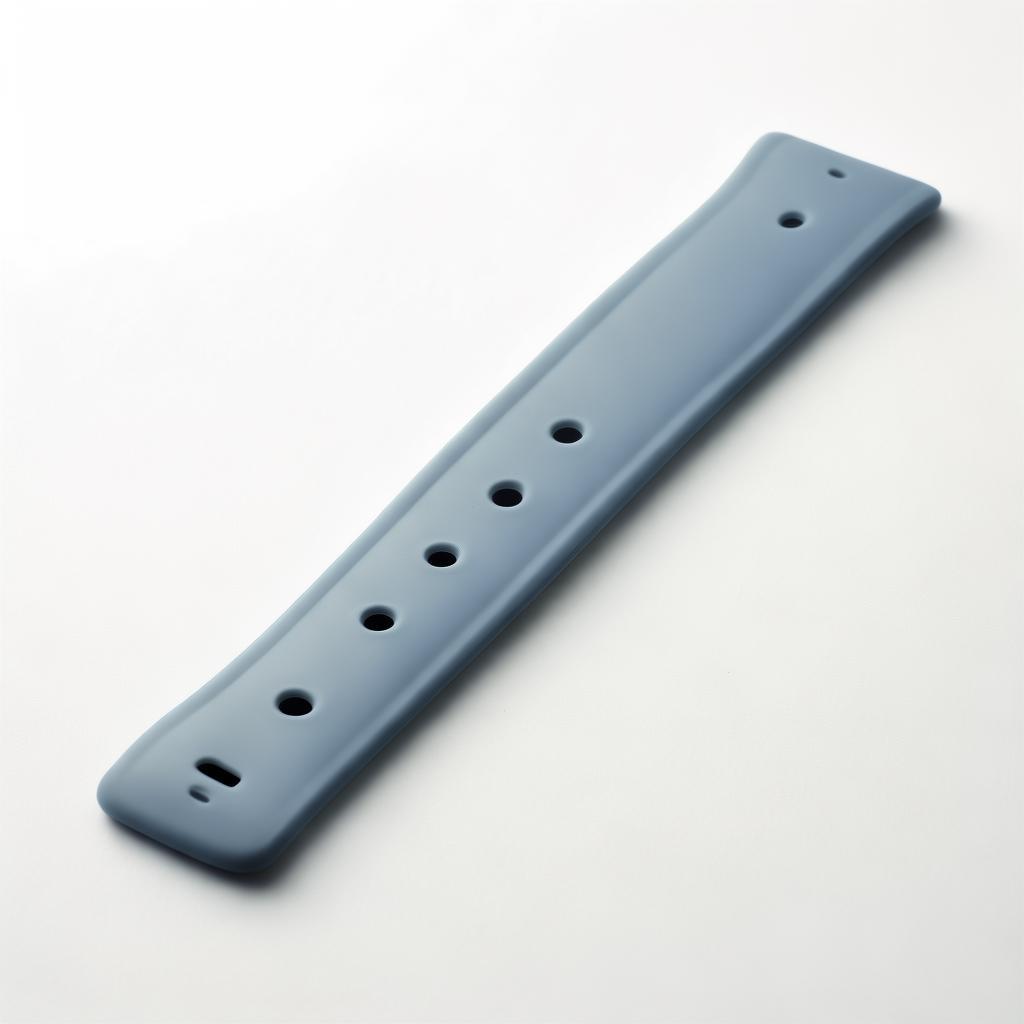
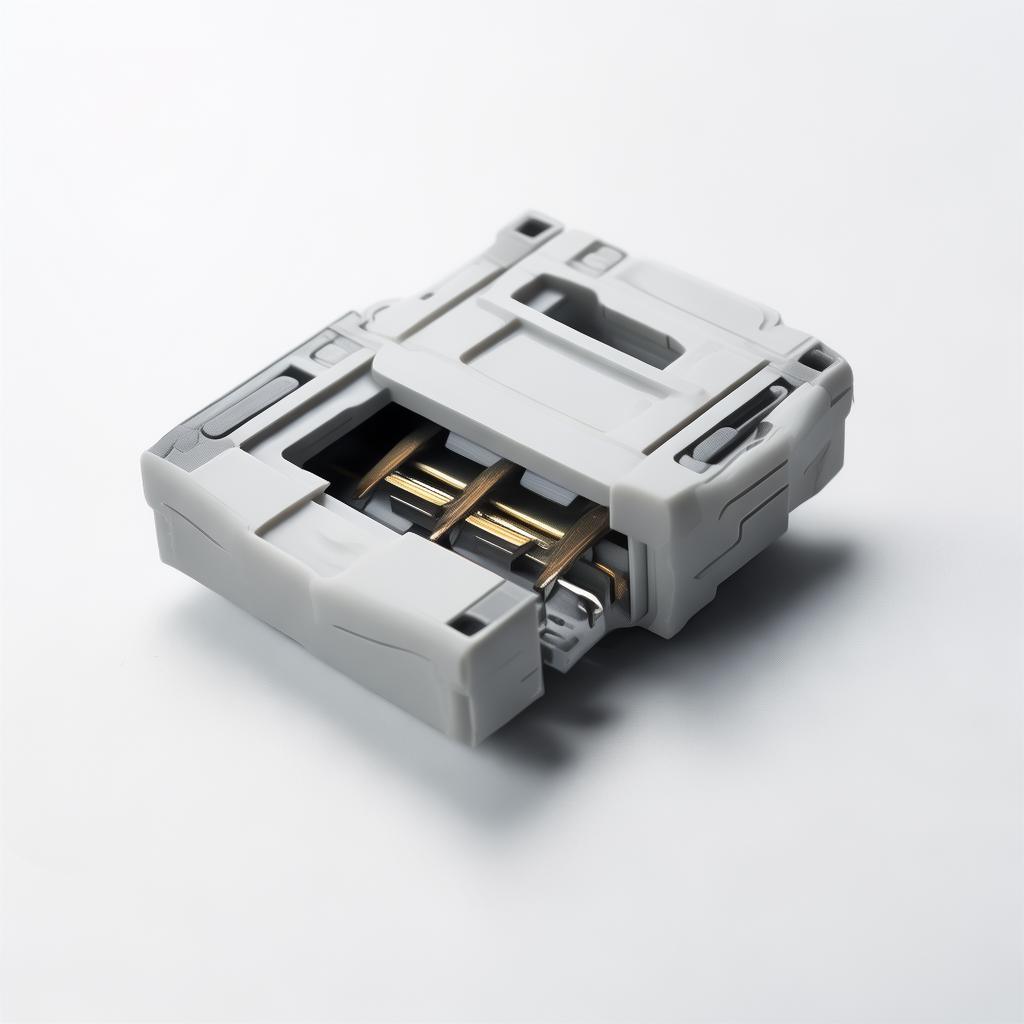
Guangdong Yingtai High Precision Technology Co., Ltd., based in Dongguan’s industrial heart Changan Town, has been a trusted partner in the manufacture of liquid silicone encapsulation parts for more than two decades. Serving markets from new energy vehicles to medical and consumer electronics, our high-precision injection molding solutions address complex technical demands with proven operational excellence.
Industry Landscape & Challenges in Liquid Silicone Encapsulation
Liquid Silicone Rubber (LSR) encapsulation parts have become an indispensable component in today’s advanced manufacturing sectors. Featuring superior thermal stability, chemical resistance, and excellent biocompatibility, LSR components serve as precision seals, protective insulation, and flexible interfaces for industries spanning automotive, consumer electronics, smart wearables, and medical equipment. But sourcing a trusted manufacturing partner capable of meeting stringent production standards—especially for complex, high-volume, high-precision parts—remains a persistent procurement challenge.
Across the US and broader English-speaking sectors, purchasing managers and technical engineers prioritize suppliers not just for cost efficiency but for strong EEAT (Expertise, Experience, Authoritativeness, Trustworthiness) credentials and reliability in fulfilling complex custom orders with tight lead times. Manufacturers who overlook mold precision, material grade consistency, or experienced production workflows face costly rework, delayed launches, and inconsistent product performance.
At Guangdong Yingtai, our operational focus goes beyond basic production. For instance, our strict mold quality control and implementation of advanced rheological testing ensures dimensional fidelity and reduces the risk of mold flash or incomplete filling—a common occurrence highlighted in recent industry discussions [MDPI Paper]. In addition, our multi-process approach blends solid and liquid silicone molding techniques, catering precisely to the demanding requirements of OEM and ODM clients in sectors sensitive to biocompatibility and surface finish.
Equally important, the logistics of transporting delicate encapsulated silicone parts internationally can pose risks of damage or contamination. Our export team ensures packaging compliance with international standards and secures documentation to streamline Customs clearance, saving procurement teams time and avoiding unexpected costs.
The global LSR market analysis echoes our strategic positioning: as market demand escalates at an annual growth rate near 8-9%, driven by medical, automotive, and electronics sectors[GrandViewResearch 2023], vendors who combine material quality, manufacturing expertise, and export capability will secure leadership. Industries increasingly rely on suppliers who provide end-to-end solutions, including R&D support, OEM design assistance, and reliable aftercare.
Technical Deep Dive into Silicone Encapsulation and Manufacturing
Liquid Silicone Rubber encapsulation stands out due to its unique polymer chemistry—siloxane backbones combine flexibility with outstanding thermal and chemical resilience. This makes LSR ideal for harsh-environment components like automotive sensor seals, medical-grade flexible housings, and waterproof electronic connectors.
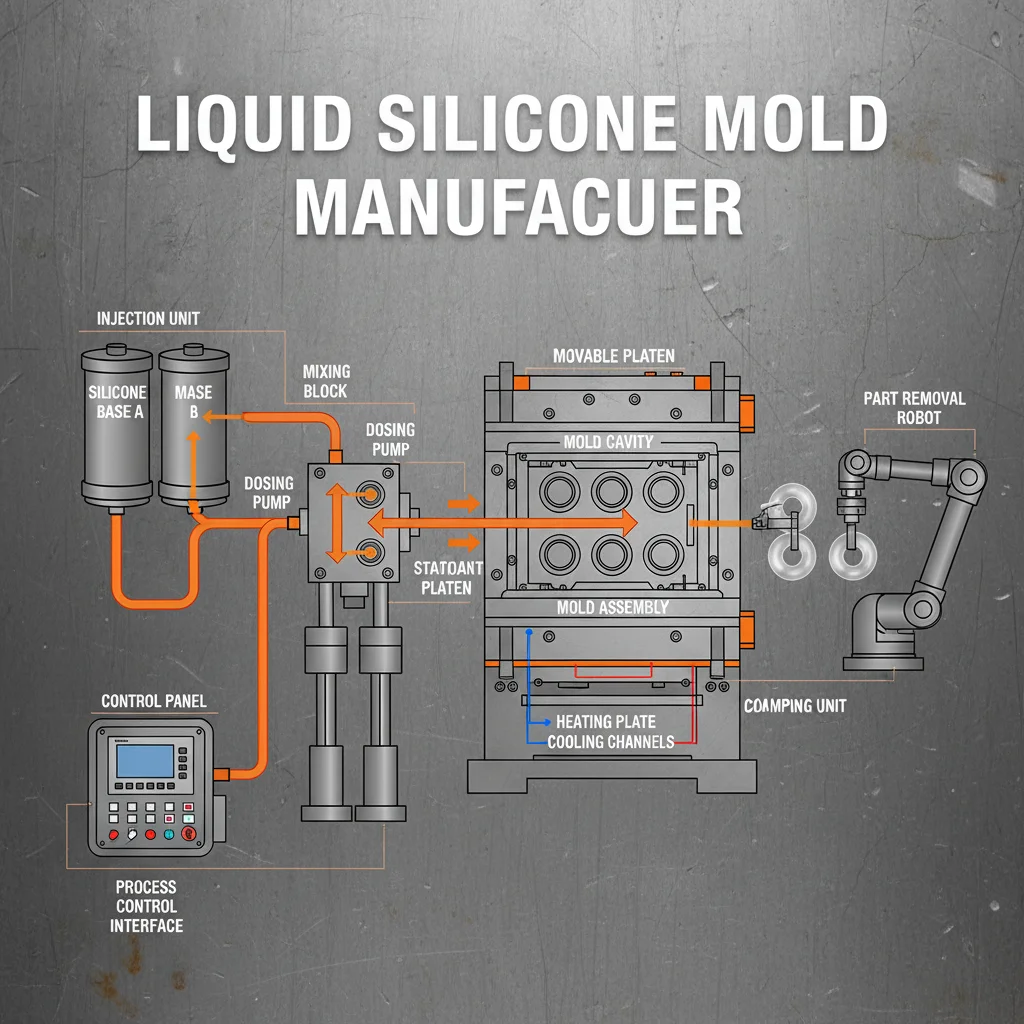
Our factory’s precision injection molding process employs highly calibrated mold tooling and tight control over temperature, injection speed, and curing cycles. Such parameters are crucial to avoid common defects like air entrapment, shrinkage, and warping, which compromise mechanical and sealing performance. Advanced simulations, using rheology data and curing kinetics from sources like the MDPI study on material characterization [MDPI], guide our mold design to enhance cavity pressure and flow uniformity.
Compared to traditional silicone processes, our liquid silicone encapsulation workflow is favored for:
High repeatability and excellent transparency or opacity control
Reduced cycle times due to automated molding machines with hydraulic and electric precision controls
Superior elasticity combined with chemical resistance, ideal for electronic device enclosures exposed to UV and moisture
Multi-material overmolding capability, integrating LSR with plastics such as ABS for functional composites
Our material science team strictly selects medical- and food-grade LSR compounds compliant with ISO 10993 & RoHS standards, ensuring safe contact performance for wearable health devices or child-safe products. We maintain rigorous testing for tensile strength, elongation at break, and adhesion properties that meet your engineering specs.
Representative Technical Specifications of Our LSR Encapsulation Parts
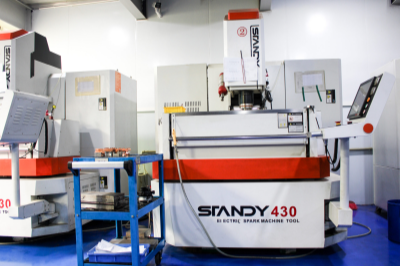
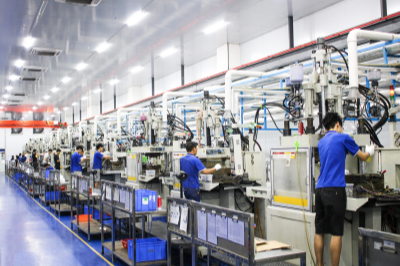
Guangdong Yingtai High Precision Technology Co., Ltd. operates from a sprawling 35,000 m² industrial park equipped with 55 liquid silicone molding lines, 80 automated plastic injection machines, 20 solid silicone hydraulic presses, and over 30 precision mold-making centers. This integrated ecosystem supports everything from mold development and prototyping to scale production — a true industry benchmark in Dongguan.
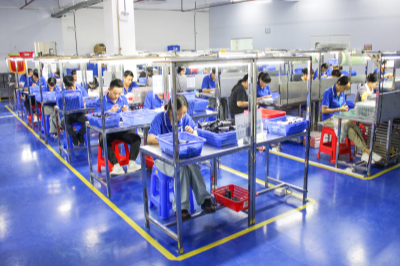
Our approach prioritizes industrial-grade quality, stable lead times, and customized engineering collaboration. With a team exceeding 500 skilled professionals, including production engineers, quality inspectors, maintenance experts, and export logistics specialists, we ensure smooth project delivery from MOQ to mass production.
Our robust intellectual manufacturing system integrates software-driven parameter controls, real-time process monitoring, and detailed QA protocols (ISO 9001 certified), meaning quality assurance is embedded into every stage. Our clients in demanding sectors like new energy vehicles and consumer electronics often note our ability to consistently meet tight tolerances and fulfill orders swiftly without compromising surface aesthetics or mechanical integrity.
OEM and ODM customers benefit from our custom mold design services, collaborative prototyping, and flexible production scheduling — critical advantages in today’s competitive supply chains. We support container optimization for overseas shipments, ensuring products arrive damage-free with minimized freight costs.
Application Scenarios: Where Our Liquid Silicone Encapsulation Parts Excel
LSR encapsulation parts have become core components across a variety of demanding environments:
New Energy Vehicles: Sensor seals, wire harness grommets, battery pack covers requiring heat resistance and chemical durability.
Consumer Electronics: Waterproof buttons and flexible connectors in smartphones, smartwatches, and headphones.
Medical Devices: Soft housings and encapsulants for diagnostic equipment and wearable health monitors with strict biocompatibility requirements.
Smart Wearables: Overmolded flexible breathables or tactile interfaces combined with rigid parts.
Industrial Electronic Appliances: Protective caps and vibration dampers for robust equipment exposed to harsh environments.
Household Appliances: Sealing components and insulators that require longevity under varying temperatures.
Given the expanding role of liquid silicone in wearable and medical technology, several industry reports point to an exponential adoption in precise micro-injection and multi-component molding for miniature parts [Nature Scientific Reports]. We have achieved success supporting such applications with strict control over part softness, hysteresis, and microscopic dimensional accuracy.
Practical Procurement Guidance for Liquid Silicone Encapsulation Parts
Working with liquid silicone encapsulation involves more than selecting a low-cost supplier. Here are critical insights to help procurement directors and purchasing managers secure quality and mitigate risks:
Assess Mold Quality And Capacity: Ensure your vendor has modern mold processing facilities and mold maintenance protocols to avoid downtime and quality drift.
Request Material Certifications: Confirm LSR compounds meet relevant ISO, RoHS, FDA, and CE standards based on your end application.
Validate Production Tolerances: Obtain sample parts and technical specs highlighting dimensional consistency, surface finish, and hardness.
Understand Lead Times & MOQ: High-precision LSR molding requires lead times for mold manufacturing and validation; verify minimum order quantities aligned with your project schedule.
Evaluate Packaging & Shipping: Check how your parts will be packaged to avoid contamination or deformation during air freight, sea containers, or express logistics.
Check Warranty & After-Sales Support: Established enterprises provide defect replacement policies and engineering consultation post-delivery.
Procurement mistakes often stem from opting for suppliers with limited tooling expertise or insufficient process control which leads to flash defects, uneven curing, or premature wear in silicone parts. Partnering with an established manufacturer like Yingtai with certified quality systems and transparent communication reduces such risks.
Tip: production workflows that integrate CAE simulations and mold flow analysis during tooling design translate to better consistency and lower trial costs in manufacturing. Our clients appreciate the value brought by these procedures.
Frequently Asked Questions (FAQ)
Q1: What distinguishes liquid silicone encapsulation parts from traditional silicone molding?
Liquid silicone encapsulation uses two-component LSR that is injected into heated molds and cured, allowing high-volume production with excellent repeatability and complex geometries. Traditional molding (e.g., compression molding) is slower, less precise, and less suited to multi-material overmolding requirements.
Q2: Can you handle custom OEM and ODM projects for specialty silicone parts?
Yes. Our experienced engineering team collaborates closely on mold design, material selection, and process optimization to meet bespoke requirements including multi-shot overmolding and precision micro-injection.
Q3: What are typical lead times for prototype and mass production?
Prototype tooling usually requires 3-6 weeks, with sample parts delivered within 2-3 weeks post mold approval. Mass production lead times vary based on order volume but generally range between 4-8 weeks.
Q4: How do you ensure part consistency across large production runs?
We apply advanced injection molding machines with computer-controlled parameters, perform continuous process audits, and maintain strict material traceability, supported by our in-house QA lab and ISO 9001 management system.
Q5: What international certifications do your products comply with?
Our liquid silicone encapsulation parts meet ISO 9001, RoHS, CE, and FDA compliance depending on customer requirements. We provide test reports and certificates for regulatory inspections.
Customer Reviews & Testimonials
Mark L., Procurement Manager, Automotive Supply Chain, Michigan, USA
"Yingtai has been our trusted supplier for silicone encapsulation parts in EV battery sensor seals. Their mold precision and material consistency significantly reduced our scrap rates compared to previous vendors. Communication and shipping timelines have been dependable — a critical factor in our lean supply chain."
Get in Touch
If you have any camping barbeque equipment inquiry, please feel free to contact us.