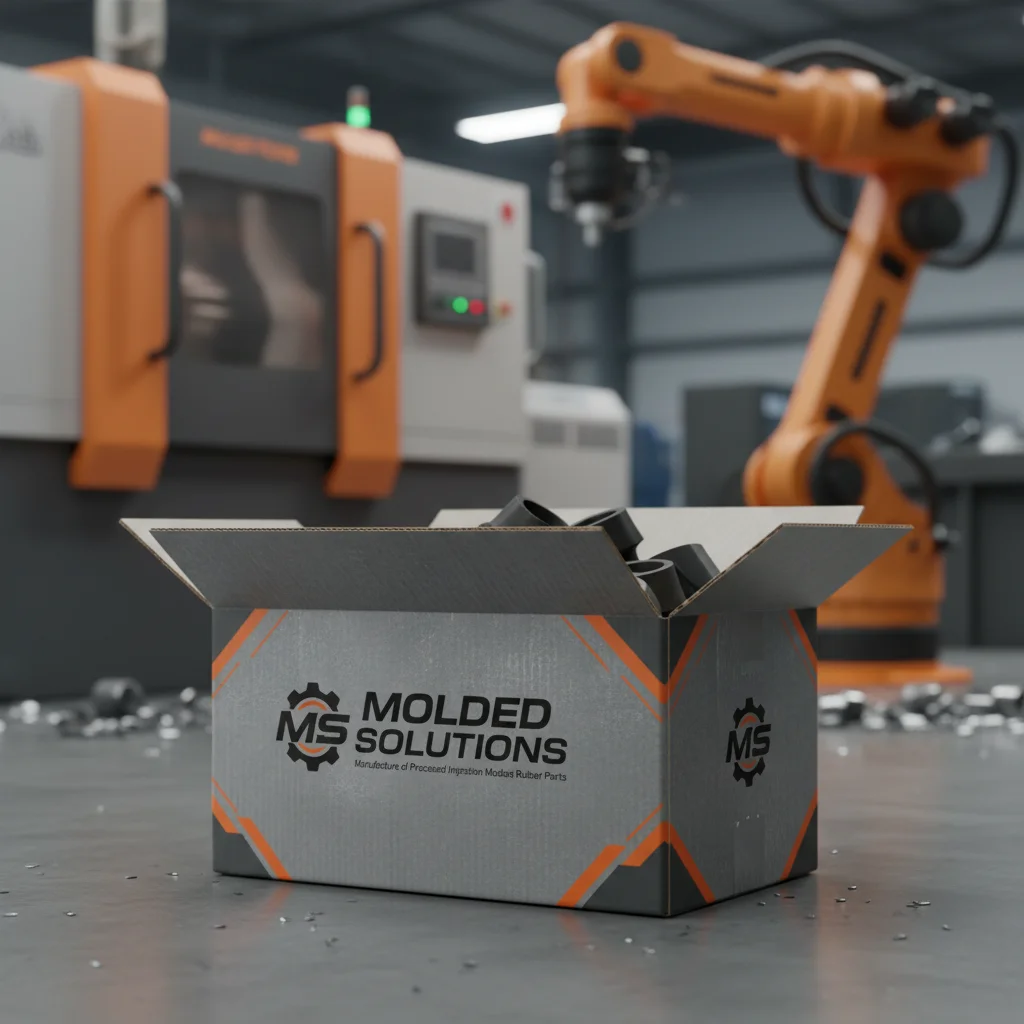
Introduction: Industry Landscape & Material Science Overview
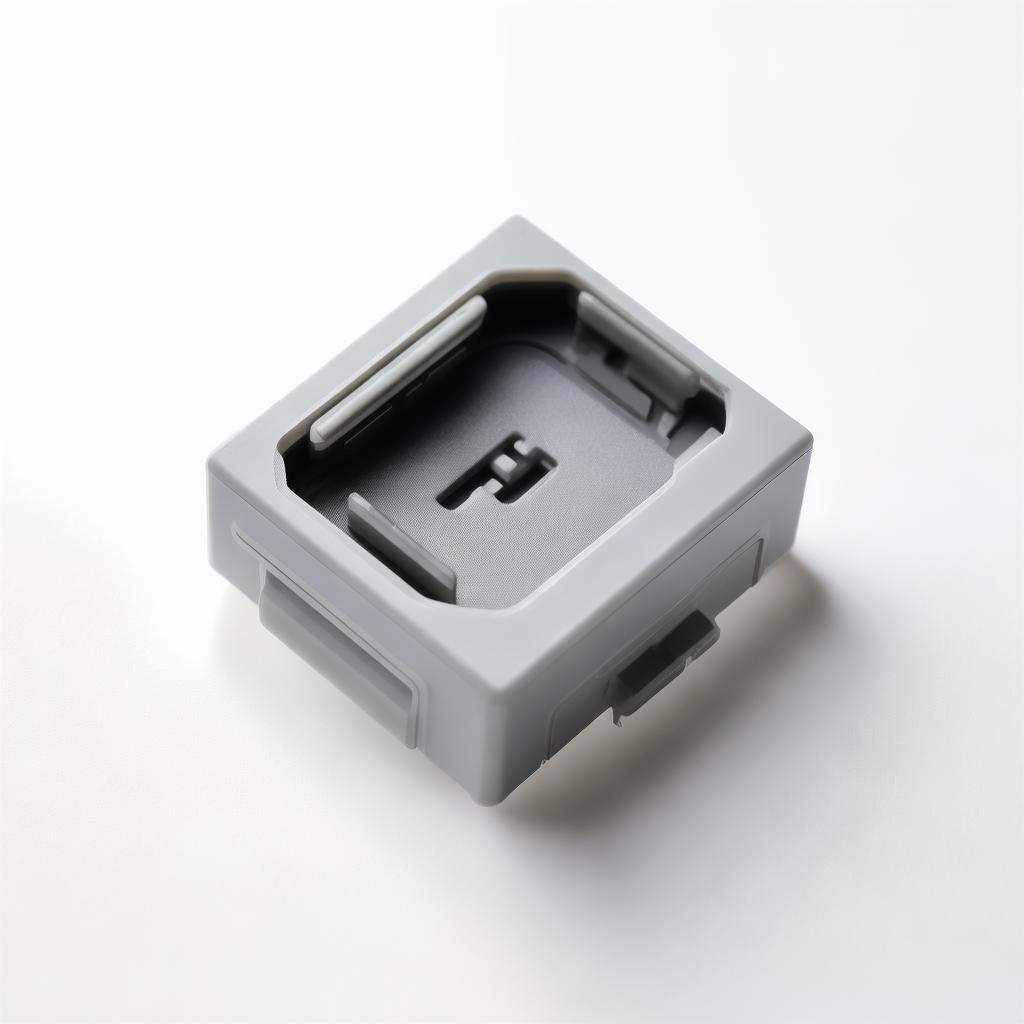
In today’s competitive landscape for liquid silicone encapsulation parts, manufacturing precision and reliability are key differentiators. Buyers and engineers alike seek suppliers with deep expertise in liquid silicone rubber (LSR) injection molding — a technology that enables production of high-performance silicone parts with tight tolerances and exceptional thermal, chemical, and mechanical properties.
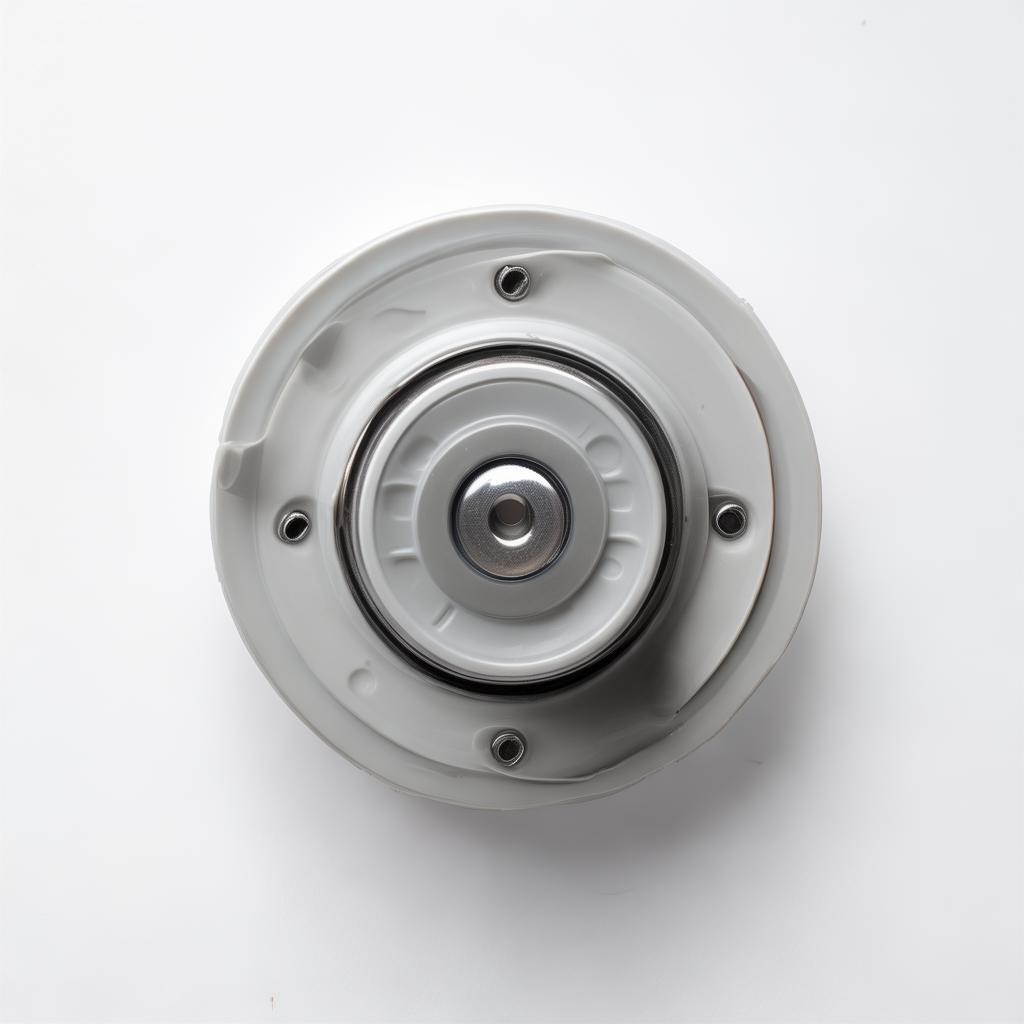
LSR stands apart from traditional silicones due to its flowable, two-component mixture that cures rapidly within specialized molds. This property yields exquisite finished parts well-suited for sensitive electronics encapsulation, automotive gaskets, medical-grade seals, and industrial appliances. Unlike compression molding or solid silicone, LSR injection molding benefits from reduced cycle times, lower waste, and superior repeatability — a fact repeatedly demonstrated in procurement decisions for demanding end-use applications.
Operators in this domain must reckon with an ever-evolving market growth and technological nuances. According to Grand View Research (2023), the global LSR market is projected to reach nearly USD 5 billion by 2030, driven by increasing demand for high-precision silicone parts in medical devices, automotive components, and consumer electronics. To meet these requirements, factories have had to invest both in optimized molding equipment and in in-depth knowledge of silicone chemistry.
From an operational standpoint, a successful LSR encapsulation parts factory integrates multiple elements: cutting-edge injection molding units, precisely engineered molds, stringent ISO 13485 or ISO 9001 certifications, and a workflow that encompasses raw material sourcing, molding, post-curing, and inspection. Such end-to-end capabilities foster quality consistency, enabling customers to scale production with confidence and minimal risk.
Production challenges include managing raw material batch variances, maintaining cavity balancing in multi-cavity molds, and avoiding process defects like bubbles, flash, or incomplete fill. Advanced factories employ CAE simulation, rheology characterization, and intelligent parameter control (see MDPI’s findings on material characterization effects here) to overcome these hurdles.
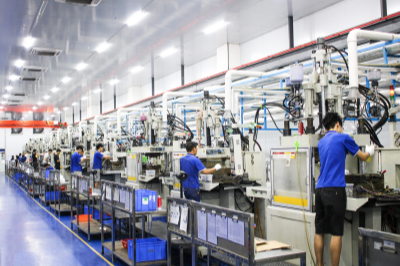
With over 20 years of manufacturing expertise, Guangdong Yingtai High Precision Technology Co., Ltd., specializes in these refined processes. Based in Dongguan’s industrial hub, our 35,000 m² factory houses 55 liquid silicone molding machines and advanced testing instrumentation—a scale and sophistication set to meet your project’s exacting demands, from prototyping to volume production.
Industry Challenges in Liquid Silicone Encapsulation Manufacturing
The production of liquid silicone encapsulation parts is not without its challenges. Buyers must understand common pitfalls to avoid costly delays or quality issues:
Tooling Costs & Design Complexity: Injection molds for LSR require specialized materials and coatings due to the high temperatures and corrosive nature of the silicone chemicals. Poor mold design leads to uneven cavity filling or premature wear, causing downtime.
Material Variability: Silicone batches differ subtly in viscosity and curing profiles. Without rigorous incoming quality control and close cooperation with material suppliers, final product consistency will suffer.
Process Defects: Issues like air entrapment, flash, and short shots are prevalent. Sophisticated venting, vacuum-assisted injection, and optimized gate locations are necessary to mitigate these defects—as highlighted by recent studies on vacuum silicone molding (Springer, Soft Robotics).
Scaling & Lead Times: Many manufacturers underestimate the lead time required to optimize molds and machine settings, resulting in delayed deliveries especially during product ramp-up phases.
Supplier Reliability & Communication: Less transparent factories often provide sparse technical documentation or inconsistent quality, harming buyer trust and project timelines.
Successful procurement managers look beyond price. They evaluate suppliers based on technical know-how, quality assurance protocols, and proven delivery capacity. Evaluating certifications such as CE, RoHS, and ISO 9001 often separates hopeful vendors from reliable partners.
Our Factory Capabilities & Production Workflow
At Yingtai, we take pride in operating a comprehensive industrial park in the heart of Dongguan — the world’s manufacturing heartland. Here’s what sets us apart:
State-of-the-Art Equipment: Our 55 liquid silicone injection molding machines are capable of handling multi-shot and variable volume runs. Complementing these, 80 automatic plastic injection units and 20 solid silicone hydraulic presses expand our capacity for multi-material integration.
Precision Mold Development: Equipped with 30+ precision machining tools and advanced EDM (electrical discharge machining), we craft molds with micron-level tolerances, optimized runner systems, and robust cavity balancing.
Quality Assurance: Over 20 lab testing instruments—covering thermal resistance, UV aging, tensile strength, and dimensional inspection—are used extensively throughout production to uphold tight standards.
Industry Certifications: We comply with ISO 9001 quality management and CE certification standards, validated by third-party audits to ensure traceability and process integrity.
Vertical Integration: From mold design & development through production to packaging and logistics, our intellectual manufacturing system controls every step for enhanced quality and responsiveness.
Experienced Team: Over 500 professionals—including process engineers, quality control specialists, and export managers—ensure customer projects receive attentive, expert support at every stage.
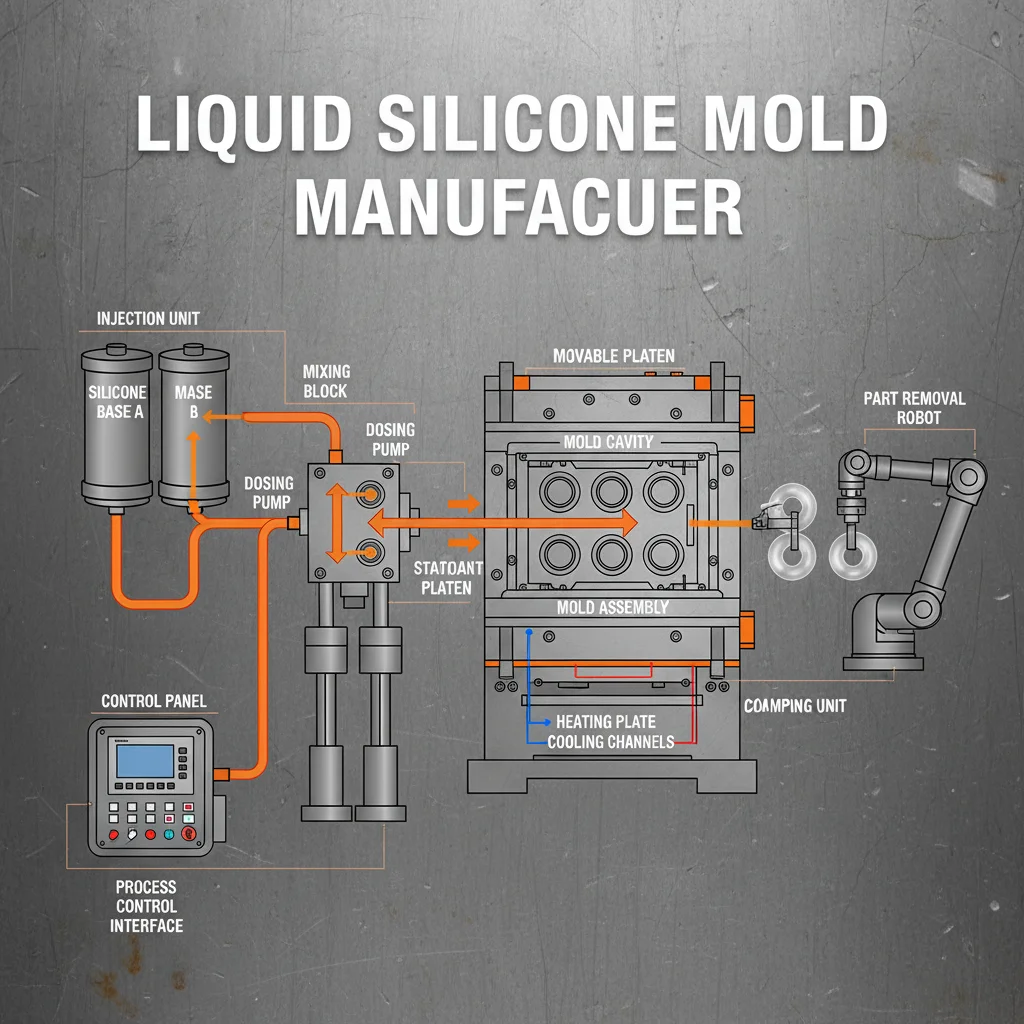
LSR injection molding production line - Guangdong Yingtai High Precision Technology Co., Ltd.
Our manufacturing process emphasizes consistent cycle times, minimized material waste, and defect control. For example, we implement advanced ventilation designs and vacuum-assisted injection to prevent bubbles and incomplete fill—a concern notably addressed in Fraunhofer’s waste reduction innovations (Fraunhofer Publica). This continuous refinement reduces downtime, important to keep total lead time competitive.
Technical Specifications & Material Comparisons
While the core of our offering is precision liquid silicone rubber (LSR), it’s important to understand the parameters that buyers scrutinize when selecting encapsulation solutions:
Property
Typical Range
Industrial Standard
Notes
Shore Hardness (A)
10 - 80
ASTM D2240
Customizable hardness for flexibility vs. rigidity.
Tensile Strength
5 - 12 MPa
ASTM D412
High impact and elongation resistance.
Elongation at Break
150 - 800%
ASTM D412
Crucial for flexible encapsulation components.
Thermal Stability
-50°C to 230°C
ISO 7326
Suitable for harsh automotive and electronics environments.
Chemical Resistance
Excellent against oils, solvents
ASTM F519
Ensures durability under industrial exposure.
Certification Compliance
ISO 9001, CE, RoHS
Factory certified
Assurance of quality compliance and environmental standards.
Compared with solid silicone rubber or standard plastic encapsulants, LSR offers significantly superior thermal stability and chemical resistance. This makes it a favored choice for sealing and protection in automotive connectors, wearable electronics, and even baby products requiring FDA-compliant silicone grades. A procurement wrinkle to note: while LSR has a slightly higher initial tooling cost, its fast cycle time and minimal scrap rates improve lifecycle cost-effectiveness — a key factor for medium to large volume runs.
Typical Applications & Sector Insights
Liquid silicone encapsulation parts find usage across a diverse range of industries. A few notable areas:
New Energy Vehicles: Silicone seals and gaskets encapsulate sensitive battery modules and electronic control units, providing reliable heat and moisture barriers.
Consumer Electronics: Keypads, protective buttons, and waterproof seals for smartphones, smartwatches, and IoT devices leverage LSR for tactile performance and durability.
Medical Devices: Biocompatible liquid silicone overmolds protect sensors and delivery systems in diagnostic equipment and wearable monitors.
Industrial Electronics: Encapsulation parts secure connectors and cables against dust, vibrations, and chemical exposure.
Household Appliances: High-temperature resistant seals and anti-slip silicone feet improve usability and longevity.
Given these applications, factory partners must often customize formulations and mold features to meet regulatory demands like RoHS compliance or FDA food contact approvals—for which Yingtai’s R&D team crafts specialized solutions.
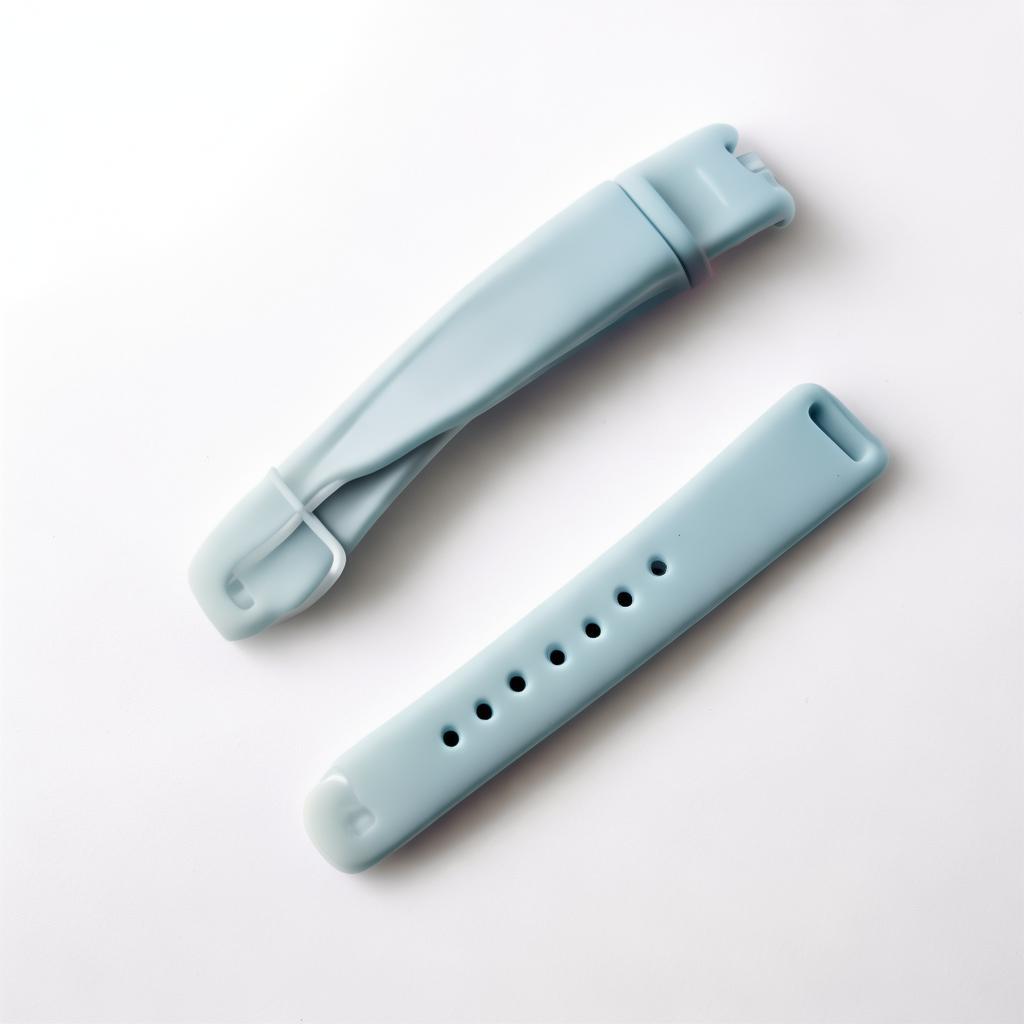
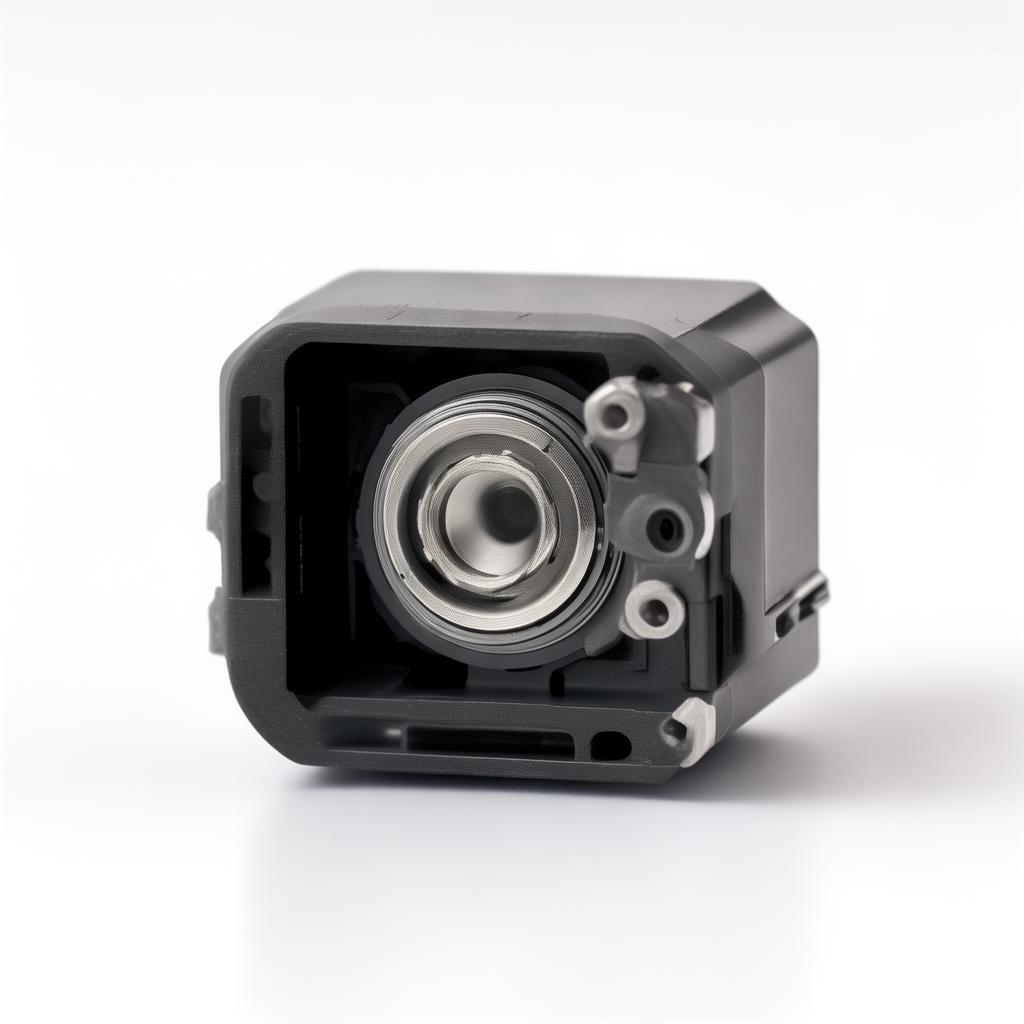
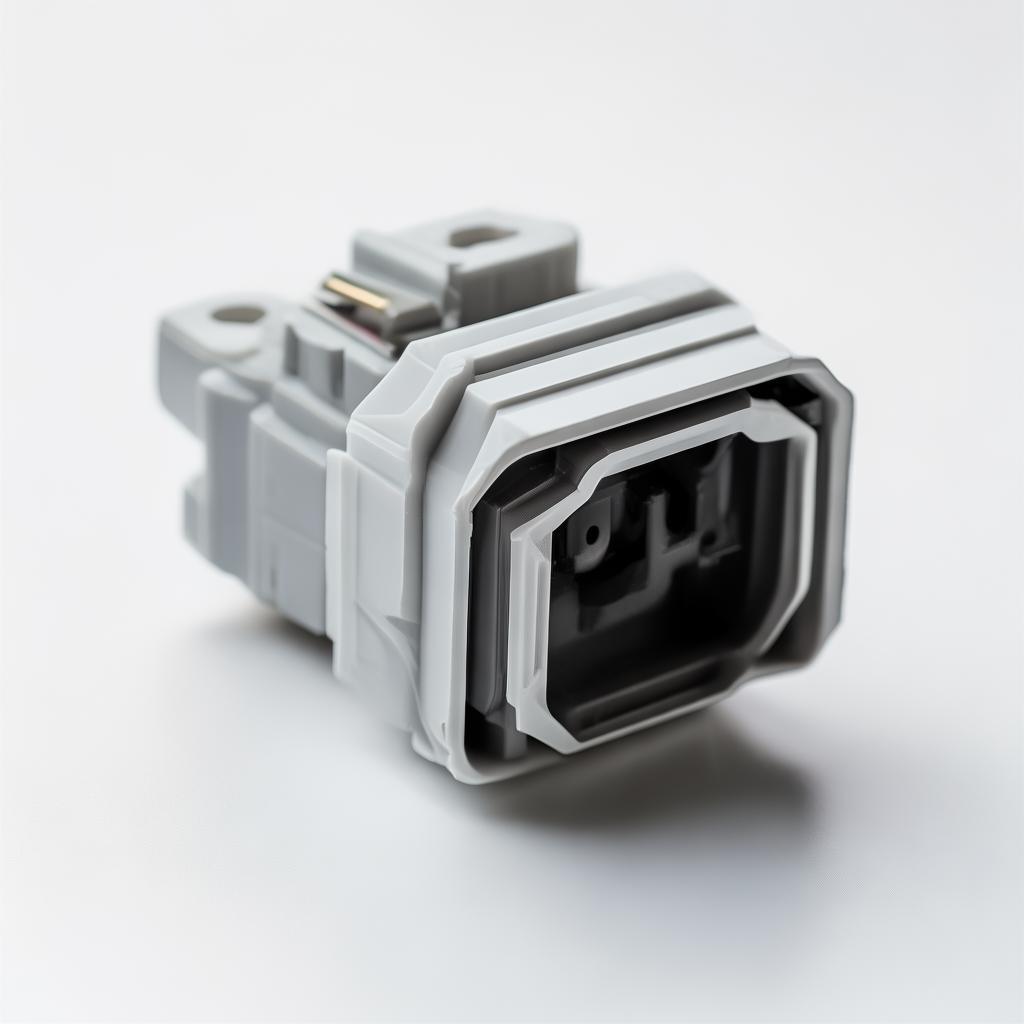
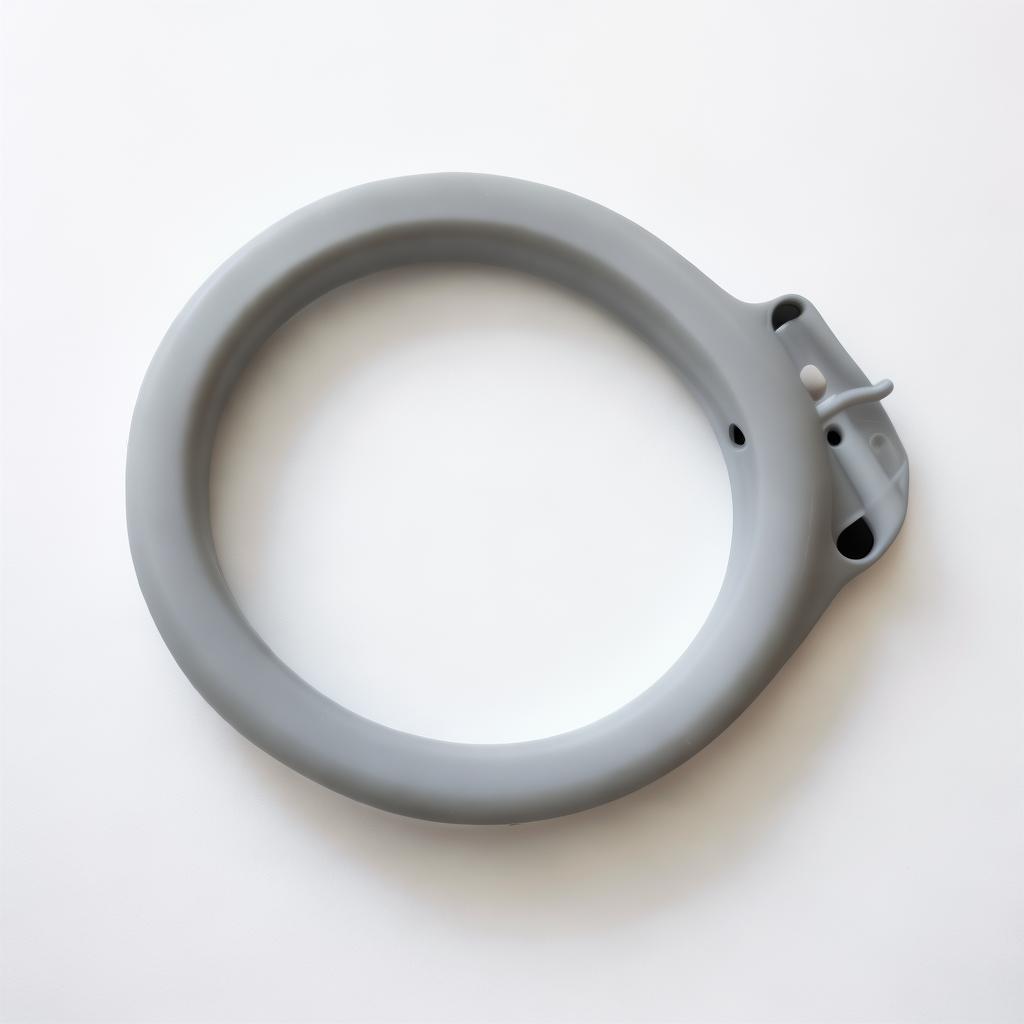
Example: Injection-molded liquid silicone encapsulation parts for smart wearable devices
Procurement Tips & Supplier Evaluation
When sourcing liquid silicone encapsulation parts, it pays to adopt a methodical evaluation strategy:
Verify Technical Expertise: Ask for process flow documentation and sample technical reports. Request mold flow analysis or CAE simulation documents if available.
Certifications & Compliance: Confirm presence of ISO 9001 quality management, CE, RoHS, and other relevant certifications, along with FDA-grade silicone for medical or food-contact parts.
Prototype Capability: Assess the factory’s ability to rapidly produce prototypes to validate fit, function, and material specification before committing to tooling.
Lead Time Transparency: Negotiate clear lead times for mold development, testing, and production runs. Factor in typical ramp-up for corrective tooling adjustments.
Quality Control: Insist on third-party inspection reports and long-term durability testing results if possible.
Communication & Support: Evaluate responsiveness and technical collaboration willingness during inquiry stages.
Avoid “bargain” suppliers who cut corners on mold design or material traceability; such savings often translate into excessive rework for your team downstream. Remember the findings from the Reddit industry discussions emphasizing that tooling expertise is the most critical factor for cost-effectiveness in liquid silicone rubber projects (Reddit Injection Molding).
OEM & ODM options are available to customize formulations, part geometry, and packaging according to your brand and technical requirements. Talk with our expert team about your design goals early to optimize for manufacturability and scale.
Frequently Asked Questions
Q: What is the typical lead time for liquid silicone encapsulation parts?
A: Mold design and sample production generally take 4-6 weeks. Following approval, batch production lead time averages 2-4 weeks depending on order size.
Q: How does liquid silicone injection molding differ from solid silicone molding?
A: Liquid silicone molding uses a flowable compound injected into molds, allowing intricate geometries, thinner walls, and shorter cycle times. Solid silicone is compression molded and better for low volume or simple parts.
Q: Can you support multi-material overmolding?
A: Yes. Our factory integrates multi-shot injection technology combining LSR with thermoplastics (such as ABS) for hybrid encapsulation solutions, meeting complex performance requirements.
Q: What quality control measures do you have in place?
A: We monitor raw material certifications, conduct in-process checks like cavity pressure and temperature control, and perform final inspections including dimensional, mechanical, and aging tests.
Q: Are your silicone materials FDA and RoHS compliant?
A: Yes, we offer FDA-compliant LSR grades for medical and food-contact applications and ensure full RoHS conformity for electronics and industrial components.
Customer Reviews & Case Highlights
Mark Stevenson | Procurement Director, TechWear Inc.
“Yingtai’s expertise in LSR injection molding helped us reduce our production defects by half compared to previous suppliers. Their in-depth communication and quick turnaround on prototypes were crucial to launching our smart wearable series on schedule.”
Get in Touch
If you have any camping barbeque equipment inquiry, please feel free to contact us.