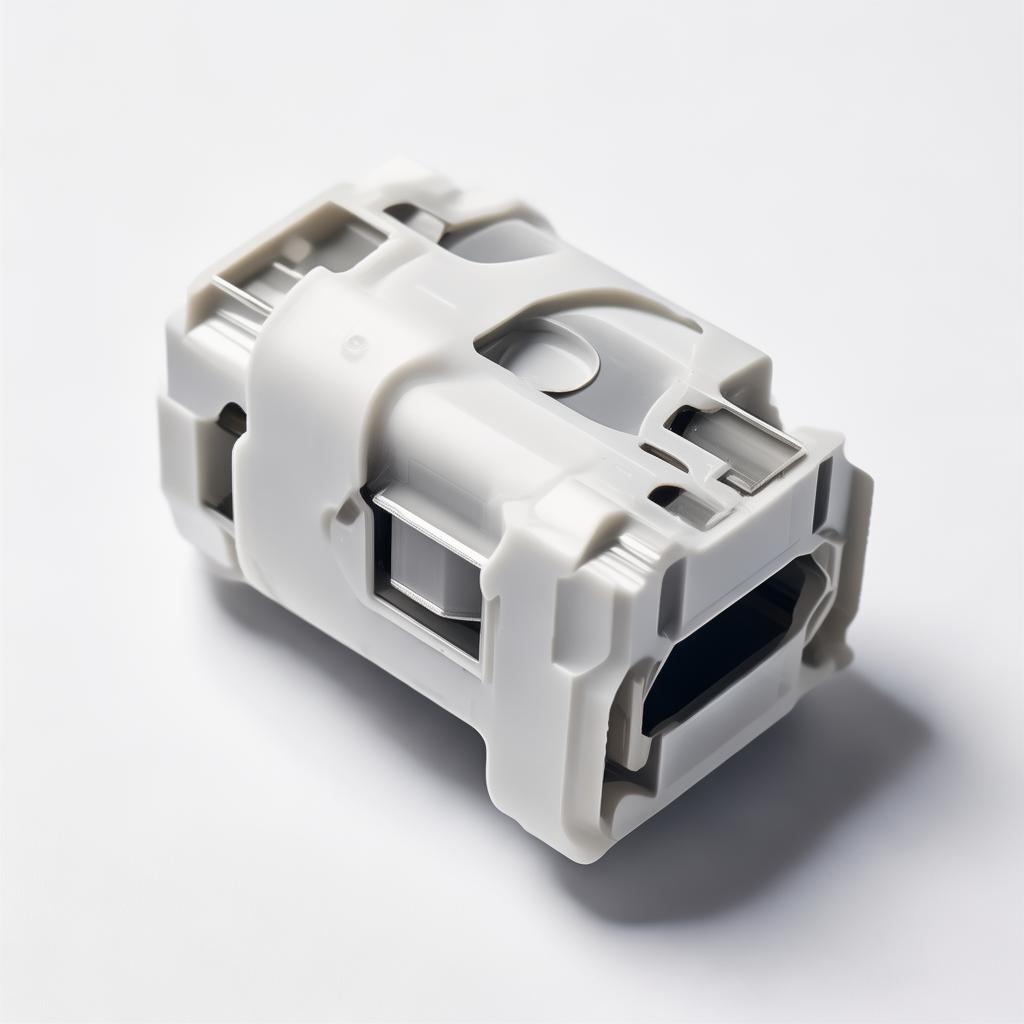
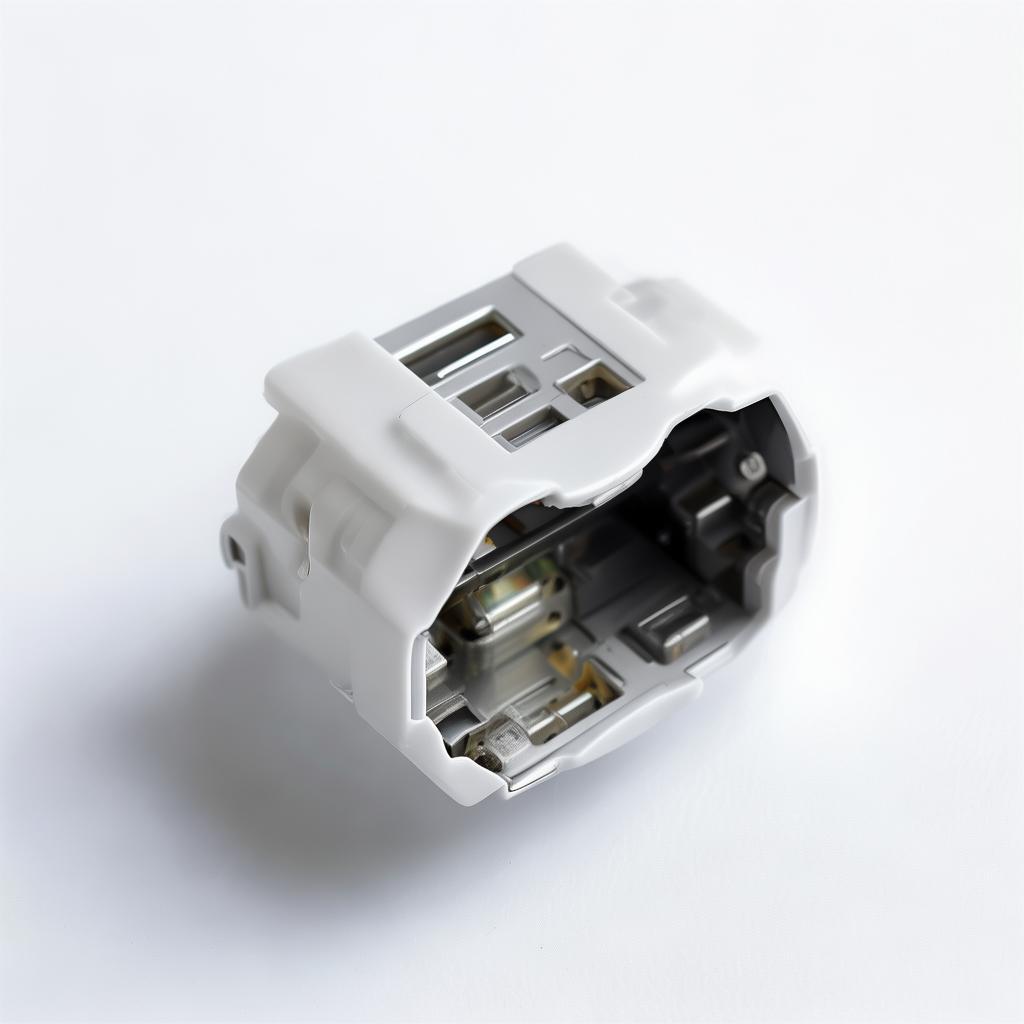
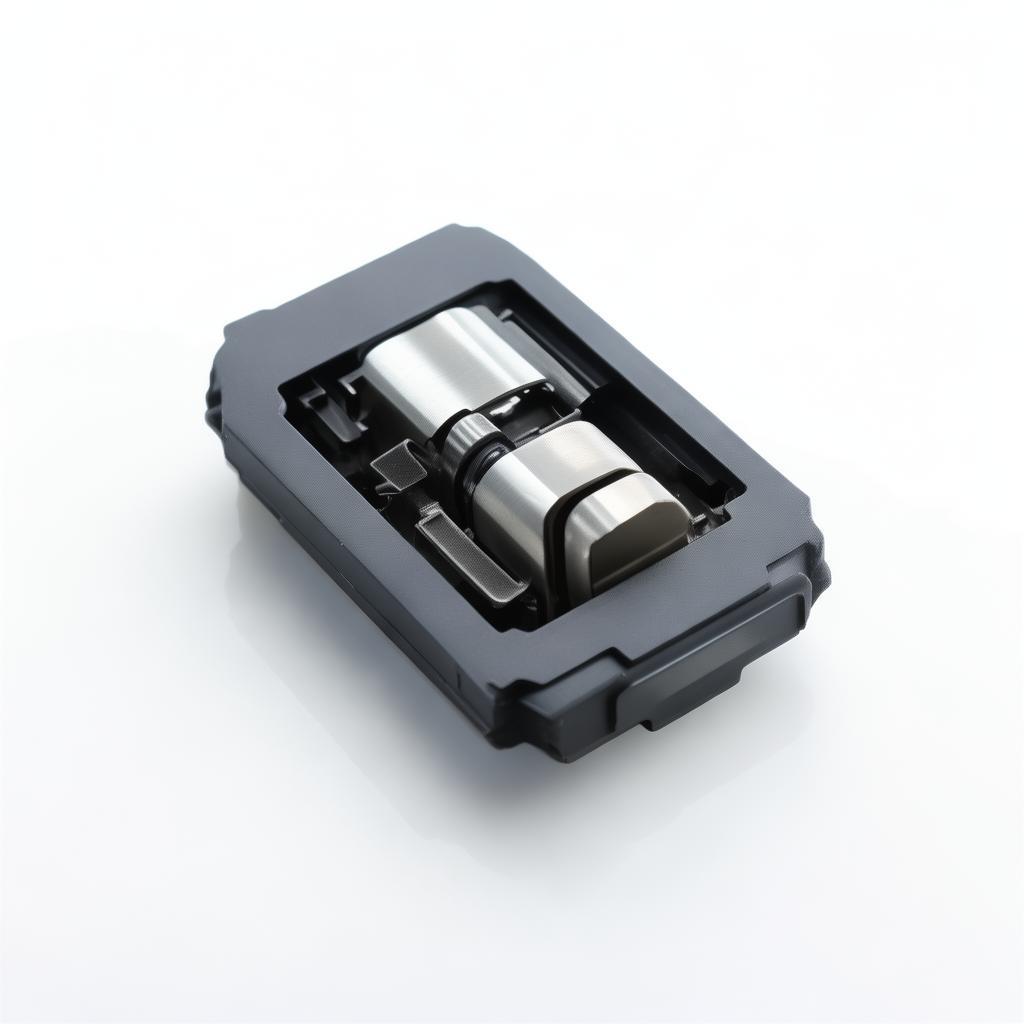
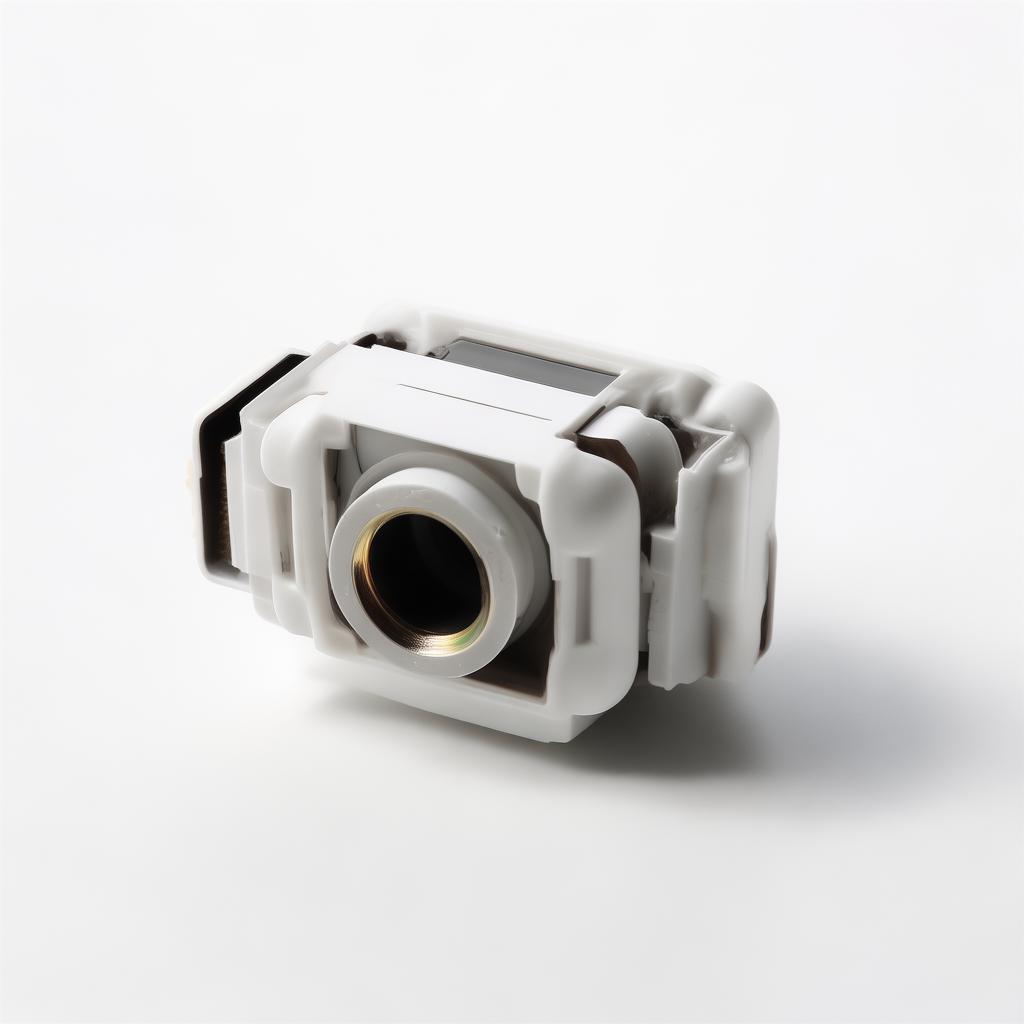
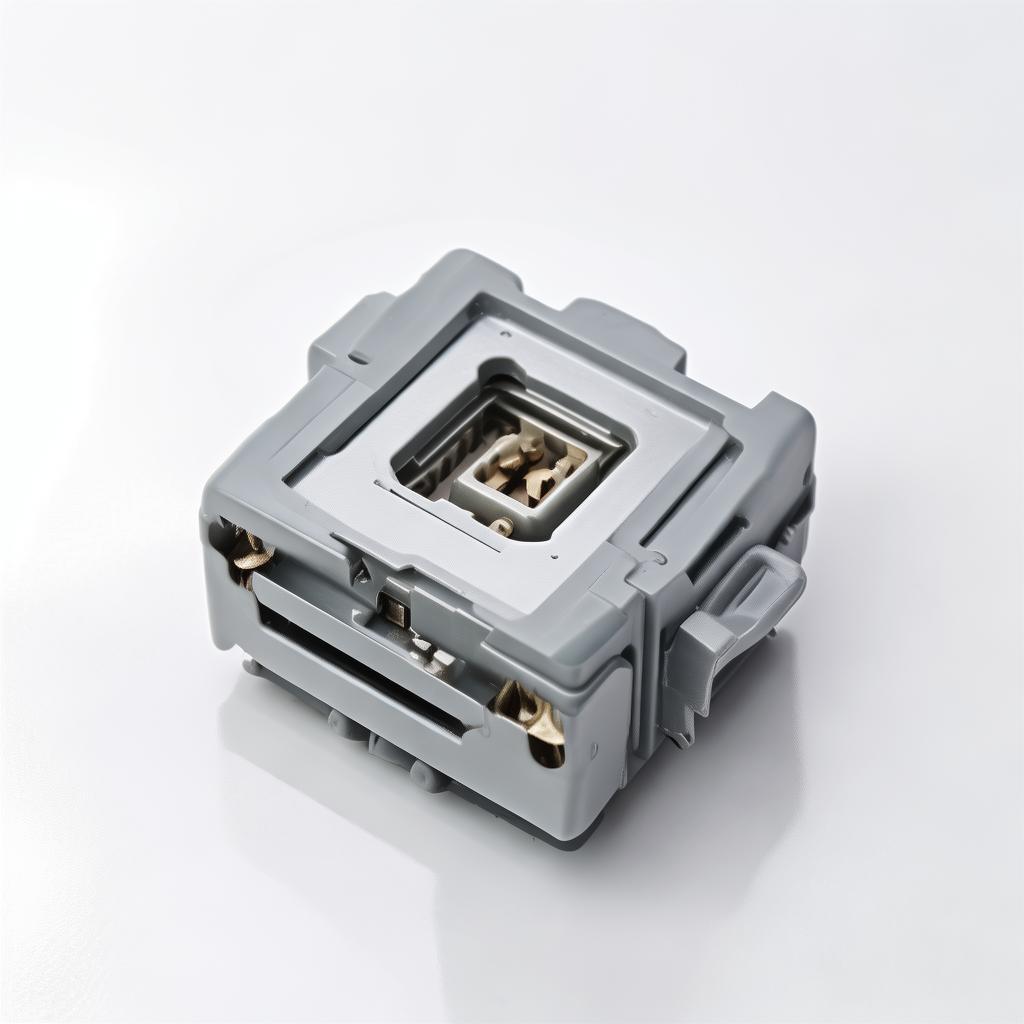
Industry Challenges in Silicone & Metal Mold Processing
Over two decades in molds manufacturing for liquid silicone packaging and metal parts unveils a few persistent hurdles many OEMs and procurement teams face:
- Material Compatibility: Achieving tight bonding between silicone layers and metal inserts without compromising durability or chemical resistance is often tricky, requiring precise thermal and mechanical process control.
- Cycle-Time Volatility: The curing time and mold cooling rate of Liquid Silicone Rubber (LSR) directly affect production throughput, yet inconsistent material batches and improper mold venting frequently lead to unpredictable cycle times.
- Dimensional Stability: Outstanding dimensional accuracy is mandatory for packaging seals and intricate metal parts, but shrinkage, warpage, and flash defects stemming from mold design flaws or suboptimal injection parameters remain common pain points.
- Supply Chain Risks: Wholesale sourcing without verified traceability or export compliance can lead to shipment delays, damaged products, or hazardous quality issues that disrupt downstream manufacturing.
- Complex Mold Design: Designing a mold that accommodates multi-material overmolding, tight tolerances, and diverse product geometries demands extensive engineering experience and advanced CAD/CAM tooling capabilities.
These production and supply challenges often translate to costly downtime, rework, and scaled-back product launch ambitions for international buyers seeking reliable OEM partners.
Technical Insights: Liquid Silicone Rubber (LSR) & Mold Dynamics
Understanding the properties of Liquid Silicone Rubber (LSR) is pivotal when considering packaging and metal parts molds. LSR's unique biocompatibility, flexibility, and thermal resilience make it an ideal material for demanding environments — but only when processed with technical rigor.
Our facility uses advanced liquid injection molding techniques coupled with precision-engineered mold sets crafted from high-grade steel alloys compliant with ISO 9001 and CE certification. This equipment allows controlling critical variables such as:
- Precise injection pressure and speed profiling tuned for specific silicone grades
- Thermal management with mold heating/cooling channels for consistent curing
- Vent design to minimize air entrapment and prevent flash defects
- Internal mold surface polishing reducing friction and material adhesion
These measures ensure tight tolerances down to ±0.01mm are consistently attained — essential for high-grade packaging seals and metal part interfaces.
Recent technical research, such as a material characterization study by MDPI, confirms that high-quality rheological and thermal data significantly impact injection simulation and reduce mold failures. We’ve integrated these insights, reducing cycle variability and enhancing dimensional repeatability across runs.
On the metal parts side, CNC precision machining, EDM shaping, and surface treatments such as nitriding or anodization ensure molds maintain integrity during production and resist wear even under long-term industrial use.
Why Our Mold Solutions Stand Apart
When evaluating suppliers for liquid silicone packaging and metal parts molds, trust lies in a mix of advanced technology and pragmatic manufacturing wisdom. Here’s where Guangdong Yingtai High Precision Technology Co., Ltd. excels:
| Feature |
Benefits |
Operational Impact |
| Integrated Industry Chain |
From mold design, injection molding, to final inspection—centralized management |
Streamlined lead times & consistent quality control mitigate procurement risks |
| 55+ LSR Injection Machines |
Capacity for high-volume runs maintaining stable parameters |
Scalable production with reduced breakdowns preserves delivery commitments |
| Advanced 3D CAD & CAE Simulation |
Mold flow optimization and predictive defect reduction |
Lower scrap rates, saving material and retooling costs |
| Automated Inspection & Testing Equipment |
Comprehensive functional and dimensional checks before shipping |
Fewer onsite failures and expedited client QC processes |
| Customizable OEM/ODM Solutions |
Flexible material, texture, and geometry options adapted to client needs |
Tailored product branding and enhanced market competitiveness |
Liquid silicone packaging metal parts mold enterprise Liquid silicone package metal parts mold processing factory Processing Liquid Silicone Packaging Metal Parts Mold Company
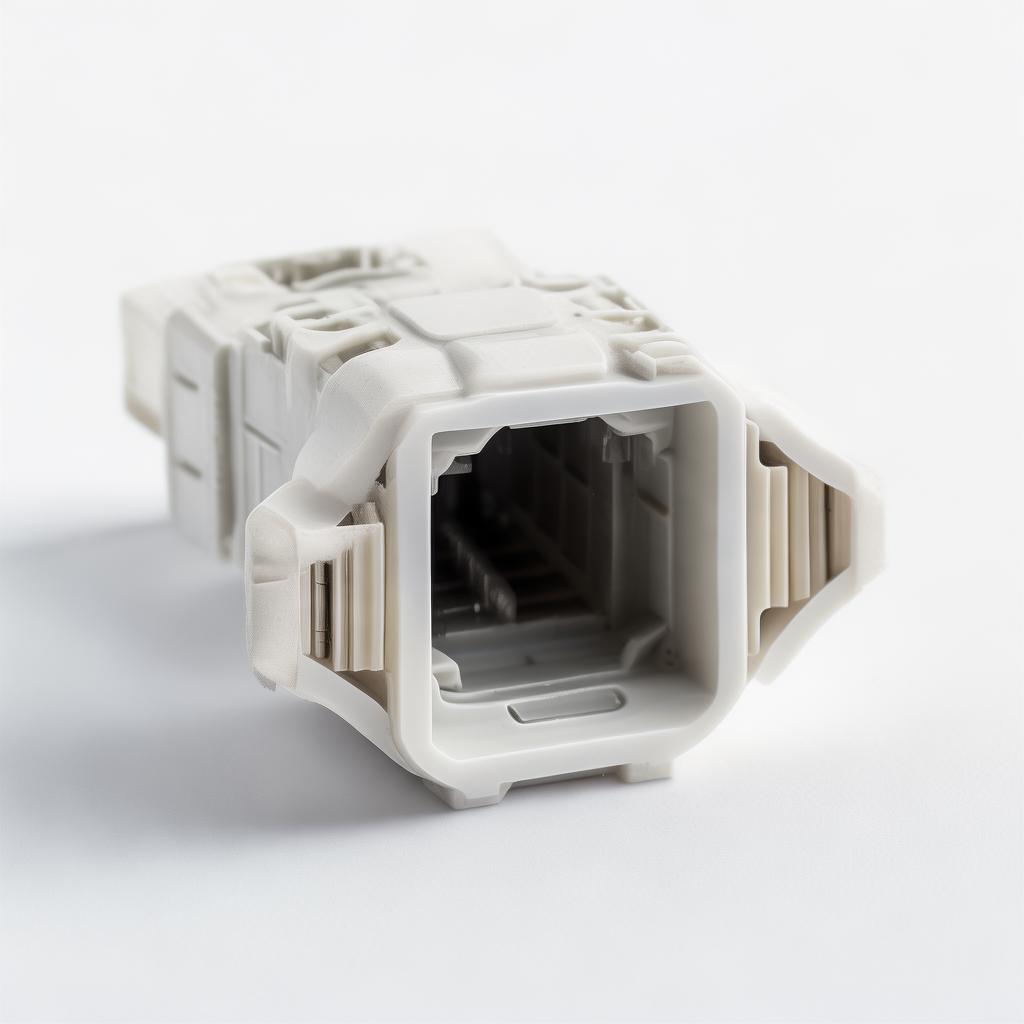
This blend of technology and operational pragmatism makes our company a reliable partner for clients aiming to win in competitive markets that rely on precise liquid silicone packaging seals and resilient metal molds.
Buyer’s Guide: What to Evaluate Before Committing
Collaborating with a liquid silicone packaging metal parts mold enterprise requires strategic due diligence to avoid costly pitfalls. Here’s some practical advice for procurement managers and technical buyers:
- Tooling Longevity: Request information on mold material grade, maintenance intervals, and historical wear rates to forecast lifecycle costs.
- Production Lead Time: Confirm actual capacity and current order backlog. Tight cycle-time control in LSR production significantly affects delivery reliability.
- Material Traceability: Insist on documented silicone grades, compliance with RoHS/FDA/REACH approvals, and batch identification for quality audits.
- Prototype Validation: Utilize initial sample runs and mold flow reports to preempt design-related production defects.
- Post-Delivery Support: Clarify warranty, defect resolution procedures, and availability of spare parts or mold repair services.
- Logistics & Export Experience: Choose partners with proven competence in container loading optimization, customs clearance, and fragile parts packaging.
- OEM/ODM Flexibility: Understanding manufacturer capability to adapt tooling for evolving product specs provides greater market responsiveness.
These considerations help safeguard investments and establish collaborative trust critical for long-term partnerships in industrial sourcing.
“We’ve seen numerous projects delayed due to upfront underestimation of curing variability in silicone molds. Early communication between buyer technical teams and mold engineers saves far greater cost than later iterations.” – Procurement Advisor, US Electronics Firm
Frequently Asked Questions
- Q1: How long does it typically take to develop a liquid silicone mold?
-
Depending on design complexity, mold fabrication generally requires 4 to 8 weeks. Rapid tooling options for prototypes may shorten this to 2-3 weeks, but mass production molds demand thorough validation.
- Q2: What production volume suits liquid silicone injection molding?
-
LSR molds excel in medium-to-high volume runs—from thousands up to millions annually. Their durability withstands extended cycles while maintaining tight tolerances compared to compression or transfer molding.
- Q3: Can you integrate metal inserts into silicone parts during molding?
-
Yes, multi-component/multi-shot molding techniques precisely encapsulate metal components with LSR, ensuring secure mechanical bonding and excellent sealing — critical in packaging and medical devices.
- Q4: How do you ensure mold quality for export shipments?
-
Each mold undergoes meticulous quality checks, including dimensional inspections and function simulations. We package molds carefully with corrosion inhibitors and provide export documentation compliant with customs and international standards.
- Q5: Are samples available prior to bulk order confirmation?
-
We offer sample production runs from existing molds or prototype tooling to validate material and dimensional criteria before committing to volume.
Real Customer Experiences
 Michael StevensProcurement Manager, Medtech USA
“We partnered with Yingtai after struggling with inconsistent silicone seals from previous vendors. Their technical team's expertise in optimizing the curing parameters and mold design cut our defect rate by more than half in under six months. Delivery reliability also improved — transitioning from delayed shipments to on-time arrivals consistently.”



 ISO 9001:2015 Certified Quality Management System
 CE Mark Compliance — ensuring product safety and EU regulatory adherence
 FDA Compliant Materials for Medical and Food Grade Applications
 RoHS Directive Conformance for Hazardous Substance Restrictions