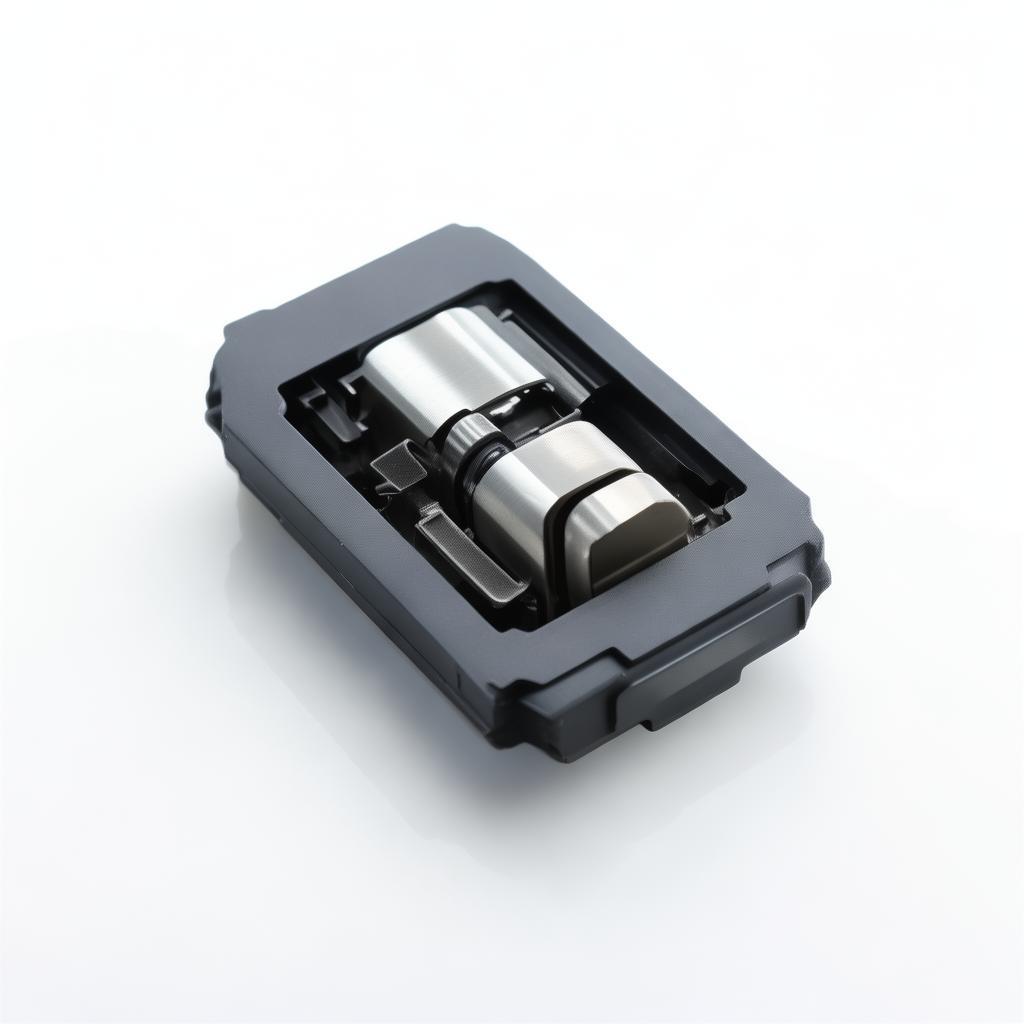
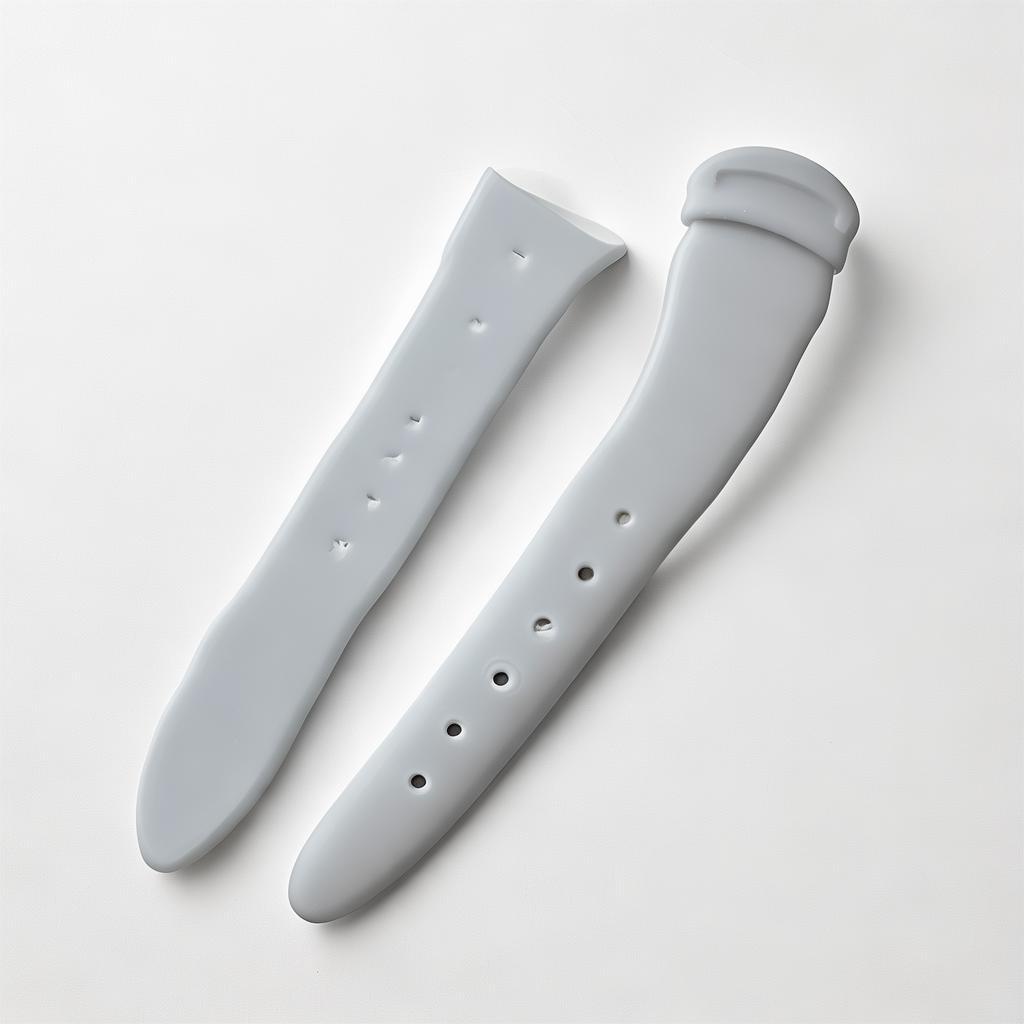
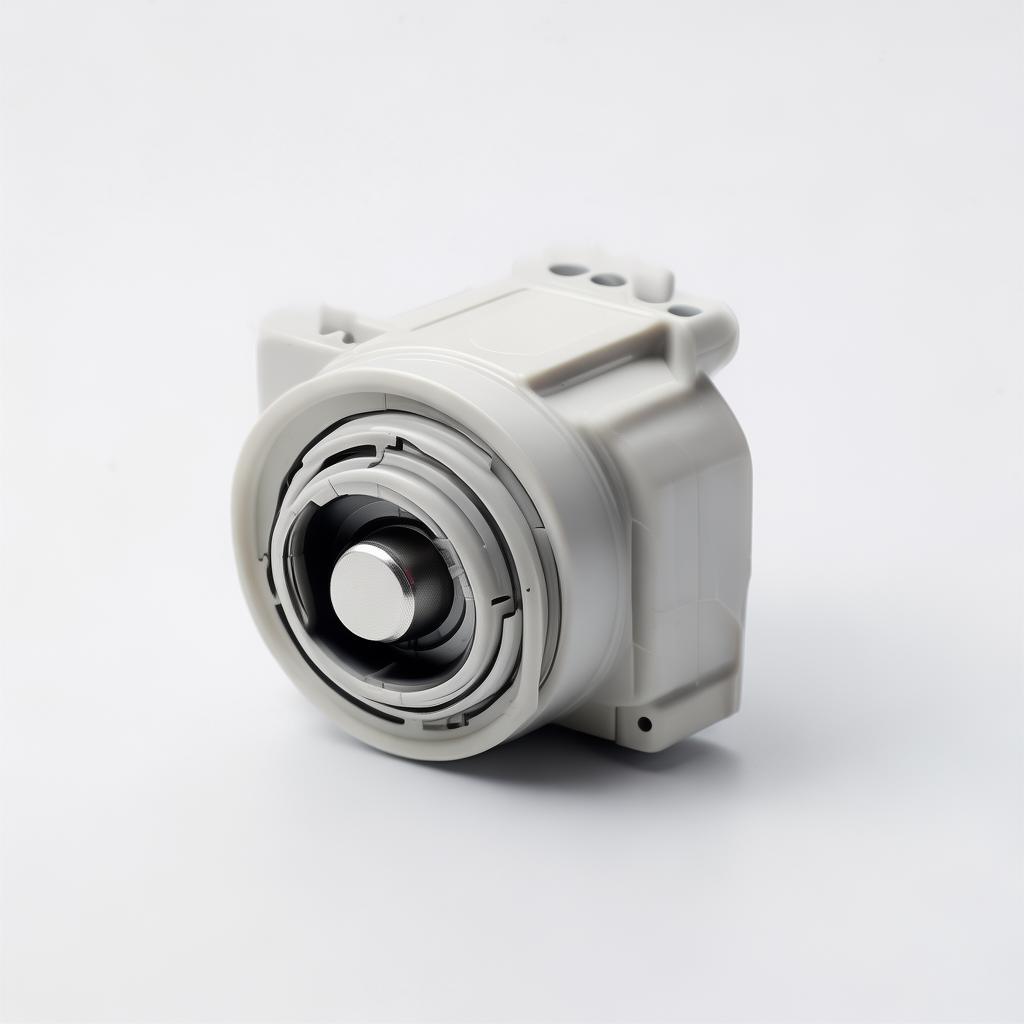
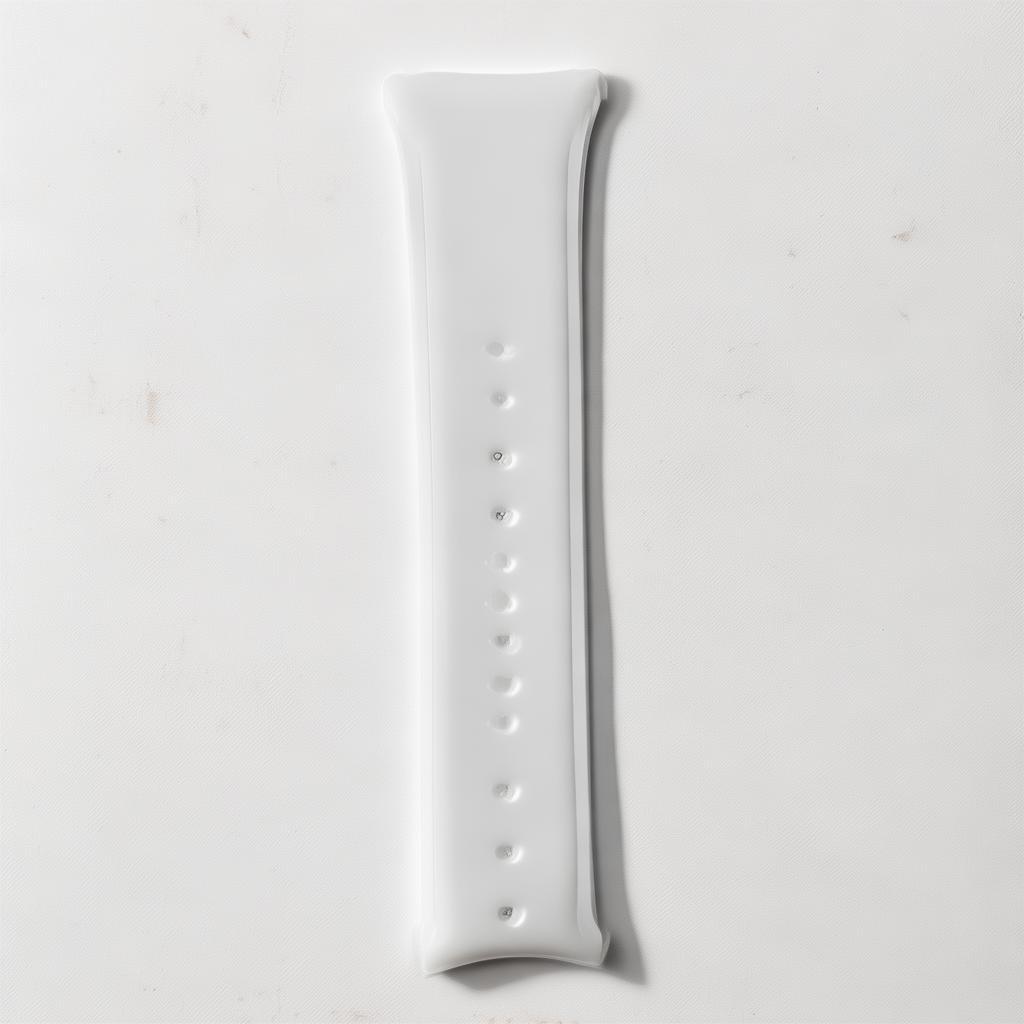
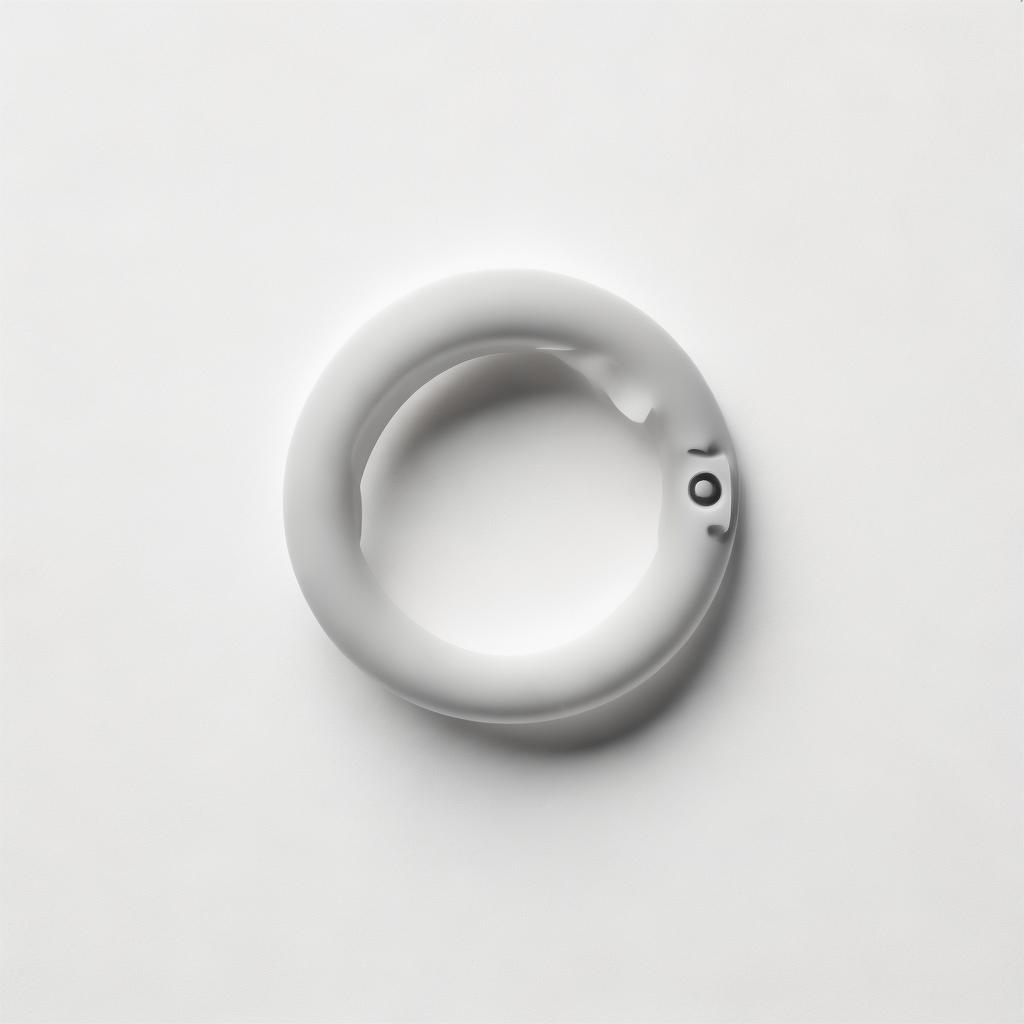
Processing Liquid Silicone Packaging Metal Parts Mold Factory
Processing Liquid Silicone Packaging Metal Parts Mold Factory
Precision Mold Manufacturing for Liquid Silicone & Metal Packaging Components Deep in the heart of global supply chains, sourcing a liquid silicone packaging metal parts mold factory that precisely matches your production needs is
Product Details
Processing Liquid Silicone Packaging Metal Parts Mold Factory
Precision Mold Manufacturing for Liquid Silicone & Metal Packaging Components
Industry Challenges & Procurement Pitfalls
Deep in the heart of global supply chains, sourcing a liquid silicone packaging metal parts mold factory that precisely matches your production needs is no simple task. From a procurement perspective, it’s easy to stumble over:
Inconsistent mold quality due to rushed tooling or inadequate material characterization — we often see this cause dimensional deviations and premature wear.
Long lead times disrupting supply continuity, especially when overseas vendors lack agile production capabilities.
Insufficient technical support during mold development, resulting in mismatched cavity designs or poor surface finishes.
Logistical complexities including container optimization challenges and export compliance headaches.
Procurement managers familiar with industrial-grade liquid silicone rubber (LSR) understand that transitioning from prototype to mass production amplifies these pain points. For instance, many buyers overlook the impact of material datasets on injection mold simulation — as cited by the MDPI study(1) — causing production issues that ripple through costly retools and warranty claims.
Additionally, end users demand biocompatible, UV-resistant, and heat-stable silicone products for packaging metal components – qualities requiring precise mold engineering and material compatibility. Overmolding complexity escalates when integrating with plastics like ABS, necessitating expert collaboration and multi-component molding experience.
Factory Capabilities & Technical Strength
Guangdong Yingtai High Precision Technology Co., Ltd. operates a substantial industrial complex of 35,000 m2 in Dongguan — a globally recognized hub for high-precision mold manufacturing. Supported by an experienced team of over 500 industry professionals, our operations cover:
55 liquid silicone molding machines enabling tight tolerance production for exquisite LSR components.
80 automated plastic injection molding units for overmolded assemblies and complex hybrid designs.
20 solid silicone hydraulic presses designed for special processing and durability testing.
20 advanced testing instruments including dimensional metrology and surface finish analyzers.
Our factory operates an intellectual manufacturing system that integrates mold development with production lines — effectively streamlining the flow from design, CAE simulation, tool making, injection molding to finished product packaging. This full spectrum capacity enhances flexibility and control over quality, lead time, and cost allocation.
Technical Deep Dive: LSR & Metal Mold Processing
Technology underpins every successful mold project. Expert control of liquid silicone rubber injection molding requires a nuanced grasp of material rheology, curing kinetics, and mold design. Recent research (MDPI Paper(1), ScienceDirect(9), Springer(3)) emphasize the essential role of:
High-fidelity material characterization to enable reliable digital twin simulations and optimal machine parameter setups.
Specialized rapid tooling techniques that reduce time-to-market for iterative mold designs.
Vacuum-assisted molding and venting strategies to prevent bubble entrapment and improve surface integrity.
Multi-component injection molding integration, combining LSR with durable plastics like ABS to expand applications.
Adoption of explainable AI and deep reinforcement learning models for parameter optimization — enhancing process stability and minimizing defects.
Our factories apply these principles daily, balancing ISO 9001 and CE-certified standards with client-specific demands. We engage closely with clients at the front-end, consulting on material selection (e.g., FDA compliant LSR grades for food packaging), mold cavity balancing, and thermal management issues. This prevents costly reworks and enhances dimensional repeatability in finished metal-packaged silicone parts.
Production Equipment Capabilities & Specifications
Equipment
Quantity
Max Tonnage/Capacity
Key Features
Liquid Silicone Molding Machines
55
1500 kN
Precision injection, automated shot control
Plastic Injection Molding Machines
80
2500 kN
Overmolding, multi-material processing
Hydraulic Silicone Presses
20
500 kN
Solid silicone molding, high-pressure cure
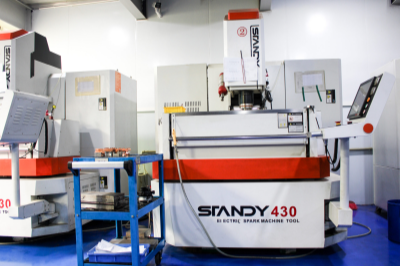
Precision Mold Processing Equipment
30+
N/A
CNC, EDM, wire cutting, polishing
Product Applications & Material Comparisons
Liquid Silicone Packaging Metal Parts offer unmatched advantages in several high-demand sectors, including:
New Energy Vehicles: High-temperature resistant seals and gaskets critical for battery pack housings and engine compartments.
Consumer Electronics: Durable, flexible seals and shock-absorbing joints for smartphones and wearable devices.
Smart Wearables & Communication: Overmolded waterproof parts used in smart glasses and smartwatches.
Household & Industrial Appliances: Silicone-metal combinations for waterproof switches and durable control panels.
When comparing materials, liquid silicone rubber (LSR) stands out for its flexibility, thermal stability, and biocompatibility, whereas solid silicone or thermoplastic elastomers may compromise on precision or durability.
From a logistics viewpoint, understanding packaging, container loading, and export documentation is as crucial as the mold design itself. Our export experience has taught us that:
Custom packaging specific to delicate LSR and metal parts reduces damage risk during shipping.
Optimized container loads and palletizing techniques can cut freight costs by up to 10% compared to standard load-outs.
Adherence to ISO and CE certifications smooths customs clearance for both Americas and European markets.
Advance export documentation and HS code accuracy prevent cargo delays — a frequent but avoidable headache.
Installation Advisory: Shop-floor teams should be briefed on proper handling of silicone-metal assemblies, recognizing that some designs require cleanroom assembly or anti-static environments to preserve product integrity. We advise on-site installation support for first-time setups, especially to integrate overmolded seals with metal housings.
Buyer Guidance & Supplier Evaluation Tips
Choosing the right supplier demands more than price auditing. Here are practical steps we recommend to assure a smooth procurement journey:
Visit production facilities: Check machine maintenance status and mold tooling precision firsthand to verify operational capabilities.
Request detailed process documentation: Confirm use of advanced CAE simulations and material data inputs as required for your product.
Verify quality certifications relevant to your industry, particularly ISO 9001 and CE compliance.
Test service responsiveness early by requesting prototypes or sample molds and documenting response times and support quality.
Clarify after-sales support, especially mold maintenance, warranty conditions, and scaling assistance.
For buyers seeking OEM or ODM partnerships, ask about intellectual property safeguards and production scalability timelines. Engaging a manufacturing partner that offers transparent communication and operational flexibility typically pays dividends when market demands fluctuate.
Quality Certifications & Compliance
Our processes comply with globally recognized standards to ensure product safety, material traceability, and environmental responsibility. This makes our factory a trusted partner for medical-grade silicone parts, food-contact packaging components, and electronic sealing solutions compliant with RoHS and REACH regulations.
Buyer FAQs
Q1: What is the typical lead time for mold production and initial sample delivery?
Lead times vary based on mold complexity. Simple molds typically require 4-6 weeks, while multi-cavity or multi-component molds may take 8-12 weeks. Sample injection molding runs usually follow within 1-2 weeks post mold completion.
Q2: Can you provide OEM and ODM mold development services?
Yes. We support both original equipment manufacturing (OEM) and original design manufacturing (ODM), including prototype validation, tool design, and iterative process optimization to meet client-specific requirements.
Q3: How do you ensure dimensional accuracy for silicone overmolded metal parts?
We integrate CAE simulation with high-precision machine calibration and real-time process monitoring. Additionally, molds undergo post-machining polishing and surface treatment to enhance silicone release and minimize distortion.
Q4: What packaging options are available to protect delicate molded parts?
We offer custom foam inserts, anti-static bags for electronics, and export-grade corrugated cartons designed to withstand long-distance shipping and multi-modal transport stresses.
Q5: Are your LSR materials FDA and RoHS compliant?
Yes. Our materials are certified for food and medical contact, meeting FDA and RoHS directives. Material traceability is maintained throughout the manufacturing chain.
Customer Reviews & Real Procurement Experiences
James Morgan, Procurement Manager
"We switched to Yingtai for our liquid silicone sealing components after multiple batch issues with prior suppliers. The quality consistency and technical engagement throughout the development process markedly improved our production uptime. Lead times met our tight schedules in every delivery cycle."
Get in Touch
If you have any camping barbeque equipment inquiry, please feel free to contact us.






 James Morgan, Procurement Manager