Processing of Injection Molded Plastic Parts Molds
Injection molding remains a cornerstone technique in the plastics industry—combining intricate mold fabrication with precision molding to produce high-volume, complex parts. But behind every successfully molded product lies a meticulous process of mold design, crafting, and finishing. These molds must meet stringent technical standards to balance cycle time, part consistency, and durability. Today, we dig into the subtleties of processing injection molded plastic parts molds — sharing real-world manufacturing insights, procurement tips, technical nuances, and quality assurance aspects essential for industrial buyers and engineers alike.
Industrial Pain Points in Mold Processing
For purchasing managers and operations leaders in plastics manufacturing, injection mold processing is rarely straightforward. Common issues span lead times, material mismatches, and inconsistent quality. Even minor deviations in mold precision can cascade into costly downtime and scrap rates.
- High tooling costs and complex design changes leading to budget overruns.
- Maintaining tight dimensional tolerances over long production runs.
- Material compatibility issues between mold components and thermoplastics causing premature wear.
- Insufficient venting causing flash and injection pressure irregularities.
- Slow feedback loops from overseas toolmakers affecting rapid prototyping and iterative development.
Operational experience tells us that manufacturers who neglect these complexities risk bottlenecks and compromised throughput, especially in sectors requiring ISO-compliant precision molds — such as automotive, medical devices, and electronics.
Technical Specifications and Material Considerations
Creating a reliable injection mold for plastic parts demands keen attention to materials engineering, surface finish, and thermal management. The mold base often employs high-grade P20 or H13 tool steel for durability and heat resistance, especially under high shot counts. Aligning the mold material hardness with the injection plastics—ranging from polypropylene (PP), polyethylene (PE), ABS, polycarbonate (PC), to specialized engineering plastics like PEEK or nylon—is critical to reducing wear.
Surface treatments — including nickel plating, chrome coatings, or laser texturing — can further enhance mold lifetime and anti-stick properties. These treatments influence cycle times by allowing faster cooling and more consistent surface energy for better part release.
| Material | Typical Hardness (HRC) | Application | Key Feature |
|---|---|---|---|
| P20 Steel | 28-32 | General Injection Molds | Good machinability, moderate durability |
| H13 Steel | 45-50 | High Temp, Precision Molds | Excellent heat resistance and toughness |
| Stainless Steel | 38-42 | Corrosive or Medical Applications | Corrosion resistant, hygienic |
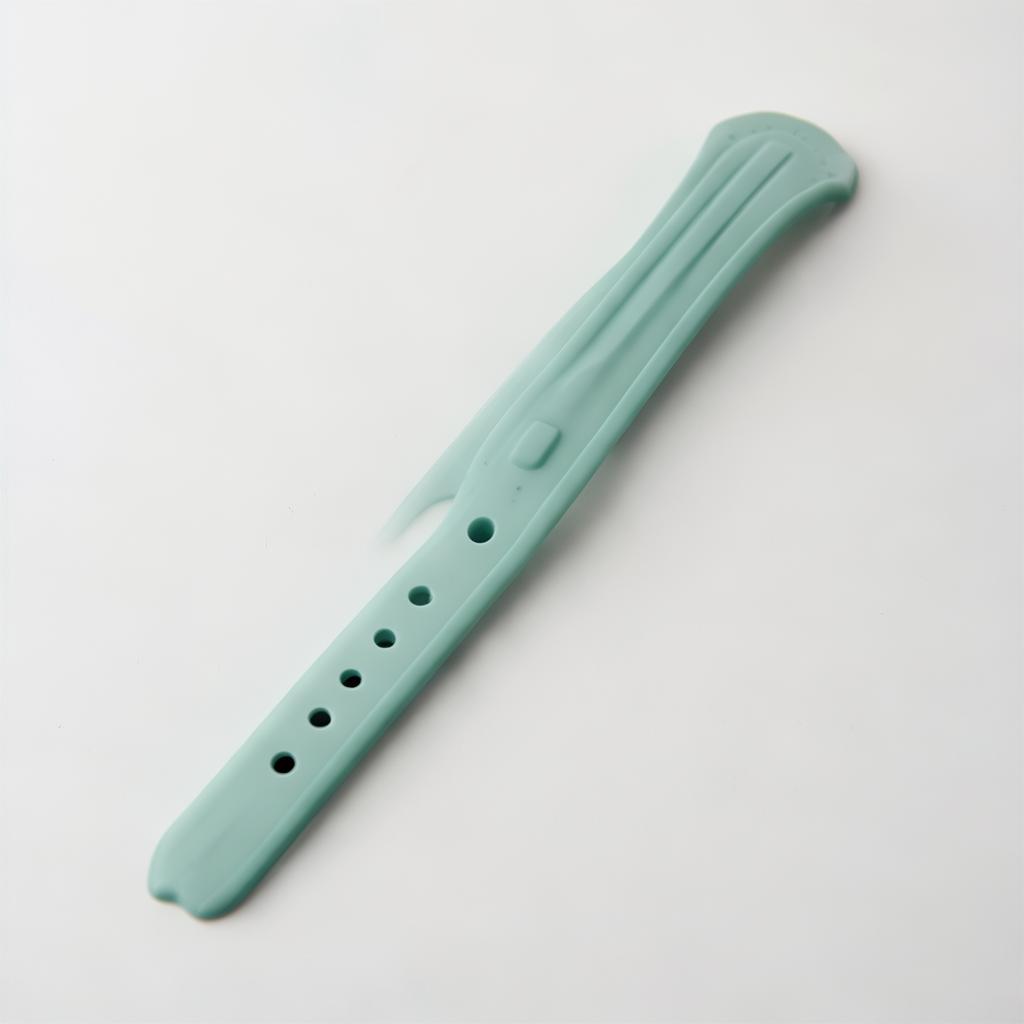
Customized processing of injection molded plastic parts molds Manufacturer of injection molded plastic parts molds Processing injection molded plastic parts mold factory
Cooling channel design plays a pivotal role. Well-engineered conformal cooling reduces cycle times sustainably and improves dimensional stability. Innovations in 3D-printed conformal cooling inserts have started permeating the sector, enabling more intricate cooling paths than conventional drilling allows.
When processing Liquid Silicone Rubber (LSR), tooling differs substantially from standard plastic molding requirements. Due to LSR's low viscosity and curing behavior, molds require highly refined venting and thermal controls, typically with specialized platinum-cured silicone-compatible coatings. Our Yingtai facility employs these advanced mold processing techniques to consistently meet tight bio-compatibility and medical-grade standards.
Advantages of Professionally Processed Injection Molds
Partnering with an experienced mold processor can substantially influence the final product's quality and manufacturing efficiency. Here’s a quick rundown of benefits noticed by procurement teams:
- Reduced cycle times: Optimized cooling and venting minimize heat build-up and enable faster part ejection.
- Improved surface finish: Expert surface treatment decreases post-molding finishing costs.
- Lower defect rates: Rigorous prototyping and mold flow analysis reduce flash, sink marks, and warpage.
- Extended tool life: Durable material choices and coatings increase shot counts and reduce downtime for repairs.
- Consistent part accuracy: Precision milling and polishing ensure dimensional stability across production runs.
These advantages translate directly into operational savings. For context, many of our automotive clients report cycle time reductions by 10-15% after upgrading to higher-specification molds, with corresponding drops in quality-related rejections.
Installation and Maintenance Insights
Handling injection molds requires practical foresight — installation errors or neglecting regular upkeep often erode mold performance.
- Pre-installation checks: Verify flatness and alignment of mold mounting plates to prevent uneven clamping and part distortion.
- Lubricate slider and ejector mechanisms: Use manufacturer-recommended lubricants to avoid premature mechanical failure.
- Routine cleaning: Residue buildup, especially with engineering plastics, can cause blockages in cooling channels or flash defects; scheduled cleaning reduces downtime.
- Thermal cycling considerations: Control heater band settings to mitigate thermal fatigue cracking, particularly on high-temperature molds.
- Documentation tracking: Maintain mold usage logs including shot counts, repairs, and cycle times to predict maintenance needs and budget accordingly.
On-the-floor observations often highlight that operators underestimate how small installation misalignments can impact quality — a few microns of mold mismatch causes sink marks or uneven wall thickness in finished parts. Educating staff on proper mold handling can save significant rework costs downstream.
Logistics, Shipping, and Procurement Strategies
Global supply chains and international procurement impose unique challenges. Guangdong Yingtai High Precision Technology Co., Ltd., based in Dongguan, China, strategically manages its 35,000 sqm industrial park to facilitate timely order delivery and quality control.
Container loading optimization is essential when shipping molds internationally — our experience finds that molds weighing over 500 kg require custom crating and detailed packing lists to satisfy U.S. Customs and protect investments during transit.
Lead times typically range from 30 to 70 days depending on mold complexity and surface finishes requested. Take note that expedited mold repair or modification requests post-delivery often incur much higher costs.
When selecting your injection molding mold supplier, consider:
- Factory capacity & equipment sophistication (e.g., CNC milling, EDM, laser coating)
- Quality certifications like ISO 9001, CE, or SGS audits reflecting process rigor
- After-sales technical support for mold troubleshooting on-site
- OEM or ODM capabilities to adapt designs to changing production needs
- Transparency on tooling warranties and maintenance service terms
Frequently Asked Questions
- Q1: How do I choose the right mold material for my plastic parts?
- Material selection depends on the plastic type, running volume, and desired durability. For high volume with engineering plastics, hardened tool steels like H13 are preferred due to their strength and thermal conductivity. For lower volumes or prototyping, P20 steel offers cost efficiency with decent wear resistance.
- Q2: What are key considerations for molds aimed at liquid silicone rubber parts?
- LSR molds need airtight venting systems and must support specific curing temperatures. Also, surfaces are often treated with platinum-cured coatings to avoid silicone sticking and prolong tool life.
- Q3: How can I verify the quality of molds before full production?
- Most credible suppliers offer trial runs or pilot samples to assess mold function. Mold flow simulations and 3D CAD renderings should be reviewed upfront. Inspect for dimensional accuracy, surface finish, and part consistency during sampling.
- Q4: What’s the typical maintenance schedule for injection molds?
- Recommended preventive maintenance occurs every 50,000 shots or quarterly, whichever is sooner. It includes cleaning, inspection for wear or corrosion, and calibration of cooling channels and ejector systems.
- Q5: Can Yingtai provide OEM/ODM injection molding solutions tailored to unique designs?
- Absolutely. Yingtai’s integrated capabilities cover mold development from design to finished products with a professional team of engineers and over 55 precision molding machines. OEM/ODM clients benefit from custom material formulation and quality control aligned with international standards.
Customer Reviews & Buyer Experiences

Susan M., Procurement Director, California
“Switching to Yingtai for our automotive component molds reduced our lead times by nearly 20 days. Their attention to thermal channel design helped lower cycle times, which is critical for our volume production.”

John L., Operations Manager, Texas
“The technical guidance we received for LSR mold venting vastly improved part consistency on medical seals. It’s clear they understand the subtle differences needed versus conventional plastic molds.”

Angela W., Supply Chain Manager, New York
“Yingtai’s OEM services helped us customize molds with surface textures for our consumer electronics line. Delivery tracking was transparent, and responses to retrofit requests were fast — essential for our tight schedules.”
Contact Guangdong Yingtai High Precision Technology Co., Ltd.
For inquiries on injection molded plastic parts molds, OEM options, or factory quotations, our export director, Miss Zhang, is standing by to assist you with technical advice and pricing.
- Tel: +86 17722437688 (Miss Zhang)
- Fax: +86 0769-83666863
- Email: zmm@yingtai168.com / lh@yingtai168.com
- Whatsapp: +86 17722437688
- Address: No. 359 Chang'an Bubugao Road, Chang'an Town, Dongguan City, Guangdong Province, China
- Visit Our Website
References:
- Grandview Research, “Liquid Silicone Rubber Market Size Report, 2030”
- MDPI, “How Method Matters: The Impact of Material Characterisation Techniques on Liquid Silicone Rubber Injection Moulding Simulations”
- Nature Scientific Reports, “Mass Fabrication of PDMS Microfluidic Devices by Injection Molding”
- Fraunhofer Research, “Reducing Waste in Liquid Silicone Rubber Process Chains”
- LinkedIn, “Liquid Silicone Rubber Market Size, Share & Growth Analysis”