Expert Insights from Guangdong Yingtai High Precision Technology Co., Ltd. Injection molded rubber parts have become indispensable components across an expansive range of industries—from automotive sealing systems to high-precision medical devices and consumer electronics.
Product Details
Processing of Injection Molded Rubber Parts
Expert Insights from Guangdong Yingtai High Precision Technology Co., Ltd.
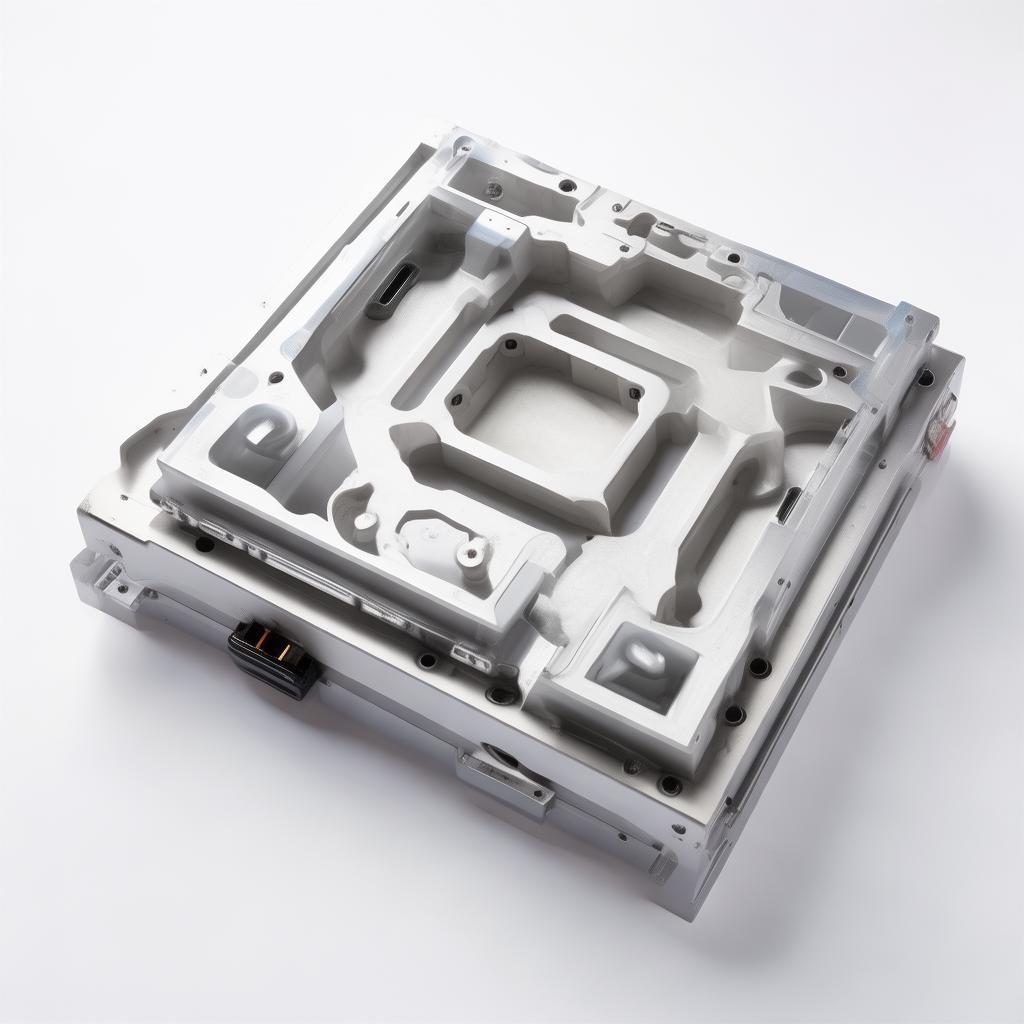
Injection molded rubber parts have become indispensable components across an expansive range of industries—from automotive sealing systems to high-precision medical devices and consumer electronics. This manufacturing process blends precision tooling, material science, and custom production workflows to deliver components that meet stringent durability, flexibility, and functional specifications.
The demand for liquid silicone rubber (LSR) and other molded elastomers is accelerating globally, largely driven by rising needs for biocompatibility, thermal stability, and resistance to environmental stressors. Industry reports forecast the global LSR market expanding beyond USD 7 billion by 2035, with injection molding techniques dominating production due to their superior repeatability and design flexibility. For instance, GrandView Research and Persistence Market Research highlight how medical devices, automotive seals, and consumer wearables rely heavily on this process to manufacture complex, intricate silicone parts with high dimensional accuracy and long-term performance reliability. [Source]
Notably, injection molding allows for rapid scalability while maintaining rigorous control over component tolerances and cosmetic finish. It enables manufacturers to customize elastomer properties by varying formulations, cure profiles, and mold designs—factors crucial for OEMs and ODMs seeking essential differentiation. However, the process is far from trivial; it requires careful balancing of material characteristics, thermal dynamics, and injection parameters to avoid common pitfalls such as flash defects, warpage, or incomplete filling.
From a procurement perspective, navigating supplier capabilities, lead time management, and mold design expertise can make or break product success. This is where understanding technical details—beyond standard marketing narratives—matters profoundly. For example, implementing advanced mold venting systems and optimizing material curing through rheological control influences not only product quality but also operational costs and delivery reliability.
Our facility, Guangdong Yingtai High Precision Technology Co., Ltd., with over 20 years of experience and a 35,000 sqm industrial park in Dongguan, is equipped to provide high-volume, precision injection molded rubber parts tailored to buyer-specific needs. We combine state-of-the-art LSR molding technologies with comprehensive quality management to serve sectors demanding excellence, including new energy vehicles, consumer electronics, and smart wearable technology.
Key introduction takeaways:
Injection molded rubber parts, especially LSR, cater to high-complexity, high-precision applications with strict industry standards.
Market growth is buoyed by healthcare, automotive, and consumer sectors demanding durable, biocompatible elastomer components.
Successful processing balances advanced material characterization, mold design, and process control to minimize defects and waste.
Supplier selection and procurement diligence are critical to ensure timely delivery, consistent quality, and competitive pricing.
Understanding these dynamics is the foundation of making informed decisions when sourcing injection molded rubber parts in today's competitive global landscape.
Technical Deep Dive: Materials and Injection Molding Processes
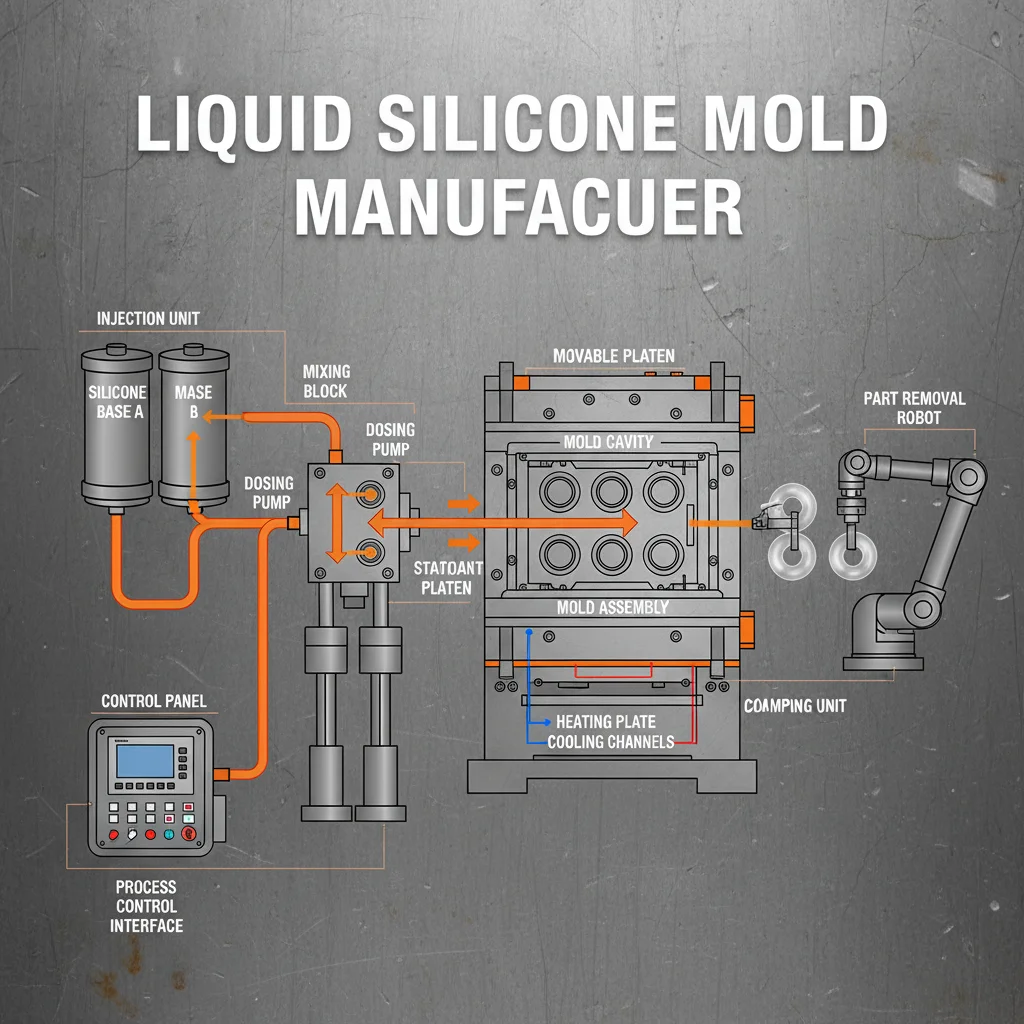
Injection molding of rubber parts generally revolves around two core material classes: Liquid Silicone Rubber (LSR) and Solid Silicone Rubber. LSR offers exceptional fluidity enabling injection at lower pressures, faster cycle times, and intricate geometries. Solid silicone, while more traditional, remains relevant for simpler shapes and smaller volume needs.
Material Rheology: Proper viscosity characterization dictates mold filling and curing prediction accuracy. A recent MDPI paper emphasized that inaccurate rheological datasets can skew cycle time and defect forecasts significantly. This underscores the importance of using high fidelity datasets in molding simulation software to anticipate production challenges early. [MDPI]
Tooling Design & Venting: Excessively tight mold seals often cause air traps, leading to flash or incomplete parts. Fraunhofer's research on injection mold process chains highlights how advanced mold insert designs can balance venting and sealing efficiently, reducing scrap rates and raw material waste without compromising dimensional fidelity. [Fraunhofer]
Cure Kinetics & Thermal Management: Precise control over cure temperature profiles directly impacts the crosslinking density and part elasticity. Recent studies advocate integrating AI-driven process monitoring to dynamically optimize cure times and reduce defects, enhancing throughput without sacrificing quality. [arXiv Research]
Multi-Component Overmolding: Injection molding combining LSR and thermoplastics like ABS is gaining traction in medical and electronics fields. Such hybrid processes demand rigorous interface bonding techniques to prevent delamination and maintain product lifecycle integrity. [MDPI Polymers]
Selected Physical Properties of Injection Molded Silicone Elastomers
Operational Insight: Many manufacturers underestimate the significance of mold maintenance schedules in ensuring production consistency. Silicone tooling wear patterns tend to differ from thermoplastics and require periodic surface reconditioning to avoid flash or dimensional drift. Proven maintenance intervals of 3-6 months typically extend mold life and reduce production downtime.
Applications of Injection Molded Rubber Parts: Where Precision Matters Most
Rubber injection molding serves as a backbone for multiple sectors demanding elastomer components with precise mechanical and chemical performance characteristics.
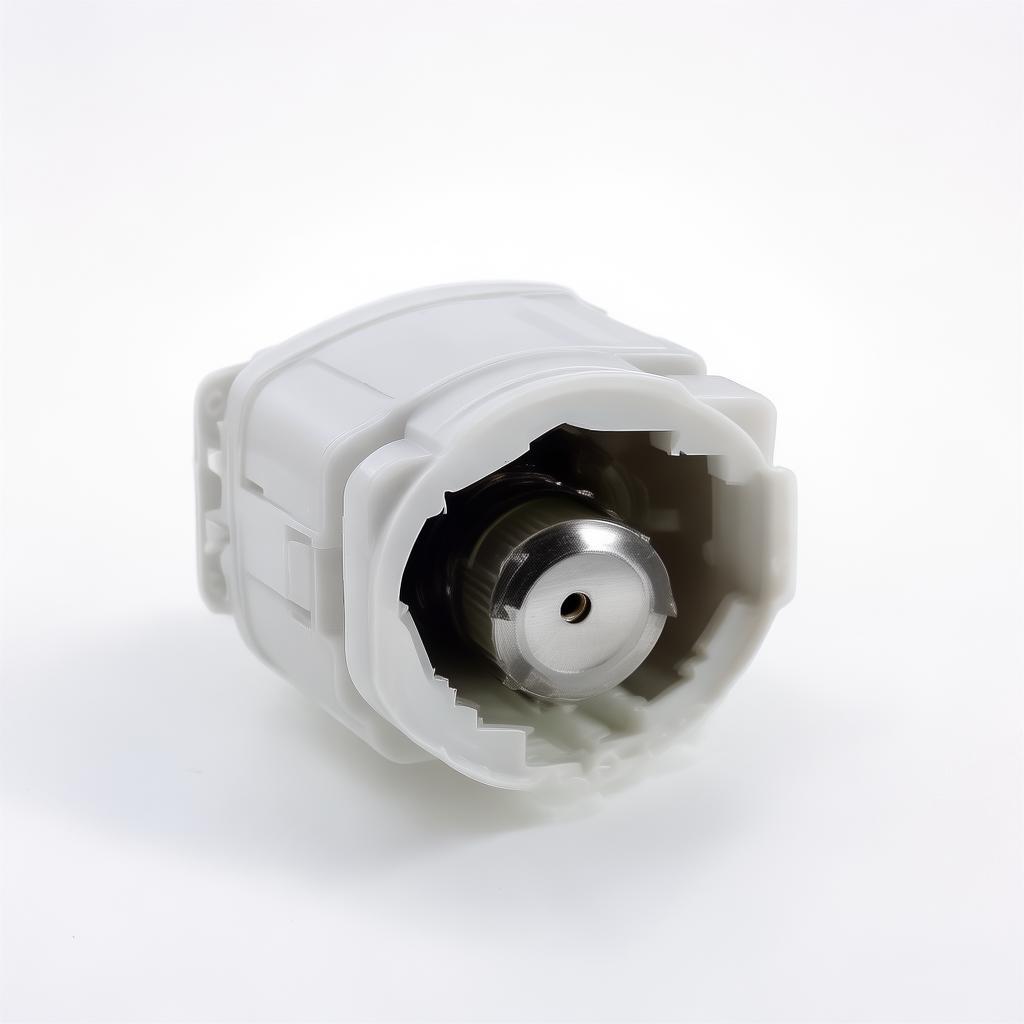
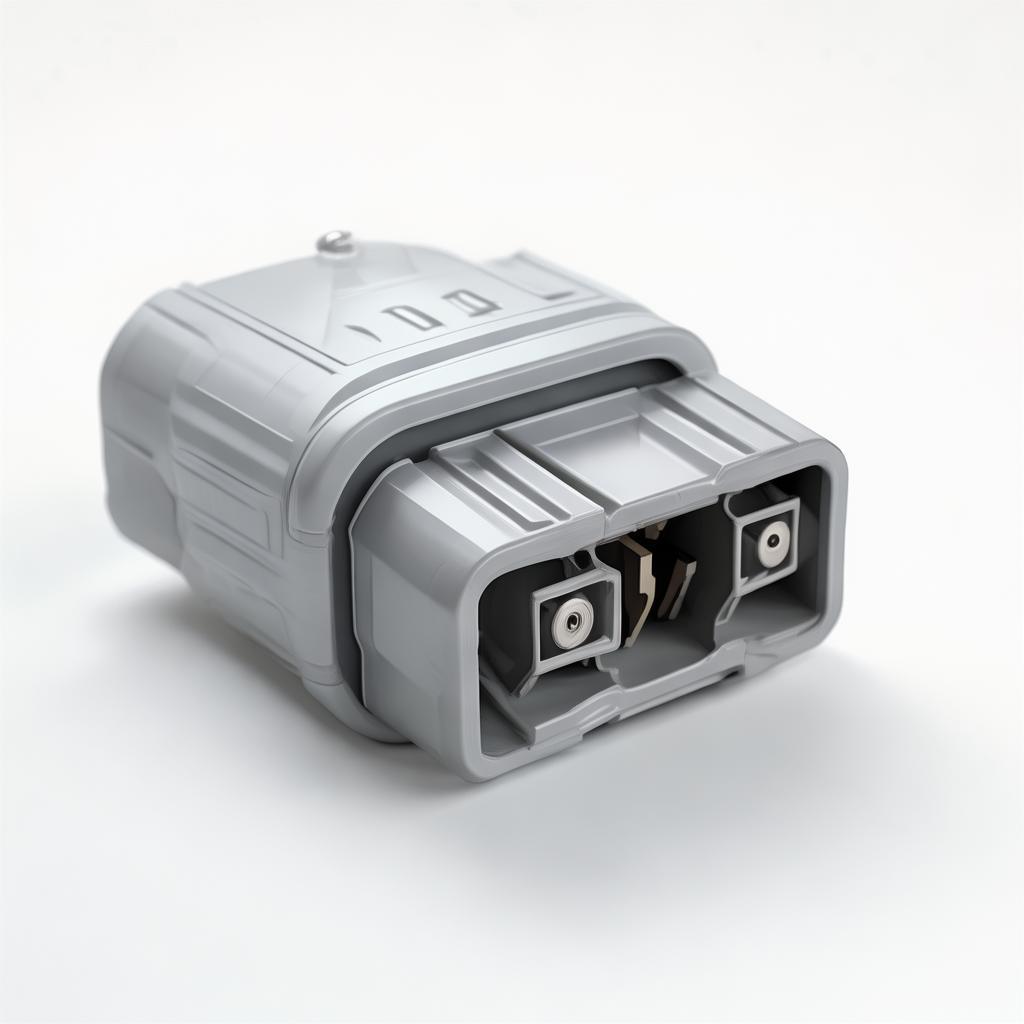
Automotive Industry: Seals, gaskets, vibration dampers, and fuel system components leverage LSR's heat resistance and weather durability. Precision molds accommodate complex geometries critical for electric vehicle packaging and new energy applications.
Medical Devices: Fluidic connectors, seals, and wearable healthcare products rely on biocompatible LSR injection molding. Manufacturing must comply with ISO 10993 standards and undergo stringent purity controls.
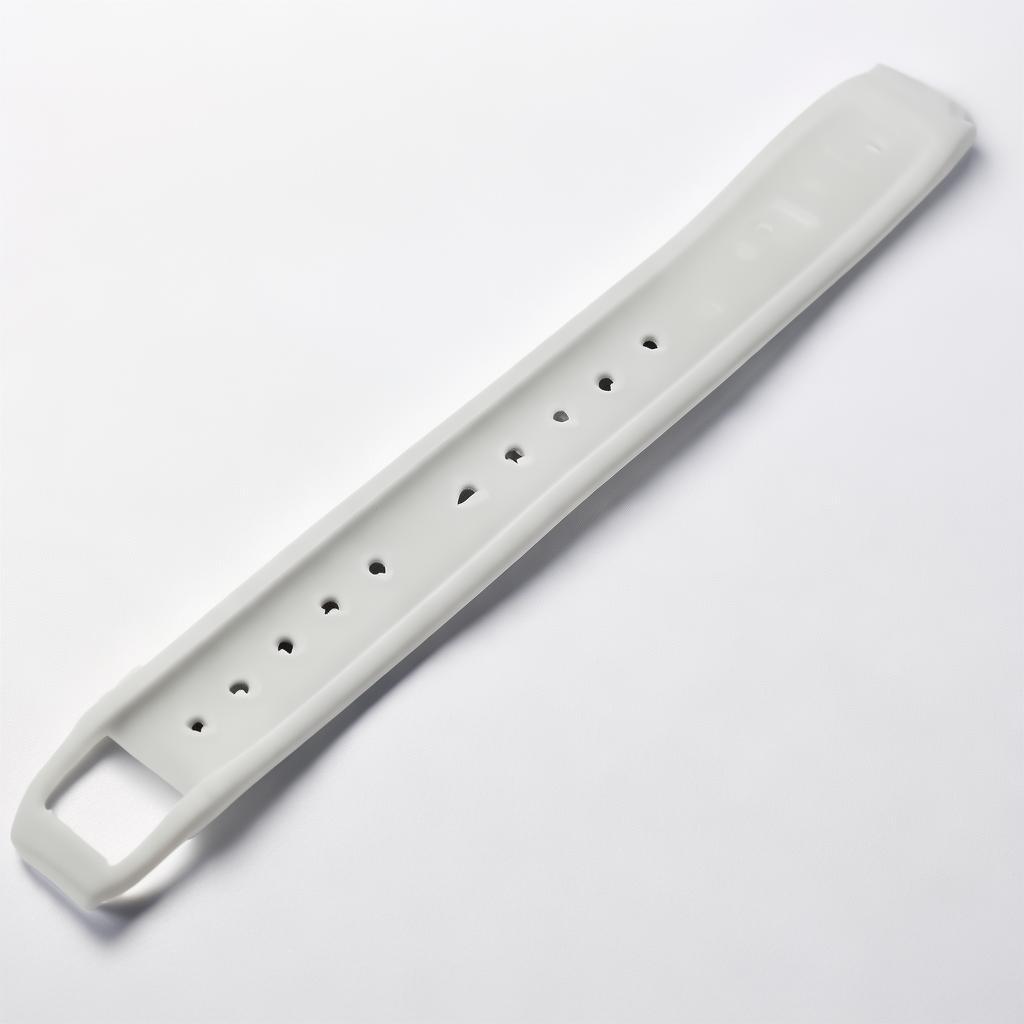
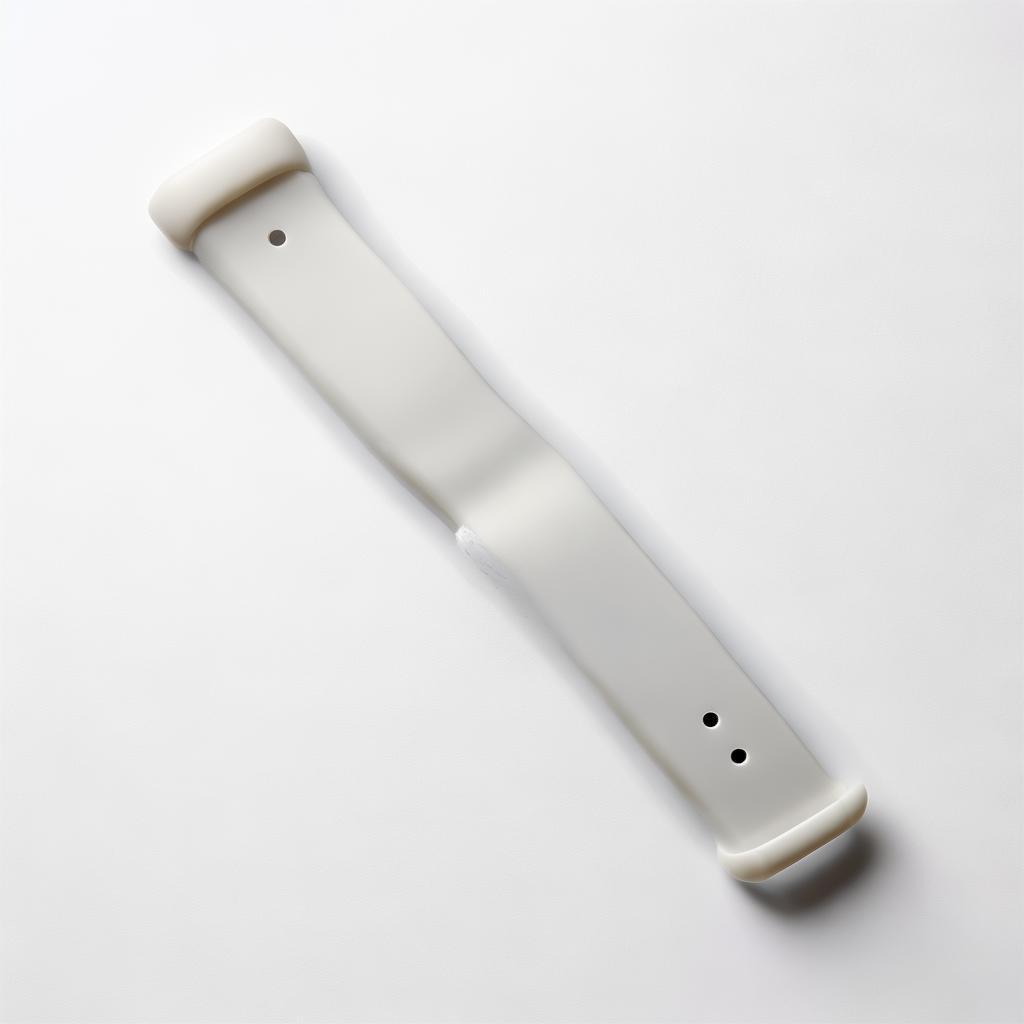
Consumer Electronics: Protective casings, shock absorbing pads, and overmolded buttons require tight tolerances and cosmetic finish, where high-volume LSR molding excels.
Industrial Electronics: Waterproof seals and anti-slip backings for sensors and switches integrate LSR for both mechanical robustness and environmental resistance (e.g., IP67 standards).
Household Appliances: Customized silicone components such as knobs, seals, and gaskets improve product ergonomics and durability.
Injection molding production line at Guangdong Yingtai’s Dongguan facility
One recent innovation involves multi-component injection molding, where a rigid thermoplastic substrate is overmolded with LSR for enhanced ergonomics, such as in wearable devices and advanced medical tools. For example, hybrid overmolding of LSR and ABS delivers soft-touch grip surfaces combined with structured support—important in devices needing both comfort and structural integrity.
“Choosing the right molding process and material combination early saves hundreds of thousands in retooling later,” says Mr. Li, Industrial Engineer at Guangdong Yingtai.
Note that manufacturing for some industries carries specific constraints — medical applications require rigorous traceability and cleanroom-ready production; automotive seals often undergo durability validation per ISO 14001 environmental standards. Buyers are advised to clarify compliance and certification requirements directly with suppliers.
Procurement Guide: Selecting the Right Injection Molded Rubber Supplier
Sourcing injection molded rubber parts involves considerable nuance. With tooling investments sometimes exceeding USD 50,000 for complex molds, choosing a capable supplier impacts cost, quality, and delivery timelines.
Key factors to assess include:
Technical Expertise: Can the supplier handle your part complexity? Confirm experience with LSR, two-shot injection, and overmolding techniques relevant to your design.
Quality Management: Look for ISO 9001 certification and adherence to industry norms such as ISO 10993 (medical) or IATF 16949 (automotive).
Mold Design Capability: Evaluate tooling design resourcefulness. A sophisticated CAD/CAE workflow reduces lead time and improves first-article inspection success.
Production Capacity & Scalability: A plant equipped with flexible injection molding machines, like Guangdong Yingtai’s 80+ injection presses and 55 LSR machines, can accommodate volumes ranging from prototypes to mass production.
Lead Time & Shipping: Transparent communication on typical lead times of 30-60 days and efficient container loading strategies improves your inventory planning.
OEM/ODM Services: Trustworthy vendors will also offer engineering assistance, material selection consultation, and fixture optimization.
Common procurement pitfalls include:
Selecting suppliers based only on price without technical audits or sample verification.
Ignoring supplier capabilities for multi-material molding or specialized materials, leading to costly redesigns.
Underestimating tooling costs and requesting impractical mold designs.
Poor communication around shipping documentation causing customs clearance delays.
We suggest requesting detailed samples including production-run molded parts, clear product specs sheets, and discussing OEM options upfront. This approach reduces unforeseen risks in your supply chain.
Yingtai’s Procurement Support: We assist global partners with customized quoting tools, sample approval workflows, and shipping plan proposals — ensuring smooth onboarding and stable supply.
Frequently Asked Questions (FAQ)
1. What is the typical lead time for injection molded rubber parts?
Standard lead time, including tooling and initial production, ranges from 30 to 60 days depending on part complexity and mold status. Expedited prototyping options exist but at higher costs.
2. Which materials are best for sealing applications?
LSR is often preferred due to its chemical resistance, temperature stability, and ability to maintain elasticity over time. Specify your environmental and mechanical requirements during inquiry for precise recommendations.
3. How do you ensure consistent quality across batches?
We have implemented ISO 9001 certified quality systems, regular mold maintenance schedules, and in-line process monitoring. Statistical process control (SPC) tools track key parameters during production runs.
4. Can you handle multi-shot or overmolding projects?
Yes, our facility is equipped with multi-component molding machines, accommodating hybrid designs mixing LSR with thermoplastics like ABS or polycarbonate based on application needs.
5. Do you provide custom material formulation or certifications?
We collaborate with material suppliers to meet custom formulation needs including FDA-compliance, RoHS, and CE certification. Detailed chemical and mechanical property certificates are provided with shipments.
What Clients Say
Sarah M., Procurement Manager (Medical Devices, California)
“Yingtai’s expertise in LSR injection molding ensured our components met tight biocompatibility standards with zero tolerances missed. Their engineering team helped optimize mold design cutting cycle times by 15%. Reliable delivery every time—highly recommended.”
Get in Touch
If you have any camping barbeque equipment inquiry, please feel free to contact us.