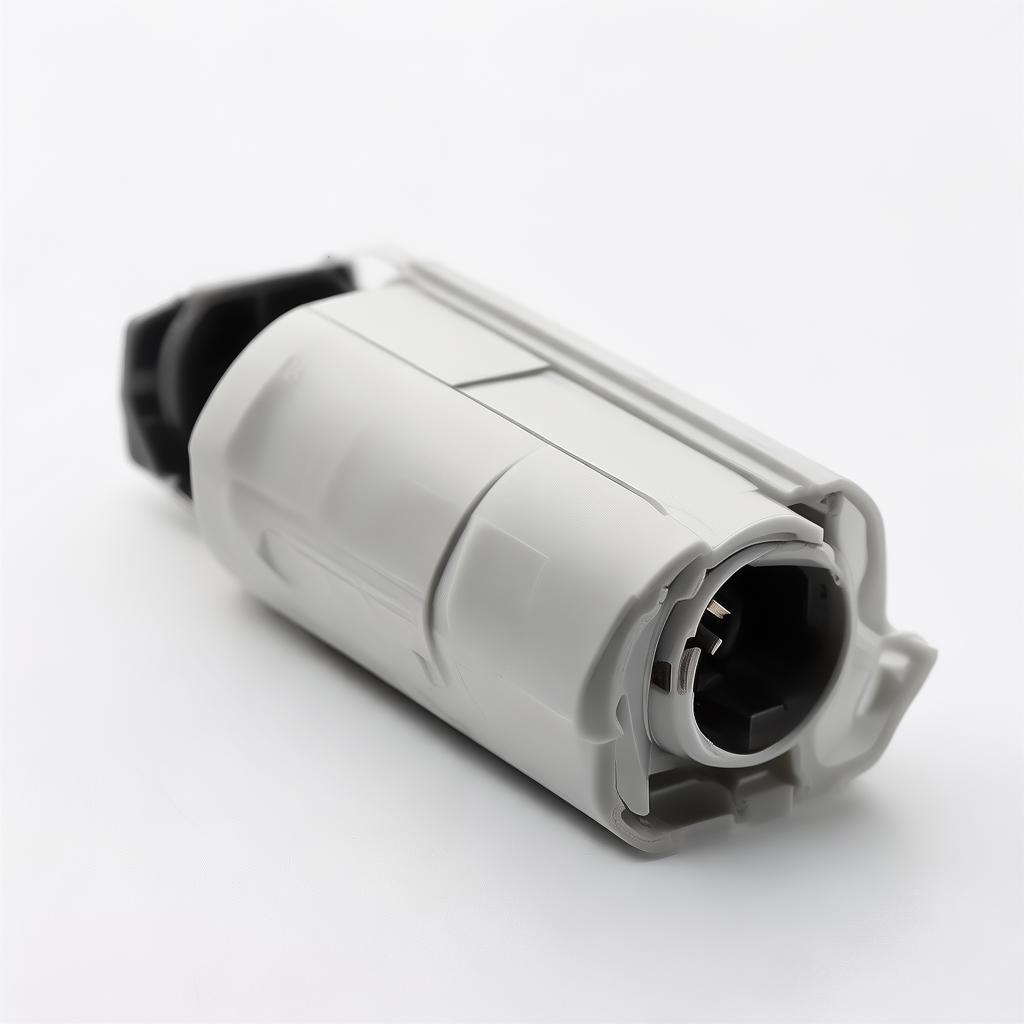
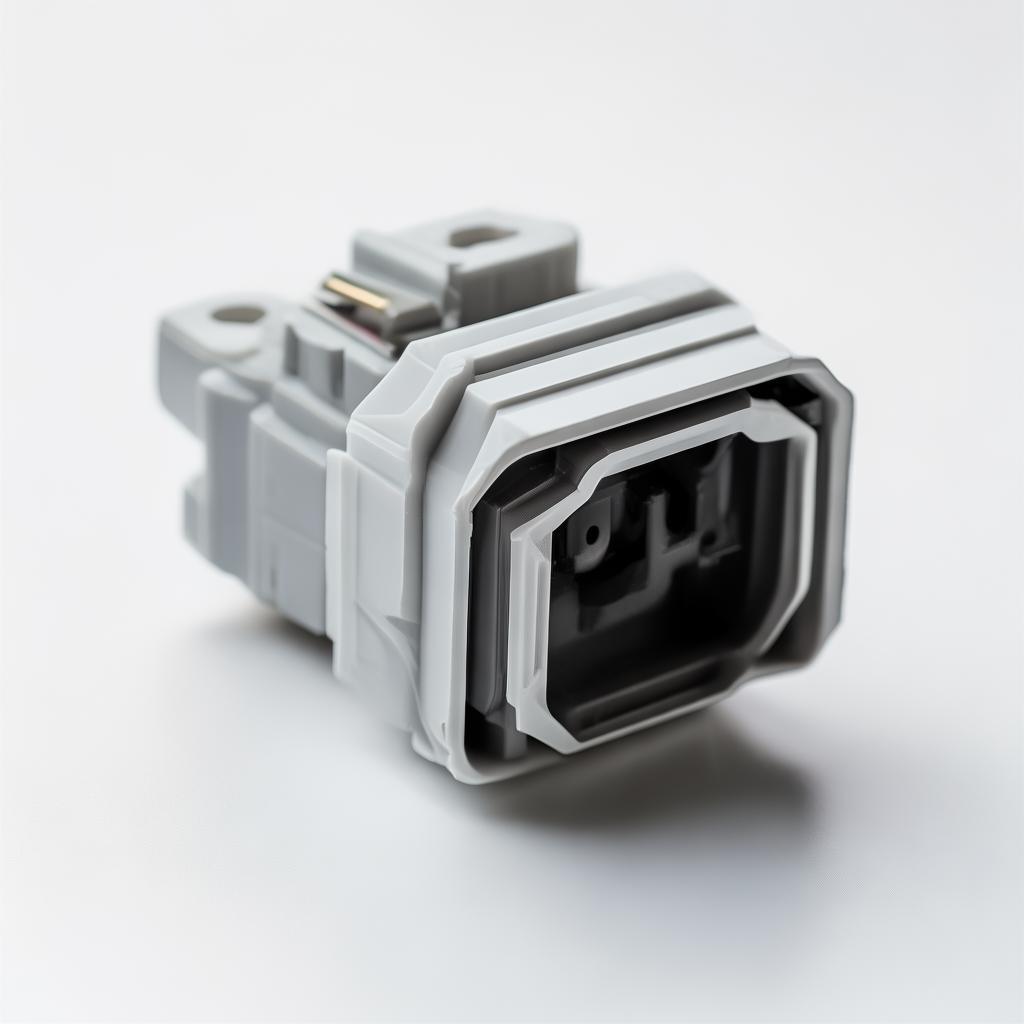
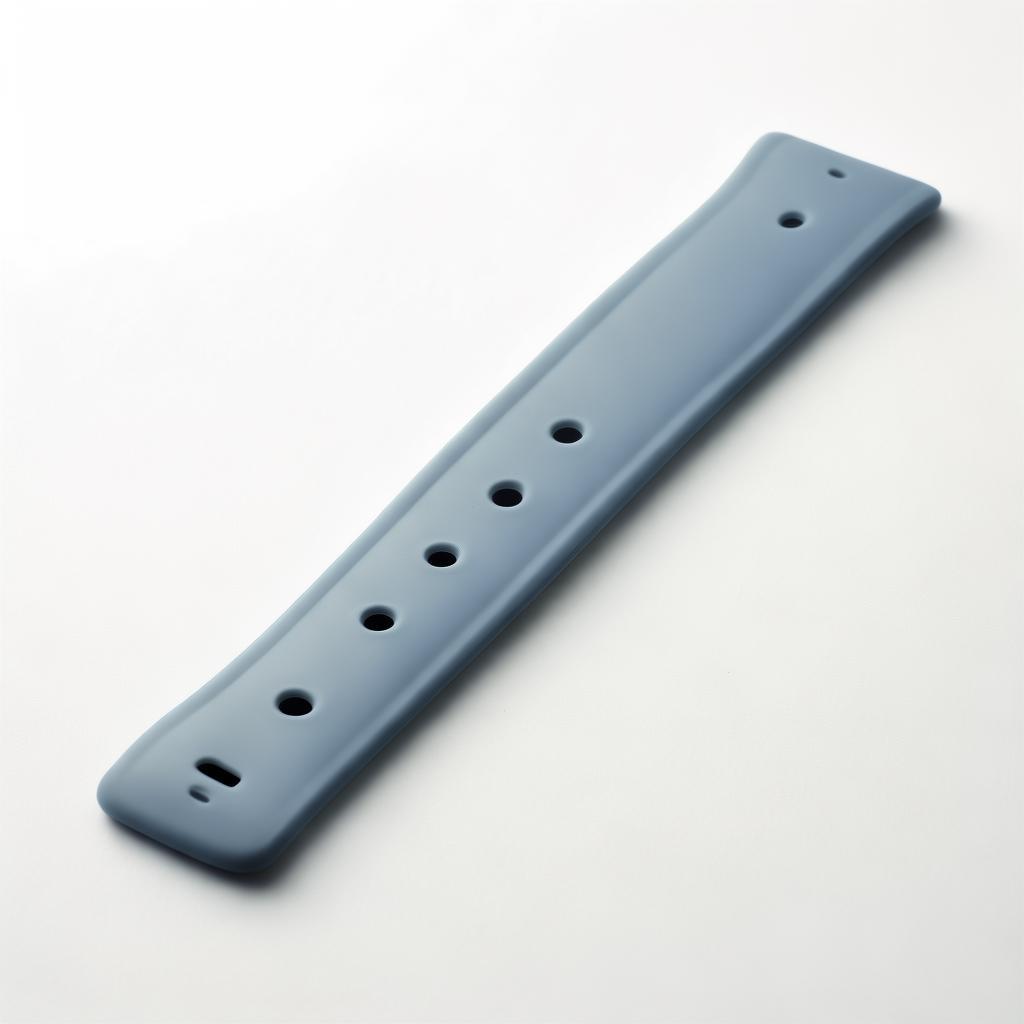
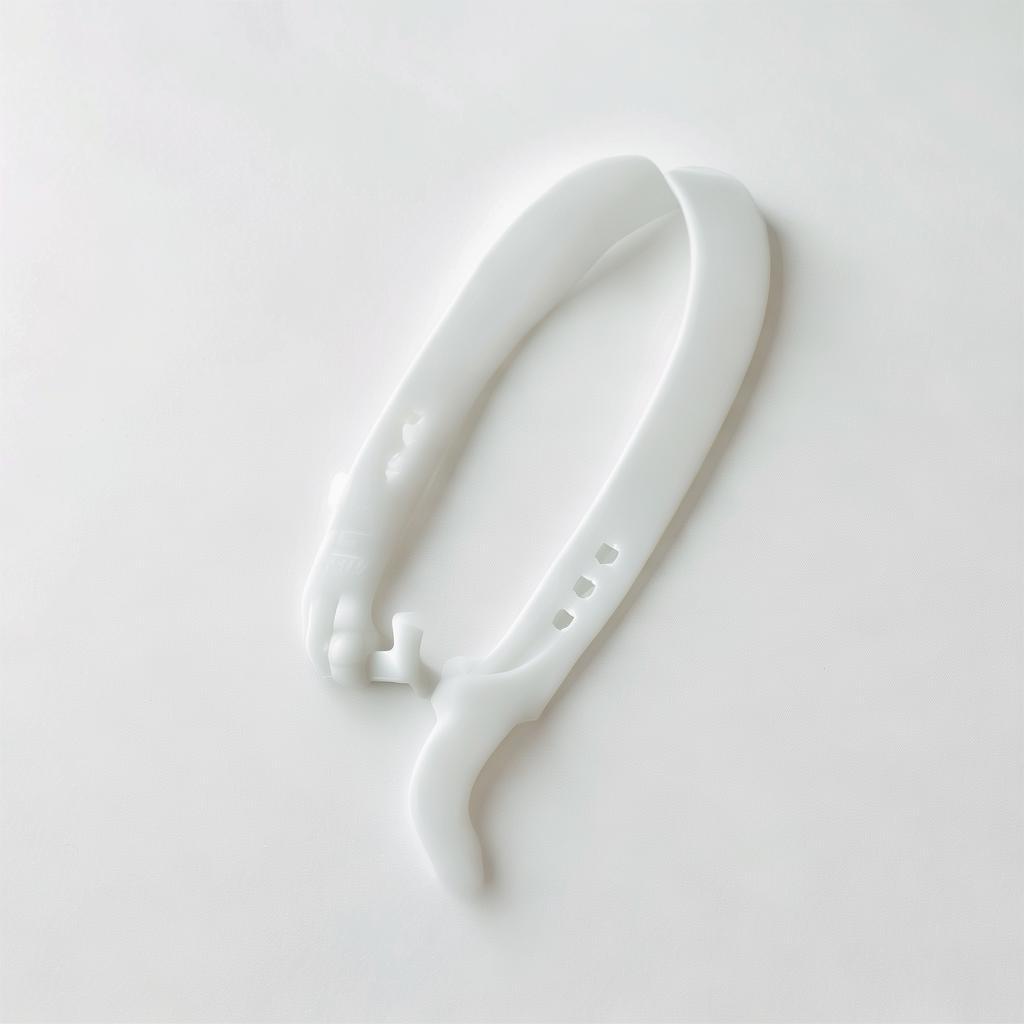
Advanced Solutions for Precision, Durability & Industrial Applications The processing of liquid silicone coated metal parts lies at the intersection of sophisticated material science and precision manufacturing. It offers a hybrid solution that harnesses
Product Details
Expert Processing of Liquid Silicone Coated Metal Parts
Advanced Solutions for Precision, Durability & Industrial Applications
Why Process Liquid Silicone Coated Metal Parts?
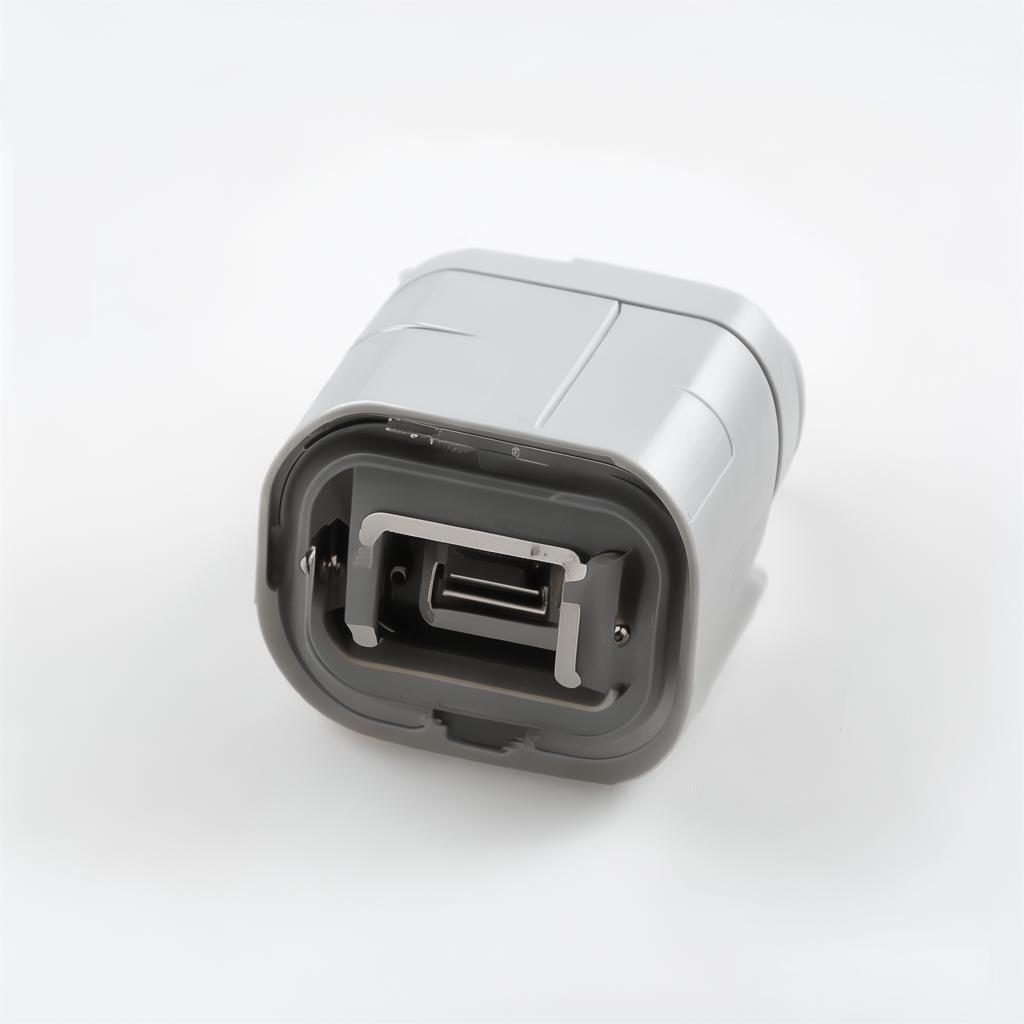
The processing of liquid silicone coated metal parts lies at the intersection of sophisticated material science and precision manufacturing. It offers a hybrid solution that harnesses the inherent strength and thermal conductivity of metals with the versatile, protective, and elastic properties of liquid silicone coating (LSC). This technology finds expanding use across demanding sectors—automotive, medical devices, consumer electronics, and industrial sealing—where performance and longevity can’t be compromised.
Manufacturers increasingly turn to liquid silicone-coated metals to address critical challenges like environment resistance, biocompatibility, and mechanical flexibility. Guangdong Yingtai High Precision Technology Co., Ltd., located in Dongguan, China, has perfected these processes over 20 years, integrating 55 LSR molding machines and over 80 injection molding units within a 35,000 square meter industrial park — a testimony to operational scale and expertise.
As the Liquid Silicone Rubber (LSR) market continues its steady growth—projected to reach nearly USD 5 billion globally by 2030 (GrandViewResearch)—liquid silicone coatings on metal parts are becoming crucial in producing reliable, high-performance finished products. This synergy between materials taps into the biocompatible, heat- and UV-resistant profile of silicone and the structural integrity of metal substrates.
However, achieving high-quality liquid silicone coated metal parts is far from trivial—careful mold design, precision coating methods, and strict process control must align with supply chain and logistics efficiency. This article draws on operational insights, technical knowledge, and procurement experience to guide decision-makers through the complexities of selecting, ordering, and implementing these advanced components.
Whether you’re a purchasing manager vetting suppliers or a technical engineer seeking better component life, staying informed on the nuances of this field can save substantial time, reduce waste, and ensure the parts reliably perform in their expected environments.
Industry Pain Points in Liquid Silicone Coated Metal Processing
Inconsistent coating adhesion: Achieving a uniform, robust bond between liquid silicone and metal substrates challenges even experienced facilities. Surface contamination and improper pre-treatment lead to delamination risks.
Cycle time variability: The distinct curing properties of LSR can cause unpredictable production cycle times—affecting order fulfillment, cost calculations, and supply consistency.
High tooling costs and complexity: Specialized molds for LSR over metal parts require durable, corrosion-resistant materials with strict venting and temperature control, dramatically increasing initial capital and upkeep.
Material compatibility issues: Selecting the right metal base (e.g., stainless steel, aluminum, or zinc alloys) and pairing it with compatible LSR grades is paramount to prevent premature failures in harsh environments.
Scaling volumes versus customization: Small batches with complex geometries often risk higher per-unit costs, while larger OEM runs demand consistent repeatability, driving investment in smart production lines.
Logistics & packaging: Silicone-coated metal parts require careful packaging solutions to avoid deformation or contamination during transport—especially when shipped internationally.
Technical Deep Dive: Processing Liquid Silicone Coated Metal Parts
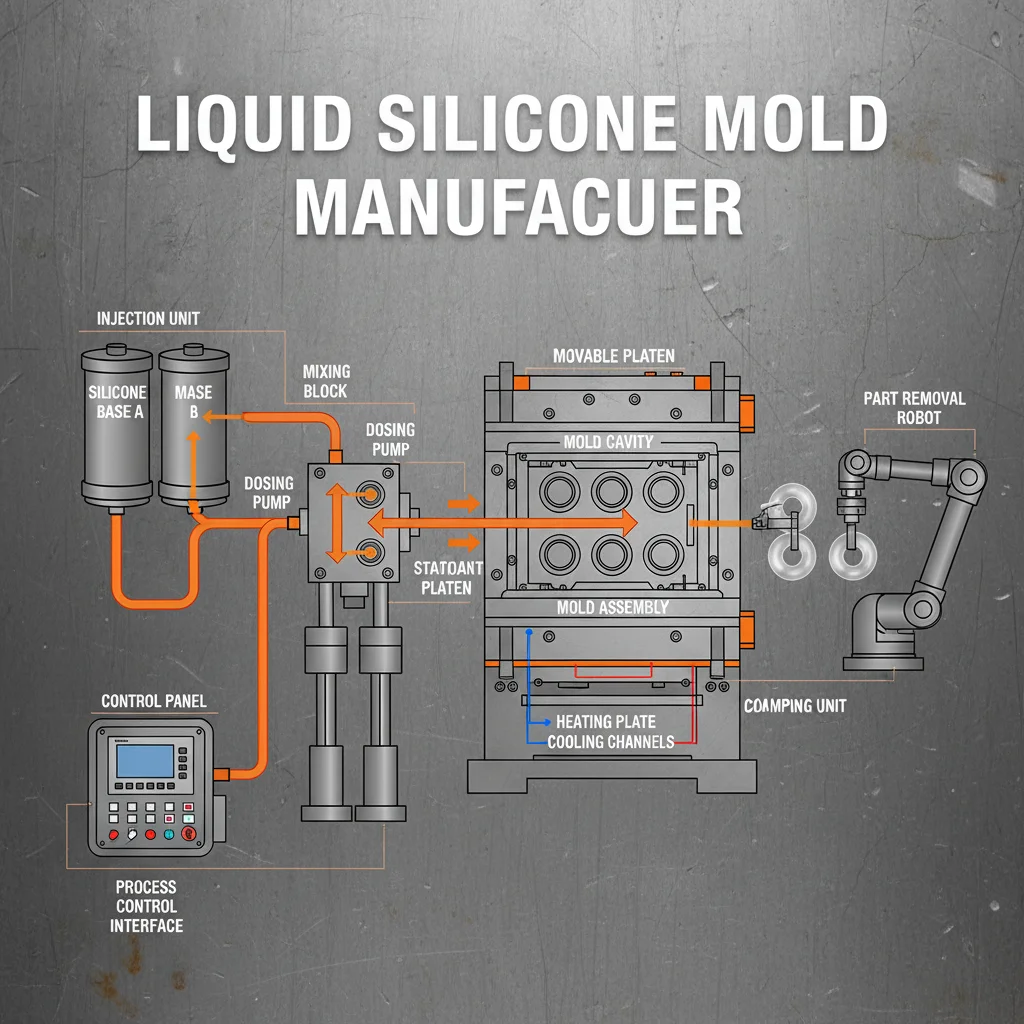
At the core, the coating process merges liquid silicone rubber injection molding with sophisticated metal surface preparation. The workflow usually involves these critical phases:
Substrate selection and pre-treatment: Metals such as stainless steel 304/316 or aluminum alloys undergo cleaning ultrasonic degreasing and plasma or corona discharge treatments to ensure optimal surface energy for silicone adhesion.
Mold design for overmolding: Designed with precision-engineered cavities, molds accommodate the metal part as an insert, enabling LSR to be injected around or on top of the metal with accurate control over thickness and shape.
Liquid silicone injection: LSR—often meeting ISO 10993 for biocompatibility or FDA food-grade compliance—is injected under controlled pressure and temperature settings. Proper rheological data integration ensures stable flow without air entrapment (per findings in MDPI [1]).
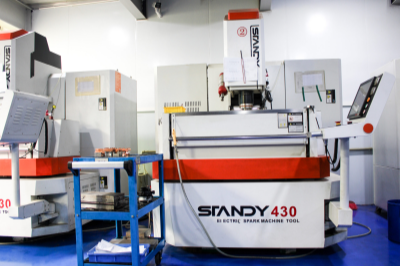
Curing and demolding: The LSR cures rapidly in heated mold cavities typically between 130-180°C. Cycle optimization minimizes waste while preserving dimensional precision, using electrical discharge machining (EDM) to extend mold life (Fraunhofer Research [4]).
Surface finishing and inspection: Post-molding inspection includes visual, dimensional, and adhesion testing to ensure coating uniformity and compliance with technical specifications.
It’s critical to monitor viscosity and curing kinetics accurately for reliable mold filling, as improper datasets can result in defects or suboptimal cycle times. Leading manufacturers employ CAE simulation combined with high-quality rheological input data to mitigate risks before production runs.
Yingtai's state-of-the-art LSR injection molding machines: delivering exacting coating on metal substrates.
Typical Technical Specifications for LSR Coated Metal Parts
The versatility of liquid silicone coated metals extends across many demanding use cases. Here are typical environments where the technology’s strengths shine:
Automotive industry: Sealing components and vibration-isolating parts in electric vehicle modules rely on the hybrid durability of LSR-coated metal, tolerating thermal cycling and exposure to oils and fuels.
Medical devices: Liquid silicone coatings provide biocompatibility and sterilization resistance for metal implants, surgical instruments, and diagnostic sensor housings.
Consumer electronics: Waterproof protective cases, buttons, and connectors use the silicone coating for anti-slip, shock absorption, and environmental protection.
Industrial machinery: Silicone layers act as durable seals and insulating barriers on metal components subject to chemical exposure or abrasive wear.
Wearable technologies: The flexible coating on metal frames offers comfortable skin contact and resistance to sweat and UV exposure.
Buyers should consider the specific operational stresses—such as temperature ranges, exposure to chemicals, and mechanical wear—and choose the right silicone hardness, thickness, and metal base accordingly. High-precision mold designs allow multi-function parts integrating overmolded connectors, buttons, or sealing lips.
Selecting a reliable supplier for liquid silicone coated metal parts demands more than just price comparison. Here are operational lessons and risk mitigation tips:
Inspect factory capabilities: A supplier with integrated mold development and in-house LSR injection molding ensures full process control and faster troubleshooting.
Test sample quality thoroughly: Check coating adhesion with peel tests, surface finish consistency, and silicone hardness within tolerance.
Ask for compliance certificates: ISO 9001, RoHS, FDA (if medical/food-grade), and UL certifications indicate mature quality systems and regulatory adherence.
Consider lead times realistically: LSR tooling tends to lengthen initial production schedules; confirm supplier’s ability to deliver prototypes and scale efficiently.
Negotiate for MOQ flexibility: Start with smaller production batches to validate fit and function before committing to large orders.
Clarify packaging & logistics: Damage prevention during shipping requires anti-static, moisture control, and secure cushioning practices, particularly for delicate LSR coatings.
Leverage OEM/ODM options: Partnering with vendors offering mold design and product development services reduces your in-house burden and risk.
Note: Procuring liquid silicone coated metal parts can be complex. Misinterpreting technical specifications or overlooking material compatibility often results in costly redesigns. Engage early with your supplier’s engineering team to clarify questions and co-develop solutions.
Operational pro tip: Suppliers like Guangdong Yingtai High Precision have invested heavily in precision tooling and modern molding lines, supported by a 500-strong professional team, offering a single-source solution for LSR coating and metal integration.
Standards, Certifications & Factory Capabilities
In highly regulated fields like medical devices and automotive, compliance with industry standards is non-negotiable. Important certifications for liquid silicone coated metal parts include:
ISO 9001: Quality management system ensuring consistent production processes.
RoHS & REACH: Confirm restrictions on hazardous substances in coatings and metals.
FDA Compliance: For silicone materials intended for food contact or implantable medical devices.
UL Certification: For electrical safety relevant in consumer electronics parts.
Guangdong Yingtai's factory features:
55 liquid silicone molding machines calibrated for different Shore hardness production.
20 solid silicone hydraulic presses for custom shaping and finishing.
More than 30 precision mold-processing devices, including CNC and EDM, ensuring exacting tooling standards.
Over 20 high-end testing instruments for adhesion, hardness, tensile strength, and dimensional check.
Buyer Frequently Asked Questions (FAQs)
Q1: How do I ensure adhesion between LSR and metal?
Proper metal surface preparation including degreasing, plasma or corona treatment, and sometimes primer application are key. Adhesion failure often traces back to inadequate cleaning or incompatible substrate selection.
Q2: What tolerances can be expected on coating thickness?
Typical tolerance is ±0.1 mm. Yingtai’s advanced molds maintain this consistency even for thin coatings down to 0.5 mm.
Q3: Are small production runs economically feasible?
Yes, but tooling costs are proportionally higher. Modular molds and flexible line setups help reduce initial investment for small batches.
Q4: Can you provide OEM/ODM services for custom designs?
Guangdong Yingtai offers both OEM and ODM, including mold design, prototype development, and mass production.
Q5: What is a typical lead time for standard orders?
Sample development usually takes 15-30 days; full production lead times range from 4-8 weeks depending on order size and tooling complexity.
Customer Reviews & Real-World Feedback
John M., Procurement Manager (Michigan, USA)
"After switching to Yingtai's liquid silicone coated metal seals, our product assembly sees fewer leakages even under aggressive temperature cycles. The on-time delivery and communication helped us avoid costly downtime."
Get in Touch
If you have any camping barbeque equipment inquiry, please feel free to contact us.