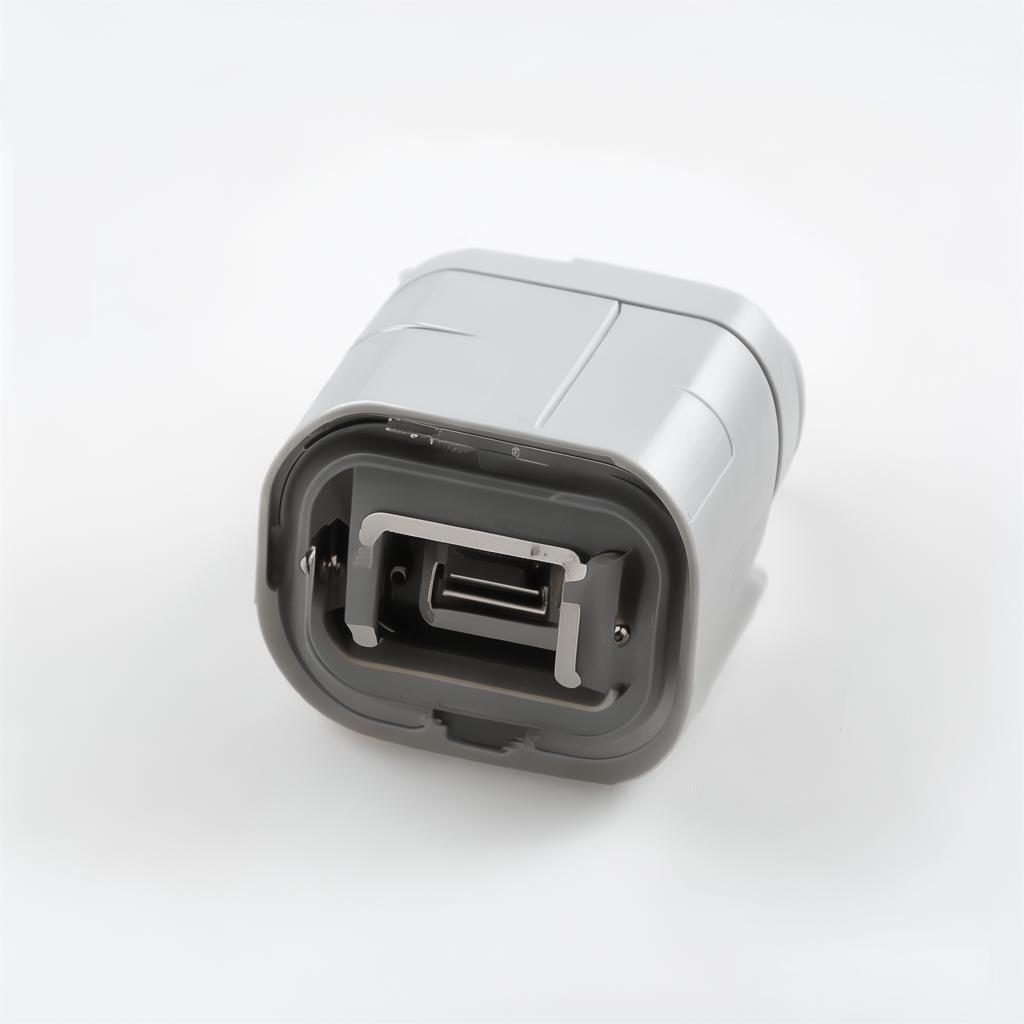
Expert Insights from Guangdong Yingtai High Precision Technology Co., Ltd. Working with liquid silicone encapsulated parts comes with its fair share of operational and manufacturing hurdles. Most purchasing managers and technical teams face challenges
Product Details
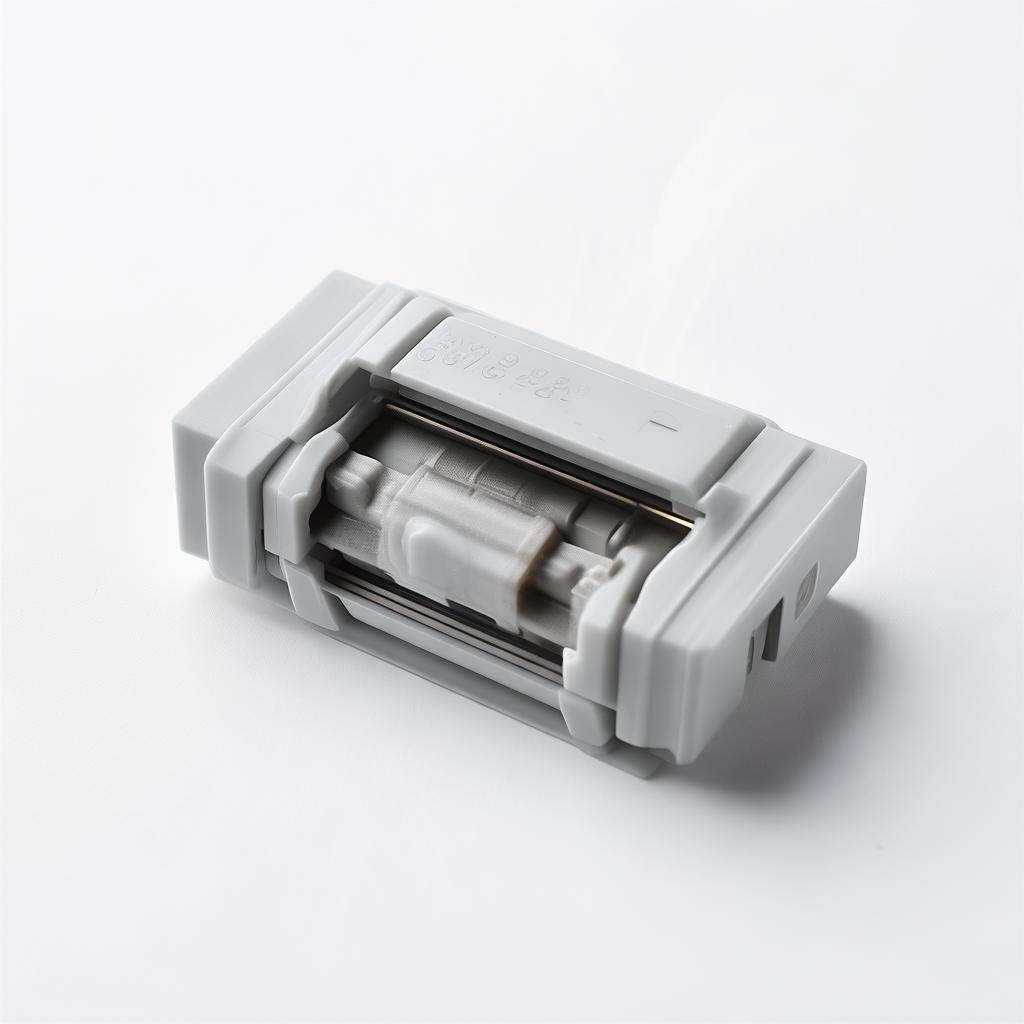
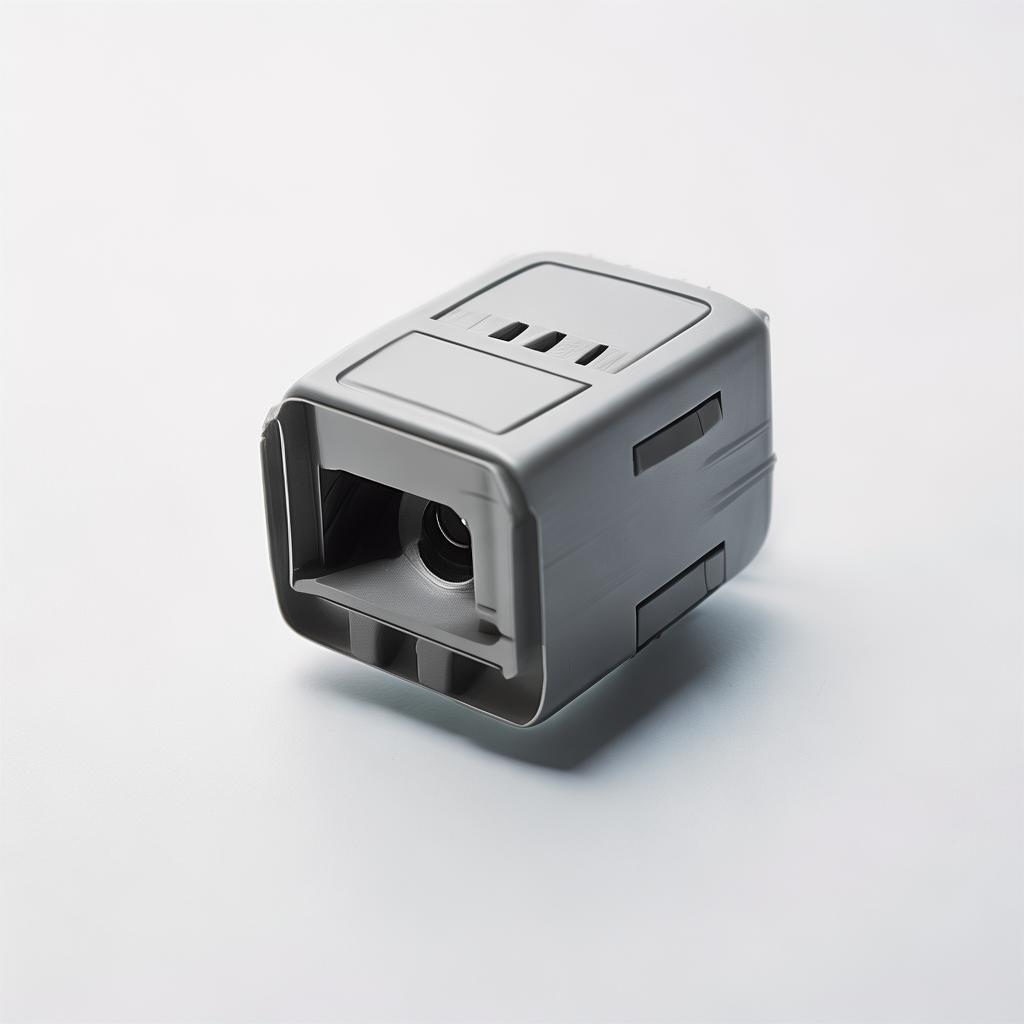
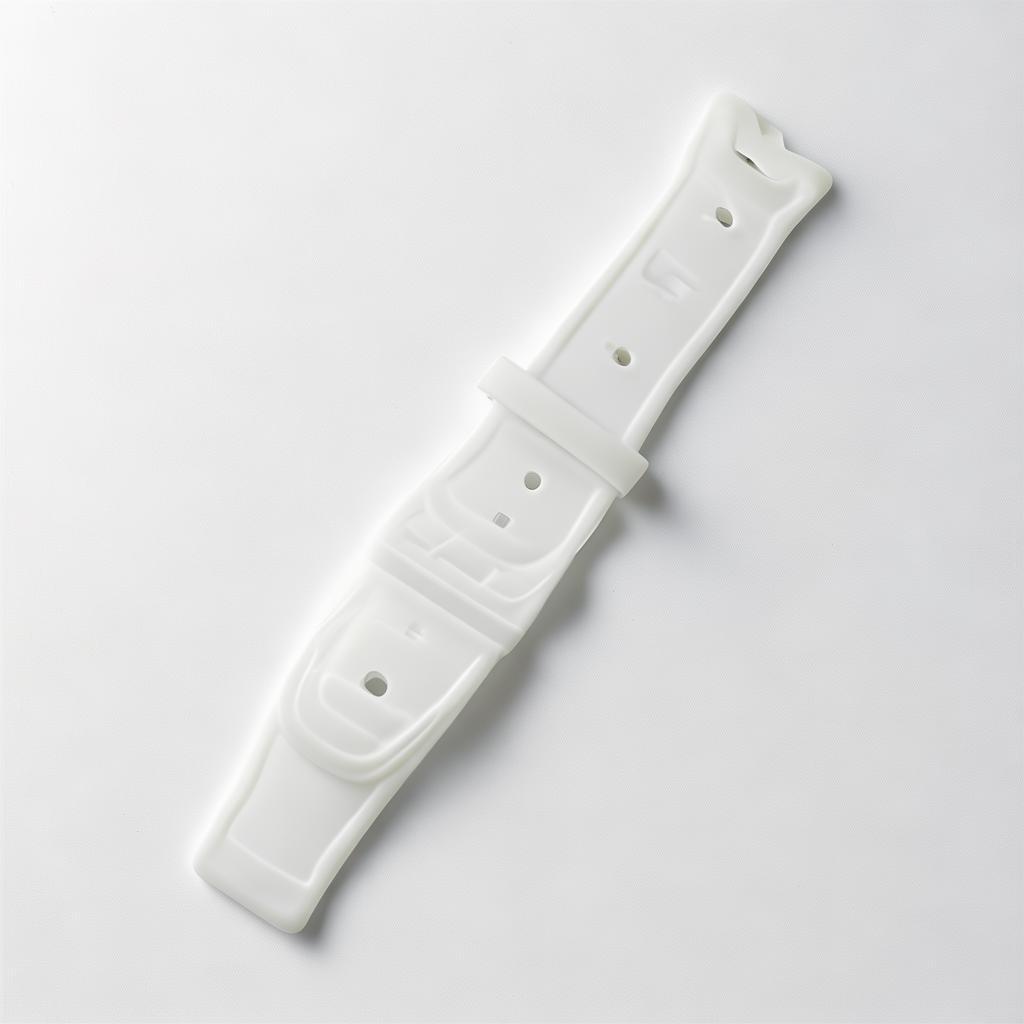
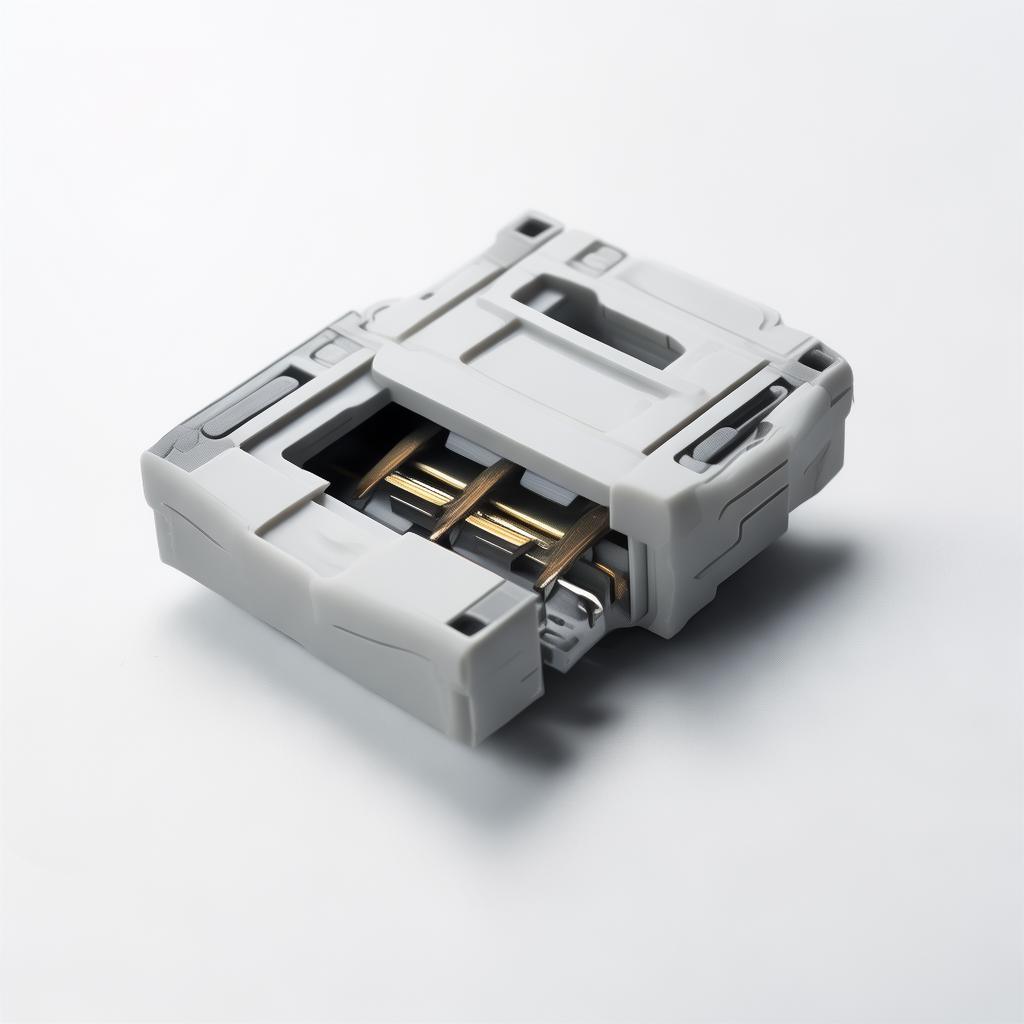
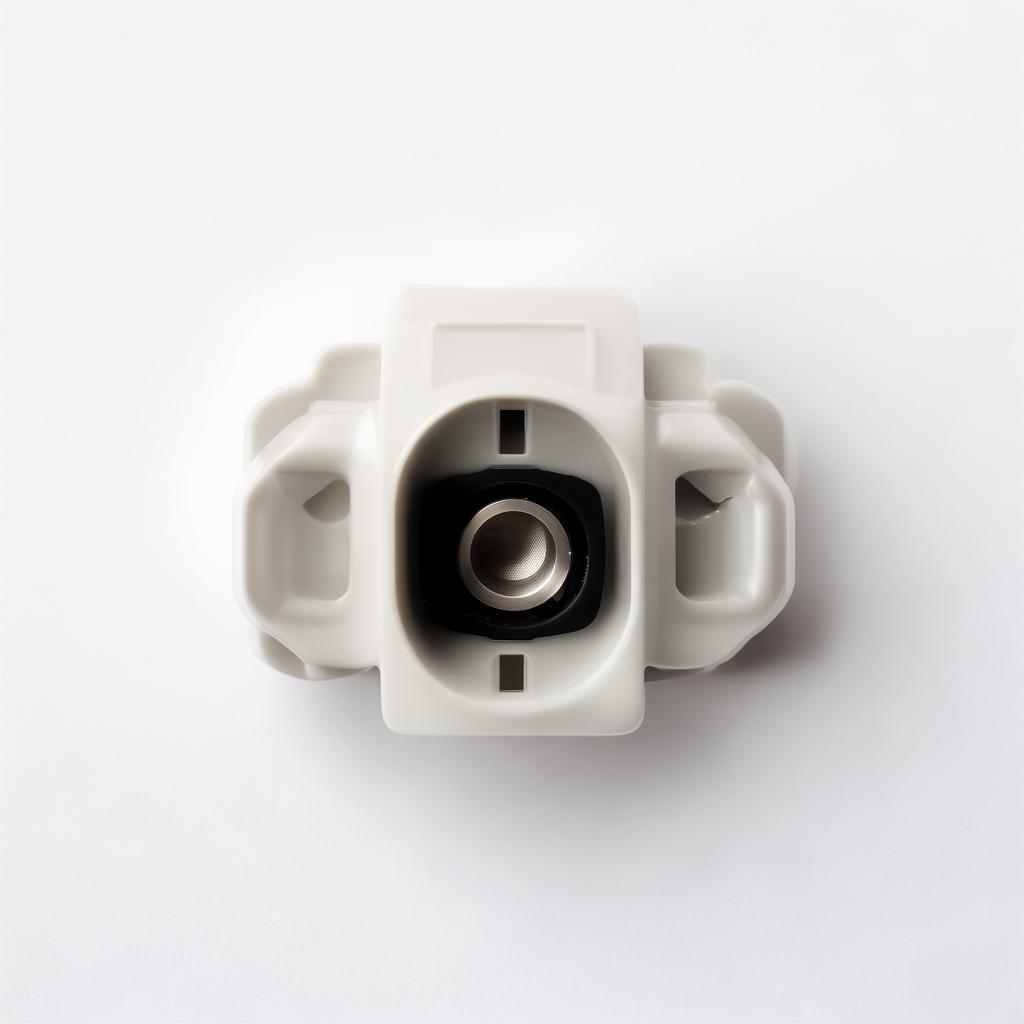
Processing of Liquid Silicone Encapsulated Parts
Expert Insights from Guangdong Yingtai High Precision Technology Co., Ltd.
Industry Pain Points in Liquid Silicone Encapsulation
Working with liquid silicone encapsulated parts comes with its fair share of operational and manufacturing hurdles. Most purchasing managers and technical teams face challenges such as inconsistent cure cycles, material waste during injection molding, and dimensional instability caused by improper mold tooling or suboptimal process parameters. These issues often lead to increased rework rates and supplier disputes.
Moreover, the complex nature of liquid silicone rubber (LSR) itself introduces product design constraints and process sensitivity. For example, air entrapment or bubbles during molding are common defects especially in encapsulated parts with tight tolerances and intricate geometries. An untrained production team might overlook critical venting system designs or fail to adjust processing temperatures properly, resulting in compromised mechanical performance and durability.
On the procurement side, sourcing OEM/ODM suppliers with robust quality control and compliance certifications can be daunting. Fast lead times are often promised but rarely delivered without sacrificing product consistency or traceability. Equally, complex logistics due to worldwide shipping restrictions on silicone materials require careful planning from exporters and importers alike, especially considering climate sensitivity and packaging requirements.
In short: Without precise process control, supplier expertise, and logistical foresight, liquid silicone encapsulated part projects risk delays, inflated costs, and performance shortfalls.
Technical Deep Dive: Manufacturing and Processing Insights
The core of liquid silicone encapsulated parts processing lies in the liquid injection molding (LIM) technique. It demands specialized molds featuring precision cavities, often made from high-grade steel or aluminum alloys, designed to endure rigorous thermal cycling and repeated use. Our facility at Guangdong Yingtai High Precision Technology Co., Ltd. operates 55 LSR molding machines coupled with over 30 advanced test instruments to monitor curing consistency and product integrity.
Process parameters such as injection pressure, mold temperature, and curing time must be meticulously balanced. Misalignment may cause incomplete fills, flash formation, or internal voids. Industry research, including findings from MDPI, stresses that quality rheological and thermal data underpin simulation accuracy and ultimately reduce defects.
Material-wise, liquid silicone rubber offers superior thermal stability (resistance up to 250°C), excellent biocompatibility, and durable mechanical properties such as high elongation and tear strength. It outperforms conventional thermoplastics in harsh environments and in applications requiring repeated flexing or chemical exposure.
Key production workflow stages:
Material pre-treatment and vacuum deaeration to remove air bubbles
Precision metering and two-component mixing to ensure proper silicone crosslinking
Injection molding with temperature-controlled tooling and hydraulic presses
Curing inside maintainable mold temperature zones optimized for cycle efficiency
Post-mold inspection using dimensional gauges, durometers, and advanced surface analyzers
Our production chain integrates these with a smart manufacturing system, connecting mold development to product delivery, which synchronizes quality checkpoints and traceability, a vital factor emphasized in customer procurement evaluations.
Typical Application Scenarios for LSR Encapsulated Parts
The versatility of liquid silicone encapsulated parts extends across multiple industries, reassuring buyers of their adaptability. Below are examples reflecting current demand trends and product functionality:
Our expertise extends beyond conventional bulk production. We support OEM/ODM customization, tailoring silicone hardness, color, and precision tolerance to meet project-specific demands—critical in sectors like smart wearables and medical electronics where integration challenges abound.
Practical Procurement Guidance and Supplier Evaluation
Purchasing professionals targeting liquid silicone encapsulated parts must navigate multiple nuances to minimize risk and maximize ROI. Some factual observations from procurement advisors and industry consultants include:
Supplier Factory Capability: Ensure the supplier operates fully integrated chains, covering precise mold design, multi-shot injection, and comprehensive quality testing. Guangdong Yingtai exemplifies this with over 80 injection molding machines and a skilled workforce of 500+ staff.
Certifications to Watch: Ask for ISO 9001 compliance, CE for European markets, FDA and RoHS if parts contact food or electronics. These certifications validate process control and material safety.
Sample and Prototyping Lead Time: Industry best practices deliver prototypes within 15 to 20 working days depending on mold complexity. Avoid suppliers who cannot demonstrate timely iterations.
Material Traceability: Confirm raw material batch records and mix ratios, especially in complex two-component LSR molding contracts to ensure reproducibility.
Logistics & Packaging: Silicone encapsulated parts are sensitive to dust and contamination. Vendors should deploy electrostatic dissipative packaging and regulate shipment conditions, minimizing transit damage.
Remember, price alone should not dictate choice. Operational reliability, delivery consistency, and supplier communication remain decisive factors in global trade contracts for precision silicone products.
Certifications & Quality Assurance at Yingtai
At Guangdong Yingtai High Precision Technology, we adhere to rigorous international quality frameworks proven to satisfy demanding buyers in regulated markets:
ISO 9001: Quality Management System ensuring consistent process documentation and product quality checkpoints.
CE marking for compliance with European product safety, health, and environmental requirements.
FDA approved materials suitable for medical and food-contact silicone components.
RoHS compliance ensuring elimination of hazardous substances, critical for electronics encapsulation.
Our in-house Quality Control team leverages advanced non-destructive testing equipment alongside manual inspection to ensure defective parts are caught early, maintaining a defect rate consistently below 0.2%. Such figures represent real operational efficiency rather than inflated promises.
Installation and Logistics Insights for Liquid Silicone Parts
From an operations manager’s perspective, foreseeable installation challenges can be dramatically reduced through design for manufacturability and supplier coordination. Several recommendations include:
Packing Configuration: Bulk parts should be transported in custom trays or bins with anti-slip backing and shock-absorbing inserts. This forestalls deformation and ensures form retention during sea or air freight.
Climate Control: Though silicone is temperature resilient, excessive exposure to UV and dust en route can degrade surface finish. Prioritize shipments with protective coverings and seal integrity checks pre-shipment.
Installation Efficiency: Many field engineers report that liquid silicone encapsulated seals with OEM/ODM preset tolerances reduce installation time by 10–15% compared to traditional rubber gaskets, mainly due to consistent dimensions and simpler fitment.
Maintenance Advice: Silicone parts benefit from minimal preventive maintenance but environmental exposure should be monitored. For example, oils and acids may degrade certain formulations over time. Periodic inspection is advised to preempt premature failure.
Logistic planning also includes container loading optimization. Our export team routinely configures pallet layouts to maximize container yield while minimizing part stress. We actively communicate with clients to tailor shipping plans, accounting for their warehouse constraints.
Buyer FAQs: Clearing Common Queries
Q1: What distinguishes liquid silicone encapsulated parts from solid silicone or thermoplastic alternatives?
Liquid silicone offers superior molding precision, especially for elaborate shapes and thin sections. It cures rapidly under heat, producing biocompatible, flexible, and thermally stable parts that outperform many thermoplastics in chemical resistance and mechanical longevity.
Q2: How long is typical lead time for mass-produced encapsulated silicone parts?
While prototype cycles might be under 20 days, full-volume orders generally require 30–50 working days depending on tooling complexity and order size. Planning ahead ensures alignment and mitigates rush fees.
Q3: Can you manufacture multi-color or multi-shore hardness parts via LSR?
Yes, multi-shot injection molding enables overmolding with varying silicone grades or colors, providing functional gradation or aesthetic variety. Our facility deploys machines dedicated to multi-component molding for such applications.
Q4: Are your liquid silicone materials FDA compliant and suitable for medical use?
We supply medical-grade LSR capable of meeting FDA standards for food and medical contact. Certification documents are available upon request, and we follow GMP protocols where applicable.
Q5: What packaging options do you provide for export shipments?
Standard packaging includes anti-static PE bags, corrugated boxes with foam inserts, and pallets wrapped for weatherproofing. Customized packaging is offered to meet client-specific shipment and storage requirements.
What Our Customers Say
John Patel – Procurement Manager, MedTech Co.
“Transitioning to Yingtai for our liquid silicone encapsulated seals significantly cut our defect rate. Their meticulous tooling and process control helped us meet tight FDA audits. Communication and on-time deliveries make them a reliable partner.”
Get in Touch
If you have any camping barbeque equipment inquiry, please feel free to contact us.



 ISO 9001: Quality Management System ensuring consistent process documentation and product quality checkpoints.
 CE marking for compliance with European product safety, health, and environmental requirements.
 FDA approved materials suitable for medical and food-contact silicone components.
 RoHS compliance ensuring elimination of hazardous substances, critical for electronics encapsulation.