Processing Of Liquid Silicone Encapsulated Plastic Parts
Processing Of Liquid Silicone Encapsulated Plastic Parts
High-performance, precision-engineered liquid silicone encapsulated plastic parts offer superior durability, flexibility, and environmental resistance tailored for advanced industries like automotive, medical, and consumer electronics. Processing liquid silicone encapsulated plastic parts brings a unique set
Product Details
Processing of Liquid Silicone Encapsulated Plastic Parts
High-performance, precision-engineered liquid silicone encapsulated plastic parts offer superior durability, flexibility, and environmental resistance tailored for advanced industries like automotive, medical, and consumer electronics.
Navigating Industry Challenges in Silicone-Encapsulated Plastic Parts
Processing liquid silicone encapsulated plastic parts brings a unique set of challenges that procurement and operations professionals frequently encounter. While these parts promise enhanced sealing, flexibility, and chemical resilience, many buyers find themselves wrestling with inconsistent material compatibility, unpredictable molding defects, and supply chain bottlenecks.
One of the recurring issues is poor adhesion between silicone and substrate plastics, especially when working with ABS or PC materials. This can lead to delamination under stress or environmental exposure, impacting the lifecycle of components. A technical oversight in mold design or curing cycles often contributes to such failures. As pointed out in recent studies, process parameter optimization plays a crucial role in improving interface reliability for multi-material parts.
Additionally, insufficient understanding of thermal expansion differences between silicone encapsulation and plastic cores can cause warping or tension fractures. Buyers sourcing components without clear thermal management plans risk higher reject rates and costly retooling.
Logistics and lead times represent another bottleneck. Because LSR injection molding requires expensive, specialized tooling, switching suppliers mid-production or scaling volumes swiftly is often problematic. For importers, delayed container slots and limited factory capacity further compound scheduling risks.
Material mismatch and surface treatment inadequacies affecting bonding strength
Process variability causing dimensional inconsistencies and flash defects
Long tooling lead times impacting delivery flexibility
Complex certification requirements related to medical and electronics-grade components
Difficulty optimizing supply chains for multi-component overmolding orders
Practical Insight: Aligning with a manufacturer possessing integrated mold development and advanced testing capabilities drastically reduces scrap and accelerates ramp-up.
Technical Deep Dive: Understanding LSR Encapsulation Processes
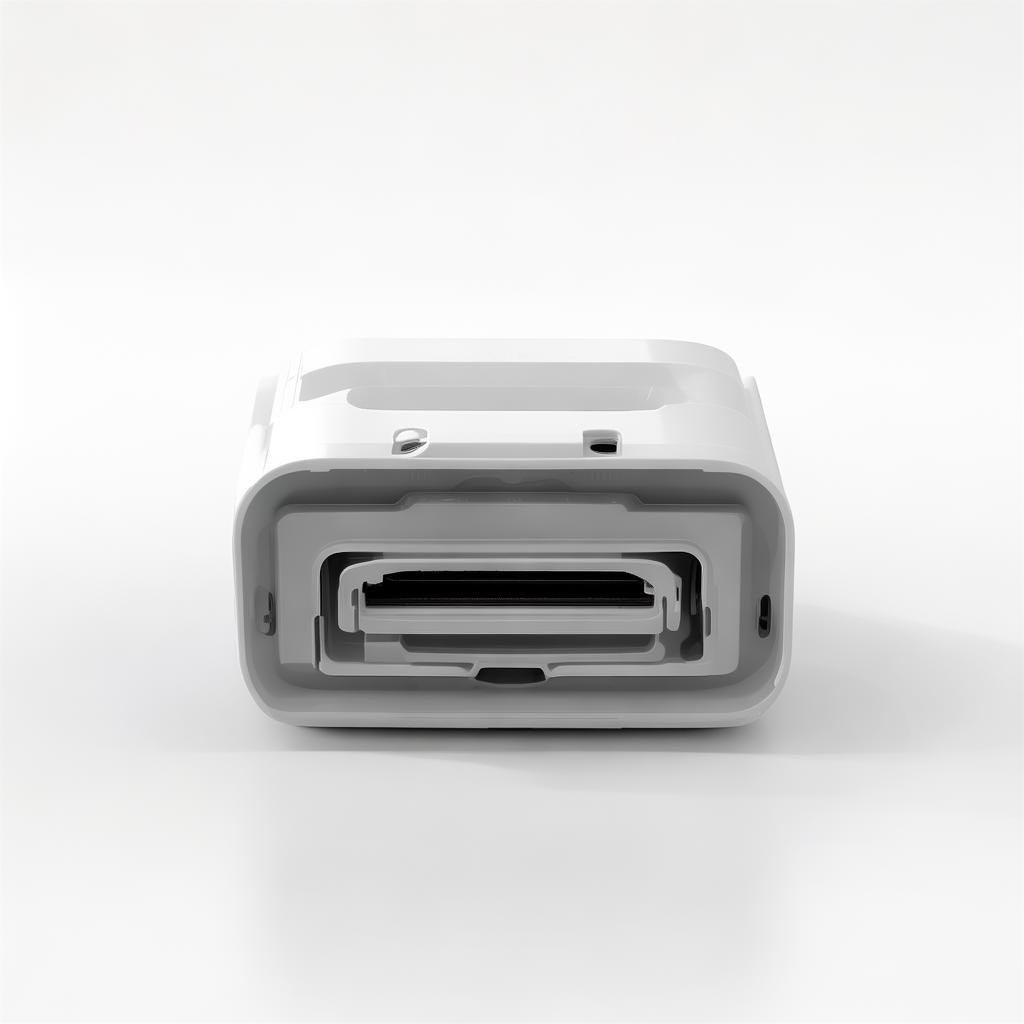
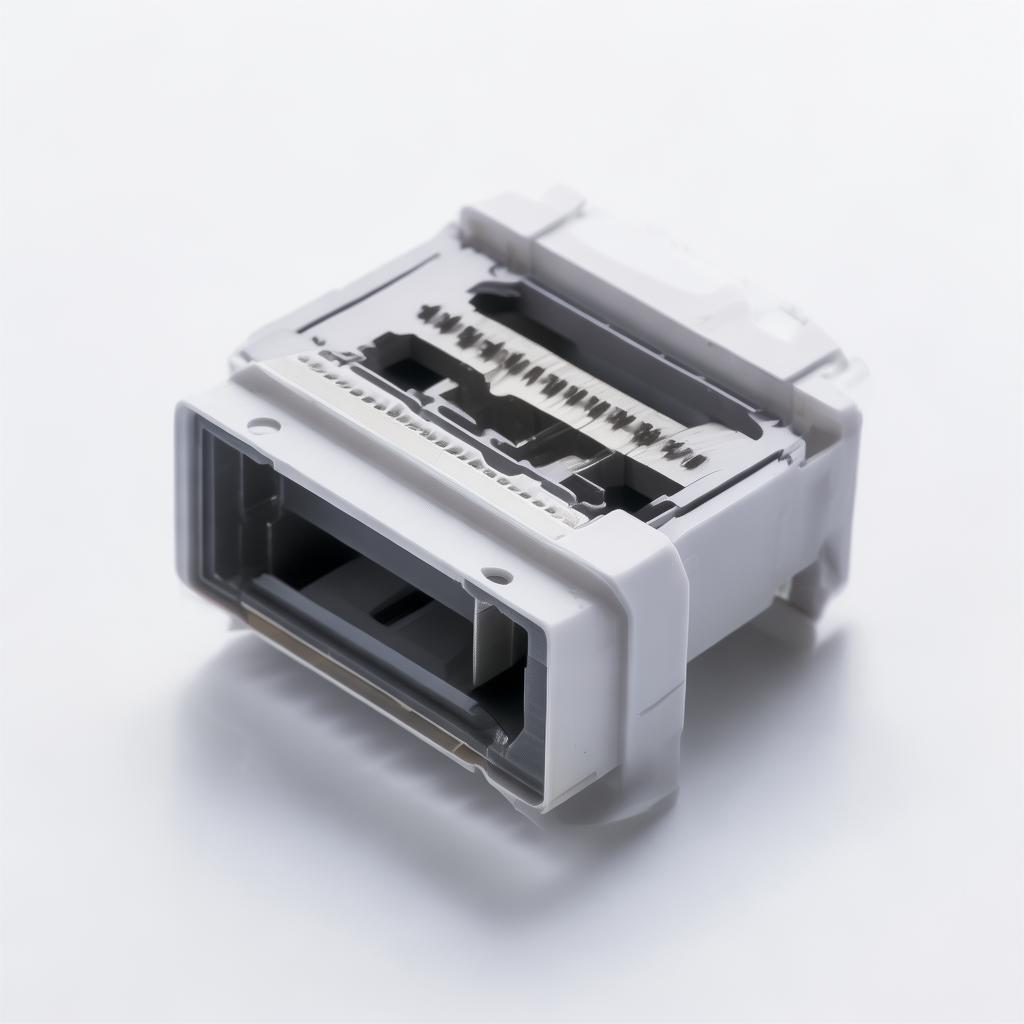
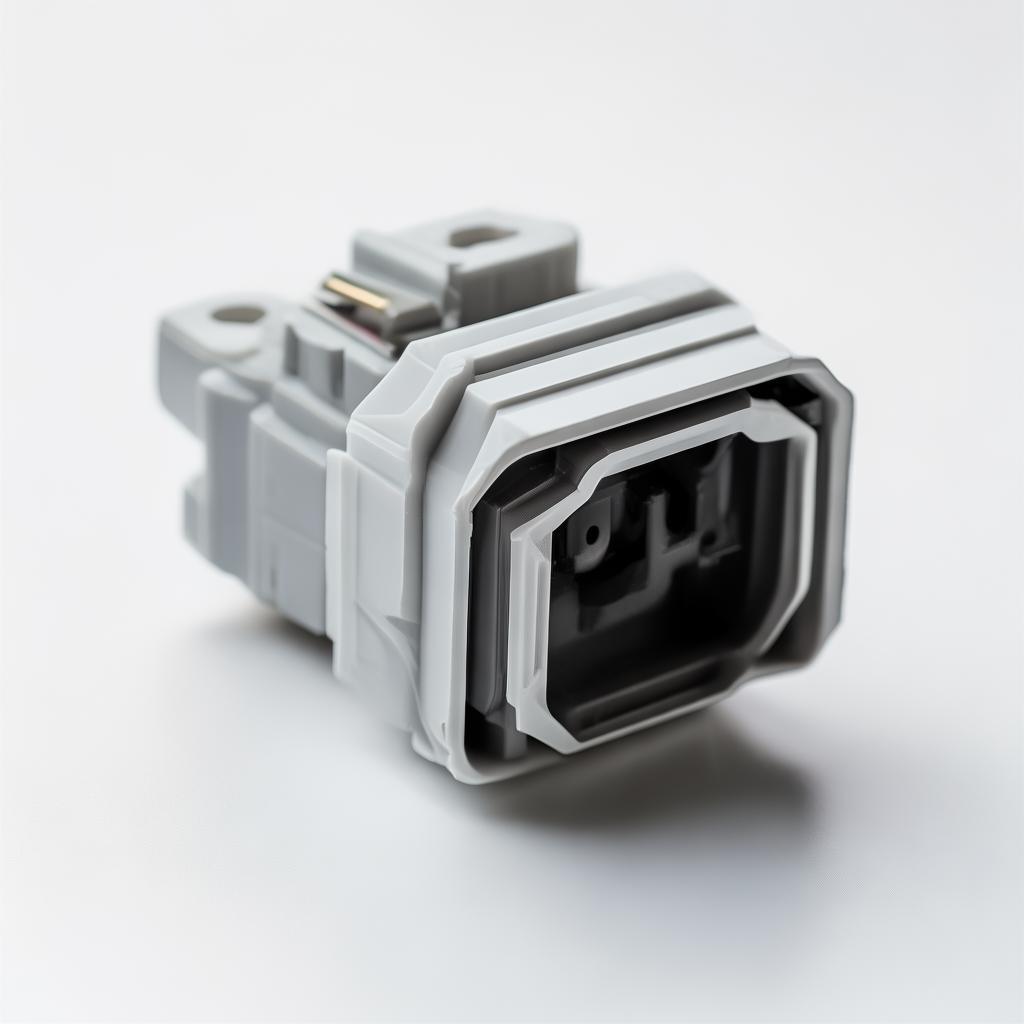
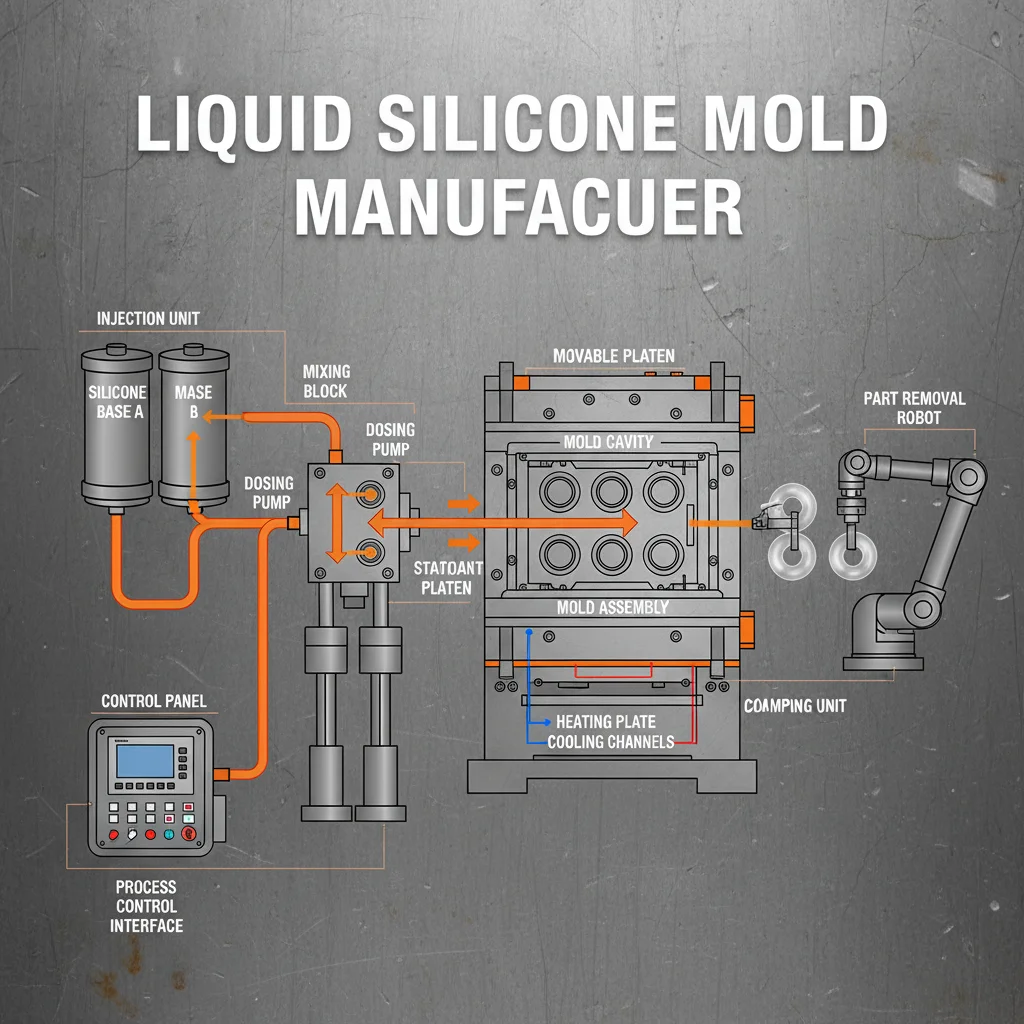
In essence, liquid silicone encapsulated plastic parts combine the mechanical stability of plastic substrates with the chemical and environmental resilience of liquid silicone rubber (LSR). The process begins with injection molding of the plastic core, followed by a precision overmolding step where LSR is injected to encapsulate or seal the part. This two-shot injection molding demands close process integration and material compatibility.
Material science matters. LSR’s vulcanization kinetics and rheological behavior influence the encapsulation quality. Insufficient curing or incorrect mold temperature can trap air, causing bubbles and internal weaknesses. Research such as the MDPI study on material characterization for LSR injection molding simulation highlights the importance of accurate thermal and viscosity data for precise process control.
Our facility utilizes precision mold temperature controllers and closed-loop monitoring to stabilize curing, reducing cycle variability to within a single percentage point. Additionally, multi-cavity mold balancing ensures consistent flow, eliminating flash or incomplete filling — common pain points in the industry.
Parameter
Typical Range
Notes
Mold Temperature
40°C – 80°C
Critical to cure rate and surface finish
Injection Pressure
500 – 1200 bar
Must be optimized per part geometry
Cycle Time
30 – 90 seconds
Variable by part complexity and size
Plastic Substrate
ABS, PC, PBT, PP
Material selection impacts bonding
Silicone Hardness (Shore A)
20 – 70
Customized per application needs
In practice, a tightly coupled mold design and optimized curing profile reduces internal stresses, avoiding part distortion. We incorporate vacuum-assisted molding to cut entrapped air and minimize bubbles, a technique proven effective by the Springer study on vacuum silicone molding for soft robotics.
Key Application Scenarios Elevating Performance with LSR Encapsulation
The versatility of liquid silicone encapsulated plastic parts is increasingly tapped across industries where durability and environmental protection are non-negotiable.
New energy vehicles: LSR seals in battery packs and sensor housings withstand harsh thermal cycling and moisture ingress.
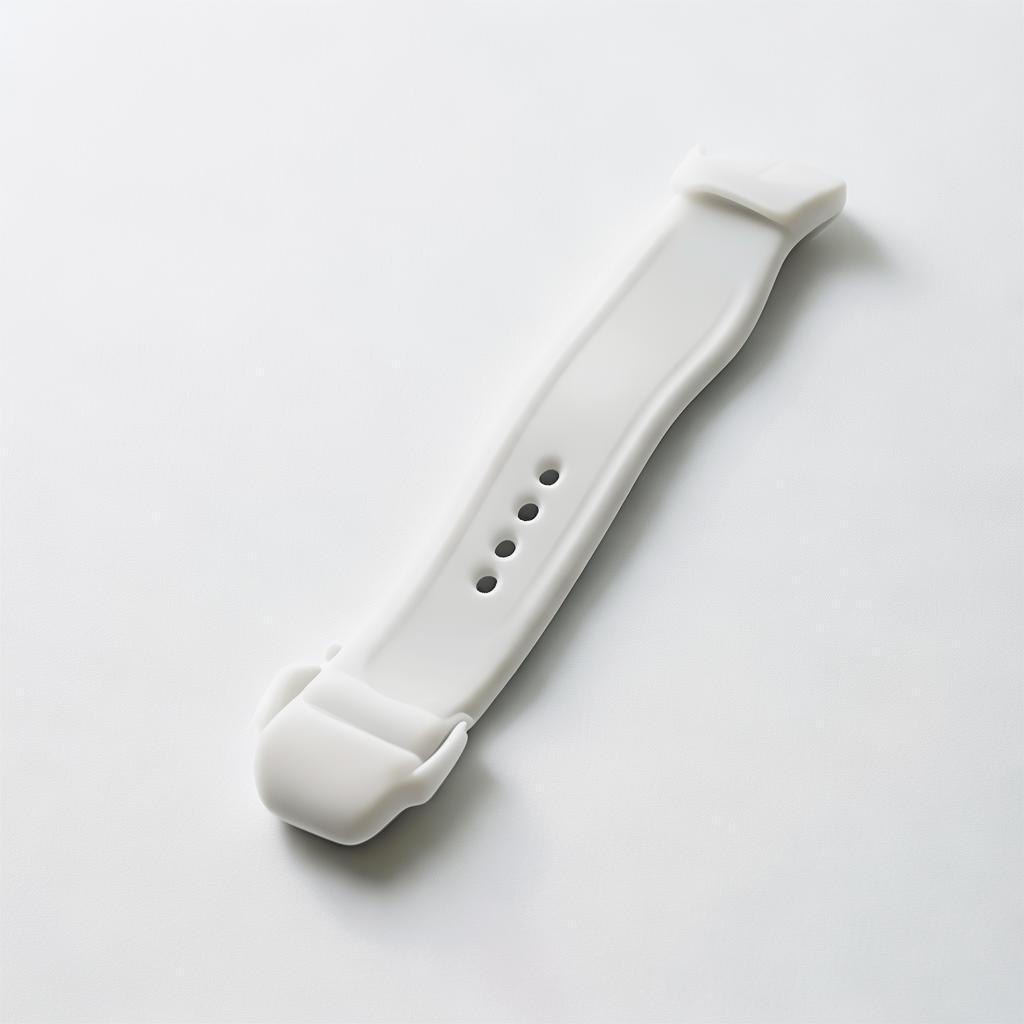
Consumer electronics: Overmolded wireless earbud shells and wearables gain ergonomic comfort and water resistance.
Medical devices: Biocompatible encapsulation ensures sterile, skin-safe contact surfaces for diagnostic instruments.
Industrial electronics: Protective gaskets and connectors resist chemical exposure and vibration in harsh environments.
Household appliances: Silicone seals in buttons and grips provide long-lasting tactile performance and aesthetic appeal.
Each scenario demands tailoring the silicone compound’s hardness, color, and chemical additives to meet specific standards like FDA food-grade compliance or UL94 flame retardancy. Our in-house formulation team collaborates early to optimize for such parameters without jeopardizing molding efficiency.
Operational note: Part designers should integrate gate placement and venting strategies to accommodate silicone flow, avoiding defects and ensuring consistent encapsulation thickness. This is particularly critical for multi-cavity molds producing miniature electronic seals.
Procurement Guide: Selecting the Right Partner for LSR Encapsulated Plastic Parts
Buying liquid silicone encapsulated parts isn’t plug-and-play. Procurement professionals must evaluate suppliers beyond pricing alone — focusing on technical depth, supply chain reliability, and quality assurance.
Certifications: ISO 9001, ISO 13485 for medical grades, and relevant UL/CE certifications reflect manufacturing standards governance.
Mold machining capabilities: Advanced CNC, EDM, and wire-cut tooling capacity for precision multi-cavity molds with short lead times.
Material expertise: Experience with multiple plastics (ABS, PC, PBT) and LSR grades to advise on compatibility and curing parameters.
Testing and validation: In-house dimensional inspection, 3D scanning, and mechanical testing to reduce defects and increase first-pass yield.
Production capacity: Equipped with sufficient LSR injection and multi-shot injection molding machines to handle scaling without bottlenecks.
Transparency: Clear communication around tooling status, lead times, and potential risks in the supply chain.
Remember, poor material matching or lack of technical support often leads to costly production halts. A supplier integrating mold development and finished-part manufacturing under one roof offers streamlined troubleshooting and quicker adaptation.
Tip: Request early samples and tooling trial reports to verify process stability before committing to volume procurement.
Specifications may vary based on custom formulations. We welcome conversations to fit exact operational requirements.
Certifications & Factory Capabilities
At Guangdong Yingtai High Precision Technology Co., Ltd., our manufacturing excellence is backed by stringent quality certifications and advanced operational infrastructure:
ISO 9001:2015 certified quality management systems ensuring consistent product quality
Compliance with FDA standards for medical-grade silicone components
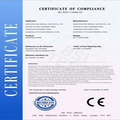
CE certification for electrical and consumer goods components
Over 55 liquid silicone molding machines and 80 automatic plastic injection presses in operation
Automated solid silicone hydraulic presses and precision mold processing equipment for high-tolerance multi-material parts
Integrated R&D and testing facilities with over 20 advanced instruments
Industry certifications supporting diverse applications
Our comprehensive industry chain—from mold design through finished product assembly—enables rapid prototyping and high-volume production, tailored OEM and ODM solutions, and robust compliance support.
Buyer FAQs: Clarifying Common Concerns
Q1: How long does the tooling take for LSR encapsulated plastic parts?
Tooling lead times vary with mold complexity and cavity count but typically range from 6 to 10 weeks. Early collaboration on design can shorten lead times.
Q2: What quality checks are in place to minimize defects?
We conduct in-line dimensional monitoring, pressure and temperature analytics, and post-production inspection including 3D scanning and mechanical tests to ensure defect rates below 1%.
Q3: Can you support biocompatible or food-grade silicone encapsulations?
Absolutely. Our formulations meet FDA and LFGB standards, suitable for medical devices, baby products, and food-contact applications.
Q4: What is the typical material bonding strength between silicone and plastic?
With appropriate surface treatments and process settings, peel strengths can exceed 5 N/cm, confirmed through accelerated aging tests.
Q5: How do you handle scaling production volumes?
Our 35,000 sqm industrial park, combined with 55 LSR machines, supports batch sizes from prototype runs to volumes exceeding one million units annually.
What Our Customers Say
Jessica M., Procurement Manager, Ohio
“Switching to Yingtai’s liquid silicone encapsulated parts cut our defect rate by nearly 40%. Their technical team guided us through mold optimizations we wouldn’t have anticipated. Delivery was reliable even during peak seasons.”
Get in Touch
If you have any camping barbeque equipment inquiry, please feel free to contact us.





 Jessica M., Procurement Manager, Ohio