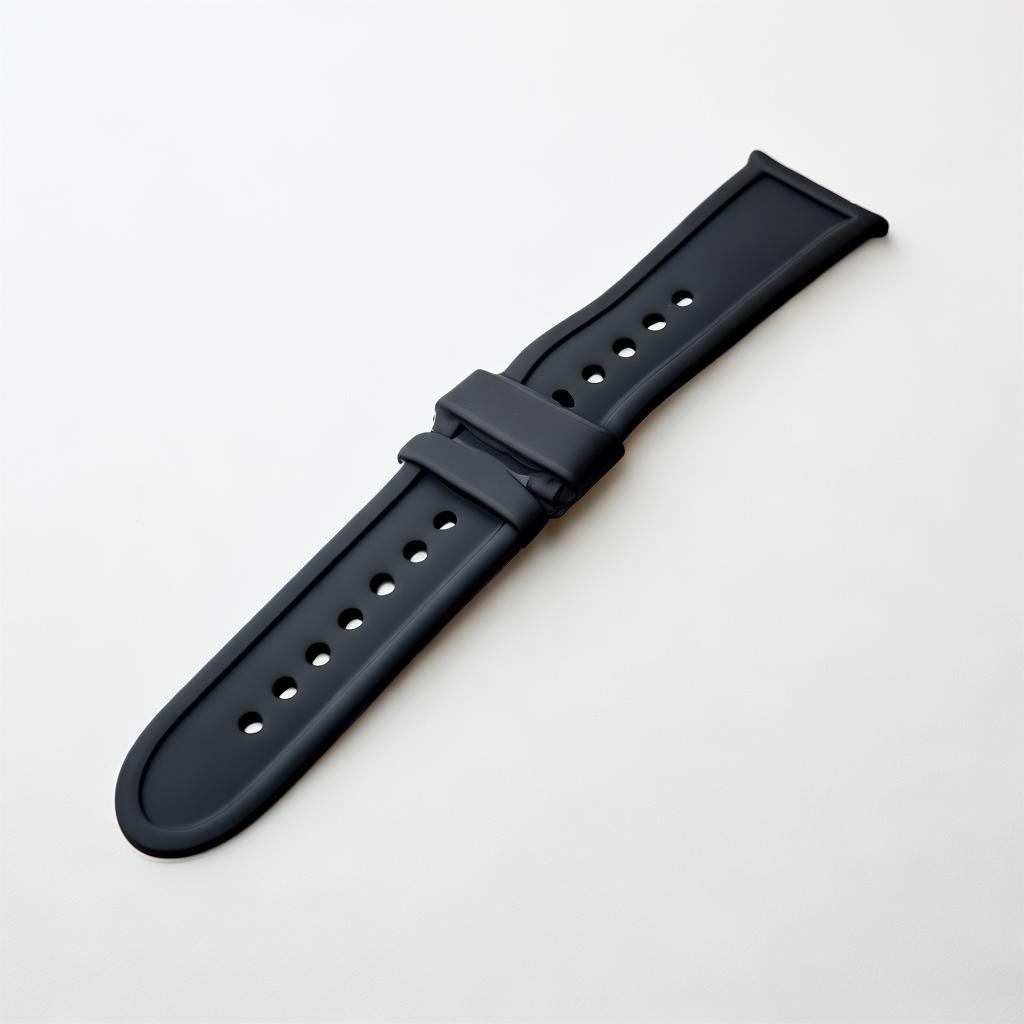
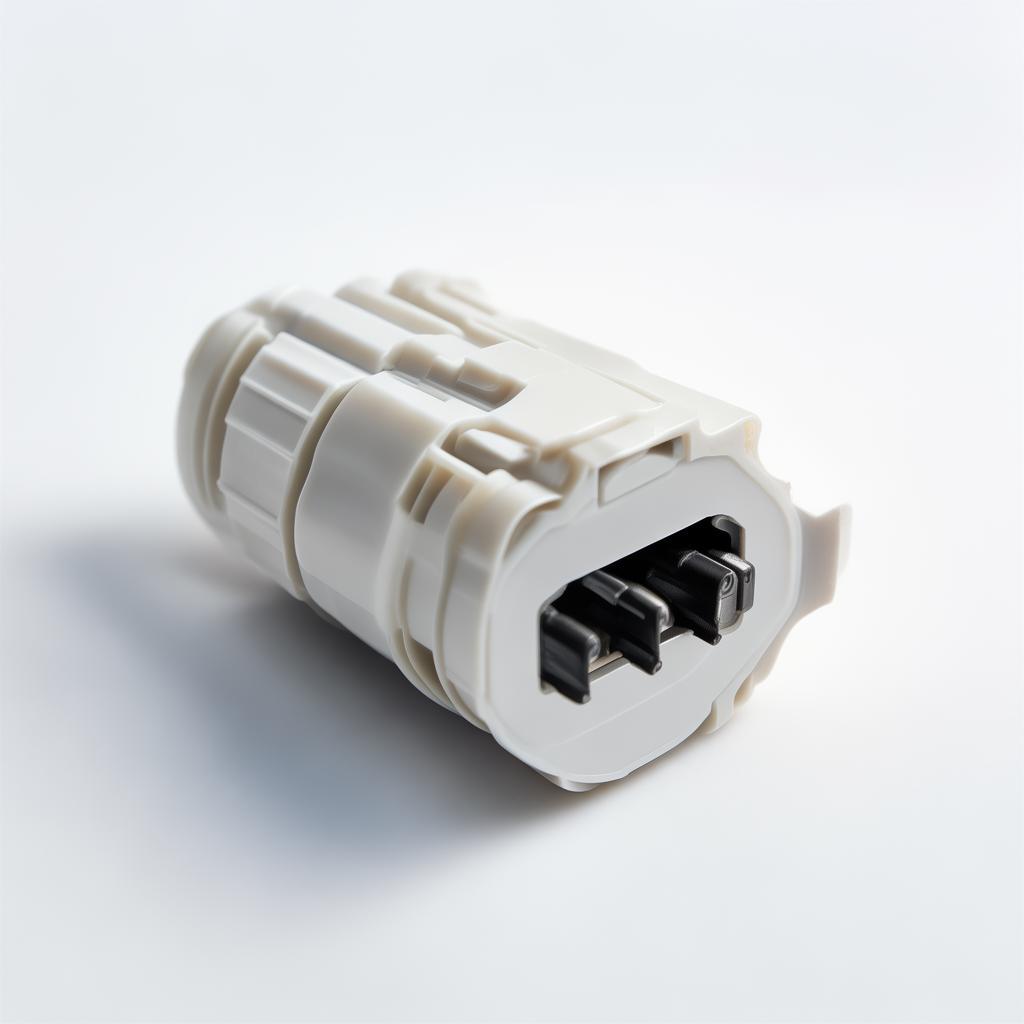
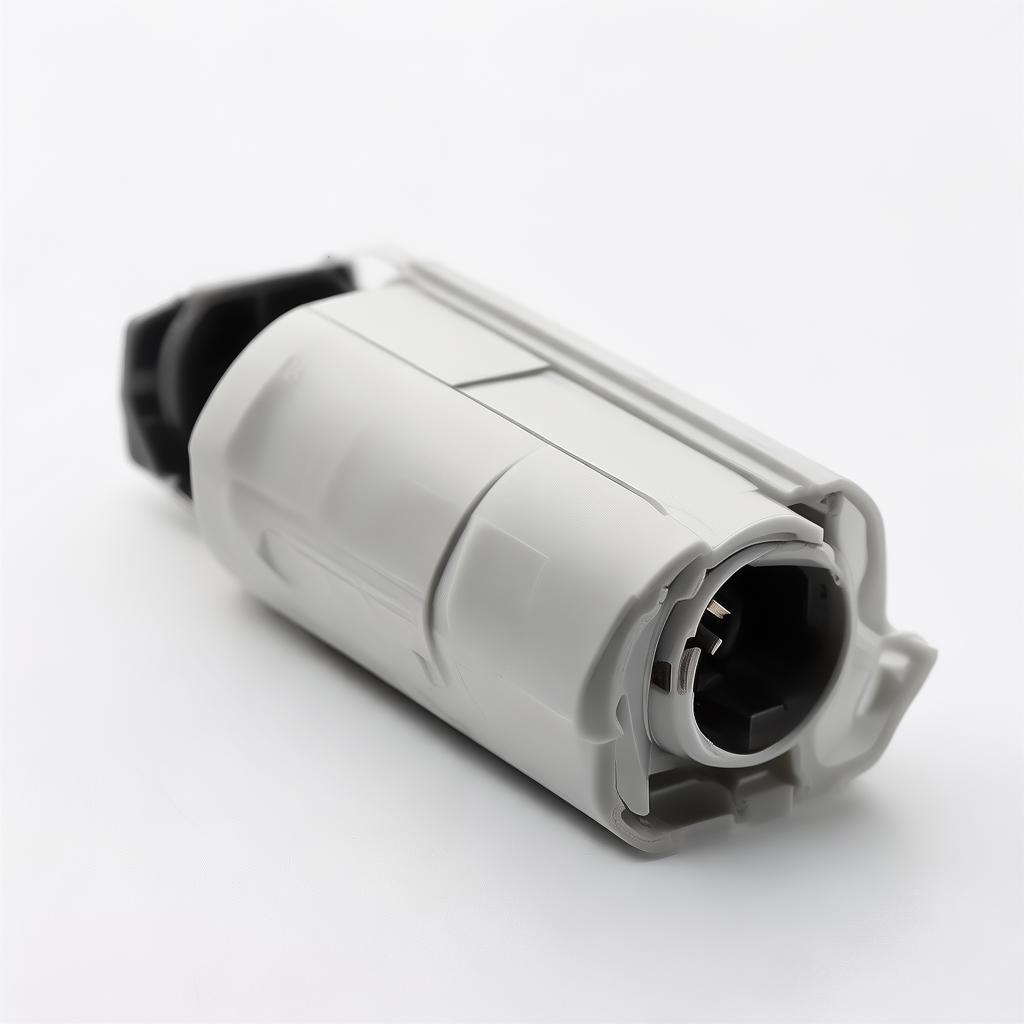
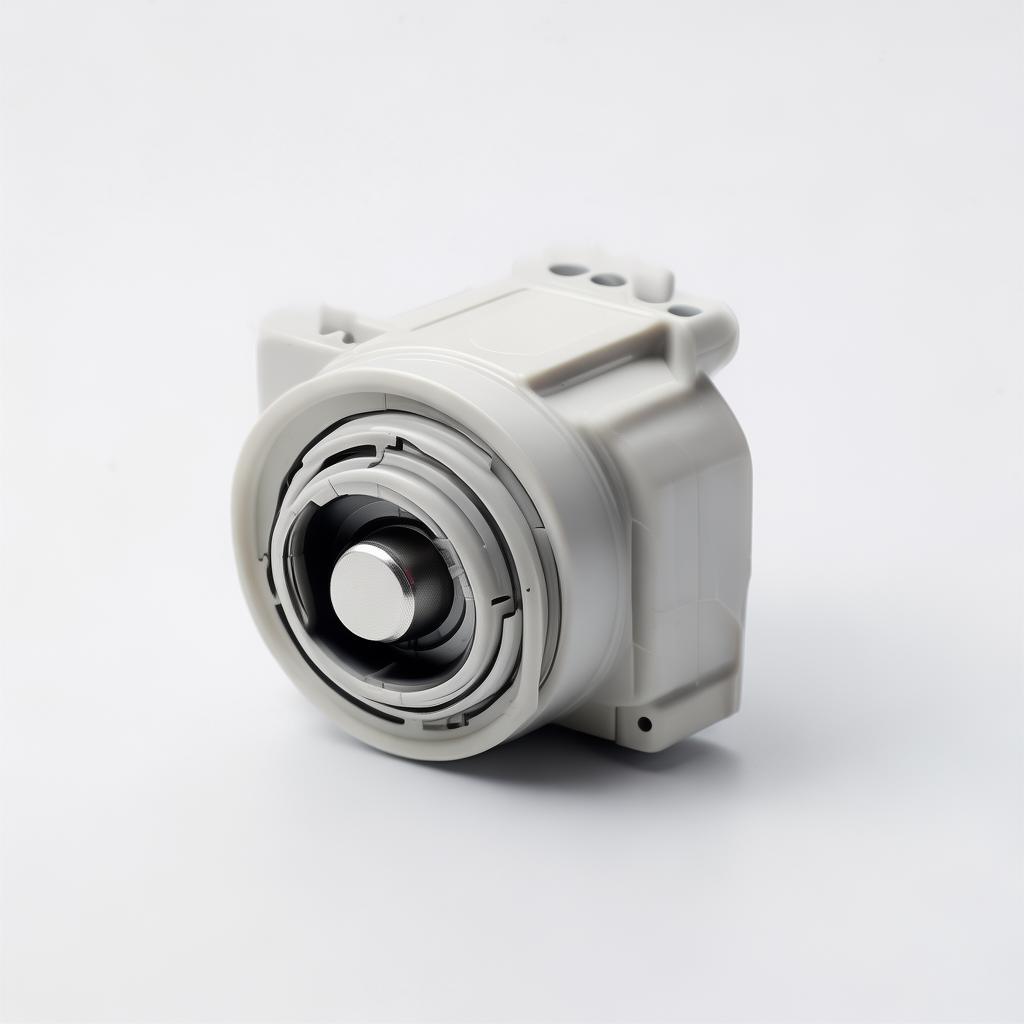
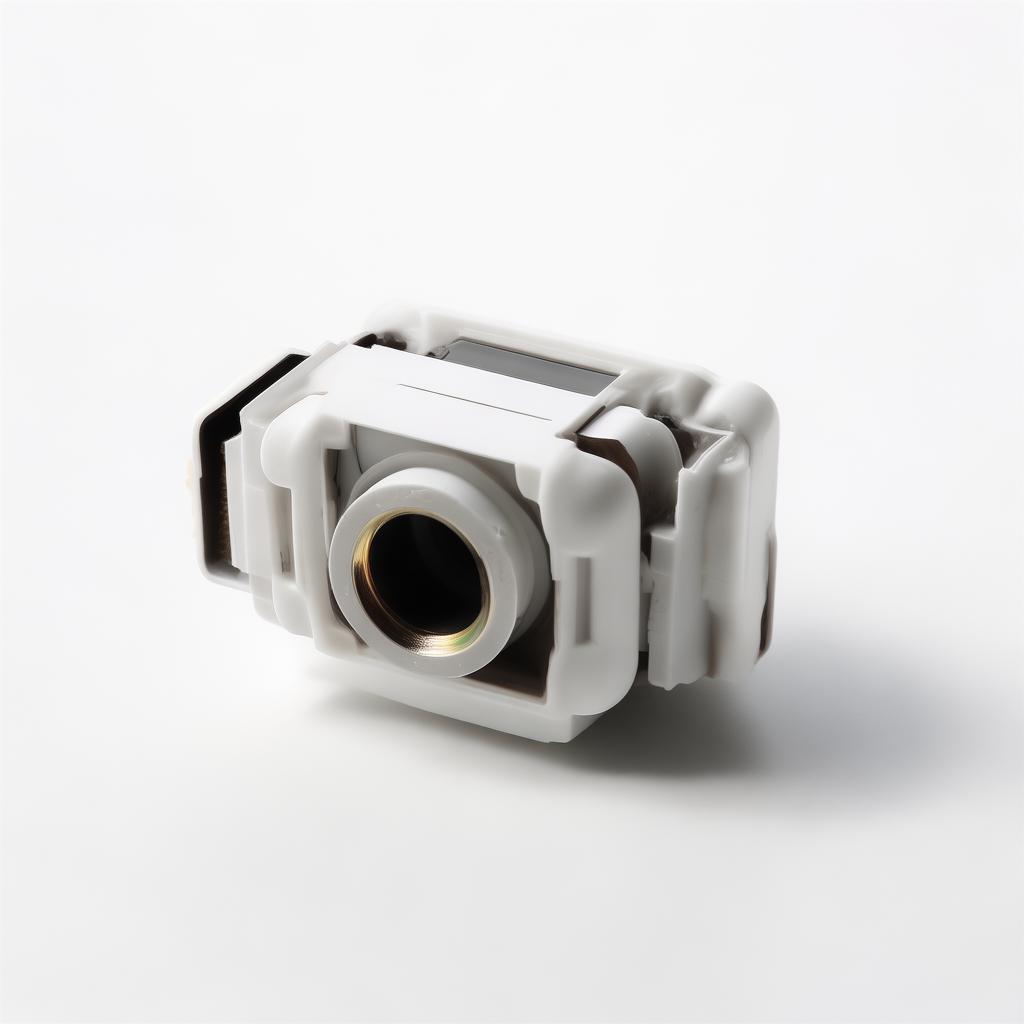
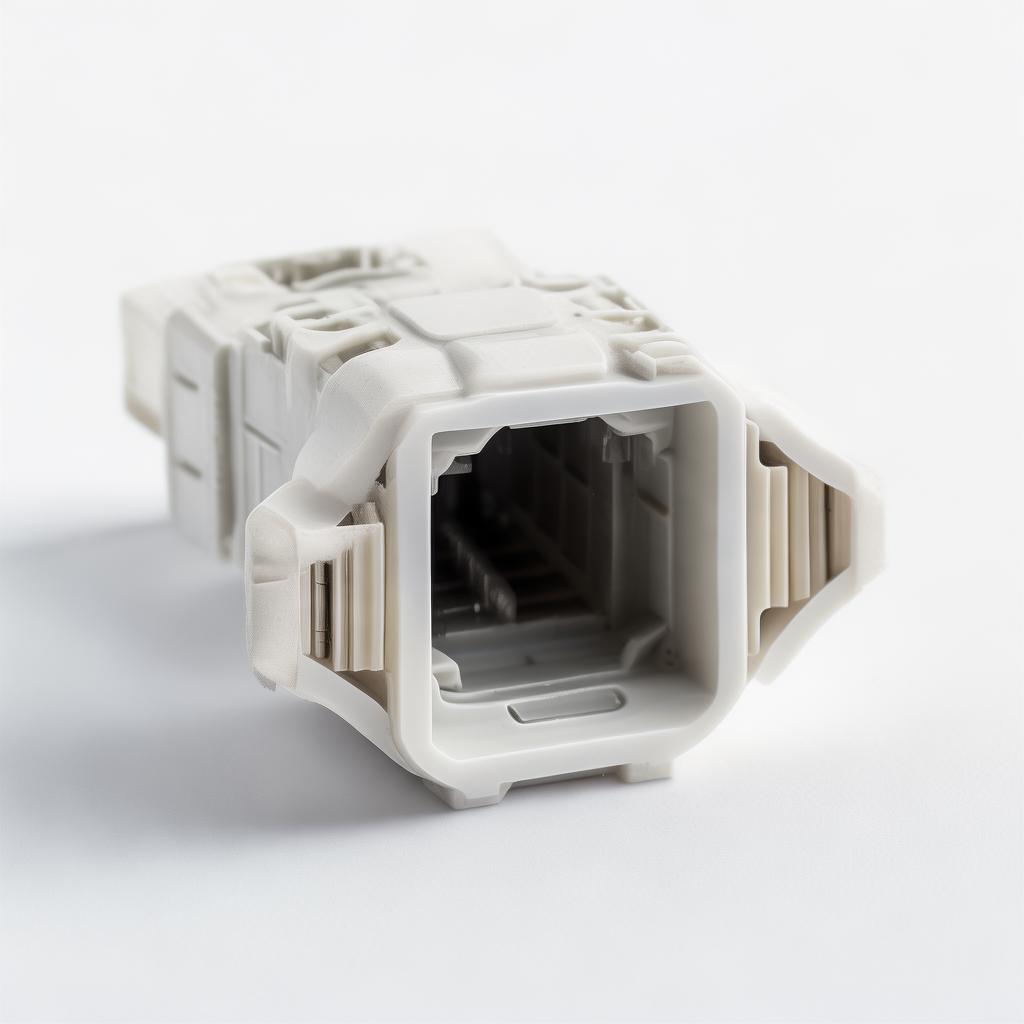
Precision molding solutions from Guangdong Yingtai High Precision Technology Co., Ltd. – Trusted OEM in liquid silicone rubber processing, injection molding, and mold manufacturing for demanding industrial applications. The industrial processing of Liquid Silicone
Product Details
Processing of Liquid Silicone Metal Parts Molds
Precision molding solutions from Guangdong Yingtai High Precision Technology Co., Ltd. – Trusted OEM in liquid silicone rubber processing, injection molding, and mold manufacturing for demanding industrial applications.
Industry Pain Points & Common Challenges
The industrial processing of Liquid Silicone Rubber (LSR) metal parts molds is a highly specialized segment within precision manufacturing. Despite its rapid growth, particularly driven by medical, automotive, and consumer electronics sectors, procurement and manufacturing professionals often face several challenges that require expert handling.
One of the most common operational pains involves material compatibility and mold design. LSR’s unique curing dynamics and thermal properties demand molds that maintain dimensional stability through repeated cycles – minor surface irregularities or inflexible tooling can lead to flash defects, short shots, or uneven curing. This leads to increased waste and longer cycle times. A procurement manager once told us, "Selecting molds without adequate material testing data cost us weeks of delays and unexpected rework, impacting our entire supply chain."
Tooling precision is another critical aspect. LSR injection molds require specialized steel grades with corrosion resistance and excellent polishability. Additionally, complex mold cavities for multi-material components, such as overmolded seals or hybrid assemblies combining LSR and engineering plastics, often demand multi-shot or insert molding processes that complicate design and increase upfront costs.
Beyond technical constraints, logistics considerations can impact delivery lead times. Overseas shipping, container loading optimization for bulky injection molds, and customs clearance create unpredictability. Many buyers underestimate maintenance intervals and tooling shelf life, resulting in unplanned downtime. These challenges intertwine with commercial realities, emphasizing the need for supplier transparency, certified processes, and clear communication.
Insight:Investing time in upfront mold design consultation and working with seasoned manufacturers reduces risk of costly modifications or slowdowns.
Technical Deep Dive into Liquid Silicone Mold Processing
Liquid Silicone Rubber processing stands apart due to its unique chemistry — a two-component, platinum-cured elastomer that offers excellent heat resistance, flexibility, and biocompatibility. Our expertise at Guangdong Yingtai High Precision Technology bridges advanced LSR injection molding technology with robust precision mold manufacturing.
Mold Design & Material Selection
We predominantly use high-grade stainless steel and tool steels conforming to ISO 31603 to combat corrosion and wear in acidic or humid production environments. Polishing to RA < 0.2 µm surface finish ensures ease of release and minimal drag. Our molds incorporate multi-gate balanced cavities to reduce pressure spikes and ensure consistent filling, vital for intricate geometries common in medical or small electronics parts.
Process Optimization and Quality Control
Based on research such as the MDPI study on material characterization methods for LSR injection molding, we employ advanced rheological data modeling to simulate flow and curing phases, minimizing trial runs and defects. Our CAE simulations align closely with reality, thanks to precise viscosity and thermal datasets, shortening development cycles.
Process parameters like injection speed, cure temperature, and mold venting are constantly fine-tuned to prevent common issues such as bubble formation or incomplete polymerization, as highlighted in vacuum-assisted silicone molding research.
Multi-Component and Overmolding Technologies
Overmolding LSR onto metals or plastics requires tight control of interface adhesion and thermal compatibility. Our facility supports multi-shot injection processes, allowing robust integration of rigid frames and soft elastomeric seals, critical in applications ranging from wearable electronics to automotive sensor assemblies. We comply with industry standards such as ISO 13485 for medical devices overmolding and have experience with ABS-LSR bonding optimization.
Key Advantages of Our Molding Services
In-house Industry Chain: From steel sourcing, mold designing, to liquid silicone processing — our 35,000 m2 industrial park hosts all essential stages, minimizing cross-provider delays.
Advanced Machinery: 55 LSR molding machines, 80 automatic injection machines, and over 30 precision mold processing units enable flexibility and prompt tooling changes.
Experienced Technical Team: Over 500 specialists across engineering, quality control, and R&D ensure deep material knowledge and rapid troubleshooting.
Rigorous Quality Standards: Our manufacturing conforms to ISO 9001 and CE certifications, with comprehensive shop floor inspections and testing instrumentation for mold accuracy and silicone part quality.
OEM/ODM Flexibility: Tailored molding projects with rapid prototyping and sampling, supporting both small-volume runs and scaled mass production.
Customer-Centric Logistics: Optimized packaging and container loading techniques reduce transit risks and facilitate smooth customs clearance to major English-speaking markets.
Our team regularly consults with customers to advise on design for manufacturability, cost-saving alternatives, and mold maintenance best practices—critical for maximizing tool life and reducing downtime.
Material and Process Comparisons
Material
Key Features
Application Suitability
Processing Notes
Liquid Silicone Rubber (LSR)
Biocompatible, heat resistant up to 230°C, flexible, excellent chemical resistance
Medical seals, automotive gaskets, wearable electronics, food contact parts
*Choosing the right combination depends on end-use requirements, volume, and budget. Our sales engineers are available to provide guidance and detailed material datasheets.
Technical Specifications & Production Capabilities
Below is an excerpt of our core processing capabilities — designed with export-focused clients in mind:
Parameter
Range / Detail
Mold Size
Up to 1200mm × 1000mm tooling footprint
Mold Cavity Count
Single & multi-cavity molds with balanced feed systems
Injection Pressure
Up to 3500 bar for LSR injection molding
Cycle Time
15 - 45 seconds typical depending on part complexity
Material Compatibility
Platinum-cure LSR, RTV, TPU, and thermoplastics for insert molding
Quality Certifications
ISO 9001, ISO 13485 (medical), CE, FDA-compliant production zones
* Custom tooling builds follow client specifications — lead times typically 30-45 days, with expedited prototyping available.
Practical Procurement Considerations
Working in manufacturing procurement or supply chain management means balancing cost, quality, and lead time risk. Here are a few pointers tailored from our operational experience to ease sourcing decisions for liquid silicone mold processing:
Clarify Material Grade Requirements: Ensure your specs reflect the exact LSR class (medical-grade, food-contact, high-temp), as this impacts mold tooling and processing parameters.
Request Mold Flow Analysis Reports: These validate the mold design’s feasibility and can highlight potential problem areas early.
Understand the Lifecycle Maintenance: Ask suppliers about maintenance intervals, corrosion prevention, and expected cavity shot counts.
Assess Certification Records: Particularly for regulated fields, certifications such as ISO 13485 and FDA approvals are non-negotiable.
Evaluate Logistics Strategy: Consider drying time post-production (LSR parts often require thorough post-curing) and container loading optimization to avoid delays.
Negotiate Small Batch Prototyping: Before large runs, initial batches help reveal potential tooling or process issues.
Solid supplier partnerships hinge on transparent communication. We encourage open channels for technical questions — our engineers are ready to assist with tooling advice or process adjustments.
Customer Reviews & Industry Insights
Michael Simmons – Procurement Manager, Medical Devices (New York, USA):
“Yingtai’s mold quality and technical support cut our defect rate by nearly half on our silicone sealing components. Their engineering team’s guidance on overmolding was especially helpful in meeting our ISO 13485 standards on time.”
Get in Touch
If you have any camping barbeque equipment inquiry, please feel free to contact us.