

Processing of Two-Color Injection Molded Encapsulated Parts
Guangdong Yingtai High Precision Technology Co., Ltd. brings over 20 years of industrial expertise in precision injection molding and encapsulation technology, delivering durable, functional, and visually distinct two-color silicone and plastic parts for a broad spectrum of applications.
Introduction to Two-Color Injection Molded Encapsulated Parts
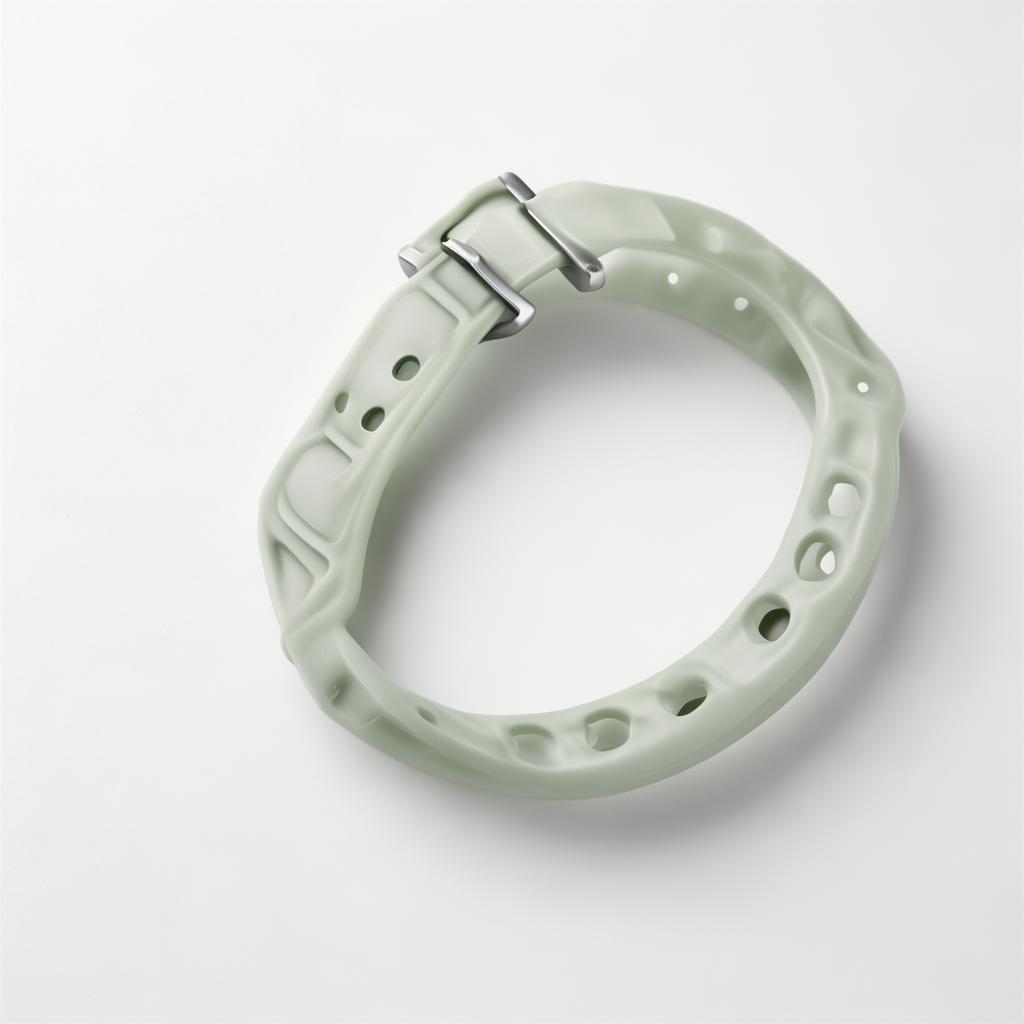
Two-color injection molding, also known as multi-shot or overmolding, has seen widespread adoption for producing encapsulated parts where functional performance meets aesthetic distinction. At Guangdong Yingtai High Precision Technology, we specialize in processing two-color injection molded encapsulated parts combining the strengths of liquid silicone rubber (LSR) and high-performance thermoplastics. This composite method creates superior sealing, impact resistance, and ergonomic finishes, which are challenging to achieve with traditional single-material injection methods.
Modern industrial products increasingly demand complex geometries, high durability, and distinct color contrasts — especially in consumer electronics, automotive interior components, medical devices, and smart wearable products. Our production park in Dongguan, anchored by over 150 advanced molding machines and precision tooling equipment, enables rapid turnaround of intricate parts featuring tight dimensional tolerances (±0.05 mm) and outstanding visual quality.
The encapsulation process involves enveloping sensitive electronic or mechanical components in two distinct polymers, each injected sequentially through multi-cavity molds. This method ensures environmental protection, vibration damping, and user-friendly handling surfaces. Materials like platinum-cured LSR provide excellent thermal stability (up to 230°C), long-term UV resistance, and biocompatibility — critical for medical and new energy vehicle applications. Meanwhile, thermoplastics such as ABS or PC supply mechanical strength and dimensional rigidity.
Understanding the subtle nuances between overmolding, multi-shot injection molding, and encapsulation is vital for selecting the right manufacturing parameters and materials. For example, choosing a high-fluidity LSR grade improves mold flow and reduces cycle times, but requires specialized injection units and precision temperature control (typically 120-150°C mold temperature). Yingtai’s expertise in rheology and process simulation helps customers avoid common pitfalls — like interface delamination or trapped air pockets — which can jeopardize part integrity and increase scrap rates.
A key operational insight is that tooling design largely dictates yield and cost-efficiency. Specialized mold inserts featuring optimized venting and vacuum-assisted cavity filling minimize flash defects and cycle fluctuations. Our close collaboration with design engineers and CAE simulation providers results in mold flow optimizations that reduce development cycles from standard 12 weeks to as little as 6-8 weeks in many cases.
To put industry movement into perspective: The global Liquid Silicone Rubber (LSR) market is projected to nearly double from USD 2.81 billion in 2023 to over USD 4.97 billion by 2030, driven largely by advances in multi-material injection molding technology and automation. This reinforces the position of two-color injection molding as a preferred solution for OEMs demanding scalable, high-precision encapsulated parts.
Before diving deeper, it’s worth highlighting that this technique is not without challenges. Buyers and procurement directors should consider production planning lead times, mold maintenance regimes, and logistics details such as container loading optimization — especially for larger parts or multi-cavity sets. All these factors heavily impact the landed cost and supplier reliability.
Industry Pain Points & Operational Challenges
- Material Interface Adhesion: Achieving a robust bond between LSR and thermoplastic surfaces requires precise temperature and injection sequencing controls.
- High Tooling Costs: Specialized multi-shot molds with components that support two-color injection inherently have higher upfront costs, taxing small batch manufacturers.
- Curing Cycle Management: LSR’s curing behavior demands tight thermal conditions; deviations often result in surface defects or dimensional instability.
- Air Entrapment & Flash: Improper venting causes bubbles or flash along parting lines; this affects functionality and aesthetics severely.
- Logistics Complexity: Encapsulated parts are often delicate and require specialized packaging to avoid damage during transit; efficient palletization is essential to reduce freight costs.
- Quality Consistency: Maintaining consistent color matching and material properties batch-over-batch entails robust process controls and experienced operator teams.
- Design Limitations: Complex undercuts or thin walls challenge moldability and increase cycle times; early DFM consultation is vital to avoid redesign after tooling.
Technical Deep Dive: How Two-Color Injection Molding Works
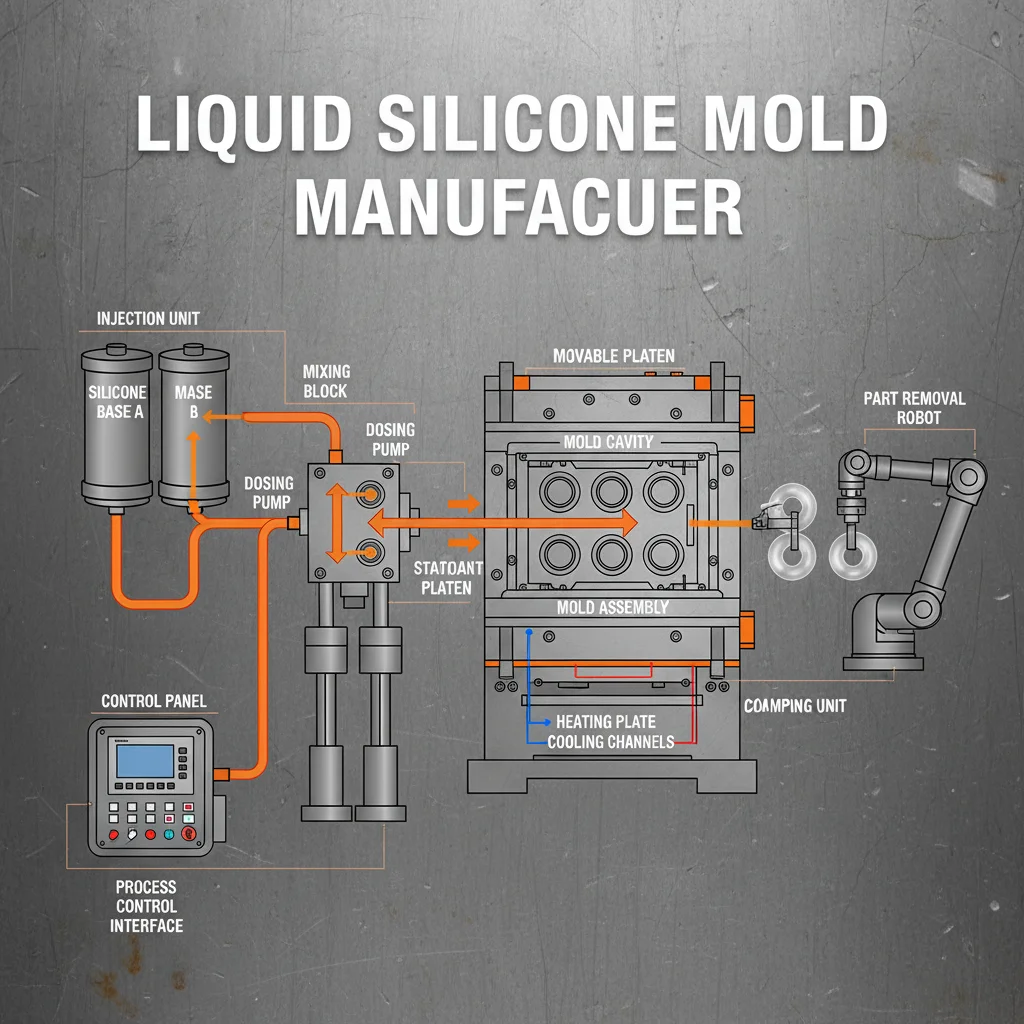
At its core, two-color injection molding merges two distinct materials in a single part through sequential injection molding stations or cavities. Typically, a first shot of colored thermoplastic resin forms the rigid substrate or structure, followed by the injection of liquid silicone or a second plastic material that forms ergonomic, sealant, or aesthetic overlays.
The encapsulation effect encapsulates functional areas such as electronic seals or impact-absorbing cushions with soft-touch silicone, protecting them from moisture, dust, and shock without compromising the underlying rigid structure.
The process requires:
- Precision molds — usually made of hardened steel, designed with venting channels and multi-shot gates.
- Material compatibility — ensuring materials have matched shrinkage and bonding properties.
- High-pressure injection machines, some equipped with robotic part transfer systems to ensure exact shot timing.
- Advanced temperature controls to carefully regulate mold and melt temperatures.
- Automated quality inspection to detect lamination defects, color mismatches, and dimensional discrepancies.
Our factory leverages the latest CAE flow simulation techniques to optimize runner balance and reduce cycle times. We apply CAE-derived process settings to anticipate potential curing issues during the LSR stage, which reduces scrap and shortens qualification time, as suggested in recent MDPI research.
Material Notes:
Platinum-cure LSR is favored for its low shrinkage and stable mechanical properties post-vulcanization. Coupling LSR with ABS or PC requires surface pre-treatment or specially formulated adhesion promoters for improved bonding — a procedure documented in industry papers like MDPI polymers research.
Table: Typical Technical Parameters of Two-Color Encapsulated Parts Production
| Parameter | Value / Range | Notes |
|---|---|---|
| Mold Temperature | 120-150 °C | Critical for consistent LSR curing & surface finish |
| Injection Pressure | 700-1450 bar | Varies by material viscosity and part geometry |
| Cycle Time | 20-45 seconds | Optimized by mold design & machine capability |
| Tolerance | ±0.05 mm | Sufficient for most medical and consumer applications |
| Material Bond Strength | >5 MPa (typical) | Tensile adhesion strength between substrates |
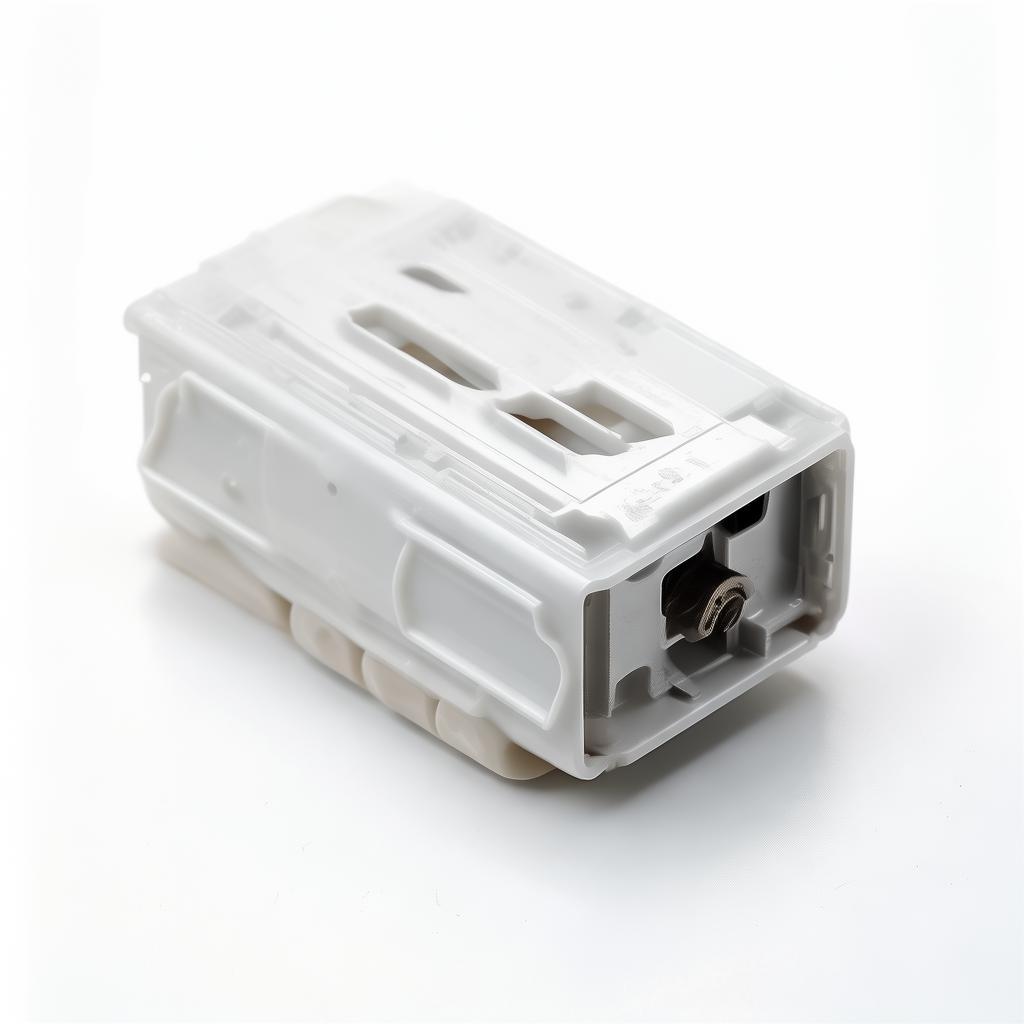
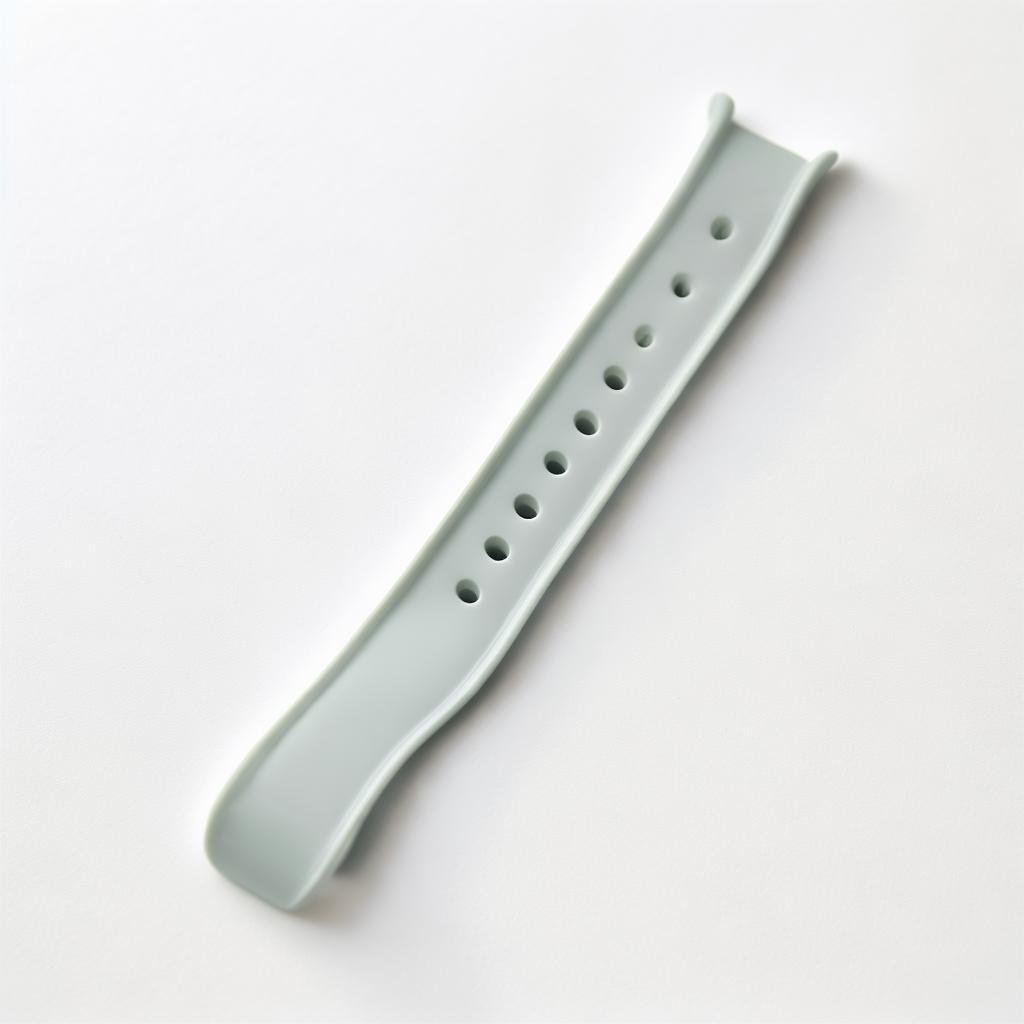
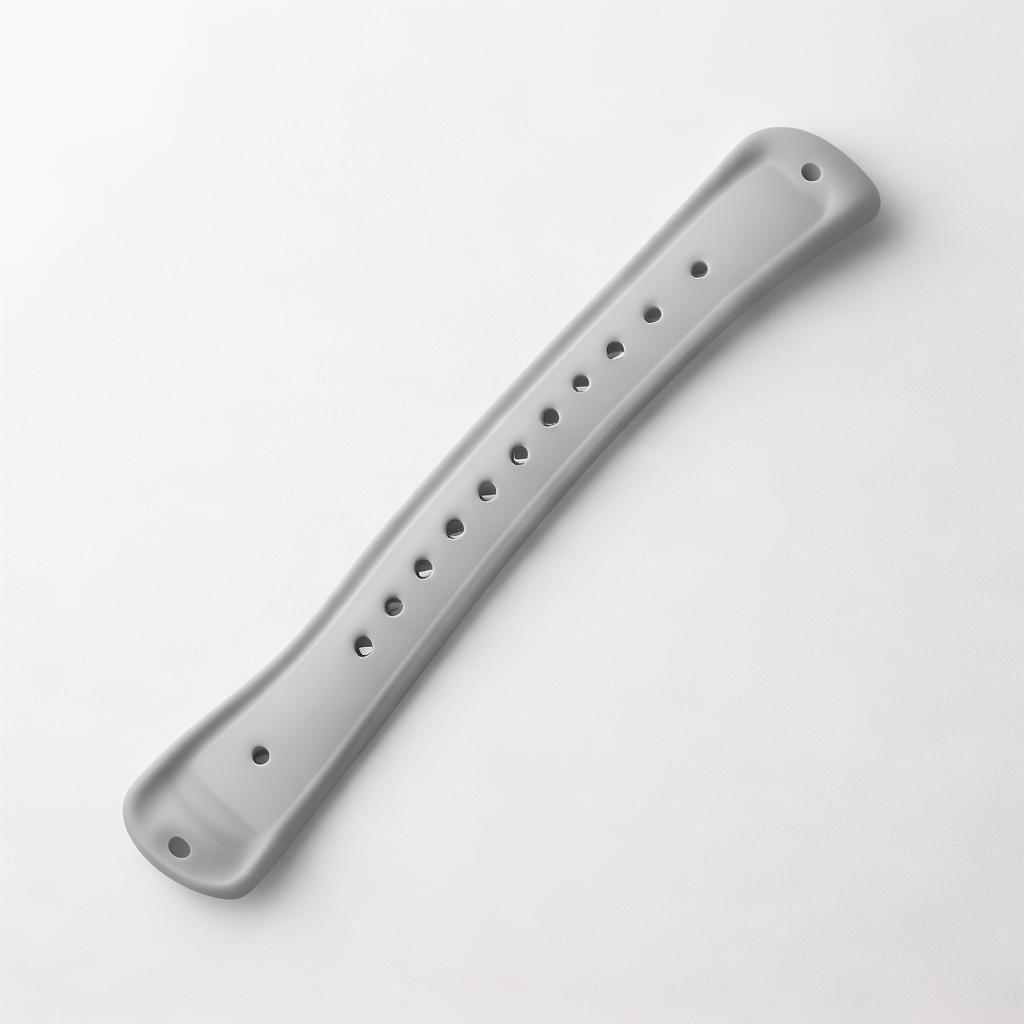
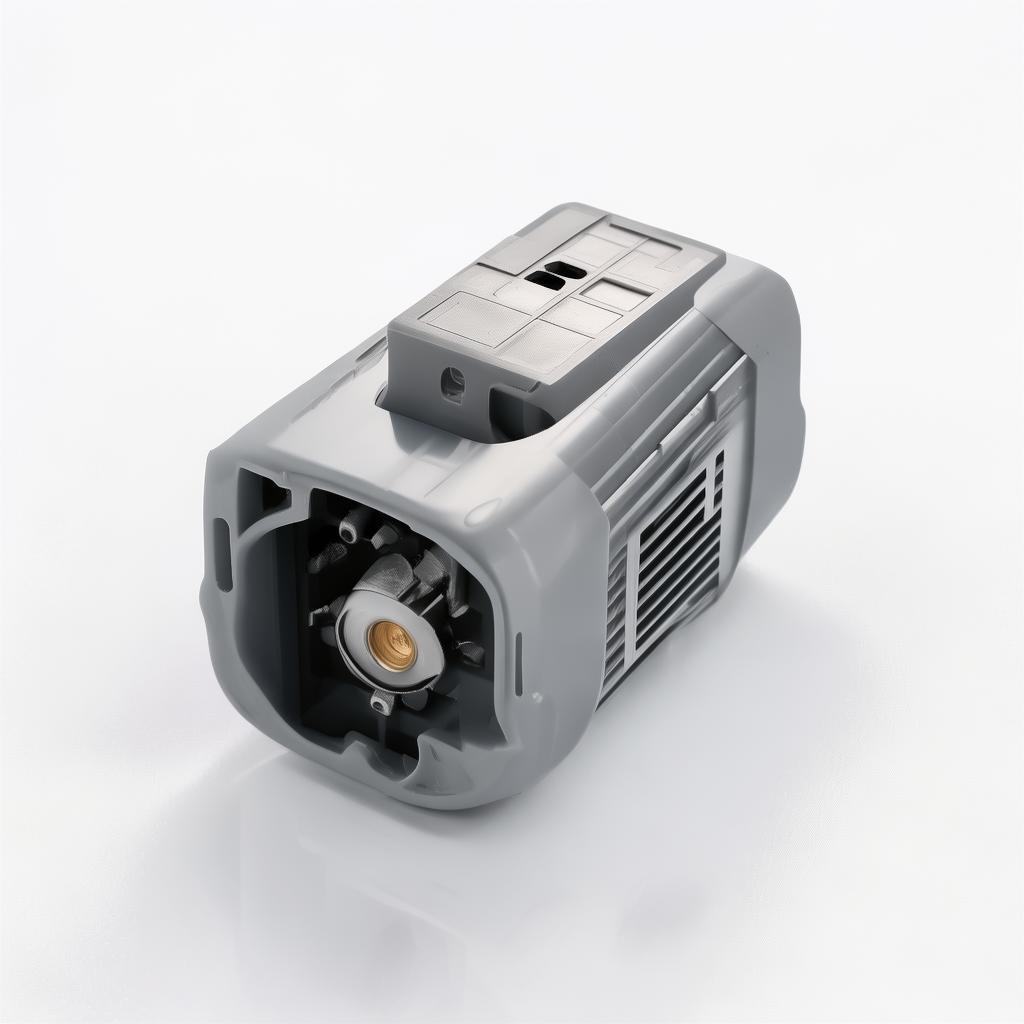
Two color injection molded encapsulated parts Two color injection molded encapsulated products Two color injection molded encapsulation products
Typical Application Scenarios
Two-color injection molded encapsulated parts have become indispensable in industries demanding both robustness and multi-material functionality. Here are common fields and use-cases, underscoring why this technology stands out:
- Automotive Interior Components: Soft-touch dashboard elements, buttons with contrasting colors, and weather-resistant seals for electric vehicle charging ports.
- Medical Devices: Biocompatible healthcare seals, ergonomic handles, and protective encapsulation for electronic sensors with regulatory compliance such as ISO 10993.
- Consumer Electronics: Wearable components, overmolded smartphone buttons, and portable device grips benefiting from high precision and tactile quality.
- Communication Equipment: Waterproof seals and shock-absorbent housings in outdoor transmitters or handheld radios.
- Household Appliances: Durable buttons and soft overlays for kitchen gadgets, providing both aesthetics and ergonomic function.
From a procurement viewpoint, these parts typically require tight integration with electronics and mechanical assemblies. Our factory’s ISO 9001 and CE certifications ensure compliance with international quality and safety standards.
Procurement & Supplier Guidance
What to watch for when sourcing two-color encapsulated parts
Selecting the right supplier for two-color injection molded encapsulated parts can make or break your product launch timeline and long-term quality assurance. Here are practical points we've observed that purchasing managers should weigh during vendor evaluation:
- Complete In-House Capability: Factories with vertically integrated mold development, multi-shot machines, and post-processing reduce hand-offs and potential delays.
- Material Expertise: Ask suppliers about their proficiency with liquid silicone and thermoplastic combinations, bonding technologies, and whether they perform in-house rheological testing.
- Quality Control Systems: Confirm use of inline inspection, color matching instruments, and dimensional gauging with documented statistical process control (SPC) reports.
- Sample Turnaround Times: Evaluate responsiveness for quick prototyping and engineering changes — standard prototyping can take 15 days or less when using advanced LSR injection molding.
- Certifications & Compliance: ISO 9001:2015, CE marking and FDA compliance related to your application segment are strong indicators of factory maturity.
- Transparency on Lead Times: Mold development typically requires 6-12 weeks; be wary of unrealistic lead time promises which may compromise mold quality.
- Shipping & Logistics Support: Verify container loading optimization, packaging methods, and ability to support FOB, CIF, or EXW terms with reliable documentation.
- OEM/ODM Flexibility: If customization or private labeling is needed, inquire about NDA policies, design collaboration experience, and tooling ownership arrangements.
For instance, our manufacturing facility spans 35,000 square meters, housing 55 liquid silicone molding machines and 80 plastic injection machines, allowing us to scale orders with consistent quality while supporting complex OEM requests.
Frequently Asked Questions
- Q1: What are the key benefits of two-color injection molded encapsulated parts?
- Two-color parts combine functional performance (such as sealing, shock absorption) with color differentiation or soft-touch surfaces in a single molded unit, reducing assembly complexity and improving product aesthetics.
- Q2: How do you ensure material compatibility for multi-shot molding?
- We conduct extensive material selection trials and surface treatments to promote adhesion. Platinum-cure LSR paired with thermoplastics like ABS or PC are common, with trial runs to confirm bonding strength exceeding 5 MPa.
- Q3: What certifications does your factory hold?
- Our factory is ISO 9001 certified and compliant with CE quality directives. We also align with industry standards for material safety such as RoHS and FDA regulations when required by clients.
- Q4: What is the typical lead time for new tooling and sample production?
- Average tooling lead time ranges from 6-12 weeks depending on complexity. Prototyping and samples are often available within 2-3 weeks after mold readiness, leveraging rapid tooling techniques.
- Q5: Can you support custom color matching and branding?
- Absolutely. We use spectrophotometers for precise color matching and offer OEM/ODM services with private label packaging, ensuring your brand identity is consistently represented.
Get in Touch with Yingtai for Your Two-Color Injection Molded Parts
Whether you’re planning a new product launch or need advice on optimizing your current parts, our team of industrial engineers, export directors, and procurement specialists are ready to assist. Contact us for catalog requests, pricing quotes, or to discuss your OEM/ODM options.
Miss Zhang (Export Manager): +86 17722437688
Email: zmm@yingtai168.com / lh@yingtai168.com
Whatsapp: +86 17722437688
Address: No. 359 Chang'an Bubugao Road, Chang'an Town, Dongguan City, Guangdong Province, China
Visit: Yingtai Contact Page
Customer Reviews: Real Voices from Industry Professionals

James Coleman, Procurement Director - Automotive Supplier, Ohio, USA
"Yingtai's precision in multi-shot LSR encapsulation reduced our assembly complexity significantly. Their cycle reliability and mold quality helped us hit tight volume deadlines."

Monica Reyes, Senior Engineer - Medical Devices Manufacturer, California, USA
"Their expertise in silicone and plastic bonding is dependable. We trust their ISO-certified processes for critical sealing components for patient care devices."

Liam Walker, Operations Manager - Consumer Electronics, New York, USA
"Fast sample turnaround and consistent color matching helped us finalize prototypes quickly. Their overmolding production lines scale well for our quarterly orders."
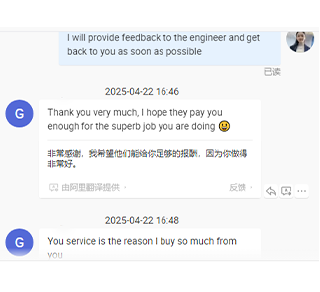
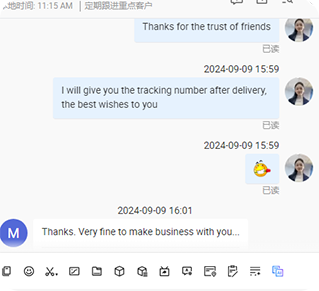
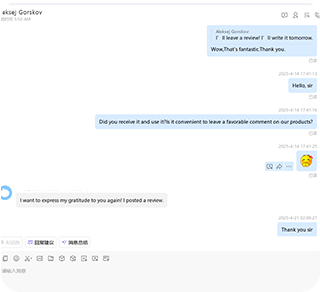
Live Chats with Yingtai's Export Team