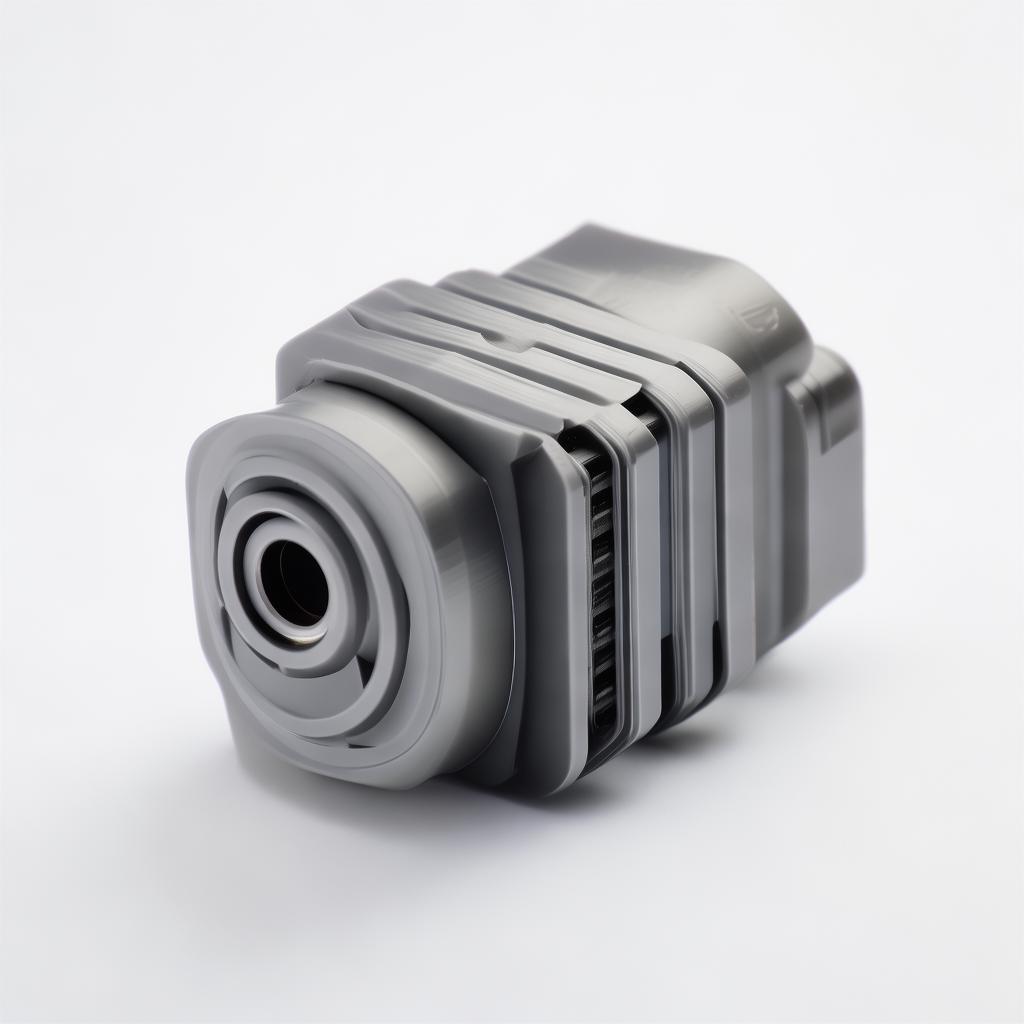
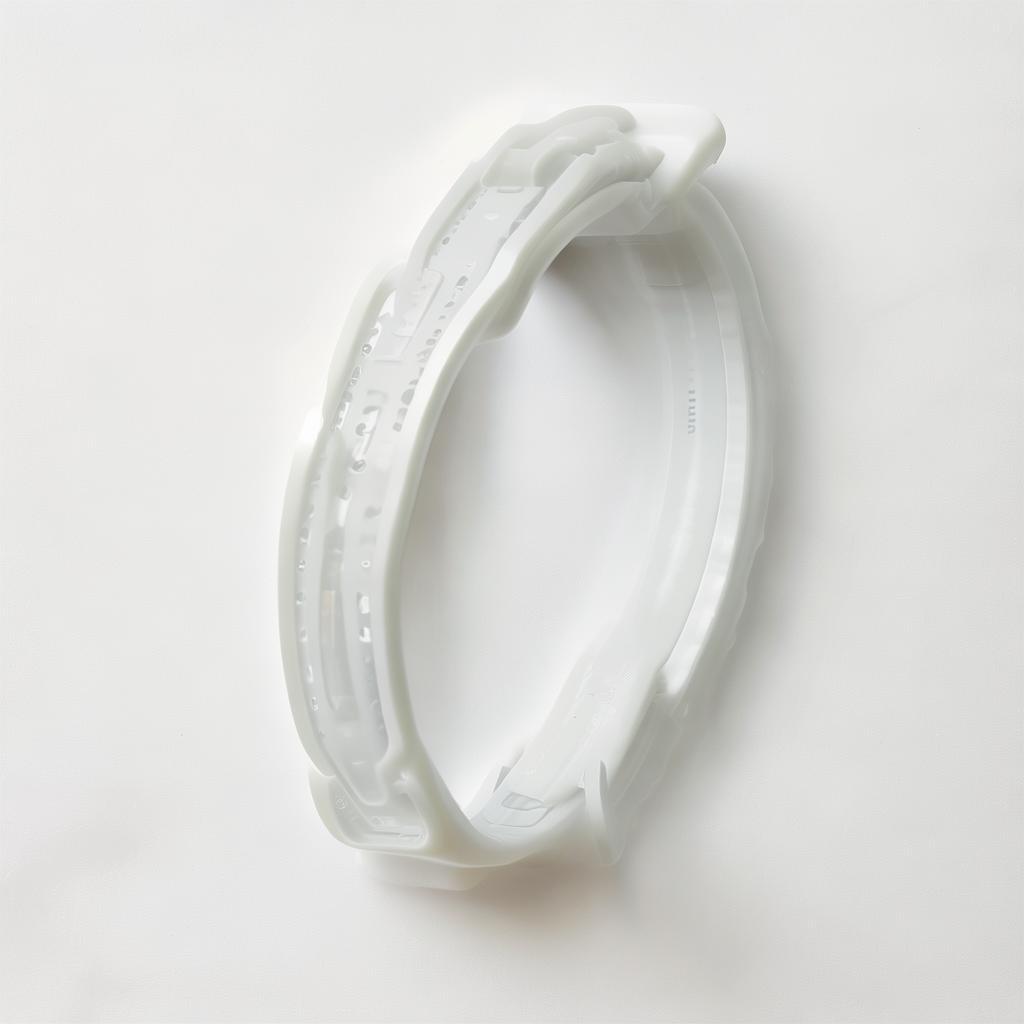
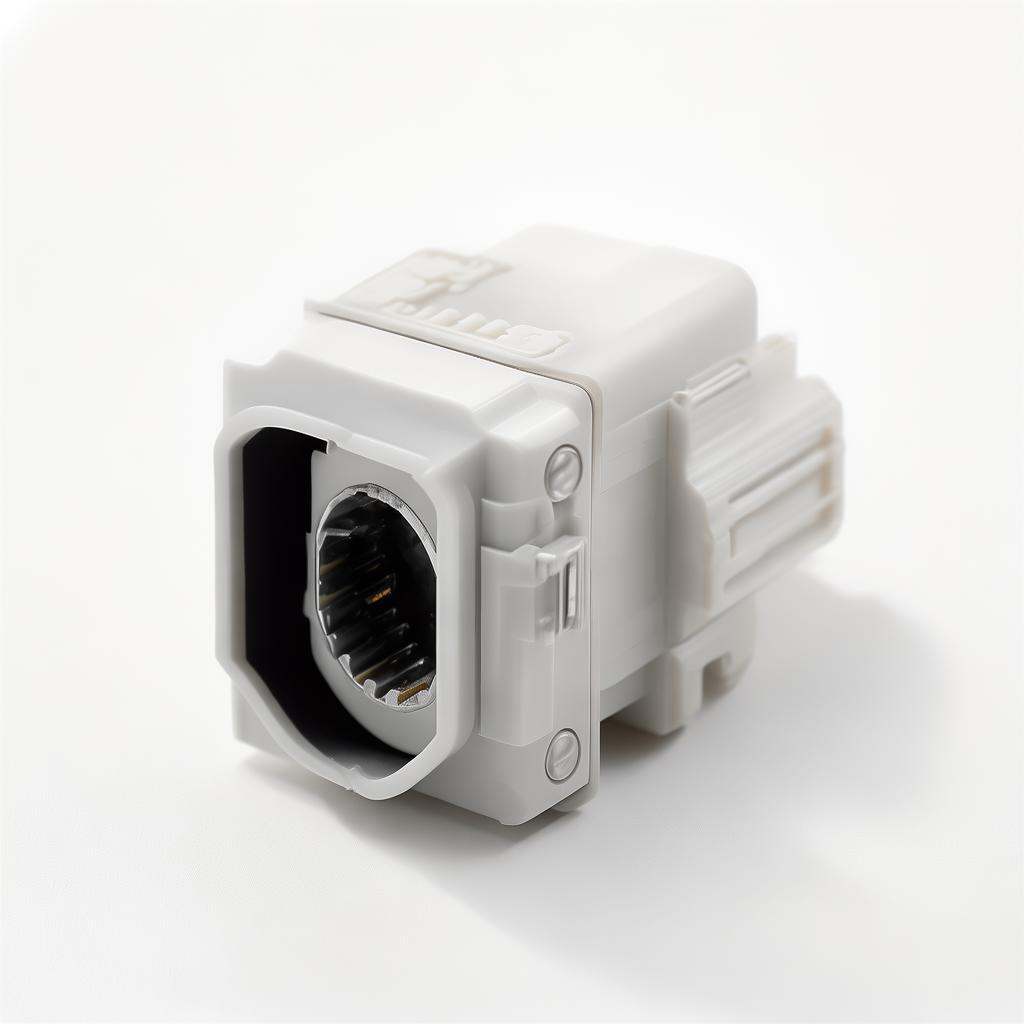
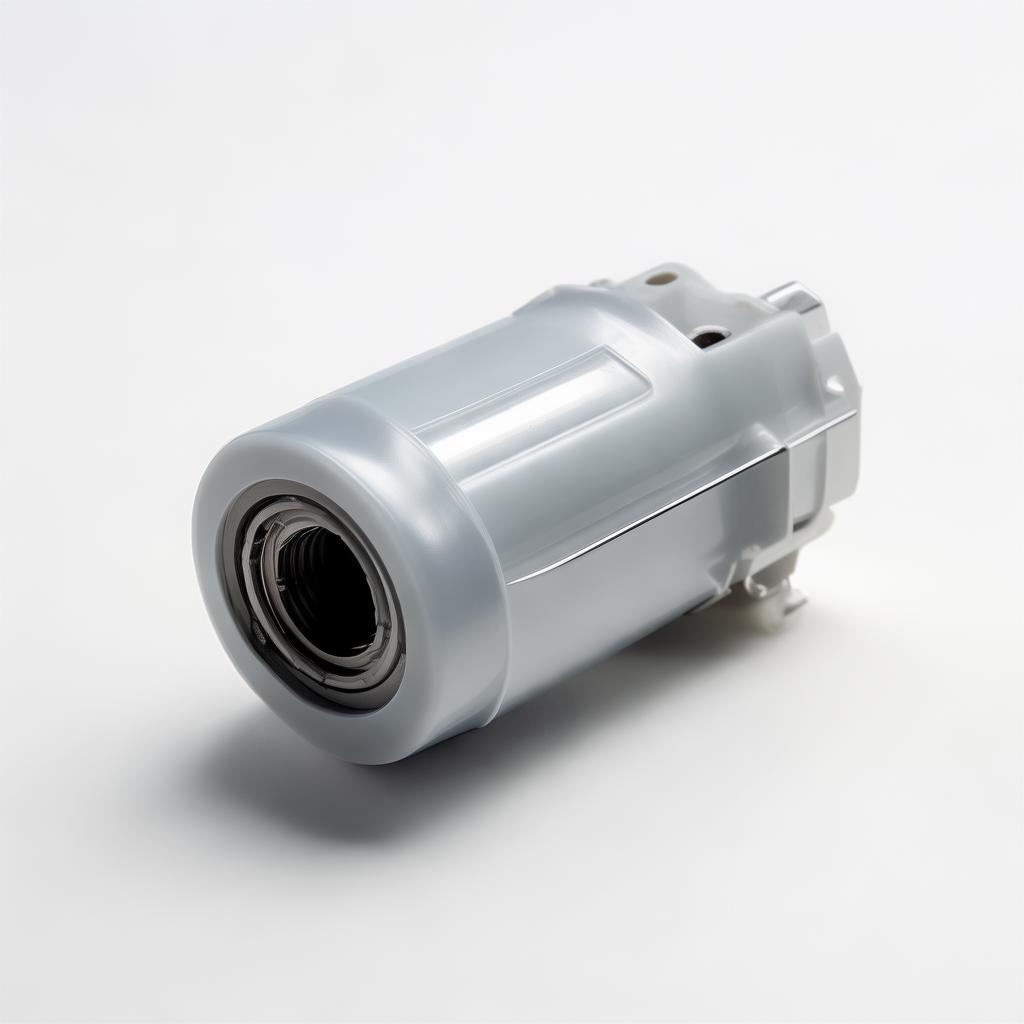
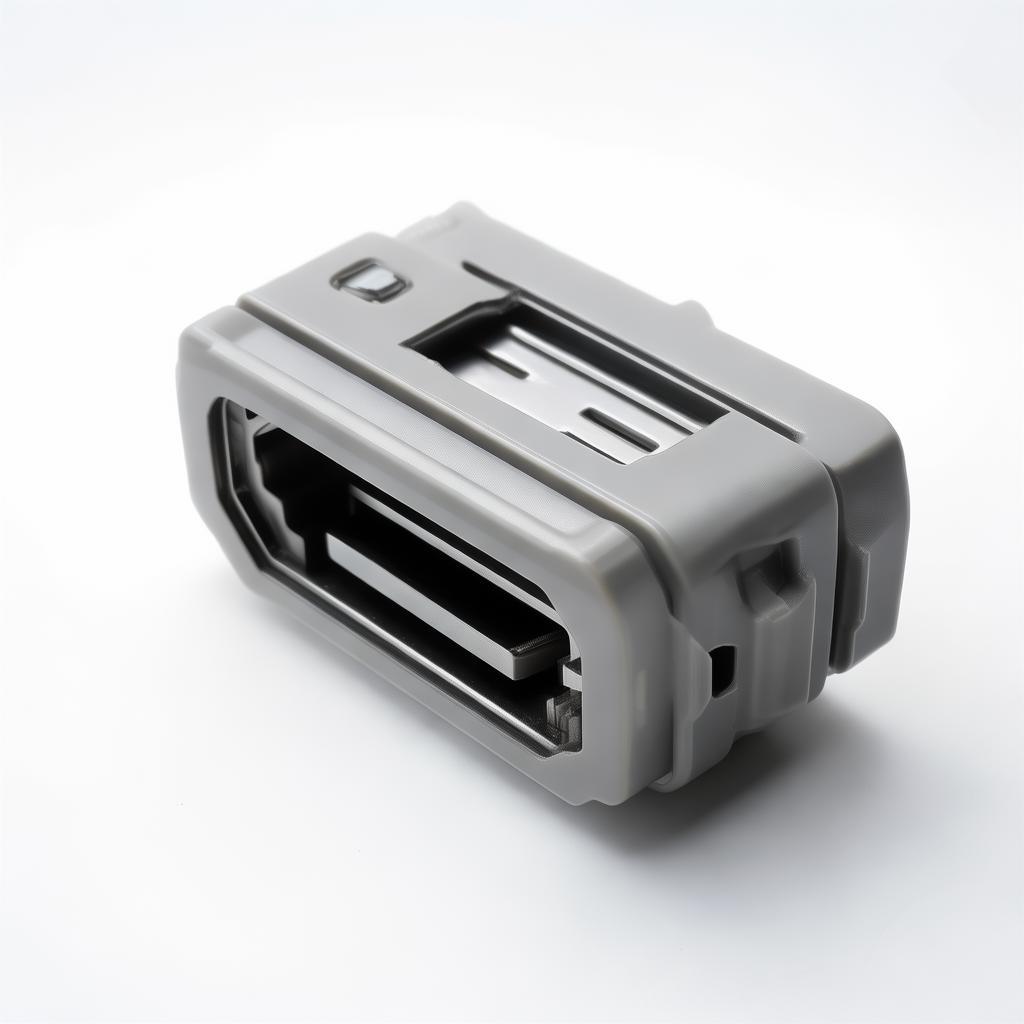
A comprehensive guide by Guangdong Yingtai High Precision Technology Co., Ltd. Manufacturing two-color plastic parts bridges the art of design with the precision of engineering. At its core, this process involves producing components by
Product Details
Processing of Two-Color Plastic Parts: Precision & Performance in Manufacturing
A comprehensive guide by Guangdong Yingtai High Precision Technology Co., Ltd.
Introduction to Two-Color Plastic Parts Processing
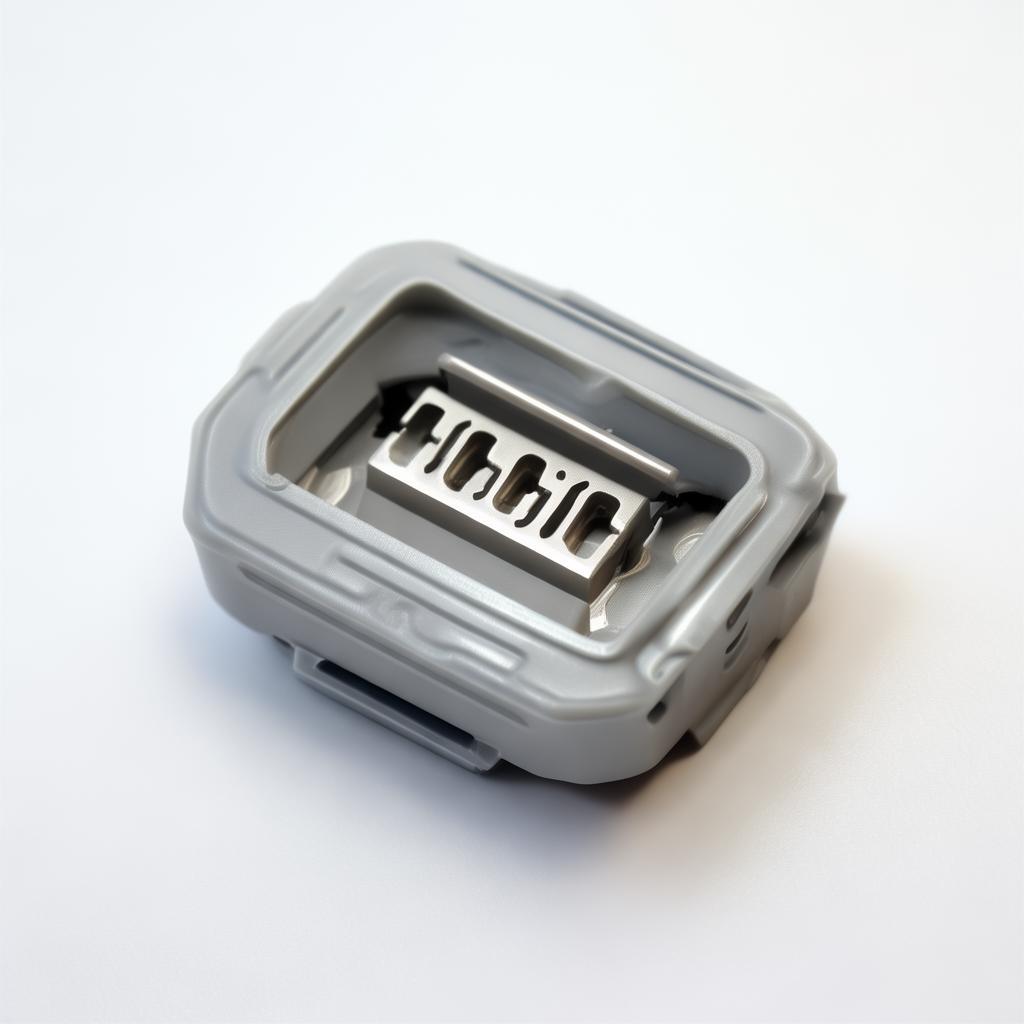
Manufacturing two-color plastic parts bridges the art of design with the precision of engineering. At its core, this process involves producing components by combining two distinct polymers or colors in a single molding operation—commonly known as two-shot injection molding or overmolding. This technique not only enhances the aesthetic and tactile qualities of products but also delivers functional advantages like improved grip, enhanced durability, and multifaceted utility.
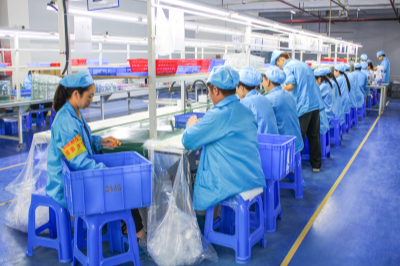
Over the past decades, two-color plastic processing has evolved from a niche specialty into a widespread industrial practice, increasingly vital in sectors ranging from automotive interiors to consumer electronics, medical devices, and household appliances. Our factory in Dongguan, Guangdong Province, leverages over 20 years of expertise, integrating advanced machinery like 80+ automatic injection molding units and 55 liquid silicone molding systems designed for multi-material processing.
Why is this process gaining traction now? Several key drivers contribute to its expanding market footprint:
Functionality & Form: Combining soft-touch silicone with rigid thermoplastics enhances user experience substantially, especially for wearable electronics and smart devices.
Aesthetic Complexity: Eliminates the need for post-assembly painting or decoration, facilitating precise color placement and reducing labor costs.
Material Synergy: Enables fusion of properties — like chemical resistance from one material and elasticity from another — in a single part, optimizing product design.
Supply Chain Efficiency: Decreases assembly points and logistic complexity, lowering inventory costs, and speeding up time-to-market.
This kind of manufacturing isn’t without its operational challenges. Selecting appropriate polymers with compatible melting points, managing cycle times for multiple injection phases, and ensuring flawless part adhesion demand extensive technical knowledge. Common pitfalls in procurement include underestimating the importance of material data sheets and neglecting supplier capabilities in precision mold engineering.
For procurement directors and purchasing managers targeting US and English-speaking markets, understanding these nuances can">%serves as the foundation for supplier evaluation and risk mitigation. We offer this guide to walk you through the rigorous process—from material selection to factory capabilities—backed by industry data and real production insights.
“Two-color plastic part processing is much more than just mixing colors — it requires mastery over multi-shot molding technologies, precision tooling, and a close eye on material compatibility to ensure a final product that’s both functional and visually appealing.” – Zhang Mei, Export Director, Guangdong Yingtai High Precision Technology Co., Ltd.
Industry Pain Points in Multi-Color Plastic Manufacturing
From the procurement standpoints to on-site operations, the multi-material injection molding industry faces persistent challenges:
Material Compatibility & Adhesion Issues: Thermoplastics like ABS or PC paired with liquid silicone rubber require carefully controlled interface chemistry. Mismatches cause delamination, affecting both aesthetics and mechanical integrity.
Complex Mold Design: Two-shot tooling demands intricate core-cavity setups and precise timing during molding steps to avoid flash defects and ensure efficient cycle times. High tooling costs and extended lead time are typical concerns.
Process Stability & Quality Control: Fluctuating temperature profiles between shots, and maintaining pressure consistency, often lead to part warpage or dimensional deviations if not monitored meticulously.
Logistics & Inventory Management: Coordinating multi-material supply chains and scheduling production runs to minimize downtime while managing different raw material storage and handling requirements.
Environmental & Compliance Risks: Increasing regulatory requirements such as RoHS compliance and FDA for food-contact parts impose strict material testing and traceability protocols.
These operational hurdles translate into real-world procurement risks. A common mistake involves sourcing components from single-material manufacturers without proven expertise or certifications in two-shot injection molding. Companies often overlook the importance of production capacity, mold maintenance schedules, and after-sales technical support.
At Yingtai, we observe that integrating close collaboration between design teams and our mold engineers early on reduces cost overruns and accelerates ramp-up. This includes performing pilot runs with digital twin simulations and rheological material tests to anticipate issues, as highlighted in recent studies on LSR simulation accuracies and multi-shot mold optimization.
Technical Deep Dive: Two-Color Injection Molding
Two-color plastic part processing employs sequential injection of two materials into a single mold without removing the workpiece during the cycle. This approach can involve combinations such as:
Thermoplastic + Thermoplastic (e.g., ABS with PP)
Thermoplastic + Liquid Silicone Rubber (LSR), favored for soft-touch applications
Thermoplastic + TPE (Thermoplastic Elastomers) for elasticity and comfort
The production cycle comprises two primary injection phases. Let's break down key technical parameters:
Parameter
Description
Typical Range
Injection Temperature
Melting temp of each polymer for optimal flow and filling
220–280°C (Thermoplastics) 140–180°C (LSR)
Injection Pressure
Ensures mold cavity is fully filled without flash
50–120 MPa
Cooling Time
Time to solidify plastic to maintain dimensional stability
Mold design intricacies go beyond temperature and pressure controls. Multi-component tooling accounts for venting systems to prevent trapped air, sealing inserts for neat interface precision, and alignment pins to assure shot-to-shot registration accuracy. These components directly influence yield rates and reduce mechanical failures.
Our production lines incorporate real-time monitoring of melt viscosity and process parameter consistency. We often refer to research such as
“How Method Matters” (MDPI) highlighting the indispensable role of material rheology in accurate simulation of LSR injection cycles.
Handling different material sets also entails knowing their thermal expansion coefficients and adhesion compatibility. For instance, multi-shot injection of ABS with LSR demands surface activation treatments or primers to maximize bond strength and reduce post-molding failures, a topic further detailed in the
MC-Injection Molding with Liquid Silicone Rubber and ABS study.
Material Comparison & Selection Guide
Selecting the right materials for two-color plastic parts rests heavily on understanding mechanical properties, thermal behaviors, and compliance with industry standards. Here's a concise comparison of common pairs:
Material Pair
Key Characteristics
Typical Applications
Standards & Certifications
ABS + TPE
High impact resistance; flexible soft-touch areas; good chemical resistance
Medical seals, wearable electronics, kitchen appliances
FDA, ISO 10993 biocompatibility, CE
PP + SEBS (Styrene-Ethylene-Butylene-Styrene)
Lightweight, weather resistance, flexible insert zones
Outdoor tools, sports equipment handles
ISO 1817 chemical resistance test
The increasing adoption of Liquid Silicone Rubber (LSR) is backed by market reports such as
Grandview Research (2023) and Research Nester (2025) forecasting steady CAGR upwards of 8-9% through 2035, mainly because of its excellent physical properties and regulatory compliance.
However, procurement must balance price with performance. For example, LSR molds are costlier and require precise temperature control versus standard thermoplastic molds. Meanwhile, TPE offers cost advantages with moderate softness but falls short in chemical & heat resistance in some demanding applications.
Buyer tip: Always request detailed material data sheets including molding temperature ranges, elongation at break, and adhesion compatibility tests before finalizing supplier contracts.
Factory Strength & Certifications
Guangdong Yingtai High Precision Technology Co., Ltd., based in Dongguan's industrial hub, is positioned strongly with:
35,000 m² modern industrial park fully dedicated to LSR and plastic injection molding
A skilled workforce of 500+ professionals including engineers, quality control specialists, and logistics coordinators
Comprehensive in-house tooling capability with 30+ precision mold processing stations
Integration of Industry 4.0 principles with digital injection molding workflow monitoring for high yield and traceability
The factory holds key certifications such as ISO 9001 quality management, CE compliance, and RoHS environmental standards. Our production follows strict process controls to meet FDA requirements for medical-grade parts when needed.
Our cutting-edge liquid silicone and dual-shot injection molding machines operate with strict process control.
Our export team is familiar with cross-border logistics requirements for the USA and other English-speaking markets, including container loading optimization, HS code classification, and compliance documentation to smooth customs clearance.
Procurement Guidance & Buyer Tips
For purchasing directors and procurement managers aiming to integrate two-color plastic parts into their product lines, several recommendations emerge from operational experience:
Validate Supplier Expertise: Confirm hands-on experience with multi-shot injection molding, including tooling development and troubleshooting protocols.
Request Pilot Samples: Insist on physical samples under intended production specs to assess cosmetic quality, adhesion, and dimensional tolerances.
Audit Quality Systems: Check for ISO 9001/13485 certificates and inquire about real-time defect tracking processes.
Assess Lead Times & Flexibility: Ensure the factory can handle ramp-up schedules and material changeovers with minimal downtime.
Demand Material Traceability: Especially for medical or food-contact products, supplier must provide batch records and raw material certificates.
Engage in Technical Collaboration: Early design reviews with the supplier’s engineering team reduce costly redesigns and improve manufacturability.
Additionally, beware of suppliers offering unusually low tooling costs without explaining material selection or mold complexity. Such offers often result in poor finish quality, increased scrap rates, or delayed deliveries.
Operational insight: Many US-based clients noted shorter installation times of assembled two-color parts compared with multi-part assemblies — a benefit that typically offsets marginally higher unit costs.
Frequently Asked Questions (FAQs)
Q1: What is the minimum order quantity (MOQ) for two-color plastic parts at Yingtai?
We typically support MOQ starting at 1000 pcs, varying with product complexity and tooling agreements.
Q2: Can you support OEM and ODM customizations for multi-color parts?
Yes, our R&D team offers design consultation, prototyping, and full-cycle manufacturing solutions tailored to customer specifications.
Q3: How do you ensure adhesion between different materials in dual-shot molding?
Through material compatibility tests and using surface treatments like plasma activation or primers, coupled with optimized injection parameters.
Q4: What about shipment lead times for export to the USA?
Standard production cycles range from 4-8 weeks post-PO approval; shipping usually takes 15-30 days by sea depending on port and logistics preferences.
Q5: Are your materials compliant with environmental and safety standards?
Absolutely, we utilize materials meeting RoHS, REACH regulations, FDA food contact, and ISO biocompatibility certifications where applicable.
What Our Clients Say
Michael Johnson
“We engaged Guangdong Yingtai for overmolding power tool grips with ABS and TPE. The process was challenging, but their engineering team handled mold development expertly. Delivery was timely, and product durability has held up well under field conditions.”
Procurement Manager, Midwest Manufacturing, USA
Get in Touch
If you have any camping barbeque equipment inquiry, please feel free to contact us.



 Michael Johnson