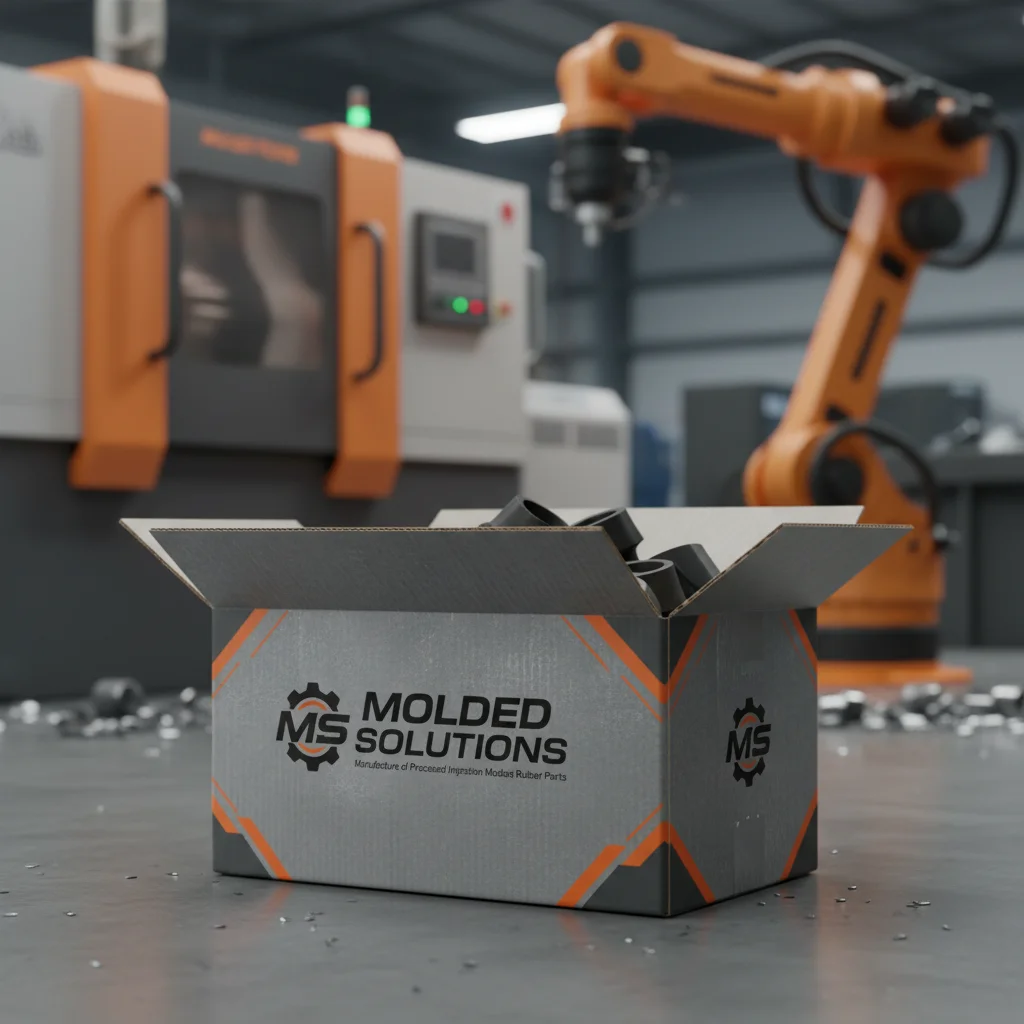
Why Choose a Processing Plastic Parts Company like Guangdong Yingtai?
For nearly two decades, sourcing high-precision plastic parts has remained a critical component for manufacturing excellence. At Guangdong Yingtai, nestled in China’s manufacturing hub — Dongguan, Changan Town — we understand that precision, repeatability, and quality aren't just buzzwords, but core pillars every Purchasing Manager and Operations Director must place above all else.
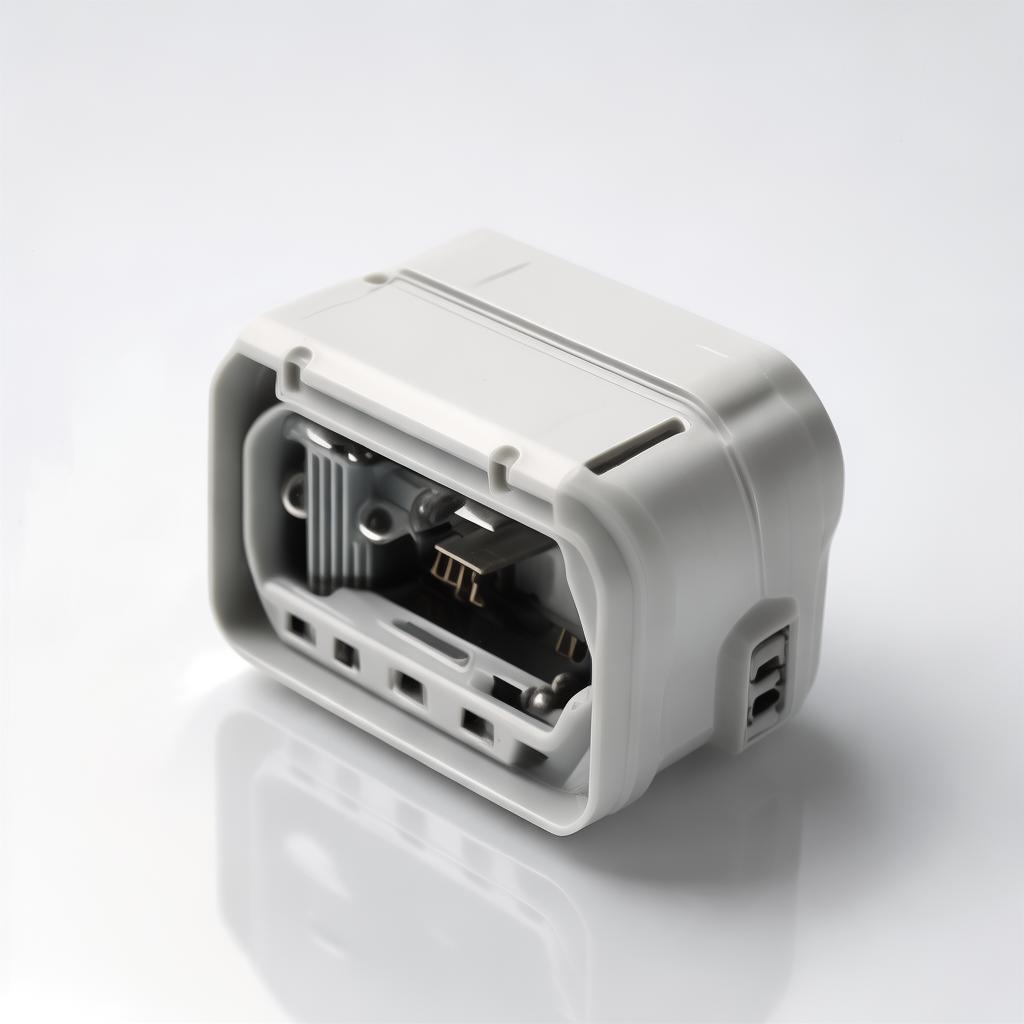
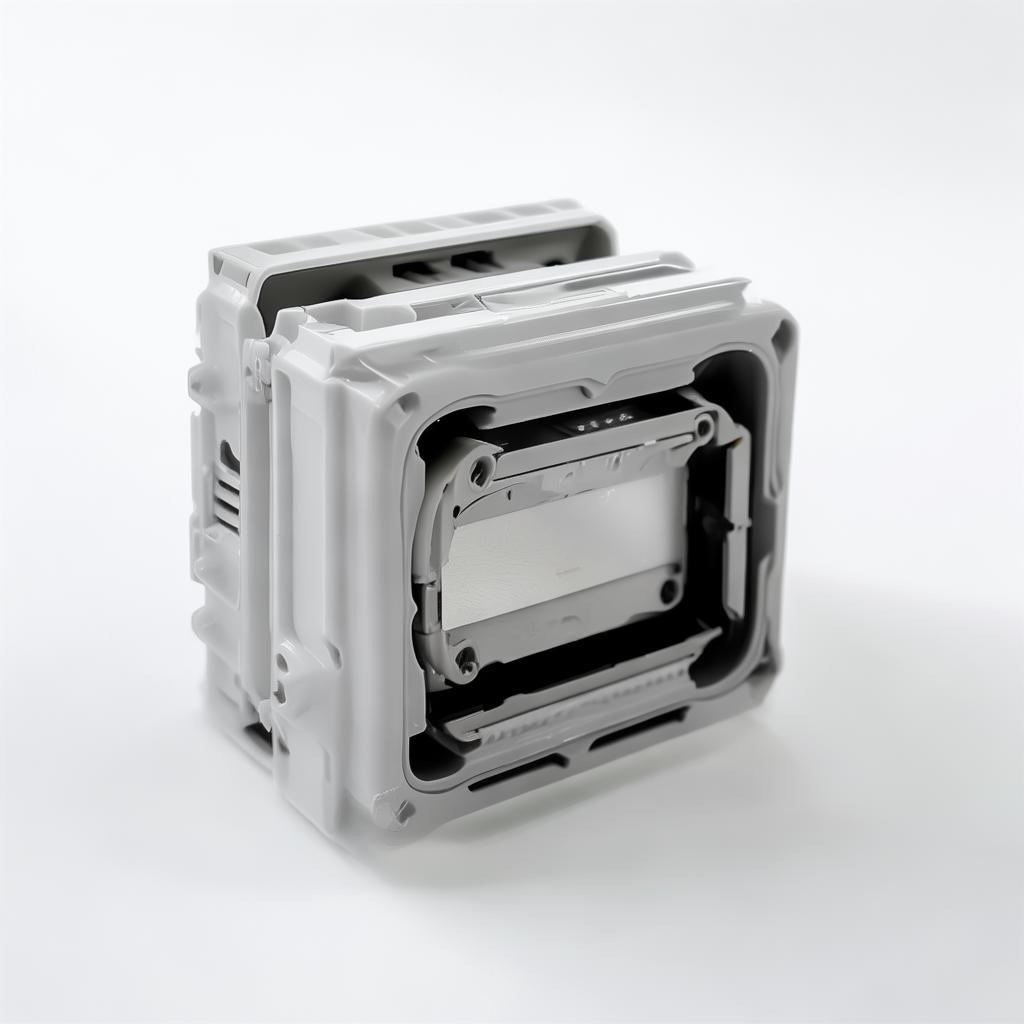
Our expansive 35,000 m² industrial park is more than a factory floor; it's an ecosystem with over 80 automatic injection molding machines and advanced liquid silicone molding capabilities, customized to deliver complex parts with tolerances as tight as ±0.01 mm. This breadth of machinery supports a vast range of polymers and silicone materials, equipped to meet the fast-pace and high-spec challenges of today’s global supply chains.
We speak your language when it comes to navigating the often complicated matrix of procurement demands: managing supplier lead times, ensuring strict compliance with international standards like ISO 9001:2015 and CE certification, and balancing cost with performance in industries as diverse as new energy vehicles, consumer electronics, and industrial appliances.
Plastic parts processing today is not merely an assembly line task. It demands nuanced expertise in molding workflows — from the choice of polyethylene, polypropylene, ABS resins to understanding thermal shrinkage, warpage risks, and post-molding finish efficiencies. As your technical partner, we offer practical insights into tooling development timelines, common pitfalls like weld-lines or sink marks, and proactive mitigation moderated by our 30+ precision molding experts.
Operational reliability across the supply chain can no longer be a guessing game. Our high-level quality assurance system integrates in-line inspection, mechanical property testing, and non-destructive dimensional analysis to ensure your assemblies fit seamlessly every time.
Ultimately, when you choose Yingtai, you’re tapping into more than just a factory — you’re collaborating with a knowledgeable team that has shaped plastic component production for thousands of projects worldwide. Our commitment to technological advancement, such as multi-shot injection molding and liquid silicone overmolding, keeps you ahead in innovation.
For a deeper technical understanding or project-specific guidance, consider talking with our engineers, or requesting a customized factory pricing plan tailored to your needs.
Technical Deep Dive: Processing Methods & Material Science
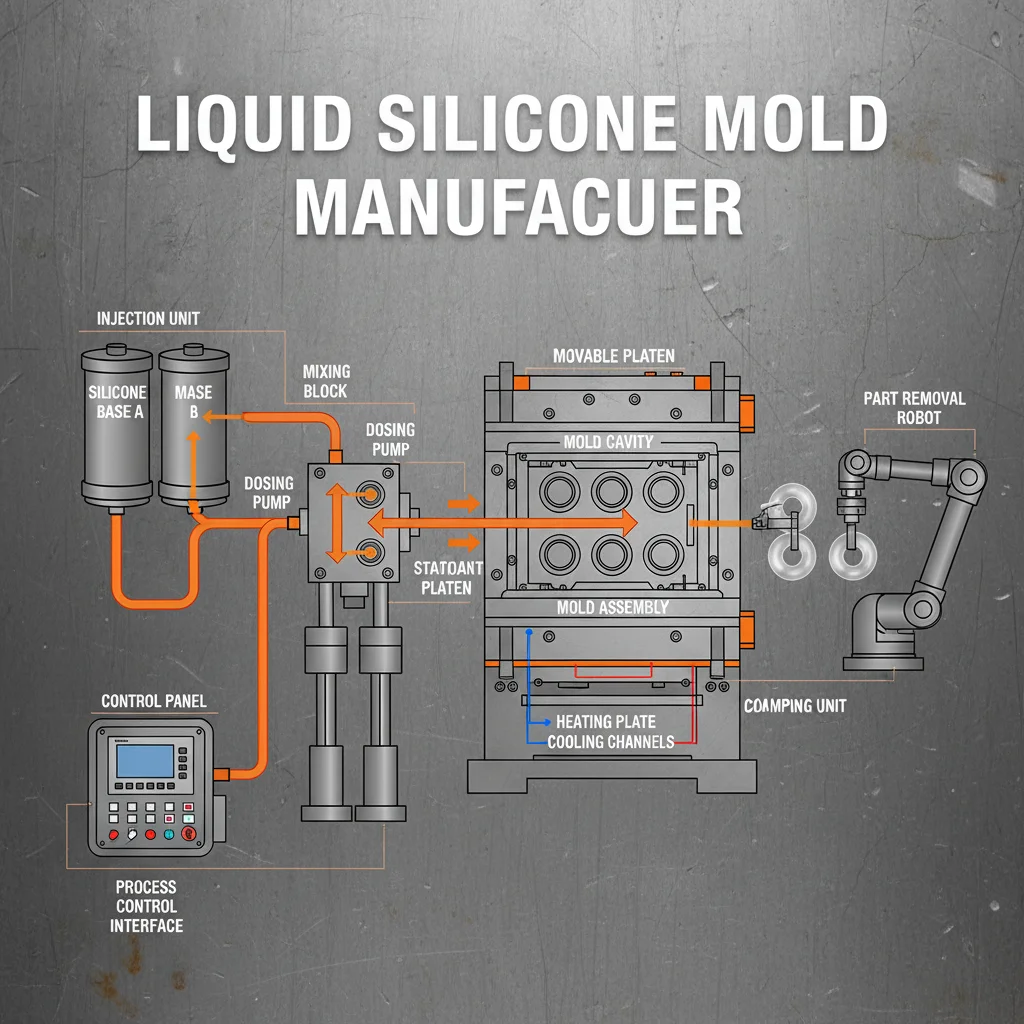
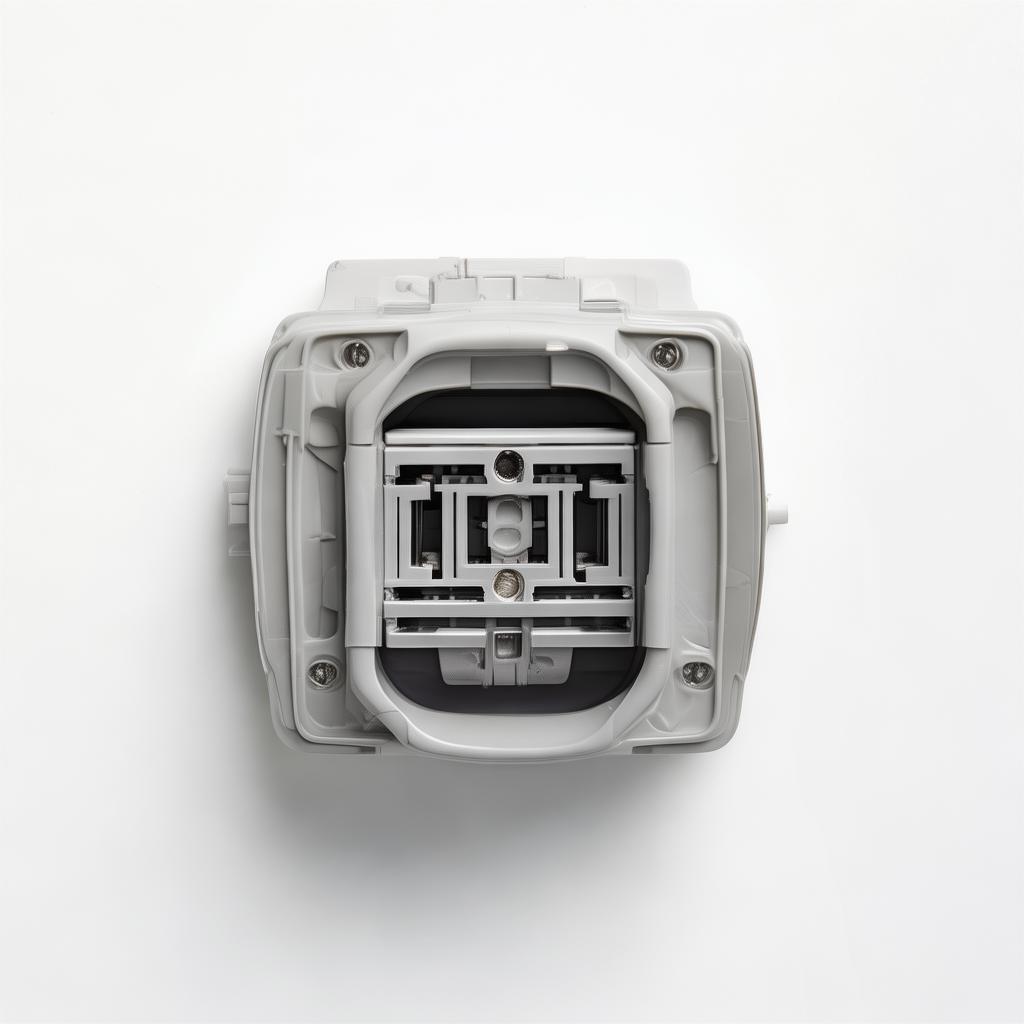
Plastic part processing starts with selecting the right technology. Guangdong Yingtai utilizes a versatile production mix geared for both thermoplastic injection molding and liquid silicone injection molding (LSR), which together cover demanding applications requiring flexibility, durability, and precision.
Material Highlights
- Polyethylene (PE) & Polypropylene (PP): Lightweight and chemically resistant, ideal for consumer products and automotive interiors.
- ABS (Acrylonitrile Butadiene Styrene): High impact resistance and rigidity, common in housings and structural components.
- Liquid Silicone Rubber (LSR): Exceptional heat resistance, biocompatibility, and flexibility for seals, gaskets, and medical-grade components.
Key Production Factors to Consider
| Aspect |
Detail |
Buyer Impact |
| Cycle Time |
Varies typically 15-60 seconds depending on part complexity and material type. |
Affects throughput capacity and delivery speed. |
| Cooling Method |
Water channels and conformal cooling improve dimensional stability and reduce warpage. |
Reduces defective rates, boosting first-pass yield. |
| Tooling Tolerance |
Standard ±0.05 mm; precision molds can reach ±0.01 mm. |
Critical for exact fits and assembly integrity. |
| Surface Finish |
Options range from matte to high-gloss or custom textures. |
Influences aesthetics and tactile quality, important in consumer products. |
Processing plastic parts enterprises Processing plastic parts factory Plastic parts processing factory
We work closely with clients during the design validation phase to recommend material grades that meet application-specific requirements, such as UV resistance for outdoor parts, or food-grade compliance for consumer kitchenware.
Application Scenarios: Where Our Plastic Parts Make the Difference
Processing plastic parts with precision and reliability opens doors across multiple sectors, with demands shifting rapidly towards combination solutions like plastic-silicone overmolding or multi-material injection molding.
- New Energy Vehicles: High-performance trims, gaskets, and insulation components requiring heat resistance and tight dimensional controls.
- Consumer Electronics: Lightweight housings, shock-absorbing covers, and silicone keypad overlays crafted for durability and aesthetics.
- Industrial Appliances: Custom seals and plastic components engineered for chemical resistance and long lifecycle.
- Wearable Devices: Precision injection molded parts using LSR for skin-friendly, flexible, and reliable interfaces.
- Healthcare & Medical: Biocompatible plastic parts and silicone seals with strict quality control and documentation.
These fields not only demand strict compliance with regimes like FDA, RoHS, and medical-grade certifications, but also challenge manufacturers to deliver scalable solutions adaptable to volume fluctuations.
Buyer Guide: Key Considerations When Choosing a Processing Plastic Parts Supplier
Choosing the right supplier today involves looking beyond quotes. Here’s what we recommend focusing on from a procurement perspective:
- Certification Portfolio: Confirm ISO 9001, CE, or industry-specific certifications to ensure standardized quality systems.
- Material Expertise: Verify if the supplier handles a wide range of polymers and specialized materials like LSR, including OEM/ODM customization.
- Production Capacity & Investment: Ask for factory tour or detailed machine list (e.g., number of injection molding presses, automation levels).
- Lead Time Transparency: Request realistic production and shipping timelines, factoring tooling development and container logistics.
- Quality Control Methods: Understand their QC processes — from raw material inspection to final part dimensional verification.
- Technical Support Availability: Prioritize vendors offering engineering consultation to reduce trial-and-error in new product introduction.
- Environmental Compliance & Waste Management: Sustainable production practices reflect forward-thinking partners minimizing operational risks.
Our experience indicates that upfront investment in supplier qualification and joint process optimization significantly mitigates the common risks of supply disruption, cost overruns, and non-conforming parts.
For personalized insights, request a detailed supplier evaluation checklist tailored to your industry and project scale.



 Michael Johnson – Purchasing Manager, Automotive Supply