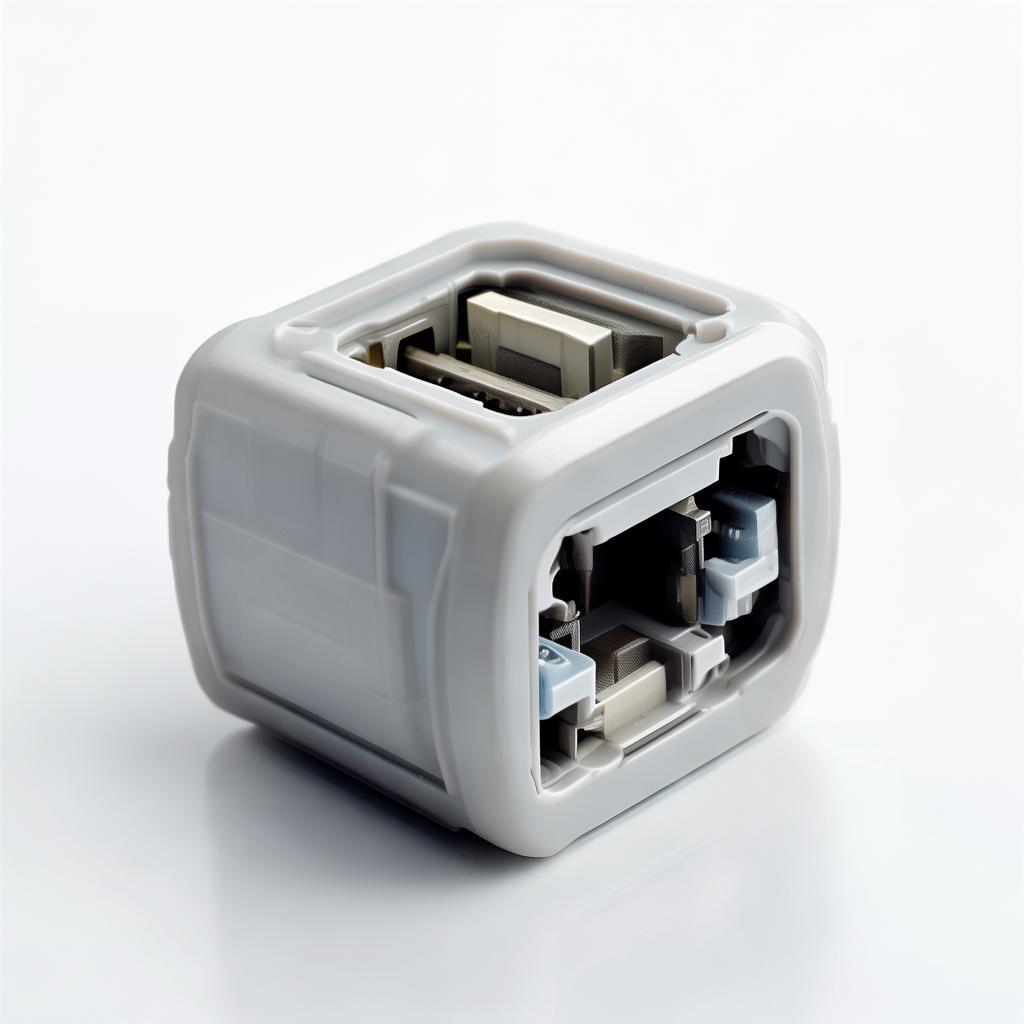
Processing Plastic Parts Enterprises: Navigating Challenges and Maximizing ROI
Expert insights from Guangdong Yingtai High Precision Technology Co., Ltd. for Purchasing and Operations Leaders
Operational Pain Points in Plastic Parts Processing
Processing plastic parts remains one of the most demanding sectors within industrial manufacturing. For procurement directors and technical engineers alike, the spectrum ranges from achieving consistent precision to balancing cost-effectiveness and material longevity.
Common hurdles enterprises face include:
- Material variability: Inconsistent resin or silicone batches can affect product dimension and mechanical properties, leading to production scrap or field failures.
- Tooling and mold wear: Especially in liquid silicone rubber (LSR) and multi-shot injection molding, tooling costs and durability impact profitability heavily.
- Process control complexity: Achieving stable injection and curing cycles to minimize warping, flash, or incomplete fills requires rigorous monitoring.
- Lead time volatility: Delays in mold fabrication or molding machine maintenance ripple through supply chains, disrupting just-in-time deliveries.
- Compliance and certification challenges: Navigating standards like ISO 9001, CE certification, and FDA requirements for medical-grade silicone components increases overhead.
For decades, companies shrank profit margins juggling these challenges without clear visibility into optimized material and process selection. Ultimately, this complicates supplier negotiations and raises risk exposure in global markets.
Technical Insights: Process and Material Innovations
Our factory at Guangdong Yingtai High Precision Technology Co., Ltd. has observed continuous operational improvements by leveraging advanced molding technologies and material characterization methods that are shaping today's plastic parts market.
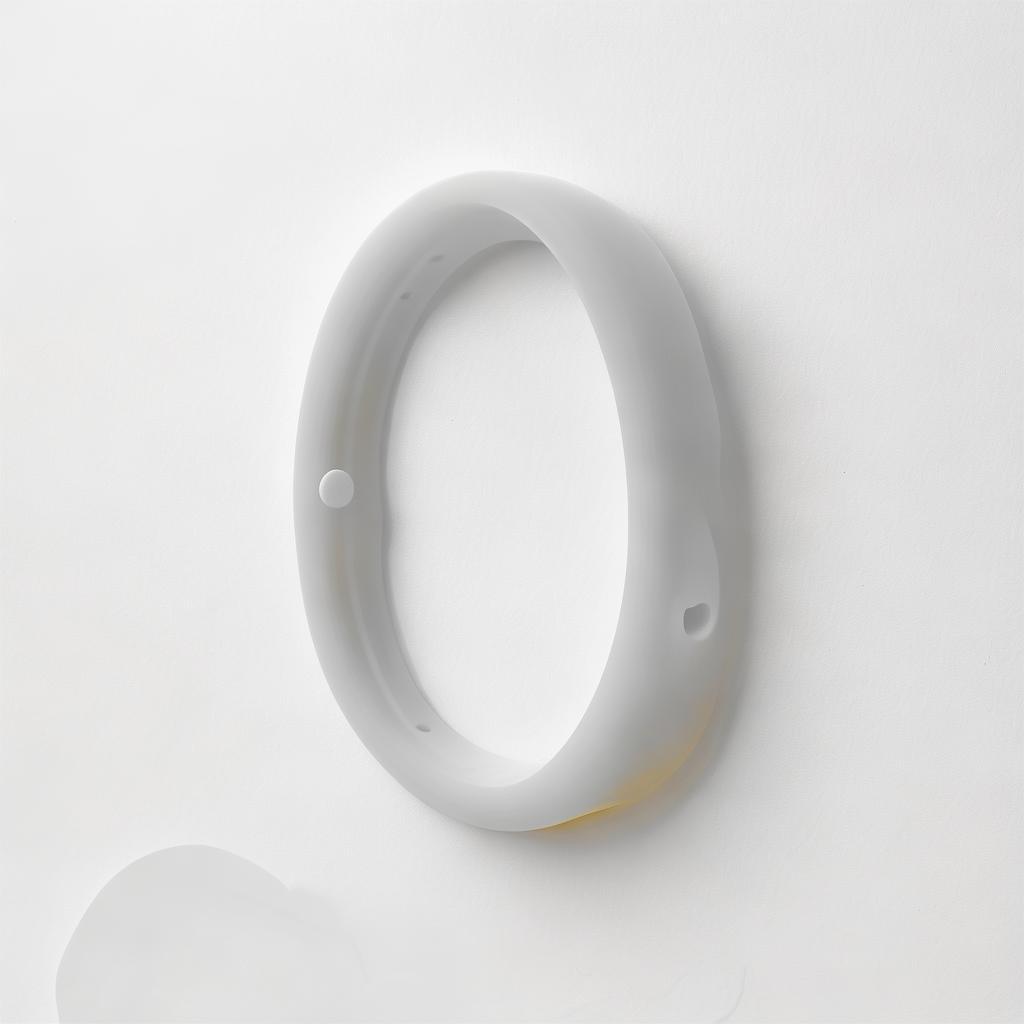
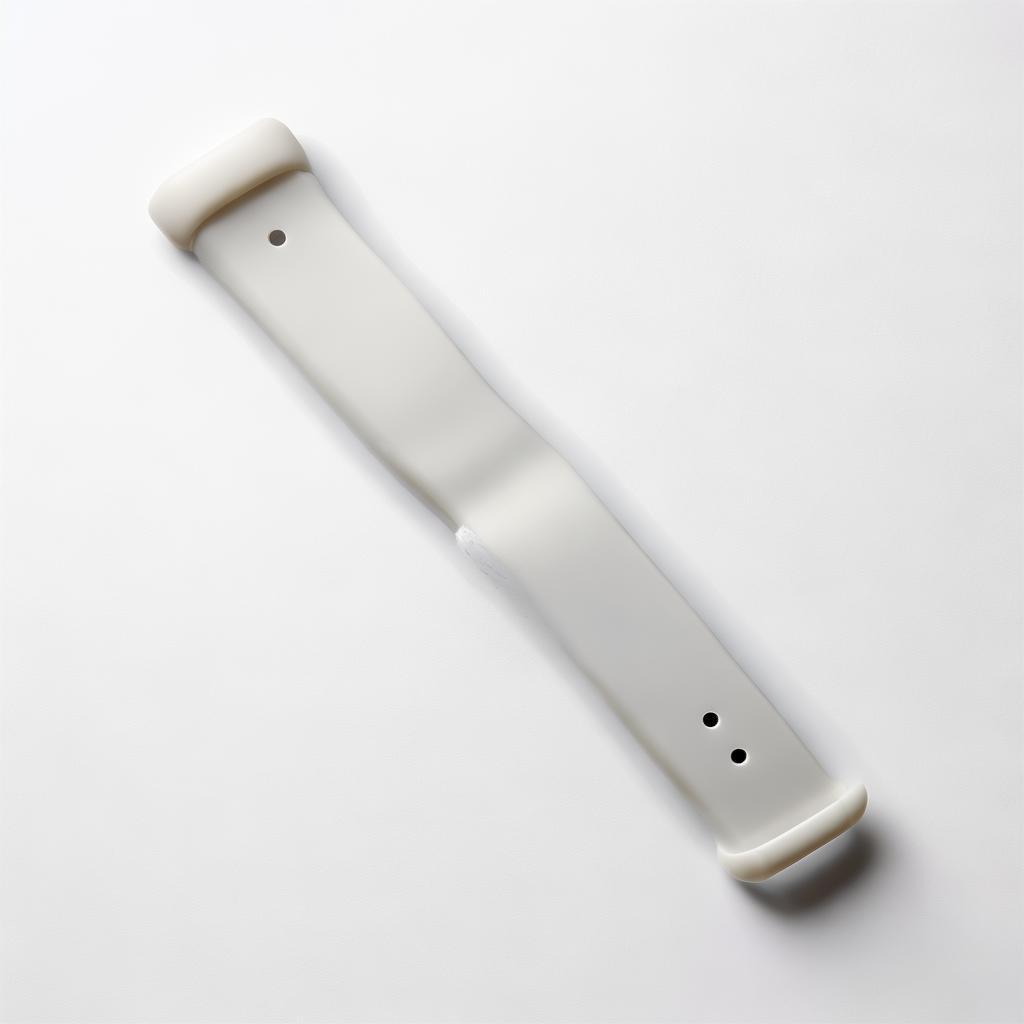
Notably, the precision of liquid silicone rubber (LSR) injection molding drives critical performance benefits in multiple industries, including medical devices, consumer electronics, and automotive seals. According to Grandview Research, the global LSR market is projected to near USD $5 billion by 2030, fueled by demand for biocompatible, heat-resistant, and flexible molded parts.
Key technical developments we embrace internally include:
- Enhanced material characterization—Using rheology and calorimetry data to optimize curing cycles and reduce molding defects, as detailed in MDPI's recent findings (MDPI Study).
- Vacuum injection molding—Prevents air entrapment and improves dimensional consistency, vital for components in soft robotics and high-precision assemblies (Springer Research).
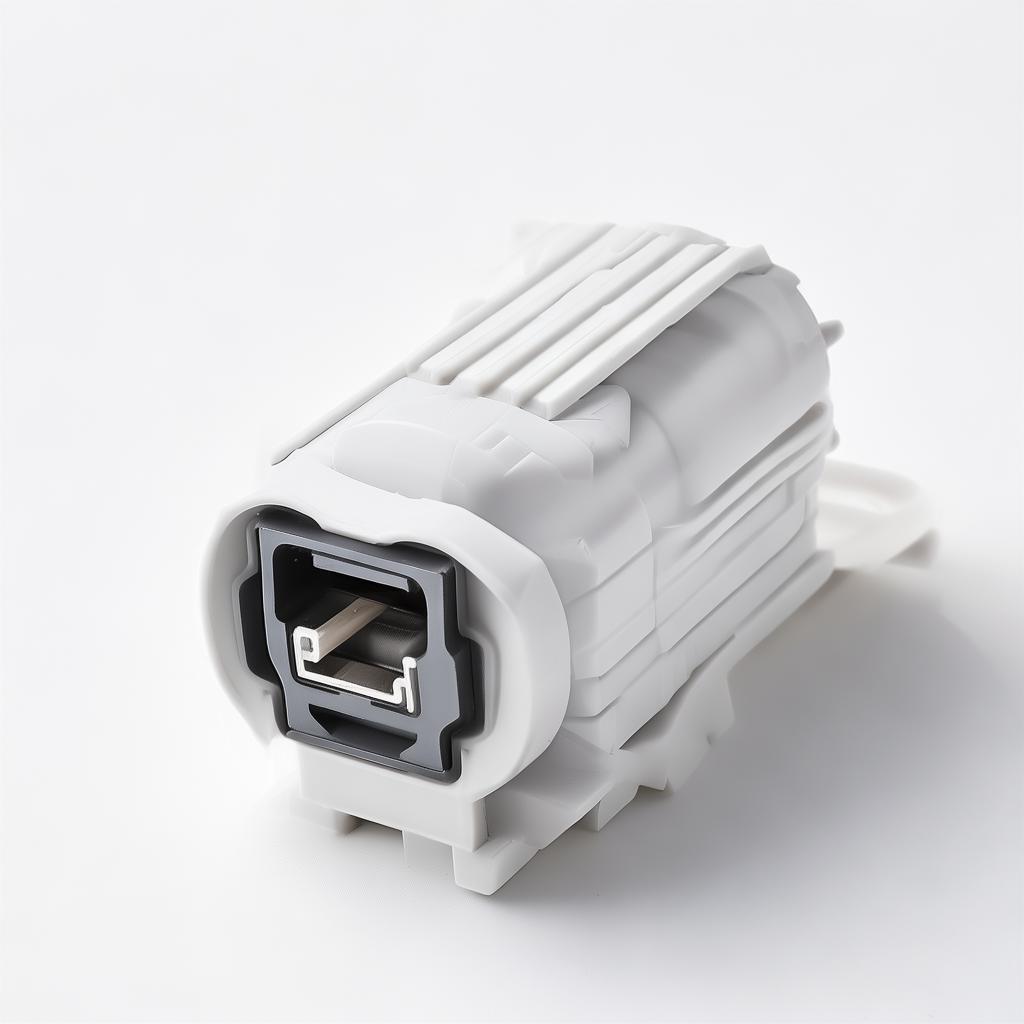
- Multi-component (MC) molding—Combining LSR with thermoplastics like ABS to produce high-performance overmolded parts for wearables and medical applications (MDPI Polymers).
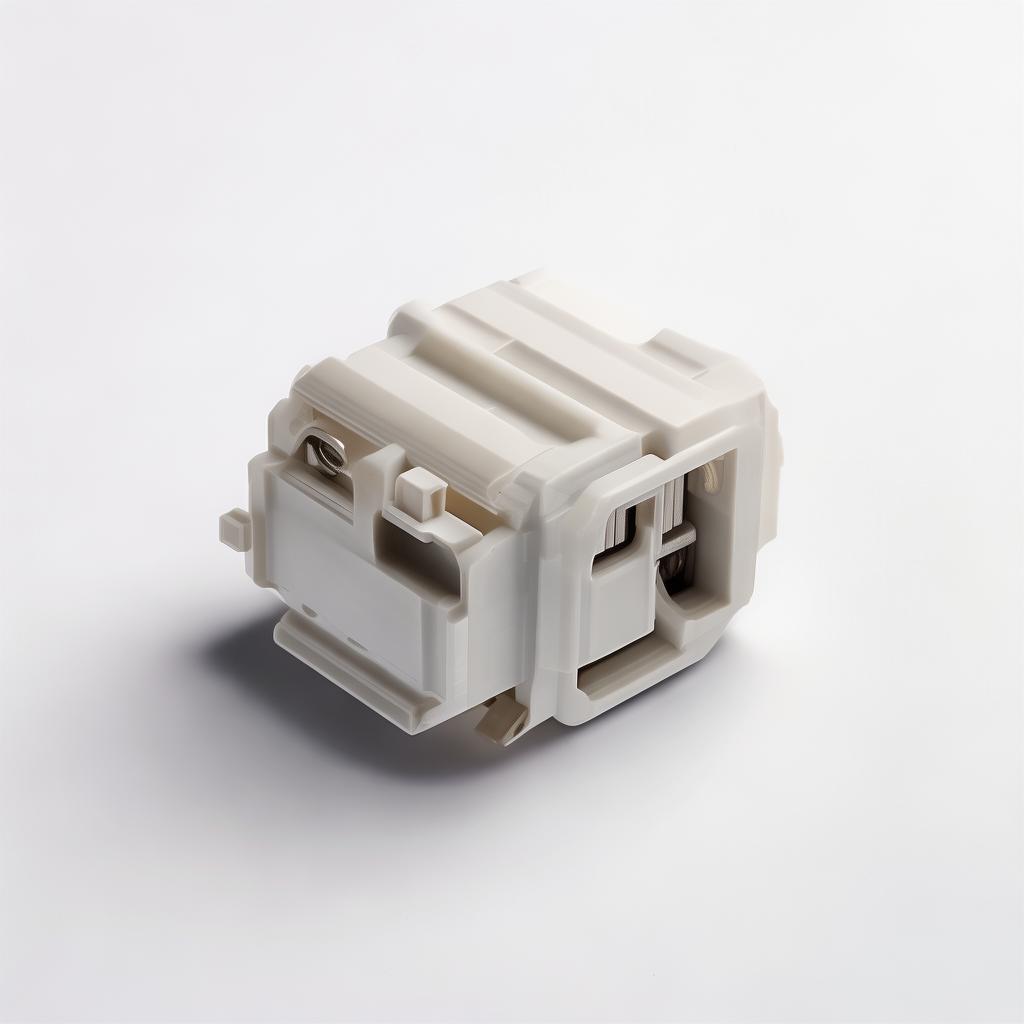
- Tooling excellence—Maintaining over 30 sets of precision mold processing equipment to mitigate flash and achieve tight tolerances consistently.
The fusion of sophisticated simulation, high-quality material batches, and precision tooling dictates whether your parts arrive flawless and on-time — or require costly rework.
Product Advantages and Material Comparison
Choosing the right plastic or silicone material dictates product lifecycle and user satisfaction. Below is a brief comparative overview of common materials and their attributes relevant to processing plastic parts enterprises:
| Material | Key Attributes | Typical Applications | Certifications & Standards |
|---|---|---|---|
| Liquid Silicone Rubber (LSR) | Heat resistance up to 230°C, biocompatible, UV stable, excellent elasticity | Medical seals, automotive gaskets, consumer wearable parts | ISO 10993, FDA, RoHS, CE |
| Polyethylene (PE) | Good chemical resistance, low cost, good impact strength | Packaging, wiring insulation, drainage components | FDA food-contact approved |
| ABS (Acrylonitrile Butadiene Styrene) | Good mechanical properties, stiffness, impact resistance | Electronics housings, automotive interior parts | UL certified, RoHS compliant |
| Polycarbonate (PC) | High impact resistance, transparent, heat resistant | Optical lenses, protective covers, lighting | UL, FSC, CE |
Processing plastic parts company Processing plastic parts factory Plastic parts enterprises
Our expertise in combining advanced OEM manufacturing and multi-material overmolding allows producing parts tailored specifically for your application environment, ensuring compliance with industry standards such as ISO 9001 and CE certification.

Procurement Guidance & Supplier Evaluation
Selecting the right supplier goes beyond quoting the lowest unit price. For purchasing managers, risk mitigation and quality consistency are paramount.
Consider the following when evaluating plastic parts enterprises:
- Technical capability: Check if the supplier has modern injection molding machinery, such as our own fleet of 80 automatic injection machines and 55 liquid silicone molding setups.
- Quality control & certifications: ISO 9001 compliance and partnership with accredited labs ensure material and process consistency.
- Lead times & flexibility: Assess responsiveness to prototyping, mold development, and small batch runs, especially if manufacturability iterations are needed.
- Supply chain stability: Understand their inventory management and logistics arrangements — does the enterprise optimize container loading or offer consolidated shipping options?
- Communication transparency: A supplier open to sharing process limitations, tooling costs, and potential risks upfront fosters smoother collaboration.
Your procurement team can reduce costly mistakes by visiting factory sites, inspecting test equipment, and requesting product samples for evaluation. Requesting free samples or checking OEM options is a vital step prior to large orders.
Installation & Logistics Considerations: What to Watch For
From an operations perspective, even perfectly molded plastic parts can underperform if installation and supply chain logistics aren’t properly managed.
Here are key insights gained from experience:
- Packaging optimization: Proper anti-static and anti-slip backing materials prevent damage during transit.
- Container loading efficiency: Understanding part dimensions enables optimal container utilization, reducing freight costs and lead times.
- Installation environment compatibility: Pay attention to UV resistance, chemical exposure, and thermal cycling in your application to avoid premature wear.
- Maintenance intervals: Recommend routine inspection schedules based on silicone’s lifecycle and environmental demands to prevent downtime.
- Certification compliance for import/export: Ensure all shipping and customs documentation align with WTO requirements and import country regulations.
Planning ahead with your supplier can vastly improve installation quality and reduce delays. For example, some Yingtai customers have reported shorter installation times due to our precision molds with tight tolerances that reduce adjustment needs on-site.
Buyer FAQs: Addressing Common Procurement Concerns
- Q1: What is the typical lead time for custom plastic parts production?
- For standard mold development followed by production, expect 25-40 days depending on complexity. Rapid prototyping can sometimes be achieved within 10-15 days.
- Q2: How do you ensure dimensional consistency across large batches?
- We implement automated process control with real-time monitoring on clamping force, injection pressure, and curing temperature integrated into our production lines. Periodic tool maintenance and in-house testing guarantee batch uniformity.
- Q3: Can you handle multi-material injection molding (overmolding)?
- Yes. Our 20 solid silicone hydraulic presses and extensive expertise enable overmolding combinations like LSR on ABS, enabling product functionality with soft-touch surfaces and rigid bases.
- Q4: What certifications back your manufacturing quality?
- We maintain ISO 9001 certification and routinely validate products to RoHS, CE, and FDA standards where applicable.
- Q5: How do you handle shipping and logistics for large orders?
- We support container loading optimization and provide detailed shipping plans, liaising closely with freight forwarders to ensure smooth customs clearance and timely delivery.
Customer Reviews & Real-World Feedback

Jane Miller, Procurement Manager, Medical Devices (USA):
"Working with Yingtai's liquid silicone rubber parts has reduced our sample revision cycle by at least a week. The level of technical support and consistent quality is unmatched in our experience with overseas suppliers."

Marco D'Souza, Operations Director, Automotive Components (Canada):
"The OEM options offered by Yingtai let us customize sealing parts precisely for our electric vehicle projects. Their engineering team’s readiness to align molds with our specs shortened our validation phase."

Rachel Lee, Technical Lead, Consumer Electronics (USA):
"Shipping was smoother than expected—thanks to their container loading optimization hints. Plus, their attention to silicone grade certifications gave us the confidence our headphones’s seals met FCC and RoHS requirements."
Ready to Solve Your Plastic Parts Processing Challenges?
Contact Guangdong Yingtai High Precision Technology Co., Ltd. for expert solutions built on 20+ years of industrial manufacturing experience.
📞 Miss Zhang: +86 17722437688
📧 Email: zmm@yingtai168.com / lh@yingtai168.com
🌐 Visit Contact Page