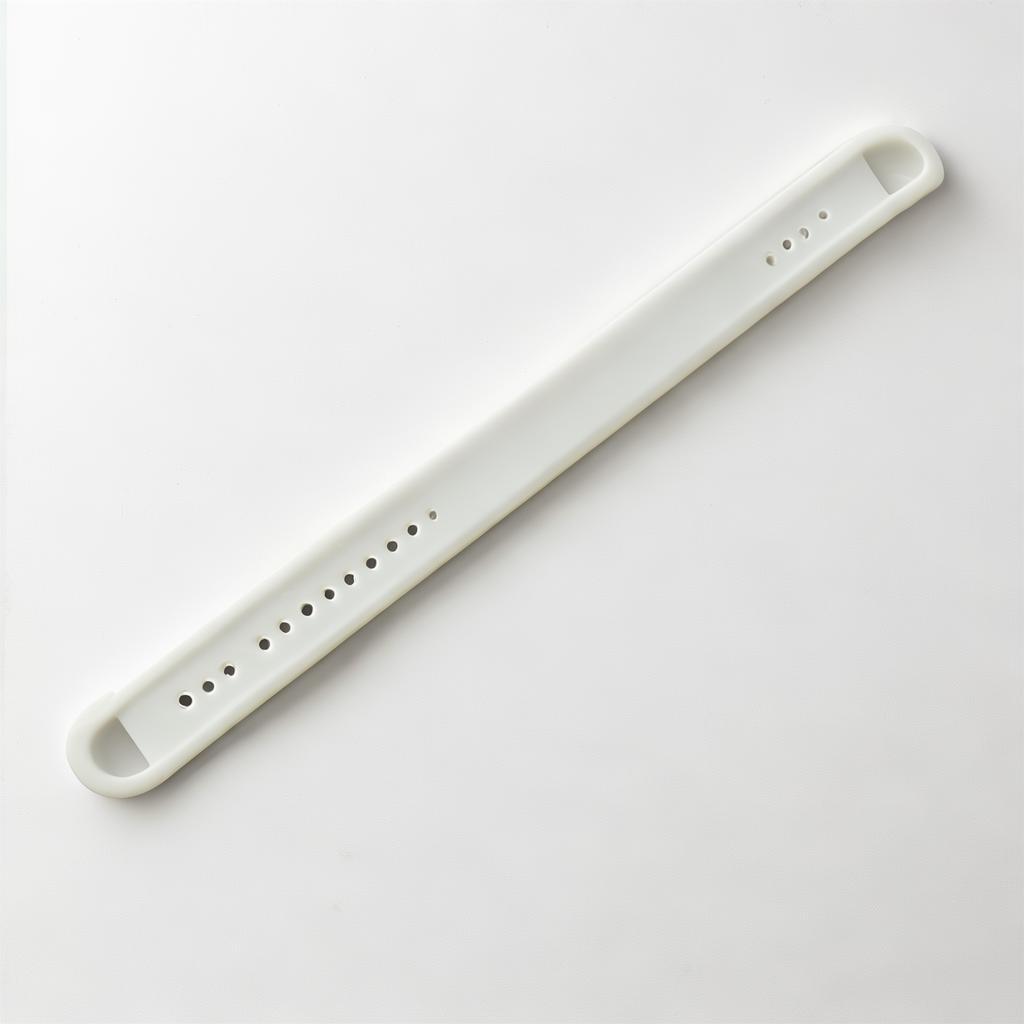
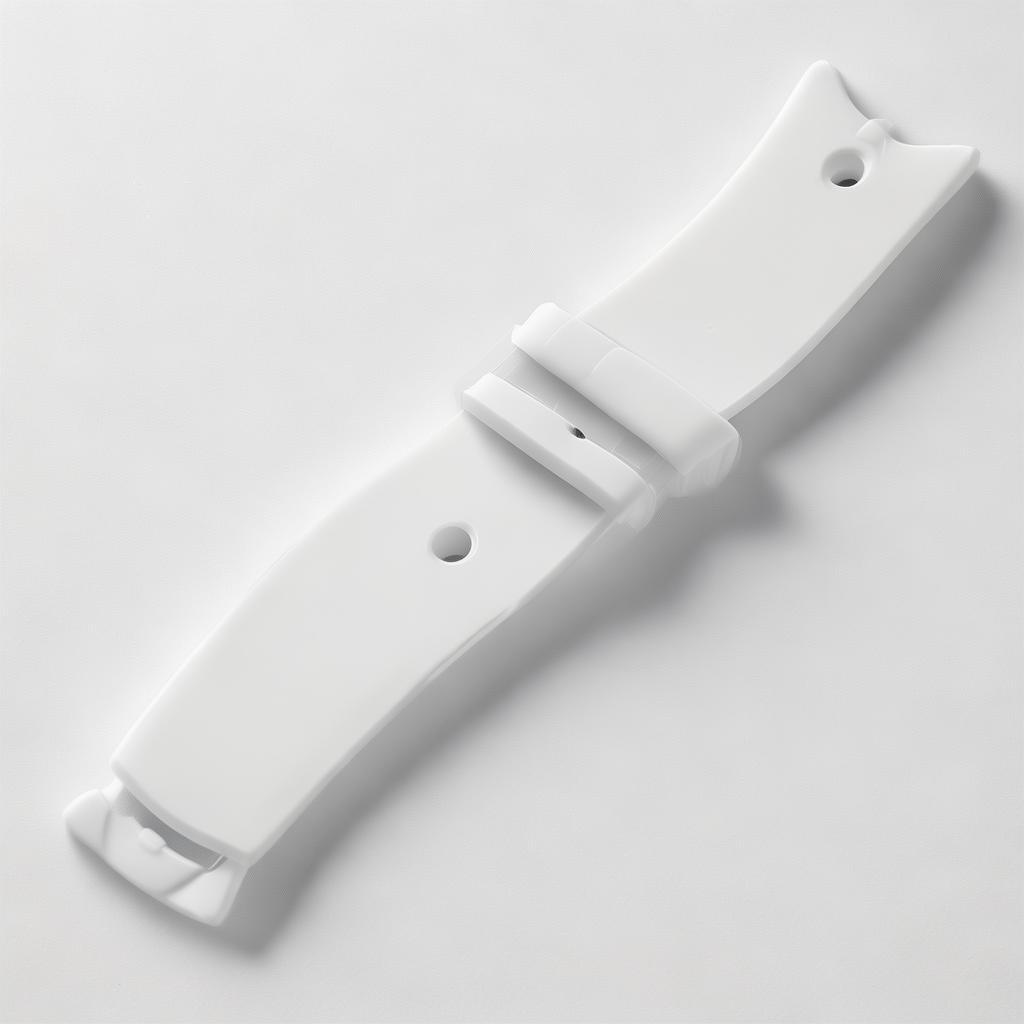
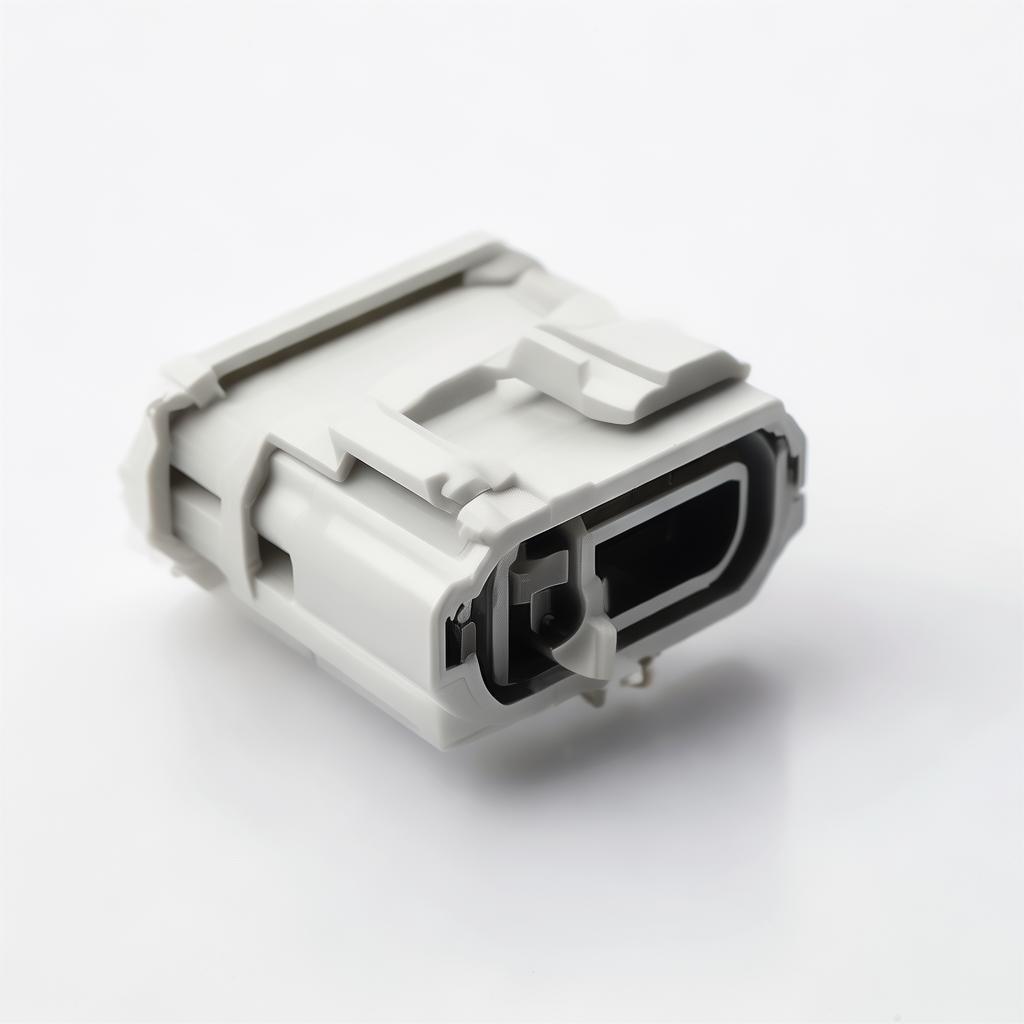
Precision-Engineered Plastic Mold Manufacturing for Global Industrial, Automotive & Consumer Markets In today's global manufacturing landscape, precision plastic parts molding remains a cornerstone for countless industries — from automotive assemblies and consumer electronics to
Product Details
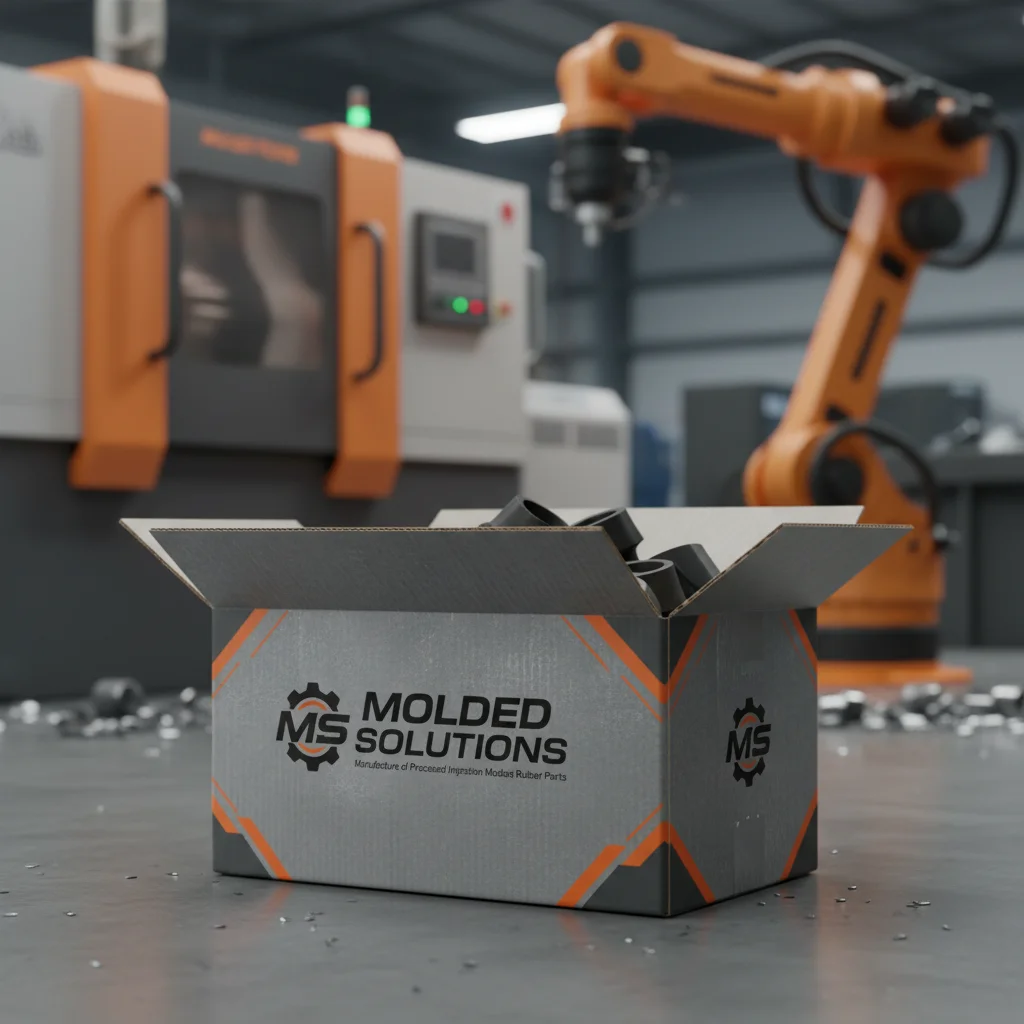
Processing Plastic Parts Mold Factory
Precision-Engineered Plastic Mold Manufacturing for Global Industrial, Automotive & Consumer Markets
Introduction & Market Insights
In today's global manufacturing landscape, precision plastic parts molding remains a cornerstone for countless industries — from automotive assemblies and consumer electronics to specialized medical devices. Navigating this complex market demands a trusted partner that offers not only manufacturing excellence but also an extensive understanding of material science, tooling technology, and supply chain logistics. With over 20 years specializing in processing plastic parts molds, Guangdong Yingtai High Precision Technology Co., Ltd. has emerged as a reliable international supplier, rooted in Dongguan’s manufacturing hub.
The demand for intricately molded plastic components has surged in recent years due to increasing product complexity and tighter tolerances. According to a 2023 study on liquid silicone rubber (LSR) processing, the market is expected to grow steadily with an 8-9% CAGR across multiple sectors driven by precision requirements and biocompatibility factors. While LSR stands out for soft-touch applications, traditional plastic mold processing excels in structural parts requiring rigidity and durability, often applied in automotive, appliance, and smart device components.
Applying cutting-edge injection molding techniques, Yingtai’s factory integrates over 80 sets of automatic plastic injection molding machines, combined with 55 liquid silicone molding machines, enabling a full spectrum of production capabilities. This industrial scale allows the handling of low-to-high volume orders with consistent quality standards that meet both ISO 9001 and CE certifications.
From a buyer's perspective, selecting a plastic parts mold factory is no trivial task. Understanding material properties like ABS, polycarbonate (PC), polypropylene (PP), and nylon is critical to align manufacturing processes and product lifecycle expectations. Equally significant is evaluating a supplier’s mold design competency, lead time transparency, and quality control methods. Many procurement managers overlook how inadequate tooling or process variations can cause dimensional inconsistencies, leading to costly production reworks or assembly failures downstream.
Operational observations from clients worldwide consistently note a correlation between supplier engagement in mold development stages and final part performance. This collaborative approach reduces risks related to warpage, sink marks, and flash defects — common issues well controlled by advanced mold temperature regulation and process parameter optimization.
In the following sections, we delve into the industry’s common challenges, technical nuances, and best procurement practices to equip decision-makers with actionable guidance for sourcing processing plastic parts mold solutions from China and beyond.
Common Industry Challenges
Dimensional Variability: Inconsistent mold quality or poor process control often leads to parts that don’t meet tight tolerances, affecting assembly compatibility.
Lead Time Uncertainty: Delays in mold design finalization or raw material procurement extend delivery schedules, disrupting production timelines.
Material Selection Complexity: Choosing between thermoplastics like ABS, PC, or POM depends on mechanical and environmental requirements, requiring supplier technical advisory.
High Tooling Costs: Especially for prototypes or small batch production, upfront mold development can be expensive, with little margin for mistakes.
Quality Control Challenges: Detecting defects such as short shots, sink marks, or gate vestiges demands rigorous inspection systems and process stability.
Logistics & Shipping Risks: Mold size and part fragility complicate container loading and transport; improper packaging risks damaging expensive tooling.
Technical Overview of Plastic Mold Processing
The journey from raw plastic resin to a finished part hinges on the interplay of multiple parameters — mold design, injection speed, cooling strategy, and material rheology. At Guangdong Yingtai High Precision, experts stress the importance of CAE-backed mold flow simulations which anticipate potential defects and optimize gate placement and venting. According to technical analysis in the MDPI paper on material characterization for LSR injection molding, precise material thermal and curing datasets elevate molding accuracy — a principle equally valid for thermoplastics.
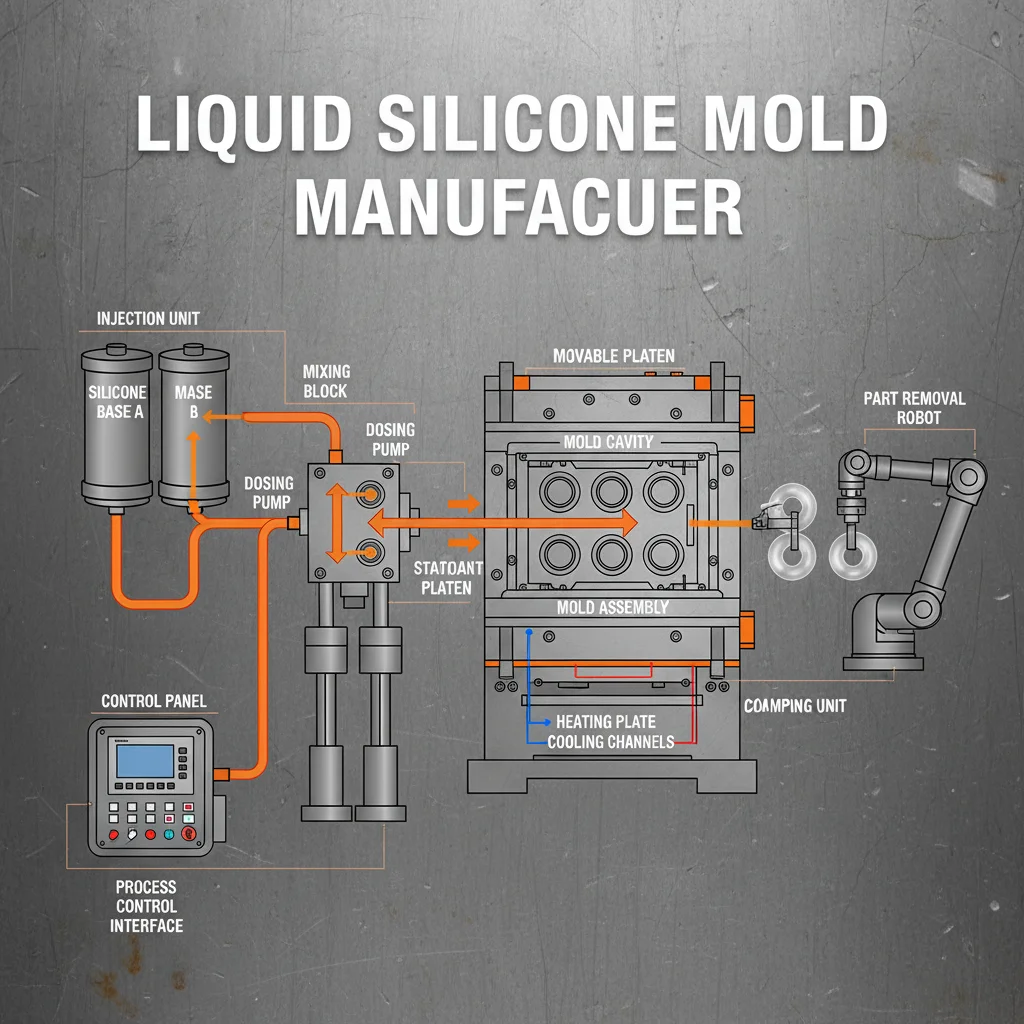
Injection molding cycles involve:
Clamping: Mold halves securely locked under pressure.
Injection: Molten plastic injected at controlled speeds and pressures.
Cooling: Material solidifies; cooling channels ensure uniform temperature.
Ejection: Part separated using ejector pins or plates.
Key materials processed include ABS (for impact resistance), PC (for dimensional stability), Nylon (for wear resistance), and Polypropylene (for chemical resistance). Material choice influences cycle time, mold wear, and post-processing requirements. In-depth knowledge of polymer grades is essential; many suppliers offer value by helping clients select the right resin grade tailored to the end-use environment.
Our factory leverages over 80 injection molding machines ranging from 30 to 650 tons clamping force, providing flexibility for small precision parts and large components. Meanwhile, advanced inspection instruments — such as CMM (Coordinate Measuring Machines) and optical comparators — ensure dimensional accuracy within microns.
Typical Technical Specifications for Injection Molded Plastic Parts
Guangdong Yingtai High Precision Technology Co., Ltd commands a modern industrial park spanning 35,000 square meters in Dongguan's manufacturing core. The factory operates:
55 Liquid Silicone Molding Machines: Enabling sophisticated LSR component production with precision injection molding
80 Automatic Plastic Injection Molding Machines: From small to large clamping force units for versatile application needs
30+ Precision Mold Processing Equipment: Milling, EDM, CNC machining, and polishing capabilities ensuring mold accuracy and surface quality
20 Advanced Testing Instruments: Includes spectrometers, hardness testers, and CMM to maintain stringent quality control
The comprehensive supply chain integration allows fast turnaround times for tooling development and part production. Yingtai holds key industry certifications:
ISO 9001 Quality Management
CE Marking for product compliance
RoHS Environmental Standard Compliance
Inside Yingtai's modern plastic parts mold production workshop.
Yingtai's export team of over 500 professionals ensures smooth communication for overseas clients in the USA and beyond, offering OEM/ODM options tailored to specific industry demands such as automotive sealing systems, consumer electronics housings, and industrial appliance components. The factory supports container optimization strategies to reduce shipping costs and ensures secure packaging tailored for precision molds.
Procurement Advice & Risk Reduction
Navigating the complexities of sourcing processing plastic parts molds requires more than price comparison. Here are key considerations to minimize project risks and delays:
Early Technical Engagement: Collaborate closely with your supplier’s engineering team during mold design to ensure feasibility and manufacturability. It reduces redesign cycles and tooling cost overruns.
Material Grade Verification: Confirm resin specifications meet application criteria — mechanical strength, UV stability, flame retardance — especially for outdoor or safety-critical parts.
Prototype Validation: Opt for rapid tooling and sample runs to catch molding issues before mass production. Mistakes at this stage can be costly later.
Clear Lead Time Communication: Ensure realistic scheduling that factors tooling development, sampling, iterative adjustments, and logistics buffer times.
Quality Assurance Protocols: Request detailed capability reports (CPK, PPAP) and third-party audits if applicable.
Logistics & Packaging: Confirm packing methods that prevent mold damage and plan container loading to optimize freight efficiency.
Supply chain disruptions have reminded procurement managers globally to diversify sourcing and favor factories with robust export experience and transparent communication channels. Yingtai’s team prides itself on proactive updates and after-sales support, which many clients acknowledge as a differentiator.
Before finalizing supplier selection, perform factory audits or request virtual tours, and verify references where possible. This hands-on diligence pays dividends when scaling complex mold projects.
Customer Testimonials
Mark Stevens, Procurement Manager - Automotive Parts, Michigan, USA
“Yingtai has consistently delivered complex injection molds that meet our strict dimensional and surface quality standards. Their ability to integrate fluid communication during design has saved us weeks on project timelines. The tooling is solid, and parts are highly repeatable.”
Get in Touch
If you have any camping barbeque equipment inquiry, please feel free to contact us.



 ISO 9001 Quality Management
 CE Marking for product compliance
 RoHS Environmental Standard Compliance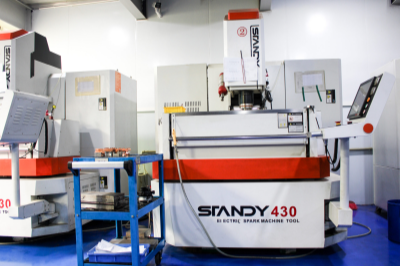
 Mark Stevens, Procurement Manager - Automotive Parts, Michigan, USA