Optimizing Quality and Efficiency for Advanced Silicone Manufacturing As global demand for high-precision silicone components escalates, the liquid silicone rubber (LSR) molding market has seen sustained growth. According to Grandview Research , the global
Optimizing Quality and Efficiency for Advanced Silicone Manufacturing
Industry Context & Market Outlook
As global demand for high-precision silicone components escalates, the liquid silicone rubber (LSR) molding market has seen sustained growth. According to Grandview Research, the global LSR market reached an estimated USD 2.81 billion in 2023 and is projected to neared USD 5 billion by 2030 at a compounded annual growth rate (CAGR) around 8.5%. This growth is driven by industries—from automotive to consumer electronics—seeking silicone parts that combine biocompatibility, thermal resistance, and mechanical precision.
Fundamentally, the ability to process precision liquid silicone component molds dictates overall product quality, cycle time, and operational cost. However, several manufacturing complexities continue to challenge even experienced B2B buyers and engineers:
Balancing mold design for tight dimensional tolerances and surface finish
Minimizing defects like flashing, bubbles, or short shots
Integrating multi-component overmolding with thermoplastics
Ensuring rapid tooling lead time without compromising durability
The above factors significantly impact procurement decisions and commercial success. Given the capital-intensive nature of silicone mold tooling, selecting a reliable manufacturer capable of end-to-end solutions is essential. Especially for OEM/ODM partnerships, where clients expect seamless integration from design to mass production.
Industry reports also highlight the importance of advanced simulation and rheological material characterization to reduce trial runs and efficiently optimize molding parameters (see MDPI Study on LSR Material Characterisation).
Operational Challenges & Procurement Risks
The technical complexity of precision liquid silicone molding often results in operational bottlenecks and costly errors. In my experience as a manufacturing engineer, one of the most overlooked risks is underestimating material curing behavior under injection conditions, which can shift tolerances and degrade part consistency.
Common issues reported by procurement leaders include:
Tooling Wear and Unexpected Downtime: Silicone molds exposed to aggressive curing cycles without proper maintenance reduce production uptime.
Inadequate Ventilation and Flashing: Poor vent design leads to excess flash and waste, driving up scrap rates.
Material Compatibility: Challenges arise when integrating LSR with thermoplastics in multi-shot injection molding without proper surface treatment.
Lead Time Delays: Misalignment between tooling fabrication and molding commissioning slows project timelines.
Your choice of supplier and mold design expertise can either mitigate or exacerbate these challenges. Buyers often seek transparent communication around expected maintenance intervals, combined with demonstrable ISO-certified manufacturing workflows supporting scalability and product traceability.
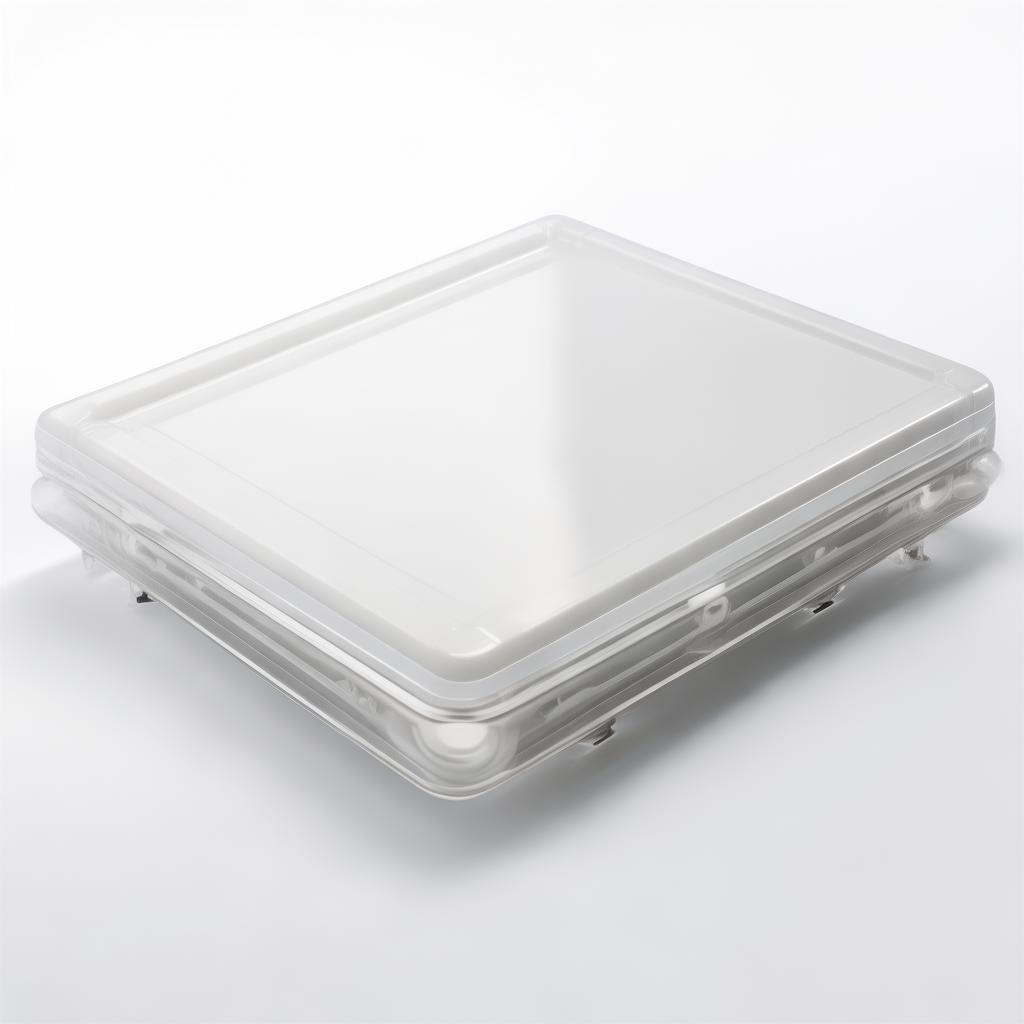
Logistics is also key. Efficient container loading strategies for precision molds, considering protective packaging and weight optimization, minimize freight costs and damage risk during international shipping.
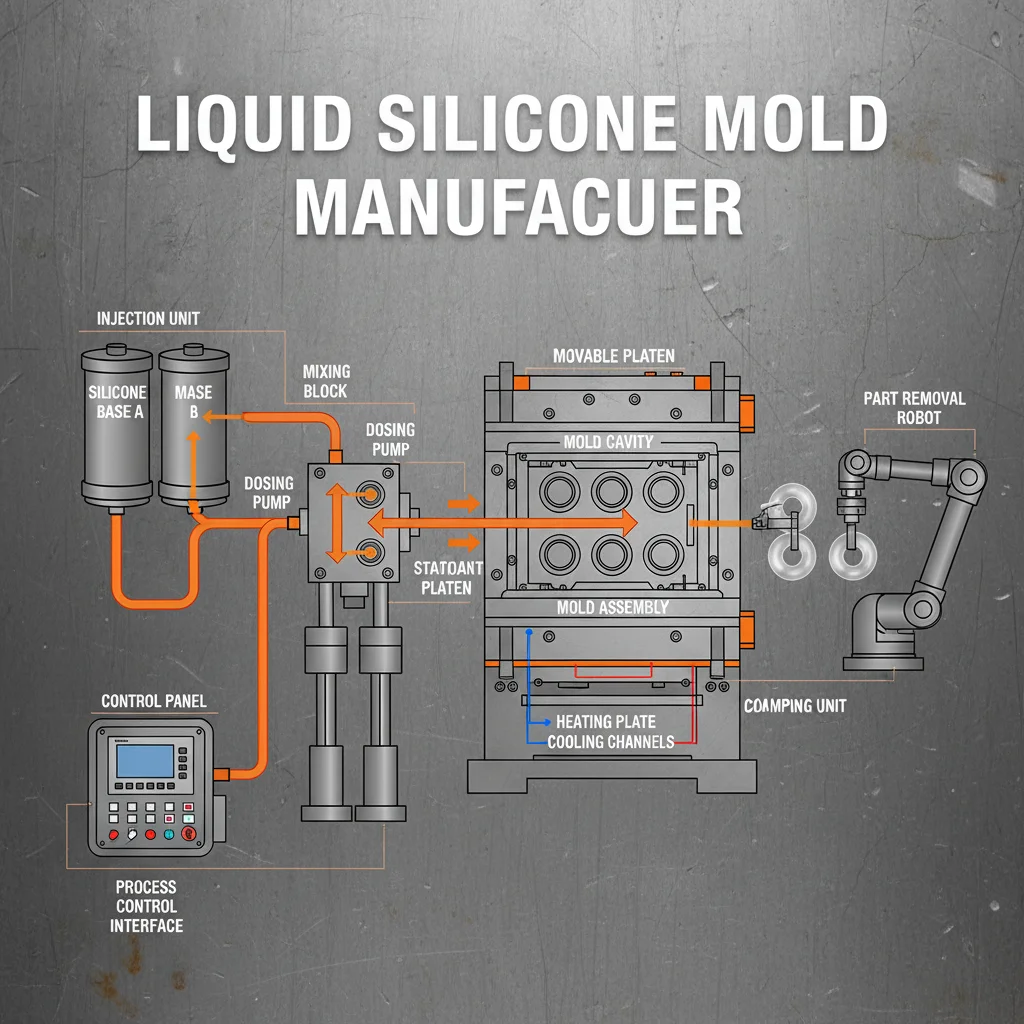
Material Selection: Using high-grade liquid silicone rubber (LSR) formulations with specific hardness (typically 10–70 Shore A), UV resistance, and FDA/USP Class VI biocompatibility where required.
Mold Design & Fabrication: Employing CNC machining, EDM, and precision surface polishing to achieve micro tolerance accuracies (< 10 microns) and mirror finishes.
Injection Molding Parameters: Optimizing injection speed, mold temperature (generally 120–160°C for LSR), and curing time per batch to ensure dimensional stability.
Overmolding & Multi-Shot Techniques: Integrating LSR with ABS or polycarbonate materials for complex components that combine flexibility with rigidity.
Quality Control & Testing: Utilizing advanced non-destructive testing (NDT), dimensional inspection, and statistical process control (SPC) aligned with ISO 13485 for medical-grade products.
Table 1: Typical Technical Specifications for Precision LSR Molds
Successful processing also leverages CAE simulation tools to predict cavity filling and curing progression, thereby reducing costly mold modifications. Leading manufacturers increasingly utilize rheological databases, as noted in the MDPI paper on material characterization methods to improve injection molding simulation accuracy.
Factory Capabilities & Quality Assurance
Guangdong Yingtai High Precision Technology Co., Ltd. is situated at the heart of Dongguan’s manufacturing hub, China. Our 35,000 square meters production park integrates precision mold development, silicone injection molding, and product finishing under one roof.
State-of-the-art mold and injection facilities at Yingtai
Our expertise is backed by:
55 sets of dedicated liquid silicone molding machines
Over 80 automatic plastic injection molding units for overmolding
20 solid silicone hydraulic presses for complex parts forming
More than 30 precision mold processing stations equipped with EDM, CNC lathes, and polishing machines
Over 20 advanced testing instruments including tensile, hardness, and dimensional metrology
We operate a closed-loop intellectualized manufacturing system supporting OEM/ODM projects, ensuring consistent delivery at scale.
Certifications:
These certifications affirm our adherence to international quality standards and industry compliance, critical for clients in medical, automotive, and consumer electronics sectors.
Our export department manages efficient logistics planning including packaging, container loading optimization, and customs documentation to ensure risk-mitigated cross-border delivery.
Applications & Industry Use Cases
Precision liquid silicone component molds produced by our facility support a wide array of industrial sectors:
New Energy Vehicles – Sealing gaskets, flexible connectors, and electronic component insulation that endure temperature swings and chemical exposure
Consumer Electronics – Keypads, buttons, protective seals with ergonomic design and tactile feedback
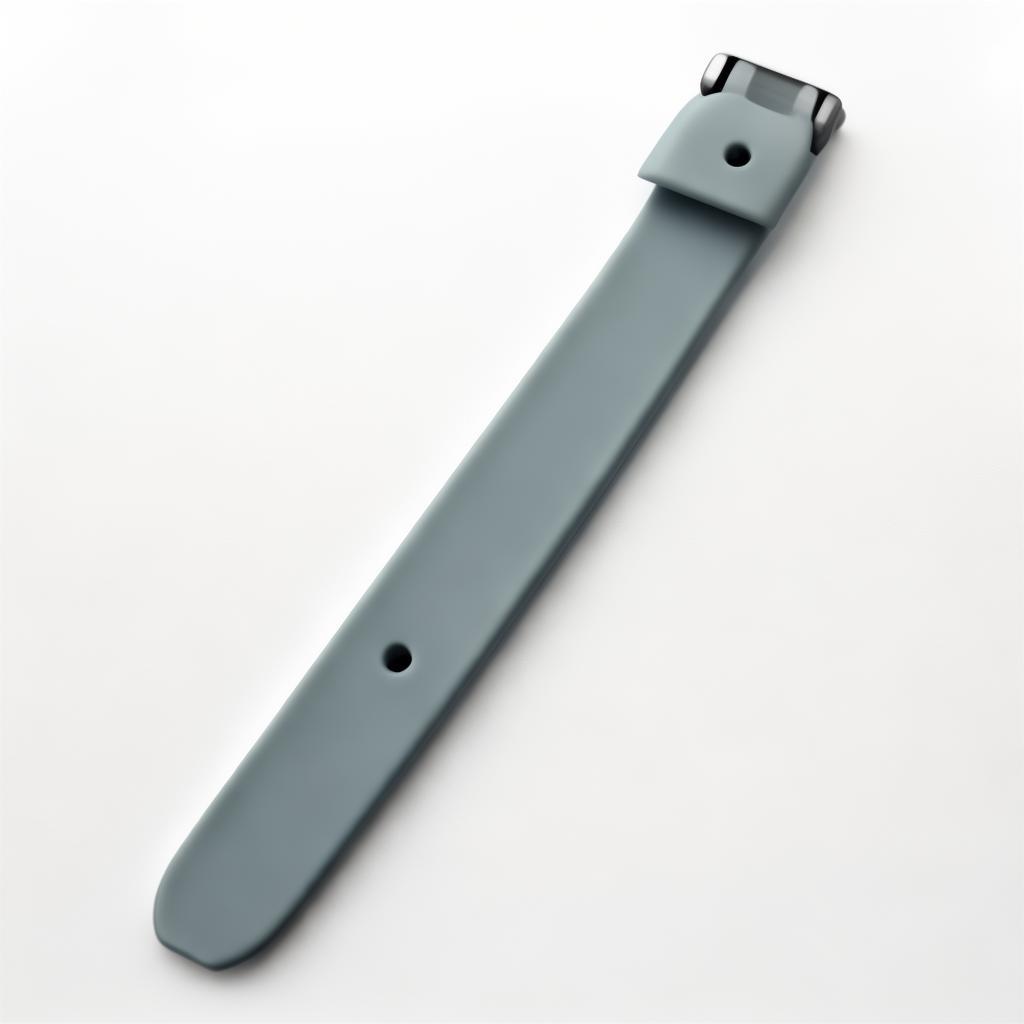
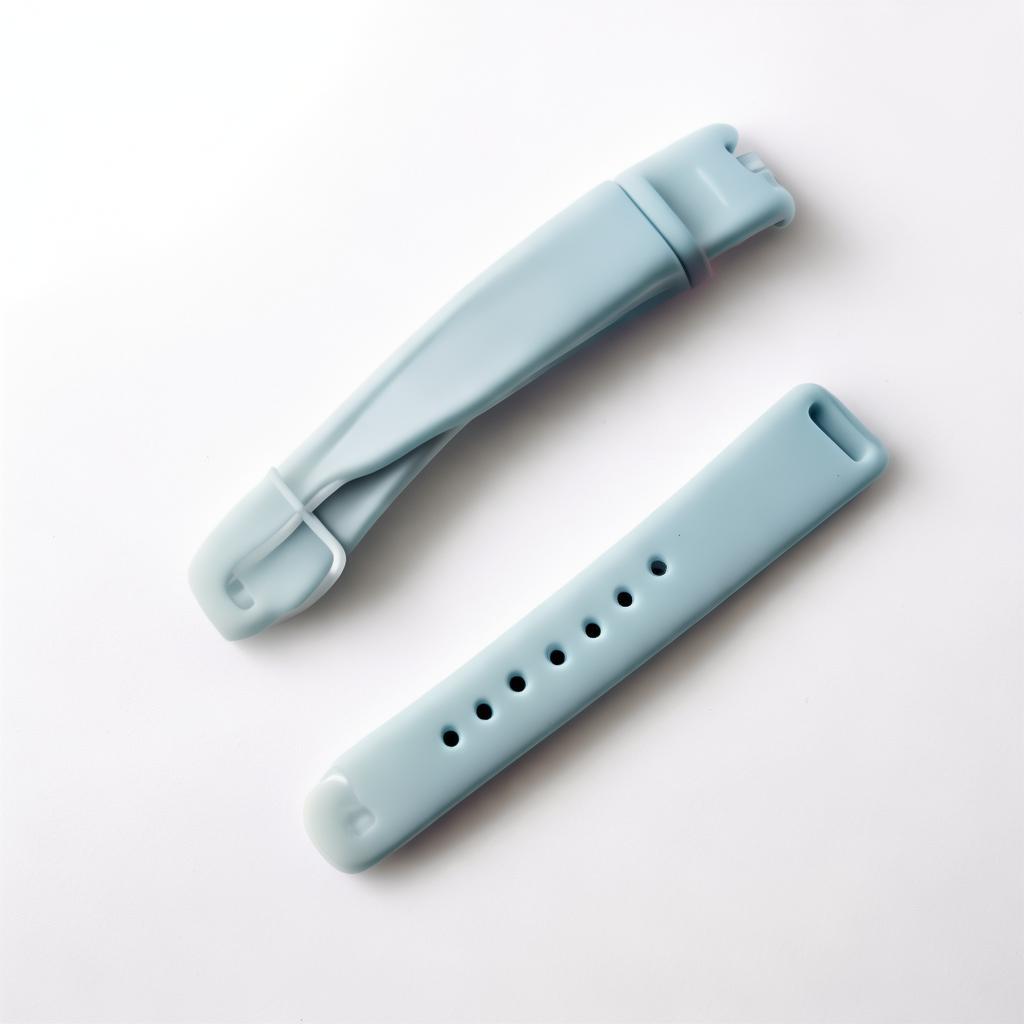
Smart Wearables – Biocompatible, skin-safe silicone molds for device casings and sensors requiring flawless surface finish
Communication Equipment – EMI shielding gaskets and waterproof seals for ruggedized applications
Industrial/Home Appliance – Durable silicone seals exposed to prolonged mechanical wear and UV radiation
Medical Devices – Components manufactured under ISO 13485 procedures for biocompatibility and sterilization resistance
Each application imposes unique demands on mold design and material properties, requiring technical collaboration between buyer and supplier during early design phases. As highlighted in the Nature Scientific Report, injection molding precision allows biomedical microdevices to achieve reliable structural geometry and cell culture compatibility, reflecting meticulous mold processing requirements.
Procurement Guidance & Risk Mitigation
For procurement directors and purchasing managers navigating the complex LSR mold supplier landscape, several practical tips help safeguard your project:
Confirm Mold Material and Tolerance Standards: Request detailed mold design documents and confirm use of hardened steel (e.g., H13) for longevity.
Evaluate Supplier's R&D & Simulation Capabilities: Advanced material characterization and digital twin simulation reduce costly mold iterations.
Review Testing Provisions: Inspect if the supplier conducts SPC and batch testing according to application-specific standards (ISO, FDA).
Contracts & Maintenance Agreements: Include terms for mold warranty, maintenance support, and troubleshooting response times.
Understand Lead Times & Logistics Plans: Early discussion of tooling lead time and freight planning reduces cross-border delays.
Opt for partners transparent about OEM and ODM capabilities, particularly those experienced in multi-shot injection molding integrating plastic and silicone components for commercial scalable production.
Finally, maintain direct communication with engineering teams to clarify trade-offs between mold cost, cycle time, and part complexity early on, minimizing misunderstandings.
Buyer FAQs
Q1: What are typical lead times for precision LSR mold delivery?
Lead times vary based on mold complexity but generally range from 6 to 10 weeks including design review, CNC machining, and polishing. Rush orders may be possible for standard tooling.
Q2: How many shots can an LSR mold typically produce before maintenance?
High-quality steel molds sustain 500,000 to 1,000,000 shot cycles before requiring significant refurbishment, contingent on mold design and curing parameters.
Q3: Is overmolding with LSR compatible with standard plastic resins?
Yes, materials like ABS, PC, and PBT are commonly overmolded with LSR using controlled injection parameters and surface treatment to ensure adhesion.
Q4: How do I verify mold precision before production?
Request first-article inspections including coordinate measurement machine (CMM) reports and surface roughness data for mold cavities.
Q5: What packaging is used for overseas shipping of molds?
Molds are packed in custom wooden crates with anti-corrosion coatings, desiccants, and secured cushioning to prevent damage during ocean or air freight.
Customer Reviews
Mark S., Procurement Manager – Automotive Sector
“Yingtai’s precision molds reduced our rejection rate significantly. The team’s technical support on material selection and process parameters was invaluable. We saw a smoother ramp-up and fewer defects than planned.”
Get in Touch
If you have any camping barbeque equipment inquiry, please feel free to contact us.